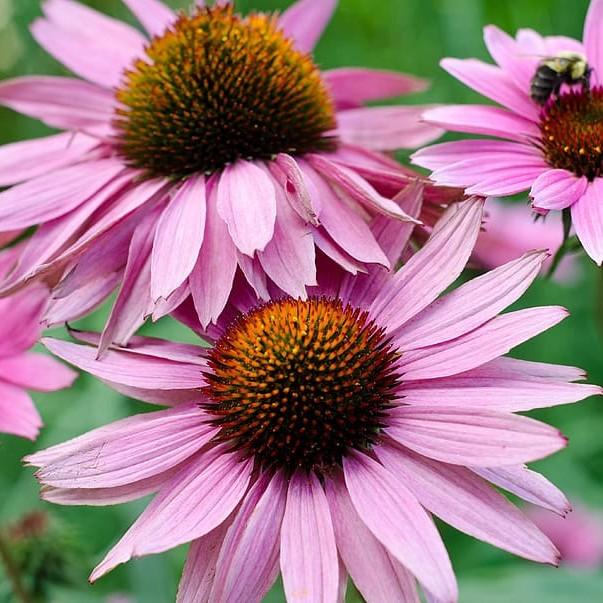
coneflower
Echinacea 'Pink Mist'
Overview
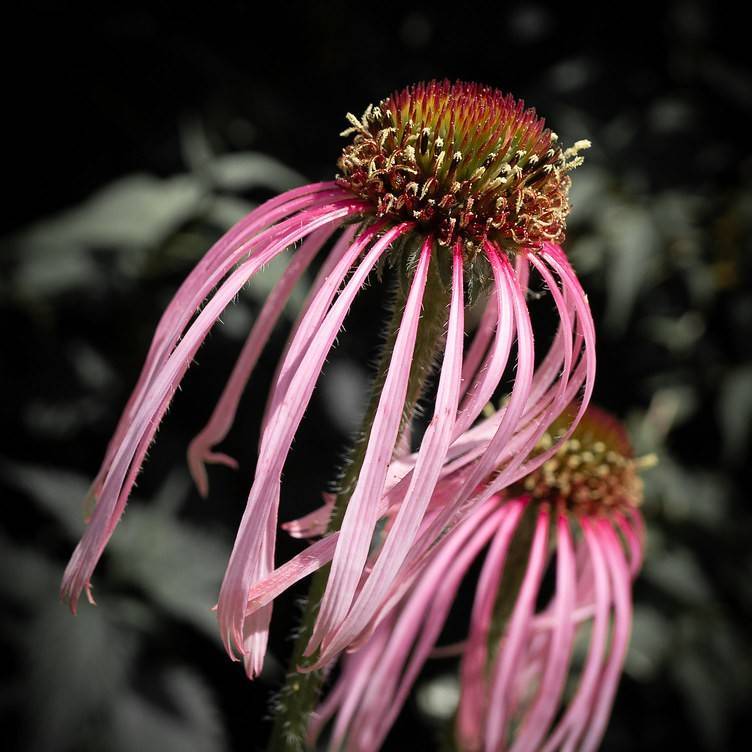
Coneflower, also known as Echinacea 'Pink Mist' is an amazing species of flower. It is known for its beautiful rosy-pink petals that bloom up against spiky green leaves, creating a majestic contrast. This native North American plant is loved by gardeners for its easy-care qualities. It is relatively drought tolerant, can stand up to most conditions, and flowers abundantly from summer to frost. Not only is it easy to care for and beautiful to look at, it is also a great source of nectar for pollinators. With its stunning pink hue, cone flower is sure to bring beauty and life to any garden.
Care Guide
Watering
Coneflower (Echinacea 'Pink Mist') should be watered when the top inch or 2 of soil has dried out. It is best to water deeply and thoroughly, ensuring that all the roots are receiving adequate moisture. Depending on weather conditions, this could mean watering once a week, or even every other day during times of extreme heat or drought. Make sure to check the soil before watering and water only when it is dry. If the soil is still moist, it does not need to be watered again yet.
Light
Coneflower (Echinacea 'Pink Mist') prefer to be in a sunny location that receives at least 6 hours of direct sunlight per day. It will also tolerate slightly shadier conditions, and can even survive in partial sun. However, too much sun can cause fading of the flower color and cause the petals to wilt. In its ideal conditions, it will bloom in the late spring and early summer, and then again in late summer if properly deadheaded.
Temperature
Hardiness zone 3–8.
Pruning
Coneflower (Echinacea 'Pink Mist') is an easy to care for perennial plant with attractive purple-pink flowers. Pruning is an important step in the care for this species, and should be done on a regular basis to ensure the health of the plant and to encourage new growth. The best time to prune your coneflower is in late winter or early spring, before new growth begins. Pruning away dead or dying flower heads, as well as any dead or diseased foliage, will help maintain the vigor of the plant and improve its overall look. Depending on the size of the plant, this pruning can be done with pruning shears or more serious pruning may be necessary to maintain the shape and size of the plant. In addition, it is also beneficial to remove spent flowers throughout the season. Doing so will encourage the plant to produce more blooms and generally result in a healthier, longer lasting display of color. For coneflower, pruning should never be done after mid-summer as it will reduce the amount of blooms that will appear the following season. Overall, coneflower should be pruned at least twice a year; once in the late winter or early spring and again after the plant has finished blooming for the season.
Propagation
Seed Propagation, Division, Root Cutting, Layering Propagation
Uses & Symbolism
Attracts: Birds, Butterflies.
Related plants
Other plants you might like if you grow coneflower.
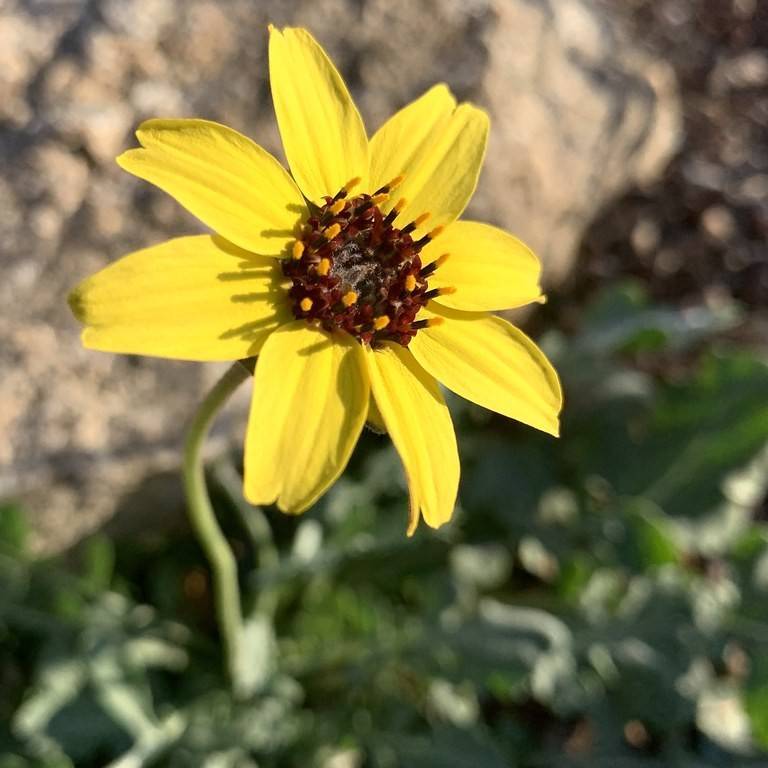
chocolate flower
Berlandiera lyrata
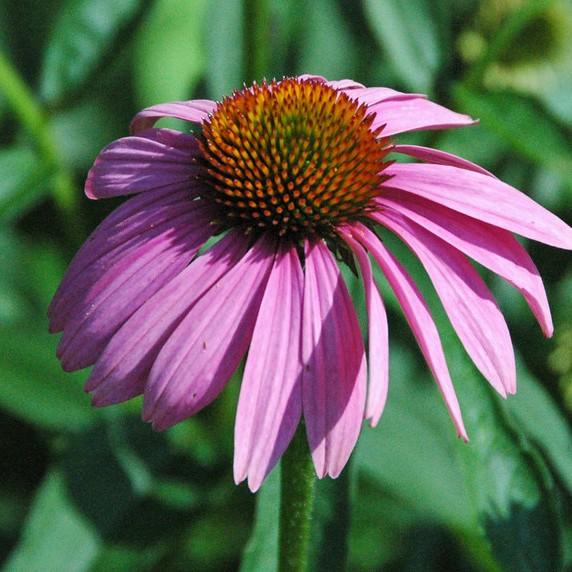
coneflower
Echinacea 'Adam Saul' CRAZY PINK
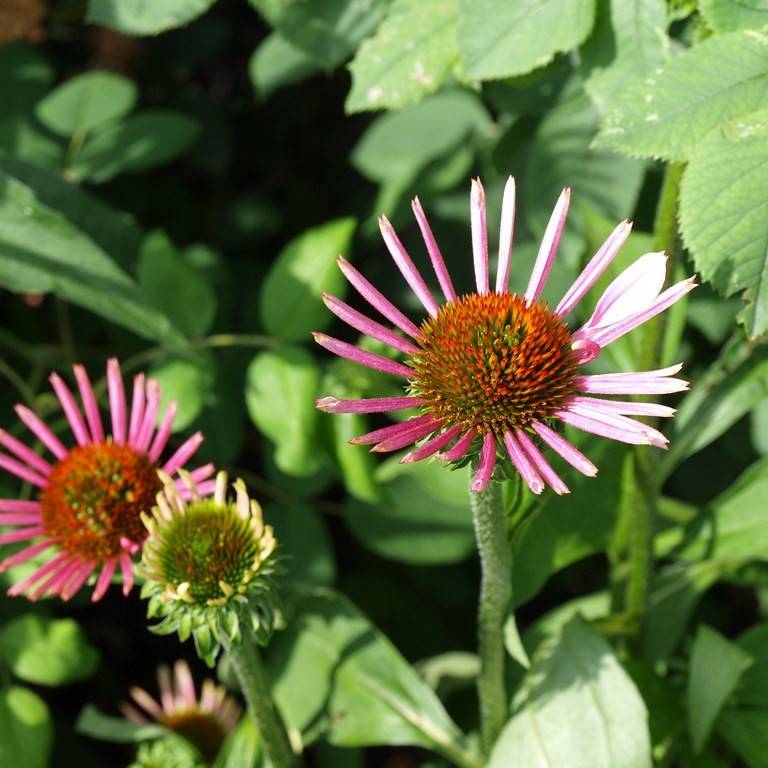
coneflower
Echinacea 'All that Jazz'
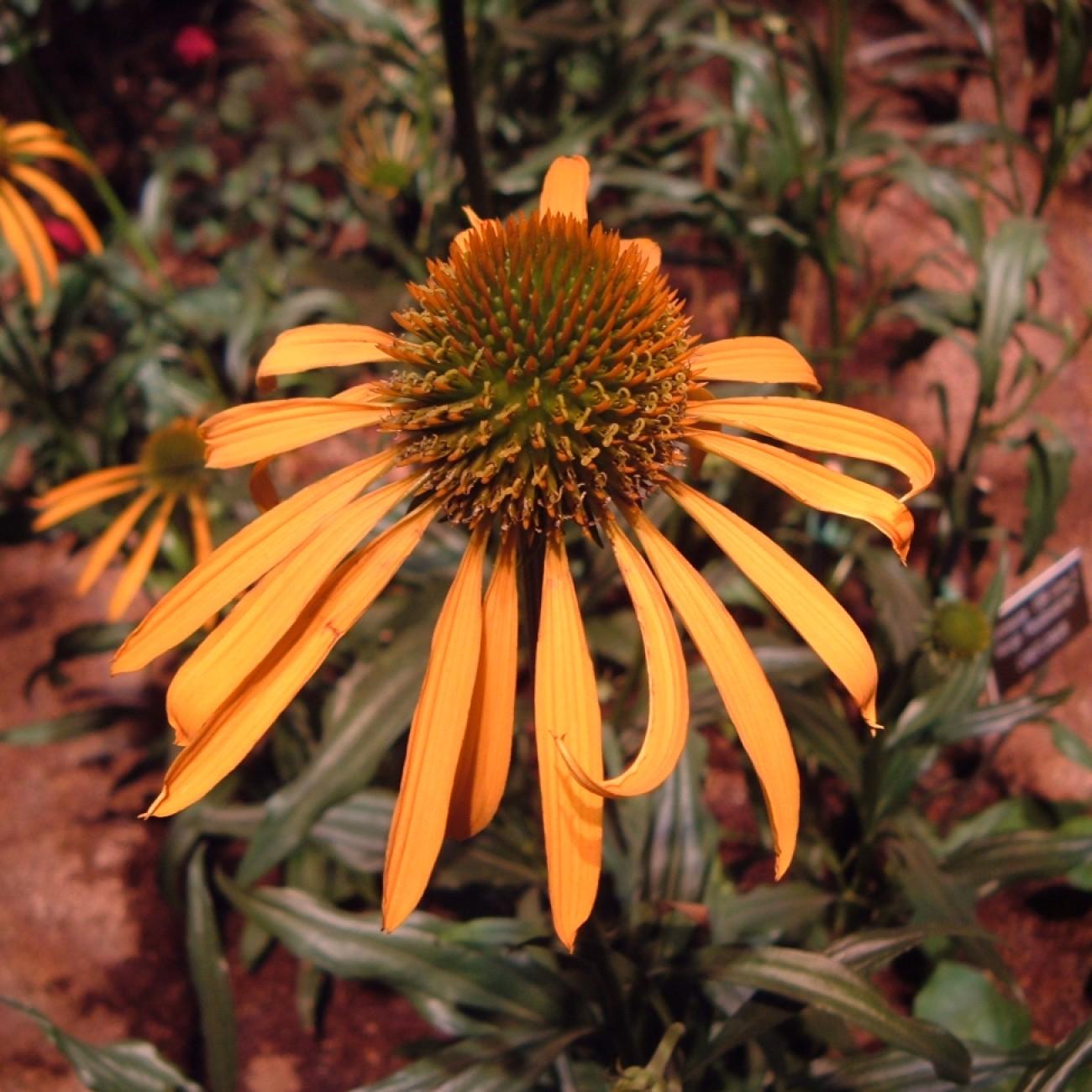
coneflower
Echinacea 'Art's Pride' ORANGE MEADOWBRITE
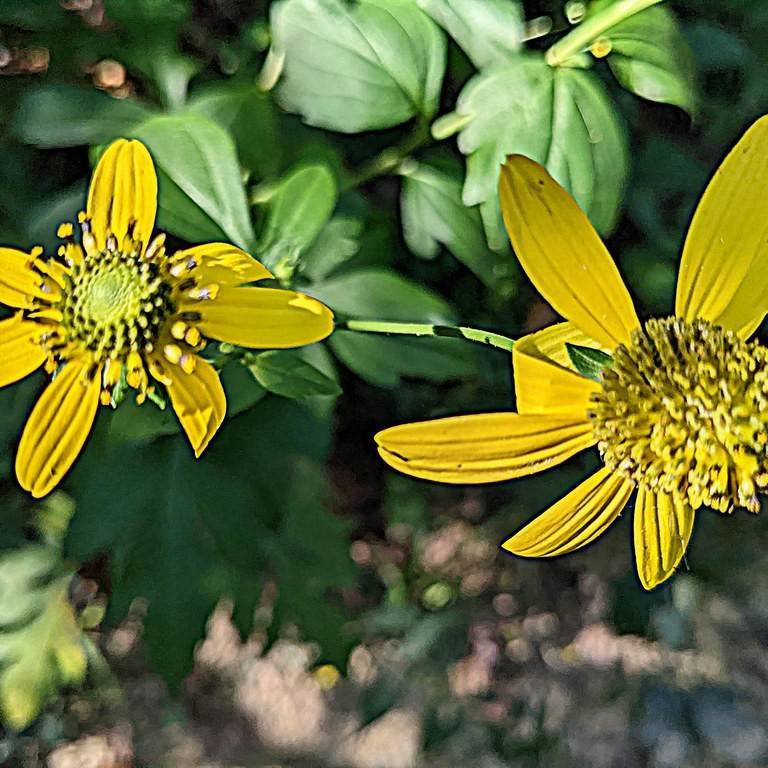
coneflower
Echinacea 'Balsomsolst' SOMBRERO SUMMER SOLSTICE
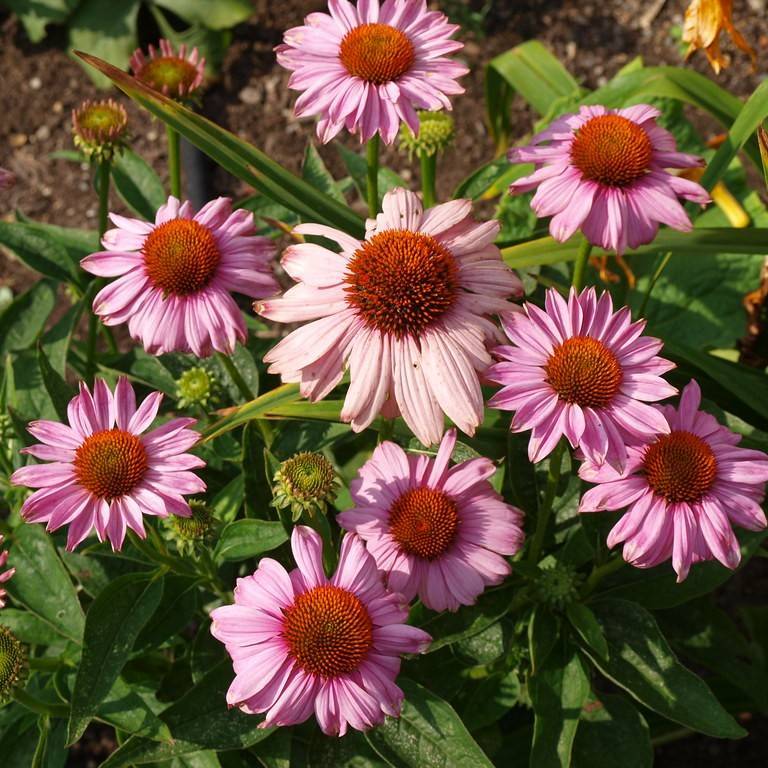
coneflower
Echinacea 'Bravado'
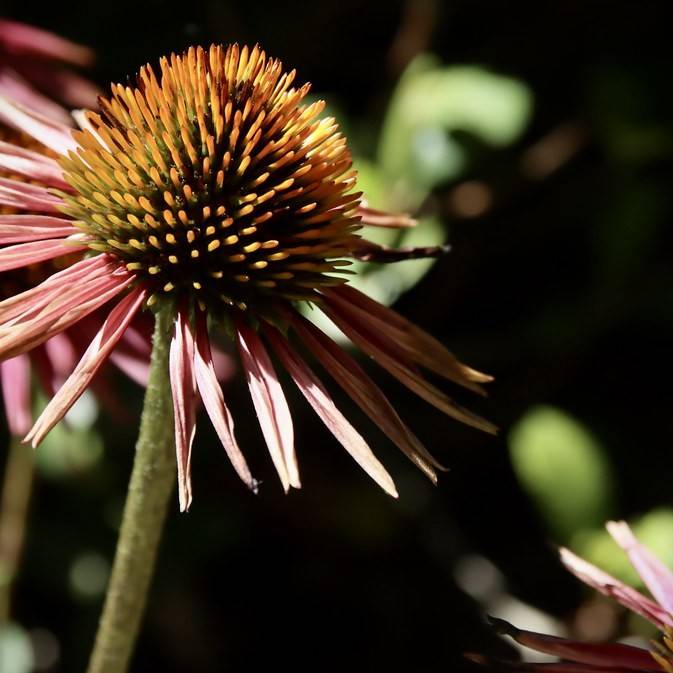
coneflower
Echinacea BURGUNDY FIREWORKS
coneflower
Echinacea 'CBG Cone 2' PIXIE MEADOWBRITE