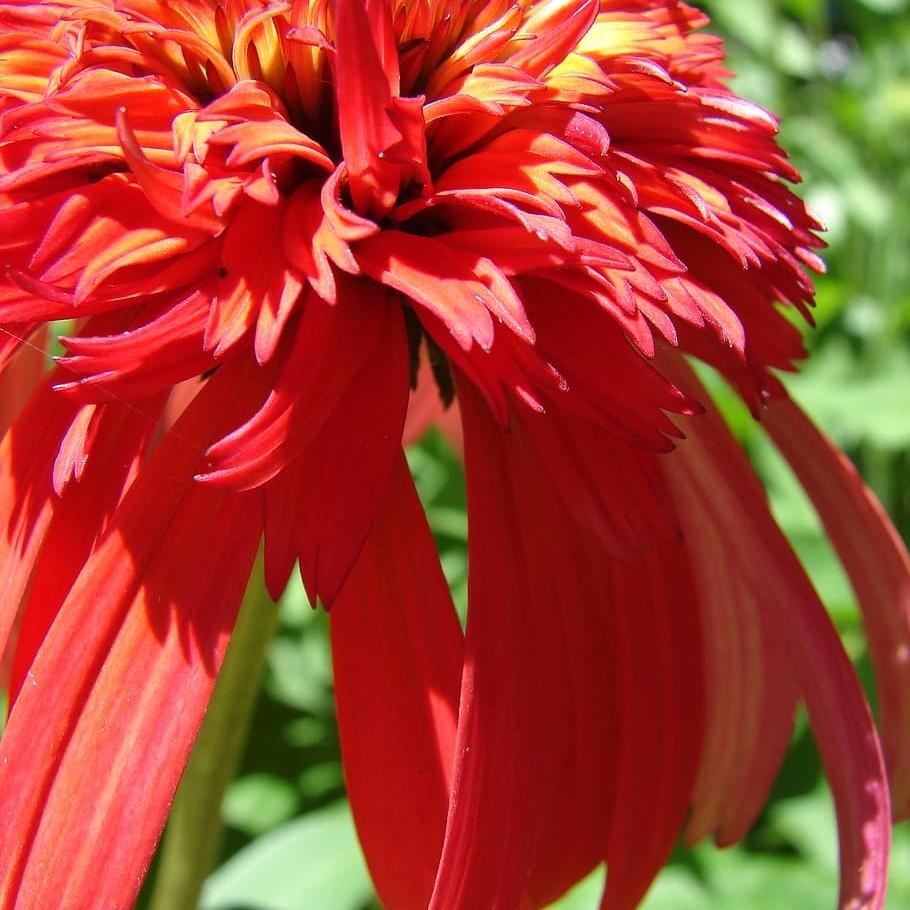
coneflower
Echinacea 'Secret Lust'
Overview
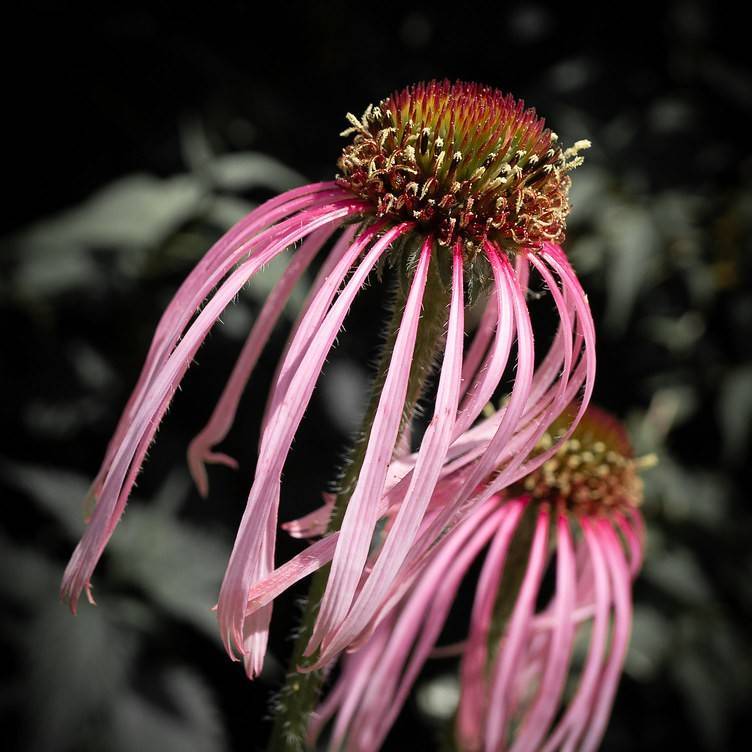
Echinacea 'Secret Lust' Coneflower is a species that is not only beautiful, but also incredibly beneficial to the environment. With large daisy-like petals that are bright pink and dazzling yellow in the center, this species is sure to catch the eye. But more than just eye-catching, Echinacea 'Secret Lust' is incredibly hardy and grows well in multiple soils and climates. What's more, when other plant species are scarce, Coneflowers attract pollinators like Monarch butterflies, bees, and hummingbirds. Finally, Coneflowers also has medicinal properties and is known to help the immune system. For all of these reasons, Echinacea 'Secret Lust' is an amazing species.
Care Guide
Watering
Coneflower (Echinacea 'Secret Lust') should be watered once a week throughout its growing season. Make sure to water it deeply, providing it with 1-2 inches of water per session. During periods of warmer weather, you may need to water it more frequently in order to prevent the soil from drying out. Check the soil near the base of the plant by inserting your finger in the soil to gauge whether or not the coneflower needs more water. Water the plant until the soil is saturated and then allow it to drain. If the soil is still damp or wet, wait a few days before watering again.
Light
Coneflower (Echinacea 'Secret Lust') prefers full sun in most areas and at least 6 hours of direct sunlight is ideal. If planted in part shade, some flowering may occur, but the bloom time is typically shortened. Therefore, it is recommended that Echinacea 'Secret Lust' be placed in an area of the landscape that allows it to receive an abundance of sunlight during the peak of the day (from 10am-4pm). The amount of sunlight received depends on the climate of the area, but all plants should receive a minimum of 6 hours of direct sunlight per day.
Temperature
Hardiness zone 3–8.
Pruning
Coneflower (Echinacea 'Secret Lust') should be pruned in the early spring when the ground begins to warm up and the leaves begin to appear. Prune off all the dead or dying stems and leaves, and then lightly prune away the extra foliage to open up airflow and maximize light exposure. In late spring, remove any discolored leaves, as well as any stems that are damaged or not flowering. In mid-summer, remove any faded flowers to promote further blooming and also any stems that have become spindly or too long. Lastly, in fall, cut back dead stems and foliage for maintenance.
Propagation
Seed Propagation, Division, Root Cutting, Layering Propagation
Uses & Symbolism
Attracts: Birds, Butterflies.
Related plants
Other plants you might like if you grow coneflower.
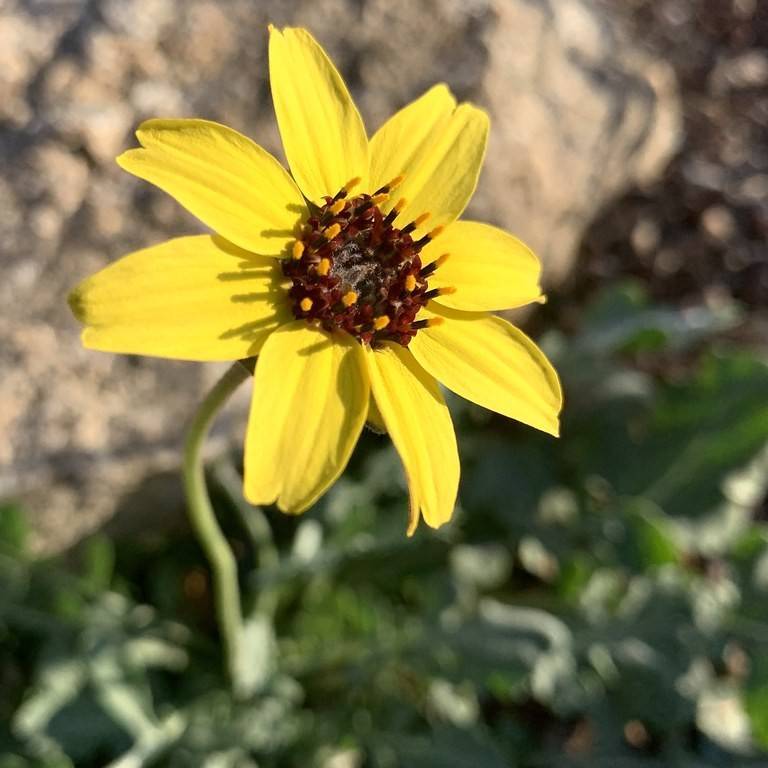
chocolate flower
Berlandiera lyrata
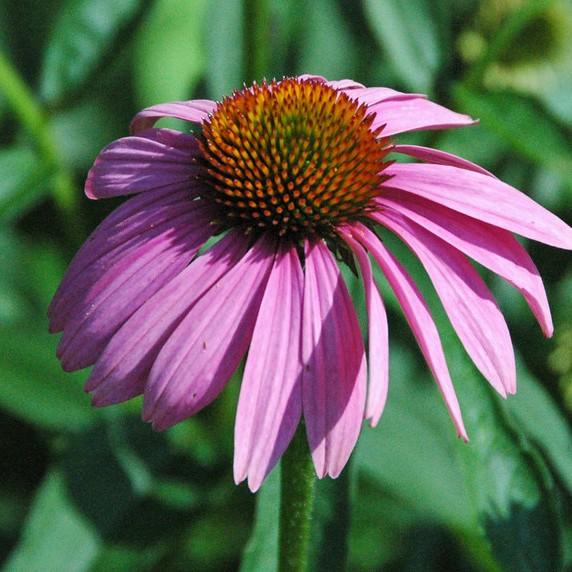
coneflower
Echinacea 'Adam Saul' CRAZY PINK
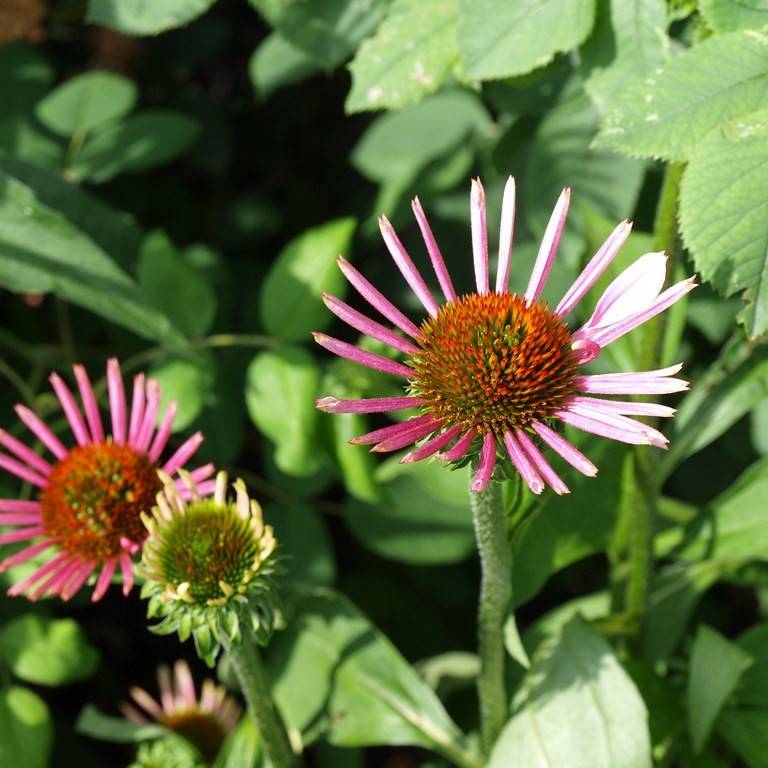
coneflower
Echinacea 'All that Jazz'
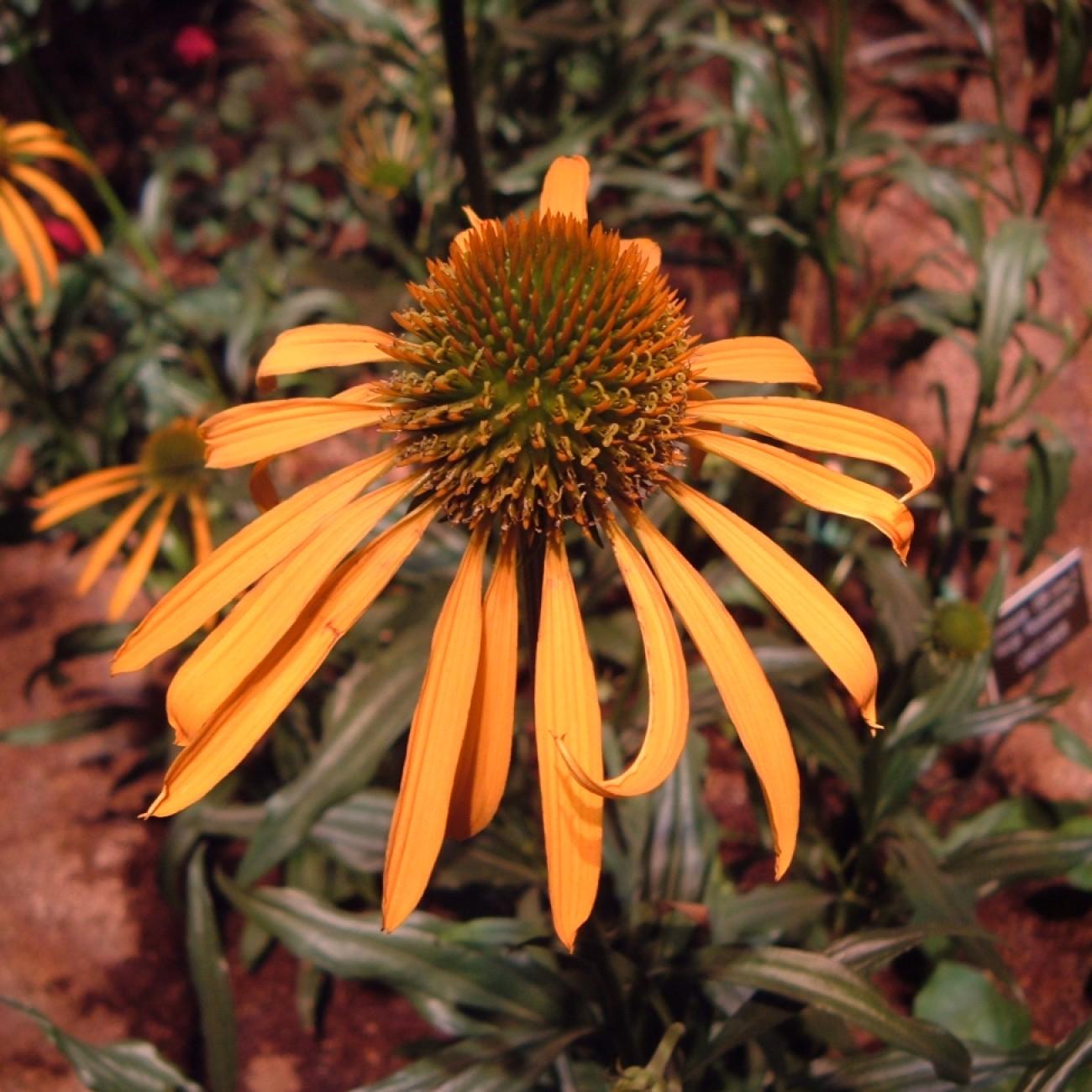
coneflower
Echinacea 'Art's Pride' ORANGE MEADOWBRITE
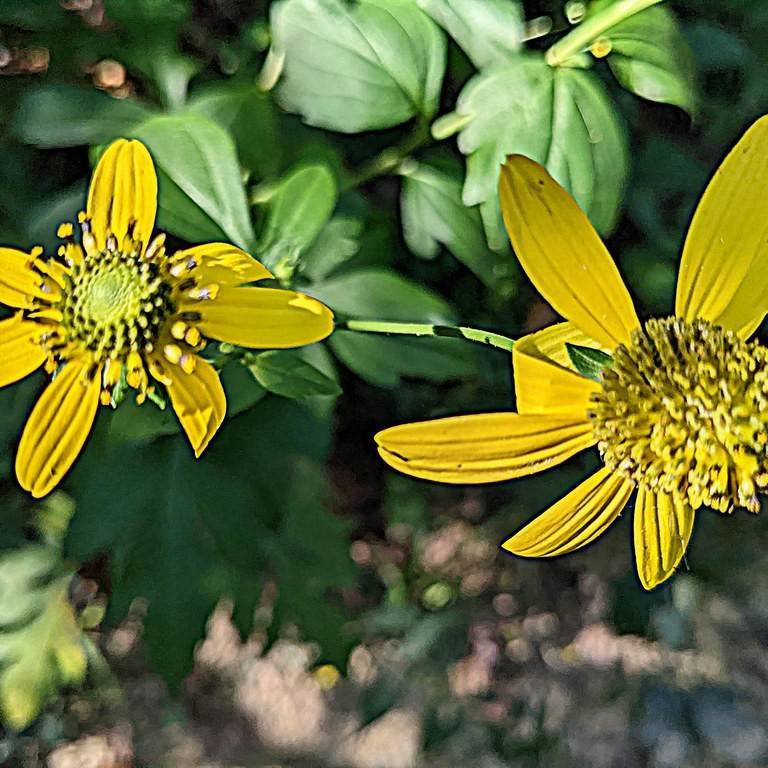
coneflower
Echinacea 'Balsomsolst' SOMBRERO SUMMER SOLSTICE
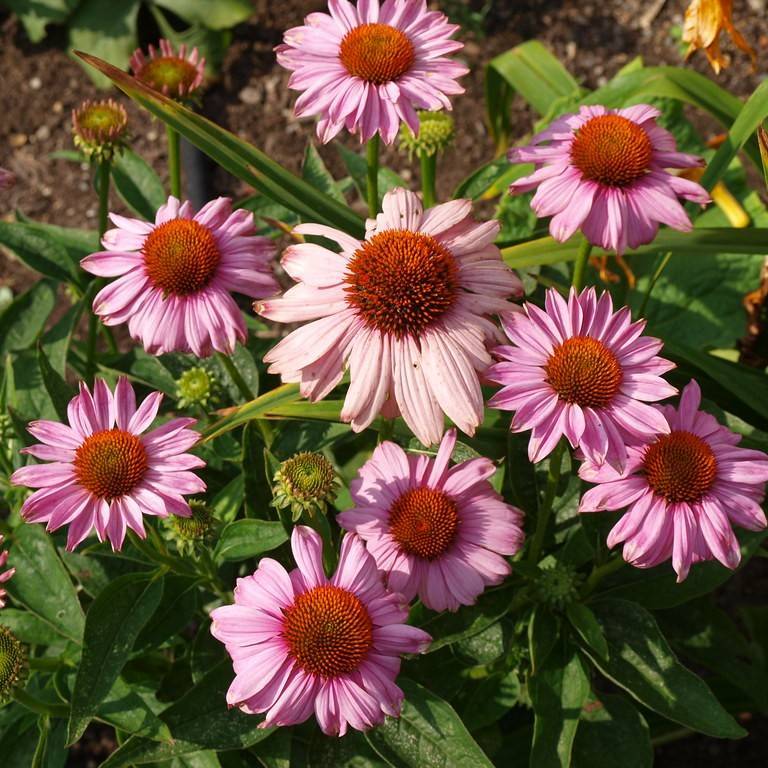
coneflower
Echinacea 'Bravado'
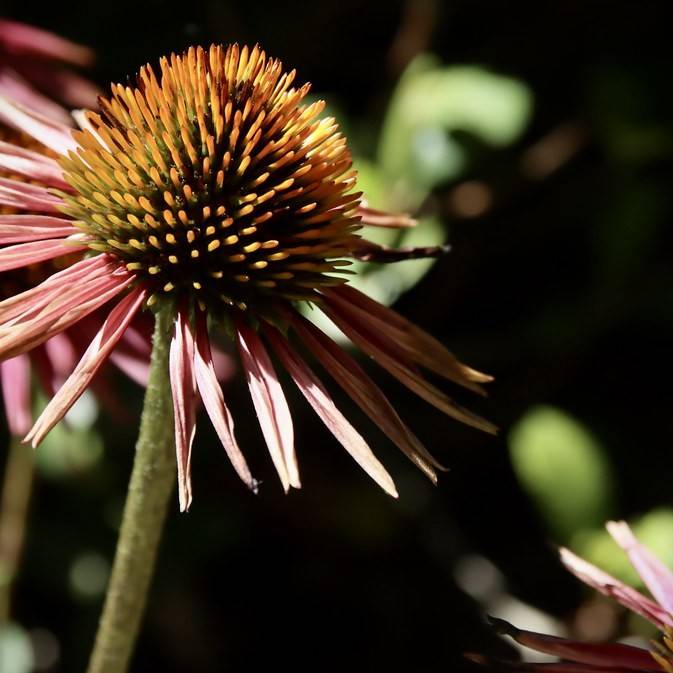
coneflower
Echinacea BURGUNDY FIREWORKS
coneflower
Echinacea 'CBG Cone 2' PIXIE MEADOWBRITE