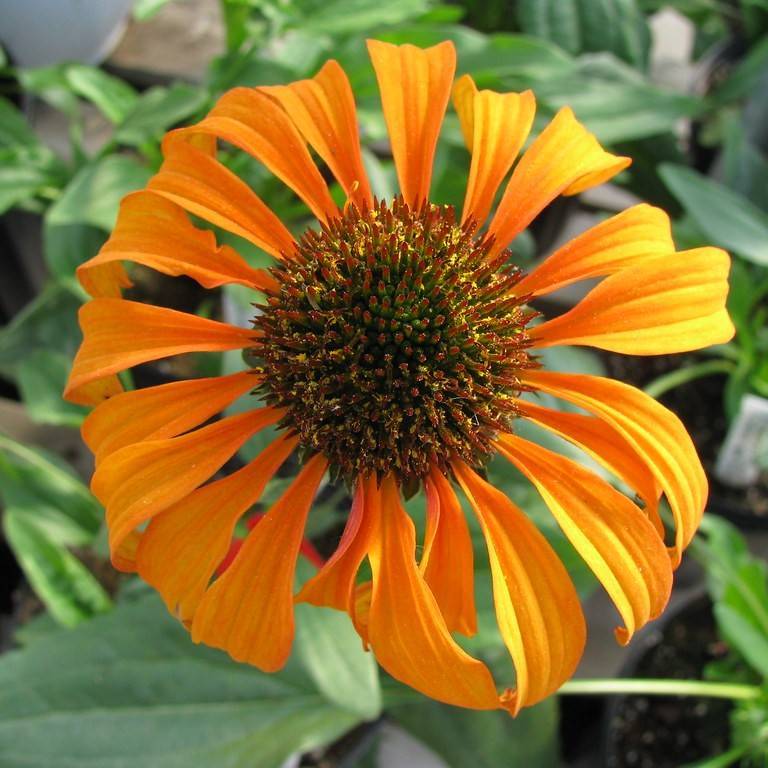
coneflower
Echinacea 'Tangerine Dream'
Overview
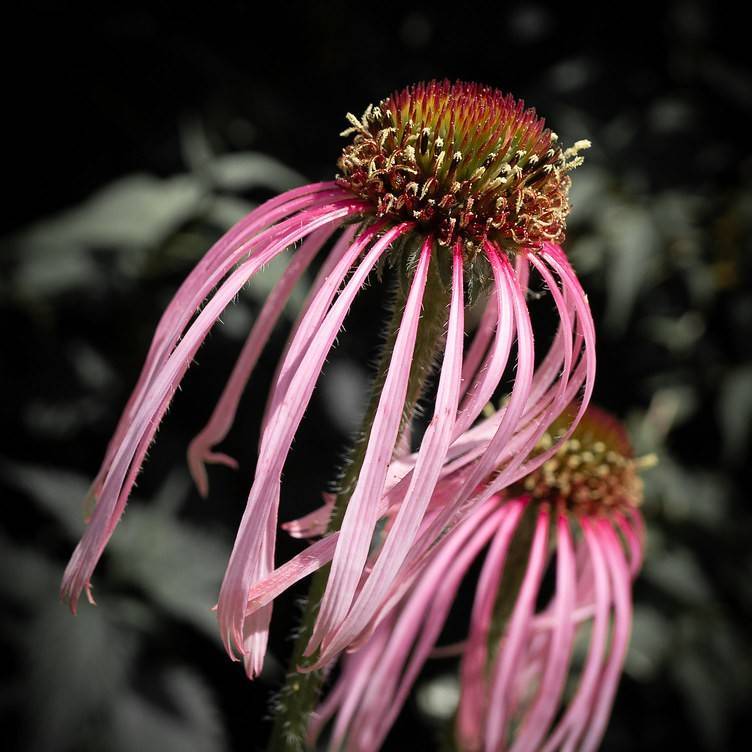
Coneflower (Echinacea 'Tangerine Dream') is an amazing species of plant that brings a bright and cheerful touch to any garden. Its showy, daisy-like flowers are a blend of bright tangerine petals surrounding orange-brown centers, and complement any color scheme. This hardy, heat tolerant plant is effortless to grow and blooms all season long. Its drought-tolerant foliage is an inviting habitat for beneficial pollinators. In short, this species is the perfect addition to brighten up any yard or garden while also providing a vital habitat for local wildlife.
Care Guide
Watering
Coneflower (Echinacea 'Tangerine Dream') requires consistent watering. It should be watered once a week, providing 1-1.5 inches of water to the soil. If the weather is very warm, or if the soil is dry, then it may need more frequent watering. It is important to avoid over-watering, which can lead to root rot. Allow the soil to dry slightly between waterings. During summer, you can mulch the plant to conserve moisture. The soil should remain moist but not soggy. If the flower starts wilting or discoloring, it is probably an indication of too little or too much water. Wet soil can also make the flower more prone to disease.
Light
Coneflower (Echinacea 'Tangerine Dream') requires full sun to grow and bloom well. The ideal amount of sunlight for coneflower is at least 6 hours of direct sunlight each day. If grown in an area with less than 6 hours, the plant may become stunted and will not produce as many flowers. The best time to provide direct sunlight to coneflower is early morning when the sun is not too hot and the light intensity is mild. To ensure optimal growth and flowering, coneflower should be planted in a sunny spot that receives direct sunlight for the majority of the day from spring through late summer.
Temperature
Hardiness zone 3–8.
Pruning
Coneflowers (Echinacea 'Tangerine Dream') should be pruned each year in late winter, after the last frost and before it starts to put out leaves. When it comes to pruning, it’s important to take of just the dead foliage, removing no more than 1-third of the entire plant. Removing the entire top portion will result in the plant becoming looser and more open, which may reduce future blooms. It’s also essential to trim away any foliage that has been damaged by the cold throughout winter. It’s suggested to cut the flower stems down to the ground after they have finished flowering. Doing this will help to encourage a larger and lusher bloom the following season.
Propagation
Seed Propagation, Division, Root Cutting, Layering Propagation
Uses & Symbolism
Attracts: Birds, Butterflies.
Related plants
Other plants you might like if you grow coneflower.
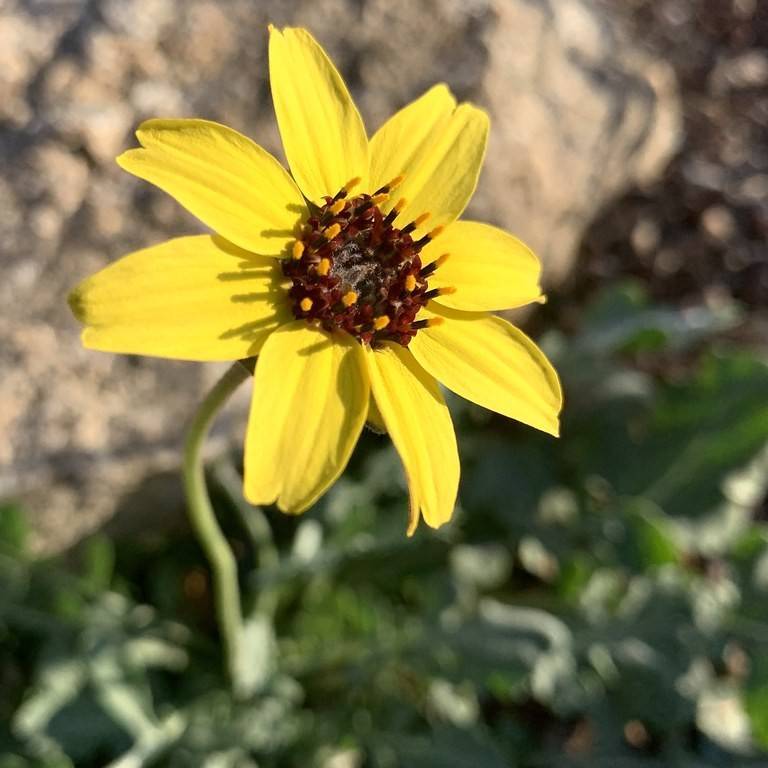
chocolate flower
Berlandiera lyrata
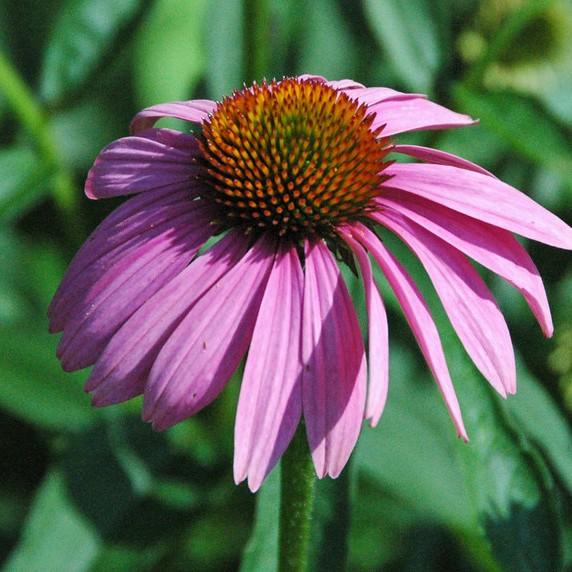
coneflower
Echinacea 'Adam Saul' CRAZY PINK
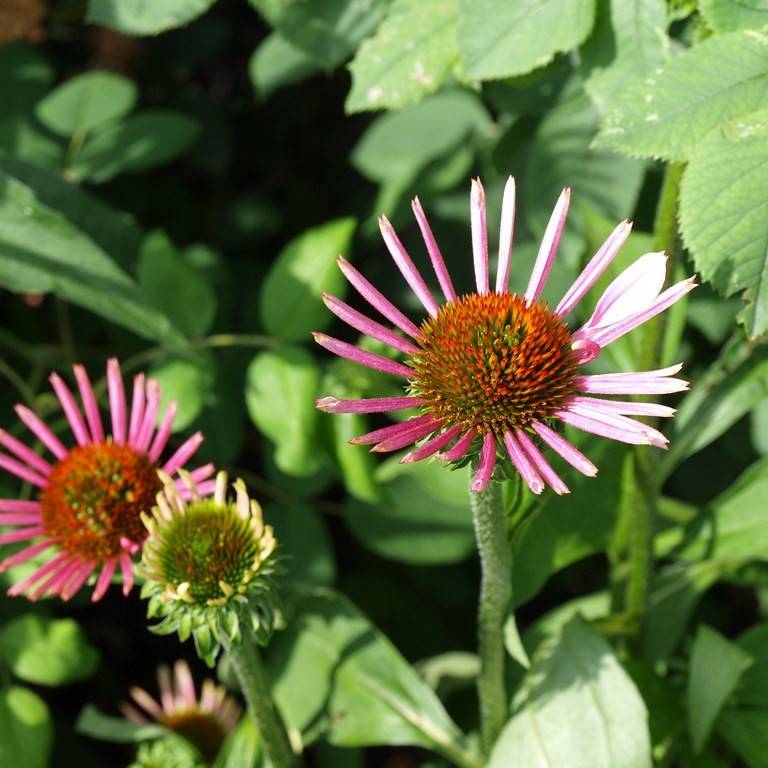
coneflower
Echinacea 'All that Jazz'
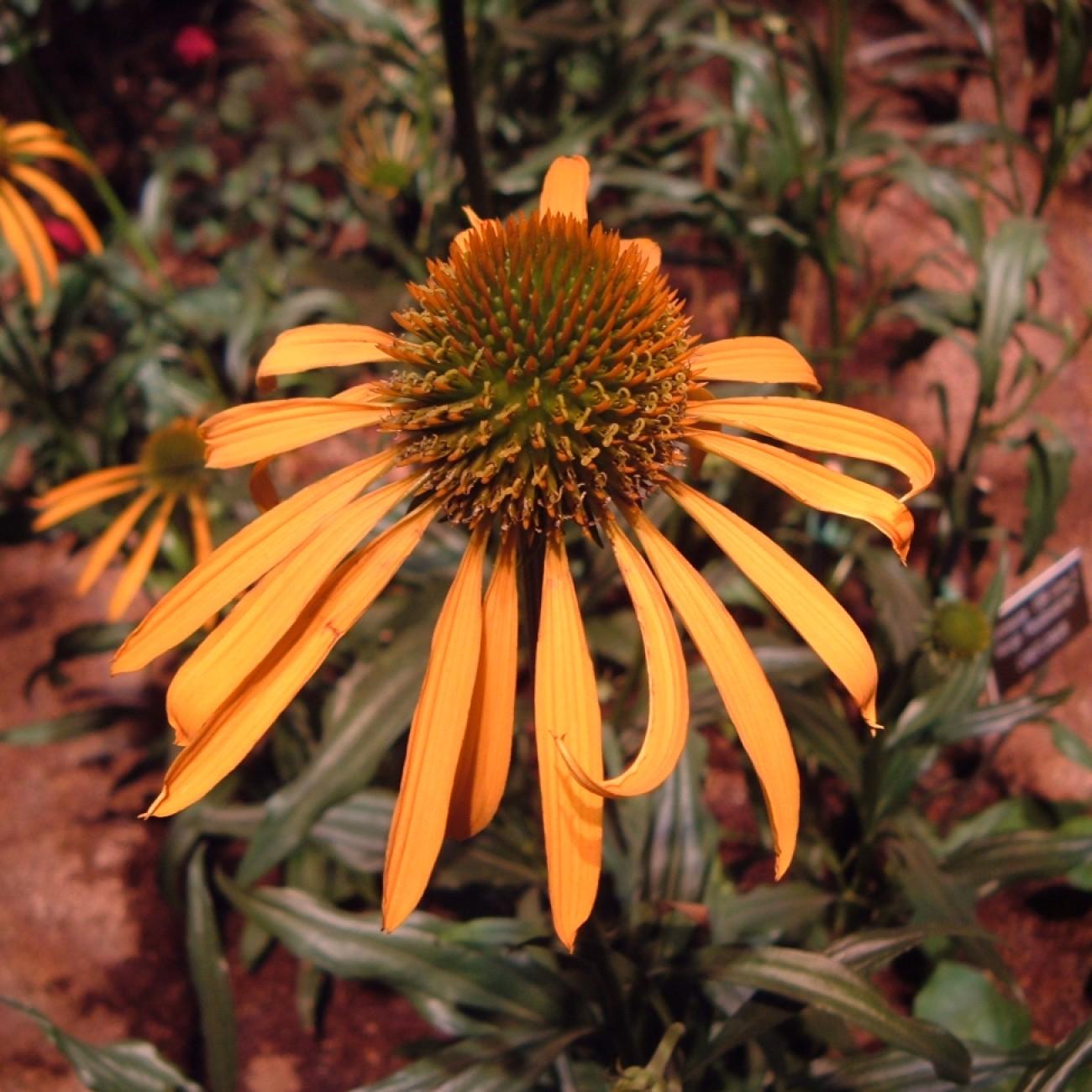
coneflower
Echinacea 'Art's Pride' ORANGE MEADOWBRITE
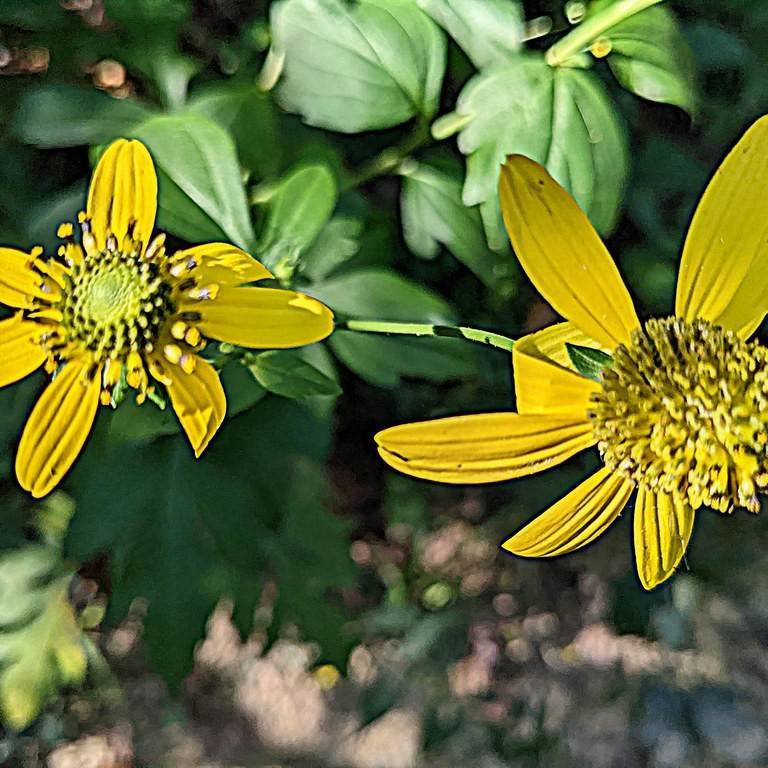
coneflower
Echinacea 'Balsomsolst' SOMBRERO SUMMER SOLSTICE
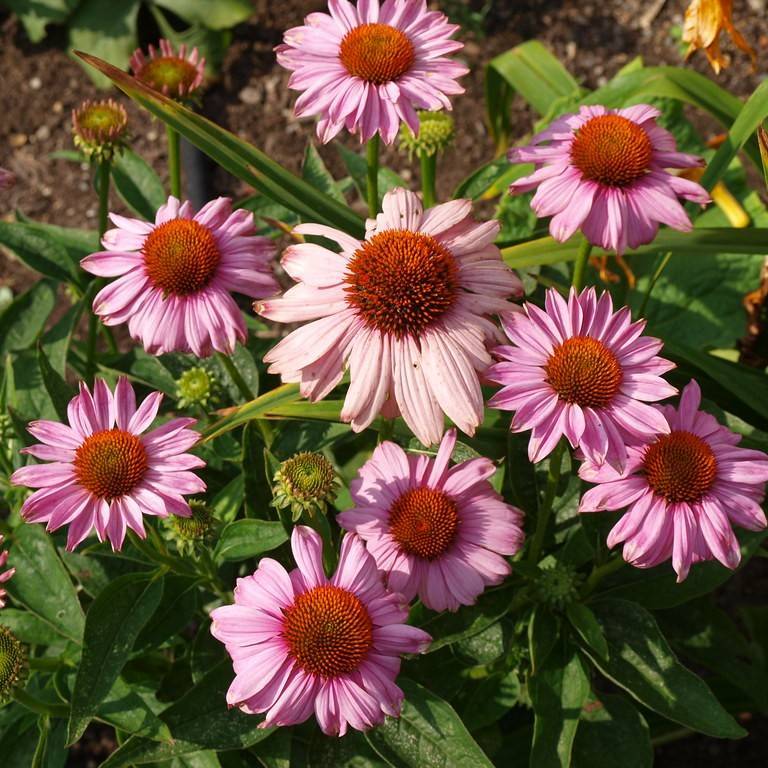
coneflower
Echinacea 'Bravado'
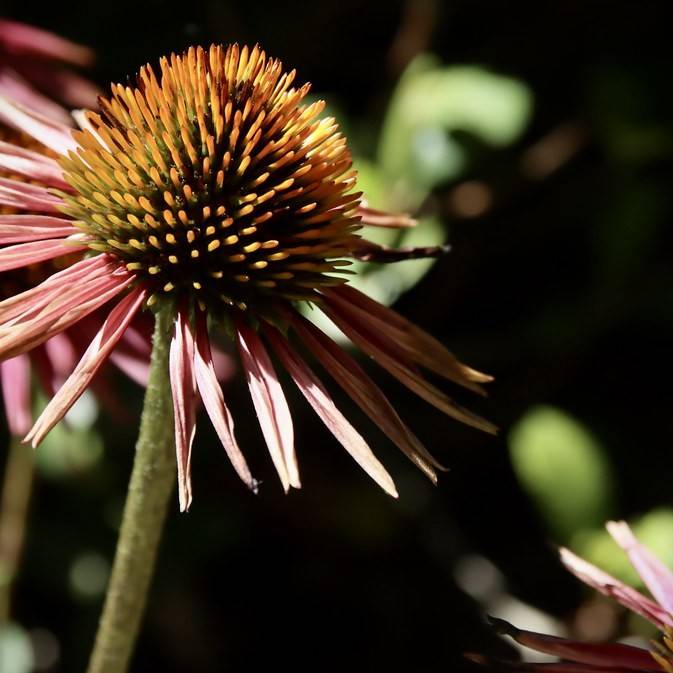
coneflower
Echinacea BURGUNDY FIREWORKS
coneflower
Echinacea 'CBG Cone 2' PIXIE MEADOWBRITE