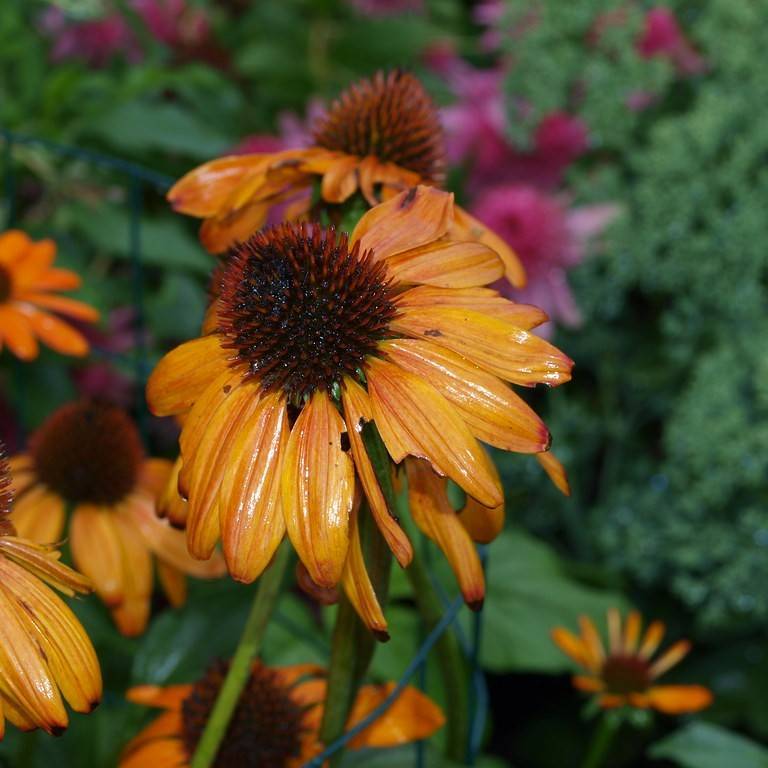
coneflower
Echinacea 'Tiki Torch'
Overview
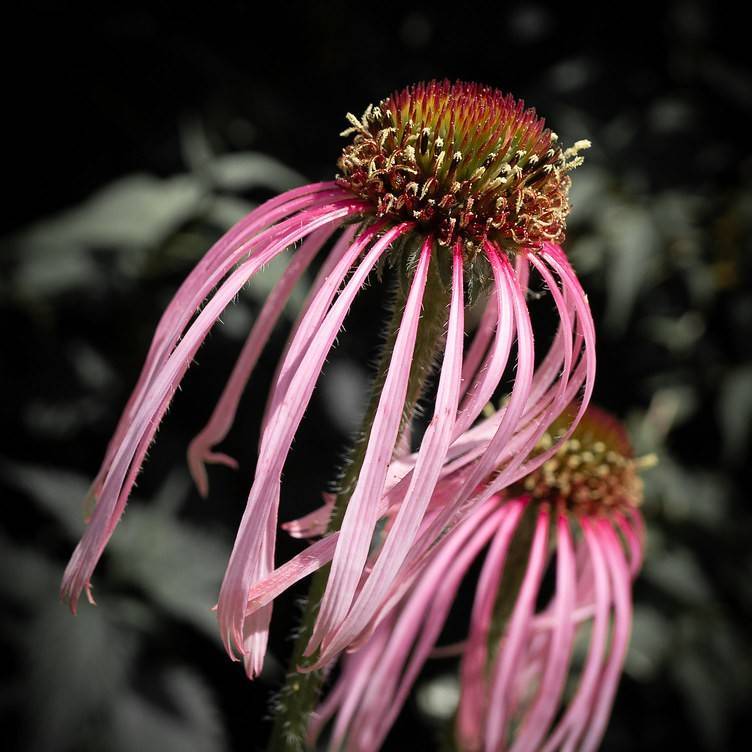
Coneflower (Echinacea 'Tiki Torch') is a beautiful sight to behold and an amazing, easy-to-care-for perennial. Its deep orange, daisy-like petals and glowing orange-bronze center cone make for an outstanding display all summer long. Not only does it provide gardeners with dazzling good looks, but this plant also offers up a truly unique scent that is sweet and spicy. It is resistant to both deer and drought, so it can handle extreme conditions with ease. From its glorious blooms to its resilient nature, Coneflower is an amazing addition to any garden.
Care Guide
Watering
Coneflower (Echinacea 'Tiki Torch') requires moderate watering to remain healthy. It prefers moist but well-drained soil. Water the plant 1-2 times per week, ensuring that the soil is damp at least 1 inch below the surface before watering. During particularly hot and dry weather, increase the frequency of watering to ensure the soil remains moist. Avoid overwatering to prevent root rot.
Light
Coneflower (Echinacea 'Tiki Torch') does best when it is provided with at least 6 hours of direct sunlight a day. It prefers full sun but can also tolerate lightly dappled shade. The optimal exposure will be determined by the season and region where the plant is located, as more shade will be preferable in climates with hot summer temperatures. In spring and summer, when temperatures are likely to be milder, it will thrive with 8 hours of sun daily; whereas in fall and winter, when temperatures are cooler, 6 hours of sun will be enough for the plant to stay healthy and flower profusely.
Temperature
Hardiness zone 3–8.
Pruning
Coneflower (Echinacea 'Tiki Torch') should be pruned once a year in the spring as the blooms of this plant begin to fade. Begin by removing dead blooms and any dying foliage. Under pruning will lead to a decrease in flowering, while over pruning can cause the plant to become lanky or unproductive. Generally, a light pruning or removal of spent flower stems will be enough, but if you feel the plant is too large, you can trim the stems back by up to a third of their size. Ensure that any pruning takes place above a healthy bud to encourage vigorous new growth.
Propagation
Division, Root Cutting, Seed Propagation, Layering Propagation
Uses & Symbolism
Attracts: Birds, Butterflies.
Related plants
Other plants you might like if you grow coneflower.
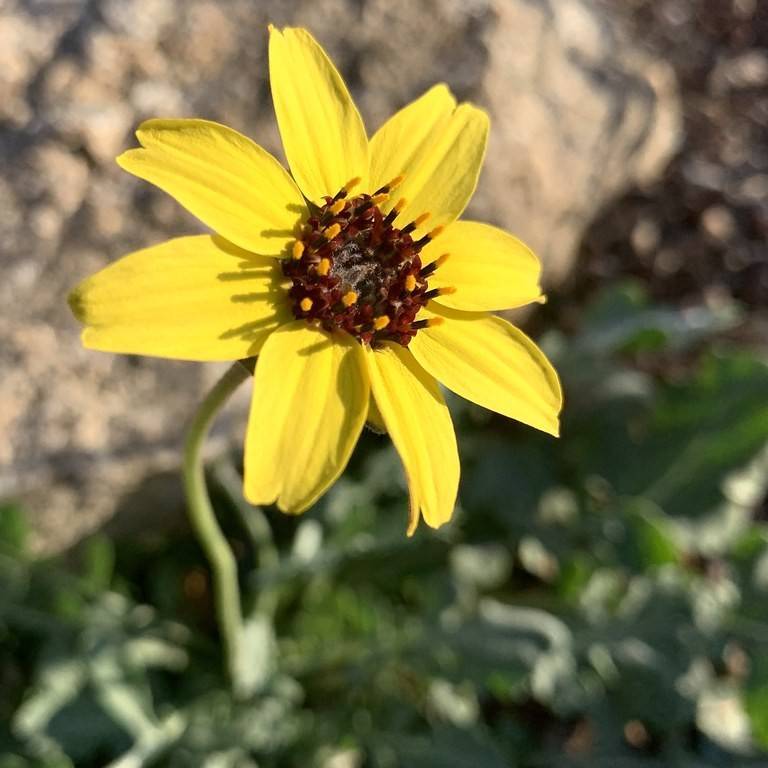
chocolate flower
Berlandiera lyrata
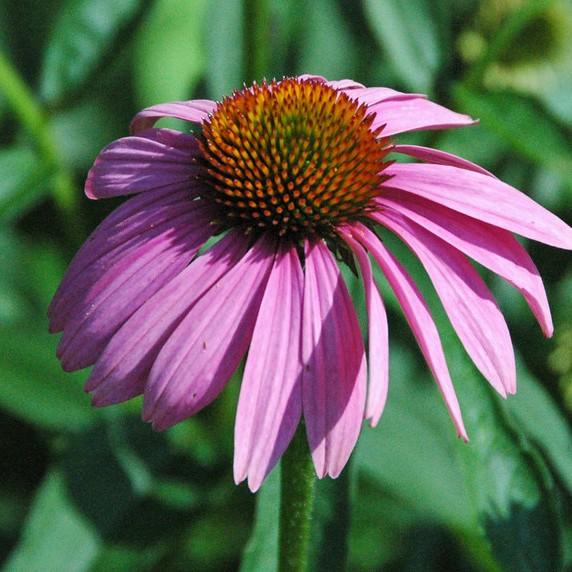
coneflower
Echinacea 'Adam Saul' CRAZY PINK
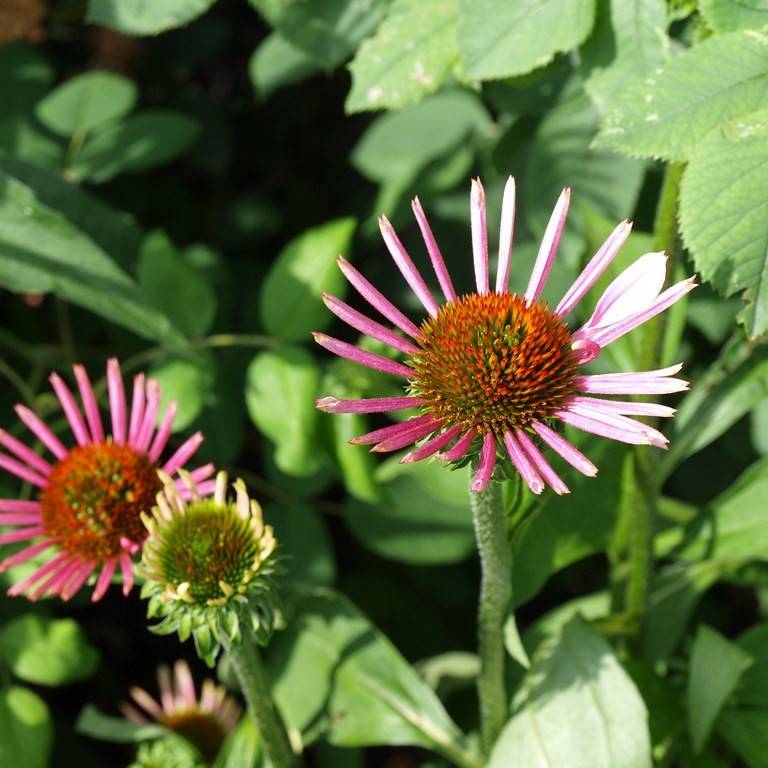
coneflower
Echinacea 'All that Jazz'
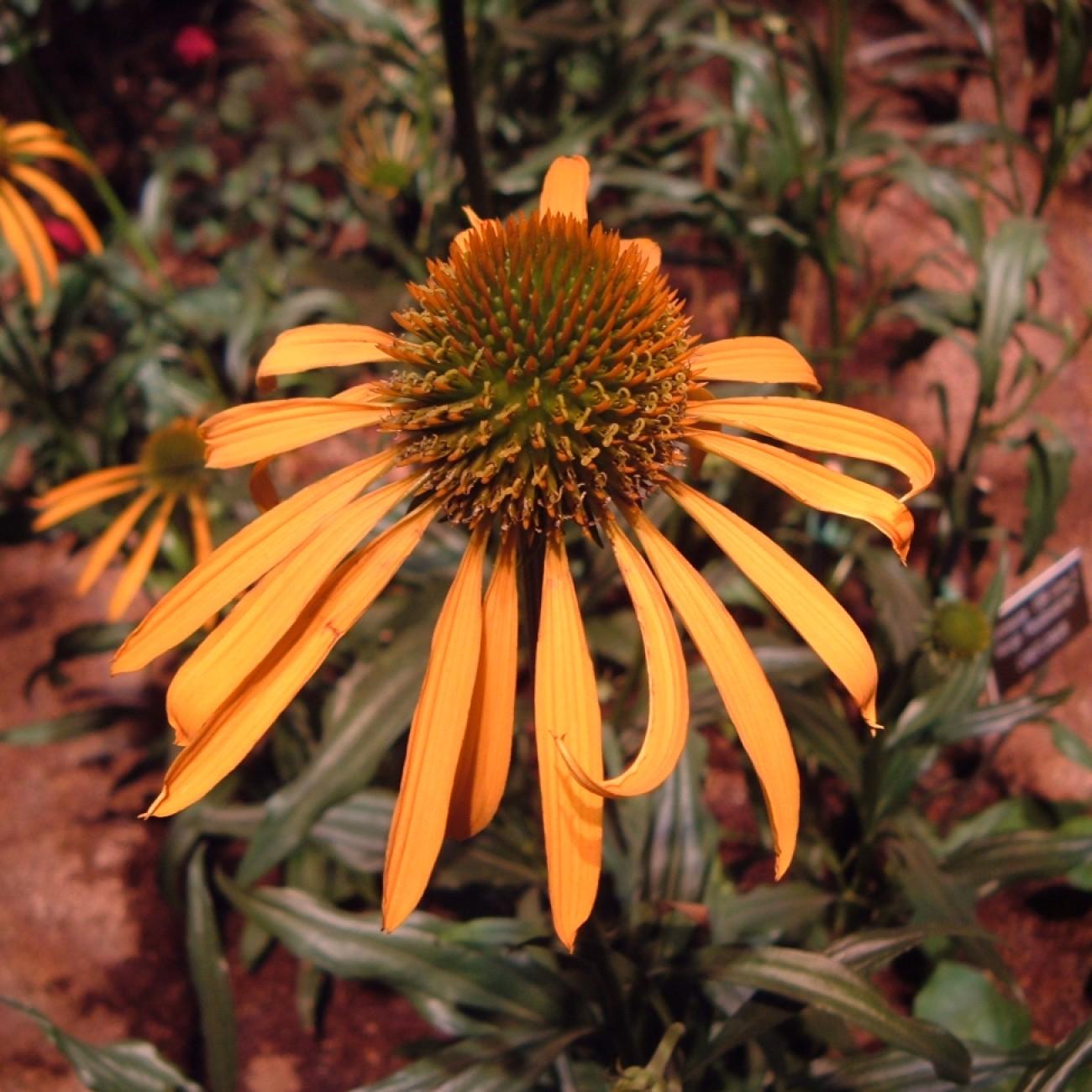
coneflower
Echinacea 'Art's Pride' ORANGE MEADOWBRITE
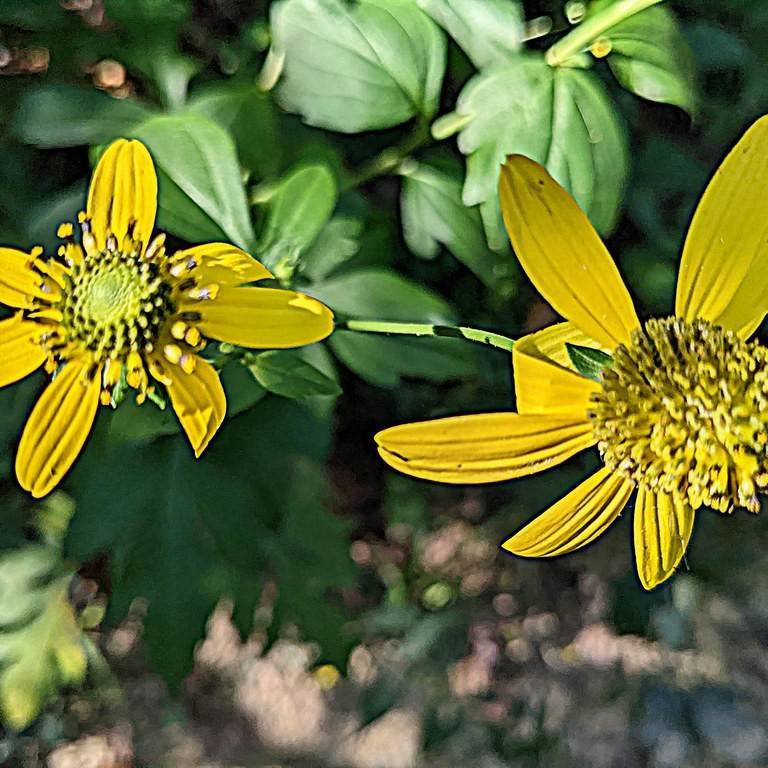
coneflower
Echinacea 'Balsomsolst' SOMBRERO SUMMER SOLSTICE
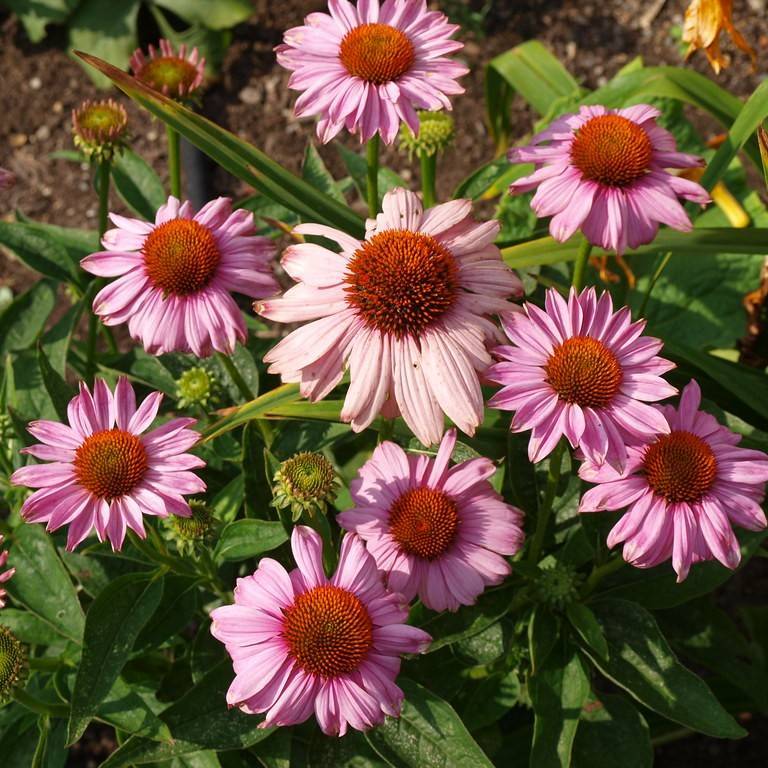
coneflower
Echinacea 'Bravado'
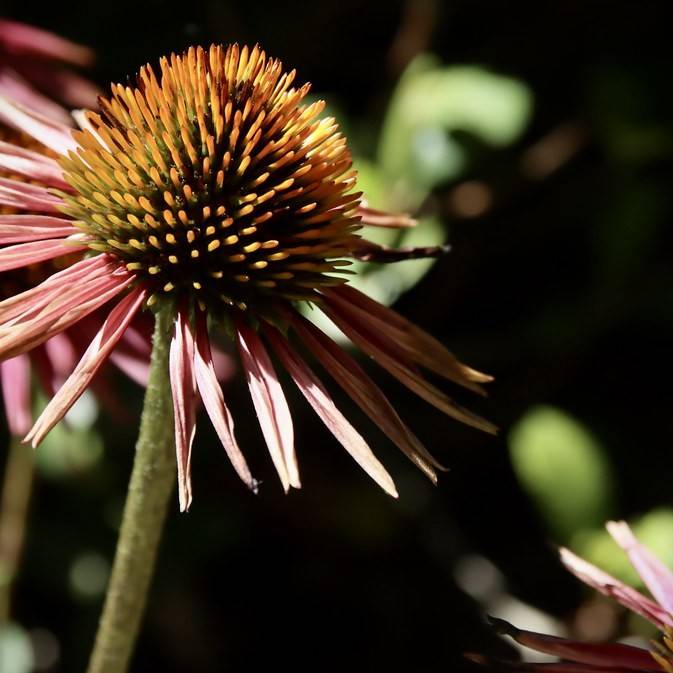
coneflower
Echinacea BURGUNDY FIREWORKS
coneflower
Echinacea 'CBG Cone 2' PIXIE MEADOWBRITE