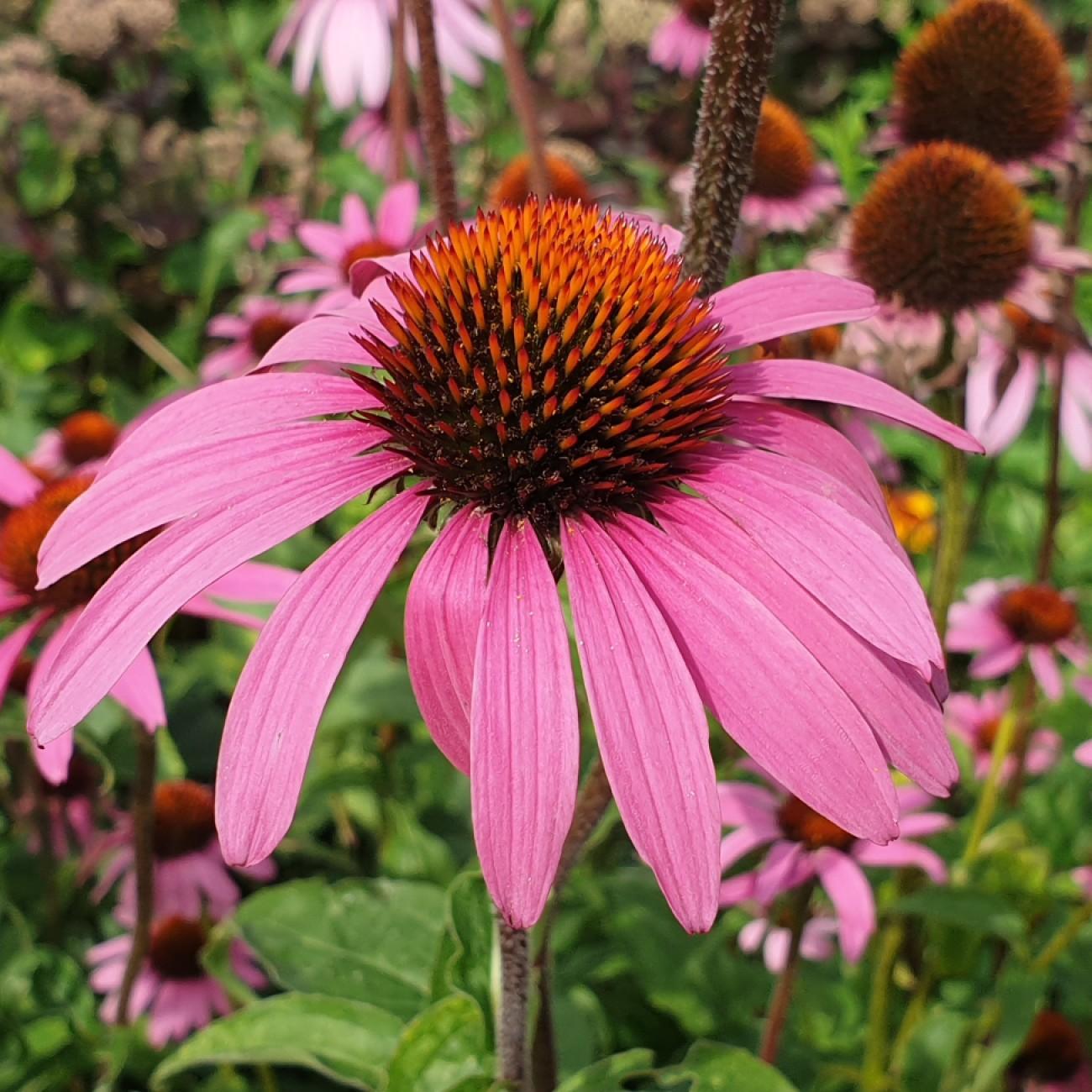
coneflower
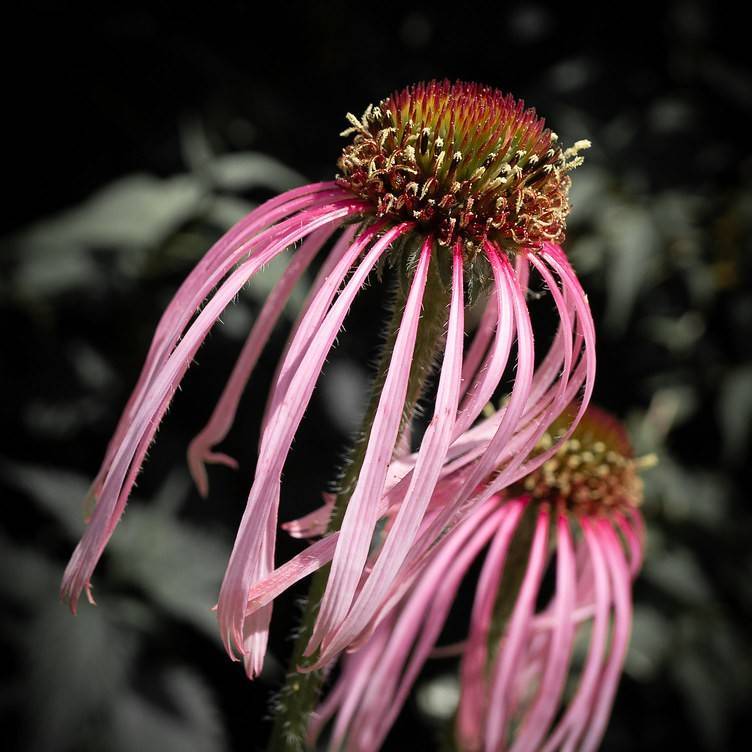
Echinacea 'TNECHKR' KISMET RASPBERRY
Overview
The unique Echinacea 'TNECHKR' KISMET RASPBERRY Coneflower is an incredible addition to any garden. Its crisp raspberry petals are sure to brighten up any outdoor space! Its deep blooms attract a variety of pollinators, making it a great addition to any pollinator garden. Its robust foliage is highly tolerant of drought and poor soil conditions, making it a plant that is easy to care for and maintain. The 'TNECHKR' KISMET RASPBERRY Coneflower is also highly resistant to most common pests and diseases, ensuring it will remain a beautiful part of your garden for years to come!
Care Guide
Watering
Coneflower (Echinacea 'TNECHKR' KISMET RASPBERRY) should be watered thoroughly once or twice a week and allowed to dry out between waterings. The soil should be kept slightly moist, but not soggy. Before watering, check the top inch or 2 of soil to make sure it is dry, and adjust the frequency of watering accordingly. When temperatures rise, the plant should be watered more often. In addition, make sure to provide supplemental water during hot, dry weather.
Light
Coneflower (Echinacea 'TNECHKR' KISMET RASPBERRY) should receive full sunlight for 4 to 6 hours per day. It prefers sun in the morning and afternoon rather than in the middle of the day, as this may cause the foliage to scorch. During summer months, indirect afternoon light is beneficial, as direct sunlight during the hottest hours can be too intense and overwhelming for the plant. Coneflower also needs regular water during its flowering period, but be careful not to overwater it in partial or full sun.
Temperature
Hardiness zone 4–10.
Pruning
Coneflower (Echinacea 'TNECHKR' KISMET RASPBERRY) should be pruned in early spring to encourage healthy regrowth for the upcoming season. Pruning should be between late March and early April, when the plant is just beginning to become active. Care should be taken when pruning this type of coneflower since it has wooly stems and buds, which can be sensitive to pruning. When pruning, cut back the flowering stems to a couple of inches above the main stem, taking care to not damage the main stem. Prune away any dead or diseased parts of the plant, and stray stems that don't complement the overall appearance. Once pruned, mulch the beds lightly to help retain moisture and discourage weeds. Applying a balanced fertilizer can also help encourage new growth. Regularly inspect your coneflower for any signs of insect or disease and take action to help protect the plant if necessary.
Propagation
Division, Cutting, Seed Propagation, Layering Propagation
Uses & Symbolism
Attracts: Birds, Butterflies.
Related plants
Other plants you might like if you grow coneflower.
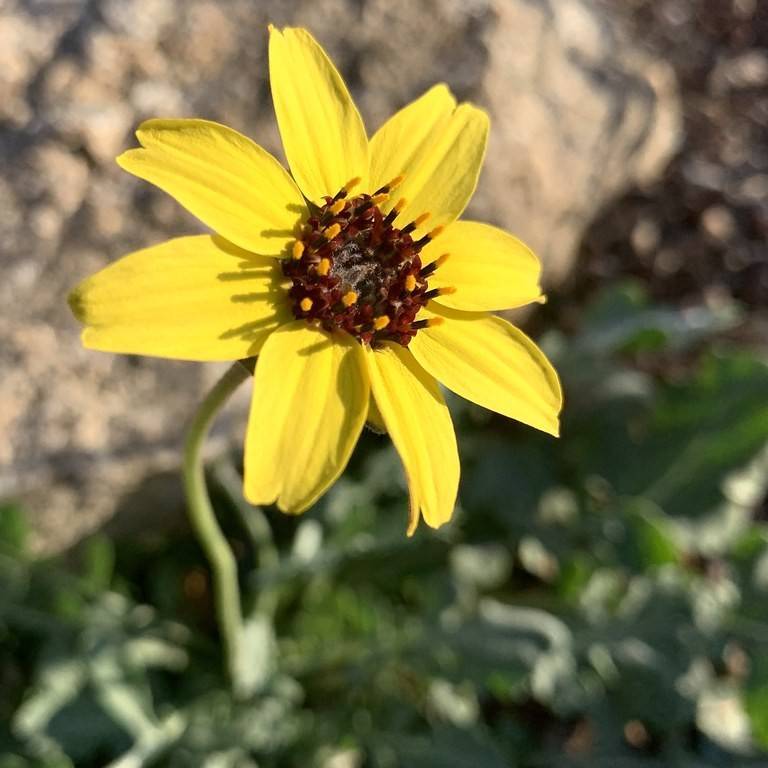
chocolate flower
Berlandiera lyrata
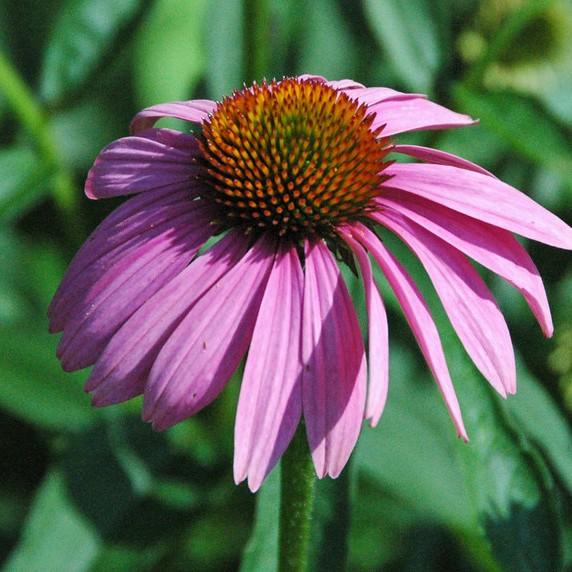
coneflower
Echinacea 'Adam Saul' CRAZY PINK
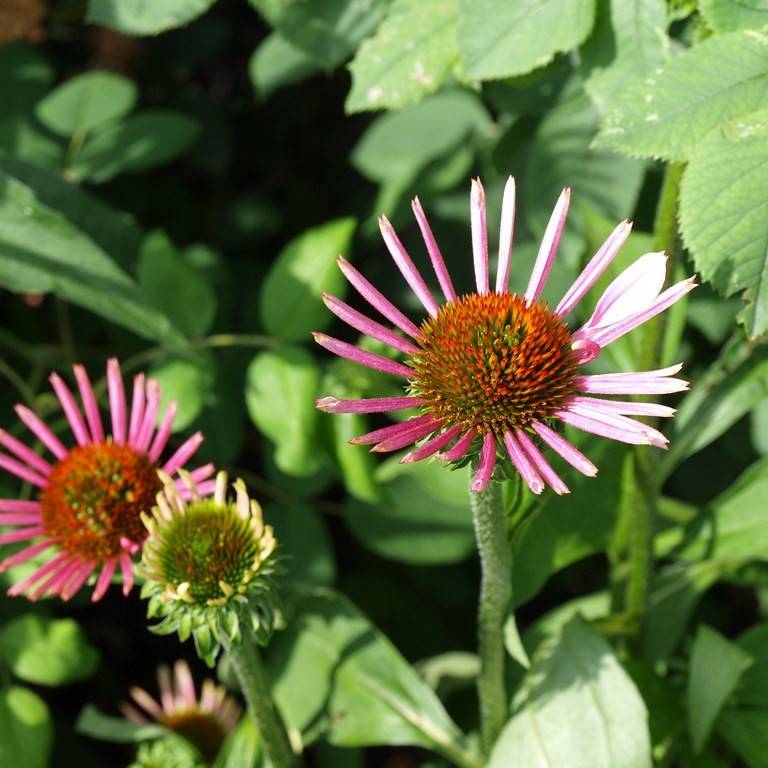
coneflower
Echinacea 'All that Jazz'
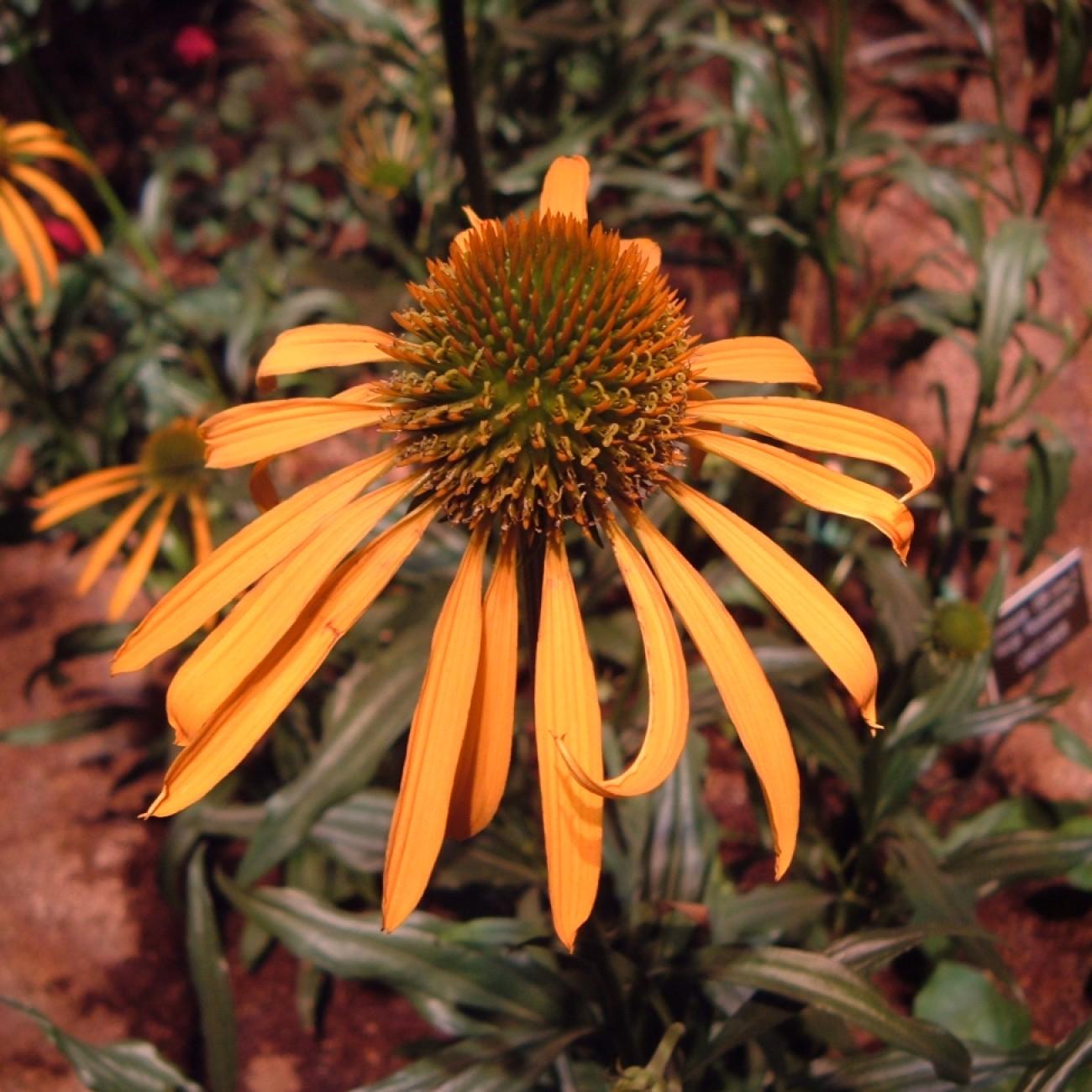
coneflower
Echinacea 'Art's Pride' ORANGE MEADOWBRITE
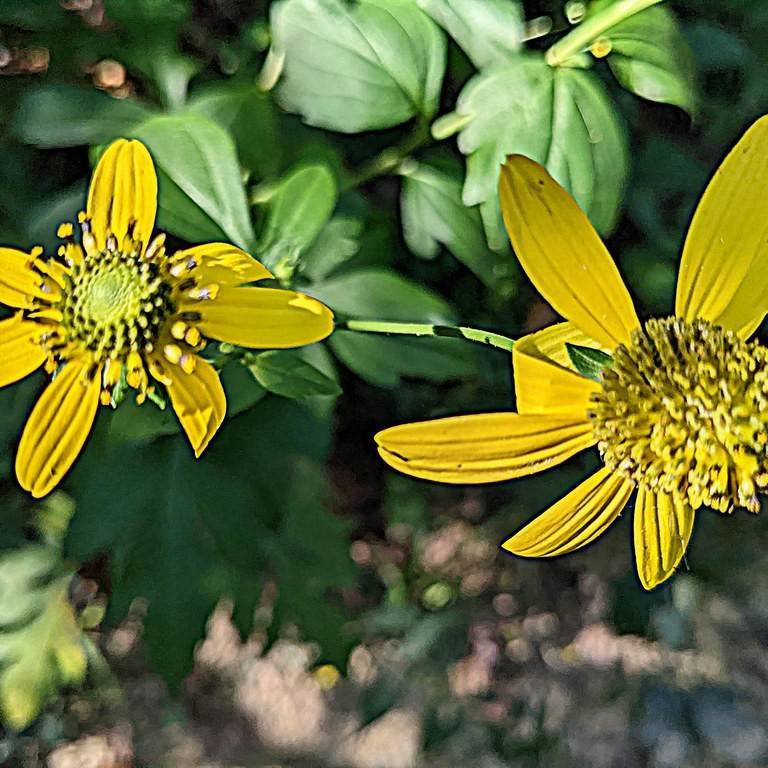
coneflower
Echinacea 'Balsomsolst' SOMBRERO SUMMER SOLSTICE
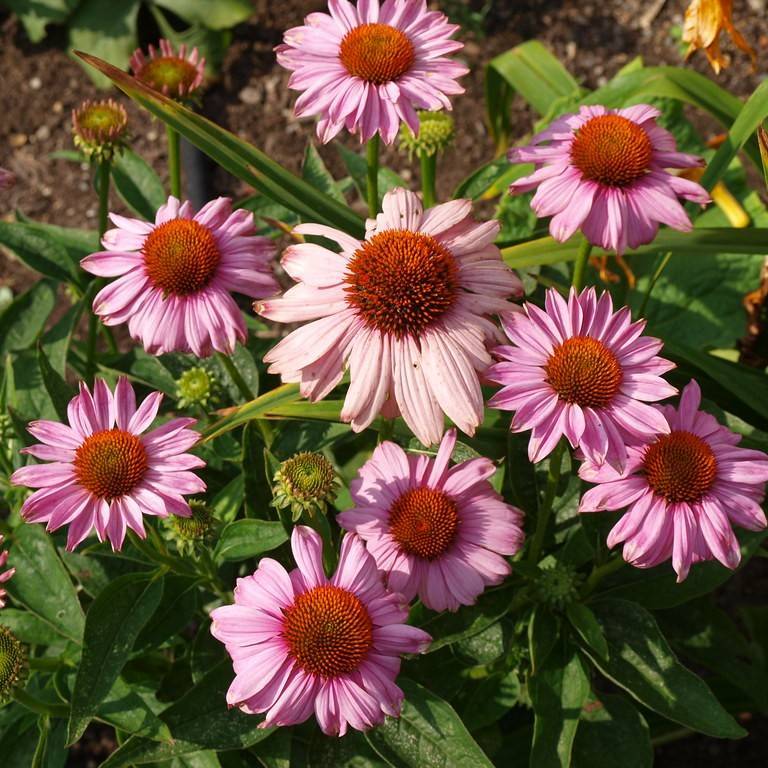
coneflower
Echinacea 'Bravado'
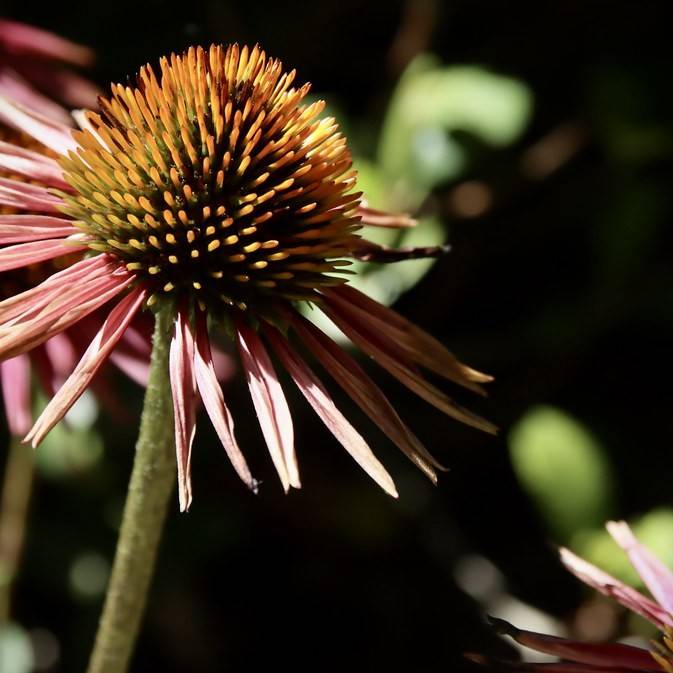
coneflower
Echinacea BURGUNDY FIREWORKS
coneflower
Echinacea 'CBG Cone 2' PIXIE MEADOWBRITE