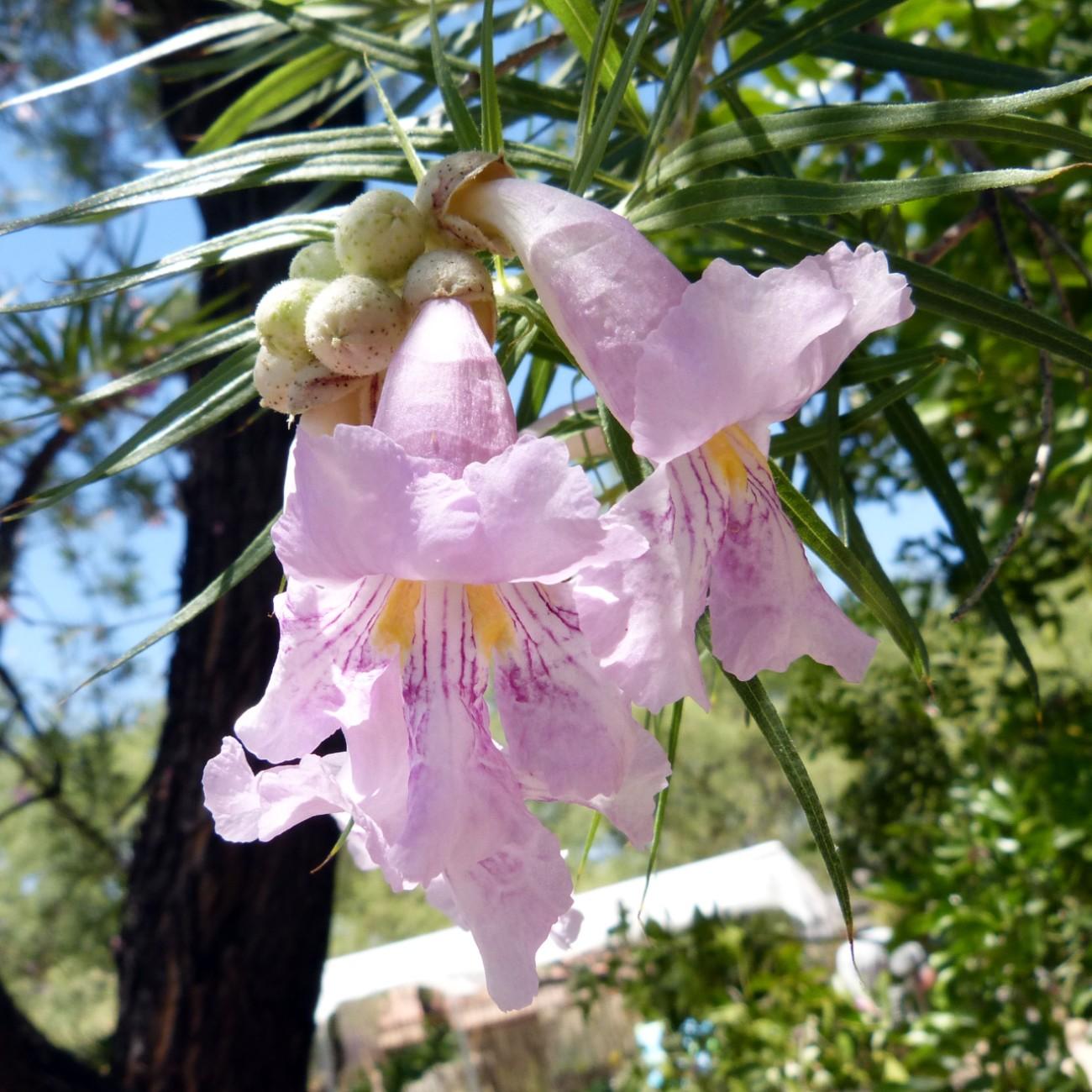
desert willow
Chilopsis linearis var. linearis
Overview
Desert Willow (Chilopsis linearis var. linearis) is an amazing desert species native to the southwestern U.S. and Mexico. This gorgeous desert shrub features willow-like foliage and deeply fragrant flowers that bloom from spring to fall in a rainbow array of colors. It is drought tolerant and can even survive a severe freeze during winter. What's more, it produces bright green seed pods with downward-pointing spines after the flowers. It is a very versatile plant that provides habitat for birds and pollinators, shade, erosion control, and can be a great choice for xeriscaping. Desert Willow is truly remarkable.
Care Guide
Watering
Desert willow can be watered once every 2 weeks, using about 10 gallons of water each time. It enjoys full sun and can tolerate temperatures as low as 15°F, making it a great choice for outdoor planting in warm climates. Water deeply and deeply enough to saturate the root zone. Make sure to water the entire root zone evenly, not just the surface. Water slowly so the plant can absorb the moisture, and don’t allow standing water. Once established, desert willow is fairly drought tolerant, so don’t water too often.
Light
Desert willow (Chilopsis linearis var. linearis) typically requires full sun during its growing season. However, it can tolerate some partial shade, especially during its hottest and driest periods in summer. When growing in areas where temperatures don't rise above 77 ºF (25°C) from spring through summer, the plant tends to perform best with 6 to 8 hours of sunlight per day. In hotter climates, however, desert willow should be given some relief from the intense midday sun, such as the dappled afternoon shade found under tall evergreen trees.
Temperature
Hardiness zone 8–10.
Pruning
Prune desert willow (Chilopsis linearis var. linearis) beginning in late winter and early spring for the best results. Trim away dead and unhealthy branches and any crossing or rubbing branches to encourage healthy growth. Prune away any branches blocking walkways or access to the home to increase safety. You can also cut back strategically to create a fuller and attractive silhouette for the tree, focusing on the emerging new growth near the trunk and end of the branches. Prune anywhere from 10 to 25 percent of the growth annually.
Propagation
Seed Propagation, Cutting, Grafting Propagation, Layering Propagation, Division
Related plants
Other plants you might like if you grow desert willow.
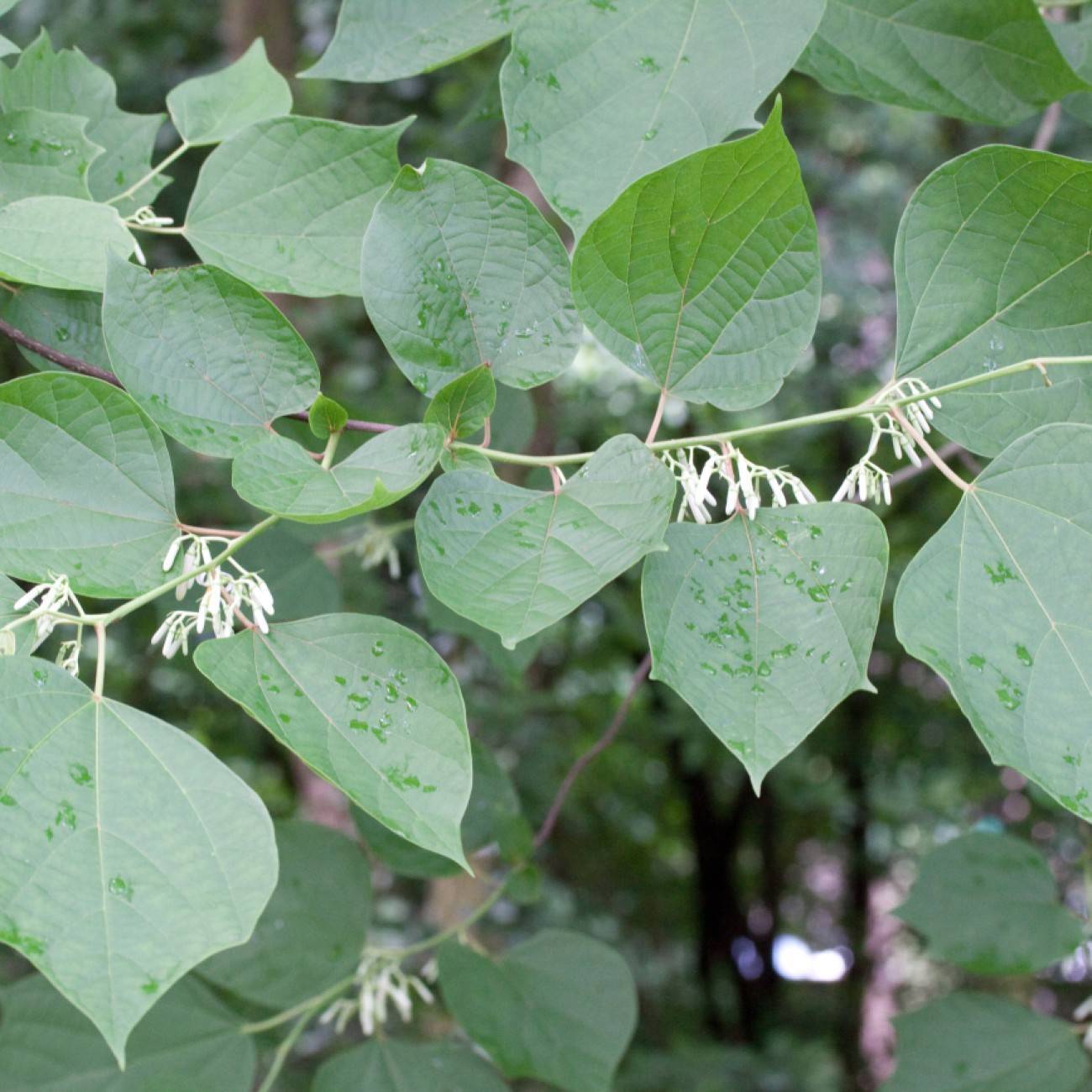
alangium
Alangium platanifolium var. macrophyllum
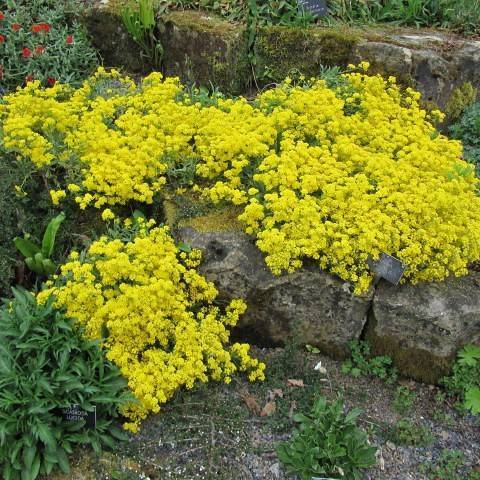
basket of gold
Aurinia saxatilis 'Gold Dust'
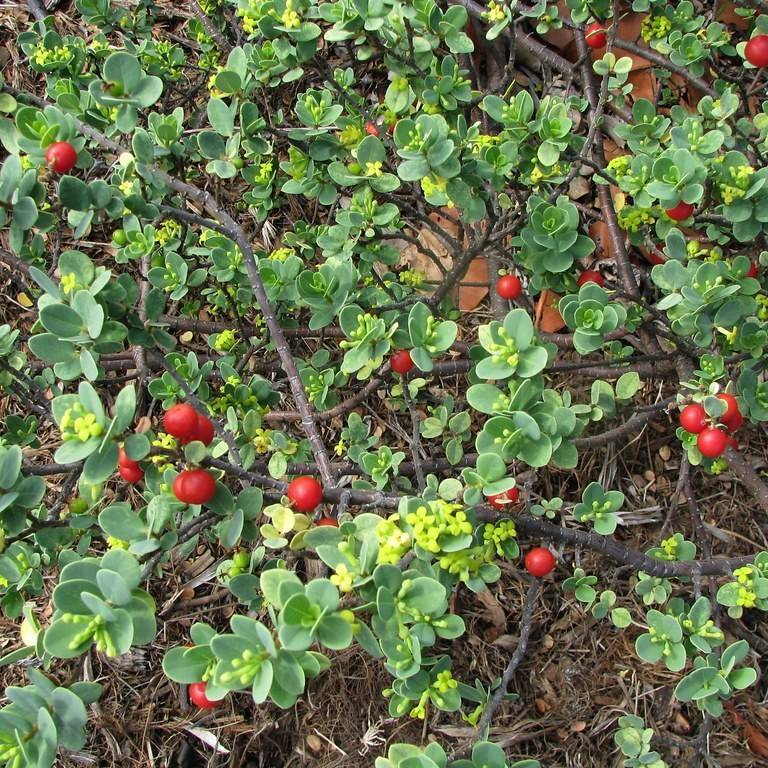
bearberry
Arctostaphylos uva-ursi 'Wood's Red'
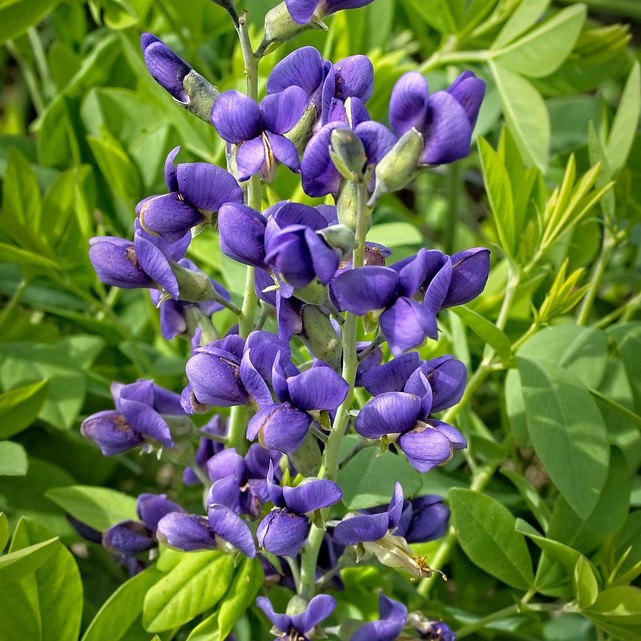
blue false indigo
Baptisia australis
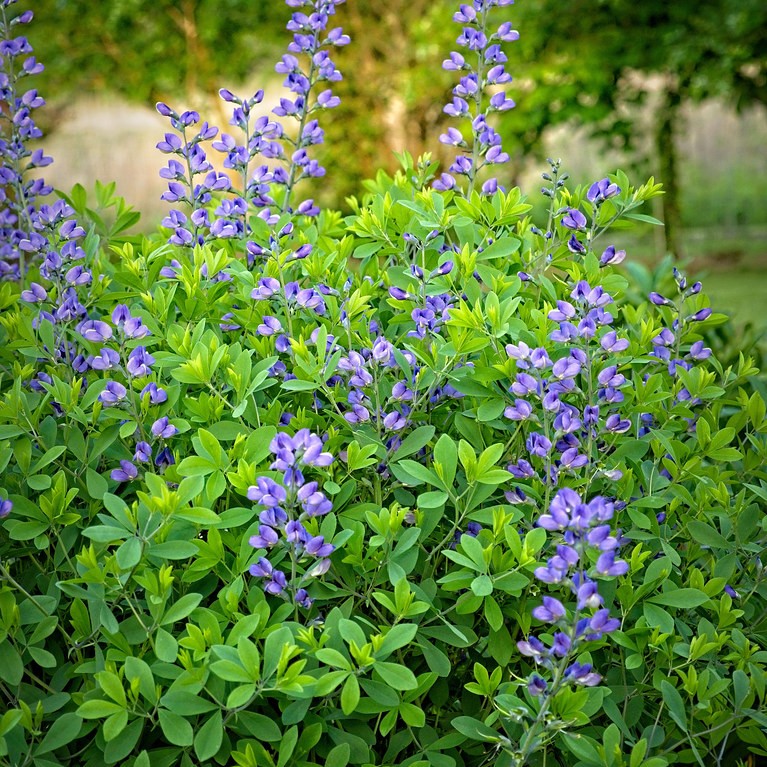
blue false indigo
Baptisia australis var. minor
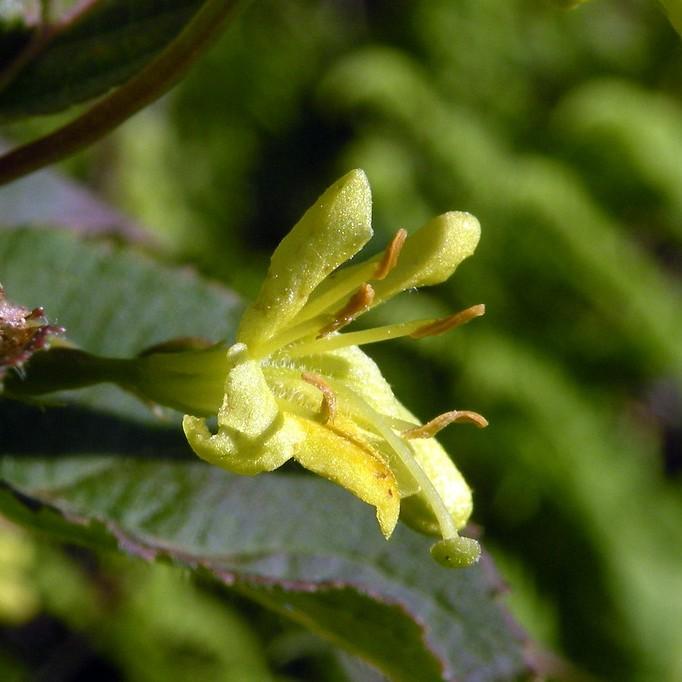
bush honeysuckle
Diervilla lonicera
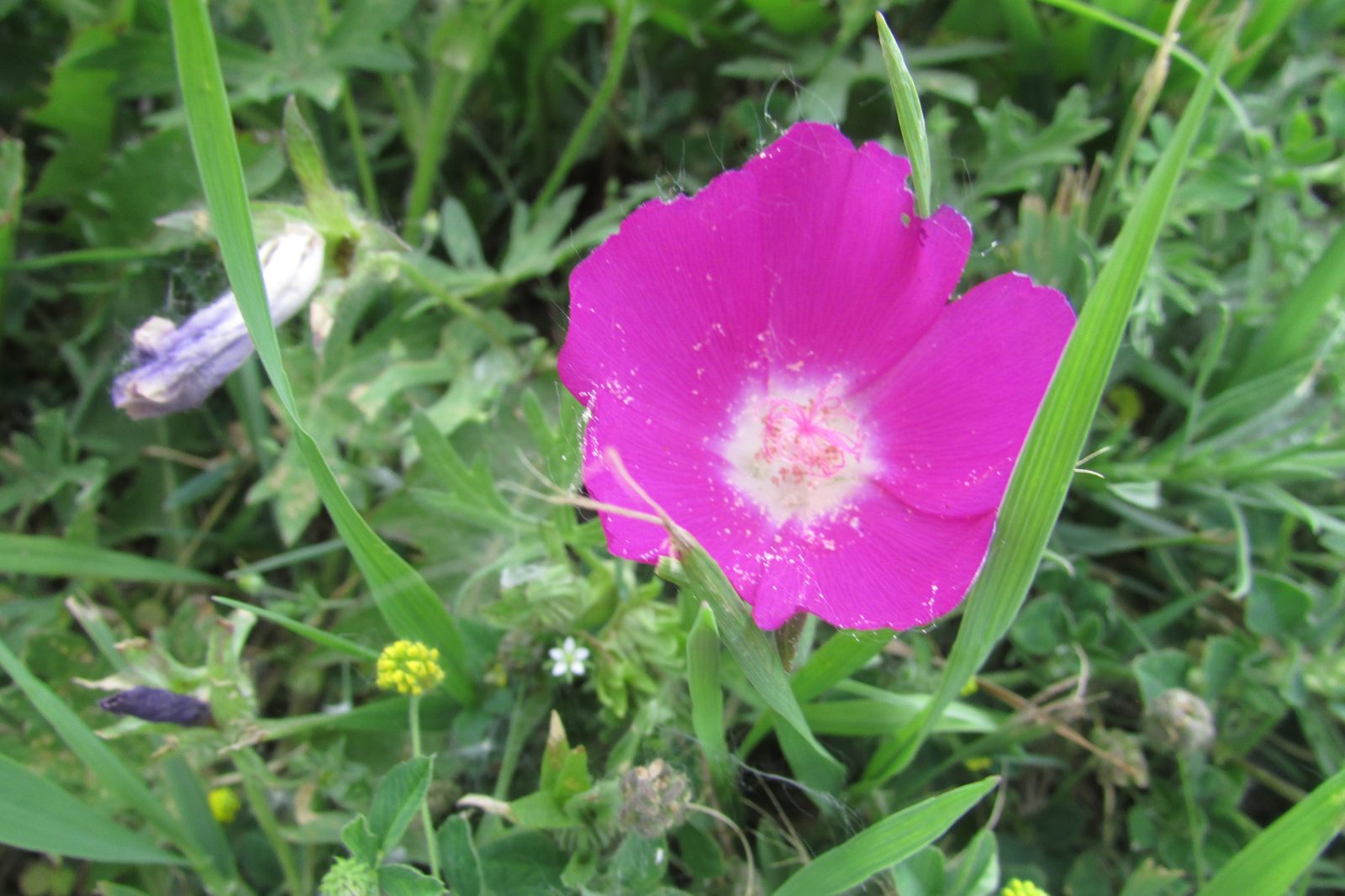
Bush's poppy mallow
Callirhoe bushii
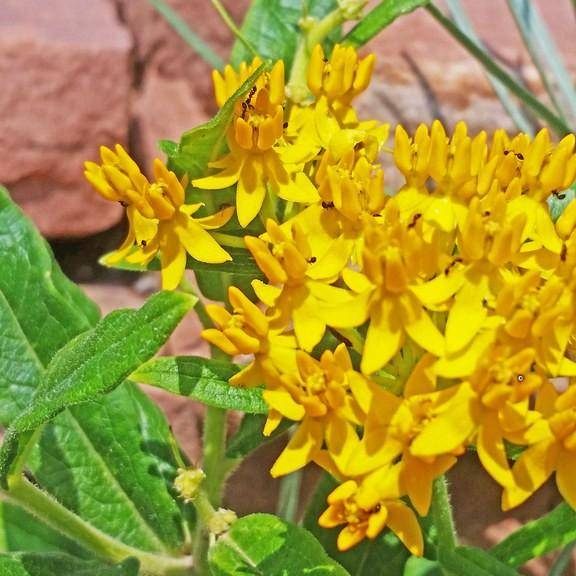
butterfly weed
Asclepias tuberosa 'Hello Yellow'