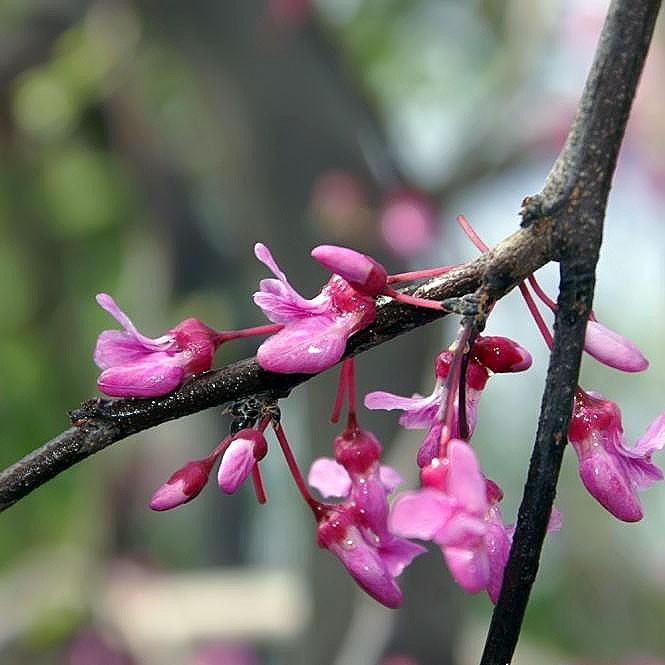
eastern redbud
Cercis canadensis 'Covey'
Overview
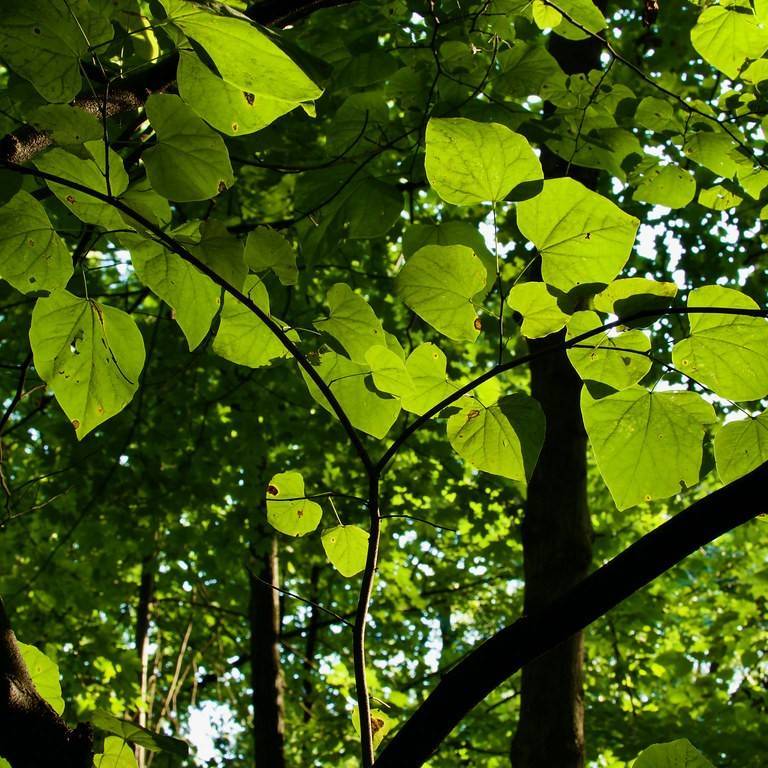
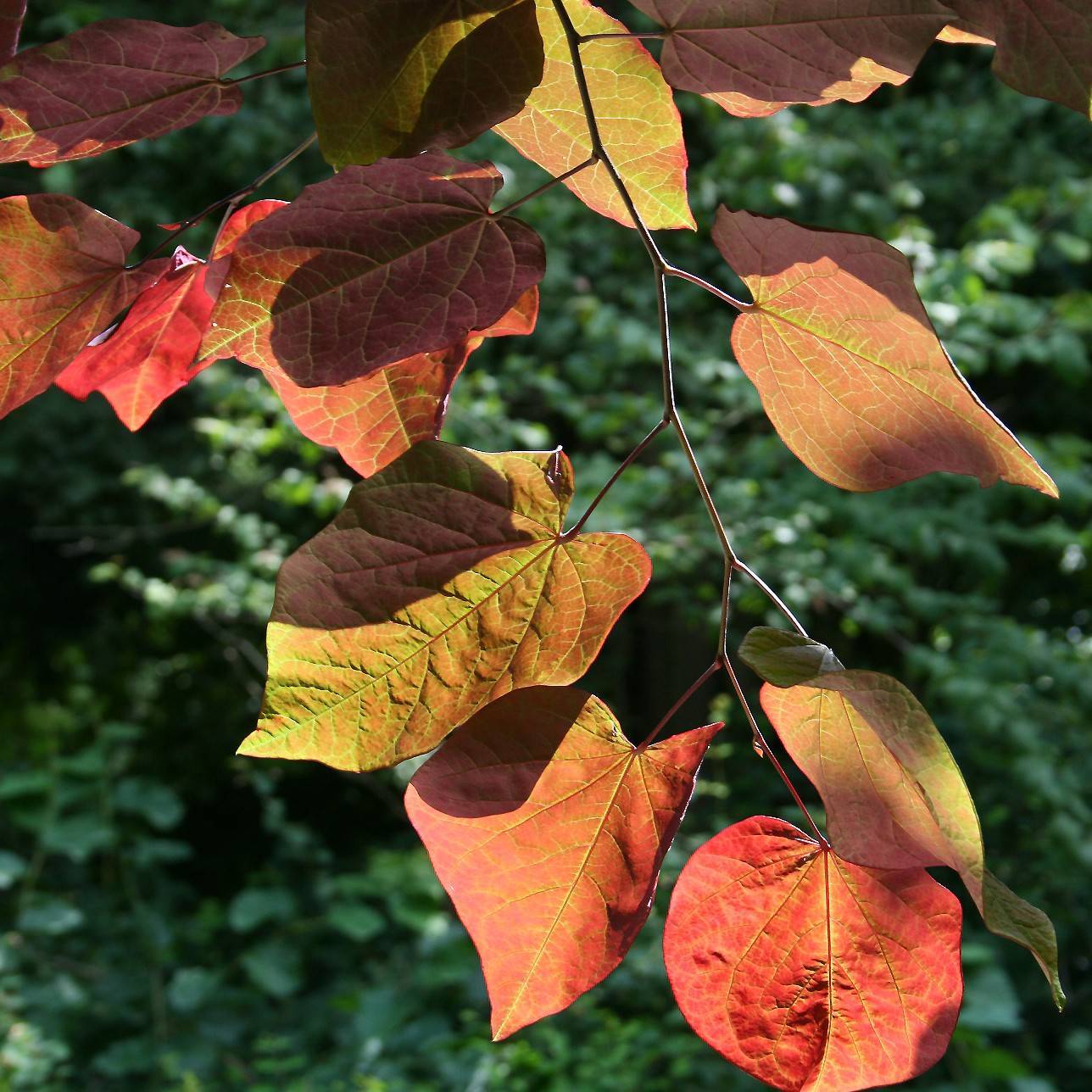
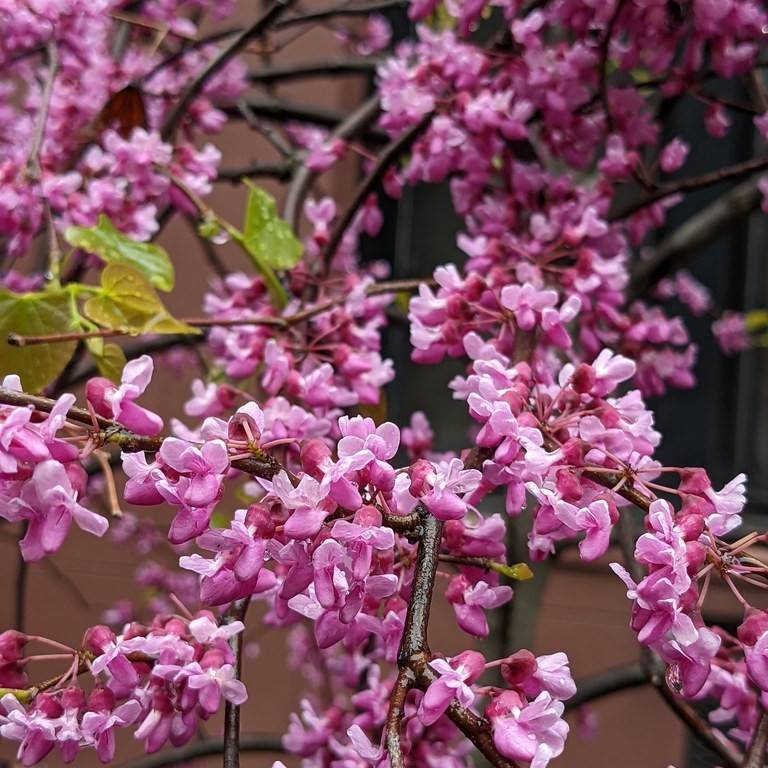
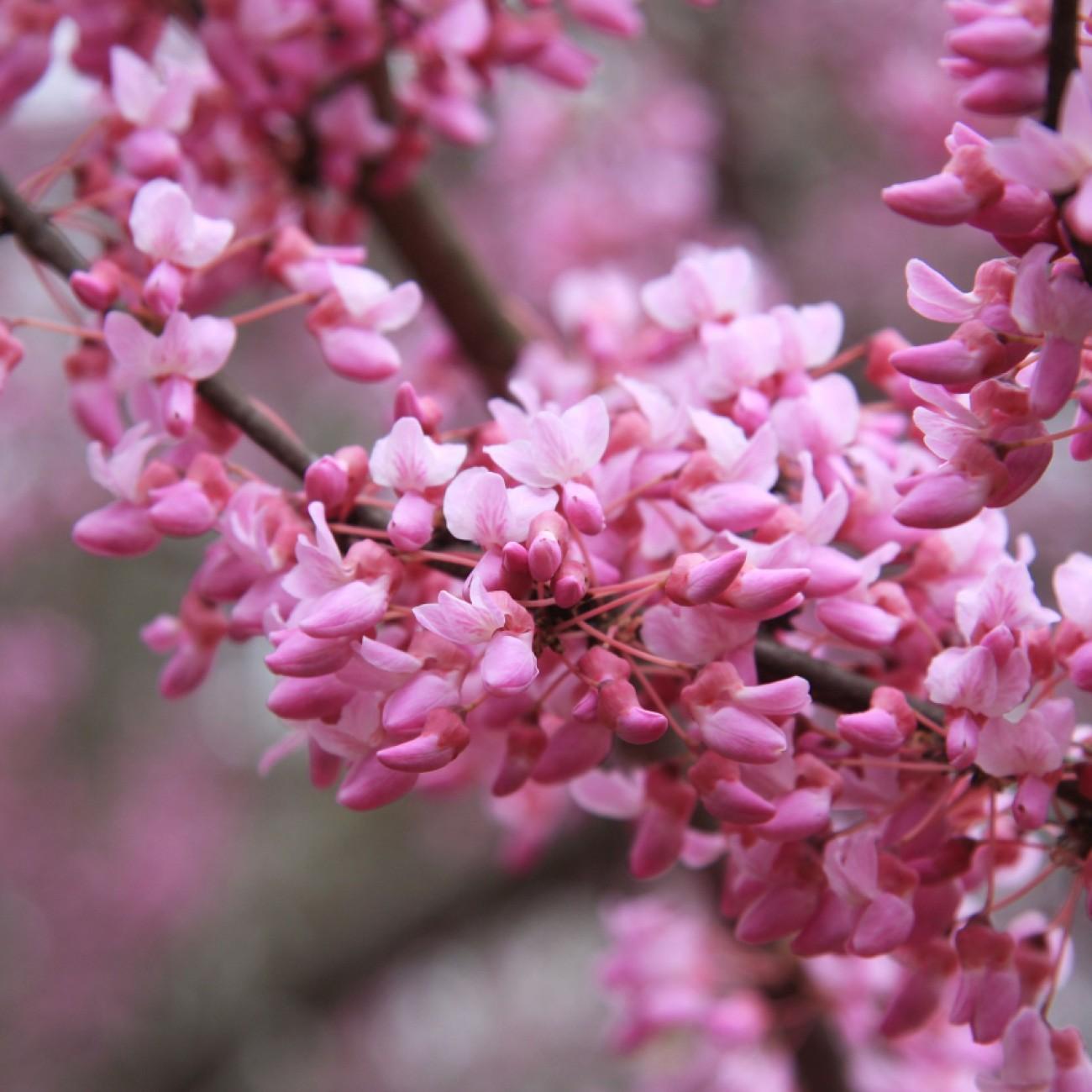
The Eastern Redbud (Cercis Canadensis 'Covey') is a wonderful medium-sized tree that deserves a place in any garden. It has a rounded canopy and a smooth, grey bark. The stem and branches are an attractive cinnamon brown. In spring it produces masses of bright pink flowers, giving an amazing burst of colour. The foliage is an elegant dark green in summer and turns to a stunning red in autumn. It can tolerate most soil types and is very easy to maintain with minimal pruning. With its attractive shape and low maintenance, the Eastern Redbud is an incredible addition to any garden.
Care Guide
Watering
Eastern redbuds (Cercis canadensis 'Covey') require regular watering to ensure they thrive in their environment. The amount of water and frequency depends on the season and weather conditions. During the spring and summer when they are actively growing, water eastern redbuds deeply and regularly. Aim to provide about 1 to 2 inches of water per week from rainfall and/or supplemental watering. Mature trees may need up to 4 inches of water per week when temperatures reach 95℉ or above. In the late summer and autumn, reduce watering so that the soil can dry out before the winter season. In winter, eastern redbuds need very little watering since they are dormant. Only water the root zone if the soil is completely dry for an extended period. Overall, be sure to monitor soil moisture levels and make sure the soil is consistently damp but not soggy.
Light
Eastern redbud (Cercis canadensis 'Covey') grows best in areas with full sun to partial shade. It needs around 6 to 8 hours of direct sunlight per day in order to thrive. It tolerates some shade, but too much can cause the plant to become weakened and produce fewer flowers. When in full sun, the plant will produce the most vibrant flowers, and its branches may take on a weeping form. In shadier spaces, it will have a more upright form and blooms will be fewer.
Soil
Humus rich, Well-drained
Temperature
Hardiness zone 5–5.
Pruning
Pruning Eastern Redbud trees (Cercis canadensis 'Covey') is best done in late winter or early spring before the new growth begins. Keeping the trees shapely and compact requires selective pruning to improve the branches' structure. Remove any dead, damaged or diseased branches at any time of the year. Remove any suckers that are competing for vigor. Light pruning can also be done in the summer after the tree has finished flowering. During the winter and early spring, prune the infructescence (the fruiting parts of the branch) to shape the tree and remove any crossing branches. Be sure to leave good strong branches with good buds intact. Prune side growths to maintain an even shape of the tree and to remove weak or watery growths. The amount of pruning depends on individual taste and the size and shape of the desired plant. Generally, prune no more than 25-30% of the crown each year, keeping the shape natural and pleasing.
Propagation
Seed Propagation, Grafting Propagation
Uses & Symbolism
Attracts: Butterflies.
Diseases & Pests
Common pests: Canker, sap rot, Scale insects, Wilt.
Related plants
Other plants you might like if you grow eastern redbud.
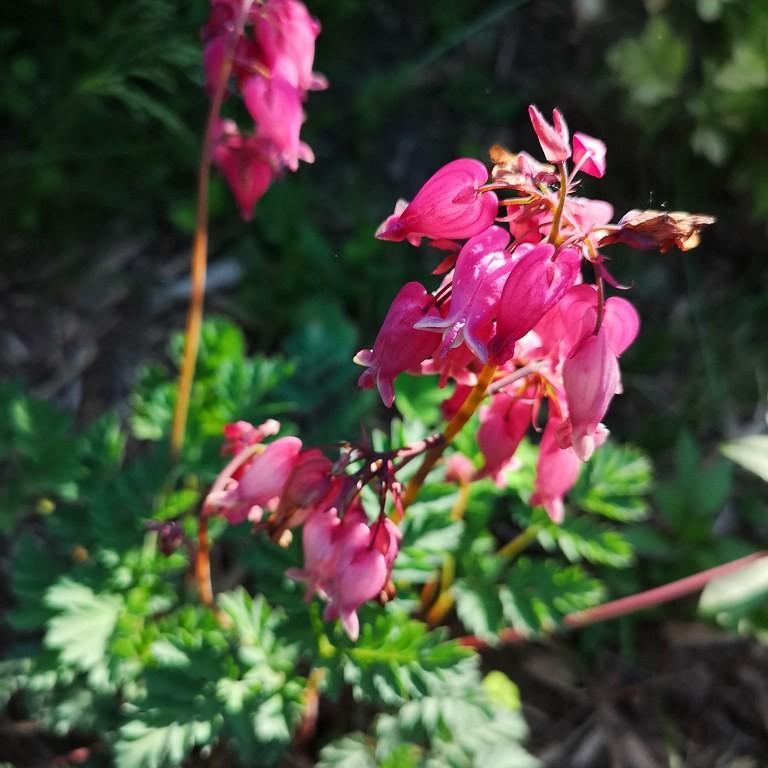
bleeding heart
Dicentra 'Luxuriant'
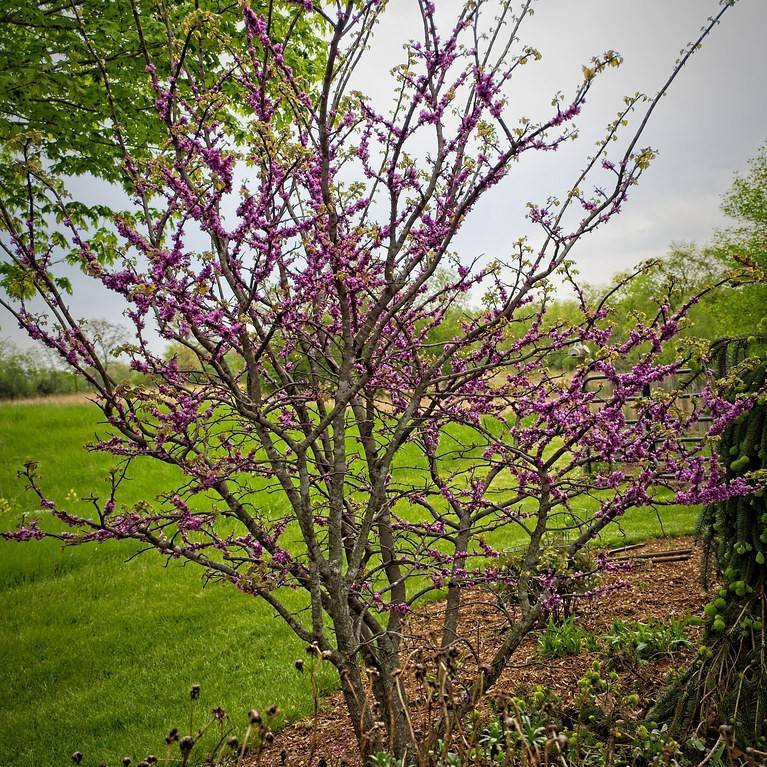
eastern redbud
Cercis canadensis f. alba 'Royal White'
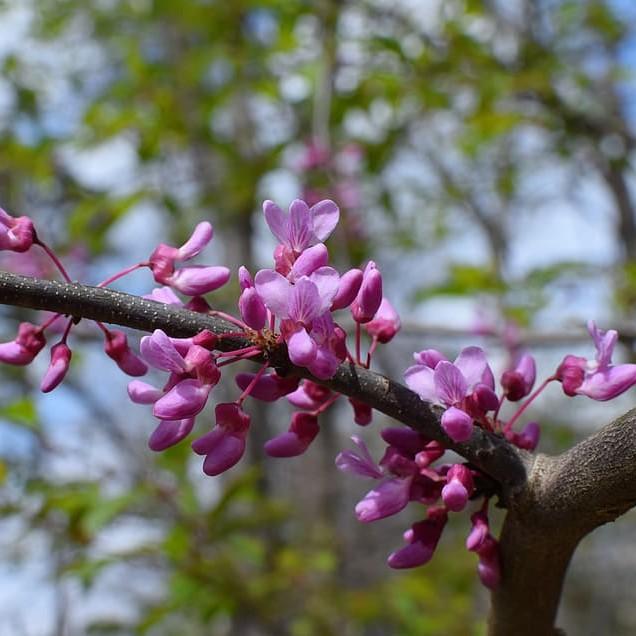
eastern redbud
Cercis canadensis 'JN16' BLACK PEARL
eastern redbud
Cercis canadensis 'JN2' THE RISING SUN
eastern redbud
Cercis canadensis 'NC2016-2' FLAME THROWER
eastern redbud
Cercis canadensis 'Pink Trim' NORTHERN HERALD
eastern redbud
Cercis canadensis 'Tennessee Pink'
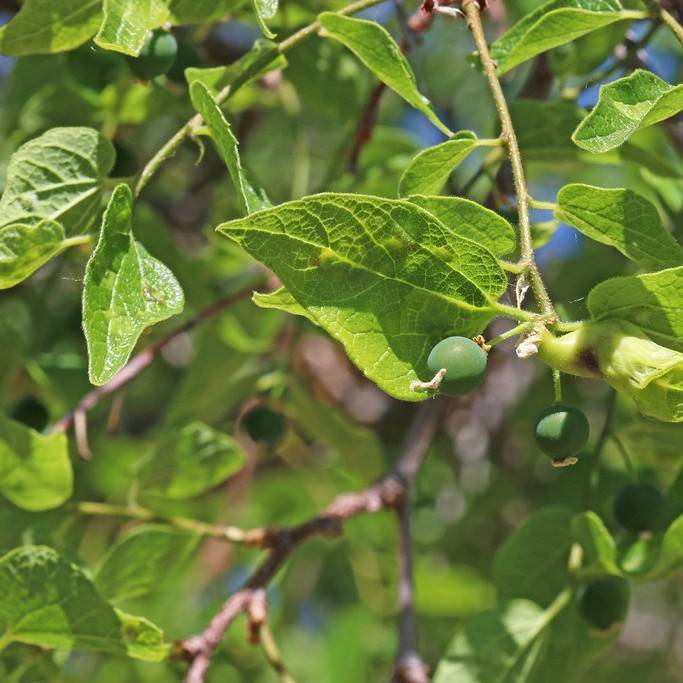
hackberry
Celtis occidentalis