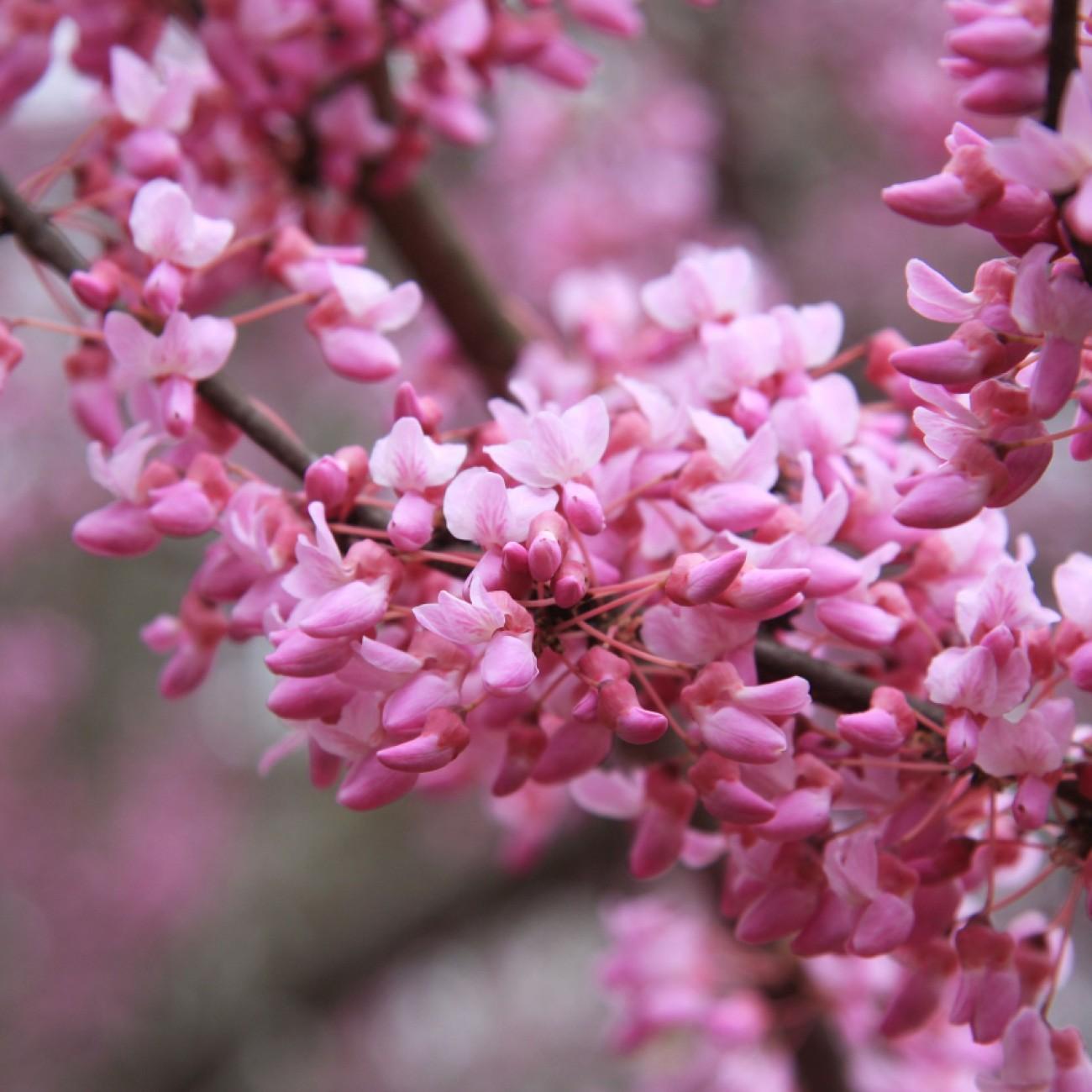
eastern redbud
Cercis canadensis 'Tennessee Pink'
Overview
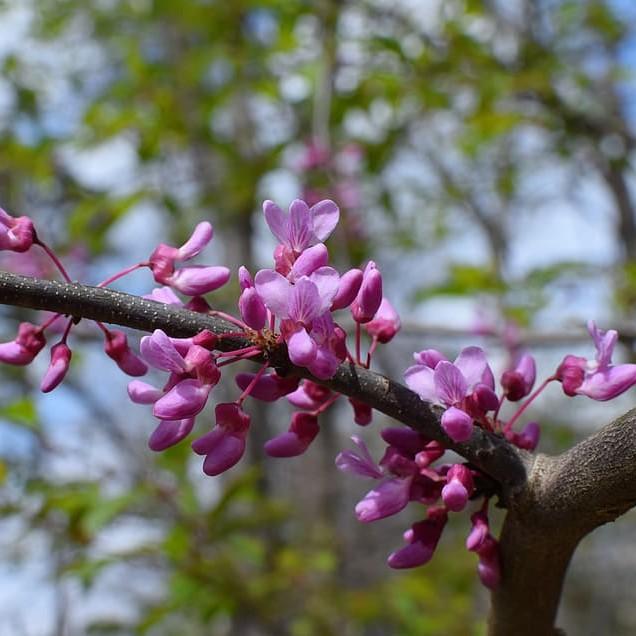
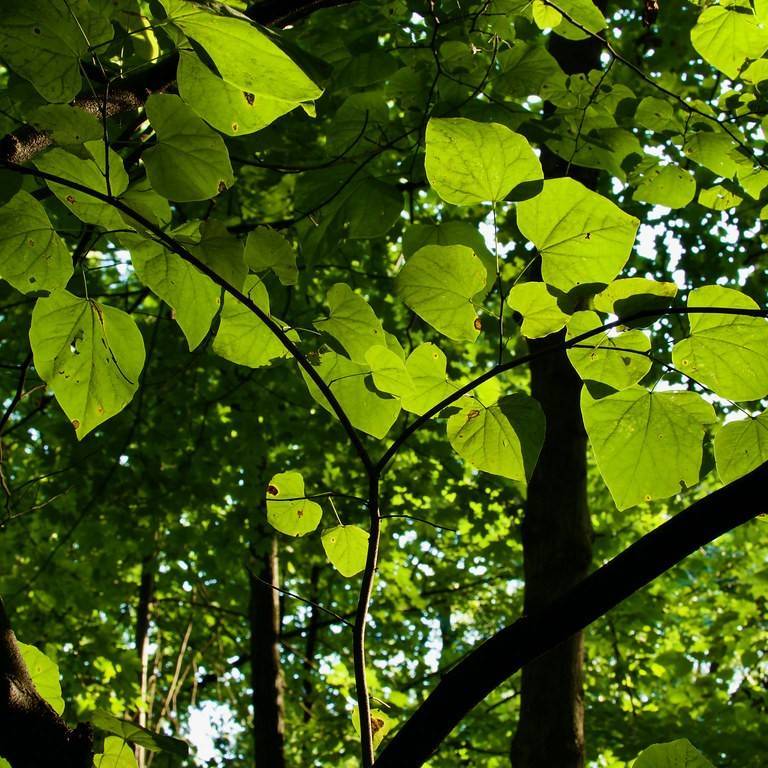
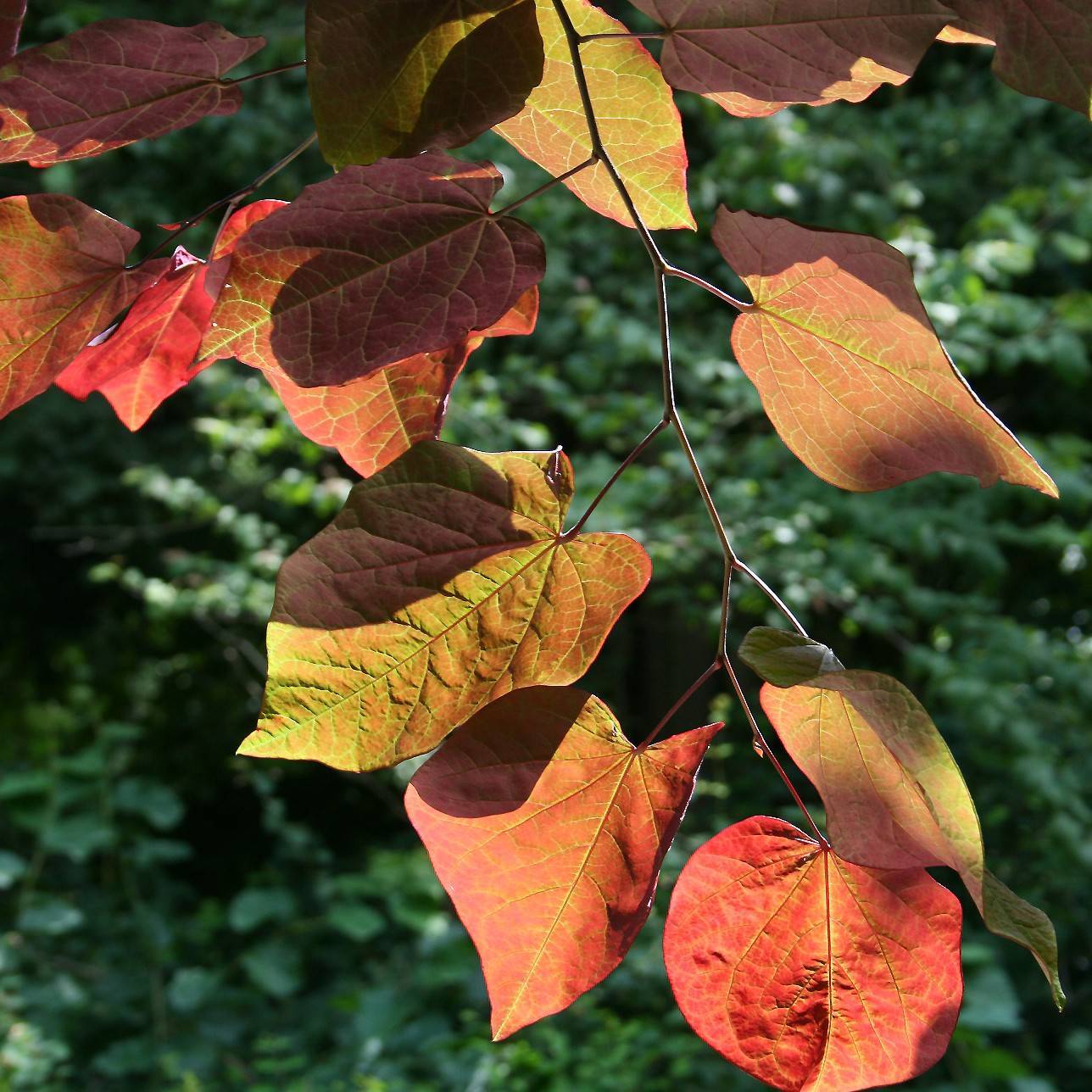
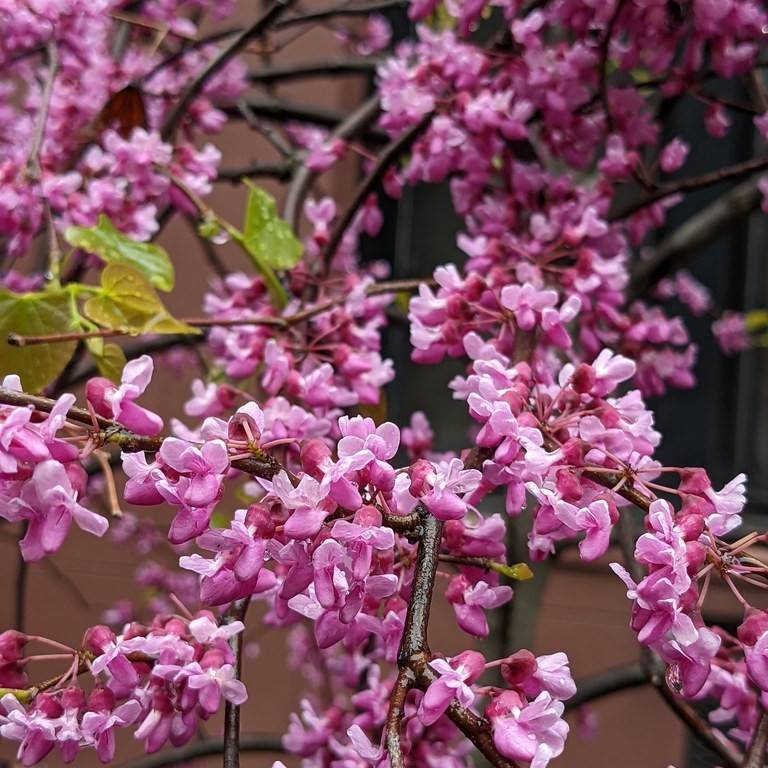
The Eastern Redbud is an amazing tree due to its stunning splashes of pink and white spring bloom. It is an elegant, flowering tree that will appeal to any gardener in search of color and beauty. With its low canopy, it reaches about 20 to 30 feet high and is perfect for small gardens or as a lawn specimen. It has a unique heart shape along with pointed, dark green foliage which then turns to a brilliant yellow in fall. Additionally, its extraordinary cascading clusters of pink blossoms attract a plethora of pollinators, making it great for areas where sustainability matters.
Care Guide
Watering
Eastern redbud (Cercis canadensis 'Tennessee Pink') should be watered every 2-3 days, depending on local weather conditions. Water thoroughly, allowing the top 2-3 inches of soil to become moist. Avoid overwatering, as this can lead to root rot. The Eastern redbud should be watered more often in warmer climates, but less often in cooler climates. Once the plant is established, it can tolerate some periods of drought.
Light
Eastern redbud (Cercis canadensis 'Tennessee Pink') prefers full or partial sun, meaning it should receive about 4 to 6 hours of direct sunlight each day. If your eastern redbud receives too much shade, it may not flower as profusely or – even worse – fail to produce any blooms at all, so it's important to make sure your eastern redbud is in an area that receives at least a few hours of sunlight each day.
Soil
Humus rich, Well-drained
Temperature
Hardiness zone 5–5.
Pruning
Eastern redbud (Cercis canadensis 'Tennessee Pink') should be pruned in the late winter or very early spring. Pruning should be done lightly, as the trees may lose their natural shape if they are pruned too heavily. Prune away only dead, diseased or damaged branches, or any branches that detract from the attractive shape of the tree. It is not necessary to prune away wild branches, as the natural shape of the Eastern redbud is very attractive. If necessary, only remove no more than 1/3 of the tree's canopy in any 1 season.
Propagation
Seed Propagation, Grafting Propagation
Uses & Symbolism
Attracts: Butterflies.
Diseases & Pests
Common pests: Canker, sap rot, Scale insects, Wilt.
Related plants
Other plants you might like if you grow eastern redbud.
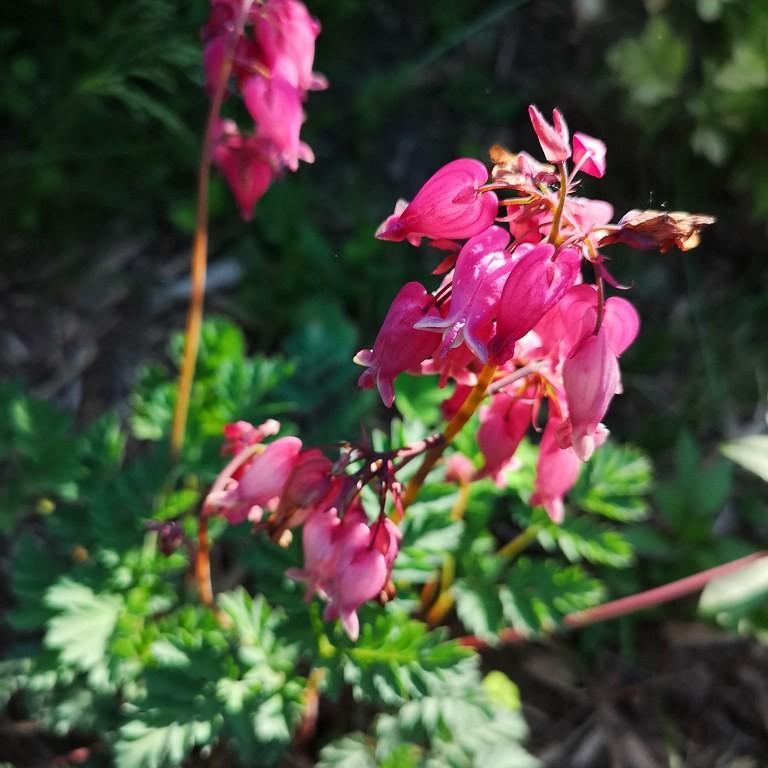
bleeding heart
Dicentra 'Luxuriant'
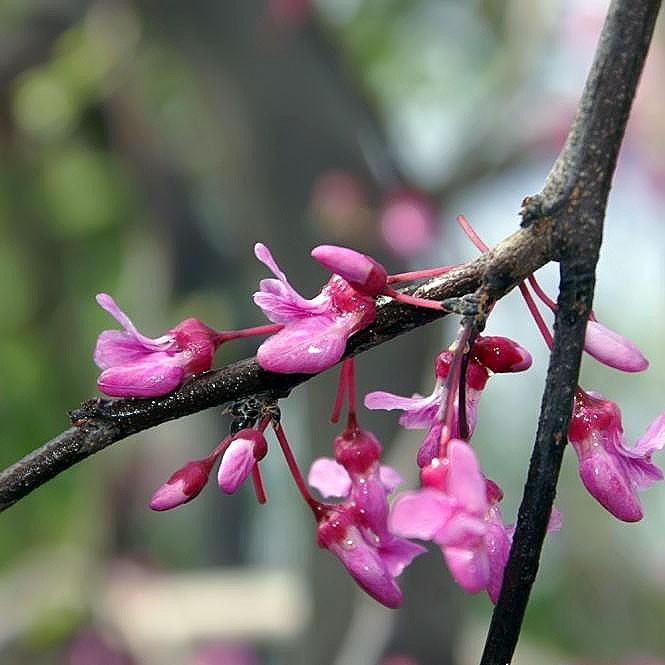
eastern redbud
Cercis canadensis 'Covey'
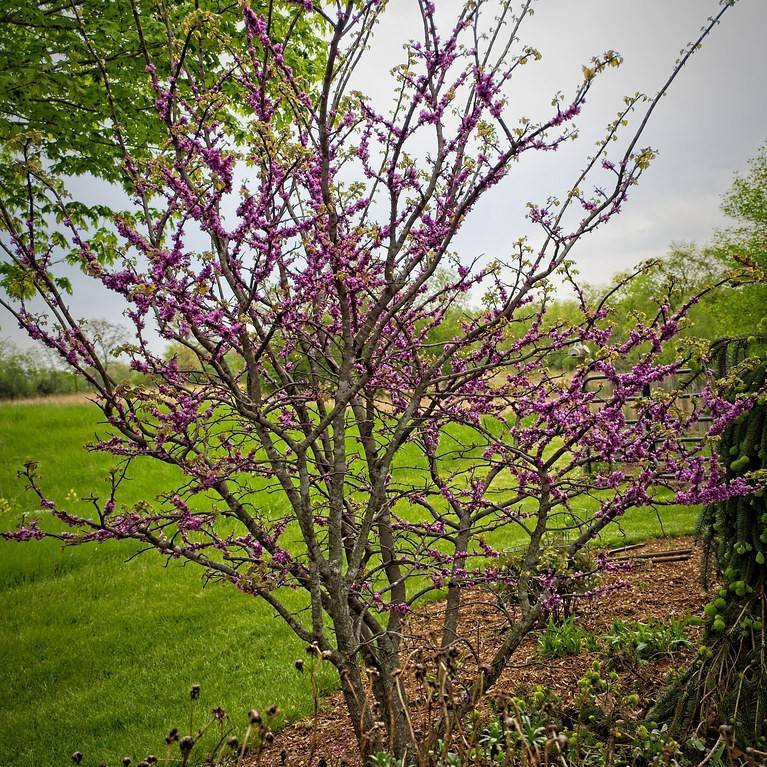
eastern redbud
Cercis canadensis f. alba 'Royal White'
eastern redbud
Cercis canadensis 'JN16' BLACK PEARL
eastern redbud
Cercis canadensis 'JN2' THE RISING SUN
eastern redbud
Cercis canadensis 'NC2016-2' FLAME THROWER
eastern redbud
Cercis canadensis 'Pink Trim' NORTHERN HERALD
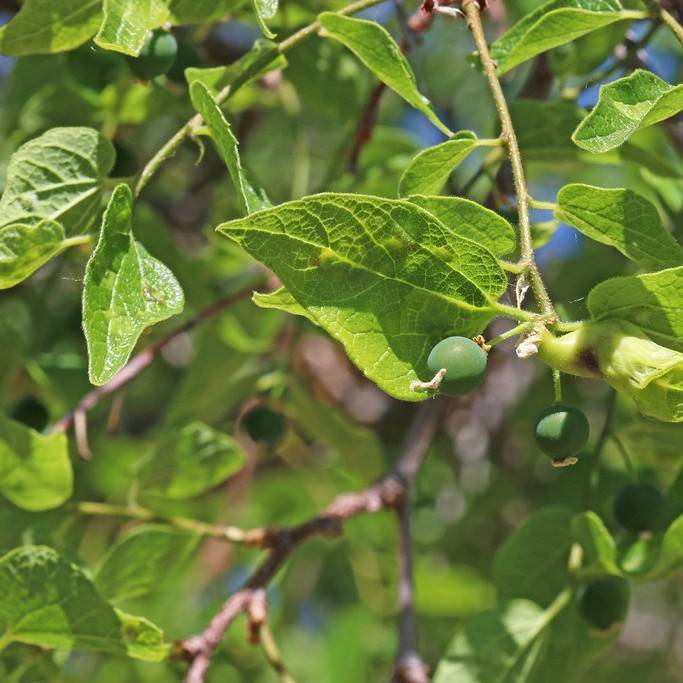
hackberry
Celtis occidentalis