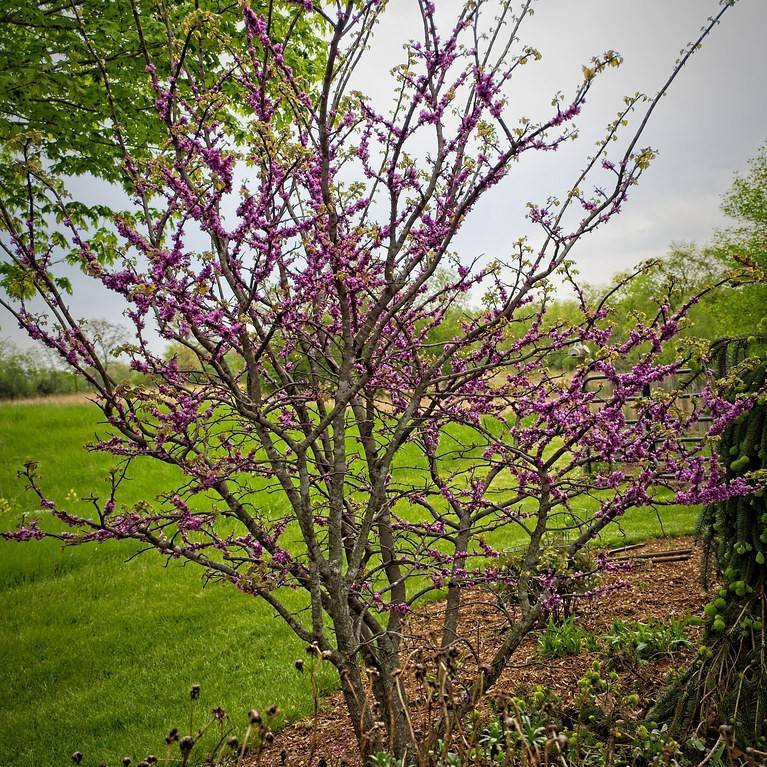
eastern redbud
Cercis canadensis f. alba 'Royal White'
Overview
Eastern Redbud (Cercis canadensis f. alba 'Royal White') is an amazing plant species that has a stunning beauty throughout its life cycle. It has gorgeous tinged white and pink flowers in the spring months and large heart shaped leaves that stay green throughout summer. In the fall, its leaves turn a beautiful yellow. Its impressive architectural shape never fails to draw attention and it's quite compact, which makes it perfect for small landscaping projects. Lastly, it is strong and hardy, which makes it perfect for a variety of climates, from wet to dry. All in all, Eastern Redbud is a wonderful choice for anyone looking for a beautiful specimen plant.
Care Guide
Watering
Eastern redbud (Cercis canadensis f. alba 'Royal White') should be watered deeply and regularly throughout its first growing season. During this time, water your redbud once every week or 2, making sure that the soil is completely saturated each time. Once established, water your Eastern redbud once every week or 2 during the growing season and less often during the winter months. If there are prolonged periods of drought, water your redbud more frequently, but take care not to overwater it.
Light
Eastern redbud plants need at least 4 to 6 hours of direct sunlight each day. To ensure optimal growth, they should be planted in an area that receives full sun or nearly full sun for most of the day. If planted in an area that receives partial shade, place the plant near an eastern or northern exposure to ensure plenty of morning sunlight. To protect the plant from the harsh afternoon sun, provide some light shading such as with a tree or even just a cloth draped over it. Avoid placing the plant in areas with complete shade or extended deep shade, as it may not flower or produce fruit in these areas.
Soil
Humus rich, Well-drained
Temperature
Hardiness zone 5–5.
Pruning
When it comes to pruning a Eastern Redbud Tree (Cercis canadensis f. alba 'Royal White'), it is recommended to prune lightly when the tree is young. Prune during the late winter or early spring, when the trees are dormant, so that they have time to heal from any pruning before summer. When the tree is small, remove any dead or diseased branches as well as any unwanted crossing branches. Cut back any branches that are growing in the wrong direction, out of bounds or are crowding other branches. You can also prune back any stems that are too long, although this should be done sparingly. Once the tree has reached its mature size, very little pruning should be needed, aside from occasional removal of dead and diseased branches. If you do prune larger branches, do so in steps such that large amounts of tissue closer to the trunk are not removed all at once - Brown terminal buds are indicators of where the branch is still alive and cutting too far in can kill the branch. It is also beneficial to remove any suckers or shoots growing from the base of the tree as this can weaken its overall stability. In general, Eastern Redbud Trees do not need much routine pruning so as not to interfere with the natural shape or size of the tree.
Propagation
Seed Propagation, Grafting Propagation
Uses & Symbolism
Attracts: Butterflies.
Diseases & Pests
Common pests: Canker, sap rot, Scale insects, Wilt.
Related plants
Other plants you might like if you grow eastern redbud.
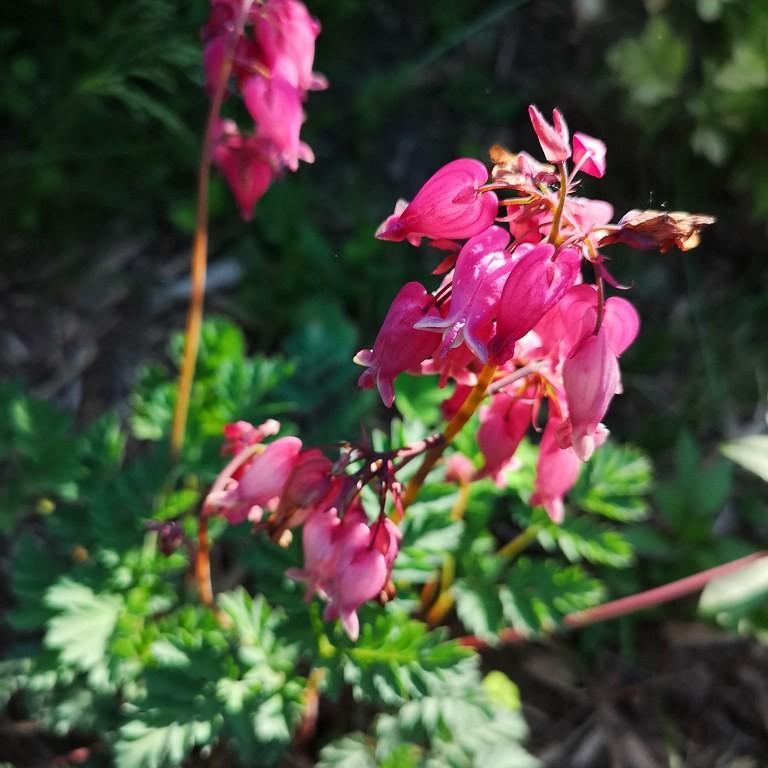
bleeding heart
Dicentra 'Luxuriant'
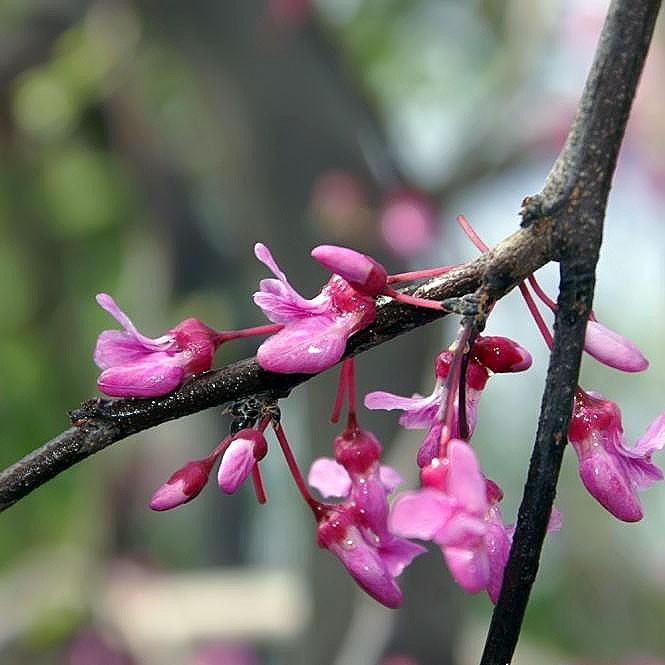
eastern redbud
Cercis canadensis 'Covey'
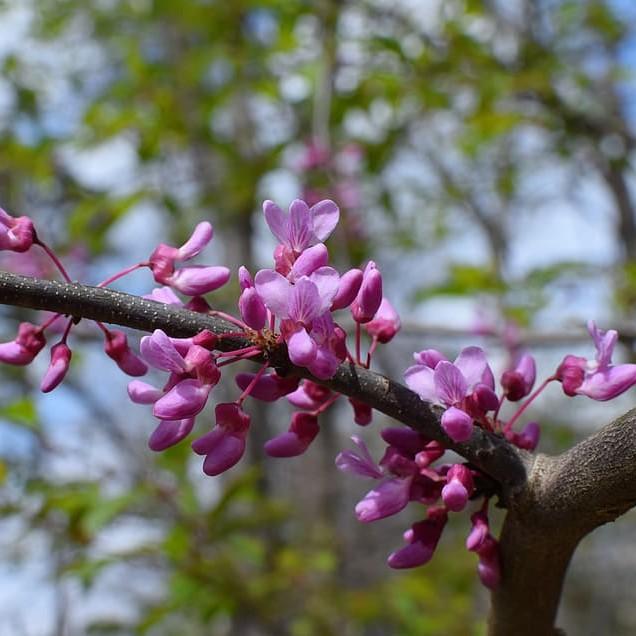
eastern redbud
Cercis canadensis 'JN16' BLACK PEARL
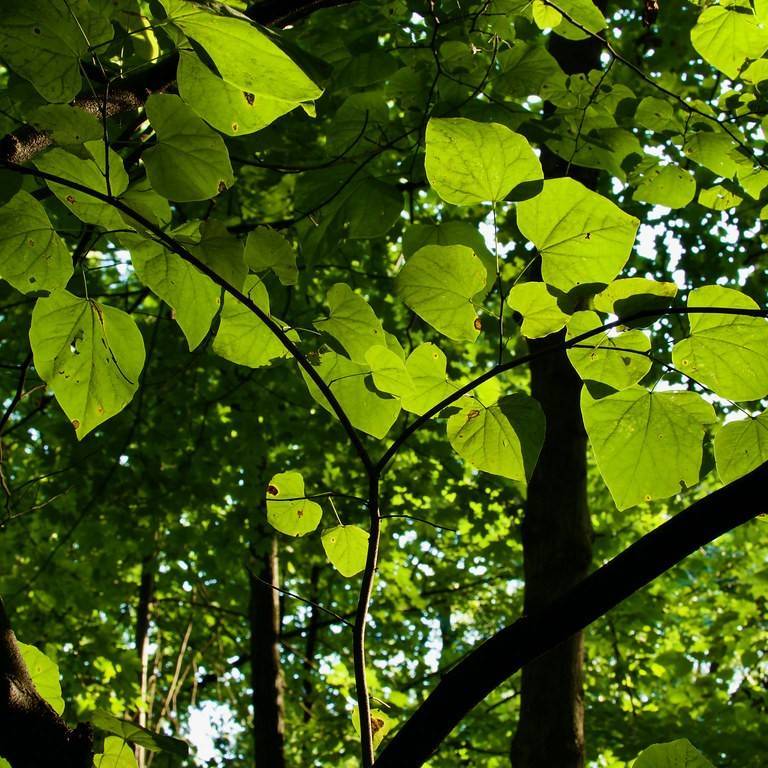
eastern redbud
Cercis canadensis 'JN2' THE RISING SUN
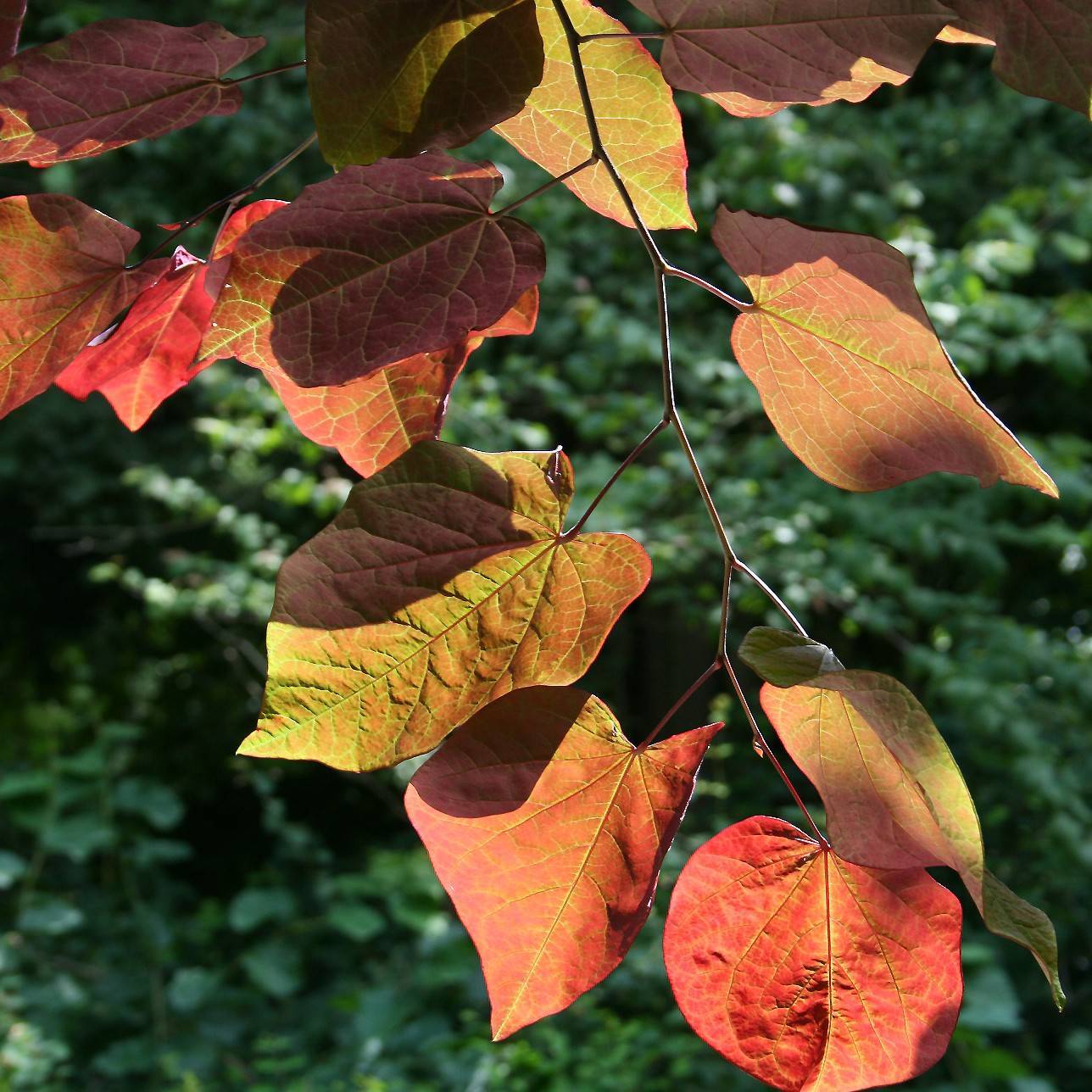
eastern redbud
Cercis canadensis 'NC2016-2' FLAME THROWER
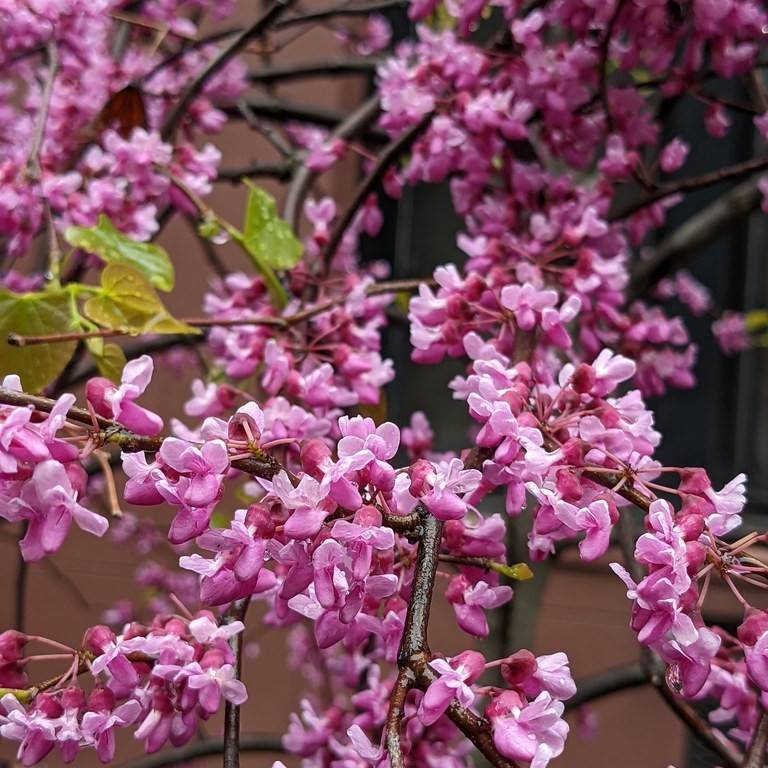
eastern redbud
Cercis canadensis 'Pink Trim' NORTHERN HERALD
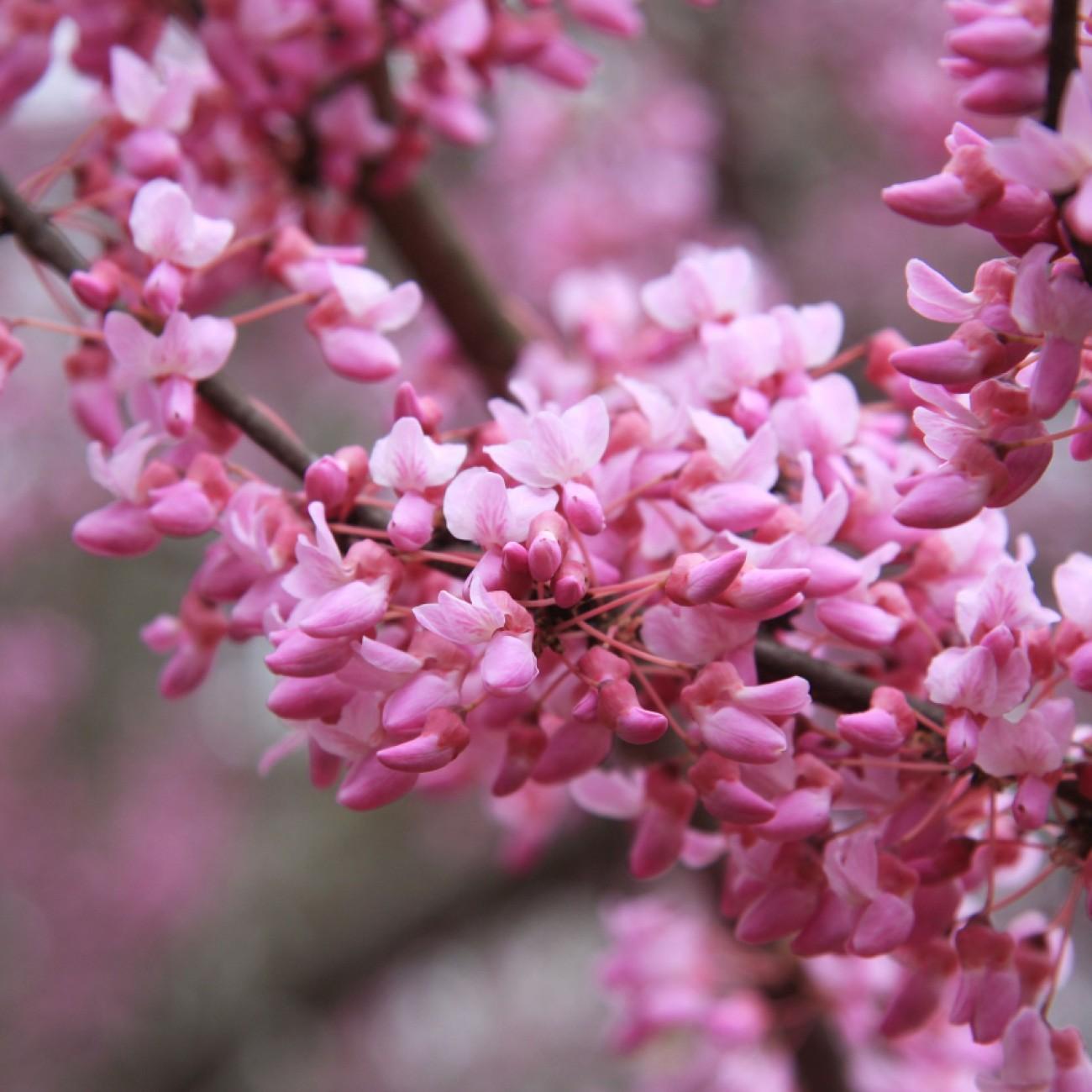
eastern redbud
Cercis canadensis 'Tennessee Pink'
hackberry
Celtis occidentalis