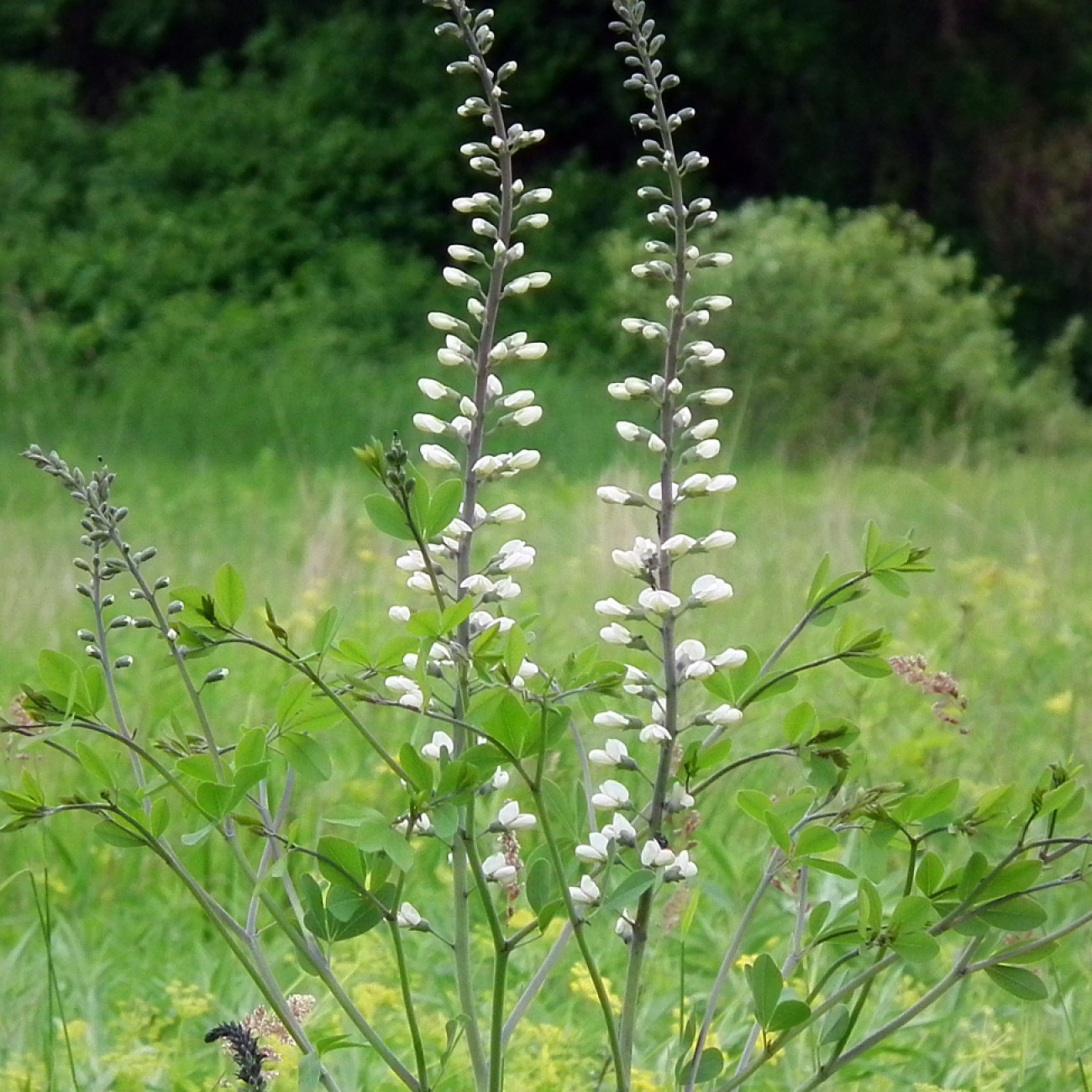
false indigo
Baptisia alba
Overview
False Indigo (Baptisia Alba) is an amazing plant species that stands out in any landscape! Growing to heights of four to six feet, this hardy perennial displays stunning foliage and blooms throughout the summer. It is an excellent choice for butterflies and other pollinators since its flowers are rich in nectar and pollen. Additionally, its strong root system helps to slow soil erosion and provide protection in the landscape. False Indigo is easy to maintain, requires little supplemental water once established and is resistant to disease. Its flowers are a beautiful white color, providing most gardens with an excellent contrast to other plants. Its blooms also give off a pleasant aroma that is sure to wow your visitors. False Indigo is definitely a winner!
Care Guide
Watering
False indigo thrives best when given moderate watering. Water deeply about every 7 to 10 days, providing enough to moisten the soil to a depth of 8 to 10 inches. If the soil is dry at that depth, it is time to water. Allow the surface of the soil to dry between waterings and avoid soggy soil. During summer months, soil may require more frequent watering. Too frequent watering can lead to root rot and stem die-back.
Light
False indigo (Baptisia alba) prefers full sun exposure in order to thrive. This species of plant requires 6-8 hours of sunlight per day when planted in optimal conditions. If planted in an area with less sunlight, growth may be stunted or the flowers may be sparse. Temperatures also play an important role in the health of false indigo, as the roots should be kept cool and away from direct sunlight. It’s best to plant false indigo in an area that gets morning sunlight and late-afternoon shade.
Temperature
Hardiness zone 5–8.
Pruning
False indigo (Baptisia alba) should be pruned during the spring season, after the plant has finished flowering. It is best to start pruning back the plant by about 1-third of its size, as this will help encourage the plant to have a bushier, fuller growth during the summer and fall. Pruning back too much of the false indigo can cause the plant to become spindly.
Propagation
Seed Propagation, Root Division, Cutting
Uses & Symbolism
Attracts: Butterflies.
Related plants
Other plants you might like if you grow false indigo.
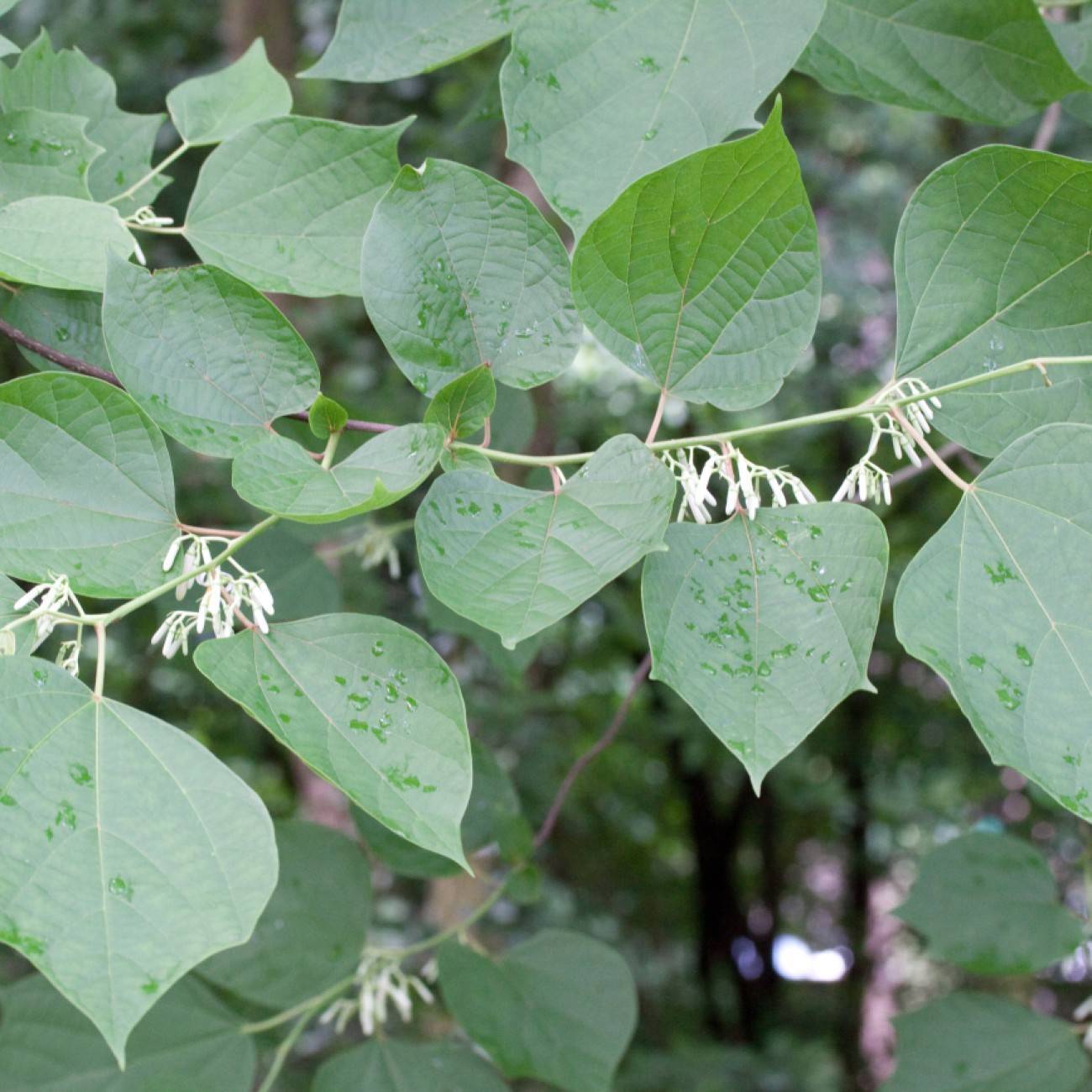
alangium
Alangium platanifolium var. macrophyllum
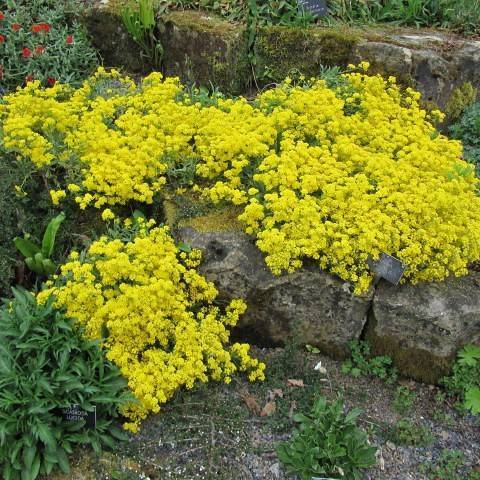
basket of gold
Aurinia saxatilis 'Gold Dust'
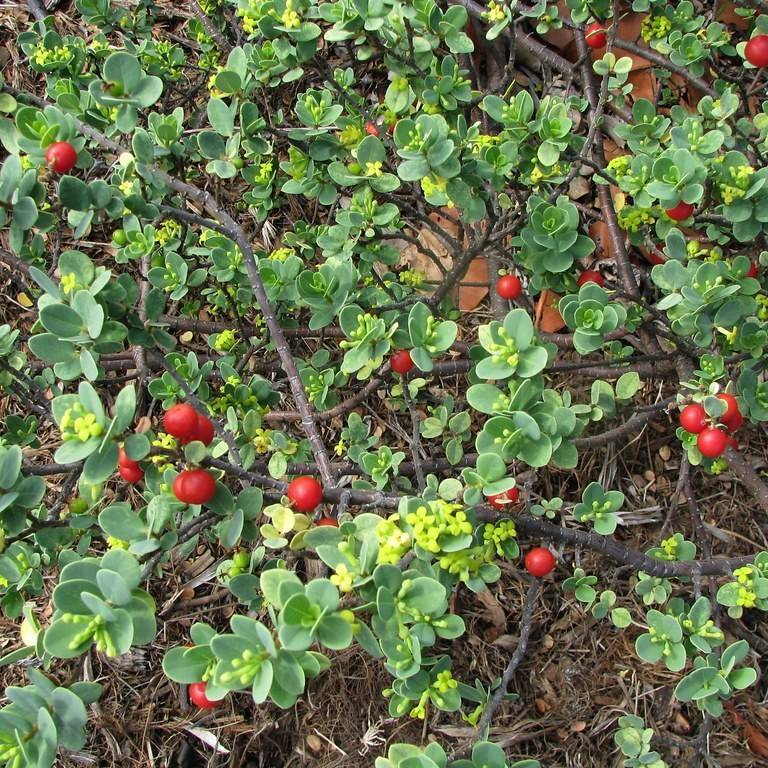
bearberry
Arctostaphylos uva-ursi 'Wood's Red'
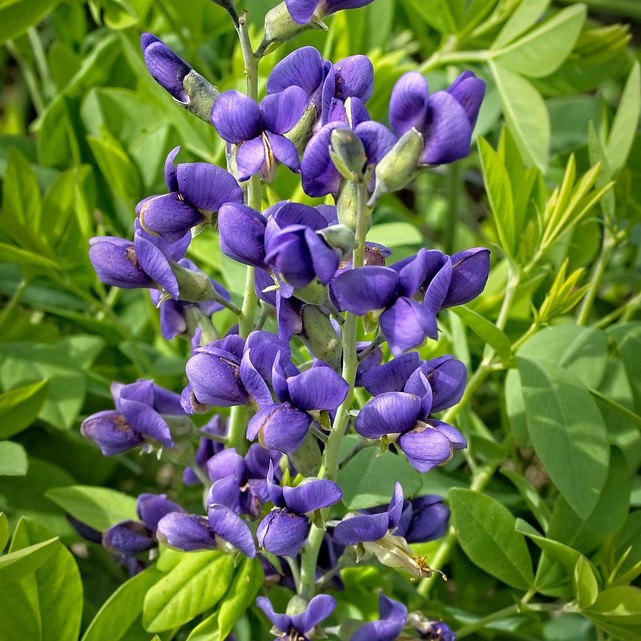
blue false indigo
Baptisia australis
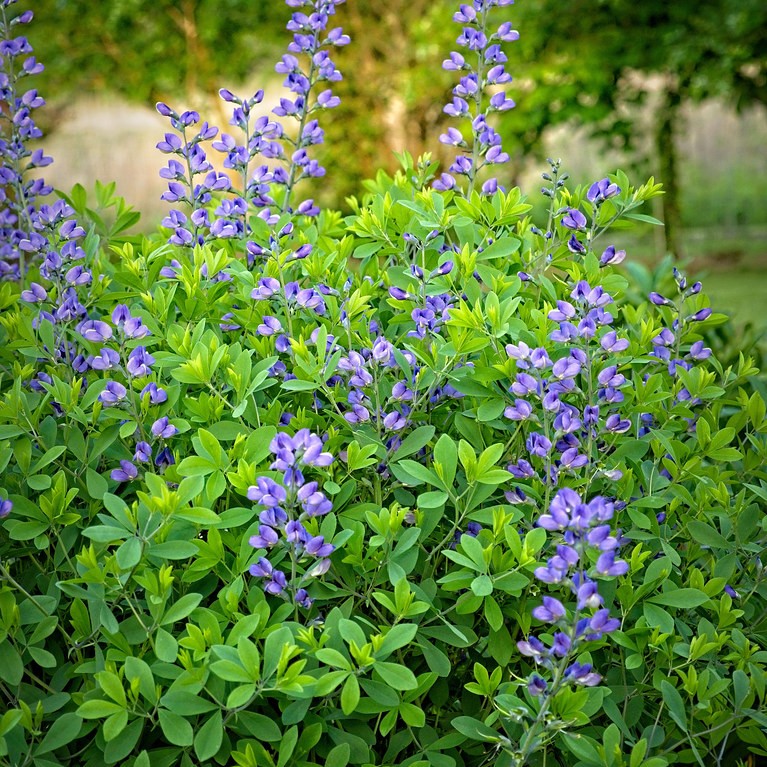
blue false indigo
Baptisia australis var. minor
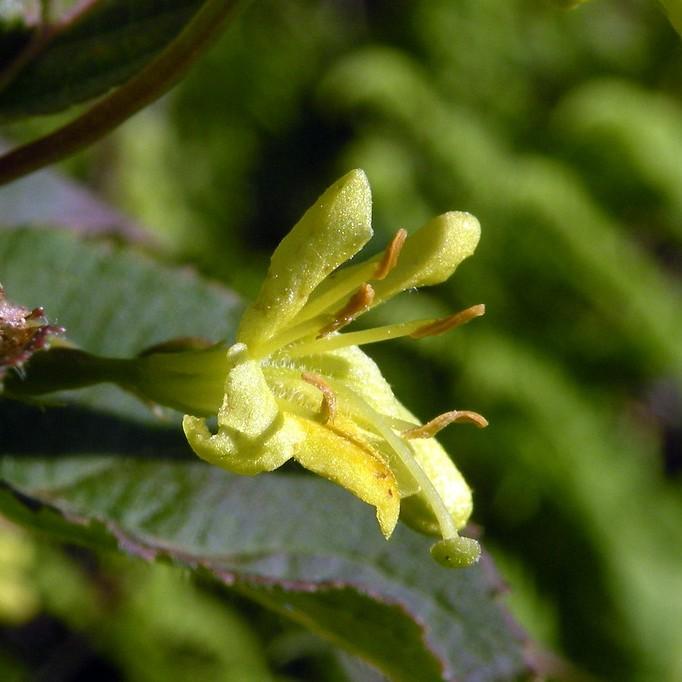
bush honeysuckle
Diervilla lonicera
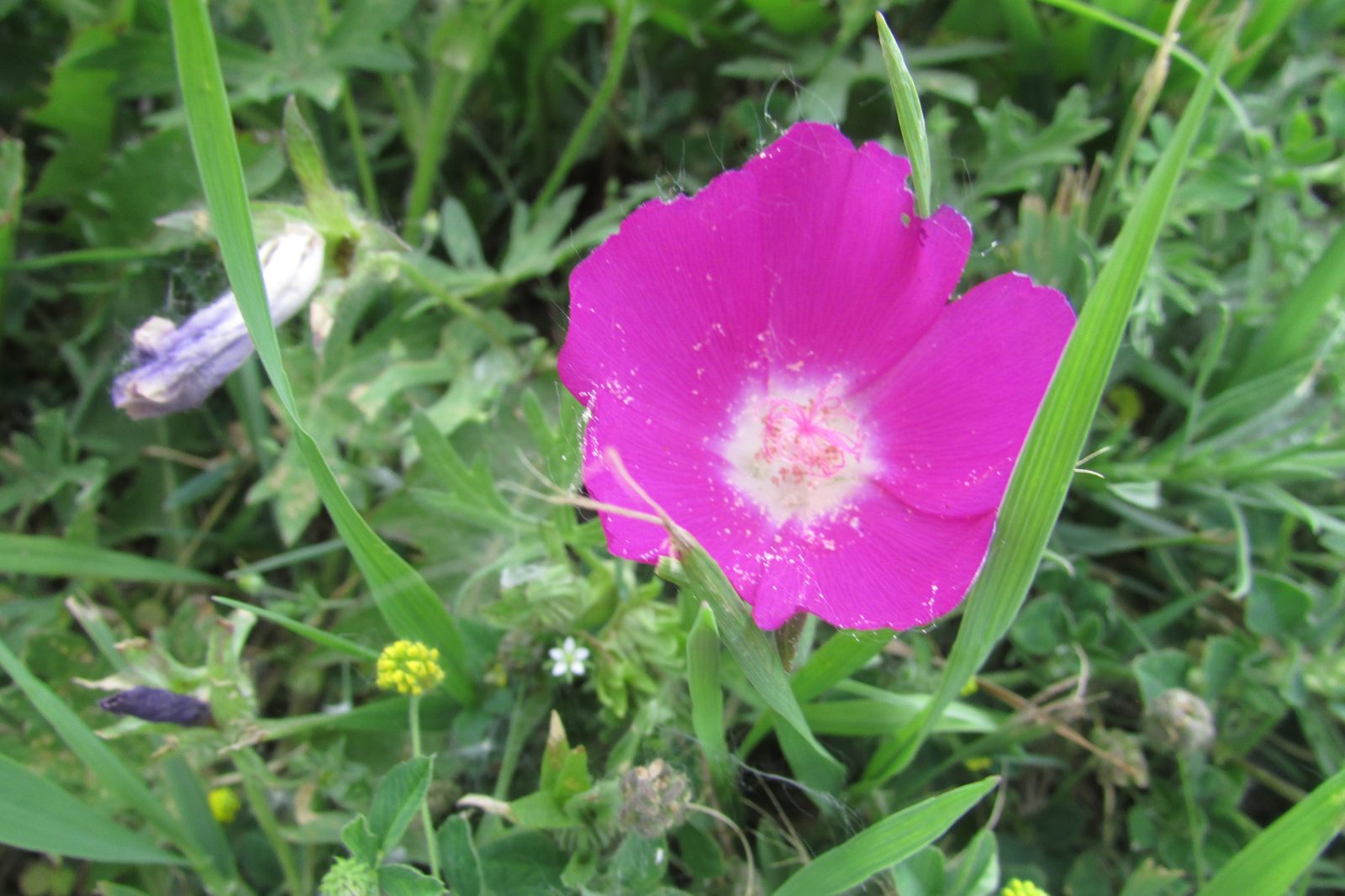
Bush's poppy mallow
Callirhoe bushii
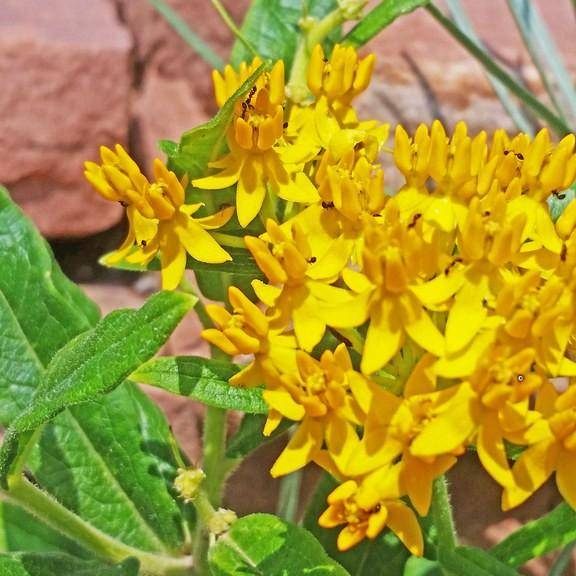
butterfly weed
Asclepias tuberosa 'Hello Yellow'