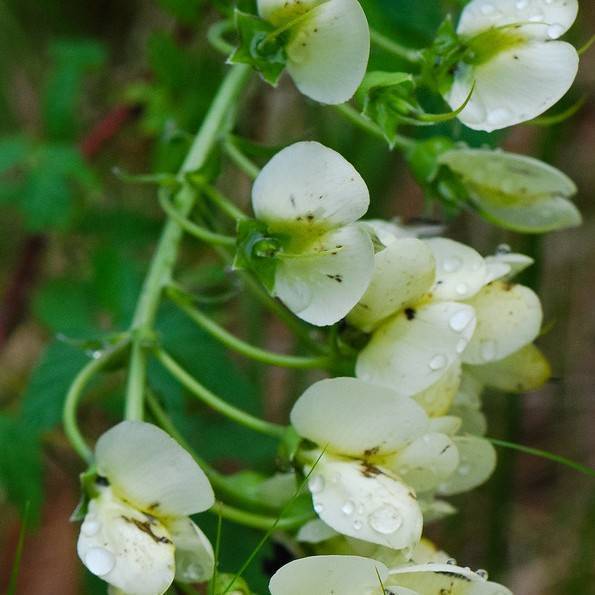
false indigo
Baptisia bracteata
Overview
False Indigo (Baptisia bracteata) is an amazing plant species that is a joy to behold. This perennial shrub has striking deep blue or purple flowers and fern-like grey-green foliage that grows in abundance each year. Typically flowering in the spring months, False Indigo is highly drought tolerant, making it perfect for dry gardens. Not only is it a vivid presence in any landscape, False Indigo also produces attractive seedpods, some of which the plant retains in winter, beautifully decorating the garden when most other plants are hidden away. For those looking to make a statement in their garden with a resilient and aesthetically pleasing plant species, False Indigo should be their number one choice.
Care Guide
Watering
False indigo is a drought-tolerant plant, so it prefers to receive water more deeply and less often. During the summer months, water false indigo deeply a few times a week. To water deeply, water slowly around the base of the plant until the top several inches of soil is moist. During the winter months, water less often but give a thorough watering. This will depend on your climate, so water when the surface of the soil is dry to the touch. Make sure not to overwater false indigo, as this can lead to root rot.
Light
False Indigo grows best in full sun, although it will tolerate partial shade. For optimum growth, full sunlight is recommended for at least 6 hours per day when the plant is planted in mid-spring. The best time to plant False Indigo is in late autumn when days are cooler and the soil has the chance to absorb more moisture. During summer months, False Indigo may require additional watering beyond the normal summer rainfall.
Temperature
Hardiness zone 3–9.
Pruning
False indigo (Baptisia bracteata) should be pruned in late winter to early spring, just before the plant begins to bud. Pruning should be minimal; remove dead, damaged, and diseased stems with sharp pruning shears. Any unnecessary crossing branches should also be trimmed back. Do not over-prune the plant as it could limit flowering and weaken the plant.
Propagation
Seed Propagation, Root Division, Cutting, Layering Propagation
Uses & Symbolism
Attracts: Butterflies.
Related plants
Other plants you might like if you grow false indigo.
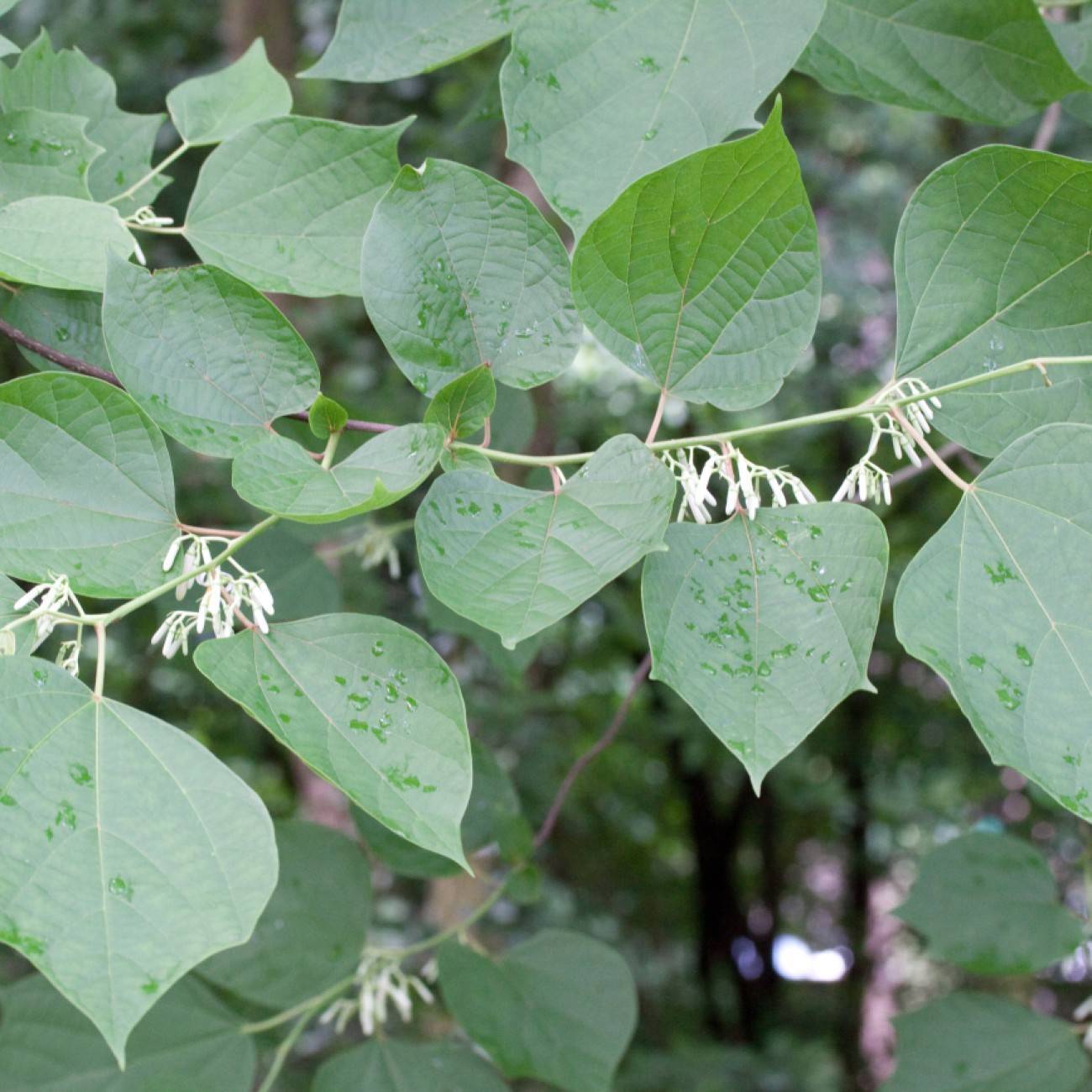
alangium
Alangium platanifolium var. macrophyllum
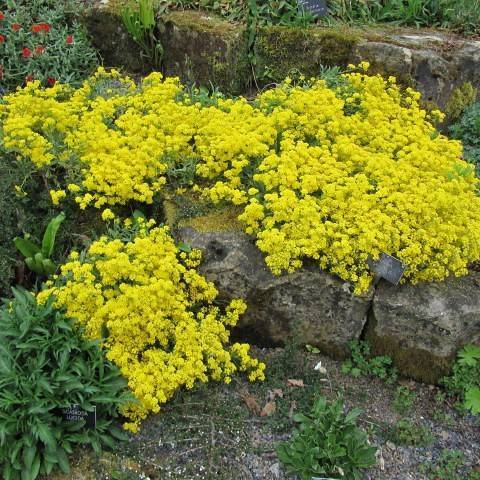
basket of gold
Aurinia saxatilis 'Gold Dust'
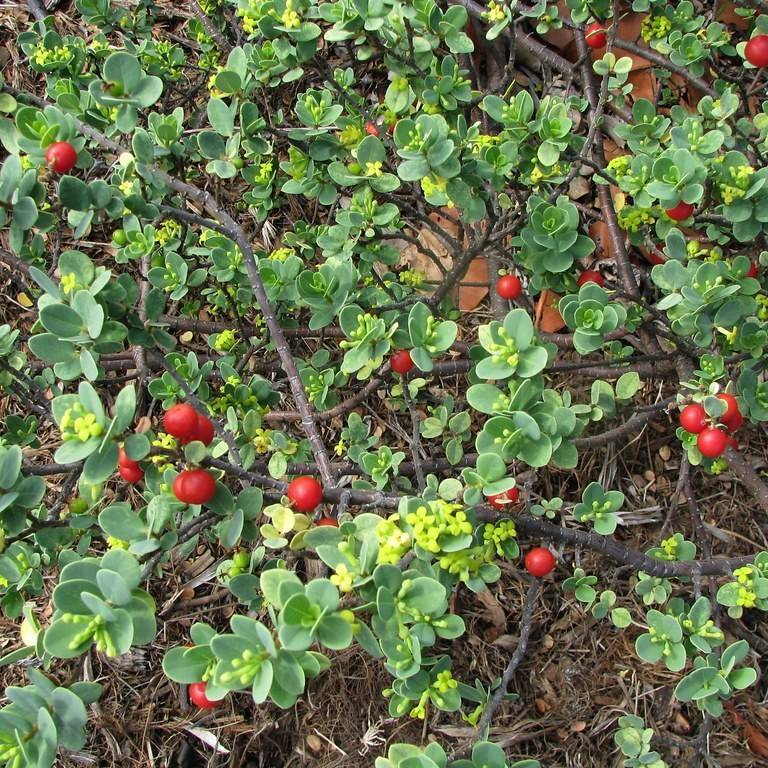
bearberry
Arctostaphylos uva-ursi 'Wood's Red'
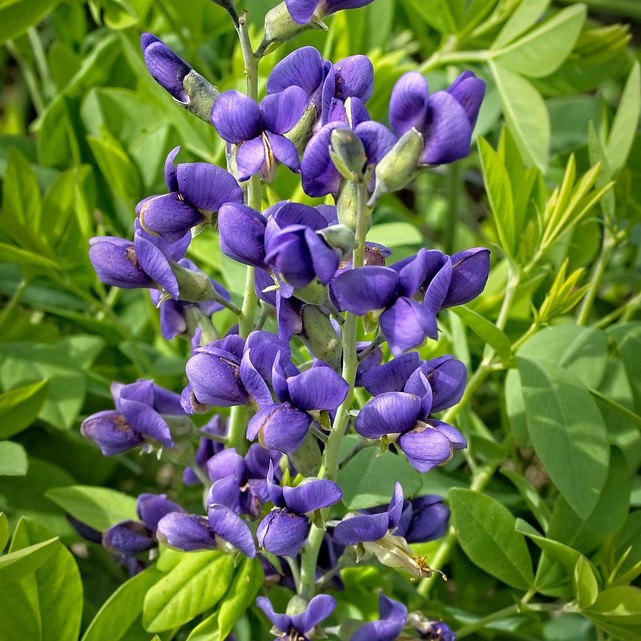
blue false indigo
Baptisia australis
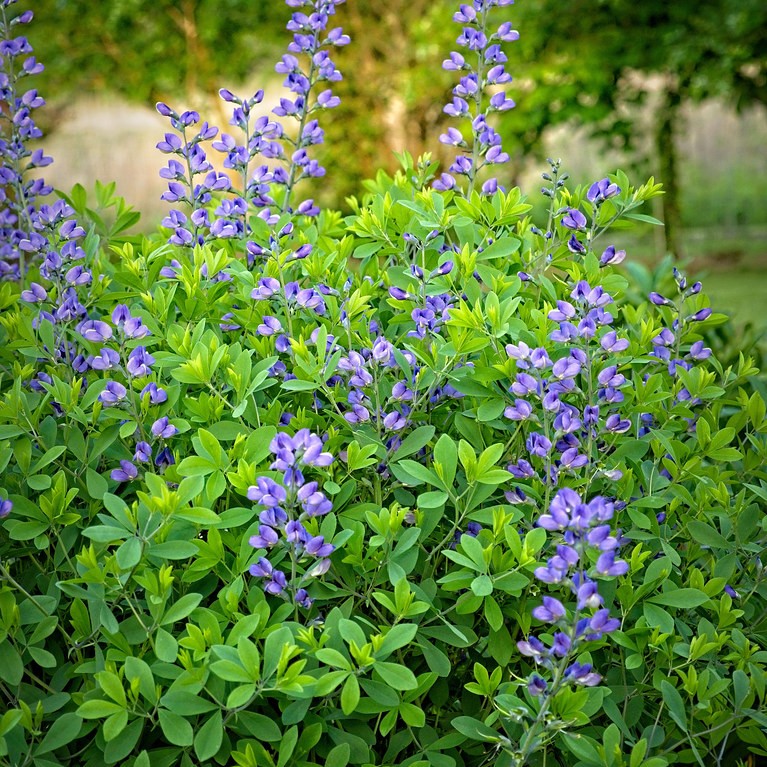
blue false indigo
Baptisia australis var. minor
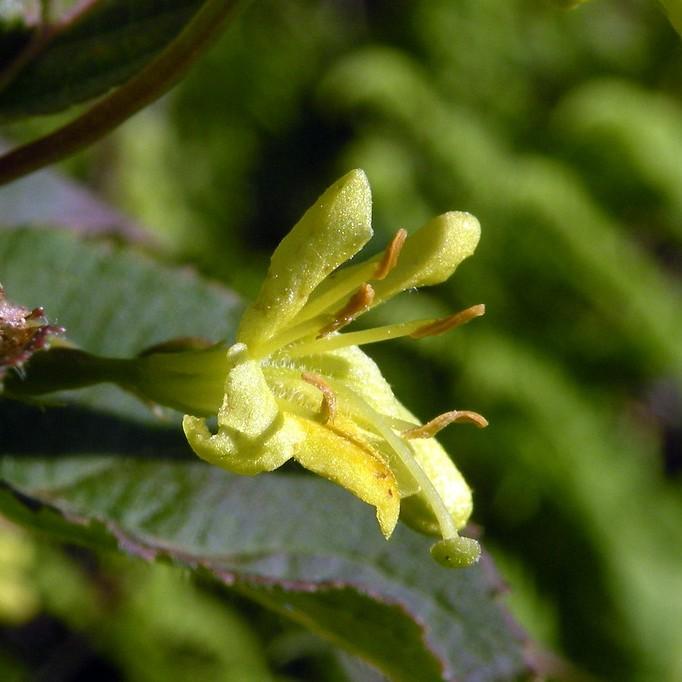
bush honeysuckle
Diervilla lonicera
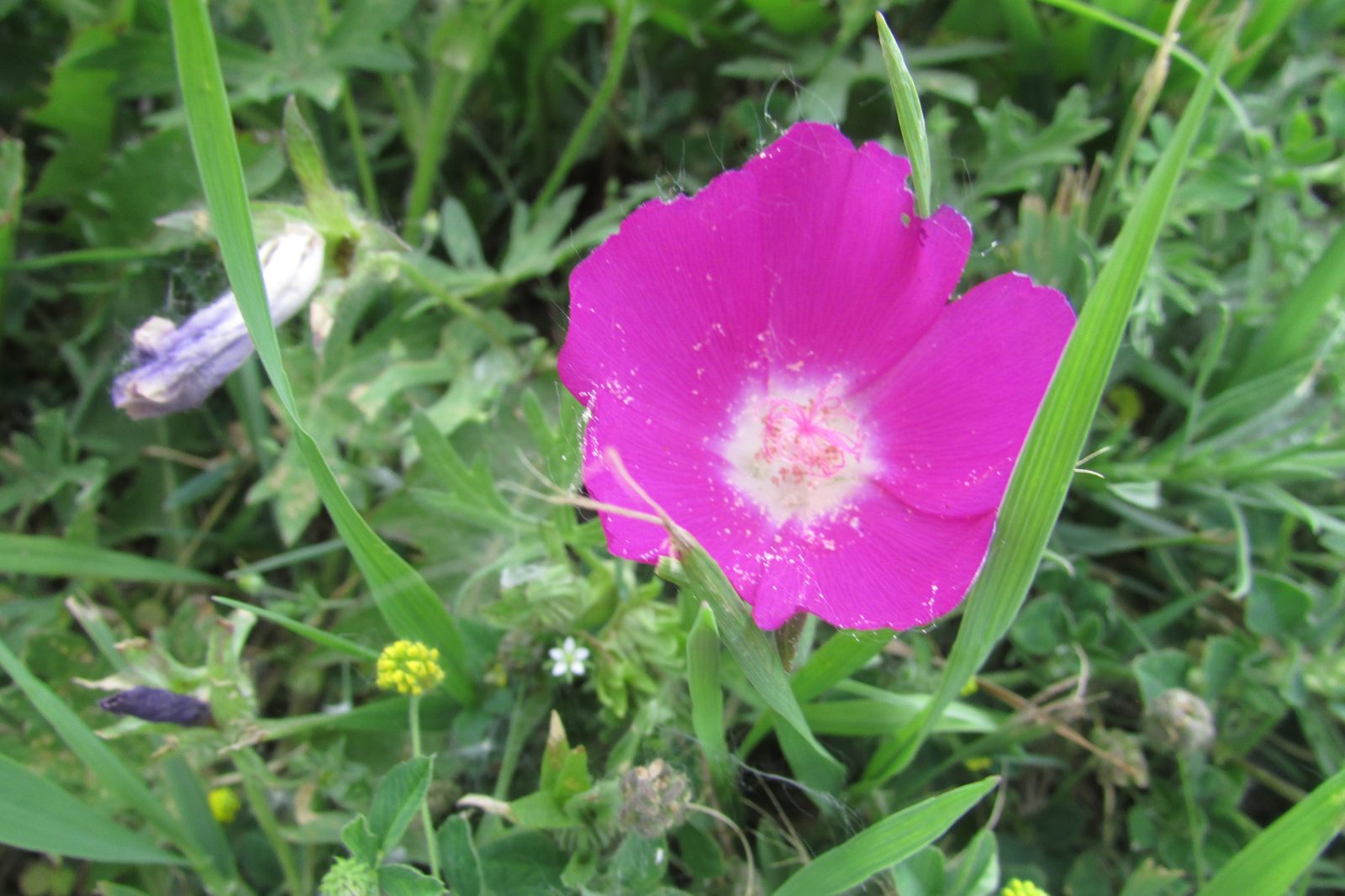
Bush's poppy mallow
Callirhoe bushii
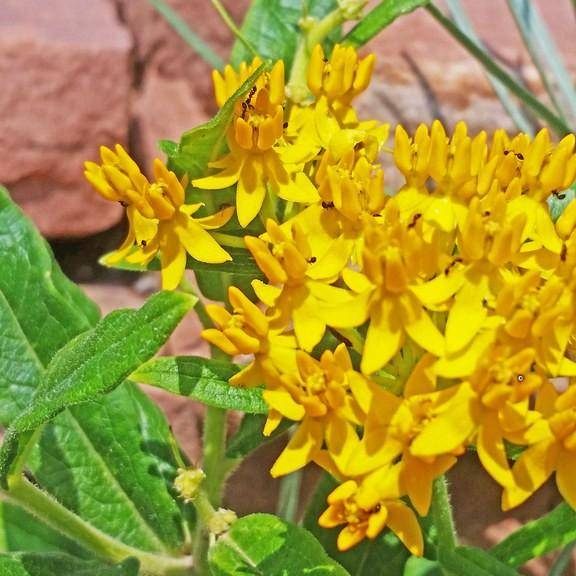
butterfly weed
Asclepias tuberosa 'Hello Yellow'