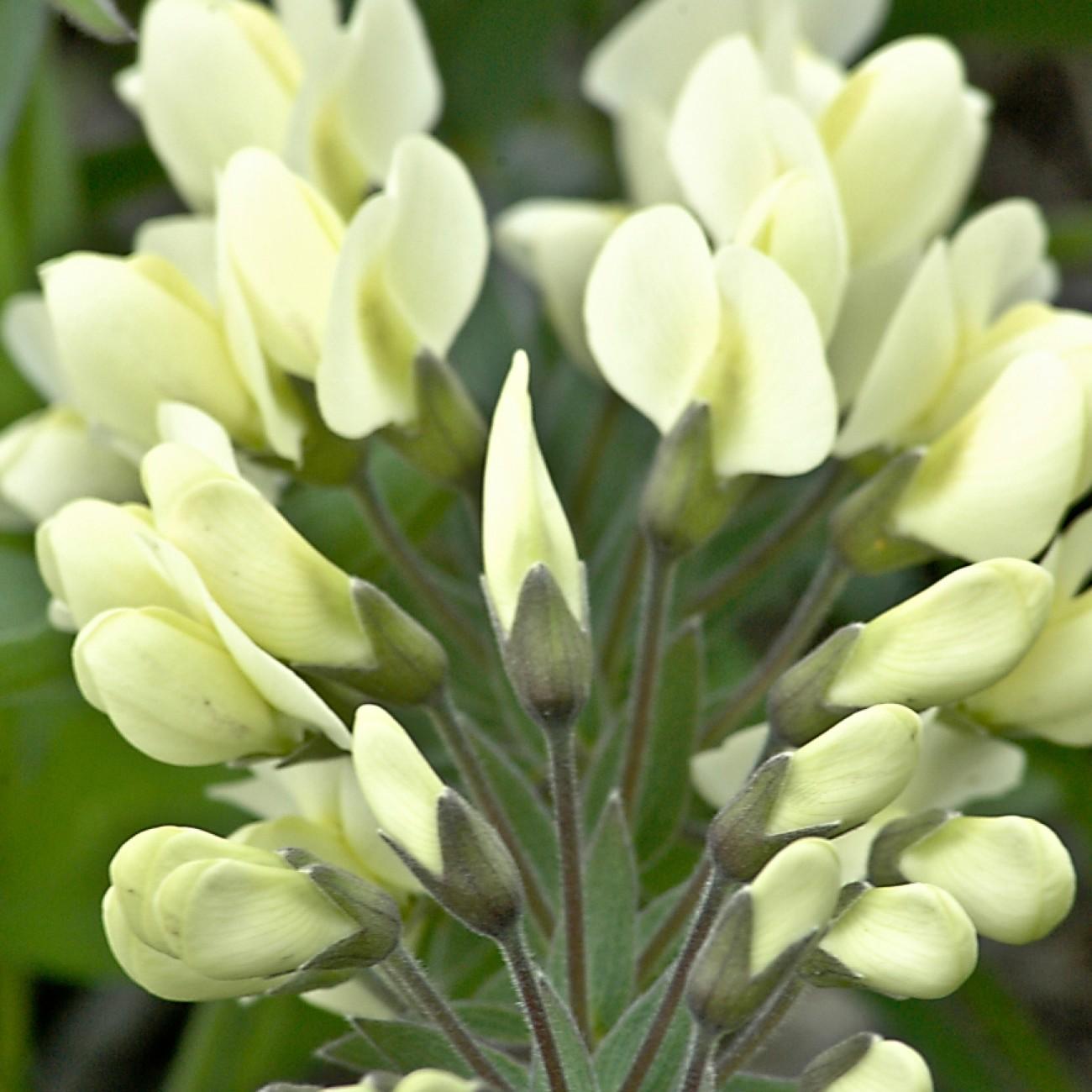
false indigo
Baptisia bracteata var. leucophaea
Overview
False indigo (Baptisia bracteata var. leucophaea) is an amazing native plant species with its unique characteristics. Its blooms appear from late spring to early summer as small, white and creamy yellow clusters of flowers. Its attractive grey-green foliage adds an interesting texture to your garden. This resilient species is drought tolerant and requires very little maintenance. False indigo is also known to be highly attractive to pollinators like bees and butterflies. With its low-maintenance nature, this species creates beautiful texture in any garden. It is an ideal addition to any landscape, poolside, and courtyard. False indigo is sure to add depth, beauty and interest to any landscape.
Care Guide
Watering
False indigo is a drought-tolerant plant species and generally does not require a lot of water. During the first growing season, water once a week to ensure proper establishment . After the first year, the plant should only be watered if the soil is dry. If the soil is dry during the summer, water the plant every 2 weeks. In drought-prone or very hot regions, water the plant every 3 weeks. In periods of extreme heat, water the false indigo more frequently. During winter months, the plant does not require watering.
Light
False indigo (Baptisia bracteata var. leucophaea) grows best in bright light or full sunlight for at least 6 hours each day. This species flourishes in warm, sunny locations, so it's best planted in an area where it can receive direct sunlight for the majority of the day. For optimal growth, it should receive full sun for most of the day with partial shade in the hottest part of the day to protect its foliage from heat stress. It can also tolerate light shade, but it won’t flower as much in a shadier environment.
Temperature
Hardiness zone 5–9.
Pruning
False indigo can be pruned during the late winter or early spring, when the plant is dormant. Pruning should be done carefully to prevent fungal rot. Remove diseased, dead, or broken branches, as well as any dead or dying flowers. Cut off any weak or spindly shoots. Pruning should be done sparingly, as too much can reduce the amount of flowering stems the plant will produce. After pruning, shape the remaining stems as needed. Generally, false indigo plants benefit from light pruning every 3 to 4 years.
Propagation
Seed Propagation, Root Cutting, Division
Uses & Symbolism
Attracts: Butterflies.
Related plants
Other plants you might like if you grow false indigo.
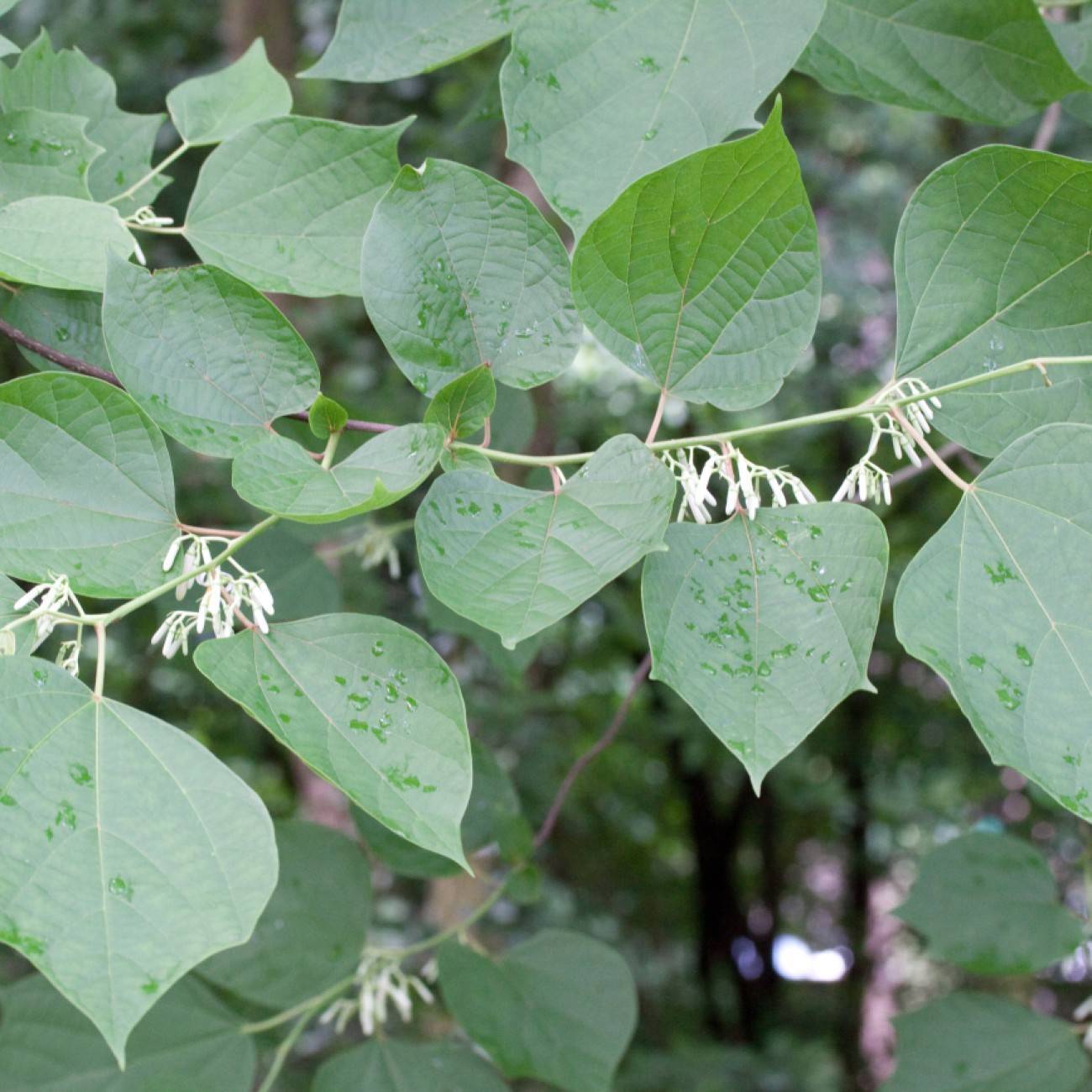
alangium
Alangium platanifolium var. macrophyllum
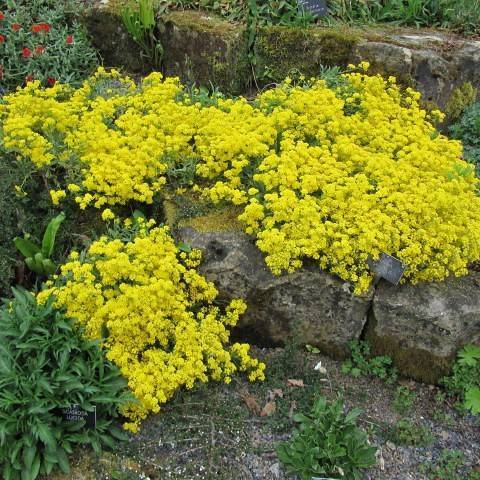
basket of gold
Aurinia saxatilis 'Gold Dust'
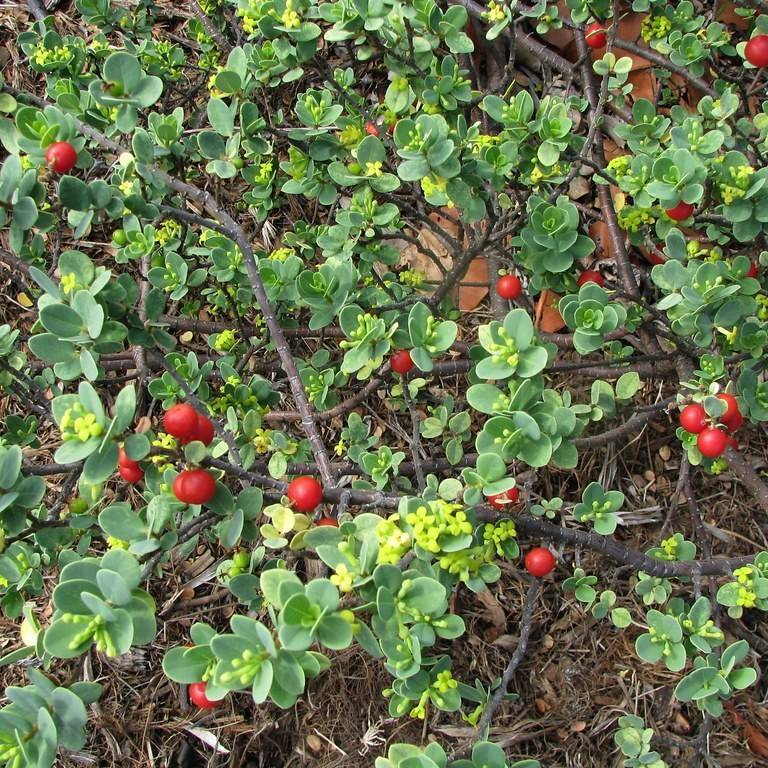
bearberry
Arctostaphylos uva-ursi 'Wood's Red'
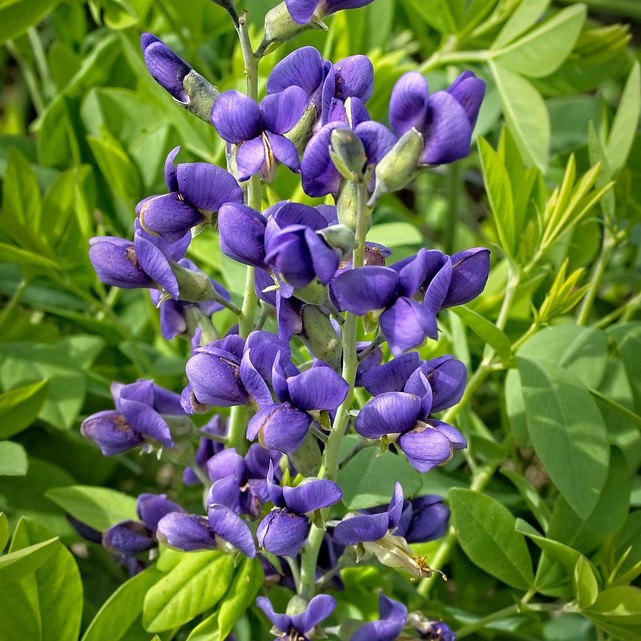
blue false indigo
Baptisia australis
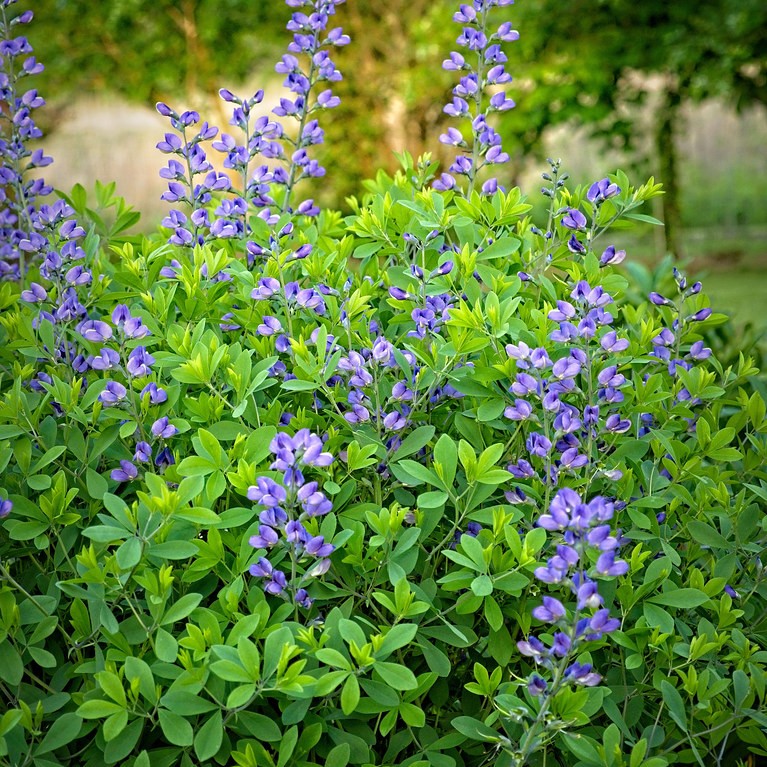
blue false indigo
Baptisia australis var. minor
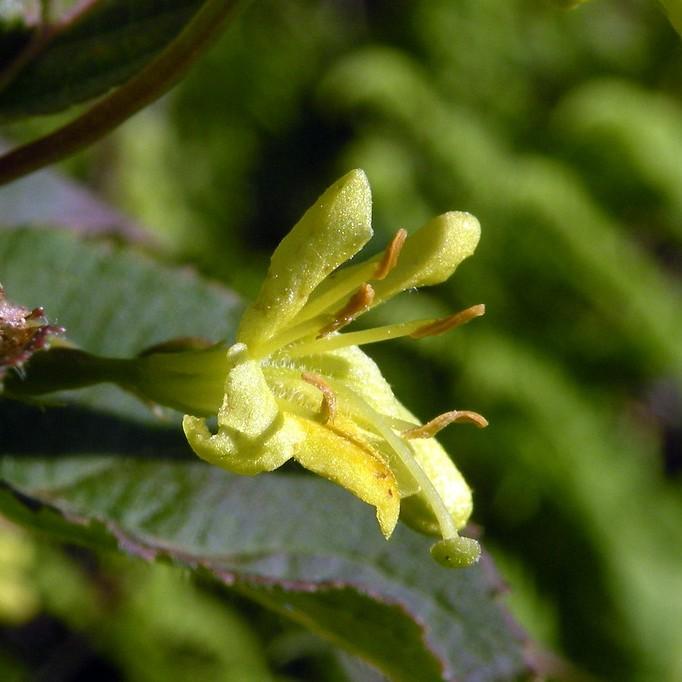
bush honeysuckle
Diervilla lonicera
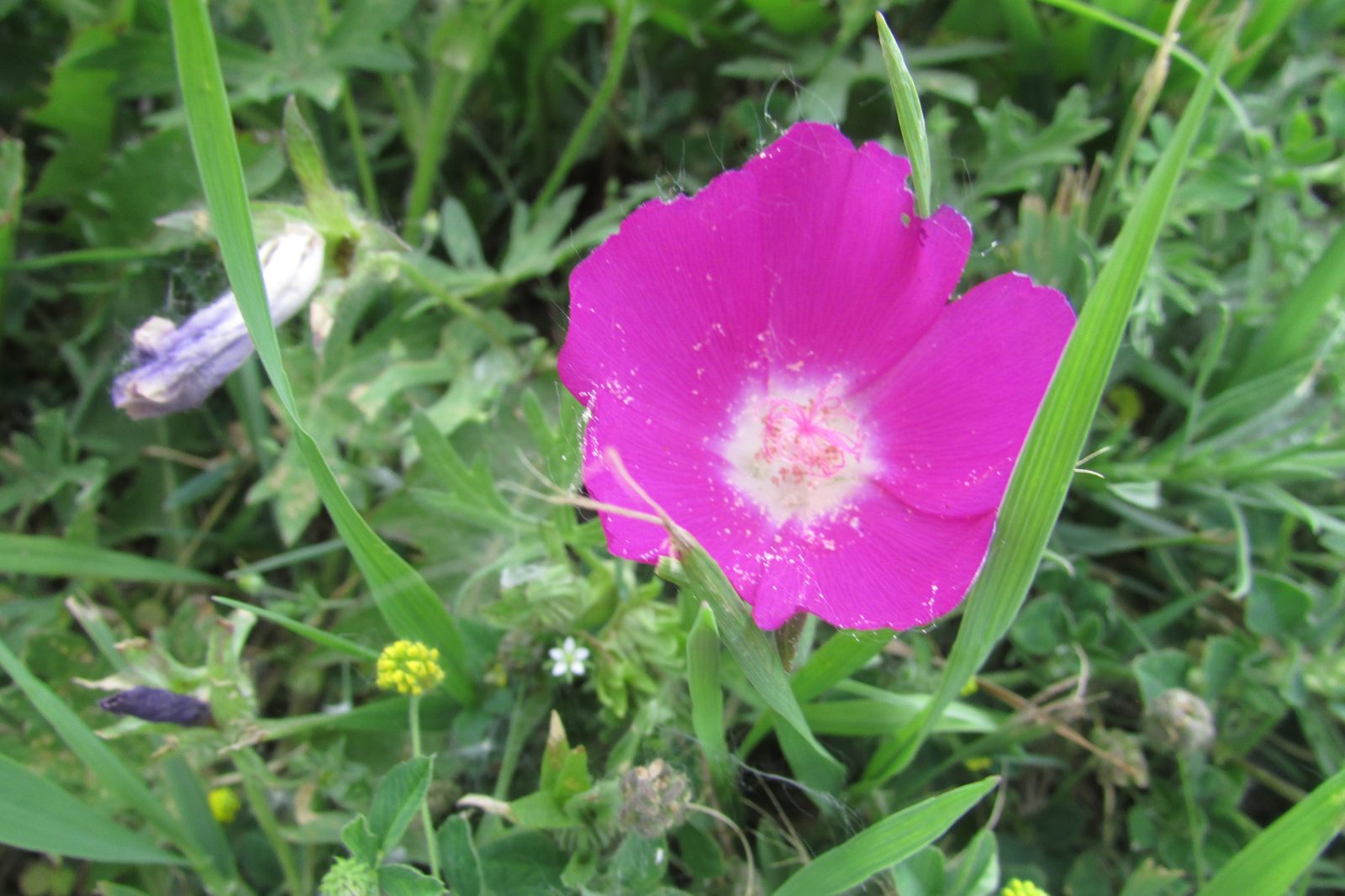
Bush's poppy mallow
Callirhoe bushii
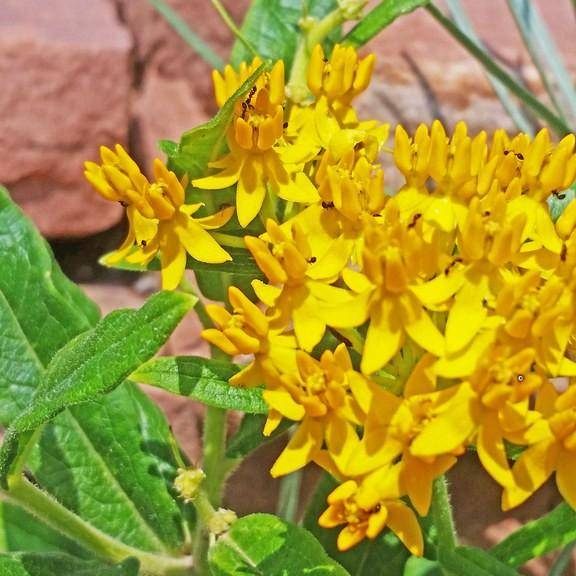
butterfly weed
Asclepias tuberosa 'Hello Yellow'