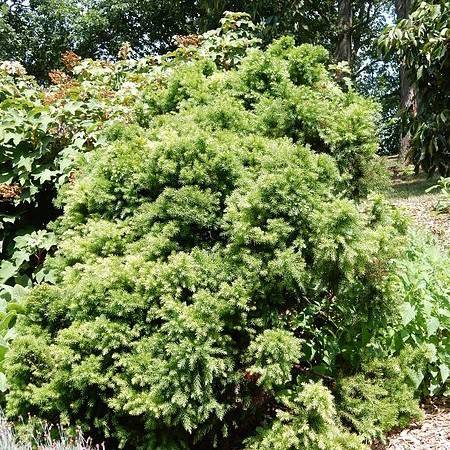
Japanese cedar
Cryptomeria japonica 'Elegans Nana'
Overview
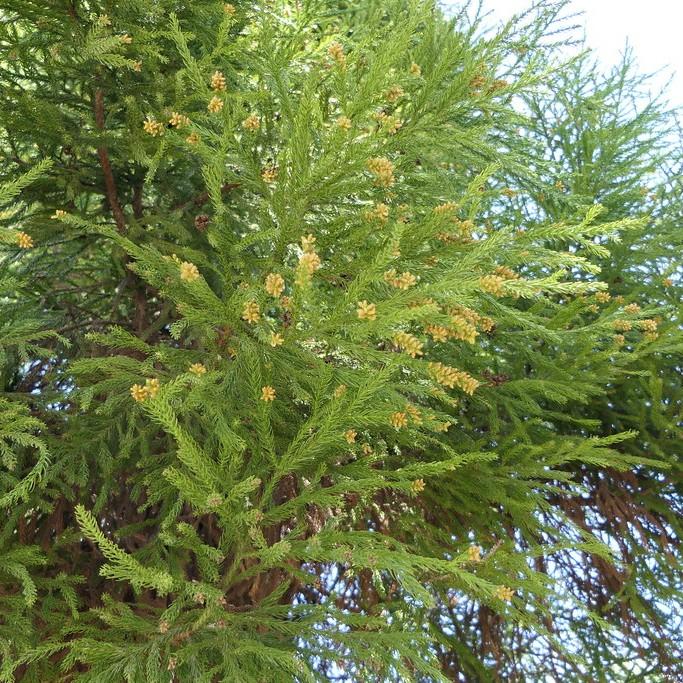
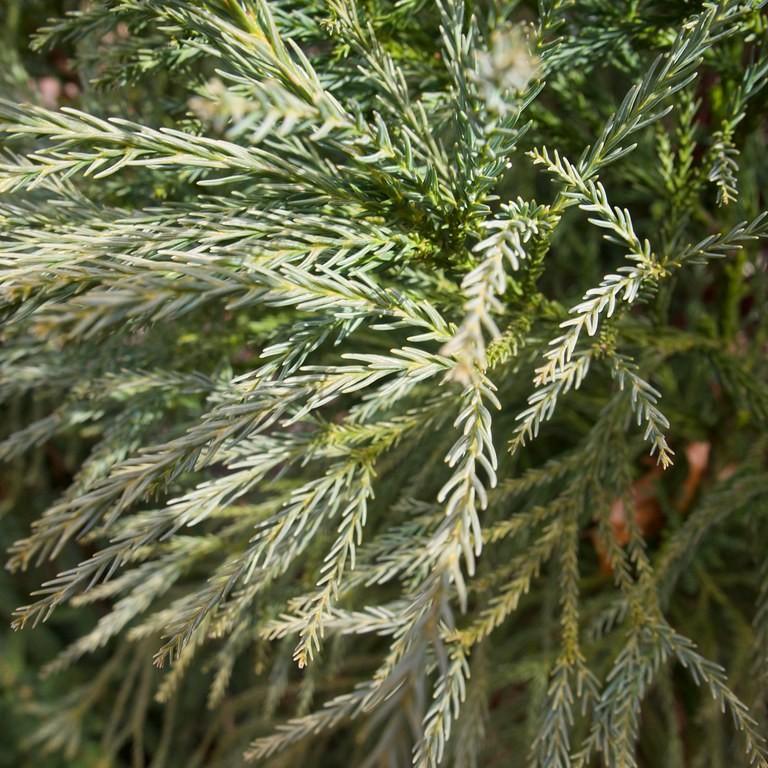
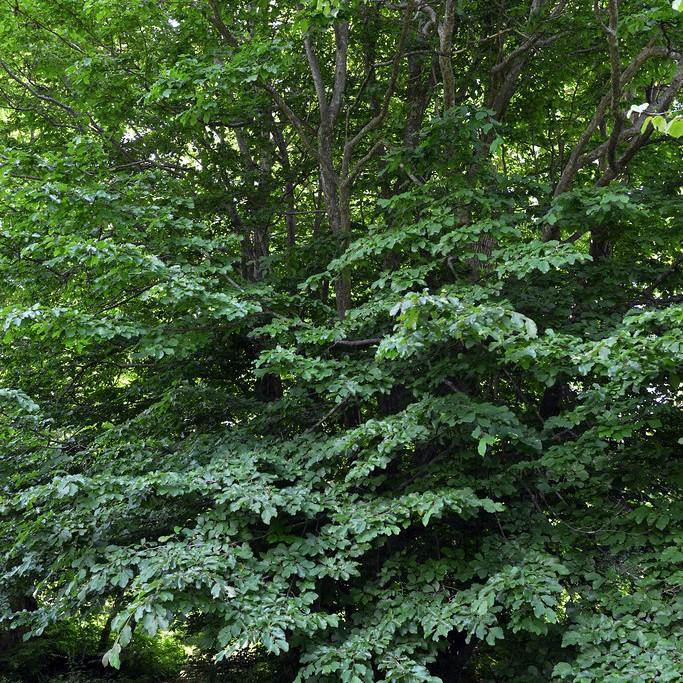
The Japanese cedar 'Elegans Nana' is an amazing ornamental evergreen shrub that will bring beauty and depth to your garden. Its elegant, upright pyramidal shape reaches up to eight feet tall with glossy green foliage that provides year-round color. Tiny yellowish-green clusters of flowers appear in the spring followed by woody, cone-like fruits that attract birds. It is highly disease-resistant and very tolerant of pollution and drought, making it an ideal choice for many climates. Its bright green needles and natural form make it an attractive backdrop for a garden and it is easy to maintain with regular pruning. It is truly an amazing plant specimen.
Care Guide
Watering
Japanese cedar (Cryptomeria japonica 'Elegans Nana') should be watered deeply once every 10-14 days. To properly water the plant, soak the soil until water reaches a depth of 12 inches. Allow the soil to dry out between waterings, as too much moisture can damage the roots of the tree. During the hottest periods of the year, it may be necessary to water the Japanese cedar more frequently.
Light
Japanese cedar (Cryptomeria japonica 'Elegans Nana') prefers full sun to some shade. They can receive up to 6 hours of direct sunlight a day, but should be protected from the harsh afternoon sun in warm climates. They also need some hours of shade to avoid scorching in intense sunlight. Japanese cedar is also tolerant to both light and heavy shade and does best with an even balance of both.
Soil
Acidic, Humus rich, Well-drained
Temperature
Hardiness zone 7–7.
Pruning
When to prune a Japanese cedar (Cryptomeria japonica 'Elegans Nana') will vary depending on the season, as well as the goals of pruning the tree. In general, pruning should be done during the late spring and summer months when the plant is most actively growing. Pruning should be light, removing no more than 10% of the tree’s foliage at a time. This will help encourage the formation of new growth while maintaining the desired shape and size of the Japanese cedar.
Propagation
Seed Propagation, Cutting
Diseases & Pests
Common pests: Pest resistant, Rabbit resistant.
Related plants
Other plants you might like if you grow Japanese cedar.