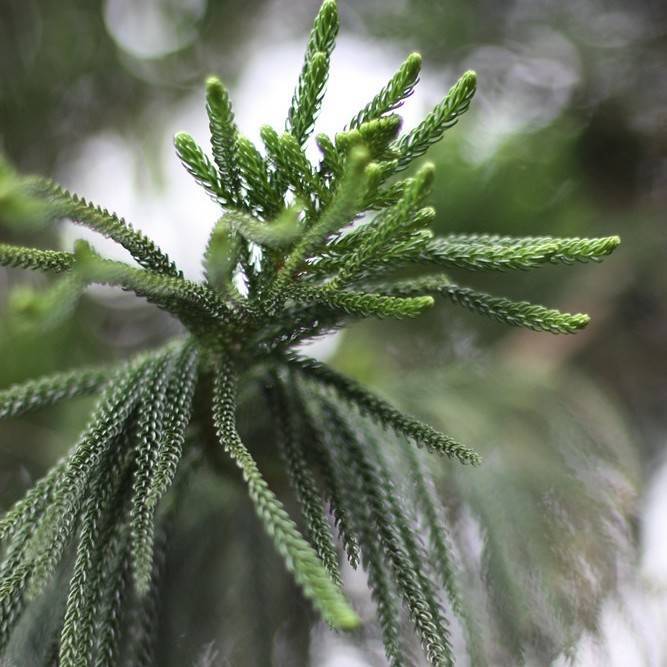
Japanese cedar
Cryptomeria japonica 'Spiralis'
Overview
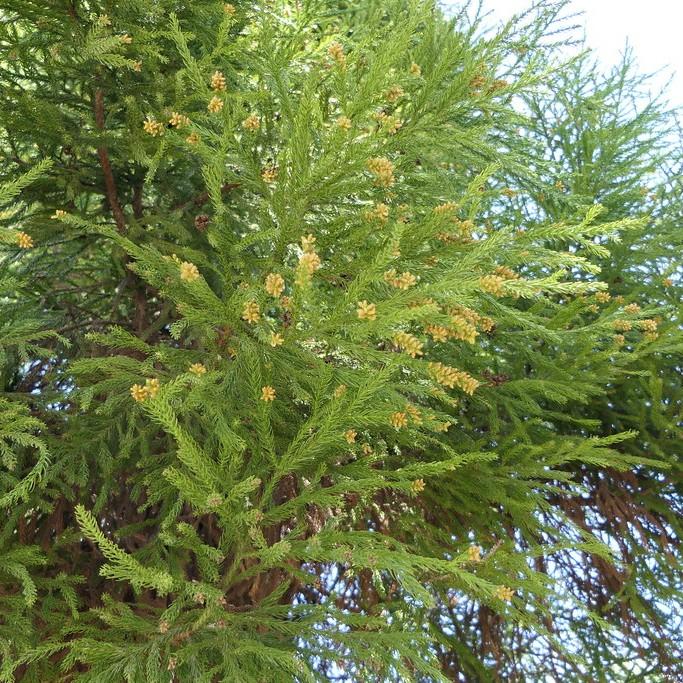
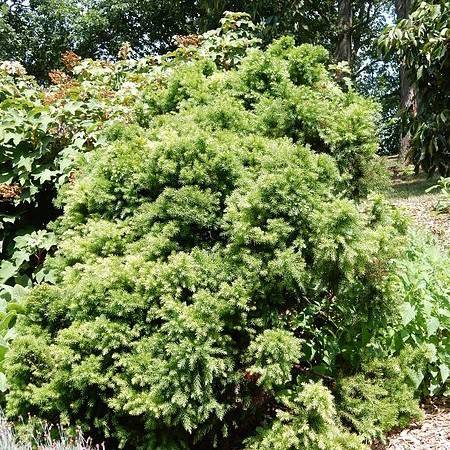
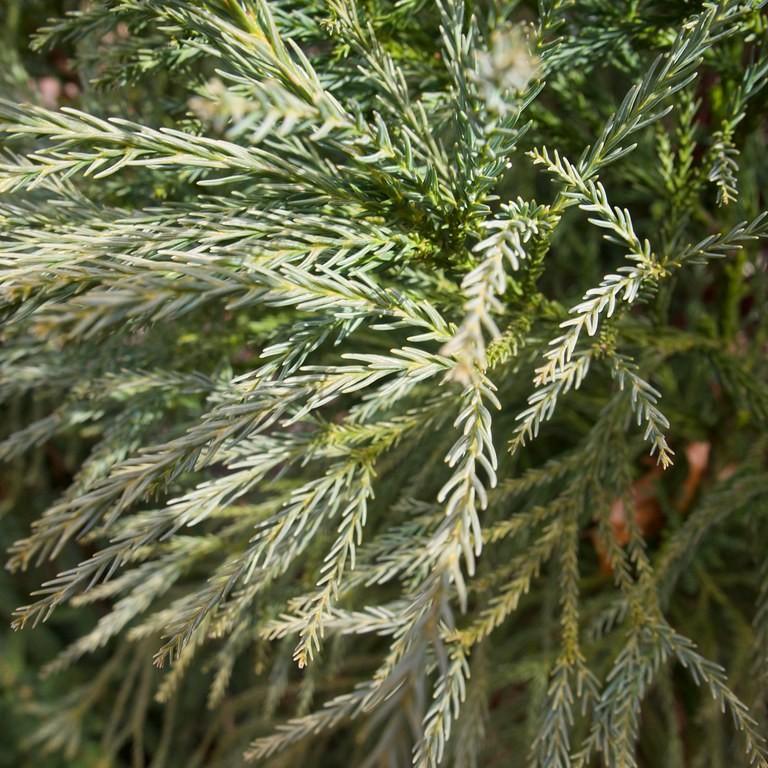
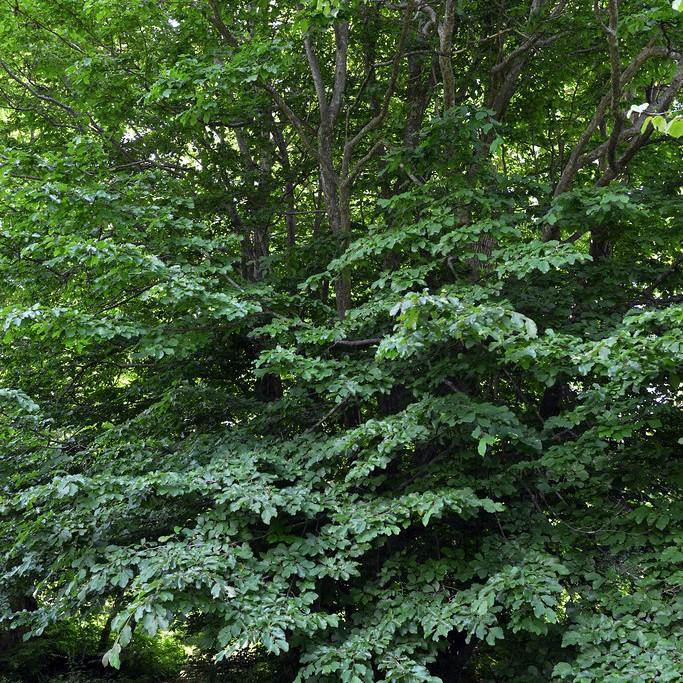
The Japanese cedar, also known as Cryptomeria japonica 'Spiralis', is an amazing plant species that boasts striking foliage, stunning growth habit, and low maintenance needs. Its vibrant green foliage spirals along the trunk and the entire tree maintains an overall gracefully conical shape. It can reach up to 6-10 feet tall and wide, making it perfect for use as a colorful and unique hedge to accent any landscape. In addition, its evergreen foliage does an amazing job of providing winter color and texture to the garden. It tolerates a wide range of soils, including acidic clay and alkaline sandy, and does not require a lot of pruning or maintenance to keep its shape. The Japanese cedar is truly an amazing plant species for enhancing the beauty of any garden or landscape.
Care Guide
Watering
Japanese cedar 'Spiralis' should be watered every 10 to 14 days, depending on the weather and temperature. The soil should be kept evenly moist, but not too soggy or overly dry. If the weather is especially warm, the plant will require more frequent watering. When watering, saturate the soil until water drains from the bottom of the pot, and then do not water again until the surface of the soil appears dry.
Light
Japanese cedar (Cryptomeria japonica 'Spiralis') prefers to be grown in full sun, especially in colder climates. It is very tolerant of shade but in order to maximize growth, it should receive at least 6 hours of direct sunlight per day. In areas with hot summers, Japanese cedar may need more shade during the peak heat of the day in order to prevent potential damage to the leaves.
Soil
Acidic, Humus rich, Well-drained
Temperature
Hardiness zone 7–7.
Pruning
Japanese cedars (Cryptomeria japonica 'Spiralis') should be pruned annually during the late spring. Although some light pruning to shape the tree is beneficial throughout the year, it is best to limit heavier pruning to the late spring months. Pruning should focus on removing any dead, diseased, or damaged branches. Newly forming shoots should also be removed as they appear throughout the growing season in order to maintain the desired shape. Pruning should be kept to a minimum, as Japanese cedars can easily become over-pruned and attain an unnatural look. It is recommended that no more than 1-third of the growth should be removed in any given year.
Propagation
Seed Propagation, Cutting
Diseases & Pests
Common pests: Pest resistant, Rabbit resistant.
Related plants
Other plants you might like if you grow Japanese cedar.