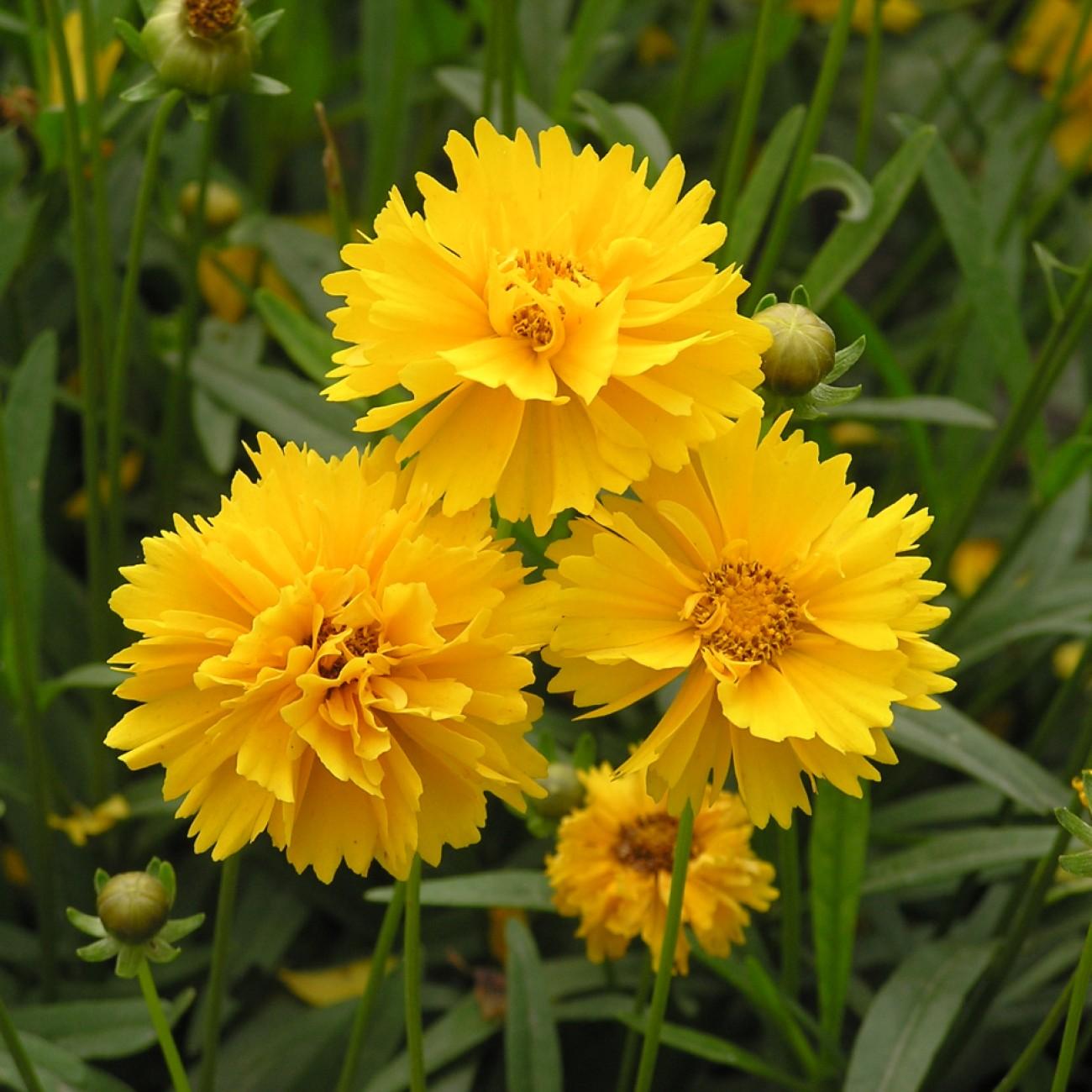
large-flowered tickseed
Coreopsis grandiflora 'Early Sunrise'
Overview
Large-flowered Tickseed (Coreopsis grandiflora 'Early Sunrise') is a stunning new variety of annual tickseed that offers a seasonal display of brilliant golden-yellow, ruffled flowers! This bright, perennial is loved for its easy care and long-lasting blooms. Its charming blossoms attract butterflies and birds, making it a great choice for wildlife gardens. What’s more, it has a wide tolerance to many conditions, can thrive in full sun or partial shade, and requires minimal maintenance. Its adaptable nature makes it perfect for borders, rock gardens, and containers. Get ready for a brilliant performance with every new season of this amazing Large-flowered Tickseed!
Care Guide
Watering
Large-flowered tickseed (Coreopsis grandiflora 'Early Sunrise') should be watered when the top inch of soil feels dry. Water thoroughly until the soil is saturated and then let it drain, as this plant is susceptible to root rot. In summer, it may need to be watered once a week or more depending on the weather. In winter, reduce the frequency of watering to approximately once a month or when the soil feels dry.
Light
Large-flowered tickseed (Coreopsis grandiflora 'Early Sunrise') should be grown in full sun for the best results. This plant does best in temperatures of 65 to 75 degrees Fahrenheit, and ideally should receive 6 to 8 hours of direct sunlight during the summer months. During the winter, the amount of direct sun should be decreased, with only 2 to 4 hours of direct sunlight being optimal. Too much sunlight during the hot summer months can cause the plant to suffer from sunburn. On the other hand, too little sunlight can cause the foliage to become leggy and weak.
Temperature
Hardiness zone 4–9.
Pruning
It is recommended to prune large-flowered tickseed (Coreopsis grandiflora 'Early Sunrise') in late winter or very early spring. The best time to prune is when temperatures are consistently above freezing but below 50 degrees Fahrenheit. Prune old, dead blossoms and faded flowers to promote additional blooming. Also, prune stems that crowd out other sections of the plant or that are growing away from the main plant. When pruning, make sure to take off no more than 1-third of the total plant height.
Propagation
Division, Cutting, Seed Propagation, Layering Propagation
Uses & Symbolism
Attracts: Butterflies.
Guides that mention large-flowered tickseed
Related plants
Other plants you might like if you grow large-flowered tickseed.
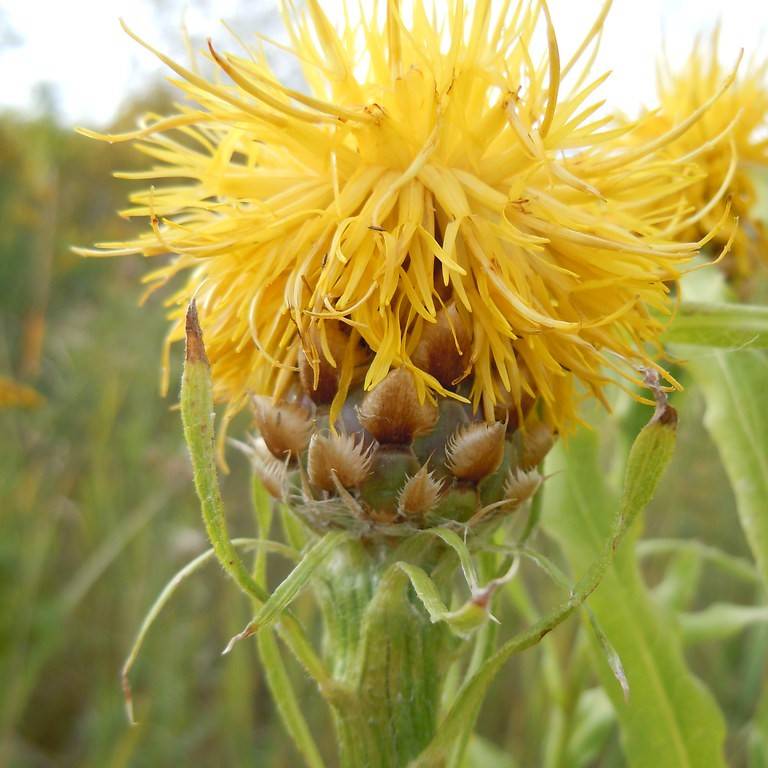
bighead knapweed
Centaurea macrocephala
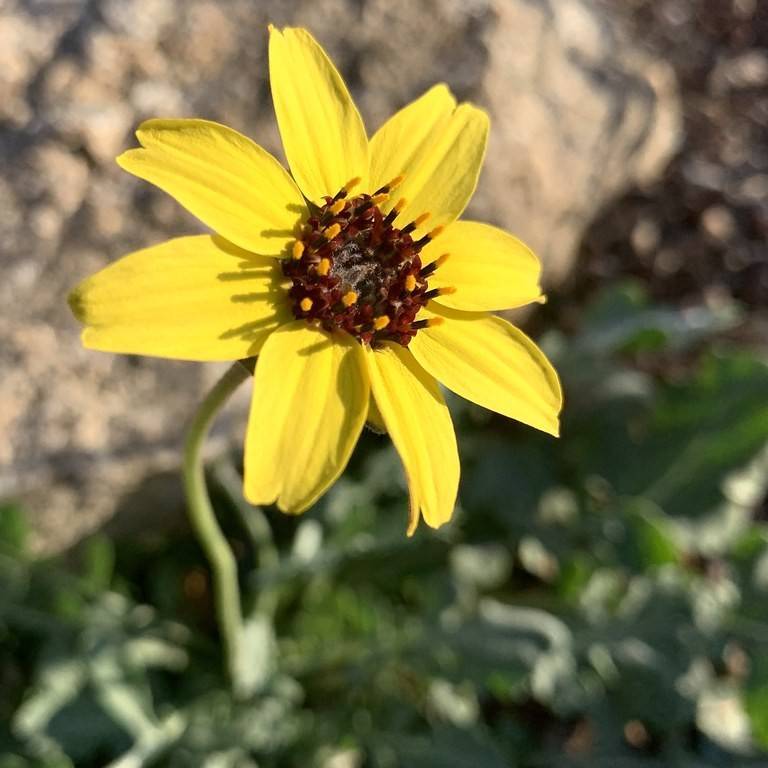
chocolate flower
Berlandiera lyrata
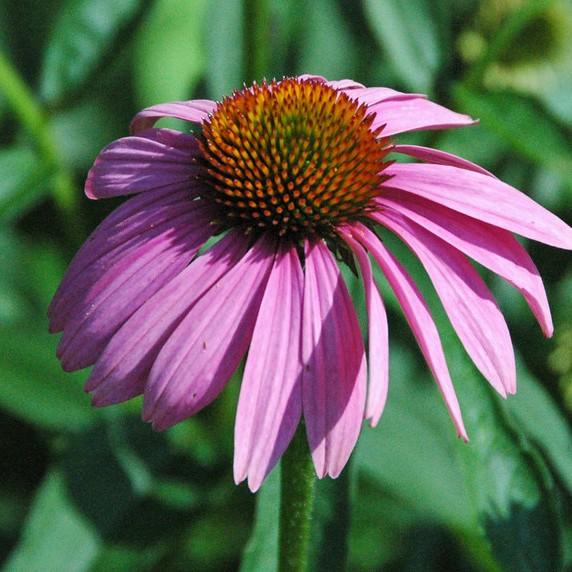
coneflower
Echinacea 'Adam Saul' CRAZY PINK
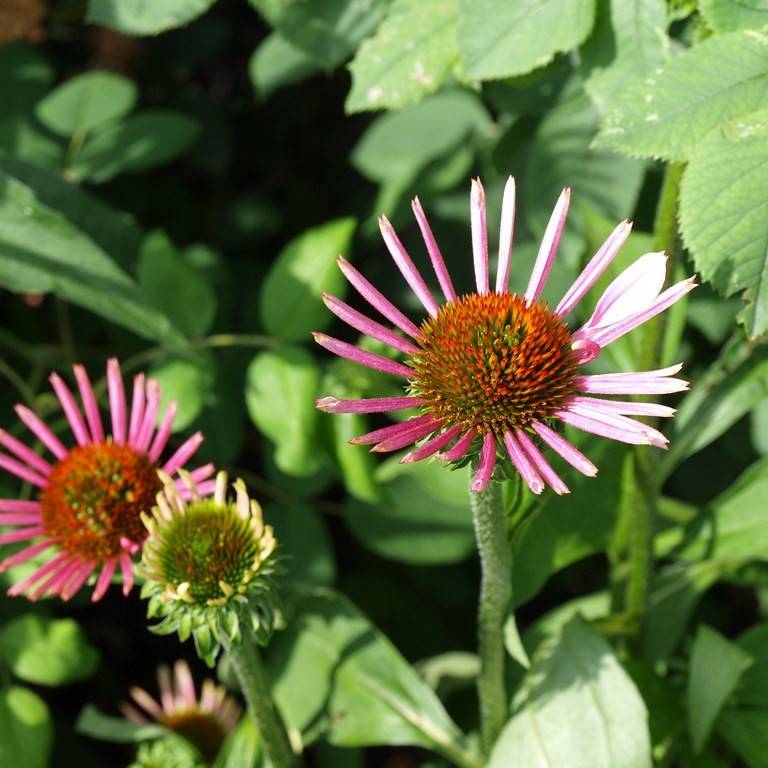
coneflower
Echinacea 'All that Jazz'
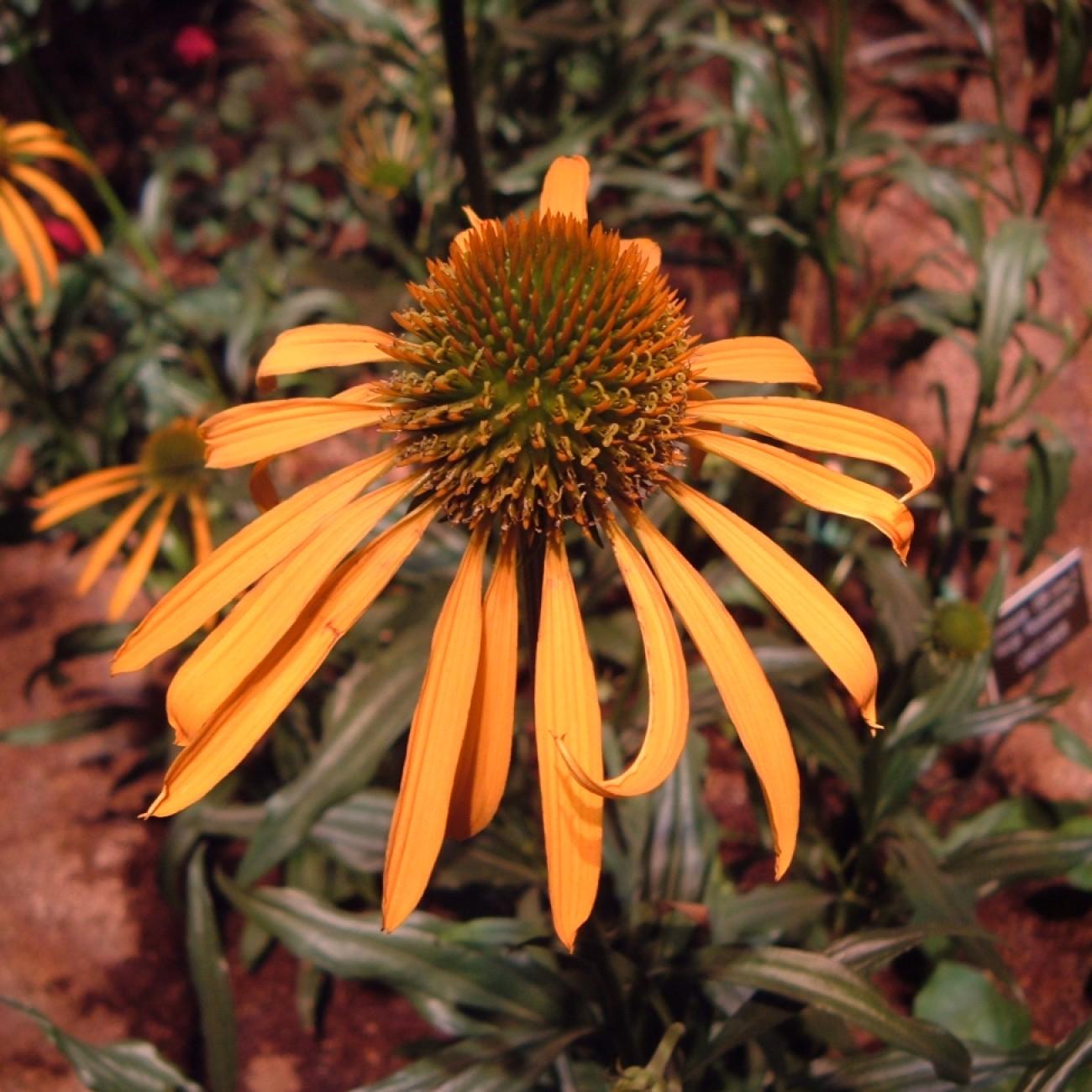
coneflower
Echinacea 'Art's Pride' ORANGE MEADOWBRITE
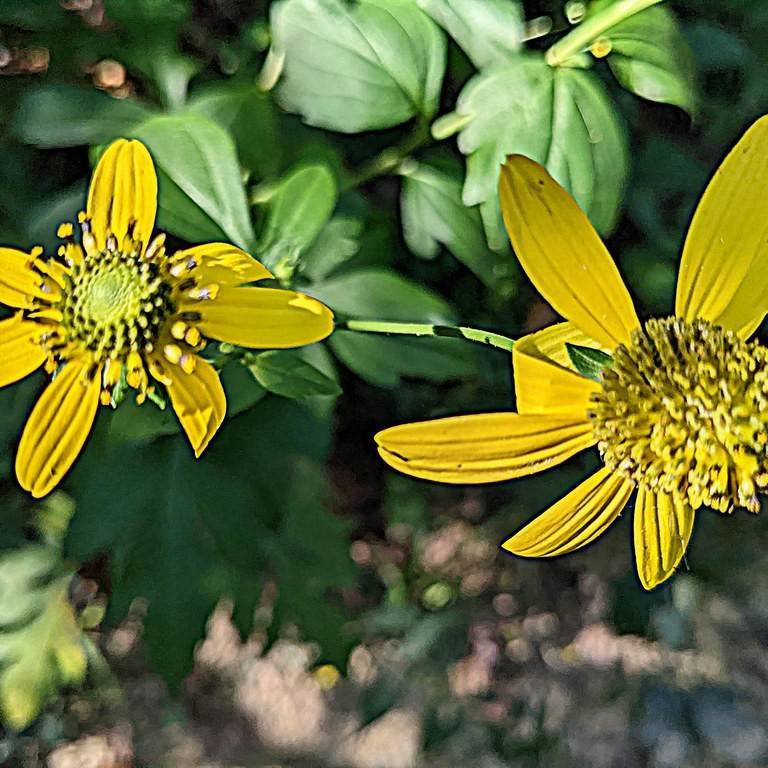
coneflower
Echinacea 'Balsomsolst' SOMBRERO SUMMER SOLSTICE
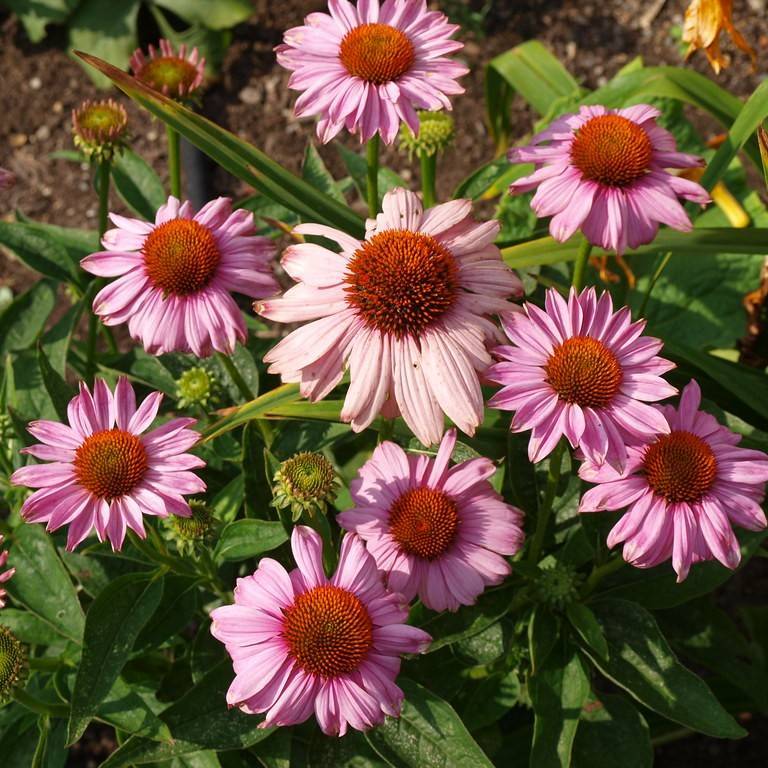
coneflower
Echinacea 'Bravado'
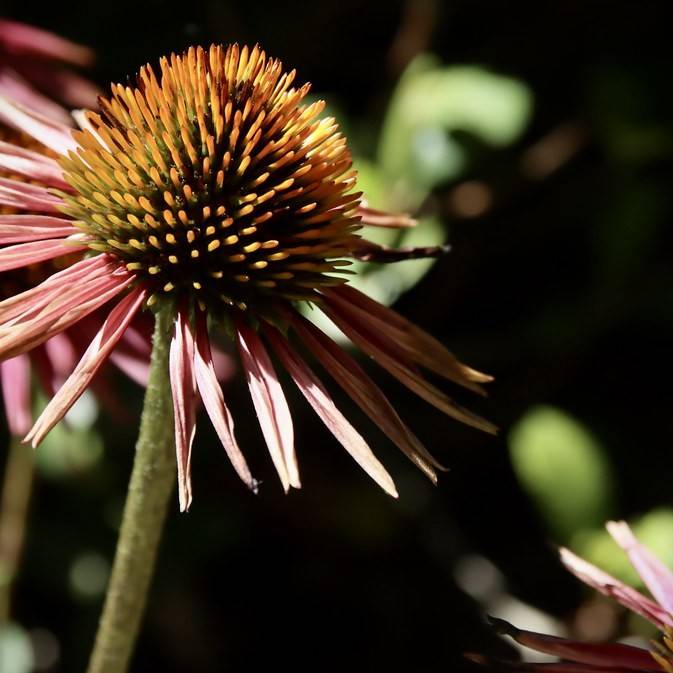
coneflower
Echinacea BURGUNDY FIREWORKS