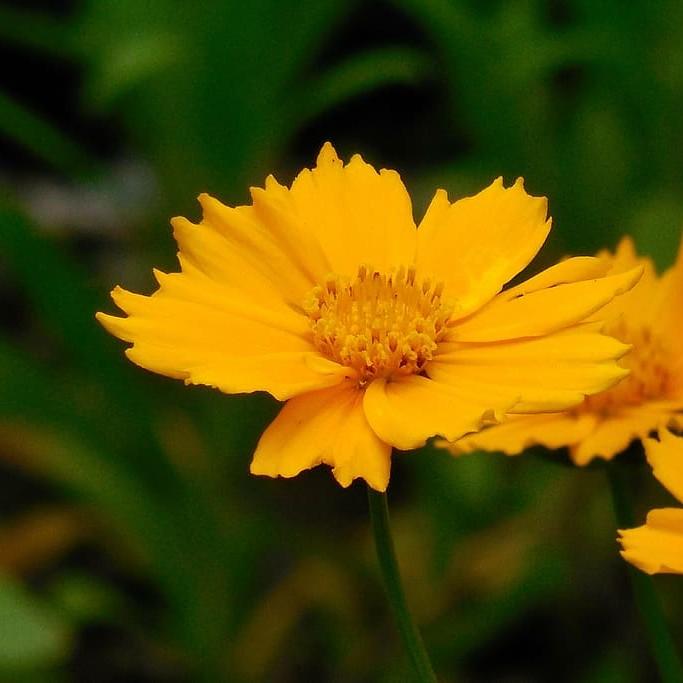
large-flowered tickseed
Coreopsis grandiflora 'Walcoreop' FLYING SAUCERS
Overview
Large-flowered tickseed (Coreopsis grandiflora 'Walcoreop) FLYING SAUCERS is an amazing flower species due to its large round yellow petals and numerous qualities. It is a hardy and moisture-tolerant herbaceous perennial, which makes it a great choice for novice gardeners. Its blooms are an incredible sight; the brilliant yellow flowers resemble flying saucers and have a pleasing scent. Its bright blooms attract pollinators, adding to its charm. Additionally, its foliage has a unique pattern adding to its overall aesthetic appeal. Finally, this hardy, drought-tolerant perennial is easy to maintain and will put on a stunning show of golden discs in midsummer, drawing many admirers!
Care Guide
Watering
Water large-flowered tickseed (Coreopsis grandiflora 'Walcoreop' FLYING SAUCERS) once or twice weekly. If the soil is dry an inch below the surface, water thoroughly so the entire root system receives moisture. After watering, allow the soil to dry out before watering again. During warmer months, large-flowered tickseed may require more frequent watering, up to twice a week. Conversely, during cooler months, when growth slows, less frequent watering may be needed.
Light
Large-flowered tickseed plants (Coreopsis grandiflora 'Walcoreop' FLYING SAUCERS) thrive in full sun locations that receive at least 6 to 8 hours of direct sunlight a day. The best time of day to ensure maximum sunlight will vary depending on the climate, season, and specific location. In general, the best times for direct sun exposure are between the hours of 10 am and 6 pm. Avoid planting large-flowered tickseed in shaded locations, since inadequate sunlight will inhibit growth and flowering.
Temperature
Hardiness zone 4–9.
Pruning
Large-flowered tickseed (Coreopsis grandiflora 'Walcoreop' FLYING SAUCERS) should be pruned annually in early spring, as soon as new growth indicates signs of growth. Pruning for these plants should be done to remove any damaged or dead branches, as well as branches that may be overcrowded or have grown too dense. Pruning off the top of the main stem may be beneficial in order to encourage bushier growth. Additionally, spent flowers should be removed in order to encourage further blooms.
Propagation
Division, Stem Propagation, Seed Propagation, Layering Propagation
Uses & Symbolism
Attracts: Butterflies.
Guides that mention large-flowered tickseed
Related plants
Other plants you might like if you grow large-flowered tickseed.
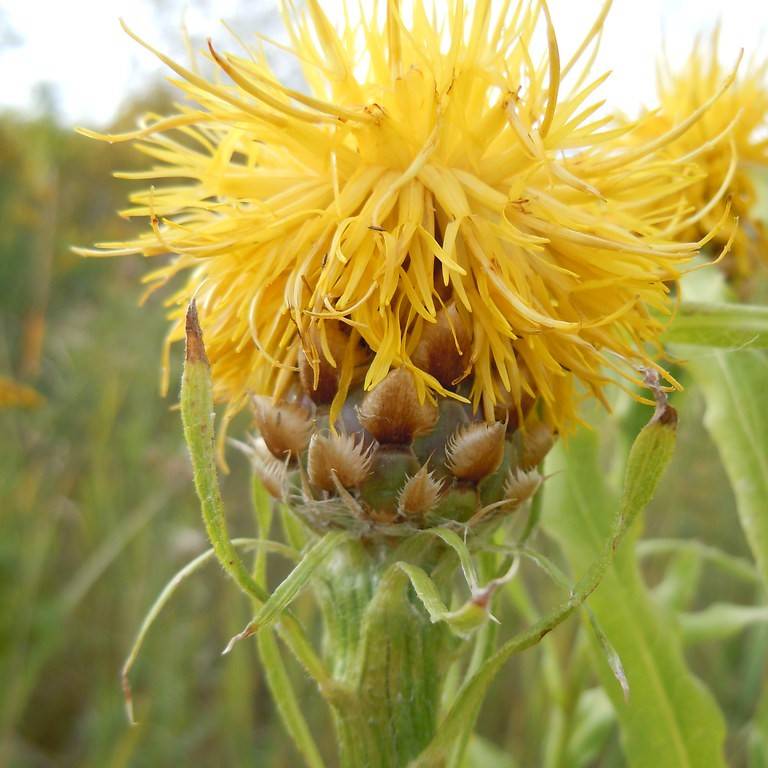
bighead knapweed
Centaurea macrocephala
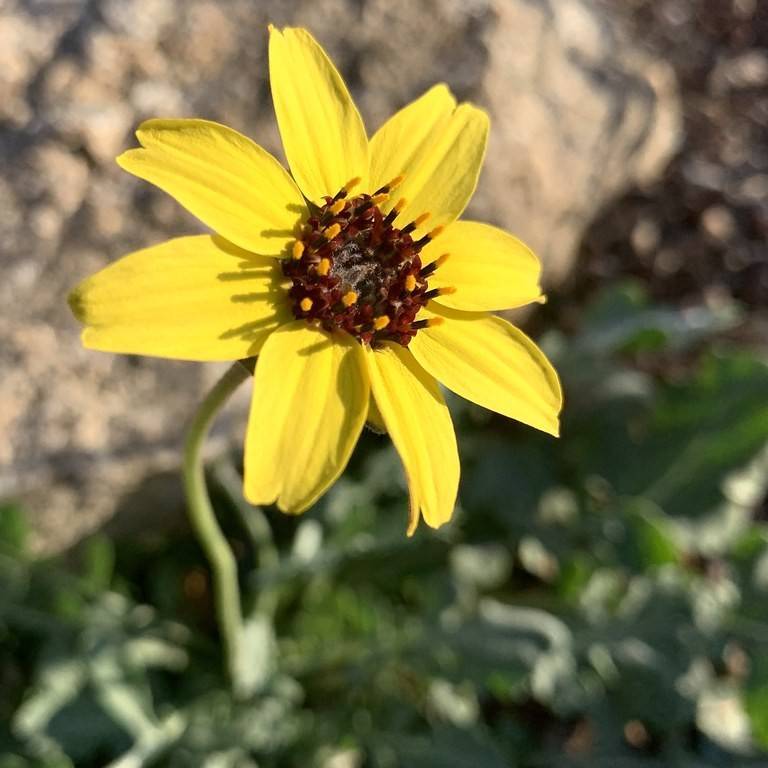
chocolate flower
Berlandiera lyrata
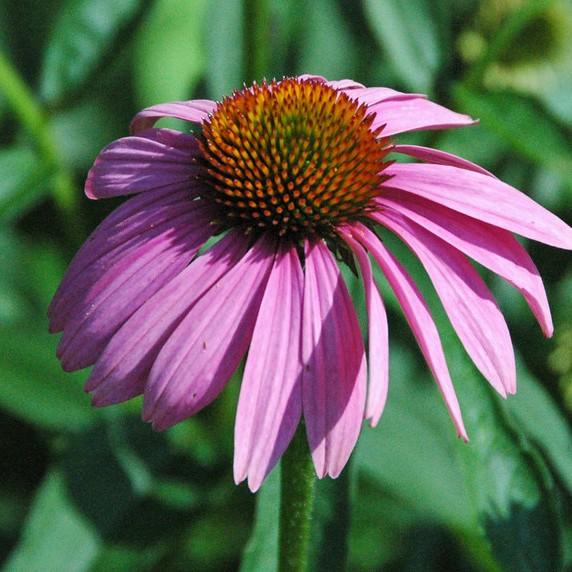
coneflower
Echinacea 'Adam Saul' CRAZY PINK
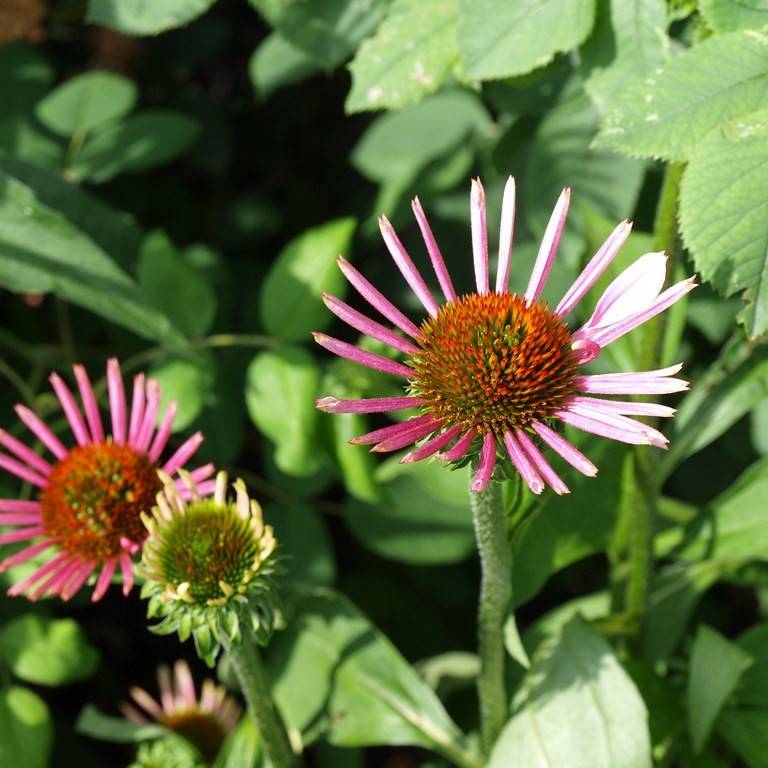
coneflower
Echinacea 'All that Jazz'
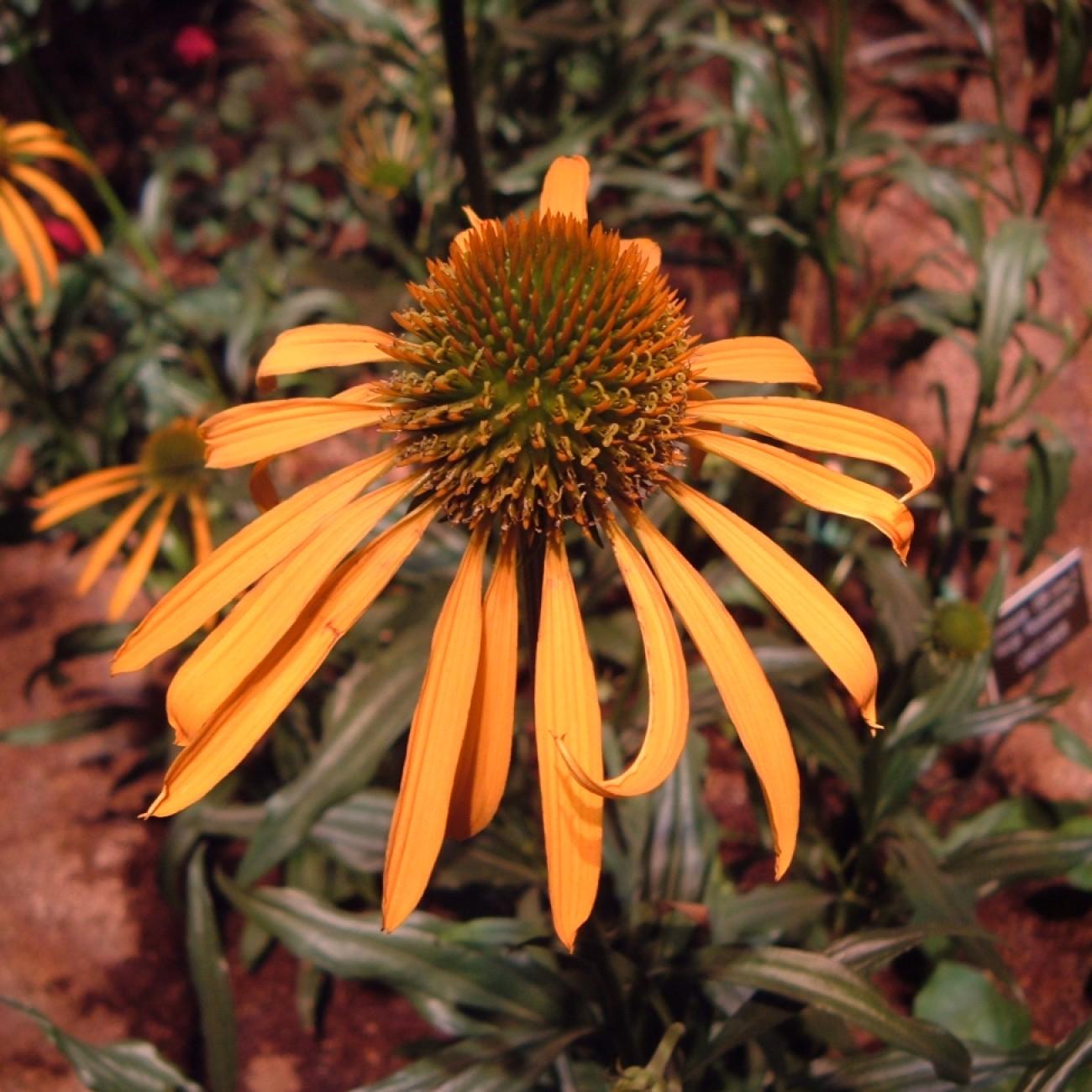
coneflower
Echinacea 'Art's Pride' ORANGE MEADOWBRITE
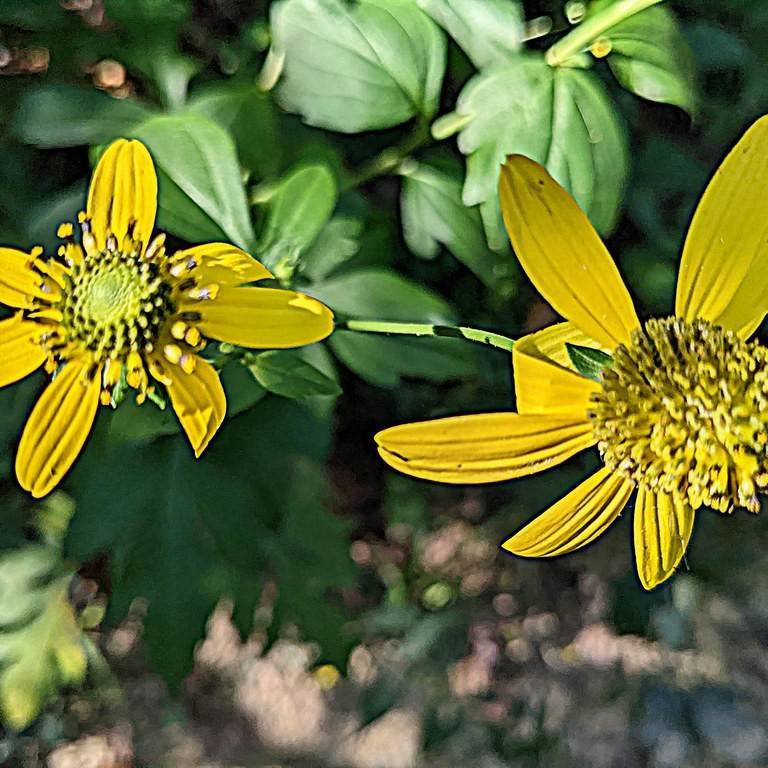
coneflower
Echinacea 'Balsomsolst' SOMBRERO SUMMER SOLSTICE
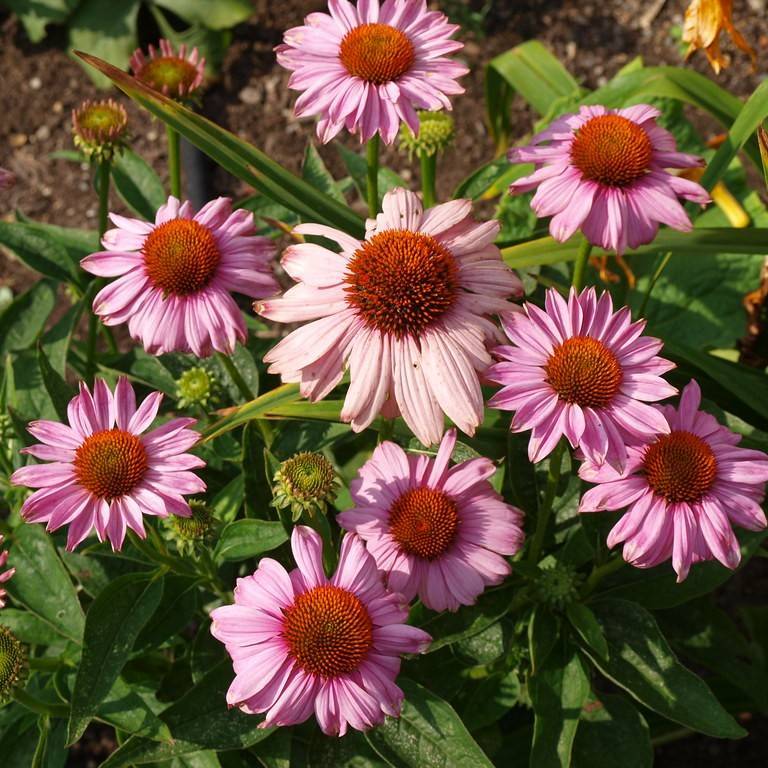
coneflower
Echinacea 'Bravado'
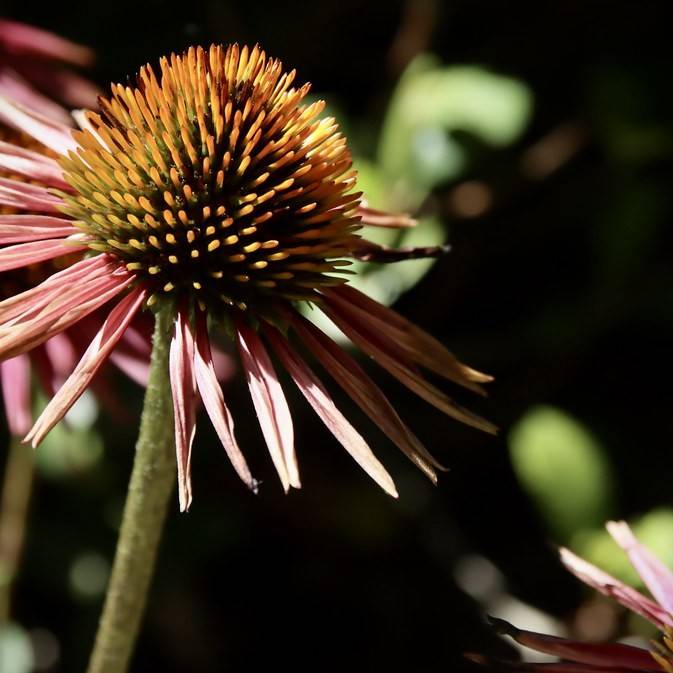
coneflower
Echinacea BURGUNDY FIREWORKS