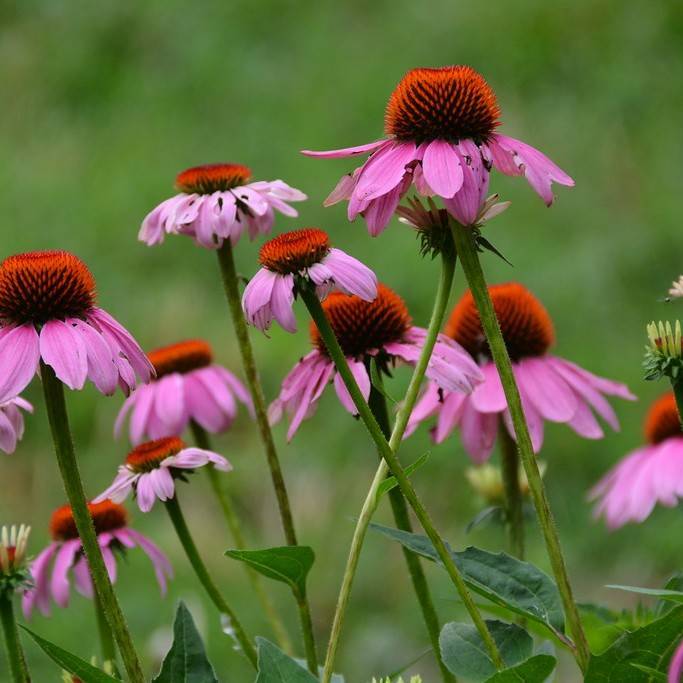
purple coneflower
Echinacea 'Piccolino'
Overview
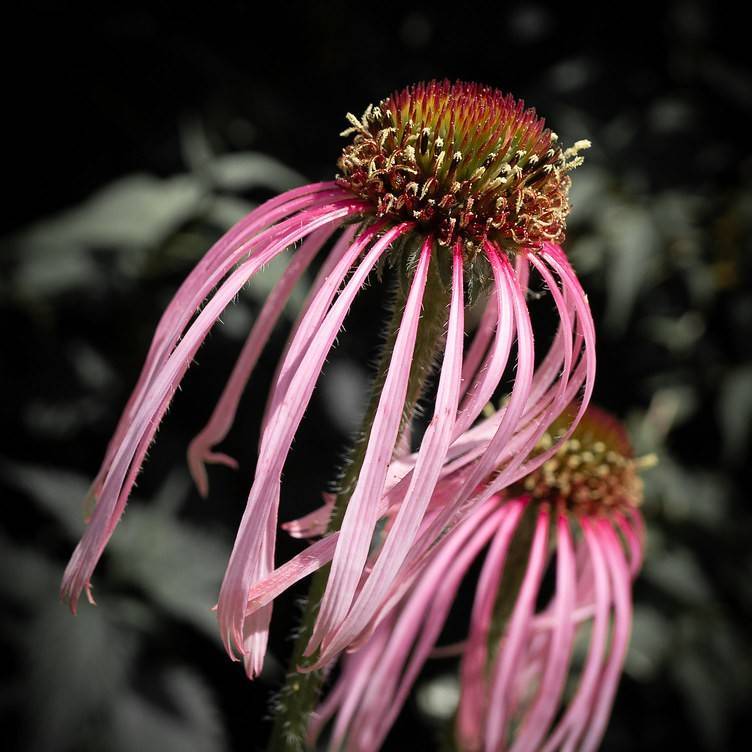
The Purple Coneflower (Echinacea 'Piccolino') is a stunning variety of Echinacea that features double layers of lavender-pink petals, surrounding an orange-brown cone. Growing up to 35 cm high, this beautiful perennial flower is withstood the test of time and is a favourite choice for flower bed displays and among gardeners. Its vibrant colour will add a touch of brilliance to any gardenscape and will bring a smile to any butterfly, bee, or happy onlooker. Thanks to its hardy nature and tolerance of droughts, making it the perfect choice for low-maintenance gardeners. Its blooms are also long lasting, making it great for both borders or cut flowers. It's simply an amazing plant that is sure to delight.
Care Guide
Watering
Purple coneflower (Echinacea 'Piccolino') should be watered approximately once a week, allowing the soil to dry out slightly between waterings. In the summer months, you may need to water your plant more frequently due to increased temperatures and evaporation. If possible, adapt your schedule to seasonal changes in the weather. Deep watering is best for this plant species, using enough water to reach the entire root zone. To prevent root rot, always make sure the soil drains well and never let the plant sit in water.
Light
Purple coneflower (Echinacea 'Piccolino') should be planted in an area that receives full sun for at least 6 to 8 hours a day, ideally from midmorning until mid-afternoon. Partial shade for part of the day may be tolerated, but the plant will produce more flowers and grow bigger with ample sunlight. It is also important to make sure that the plant stays dry in order to prevent mildew and powdery mildew, and full sun helps with this.
Temperature
Hardiness zone 3–8.
Pruning
Purple coneflower (Echinacea 'Piccolino') should not require heavy pruning and is best suited for a light trim after flowering. To ensure optimal blooms, wait until the blossoms have begun to fade or turn brown and then cut the stem about 6 inches above the base of the plant. This will help encourage other flower buds to develop and prolong the blooming through the season. After flowering, the stems can be easily removed from the base of the plant making it easier to tidy up and refresh the garden for the following year. In the fall, you can cut it back to approximately 6 inches from the soil line. This will encourage a stronger root structure and healthier growth the following year.
Propagation
Seed Propagation, Division, Root Cutting, Layering Propagation
Related plants
Other plants you might like if you grow purple coneflower.
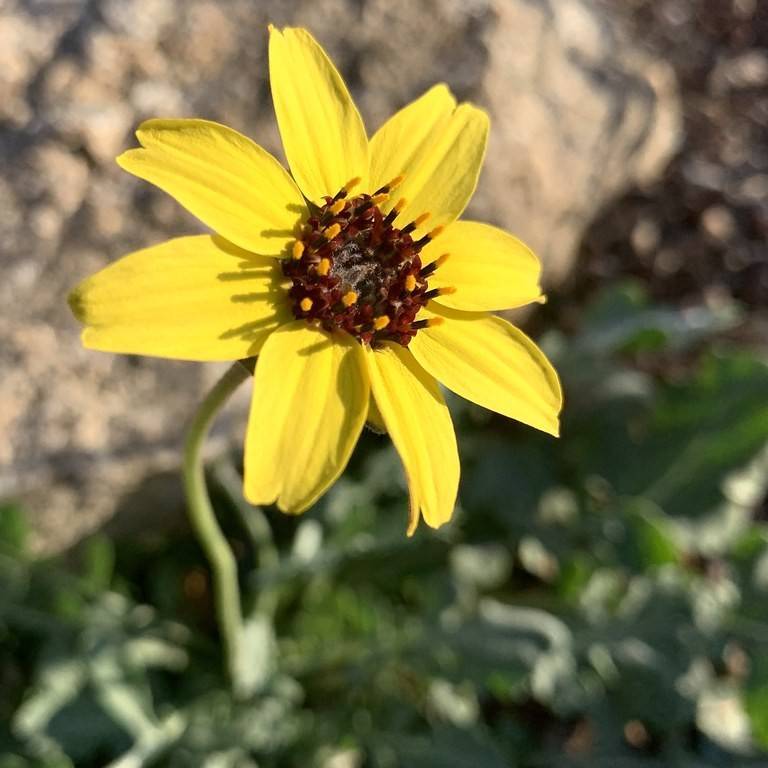
chocolate flower
Berlandiera lyrata
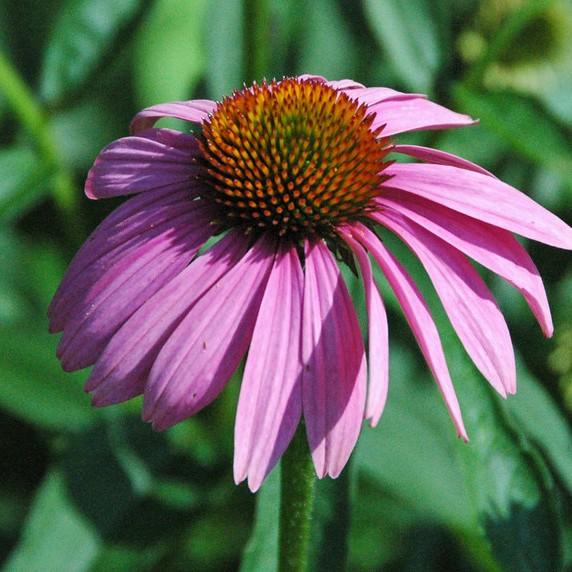
coneflower
Echinacea 'Adam Saul' CRAZY PINK
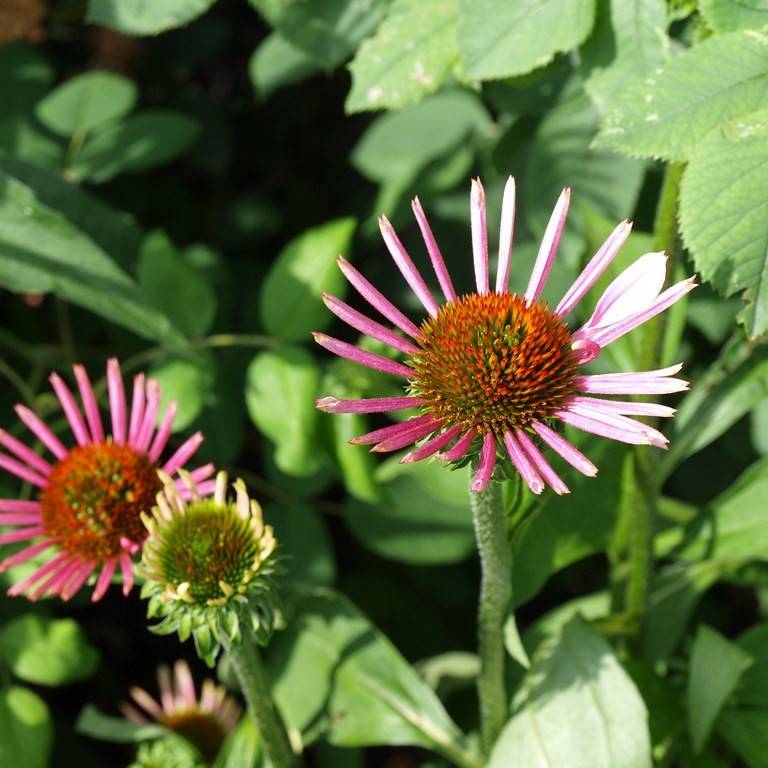
coneflower
Echinacea 'All that Jazz'
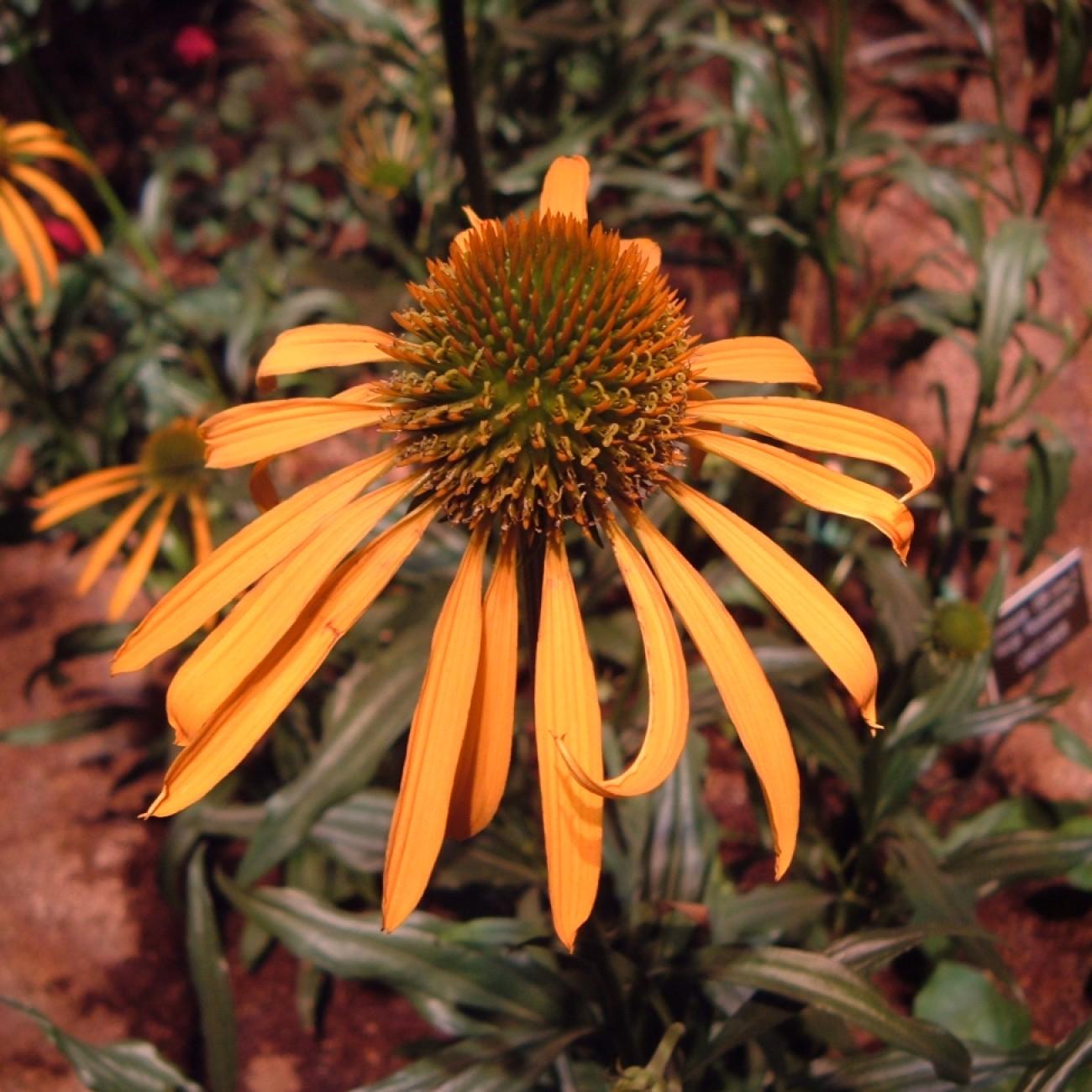
coneflower
Echinacea 'Art's Pride' ORANGE MEADOWBRITE
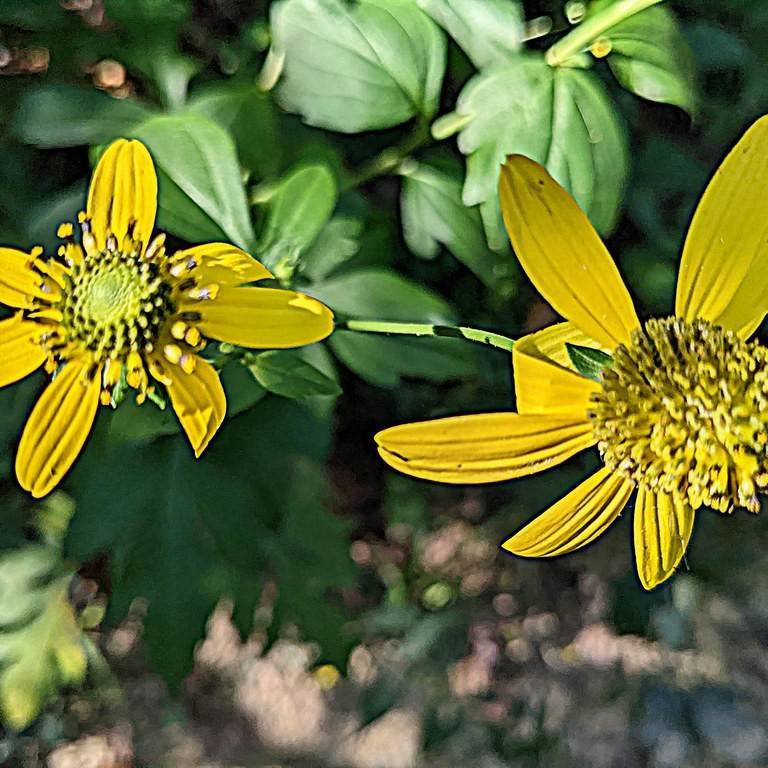
coneflower
Echinacea 'Balsomsolst' SOMBRERO SUMMER SOLSTICE
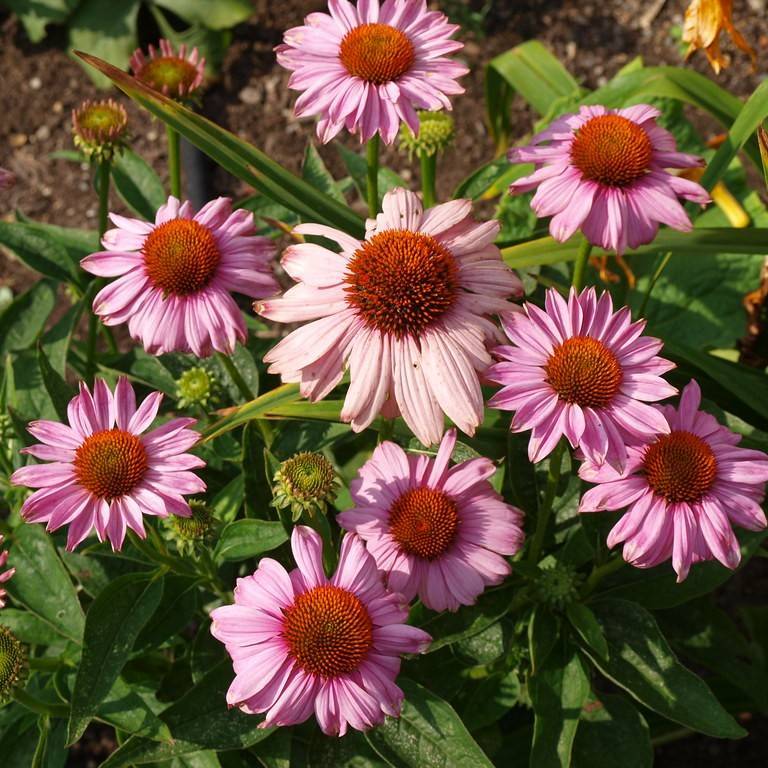
coneflower
Echinacea 'Bravado'
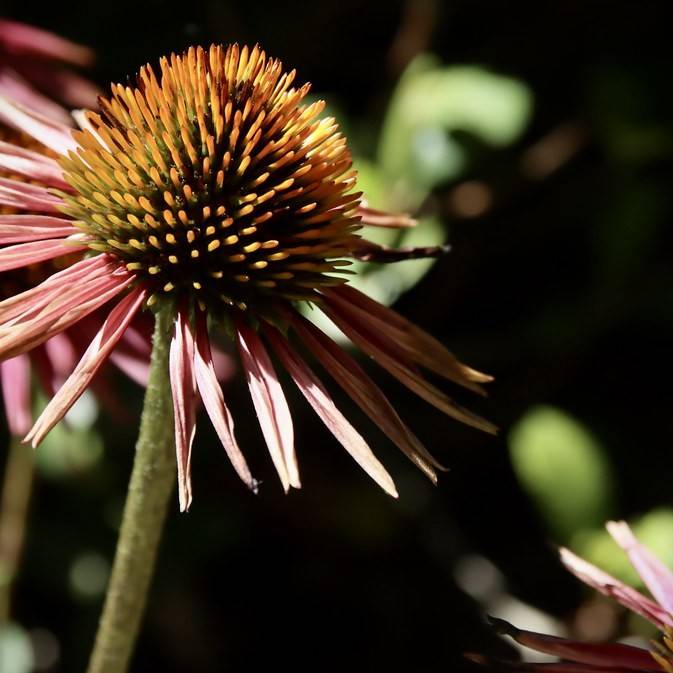
coneflower
Echinacea BURGUNDY FIREWORKS
coneflower
Echinacea 'CBG Cone 2' PIXIE MEADOWBRITE