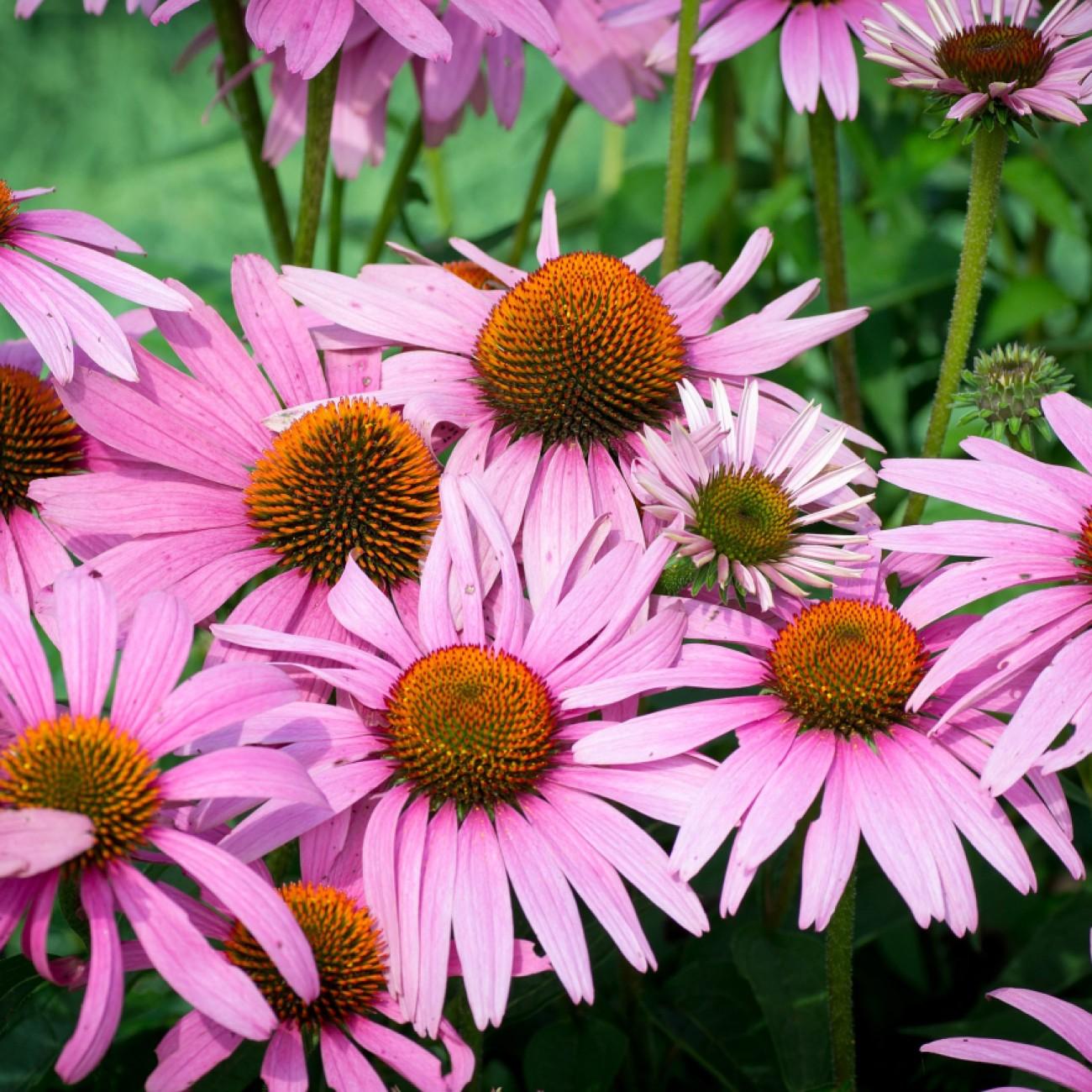
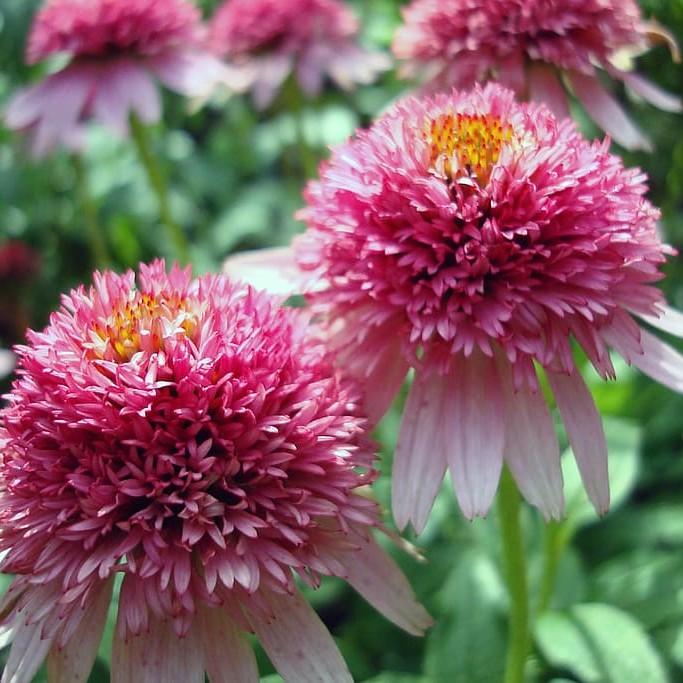
purple coneflower
Echinacea purpurea 'Elbrook' ELTON KNIGHT
Overview
Purple coneflower (Echinacea purpurea 'Elbrook' ELTON KNIGHT) is an amazing plant species with vibrant, eye-catching deep purple flowers that will surely add color and shine to your yard. Boasting excellent drought tolerance, these perennials can be expected to put on a grand show year after year and require little maintenance. They're also resistant to rabbits and many other pests, making them a great choice for gardens in any region. These flowers are even known to attract butterflies and other beneficial pollinators while rebuffing deer, providing the perfect low-maintenance showpiece for any garden.
Care Guide
Watering
Purple coneflowers (Echinacea purpurea 'Elbrook' ELTON KNIGHT) need to be watered about once or twice a week, depending on the weather and the potting soil. If the potting soil is slow to dry out, water it every other week. During hot and dry periods, increase watering frequency to 3 times a week. Be careful not to overwater, as too much water can cause root rot. Make sure the top inch of soil is dry before watering again. A light soaking is best, rather than a single deep watering.
Light
Purple coneflower (Echinacea purpurea 'Elbrook' ELTON KNIGHT) is a sun-loving variety of echinacea, and it does best when grown in full sunshine for 6 to 8 hours a day. The plant does well with some direct morning sunlight, but afternoon sun is preferable since it helps the flowers open and bloom for a longer period. If grown in too much shade, the purple coneflower will produce fewer blooms and tend to be shorter and weaker. It is best to provide this plant with a sheltered location that is exposed to the sun but is also protected from strong winds.
Soil
Sandy Loamy Clay Rocky
Temperature
Hardiness zone 3–8.
Pruning
Pruning for a Purple Coneflower (Echinacea purpurea 'Elbrook' ELTON KNIGHT) should be done in late winter or early spring before new growth begins. This is typically when the plant is dormant, so pruning won’t damage the plant. It is important to only prune away the old, dead flowers and leaves–do not cut into the stem or root system. Pruning should be kept to a minimum; only removing damaged, diseased, or dead growth. Once the flowers fade and die, the stem can be cut back to a few inches above the base. This will encourage the plant to produce more flowers. Deadheading is also encouraged to keep the plant looking its best.
Propagation
Seed Propagation
Uses & Symbolism
Attracts: Birds, Butterflies.
Diseases & Pests
Common pests: Leaf miner insect, Pest resistant, Disease resistant, Drought resistant .
Related plants
Other plants you might like if you grow purple coneflower.
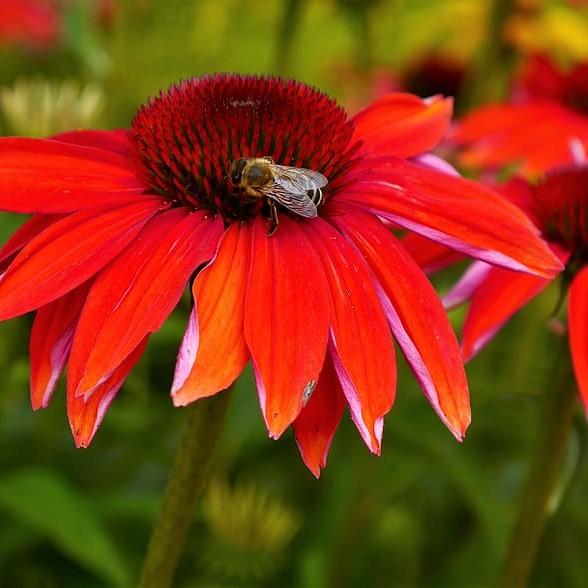
coneflower
Echinacea purpurea 'Balsomsed' SOMBRERO SALSA RED
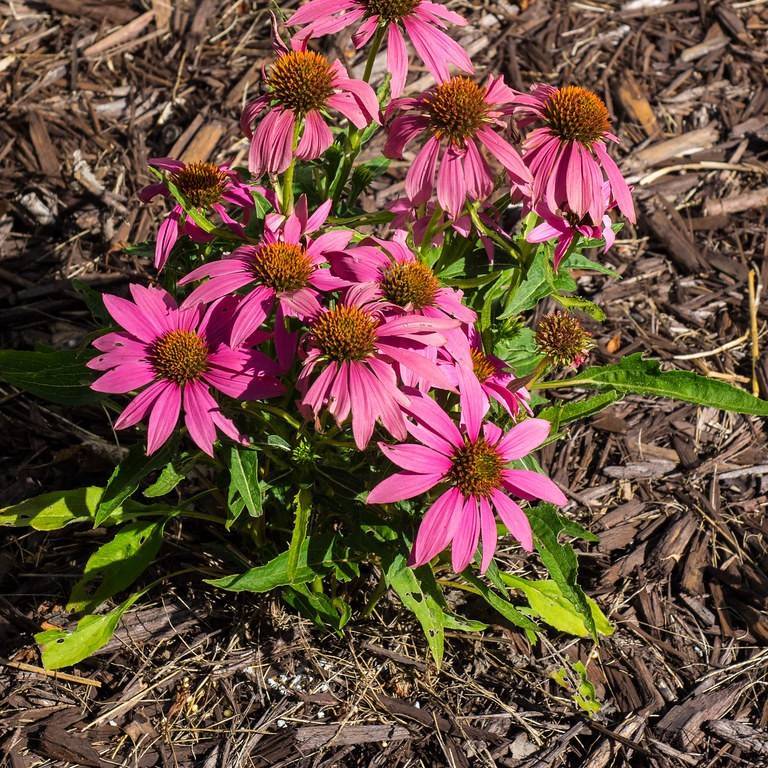
coneflower
Echinacea purpurea 'Pas702917' POWWOW WILD BERRY
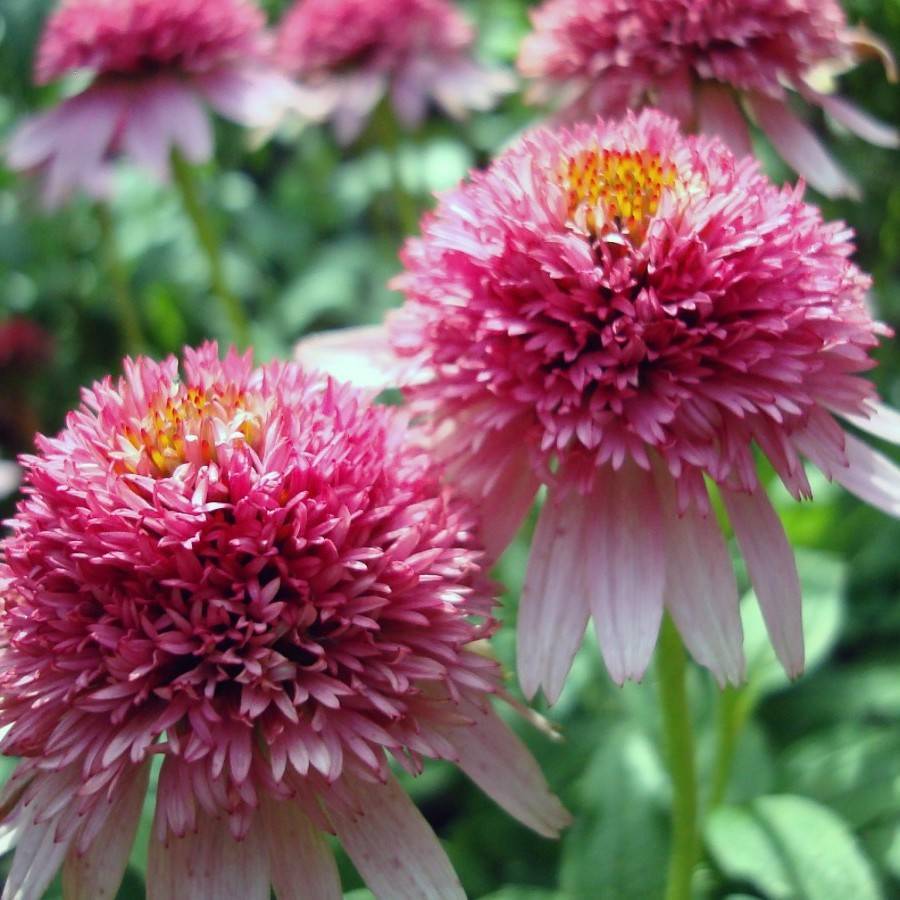
coneflower
Echinacea purpurea 'Pink Poodle'
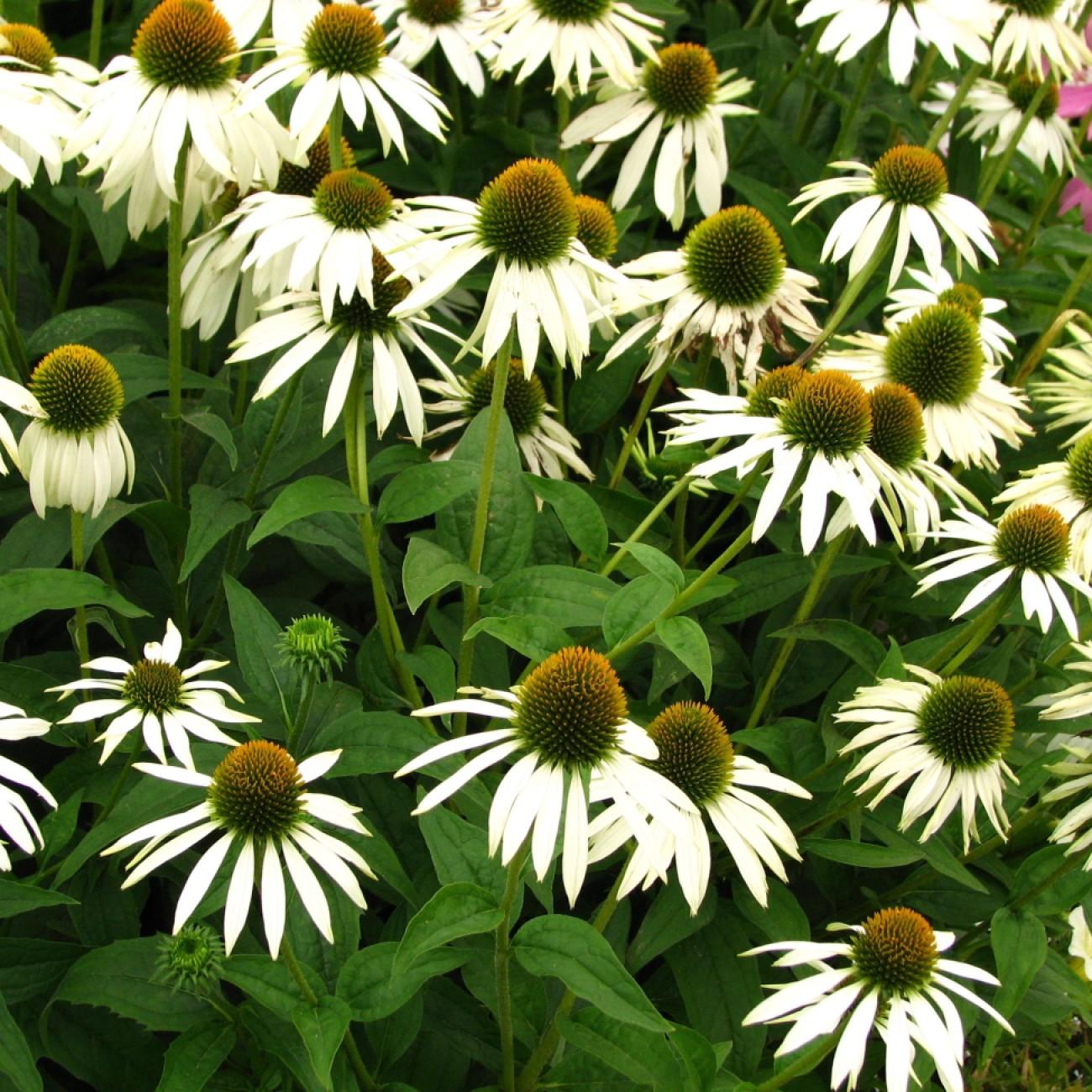
coneflower
Echinacea purpurea 'Primadonna White'
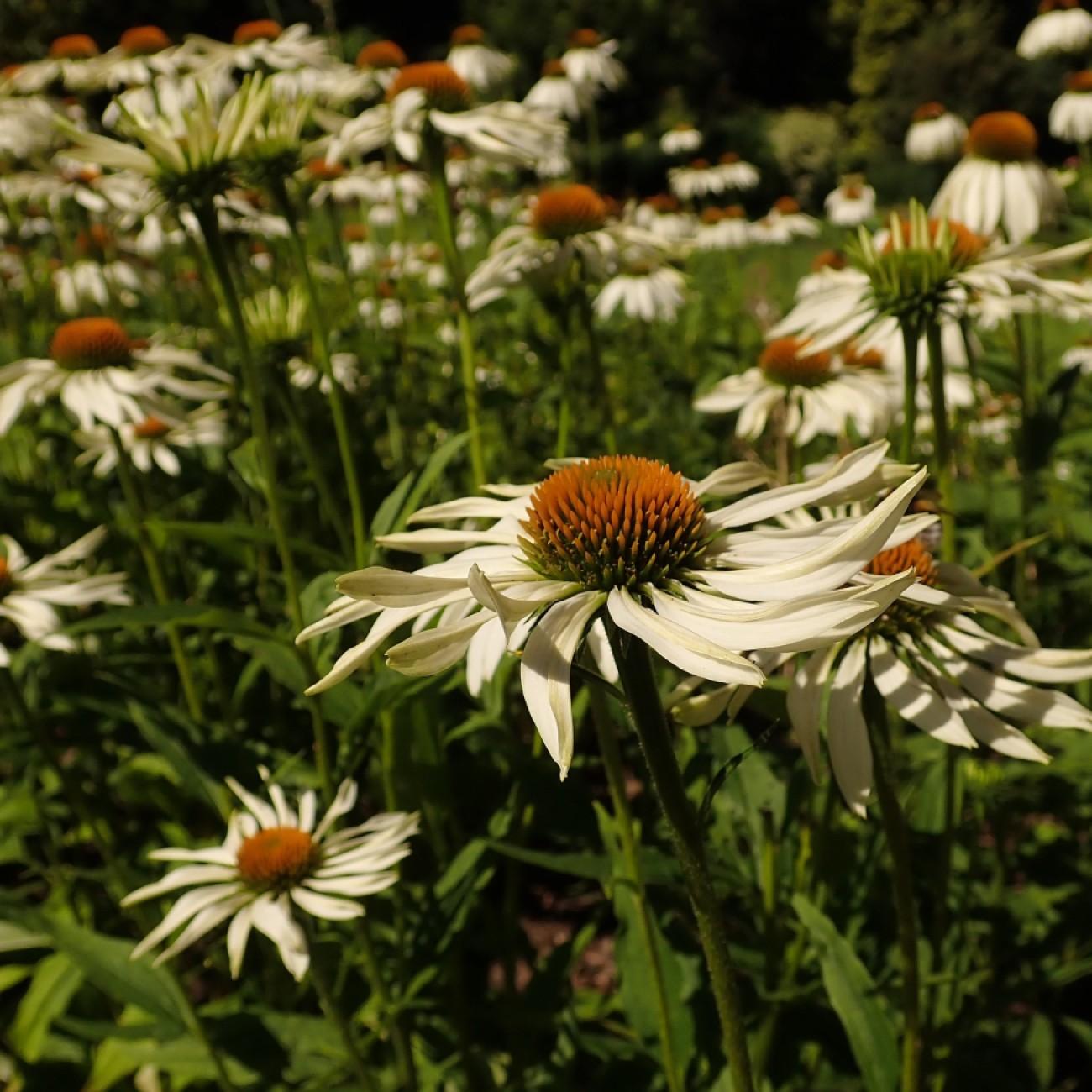
coneflower
Echinacea purpurea 'Purity'
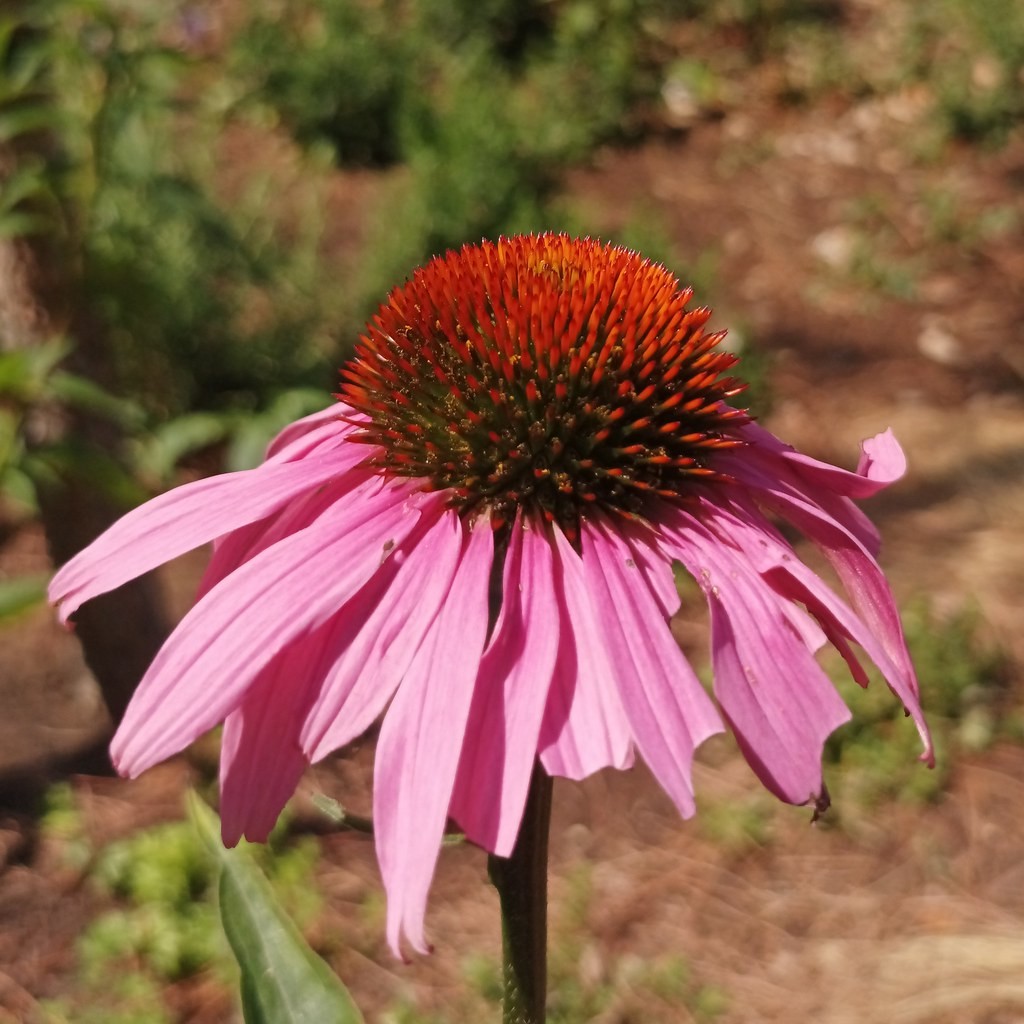
purple coneflower
Echinacea purpurea
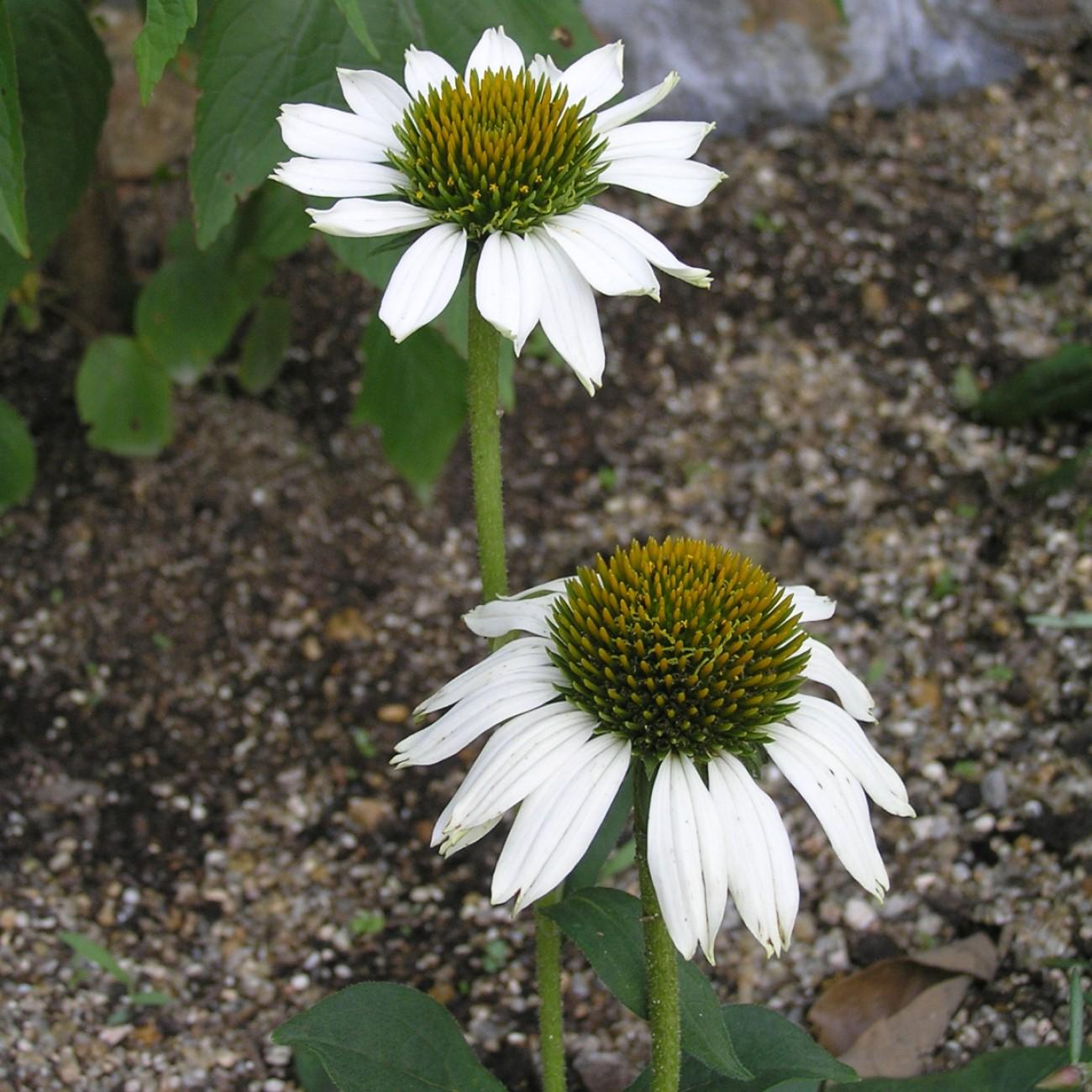
purple coneflower
Echinacea purpurea 'Amado'
purple coneflower
Echinacea purpurea 'Butterfly Kisses'