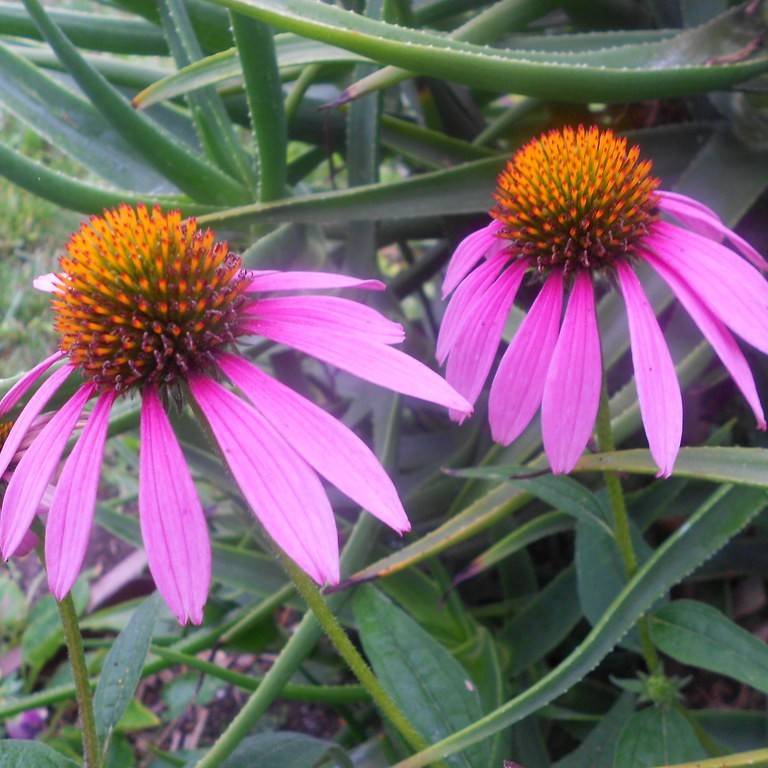
purple coneflower
Echinacea purpurea 'Hope'
Overview
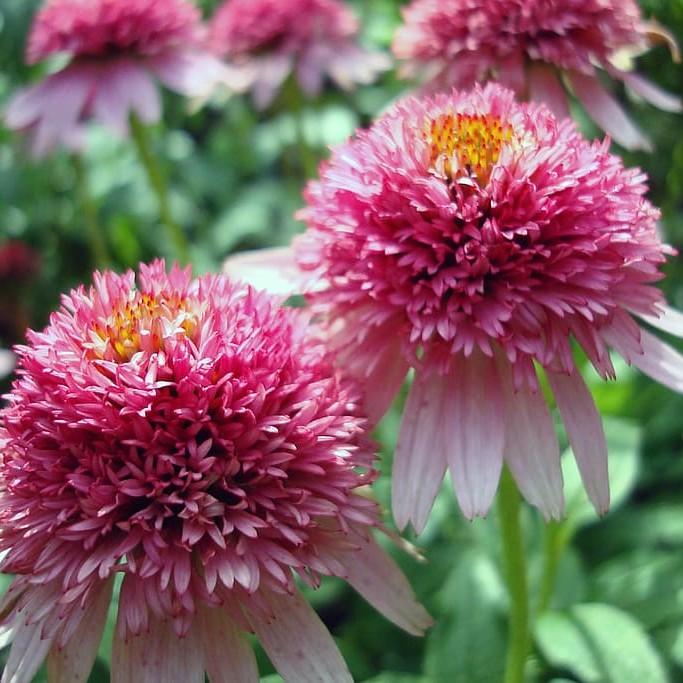
The purple coneflower (Echinacea purpurea 'Hope') is a beautiful and unique plant variety that makes an amazing addition to any garden. It's dark magenta petals and unique golden-brown cone centre is eye-catching and even more attractive when in full bloom. Its daisy-like petals are perfect for attracting butterflies and bees and its salt-tolerant roots make it a great choice even for coastal gardens. What's more, it is favoured by gardeners due to its high drought-tolerance and easy maintenance—especially for those with busy lifestyles. Beyond its wonderful aesthetics, its medicinal benefits and use in herbal remedies make it a must-have for any garden.
Care Guide
Watering
Purple coneflower (Echinacea purpurea 'Hope') thrives in well-drained soil and enjoys full sun exposure. It's important to water your coneflower when the soil becomes dry to the touch. For a newly planted coneflower, water it about 2-3 times per week for the first few weeks after planting and 1-2 times per week for a more established plant. During excessively dry spells, water your purple coneflower more frequently, but make sure to not overwater your plant, as this can lead to root rot, fungal diseases, and other plant health problems.
Light
Purple coneflower, or Echinacea purpurea 'Hope,' requires full sunlight or 6 to 8 hours a day. It will grow in partial shade, as long as it gets some direct morning or afternoon sunlight. During the summer months, Echinacea purpurea 'Hope' can tolerate some prolonged periods of heat. It is best to keep the soil evenly moist, but not waterlogged. The soil should also be well drained, so that excess moisture can readily escape the soil and not drown the plant.
Soil
Sandy Loamy Clay Rocky
Temperature
Hardiness zone 3–8.
Pruning
Purple coneflower (Echinacea purpurea 'Hope') is a popular perennial with beautiful blooms lasting from mid-summer to mid-fall. To get the best results from this plant, it is important to prune it properly. For best results, pruning should be done in the late winter or early spring either before or just as the new growth begins to emerge. The dead flowers and stems should be removed, leaving the healthy green leaves and stems. Take care not to cut back too far, as this may damage the plant. Once the flowers begin to appear in the summer, deadhead or remove them to encourage repeat bloom into the fall. In the fall, cut the plants back to the ground to clean up the area and help reduce disease. These steps should ensure beautiful and abundant blooms of purple coneflower each year.
Propagation
Seed Propagation
Uses & Symbolism
Attracts: Birds, Butterflies.
Diseases & Pests
Common pests: Leaf miner insect, Pest resistant, Disease resistant, Drought resistant .
Related plants
Other plants you might like if you grow purple coneflower.
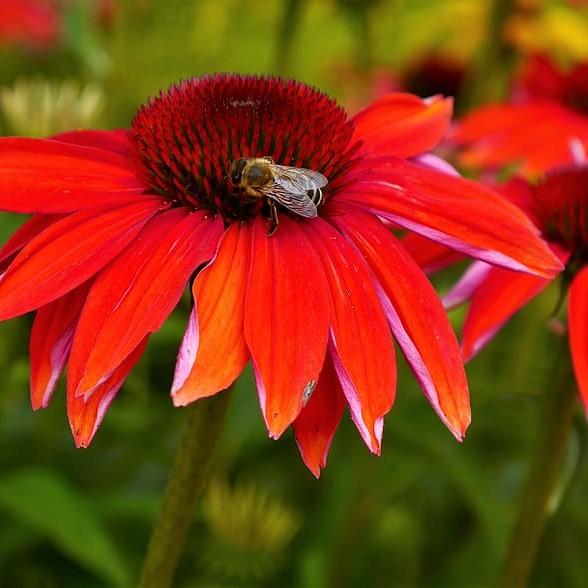
coneflower
Echinacea purpurea 'Balsomsed' SOMBRERO SALSA RED
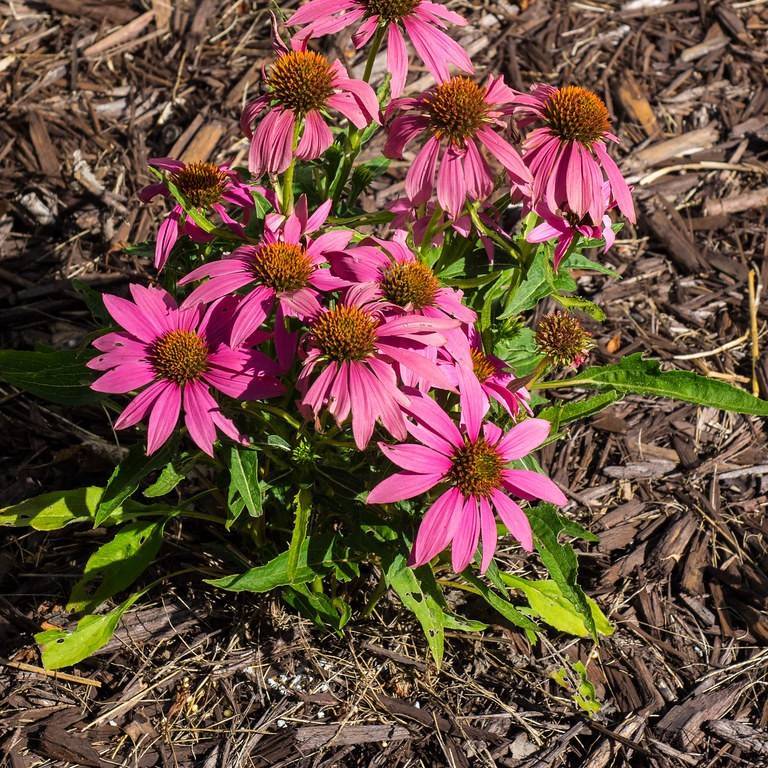
coneflower
Echinacea purpurea 'Pas702917' POWWOW WILD BERRY
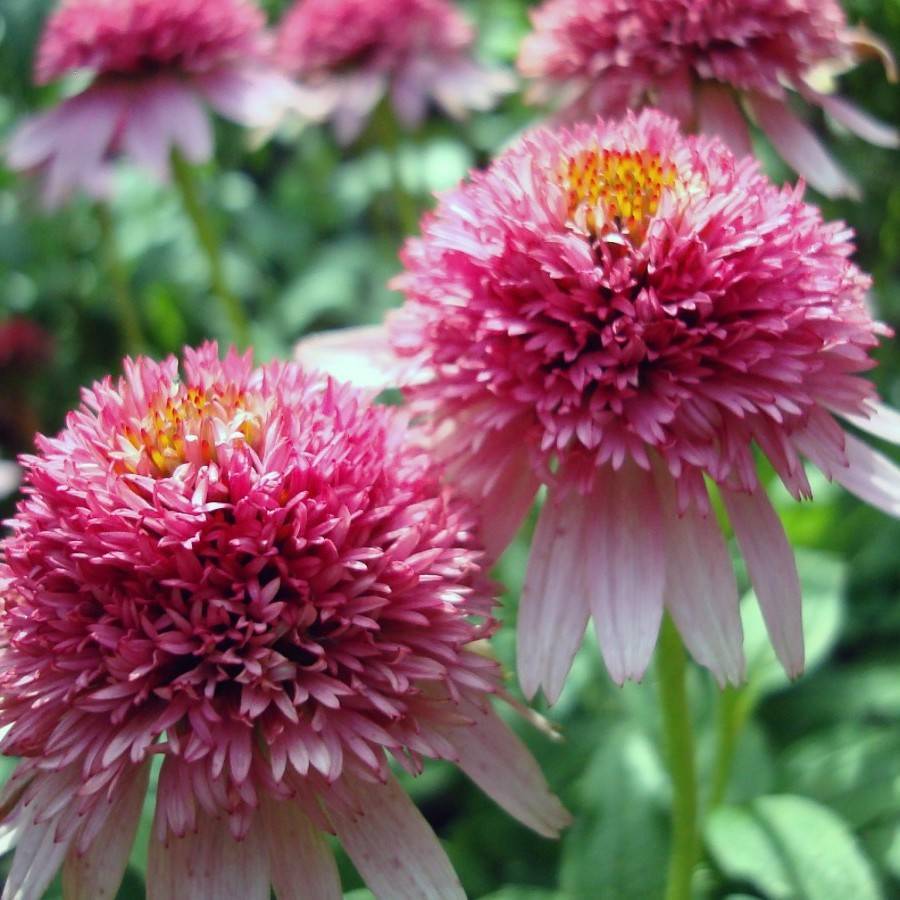
coneflower
Echinacea purpurea 'Pink Poodle'
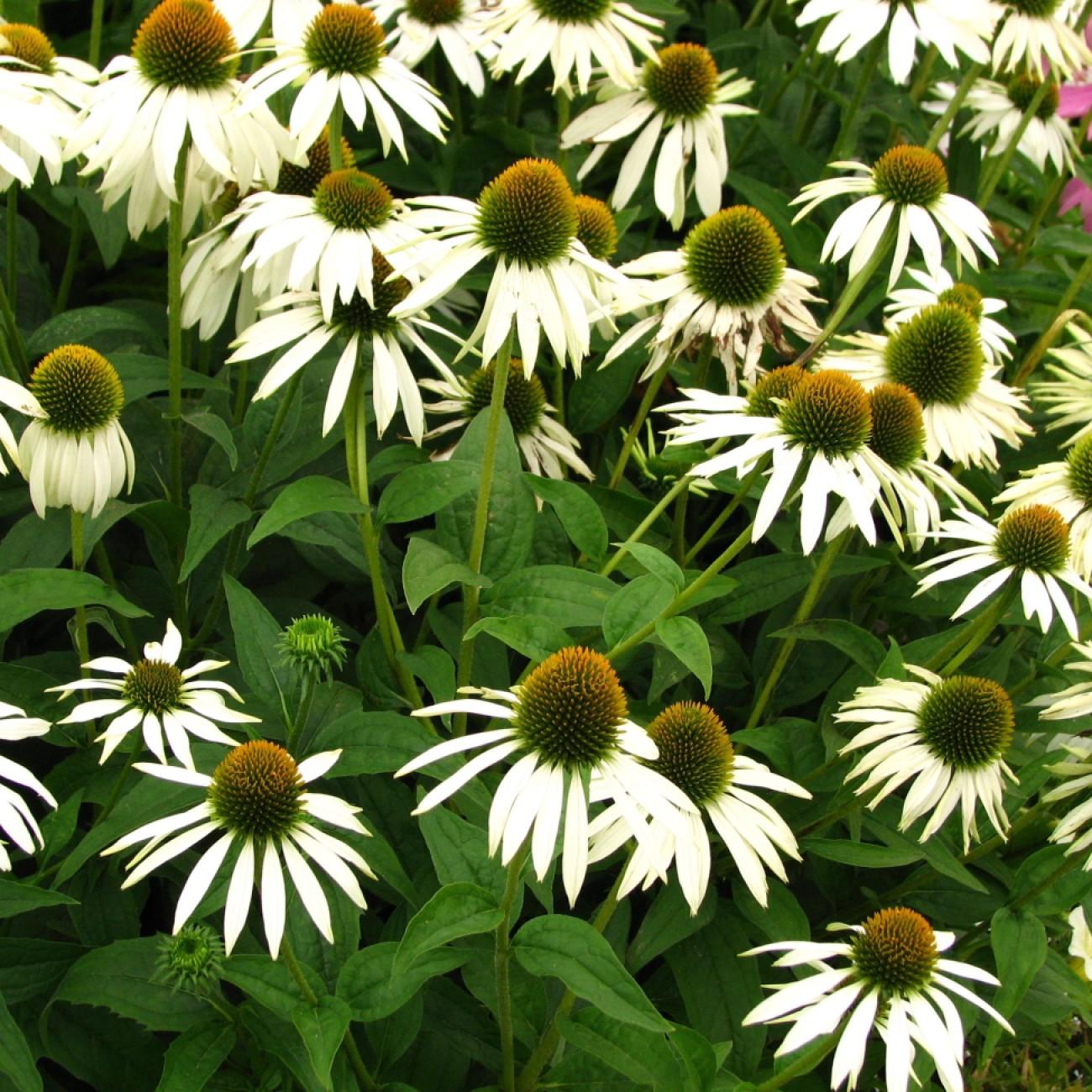
coneflower
Echinacea purpurea 'Primadonna White'
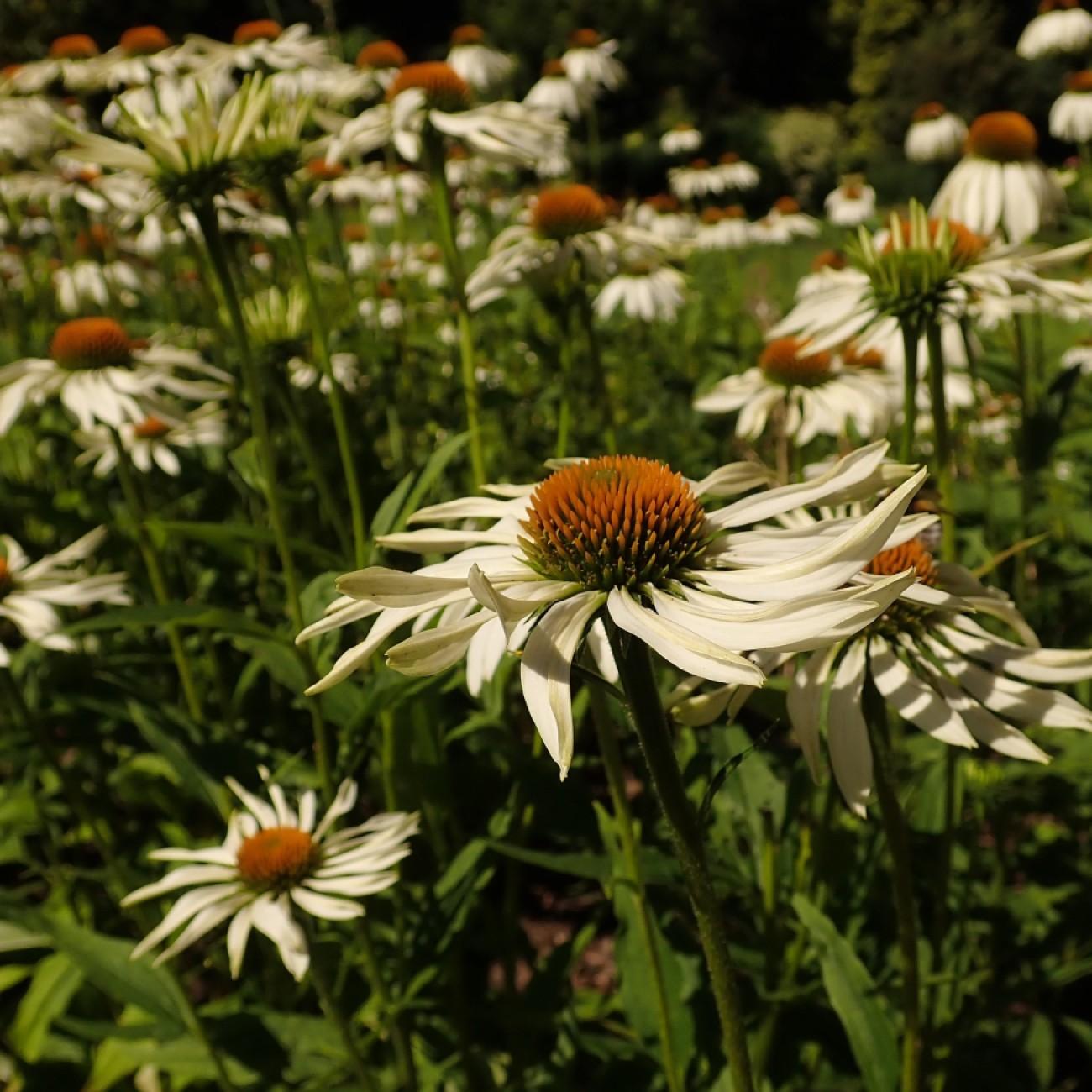
coneflower
Echinacea purpurea 'Purity'
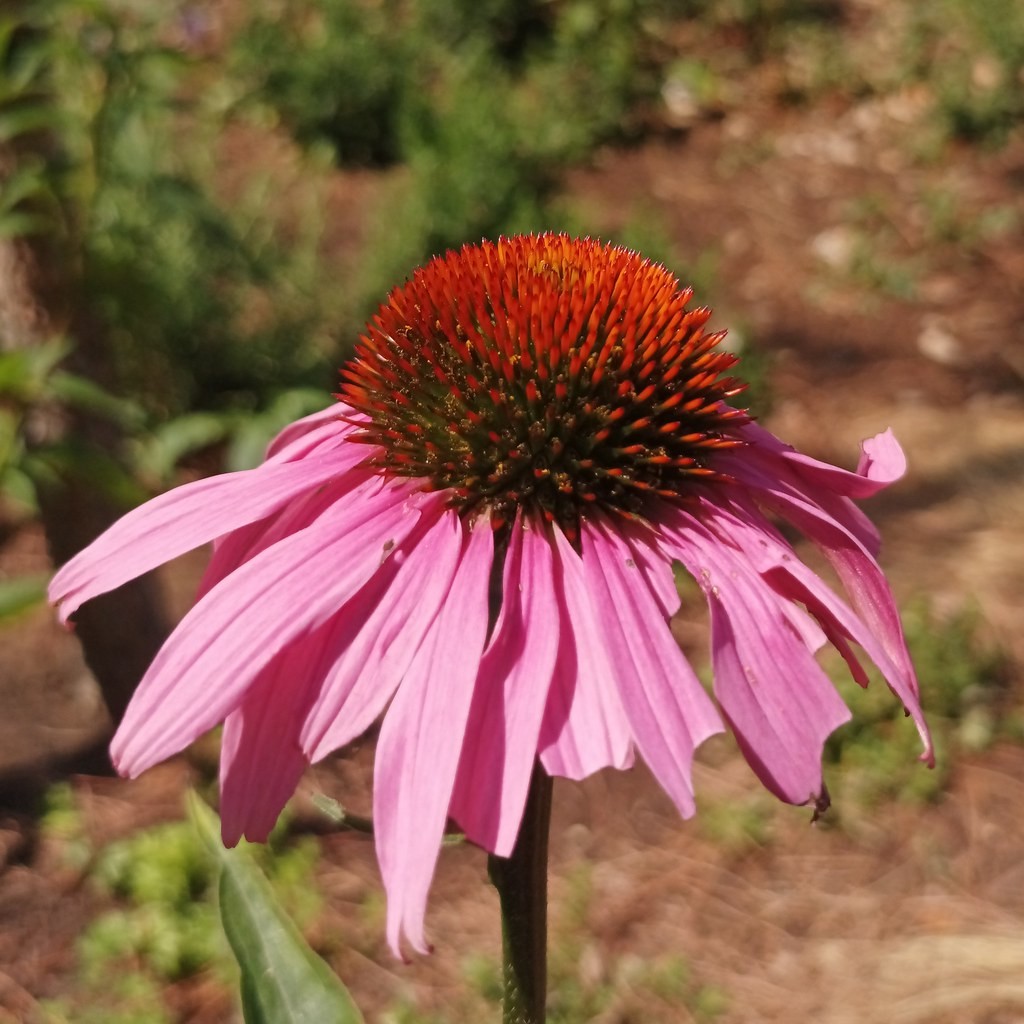
purple coneflower
Echinacea purpurea
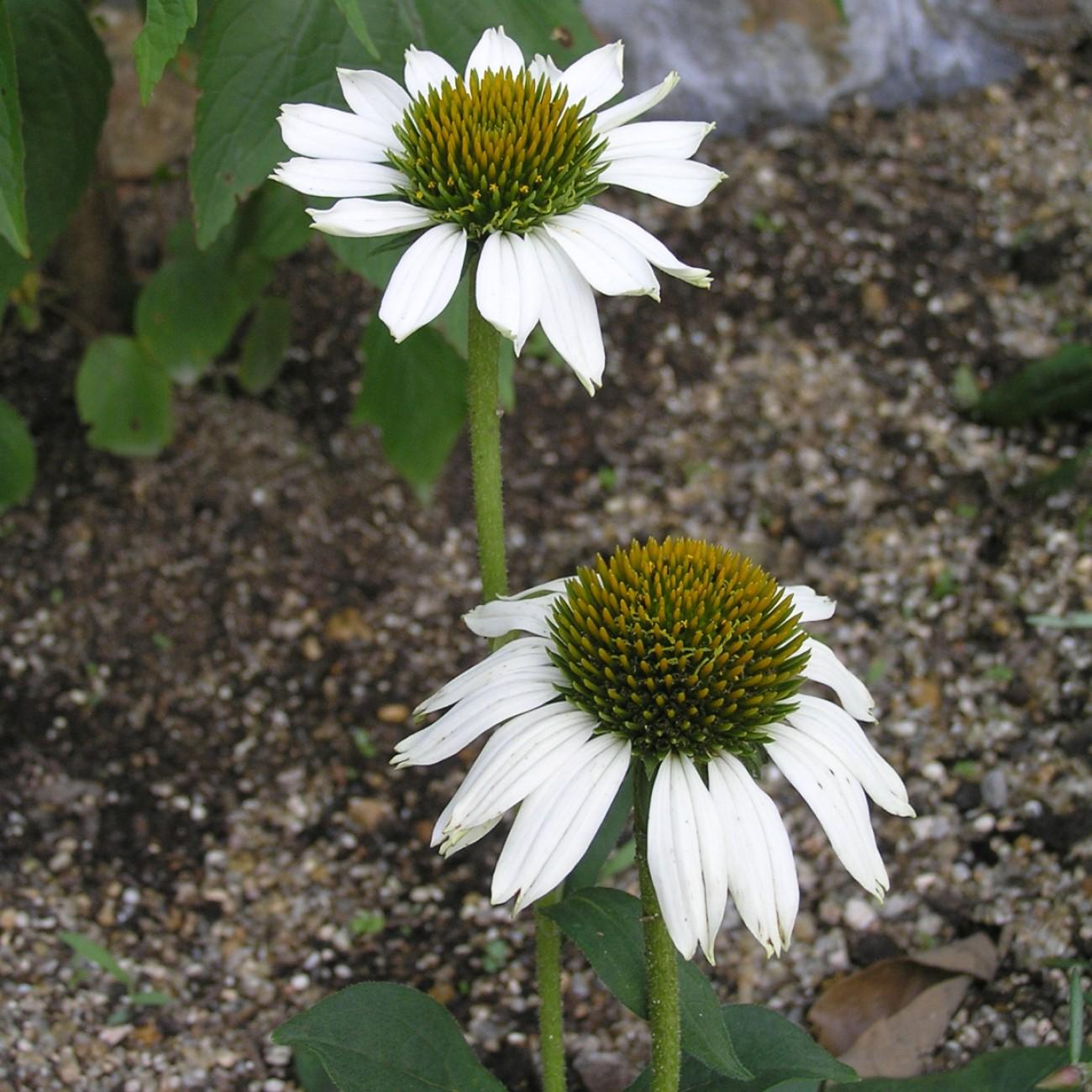
purple coneflower
Echinacea purpurea 'Amado'
purple coneflower
Echinacea purpurea 'Butterfly Kisses'