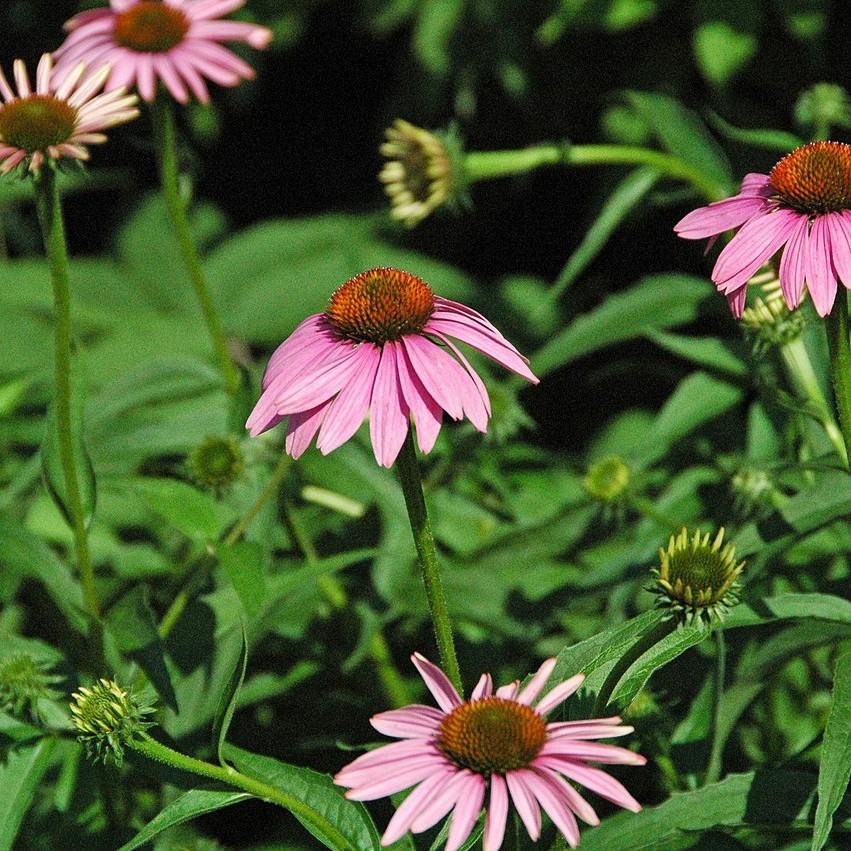
purple coneflower
Echinacea purpurea 'Lilliput'
Overview
The purple coneflower (Echinacea purpurea 'Lilliput') is an amazing plant for its beauty and resilience. The vivid magenta petals and prominent coned center of this plant create an eye-catching display of color wherever they are planted. The coneflower thrives in many climates, and can survive a variety of conditions, making it an easy choice for any garden. It is great for landscaping, attracting butterflies, and is even thought to have medicinal effects. A great choice for all gardeners, the purple coneflower is a beautiful and hardy addition to any outdoor space.
Care Guide
Watering
Purple coneflower (Echinacea purpurea 'Lilliput') is a hardy, low-maintenance flowering plant. It is drought-tolerant and can survive with little to no supplemental water. It prefers dry, well-draining soil and should be watered just enough to keep the soil barely moist. During the growing season, water the plant regularly but lightly, providing a light soaking once per week. In hot, dry weather, water up to twice per week, ensuring the soil never completely dries out. During winter, the plant requires very little water. It is important to observe the plant's soil in order to determine if and how much it needs to be watered. If it is dry to the touch, it is time to water. If the soil is still damp to the touch, the plant does not need to be watered.
Light
Purple coneflower (Echinacea purpurea 'Lilliput') grows best in full sunlight, roughly 6 to 8 hours per day. It prefers direct sunlight or dappled sunlight so that it can enjoy some shade during the hottest part of the day, typically around mid-day. Since purple coneflower thrives and blooms best with a lot of exposure to direct light, it is best to plant it in a sunny location where it will be undisturbed by shadows from adjacent trees or buildings.
Soil
Sandy Loamy Clay Rocky
Temperature
Hardiness zone 3–8.
Pruning
The best time to prune purple coneflowers (Echinacea purpurea 'Lilliput') is in late winter when the plants are dormant. It's important to wait until the threat of freezing temperatures is gone before pruning. Depending on where you live, this could be late February or early March. When it comes to how much, the answer is not as straightforward. Generally speaking, you should reduce the overall height of the plant by no more than 1-third. Trim away any dead or damaged growth and remove any unsightly seed heads. When cutting dead or damaged stalks, be sure to cut them off right above the ground at a 45-degree angle. This will keep the plant from becoming overcrowded and help keep the shape in check.
Propagation
Seed Propagation
Uses & Symbolism
Attracts: Birds, Butterflies.
Diseases & Pests
Common pests: Leaf miner insect, Pest resistant, Disease resistant, Drought resistant .
Related plants
Other plants you might like if you grow purple coneflower.
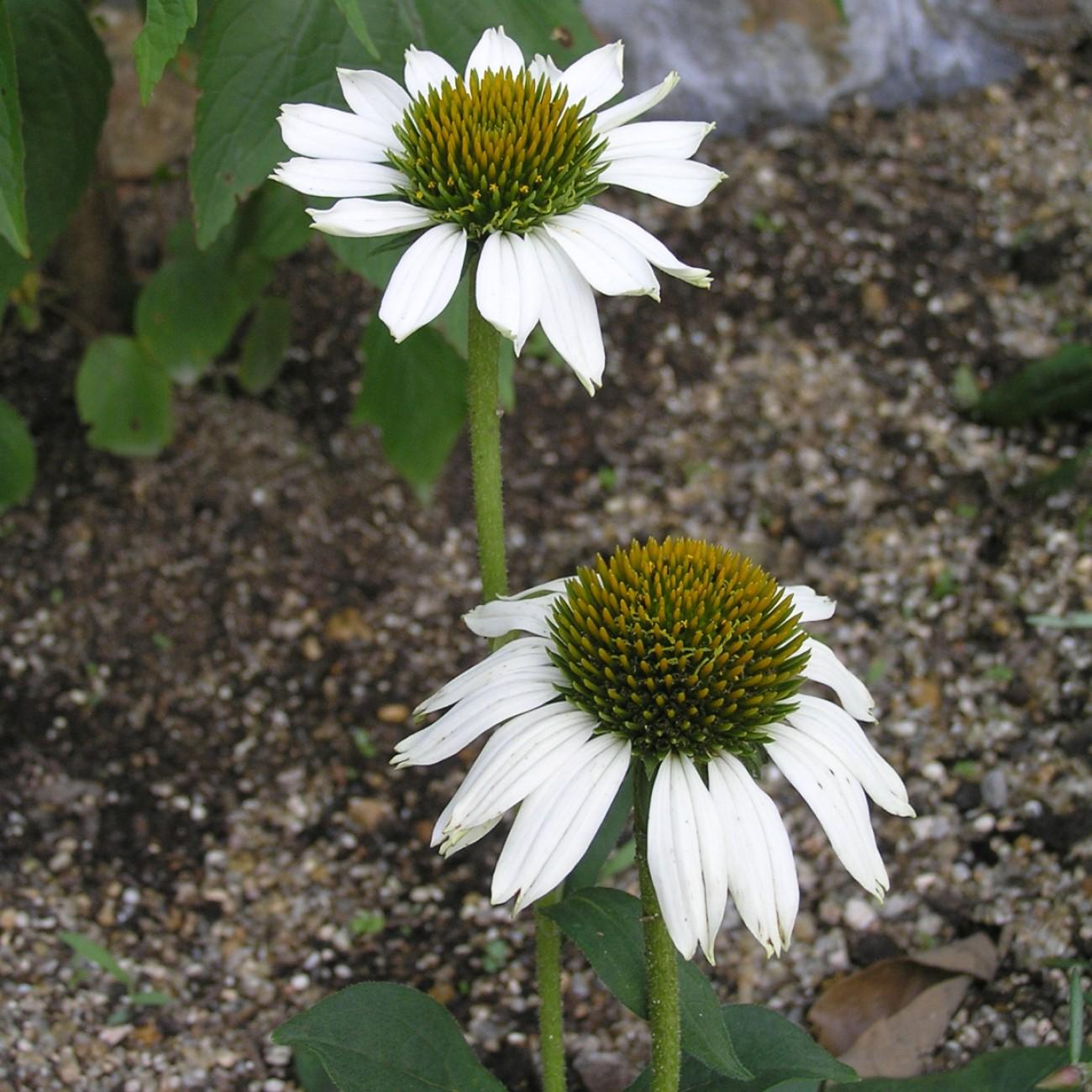
purple coneflower
Echinacea purpurea 'Amado'
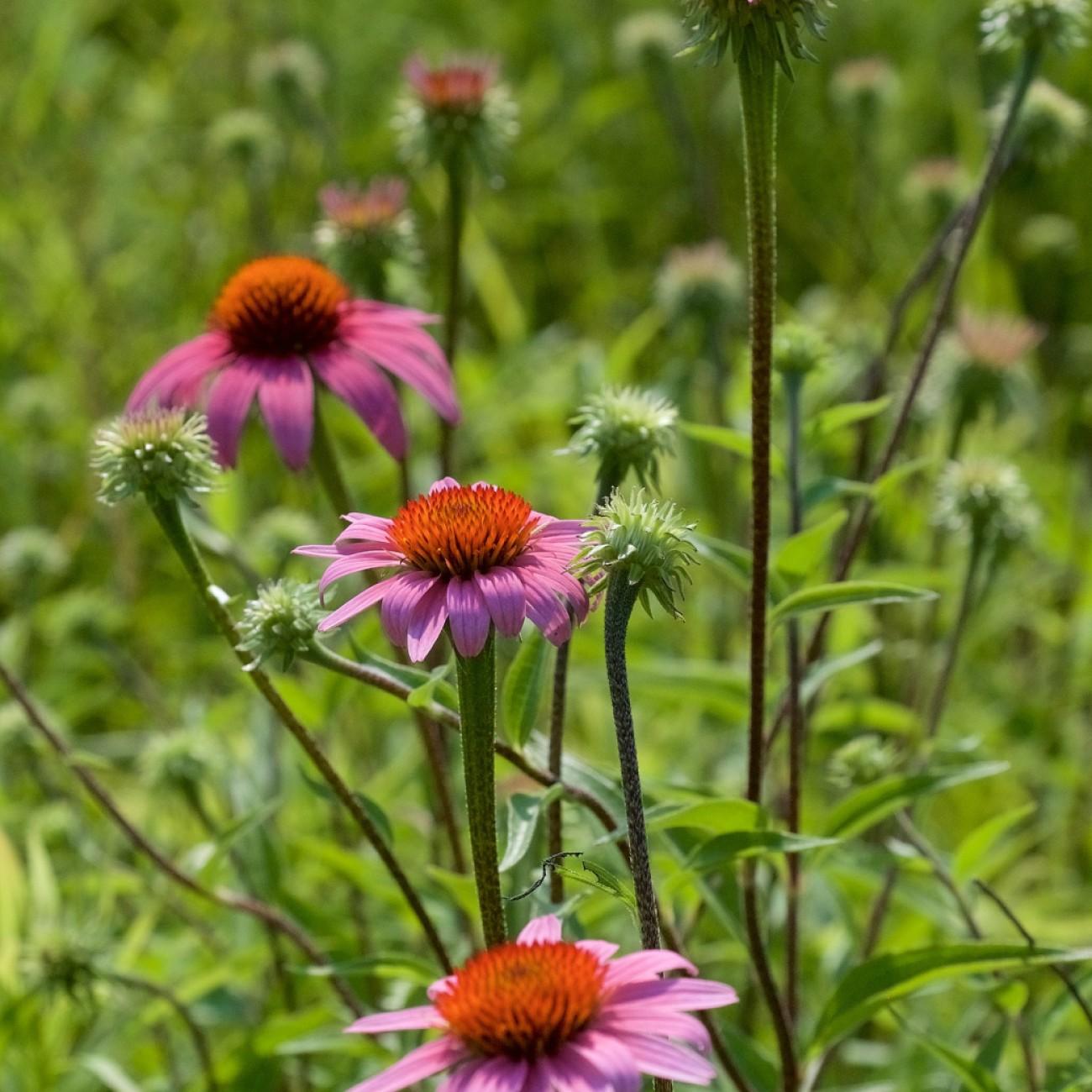
purple coneflower
Echinacea purpurea 'Little Annie'
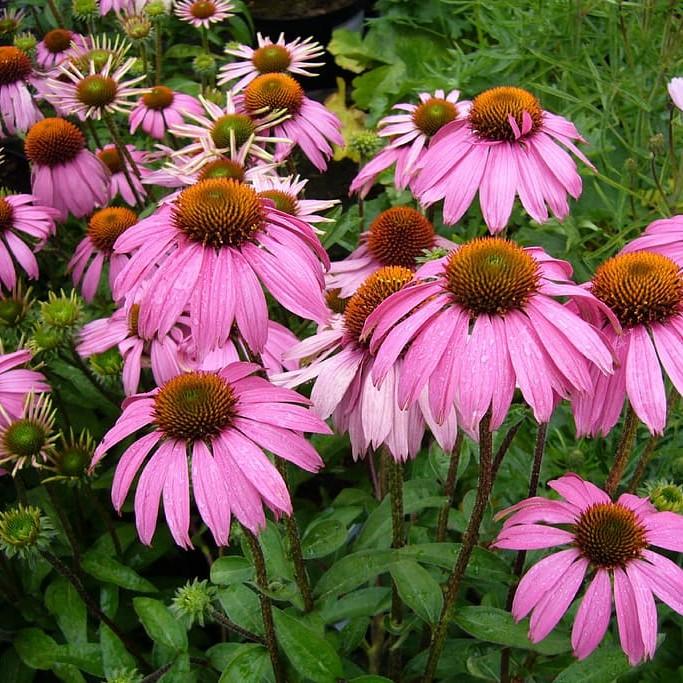
purple coneflower
Echinacea purpurea 'Little Giant'
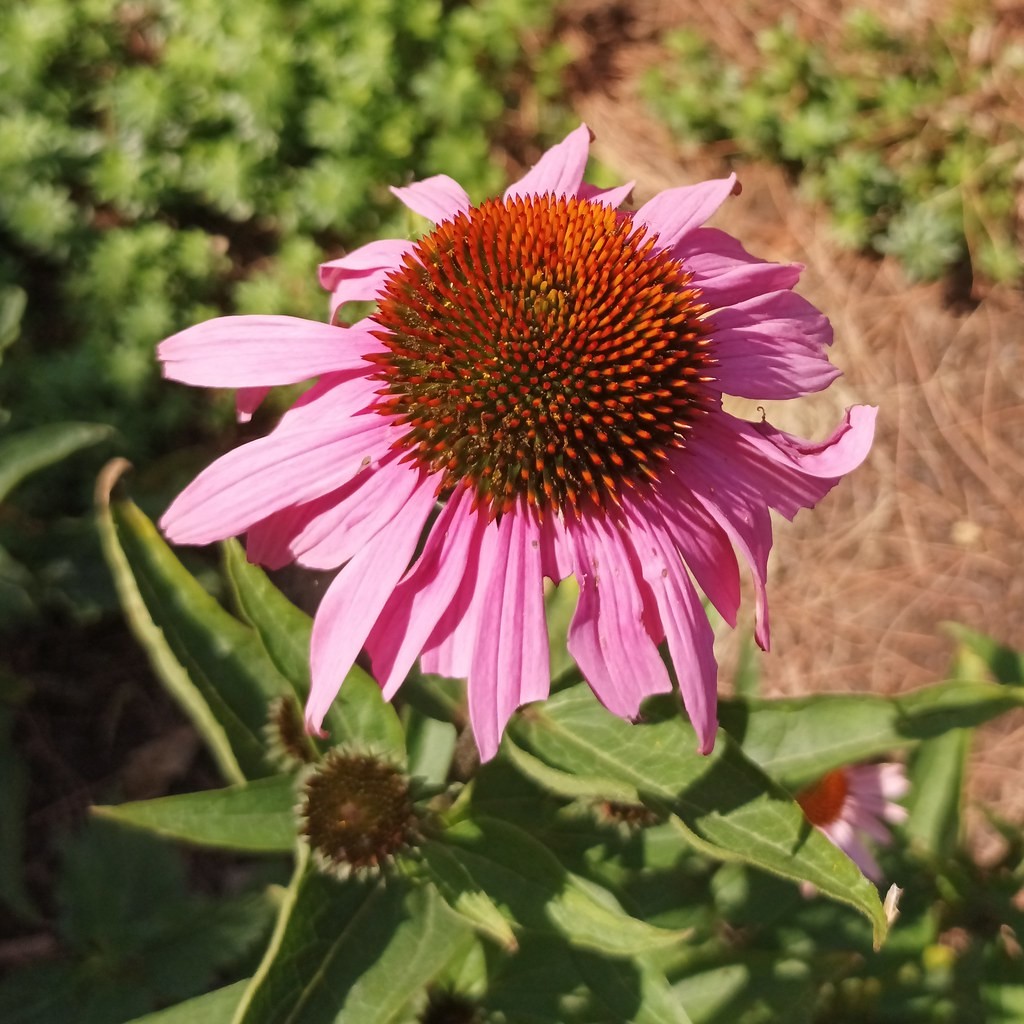
purple coneflower
Echinacea purpurea 'Mistral'
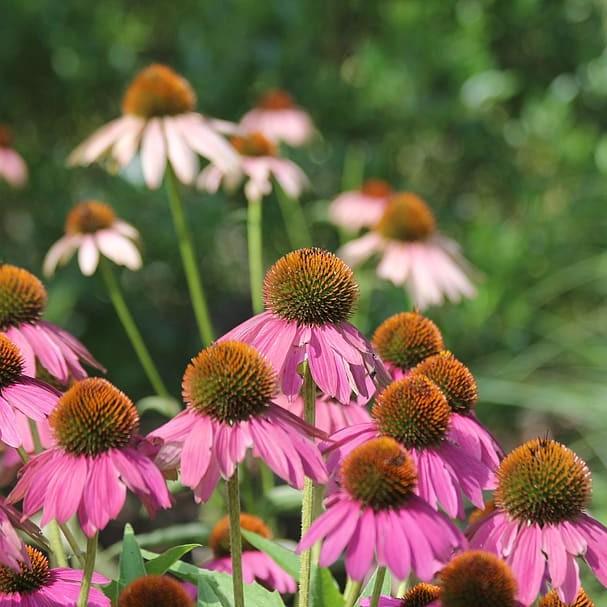
purple coneflower
Echinacea purpurea 'Prairie Frost'
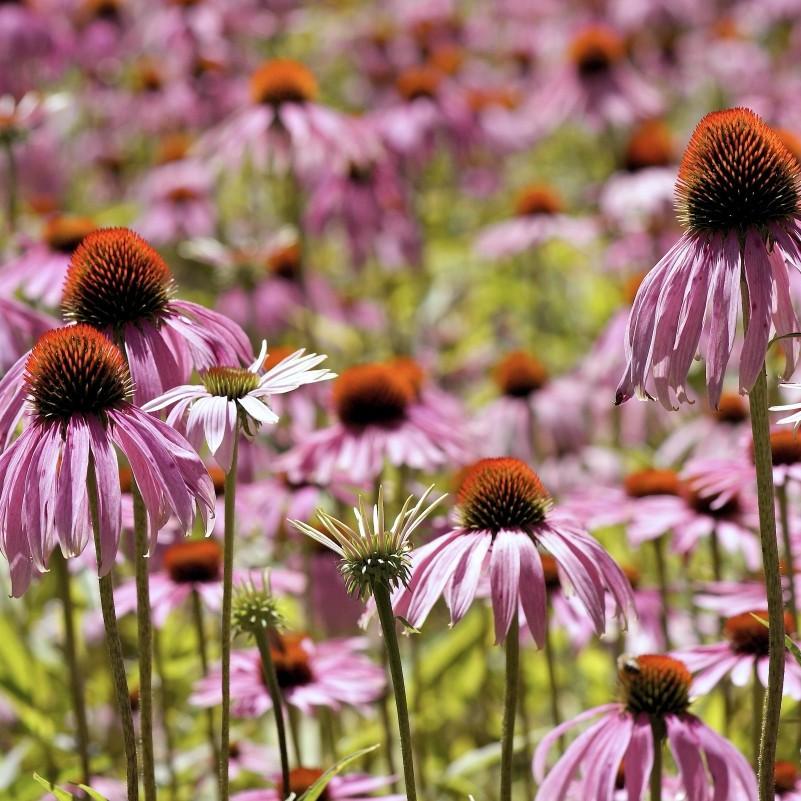
purple coneflower
Echinacea purpurea 'Prairie Giant'
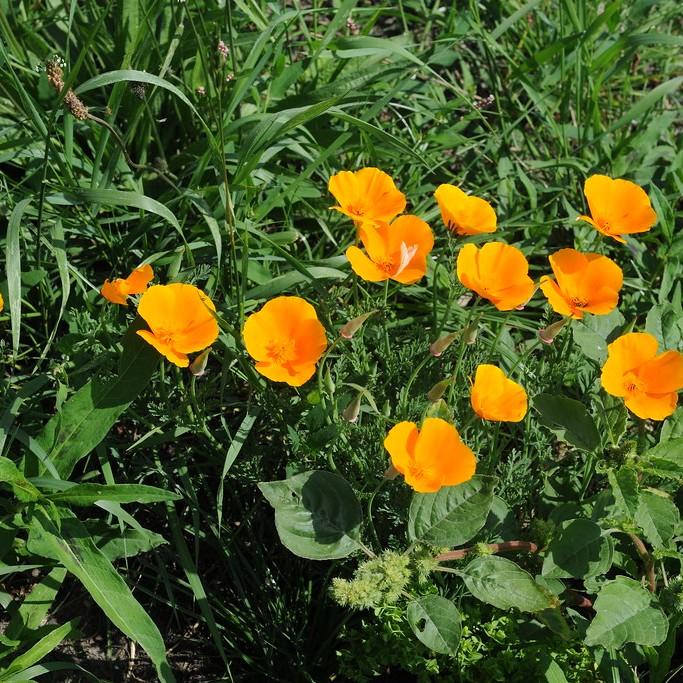
California poppy
Eschscholzia californica
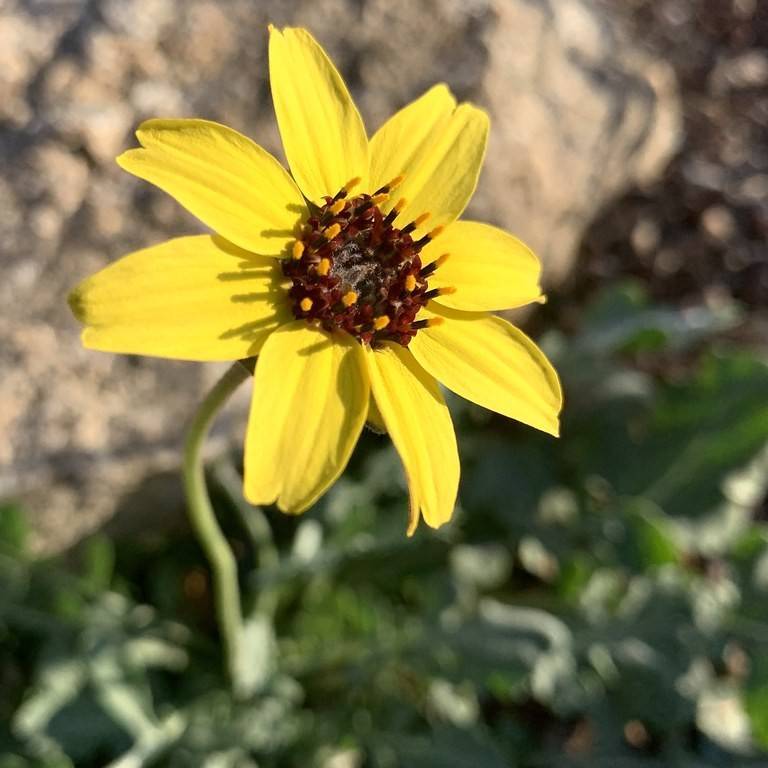
chocolate flower
Berlandiera lyrata