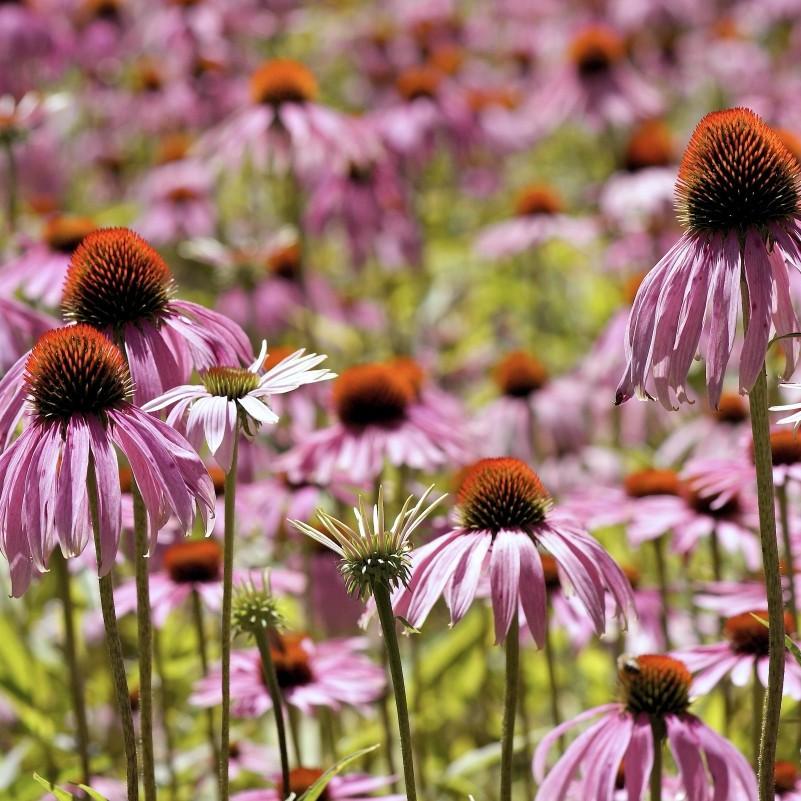
purple coneflower
Echinacea purpurea 'Prairie Giant'
Overview
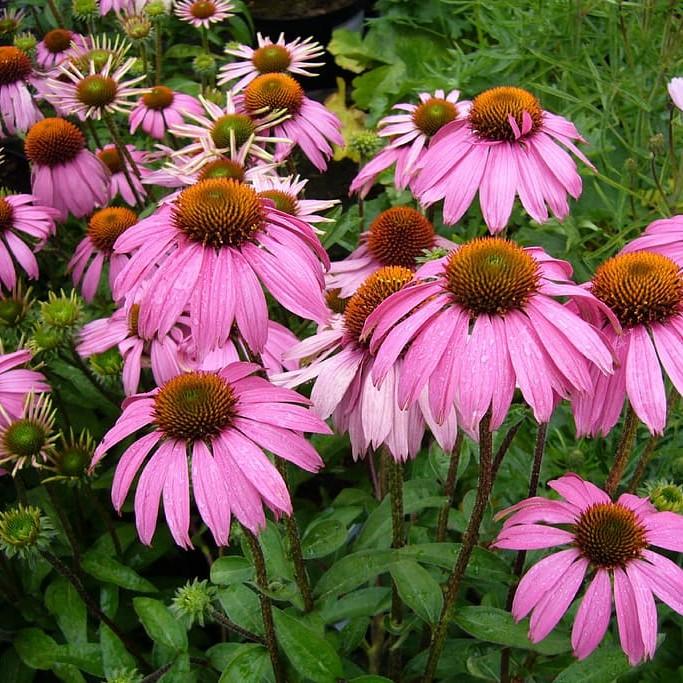
The Purple Coneflower (Echinacea purpurea 'Prairie Giant') is an amazing species of flower. With its bright, vibrant color and large petals, it's sure to make any garden look elegant and vibrant. This flower is also incredibly low maintenance and drought tolerant, so it's perfect for even the busiest of gardeners. It is also attractive to birds, butterflies, and other pollinators, making it perfect for developing and enhancing any wildlife garden. And best of all, this flower also has medicinal properties - its roots can be used to treat a variety of ailments. It's an impressive all-purpose addition to any garden!
Care Guide
Watering
Purple coneflower, also known as Echinacea purpurea 'Prairie Giant', requires watering around once or twice each week. Soil should remain evenly moist, but not wet or soggy. Avoid over-watering, as this can lead to root rot. Water thoroughly at the base of the plant when the top 2-3 inches of soil is dry, providing approximately 1 inch of water per week. Water in the early morning or evening, as opposed to during the hot midday sun, to avoid evaporation. You can also install a soaker hose to slowly water the plant over a longer period of time.
Light
Purple coneflower (Echinacea purpurea 'Prairie Giant') needs full sun for best growth and bloom. It will tolerate some partial shade, but the amount of blooms will be decreased. In full sun, the plant will get approximately 6-8 hours of direct sunlight each day. If possible, it is best to plant in an area that receives about 5 or 6 hours of direct sun and then filter shade for the remaining 2-3 hours of the day (the plant should get about 8-10 hours of sunlight each day).
Soil
Sandy Loamy Clay Rocky
Temperature
Hardiness zone 3–8.
Pruning
Purple coneflower (Echinacea purpurea 'Prairie Giant') should be pruned in late winter to early spring. Pruning should be light to moderate, removing most or all of the spent flowers and some of the ornamental seedheads as desired. This should be done while the plant is dormant. Cutting back the stems encourages new growth, making for a bushier and healthier plant, and rebloom is often achieved throughout the summer when pruning is done this way. Additionally, some shortening and shaping of the stems may be needed to maintain a desired look.
Propagation
Seed Propagation
Uses & Symbolism
Attracts: Birds, Butterflies.
Diseases & Pests
Common pests: Leaf miner insect, Pest resistant, Disease resistant, Drought resistant .
Related plants
Other plants you might like if you grow purple coneflower.
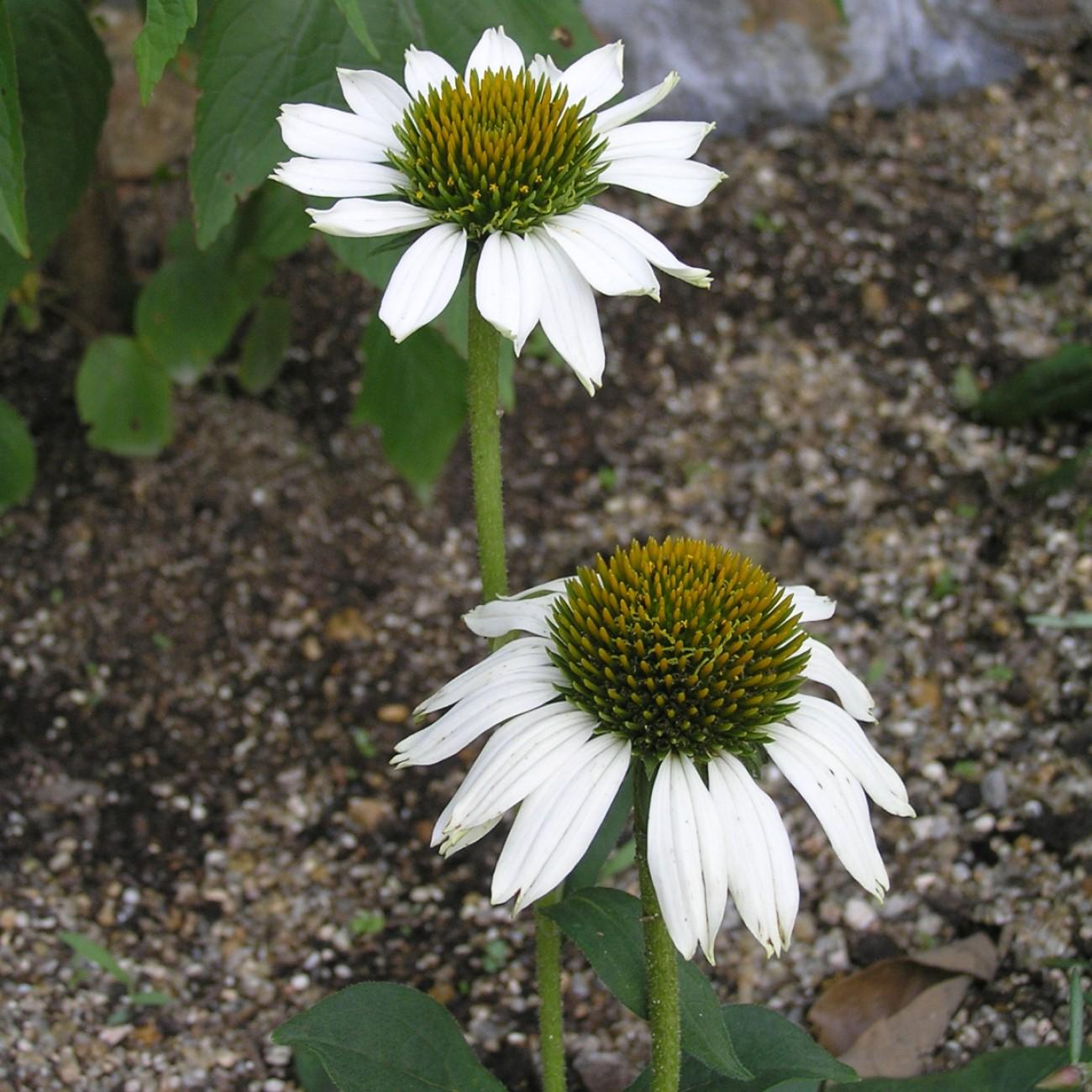
purple coneflower
Echinacea purpurea 'Amado'
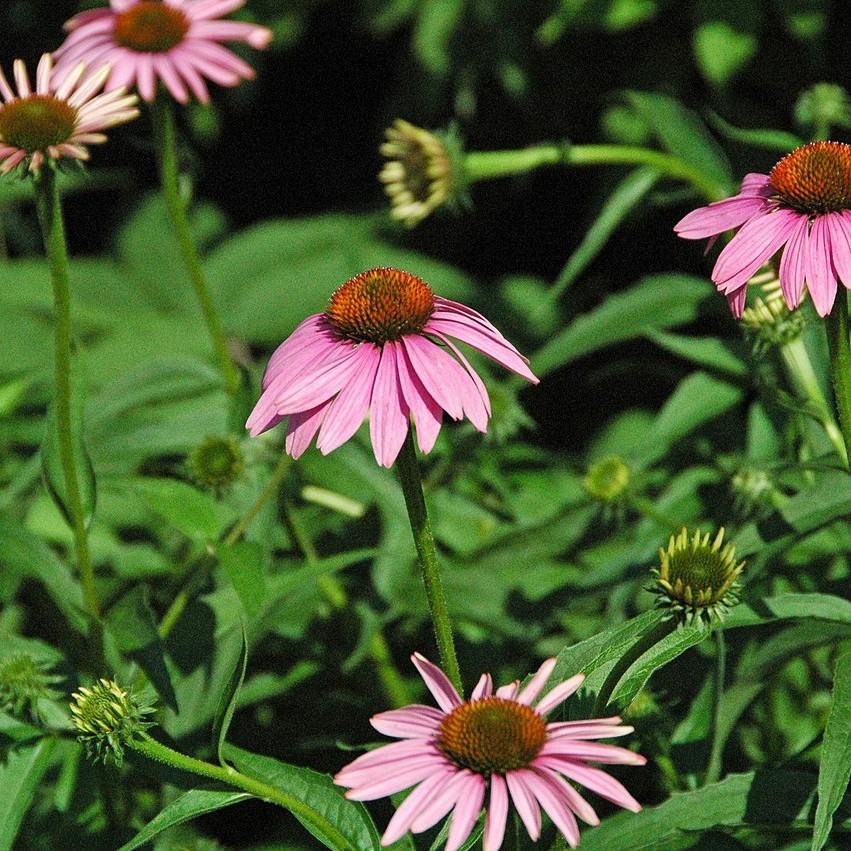
purple coneflower
Echinacea purpurea 'Lilliput'
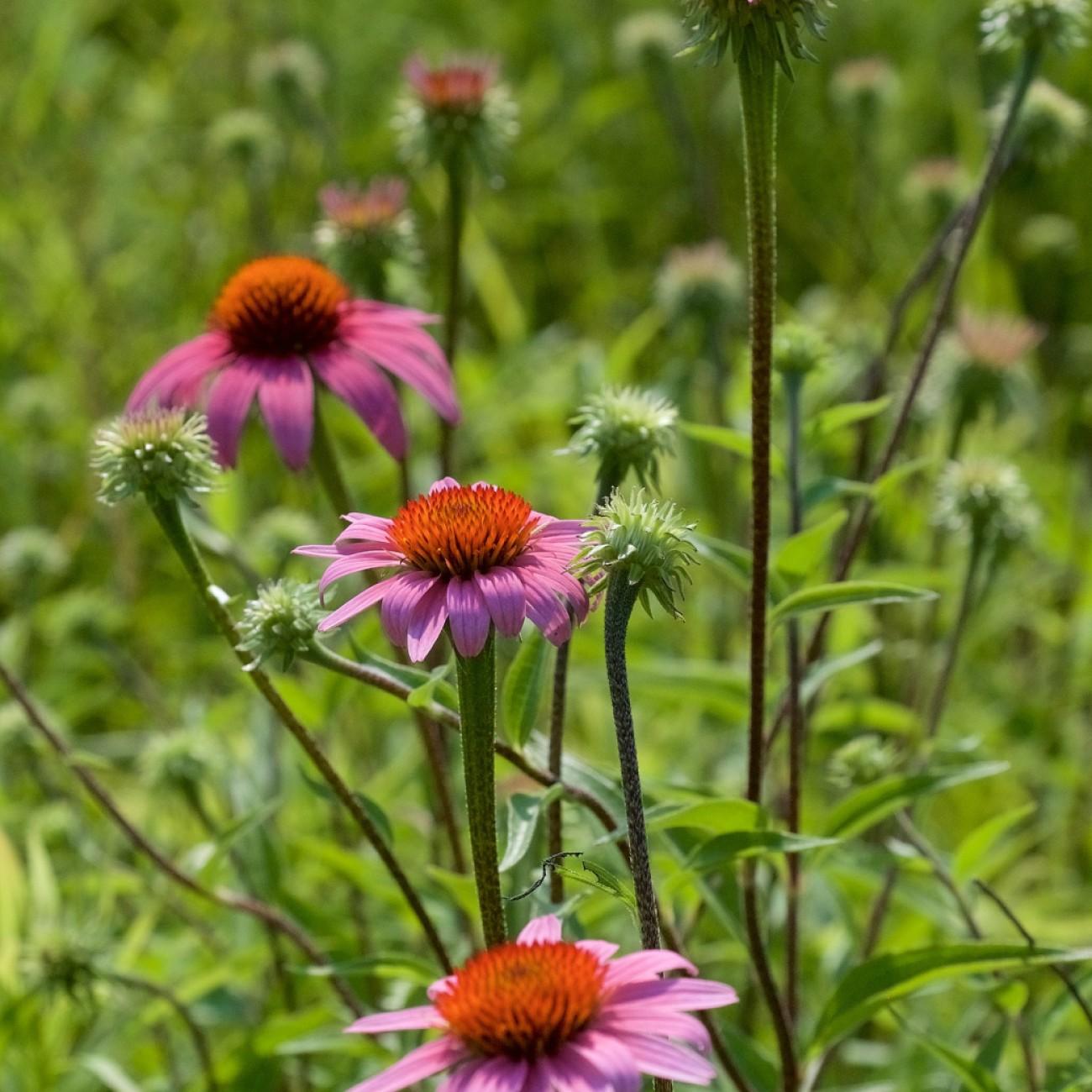
purple coneflower
Echinacea purpurea 'Little Annie'
purple coneflower
Echinacea purpurea 'Little Giant'
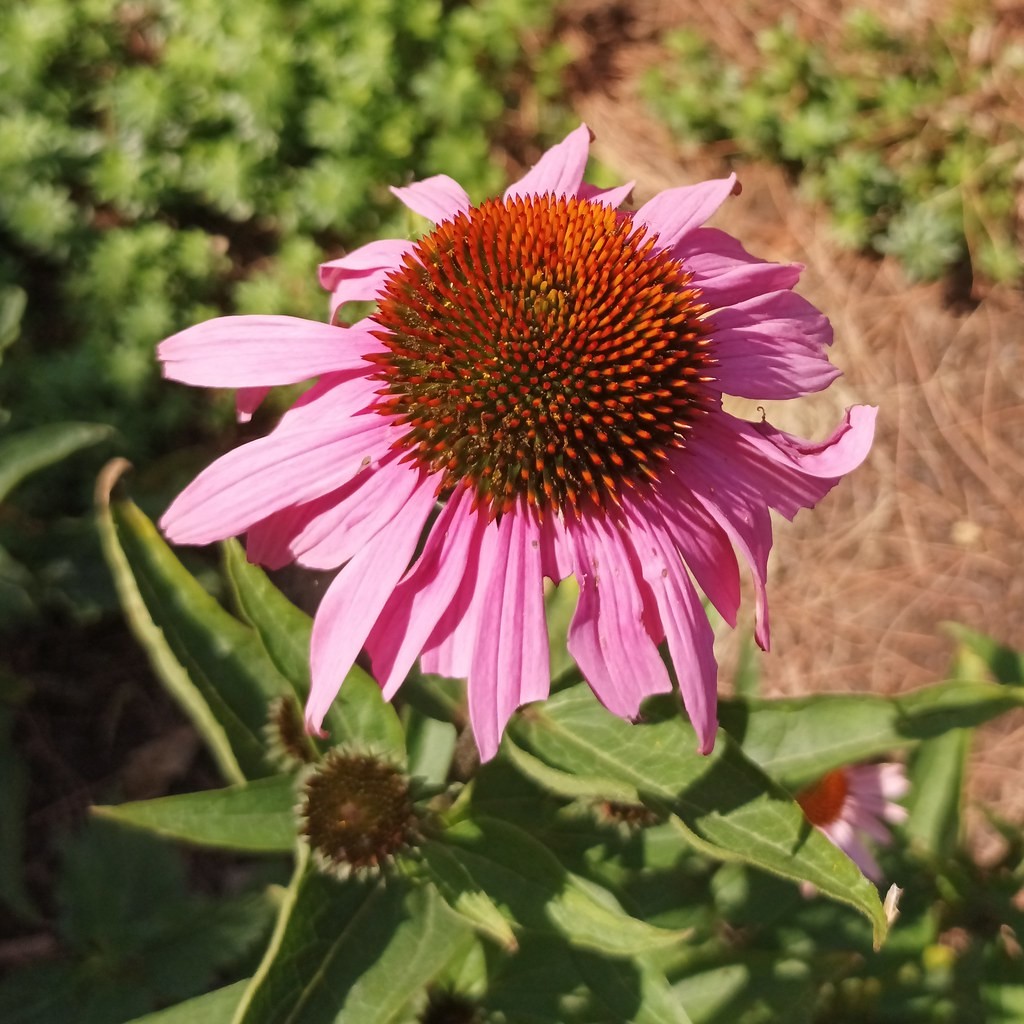
purple coneflower
Echinacea purpurea 'Mistral'
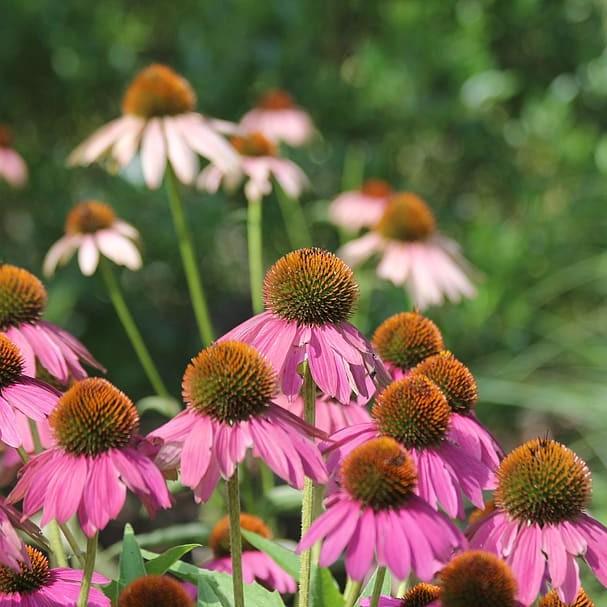
purple coneflower
Echinacea purpurea 'Prairie Frost'
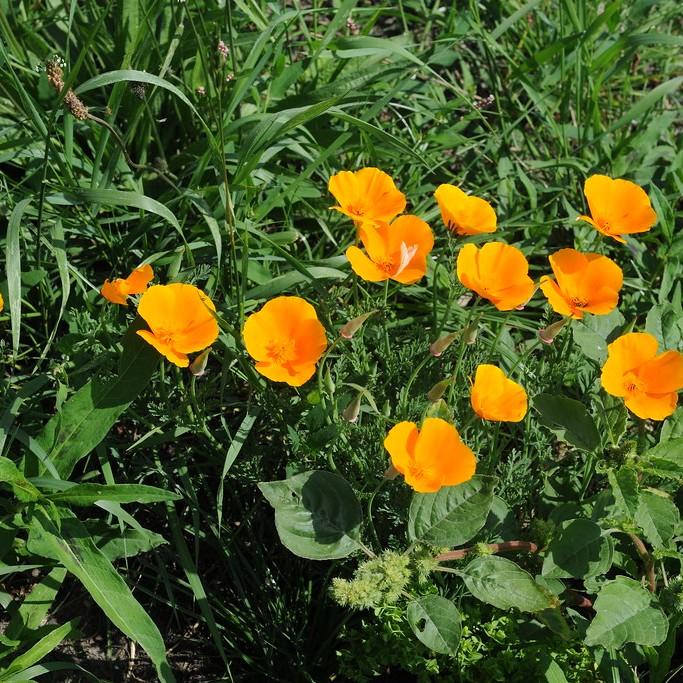
California poppy
Eschscholzia californica
chocolate flower
Berlandiera lyrata