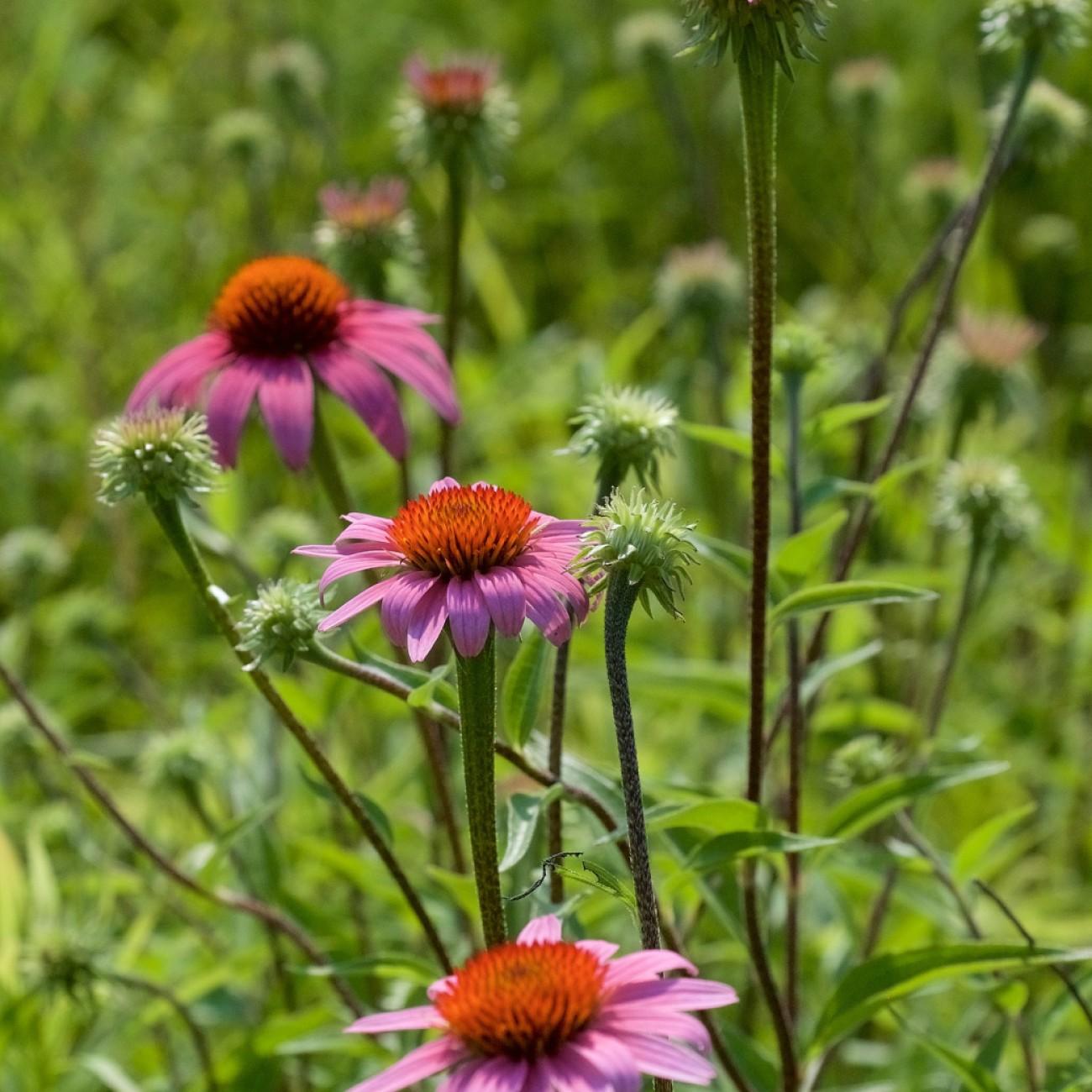
purple coneflower
Echinacea purpurea 'Little Annie'
Overview
The purple coneflower (Echinacea purpurea 'Little Annie') is a stunning addition to any garden. This easy-to-grow perennial blooms throughout summer and autumn, producing striking two-inch wide violet-purple flowers atop branching stems. Hummingbirds and butterflies adore the daisy-like flowers, while bees gather the plentiful pollen. The deep-green foliage remains attractive throughout the growing season and the strong taproot makes it highly drought-tolerant. An easy-care plant, Little Annie is great for adding color to beds and borders. Plus, its dried seed heads provide winter interest and make excellent cut flowers. It isn't hard to see why this amazing plant is a true garden favorite!
Care Guide
Watering
The purple coneflower (Echinacea purpurea 'Little Annie') should be watered about once a week. When watering, it is best to thoroughly soak the soil to a depth of 10-12 inches. To avoid soggy roots, be sure to allow the soil to dry out slightly between waterings. Since these plants are drought-tolerant, however, it is best to err on the side of too little water rather than too much. Overwatering can lead to stunted growth and root rot. Additionally, it is best to water in the morning so the foliage has time to dry out before evening.
Light
Purple coneflower (Echinacea purpurea 'Little Annie') needs direct sunlight for at least 6 to 8 hours a day during the flowering and growing seasons. These plants thrive in full sun, however too much direct sunlight can lead to leaf burn. It is best to place this plant in a spot that receives direct morning sunlight and then partial shade in the afternoon. During the winter months, the plant can thrive in bright or indirect light.
Soil
Sandy Loamy Clay Rocky
Temperature
Hardiness zone 3–8.
Pruning
Purple coneflower (Echinacea purpurea 'Little Annie') is an herbaceous perennial that requires very little pruning. The best time to prune this plant species is in early spring before any new growth emerges. This plant tends to die back during the winter months, so removing any winter-damaged stems at this time will help encourage healthy new growth during the upcoming growing season. A light pruning of the stems can also be done in late spring or summer to help the plant retain its shape and encourage new growth. If necessary, deadheading can also be done in late summer or early fall to prevent the plant from reseeding and reduce the spread of unwanted plants.
Propagation
Seed Propagation
Uses & Symbolism
Attracts: Birds, Butterflies.
Diseases & Pests
Common pests: Leaf miner insect, Pest resistant, Disease resistant, Drought resistant .
Related plants
Other plants you might like if you grow purple coneflower.
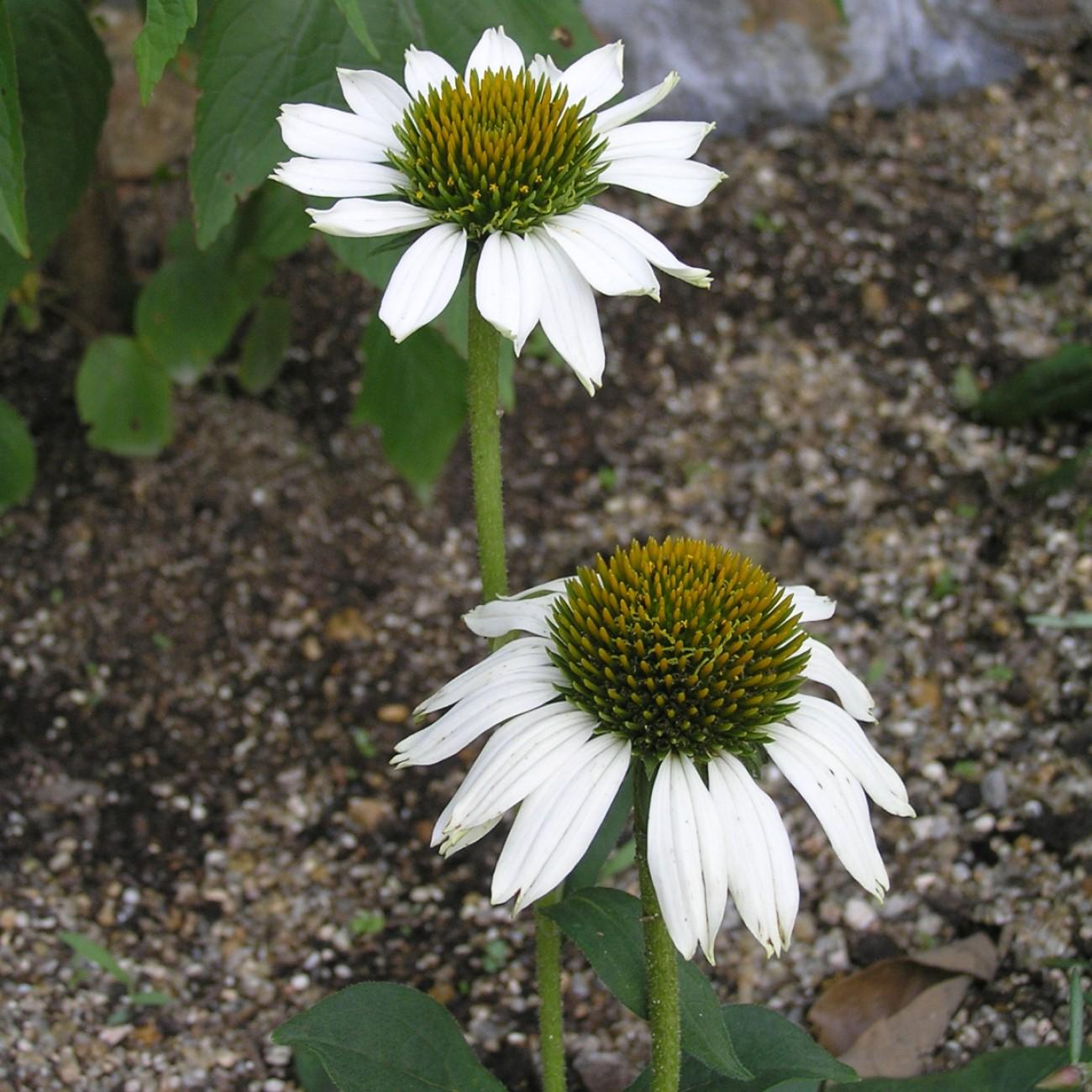
purple coneflower
Echinacea purpurea 'Amado'
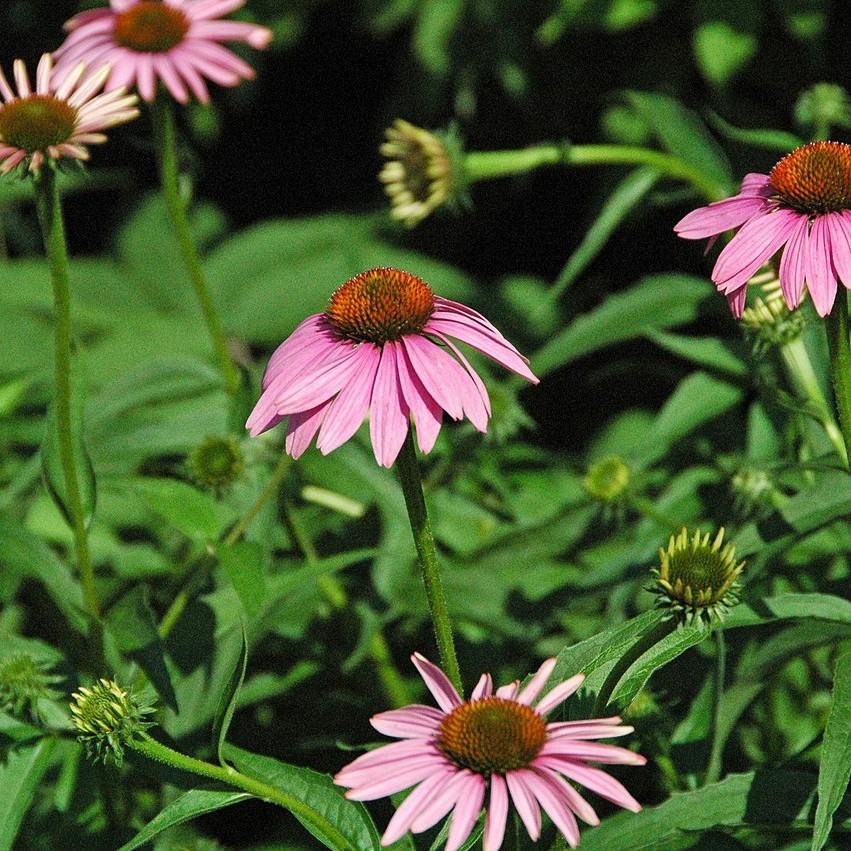
purple coneflower
Echinacea purpurea 'Lilliput'
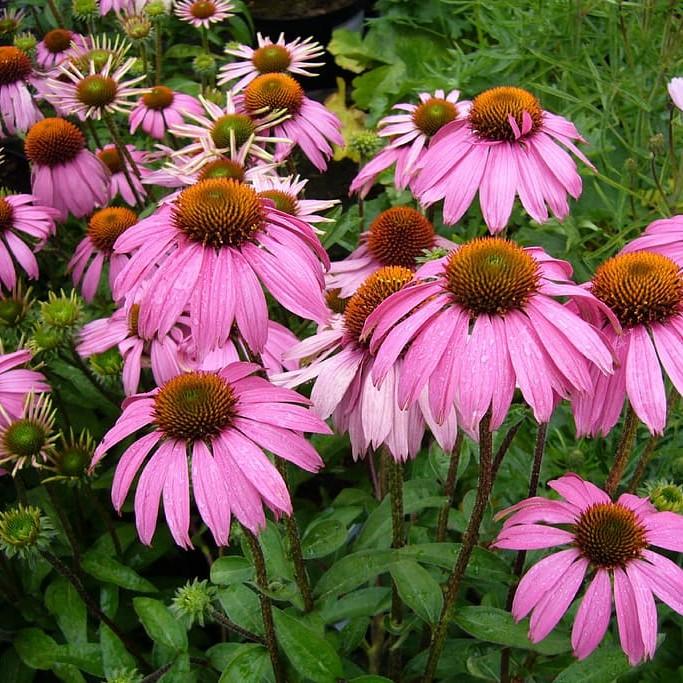
purple coneflower
Echinacea purpurea 'Little Giant'
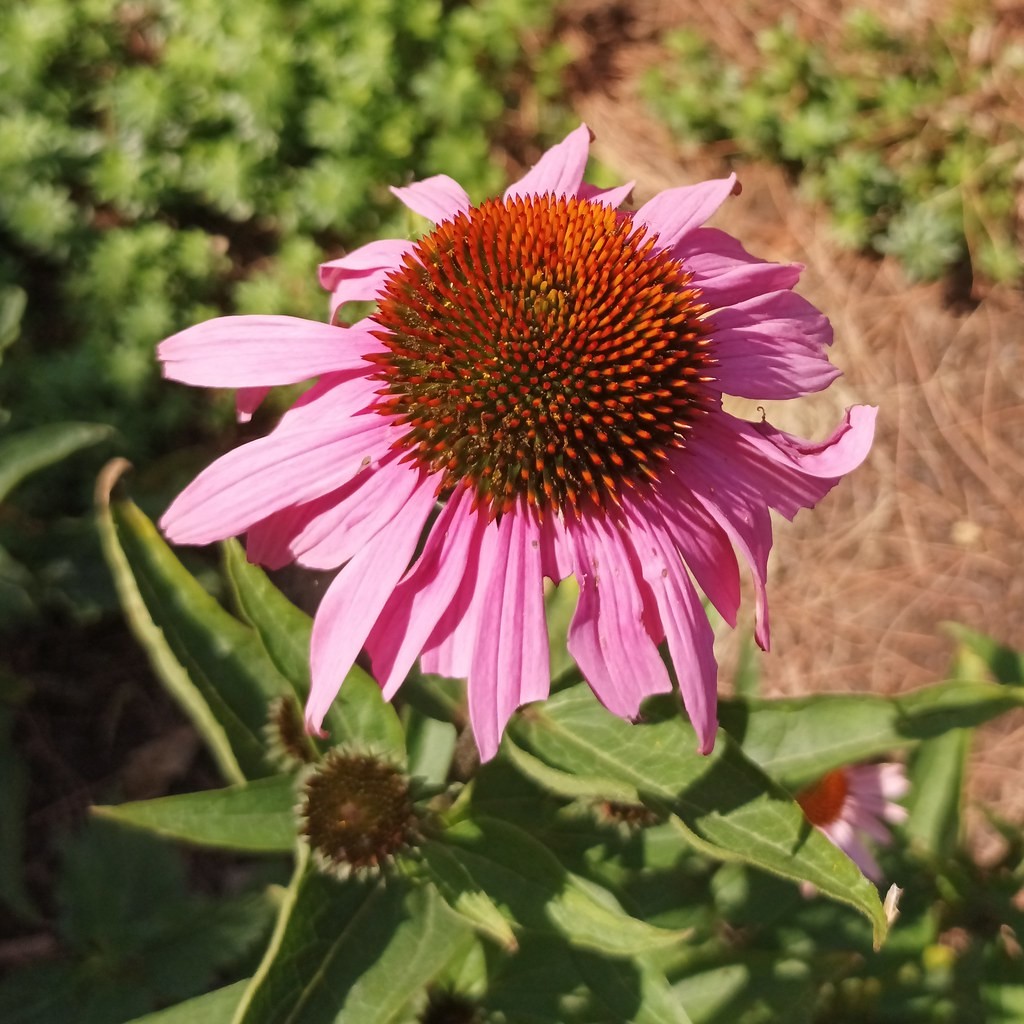
purple coneflower
Echinacea purpurea 'Mistral'
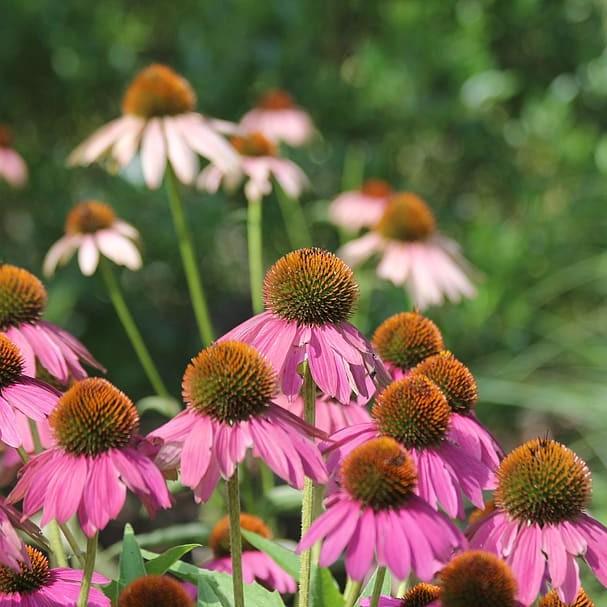
purple coneflower
Echinacea purpurea 'Prairie Frost'
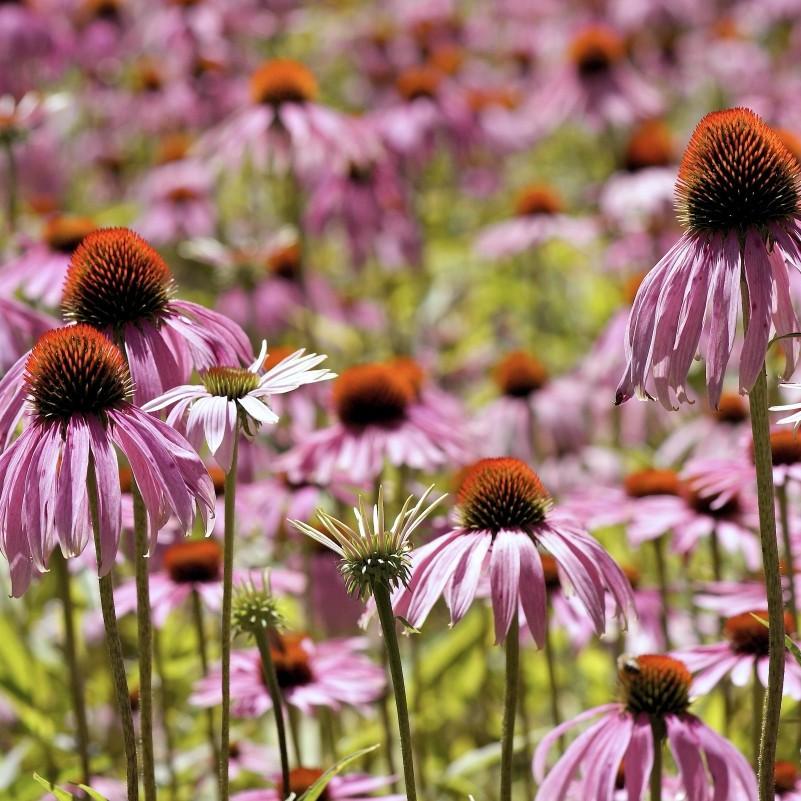
purple coneflower
Echinacea purpurea 'Prairie Giant'
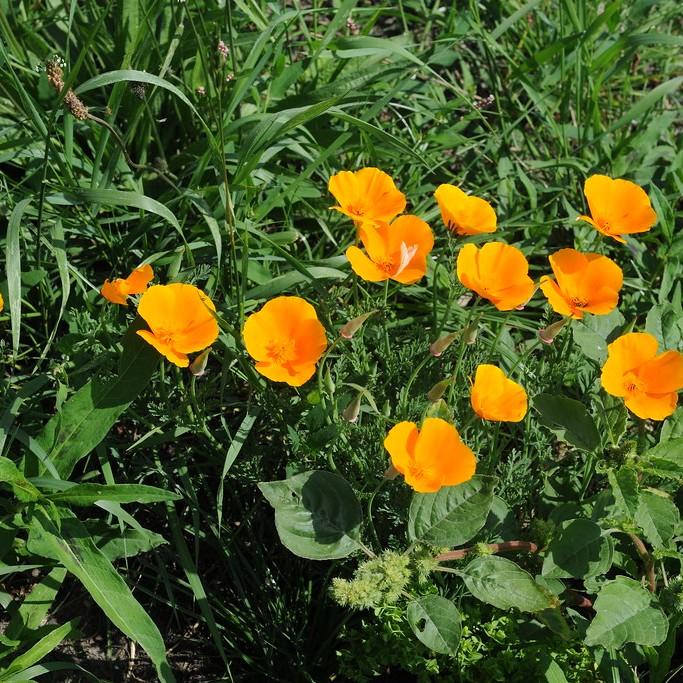
California poppy
Eschscholzia californica
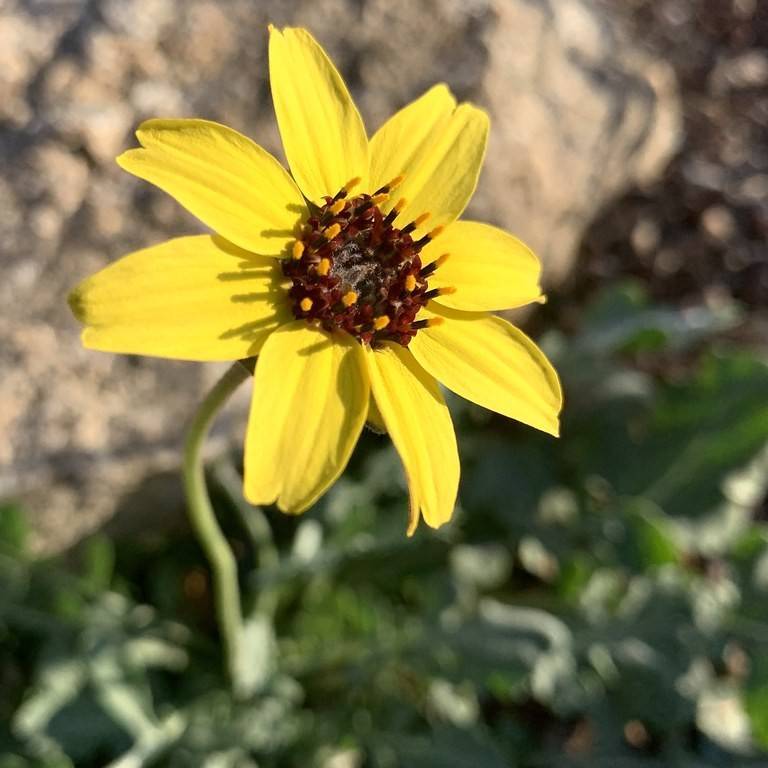
chocolate flower
Berlandiera lyrata