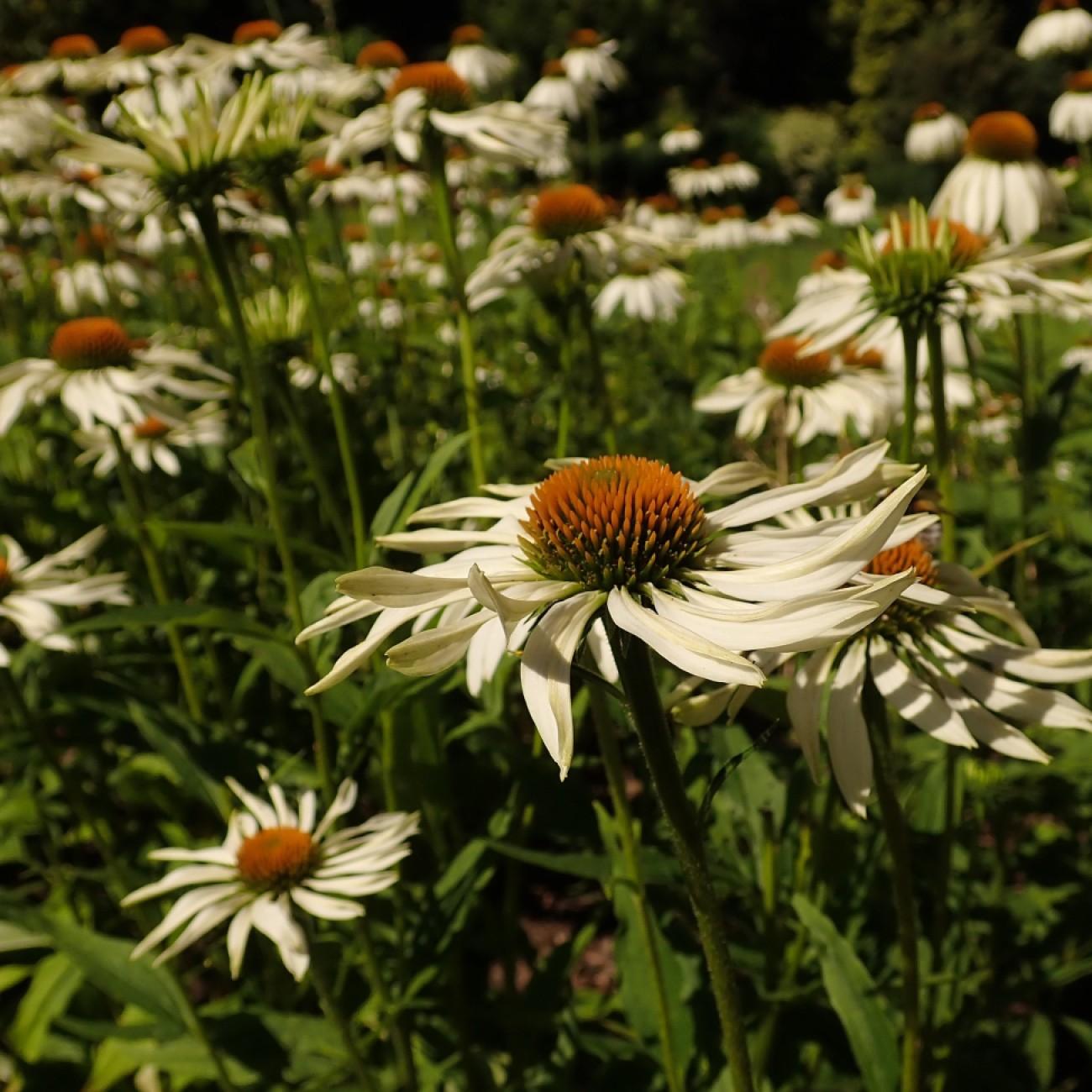
purple coneflower
Echinacea purpurea 'Lucky Star'
Overview
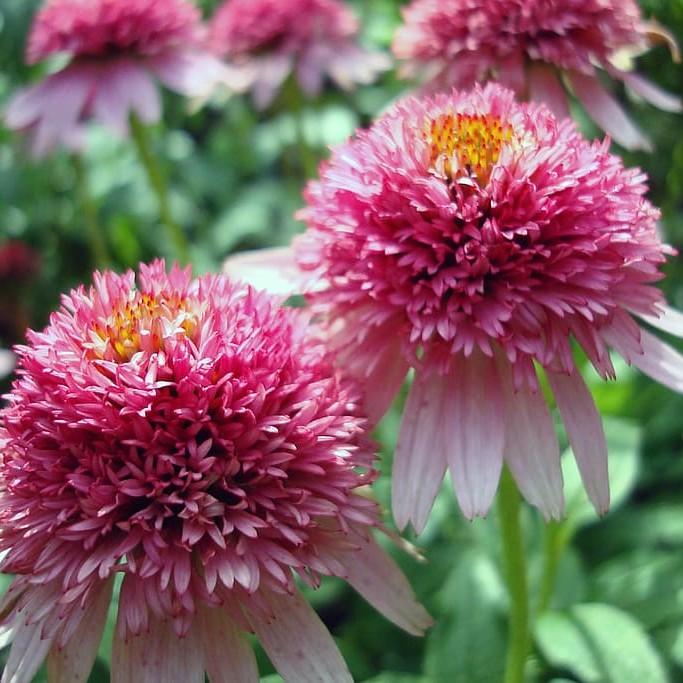
The purple coneflower (Echinacea purpurea 'Lucky Star') is a show-stopper with its petals of deep magenta and vibrant yellow cone, making it a garden favorite. The blooms of this species are long-lasting, withstanding heat and drought. Plus, they attract a myriad of pollinators to your garden. The flower originated in North America and is extremely rare, making it a unique addition to any flower bed. It doesn't require much care, so it's perfect for novice gardeners too. Be sure to add this amazing floral beauty to your garden today.
Care Guide
Watering
Purple coneflowers should be watered regularly to keep the soil moist but not soggy. Water when the top inch of soil is dry to the touch. Generally, water deeply 2-3 times a week, or daily if planted in a location with strong afternoon sun. When the weather is very hot, water more frequently. Let the soil dry out in between watering to allow the roots to get access to oxygen. Water in the morning or evening when temperatures are cooler to minimize evaporation. When watering, water slowly and deeply to encourage the roots to reach deep into the soil. Avoid overhead watering, as too much wet foliage can increase the risk of fungal diseases.
Light
Purple coneflower, or Echinacea purpurea “Lucky Star”, can thrive in a variety of light conditions. As such, it will need some direct sunlight each day to help it blossom and flourish. The amount of sunlight each day will depend on the climate and location of the plant with cooler areas needing more hours of sunlight each day. Generally speaking, they require at least 6 hours of direct sunlight every day to perform properly. If they are placed in an area that gets less than 6 hours of direct sunlight, supplementing with artificial light is recommended.
Soil
Sandy Loamy Clay Rocky
Temperature
Hardiness zone 3–8.
Pruning
Purple coneflowers (Echinacea purpurea 'Lucky Star') should be pruned at the end of the summer, usually late August or early September. Prune only the dead, fading flower heads, leaving healthy buds intact. Cut the flowers. down to the level of the green growth. If the foliage is still healthy, these can remain during the winter. In the spring, cut out any dead or damaged foliage and the old flower heads. Pruning will encourage growth and more flowers to come in the following season.
Propagation
Seed Propagation
Uses & Symbolism
Attracts: Birds, Butterflies.
Diseases & Pests
Common pests: Leaf miner insect, Pest resistant, Disease resistant, Drought resistant .
Related plants
Other plants you might like if you grow purple coneflower.
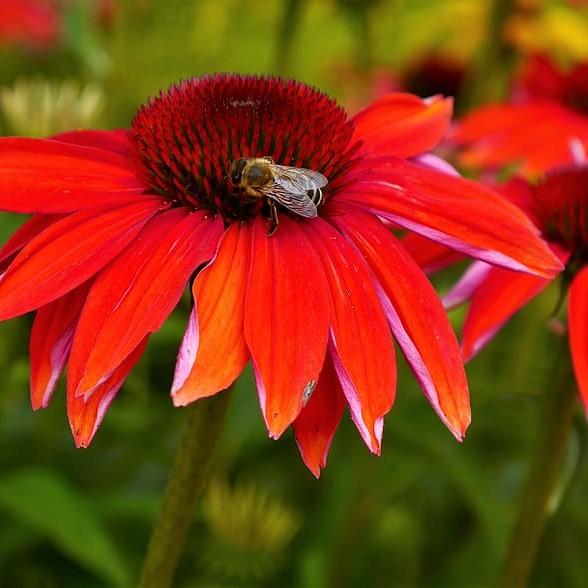
coneflower
Echinacea purpurea 'Balsomsed' SOMBRERO SALSA RED
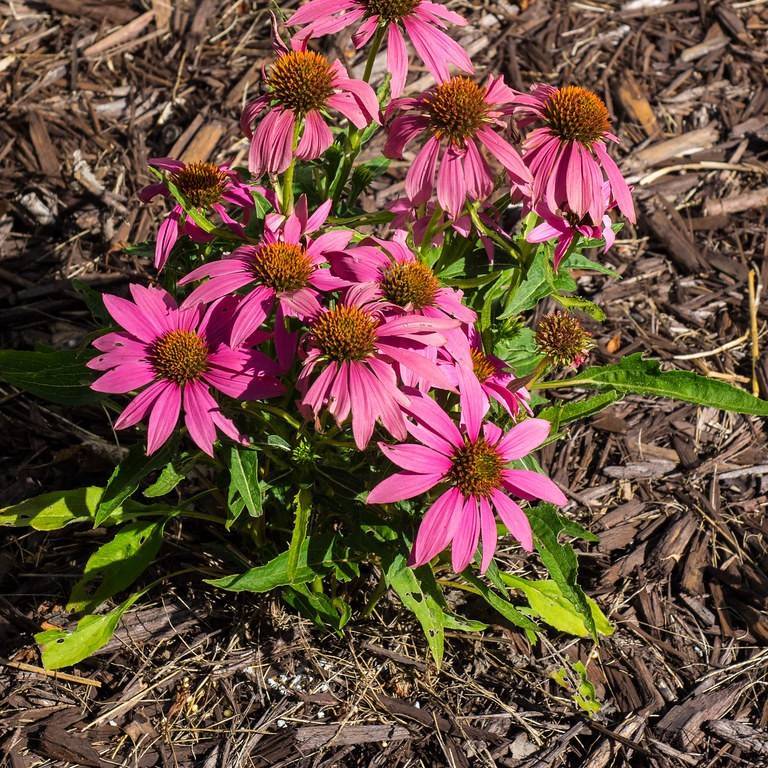
coneflower
Echinacea purpurea 'Pas702917' POWWOW WILD BERRY
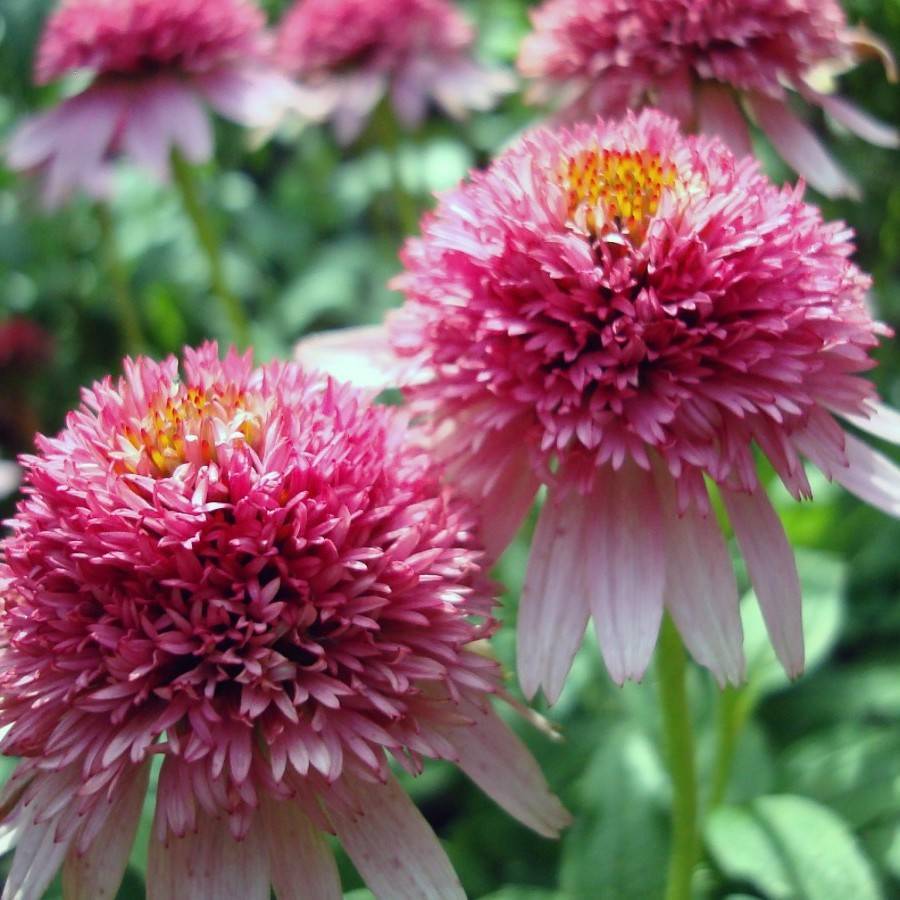
coneflower
Echinacea purpurea 'Pink Poodle'
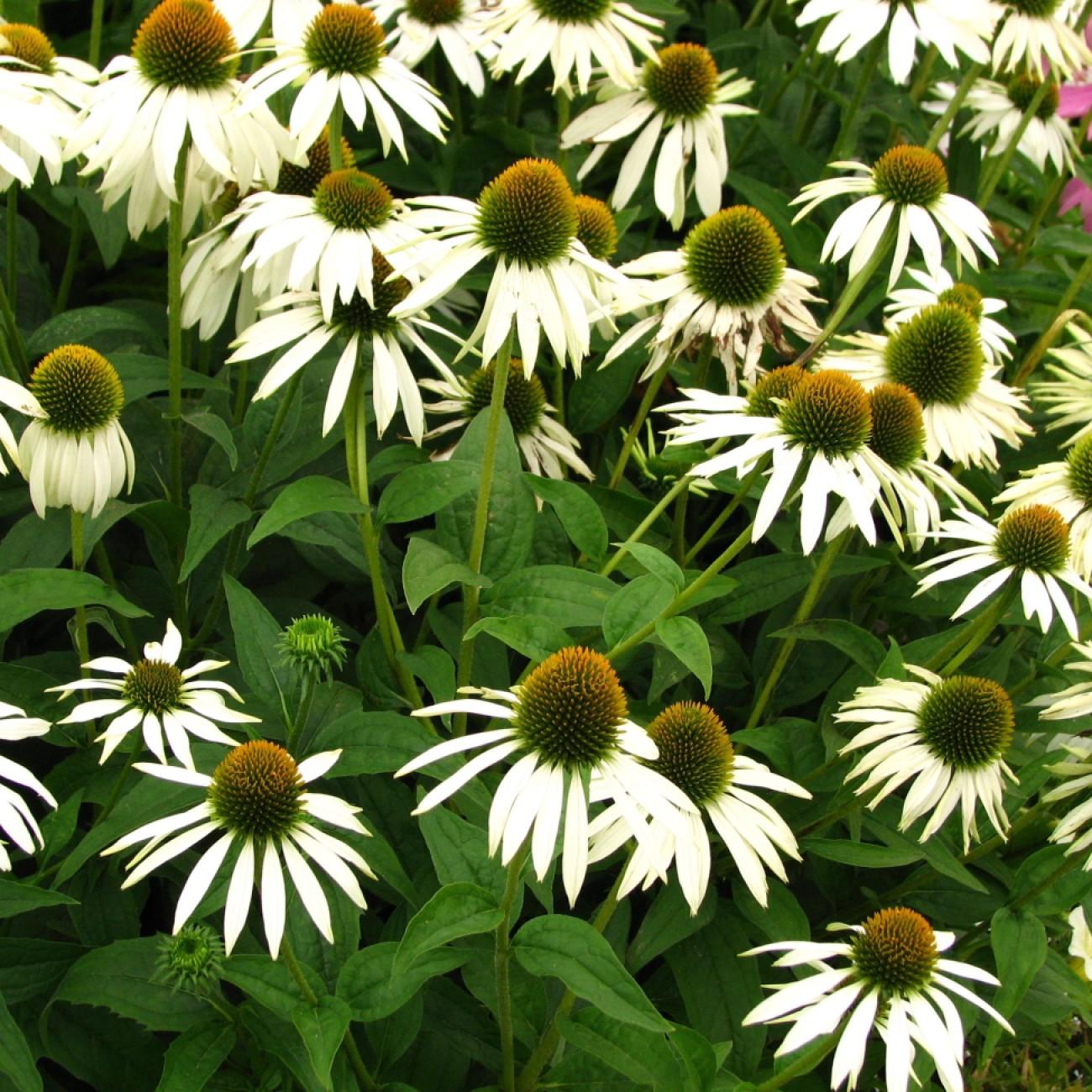
coneflower
Echinacea purpurea 'Primadonna White'
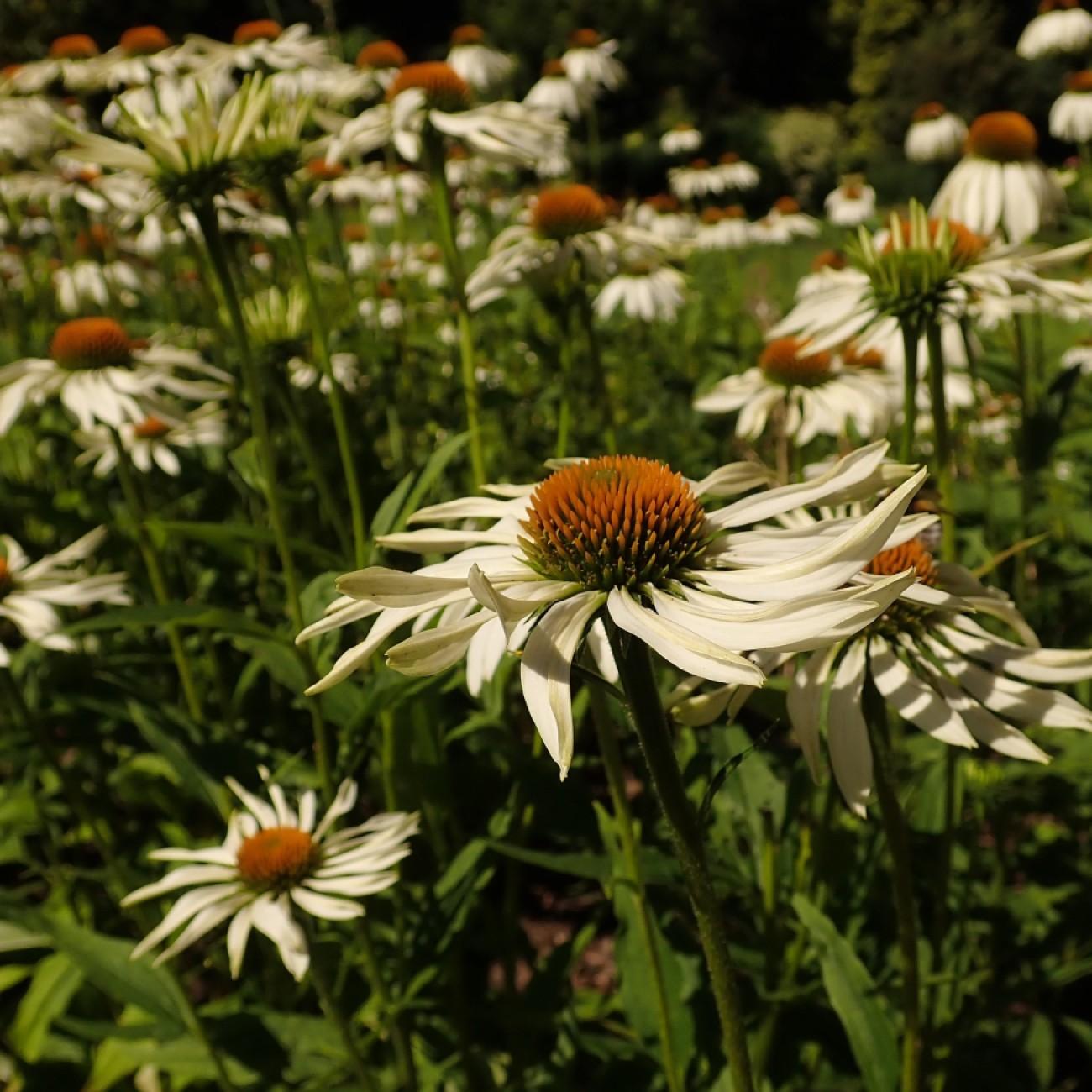
coneflower
Echinacea purpurea 'Purity'
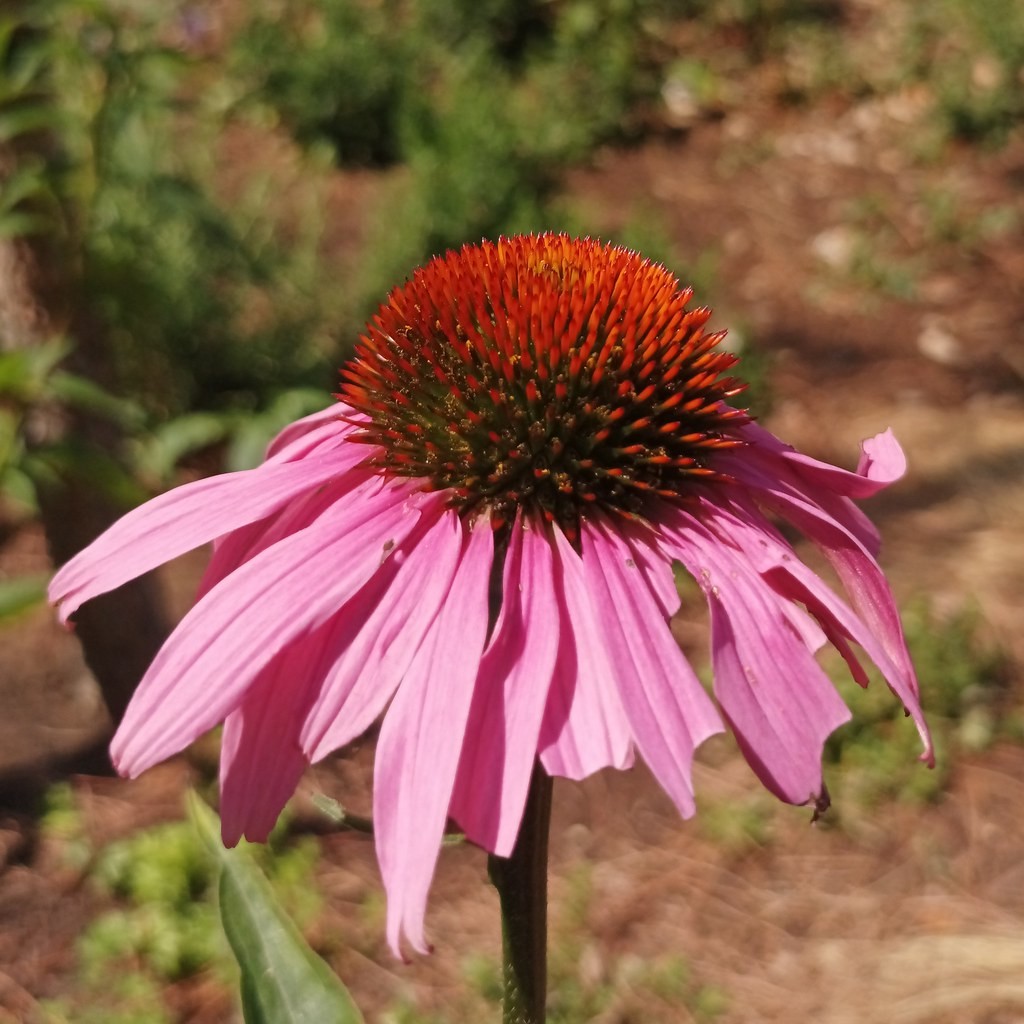
purple coneflower
Echinacea purpurea
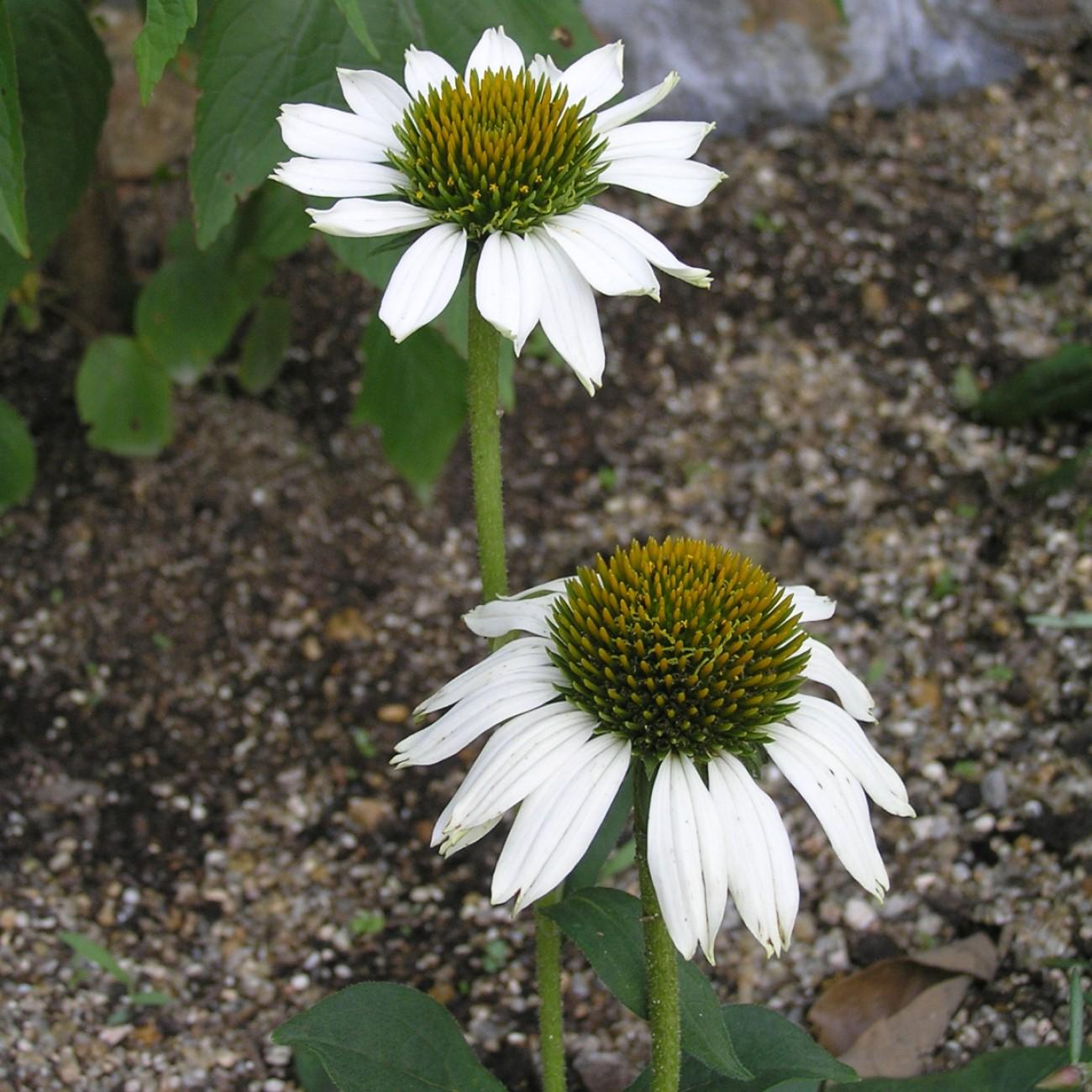
purple coneflower
Echinacea purpurea 'Amado'
purple coneflower
Echinacea purpurea 'Butterfly Kisses'