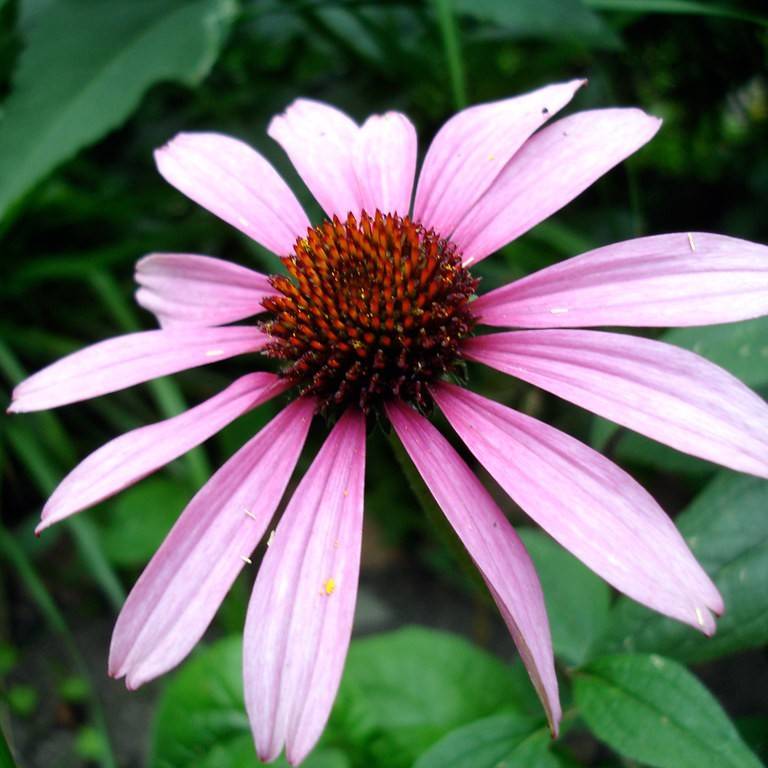
purple coneflower
Echinacea purpurea 'Magnus'
Overview
The Purple Coneflower (Echinacea purpurea 'Magnus') is a wonderful addition to any garden. Its drought-tolerant and easy to grow, sprouting quick and strong. The cheery purple petals coordinated with a golden cone in the center make a beautiful display. In addition, it has an amazing ability to attract butterflies and hummingbirds, filling the garden with lively activity. It is also known for its medicinal properties, as it is commonly used in herbal medicine. With a hardy constitution and a variety of uses, the Purple Coneflower is an absolute must for any garden enthusiast.
Care Guide
Watering
For optimal growth and health, purple coneflowers should be watered deeply and infrequently. Water them once or twice a week, depending on how hot and dry it is, providing 1 to 1.5 inches of water per session. Avoid overwatering as it can lead to root rot. In the summer months, these plants may need to be watered every 5 days or so in order to maintain moisture and avoid wilting. During the cooler months, reduce watering to once a week or even every 2 weeks. Water until the top several inches of soil are wet and allow the soil to dry out slightly before the next watering.
Light
Purple coneflower (Echinacea purpurea 'Magnus') should receive at least 4-5 hours of direct sunlight daily. In addition, it is best to provide some indirect light for the remaining hours of the day. Do your best to keep the plant in an area where it is not shaded or in direct sun all day long. If you can’t do that, find an area of indirect light where the plant will still get some bright sun, but not be in direct sun all day.
Soil
Sandy Loamy Clay Rocky
Temperature
Hardiness zone 3–8.
Pruning
Purple coneflower should be pruned once a year in late winter or early spring before they begin to grow anew. Pruning should involve removing any old or damaged stems and trimming the plant back by 1-third of its height. Any flower heads should be left alone as these will provide energy and food for the plant during the growing season. To ensure an abundant flowering display deadheading can be done regularly throughout the summer.
Propagation
Seed Propagation
Uses & Symbolism
Attracts: Birds, Butterflies.
Diseases & Pests
Common pests: Leaf miner insect, Pest resistant, Disease resistant, Drought resistant .
Related plants
Other plants you might like if you grow purple coneflower.
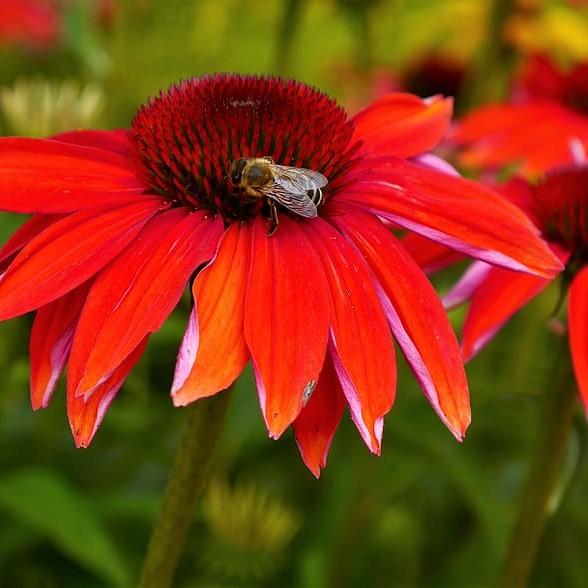
coneflower
Echinacea purpurea 'Balsomsed' SOMBRERO SALSA RED
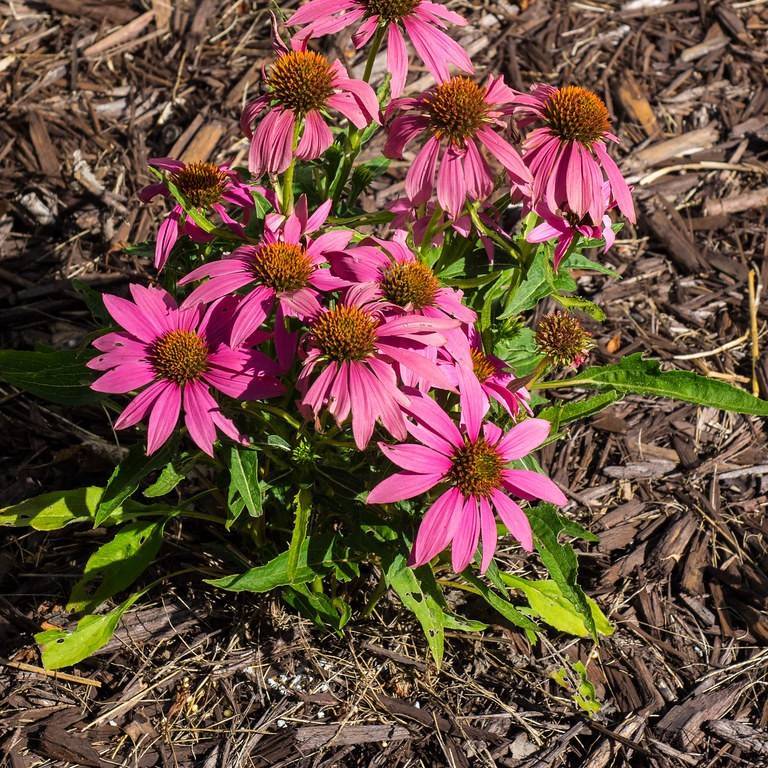
coneflower
Echinacea purpurea 'Pas702917' POWWOW WILD BERRY
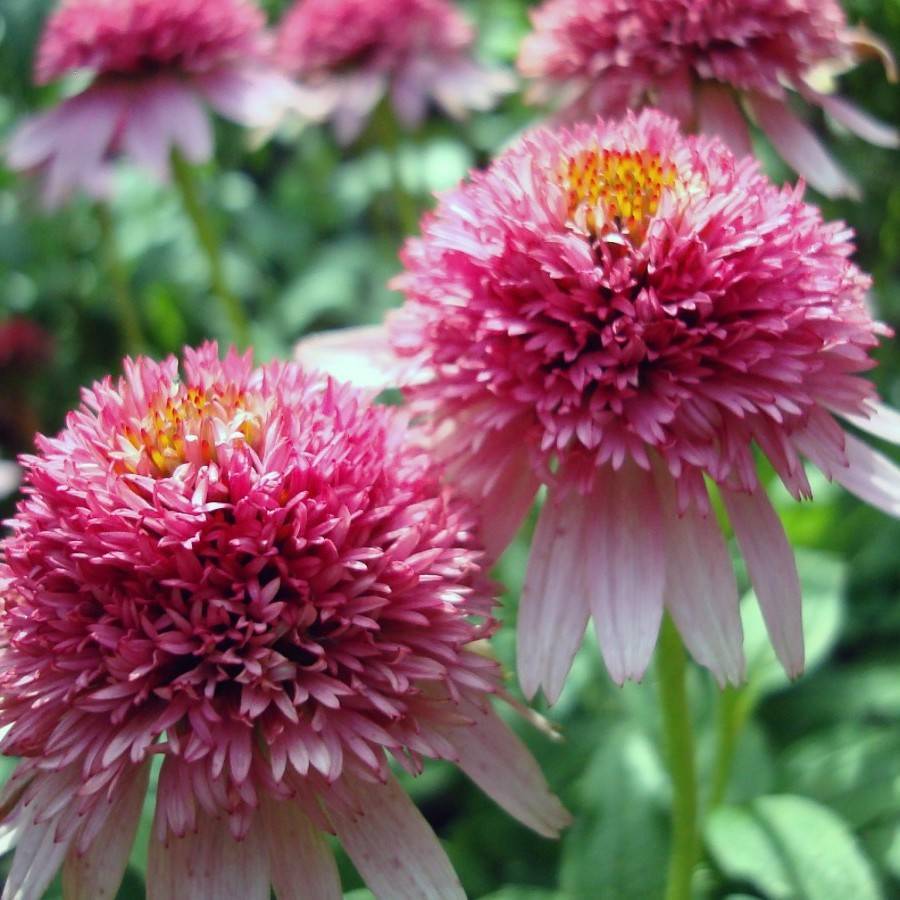
coneflower
Echinacea purpurea 'Pink Poodle'
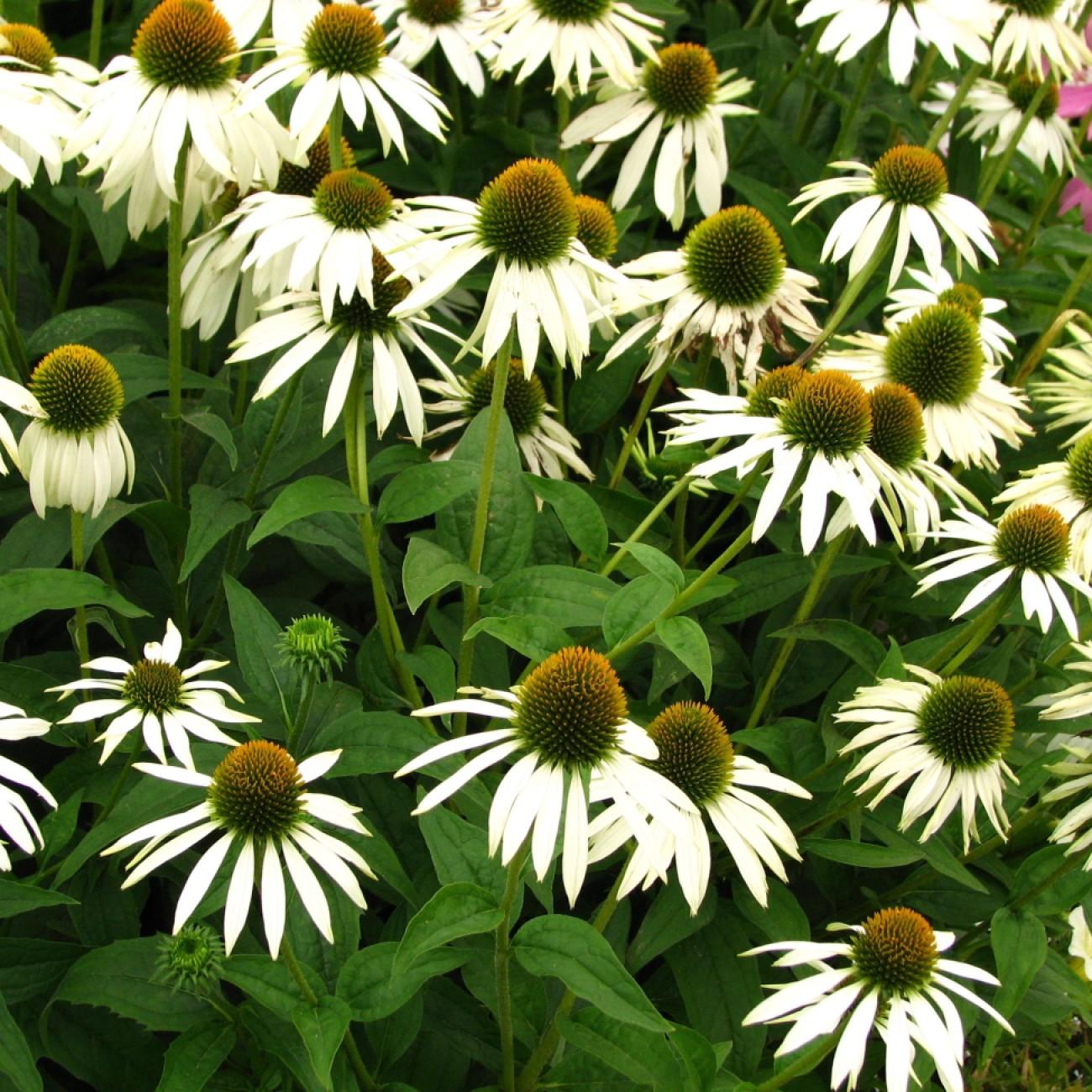
coneflower
Echinacea purpurea 'Primadonna White'
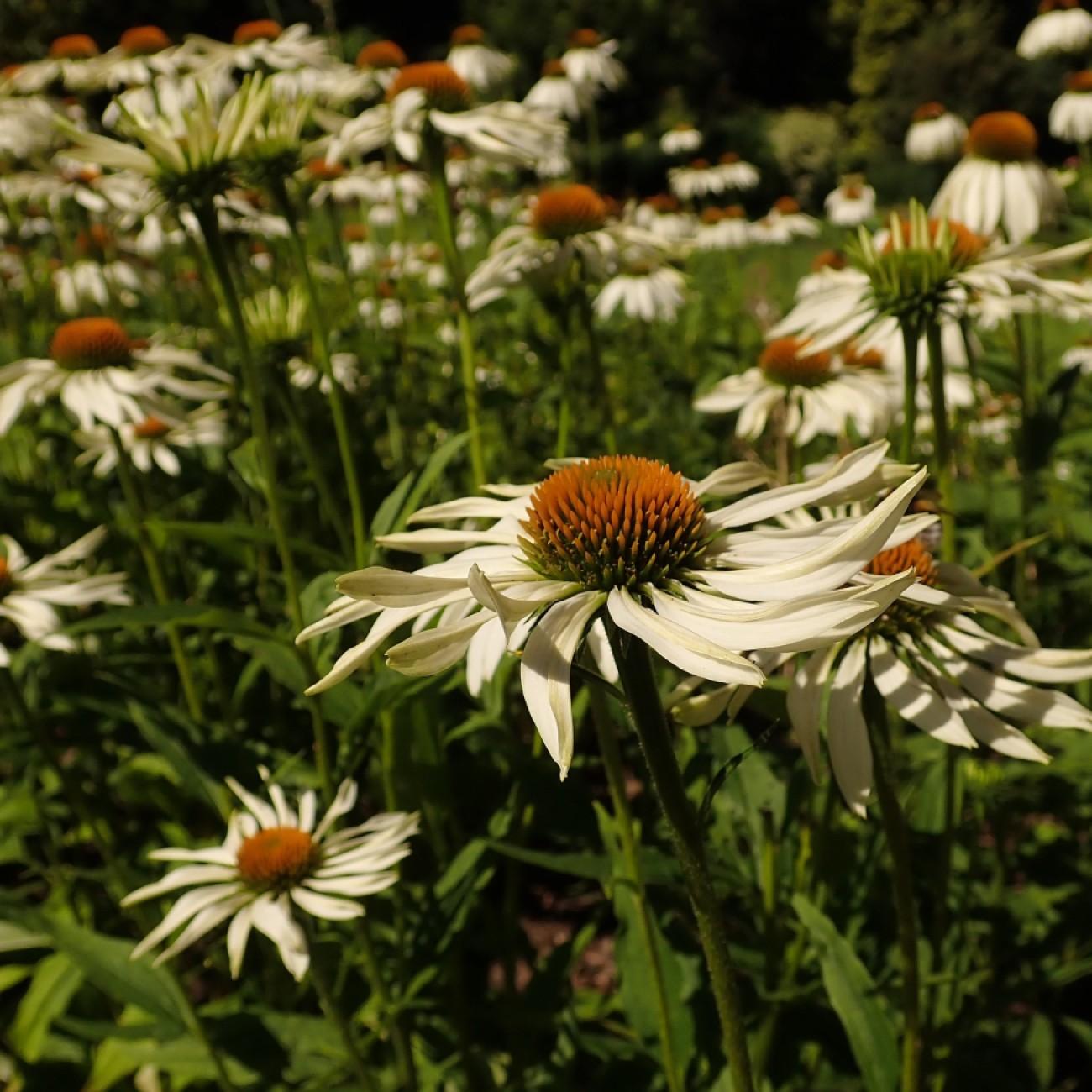
coneflower
Echinacea purpurea 'Purity'
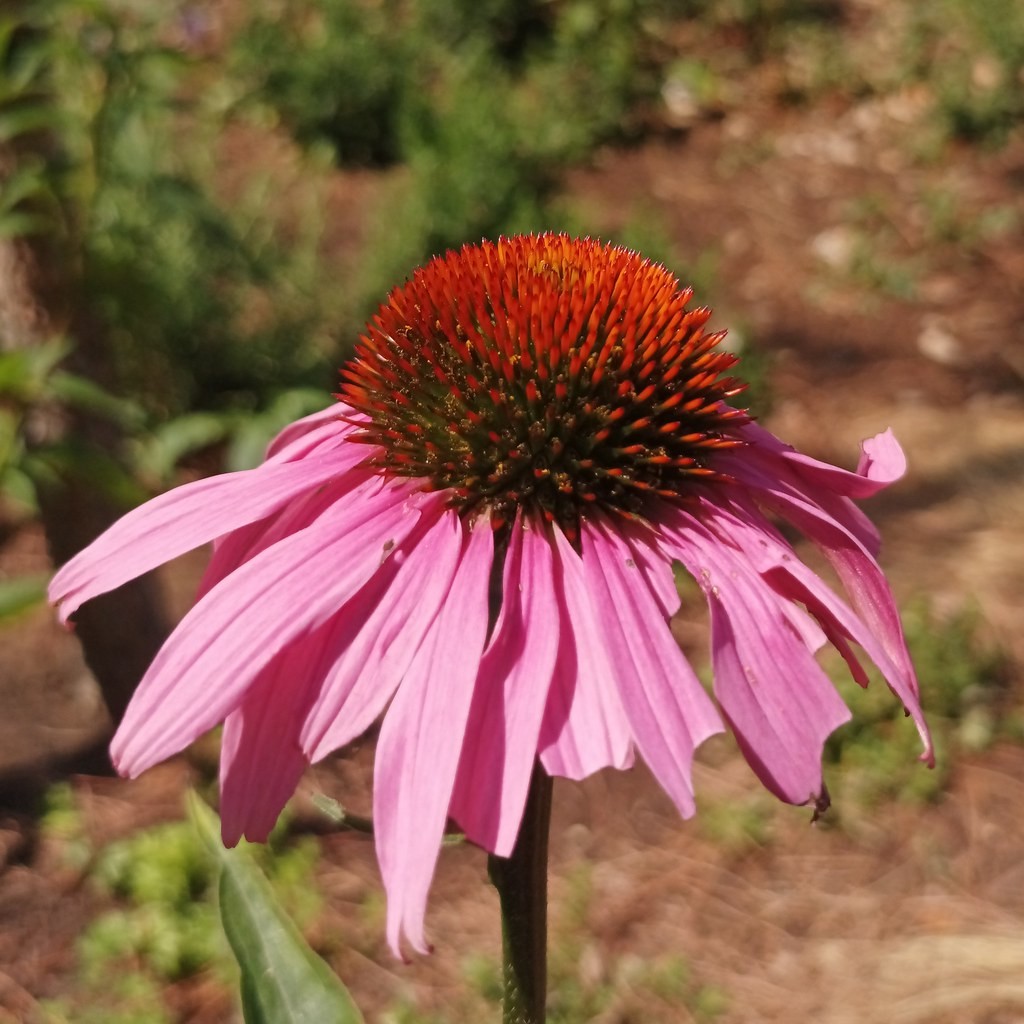
purple coneflower
Echinacea purpurea
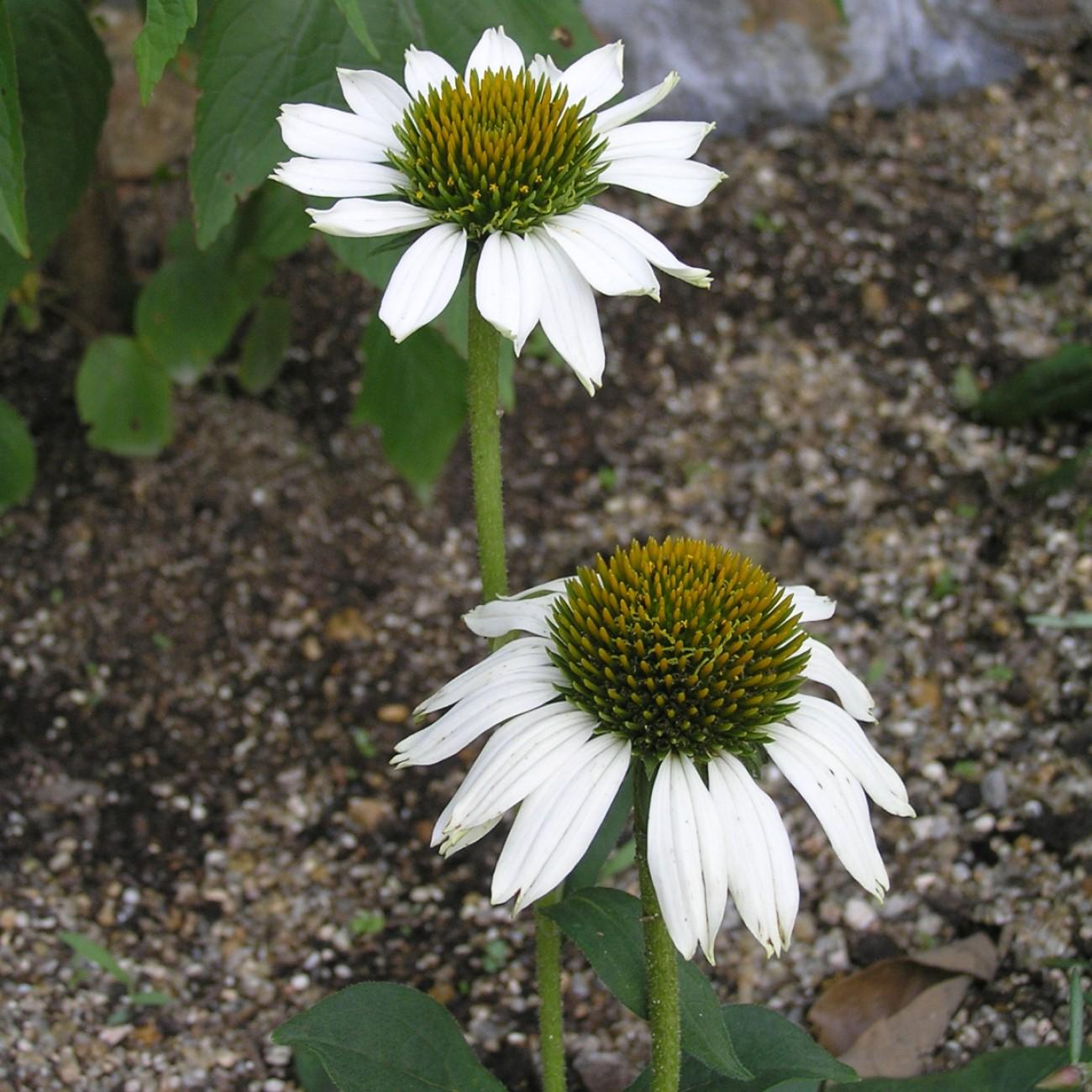
purple coneflower
Echinacea purpurea 'Amado'
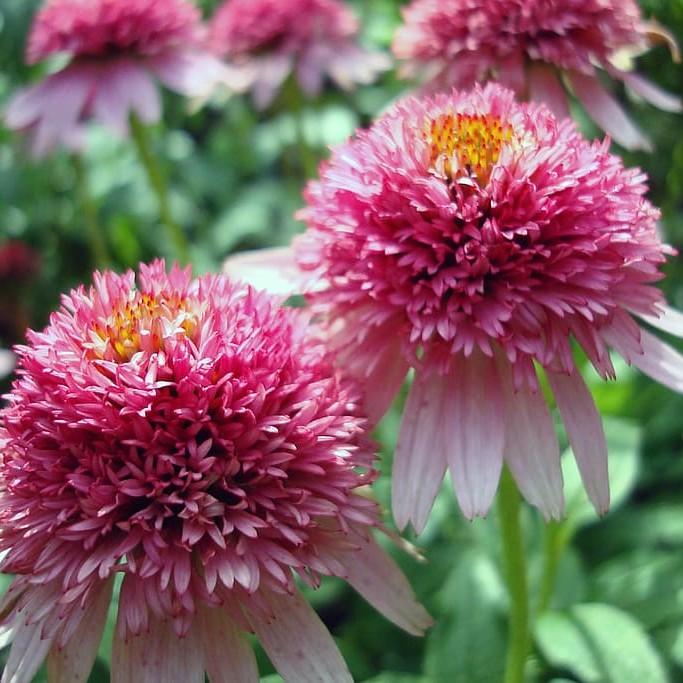
purple coneflower
Echinacea purpurea 'Butterfly Kisses'