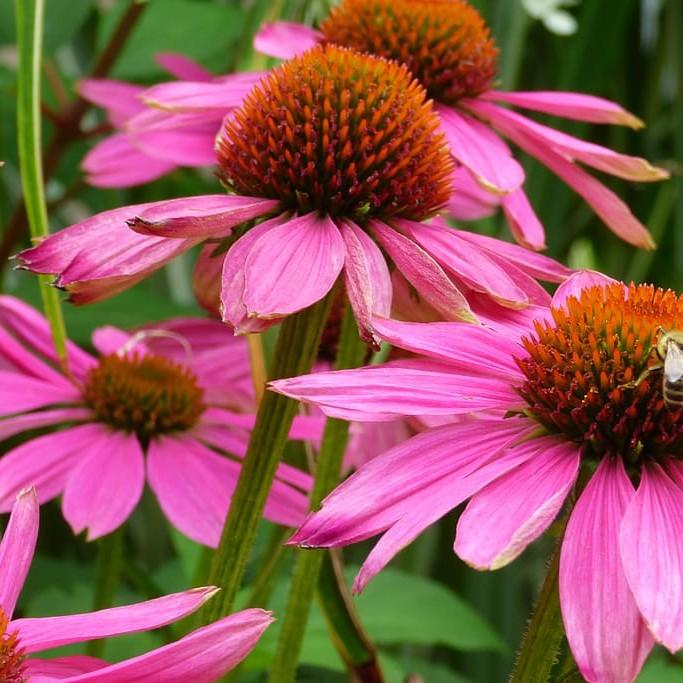
purple coneflower
Echinacea purpurea 'Magnus Superior'
Overview
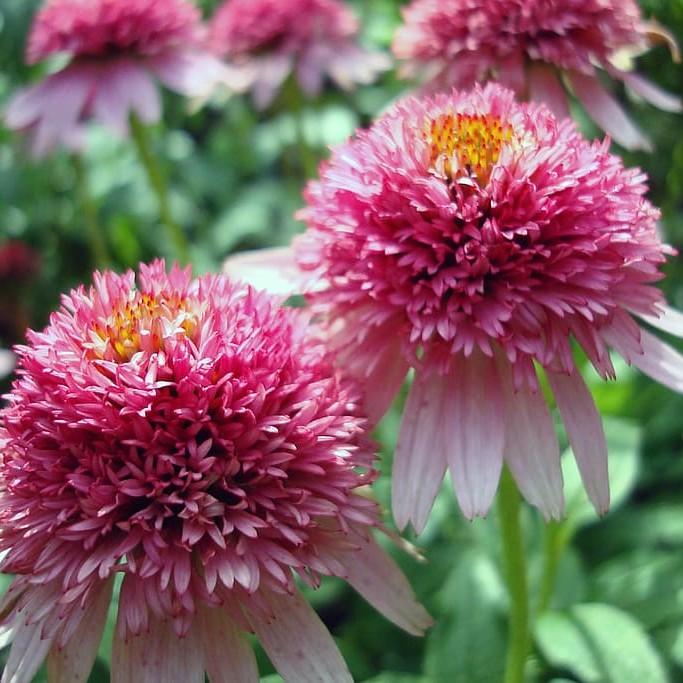
The purple coneflower (Echinacea purpurea 'Magnus Superior') is a beautiful and astonishing plant species. It has multiple stems and unique bright petal-tufts that have a captivating dark- to-light-purple hue and impressive cone shapes in the center. It is a perennial that blooms profusely and the striking vibrant blooms contrast nicely with the deep green foliage. This majestic flowering plant will surely stand out in any garden and require little maintenance. This species is also known for its medicinal uses that can respond to various skin inflammations and infections. This purple coneflower is truly an amazing addition to one's garden.
Care Guide
Watering
Purple coneflower (Echinacea purpurea 'Magnus Superior') should be watered when the top 1-2" of soil is dry. A deep, thorough watering every 7-10 days during the summer season is usually enough to maintain adequate moisture. During the summer months, it helps to provide a supplemental deep watering once per week if the weather is unusually hot and dry. During the winter months, water only when the soil is totally dry. Make sure not to overwater as the plant may become prone to fungal diseases.
Light
Purple coneflower (Echinacea purpurea 'Magnus Superior') should receive at least 6 to 8 hours of direct sunlight per day during the growing season. This plant typically blooms during the late summer and fall, and it can tolerate some light shade during the peak of the summer. This species thrives in full sun, so providing it with enough sunlight will help to ensure your plant's success.
Soil
Sandy Loamy Clay Rocky
Temperature
Hardiness zone 3–8.
Pruning
Purple coneflower (Echinacea purpurea 'Magnus Superior') should be pruned back once the flowering season ends. Pruning should reduce the plant height by 1-third, removing shoots just above a healthy bud or node. When pruning, leave at least 1-third of the plant's growth intact. Additionally, deadhead blooms after they have finished blooming. This will encourage the plant to produce more blooms and should be done on a regular basis throughout the flowering season. Finally, generally speaking, the plant should be pruned in the late winter or early spring in preparation for the next season’s growth.
Propagation
Seed Propagation
Uses & Symbolism
Attracts: Birds, Butterflies.
Diseases & Pests
Common pests: Leaf miner insect, Pest resistant, Disease resistant, Drought resistant .
Related plants
Other plants you might like if you grow purple coneflower.
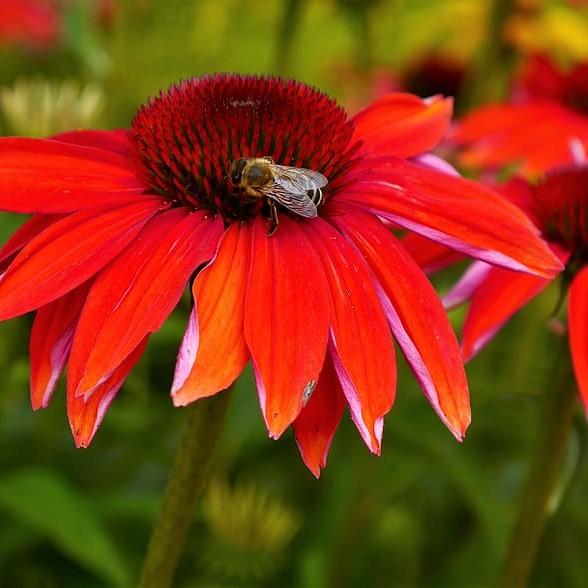
coneflower
Echinacea purpurea 'Balsomsed' SOMBRERO SALSA RED
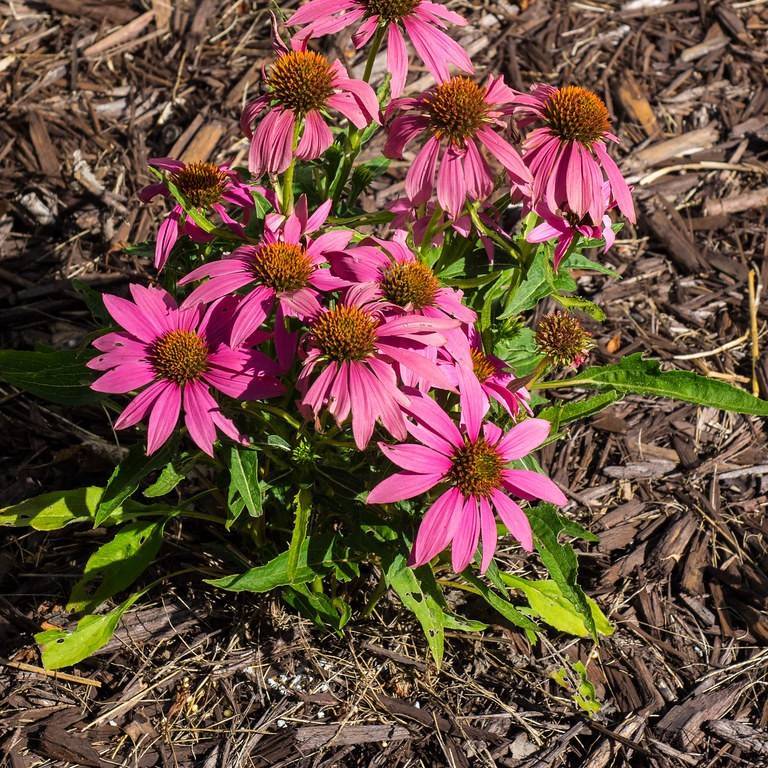
coneflower
Echinacea purpurea 'Pas702917' POWWOW WILD BERRY
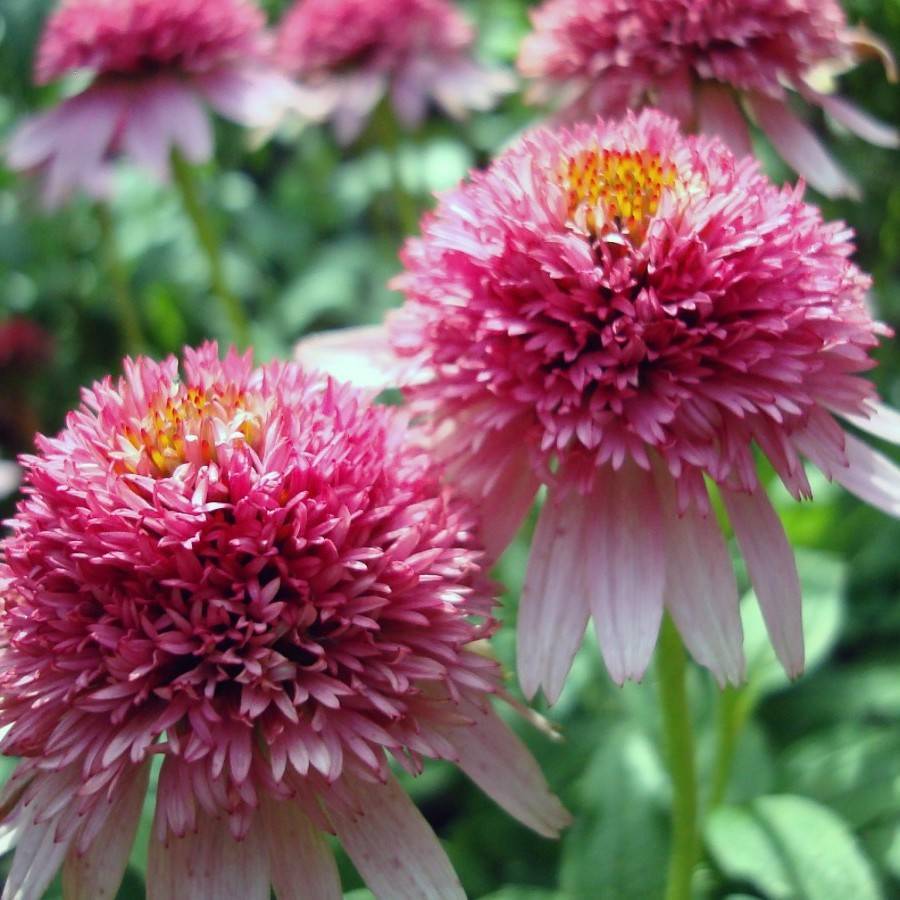
coneflower
Echinacea purpurea 'Pink Poodle'
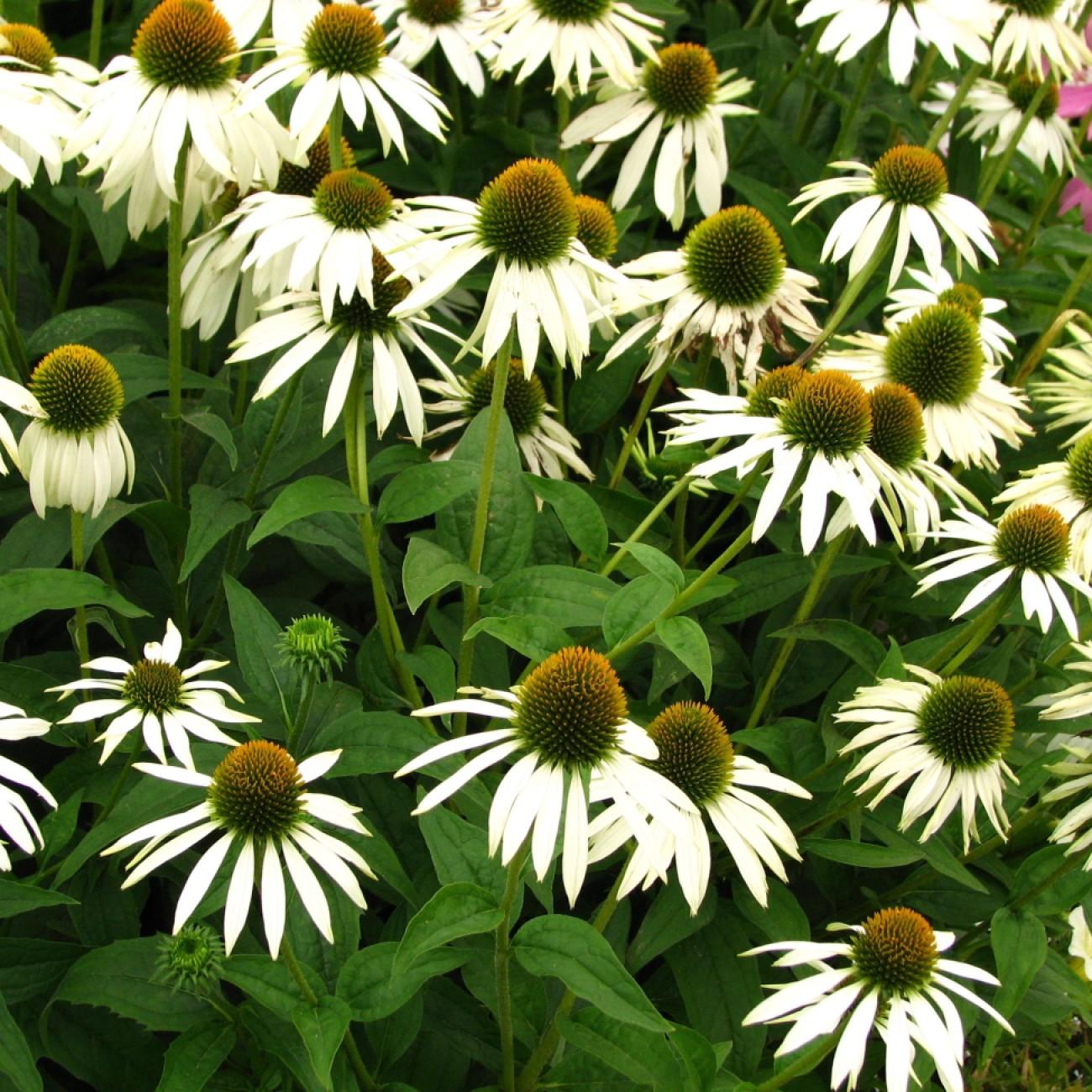
coneflower
Echinacea purpurea 'Primadonna White'
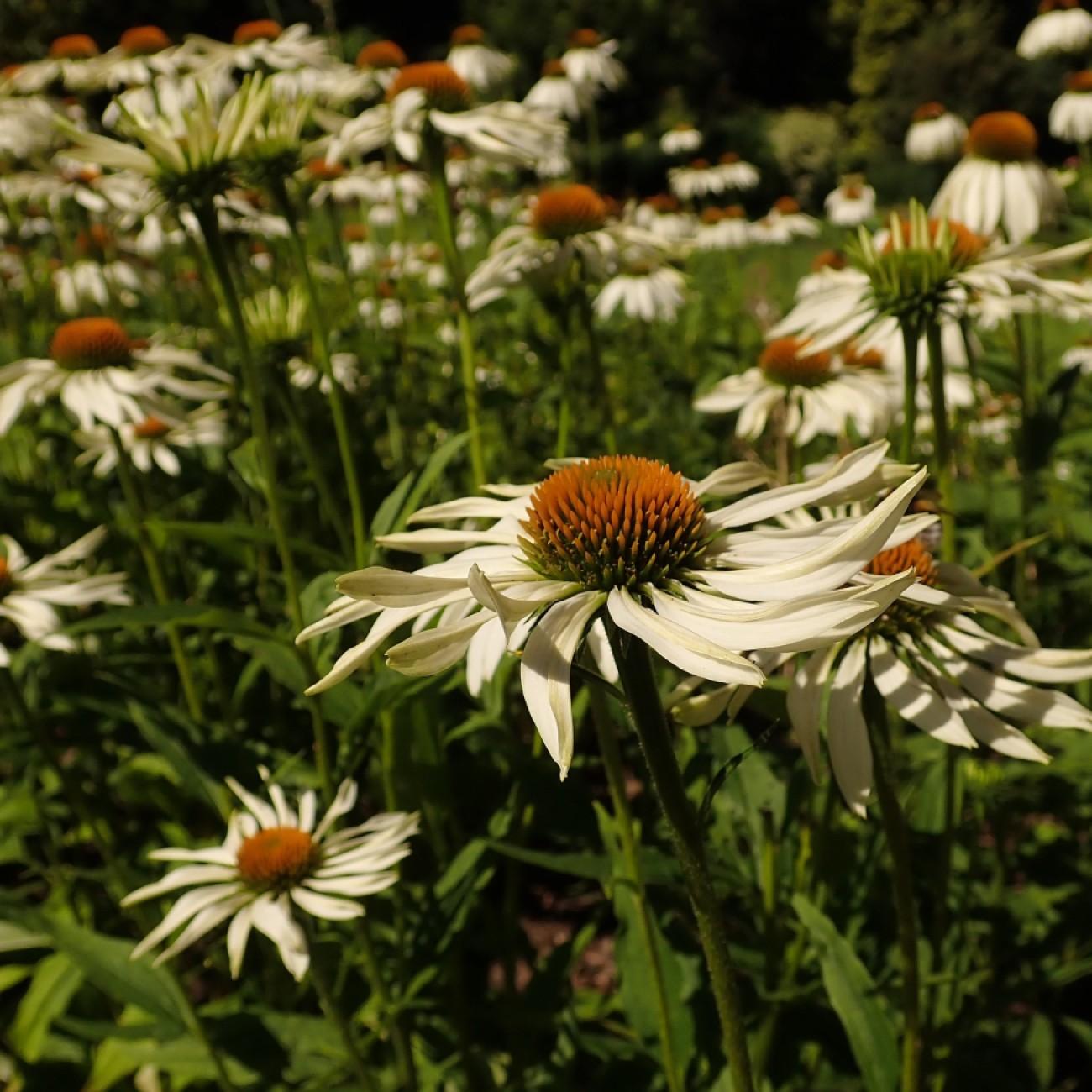
coneflower
Echinacea purpurea 'Purity'
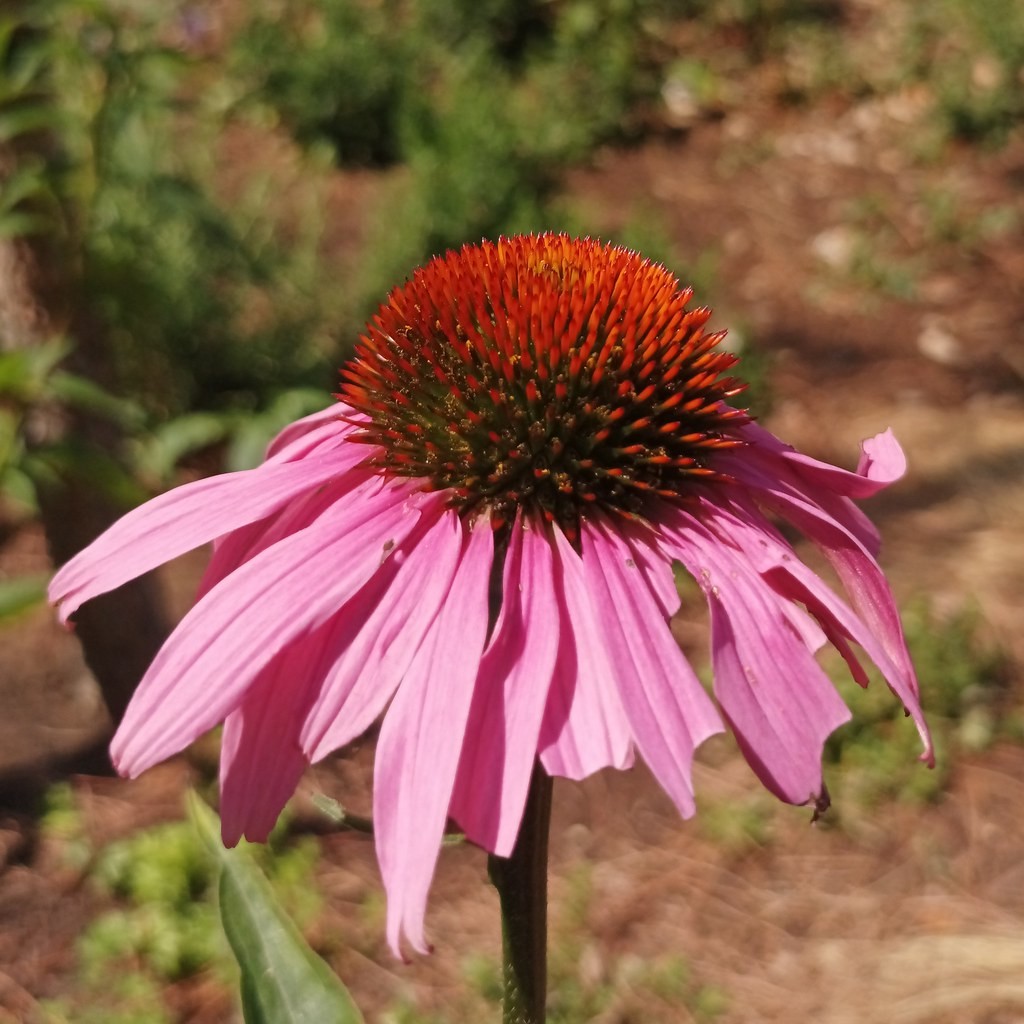
purple coneflower
Echinacea purpurea
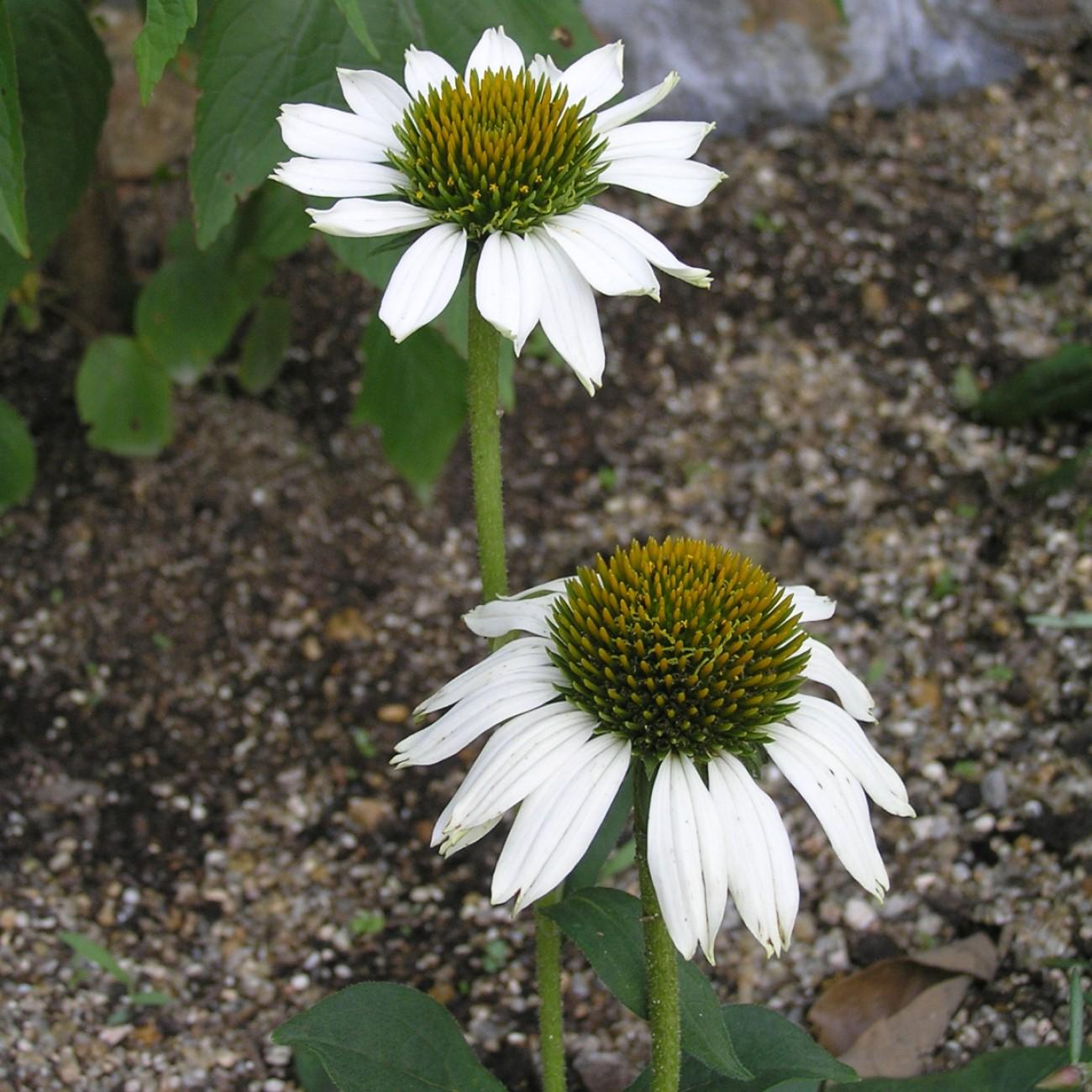
purple coneflower
Echinacea purpurea 'Amado'
purple coneflower
Echinacea purpurea 'Butterfly Kisses'