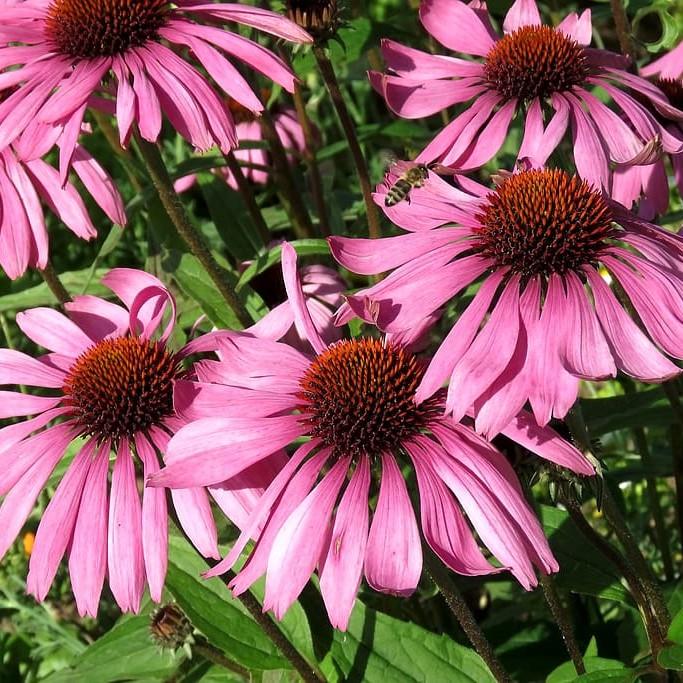
purple coneflower
Echinacea purpurea 'Merlot'
Overview
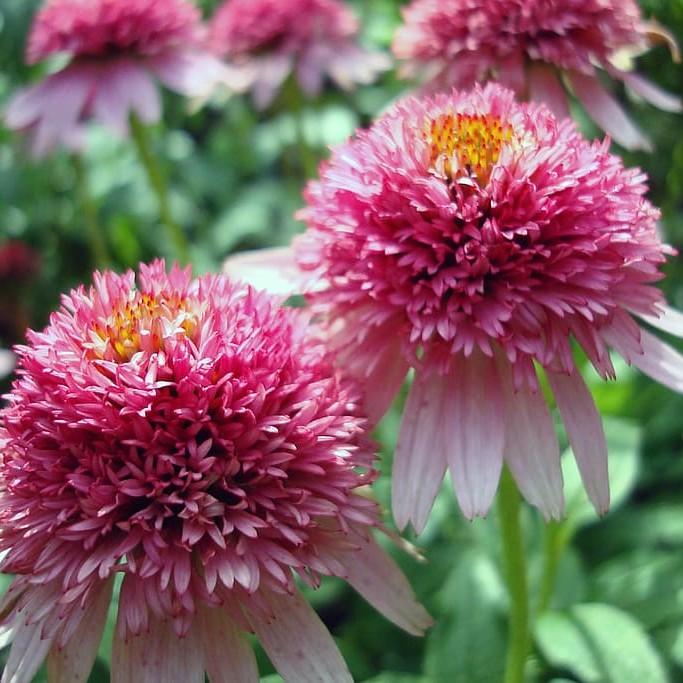
The purple coneflower (Echinacea purpurea 'Merlot') is a truly amazing plant! It's deep purple petals make it a real showstopper in any garden. It's incredibly hardy and resilient, and it's been proven to be effective in fighting off bacteria and viruses to help boost immunity. As it's a long-flowering perennial, it blooms in the summer and fall, bringing a burst of color and life to any flower bed or outdoor area. Its leaves and petals are also edible, adding a lovely hint of sweetness when served. Whether used for medicinal purposes, planted in a garden, or added to a delicious meal, the purple coneflower is an amazing plant that deserves to be celebrated!
Care Guide
Watering
Water Purple coneflower when the top 1-2 inches of soil is dry. Water at the base of the plant, not the foliage, to keep them healthy. Water deeply and thoroughly, to a depth of 6-8 inches, to supply water directly to the root zone. It is recommended to water on a weekly basis, but plants may need to be watered more often during periods without sufficient rainfall.
Light
Purple coneflower (Echinacea purpurea 'Merlot') requires full sun, which means it needs at least 6 hours of direct sunlight each day for optimal growth and flowering. To ensure proper growth, it should be planted in an area that receives full sun for most of the day. In areas with high heat, it can handle partial afternoon shade to prevent wilting or scorching. When first planted, it should have some shade until it has become established. During the summer, the plant can tolerate temperatures as high as 95°F with good soil drainage.
Soil
Sandy Loamy Clay Rocky
Temperature
Hardiness zone 3–8.
Pruning
Purple coneflower (Echinacea purpurea ‘Merlot’) requires pruning both in the spring and at the end of the growing season. In the spring, deadheaded flowers can be removed with scissors or a pruner to improve the bloom. Deadheaded flowers will keep the plant looking neat and promote a longer flowering season. At the end of the season, in the late fall or early winter, the plant should be cut down to 2-thirds of its height to shape it and allow for air circulation. This also decreases the chances of winterkill due to fungal disease that can occur when heavy snowfall is followed by warm temperatures. Beware to not prune purple cone flower too much; it can be damaged by over-pruning. Enjoy your beautiful purple coneflower!
Propagation
Seed Propagation
Uses & Symbolism
Attracts: Birds, Butterflies.
Diseases & Pests
Common pests: Leaf miner insect, Pest resistant, Disease resistant, Drought resistant .
Related plants
Other plants you might like if you grow purple coneflower.
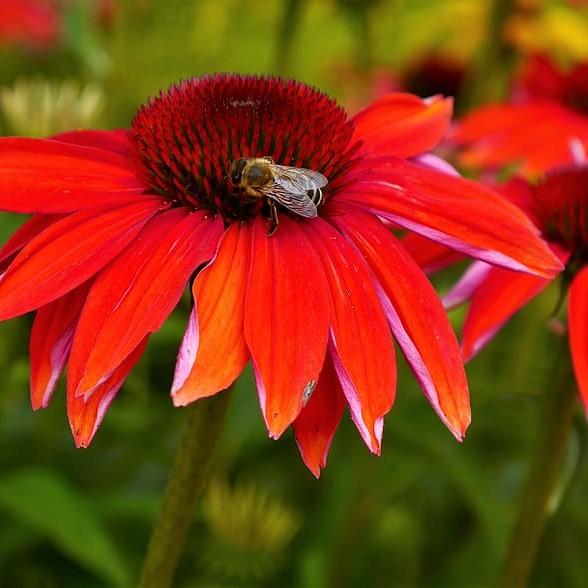
coneflower
Echinacea purpurea 'Balsomsed' SOMBRERO SALSA RED
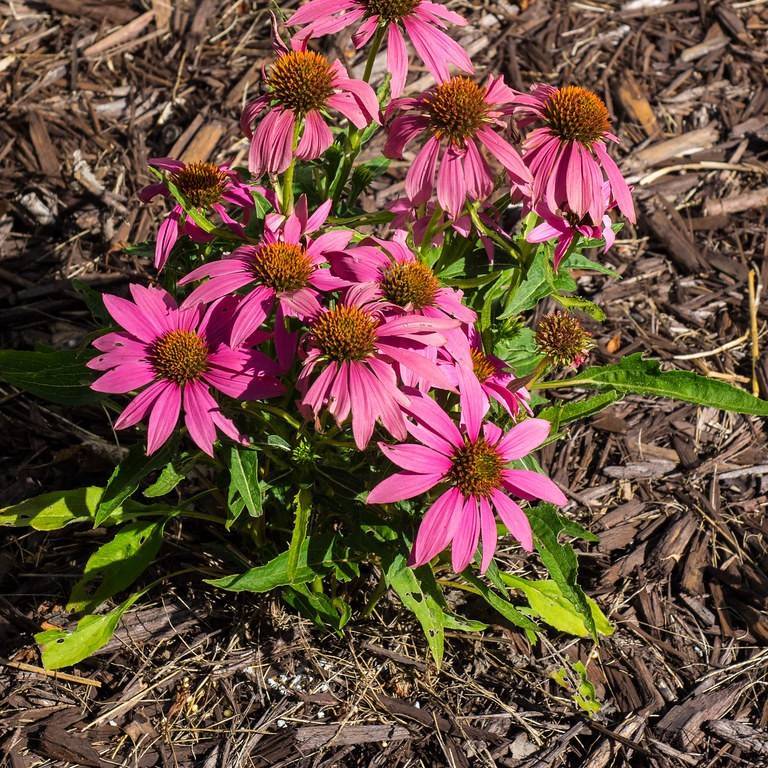
coneflower
Echinacea purpurea 'Pas702917' POWWOW WILD BERRY
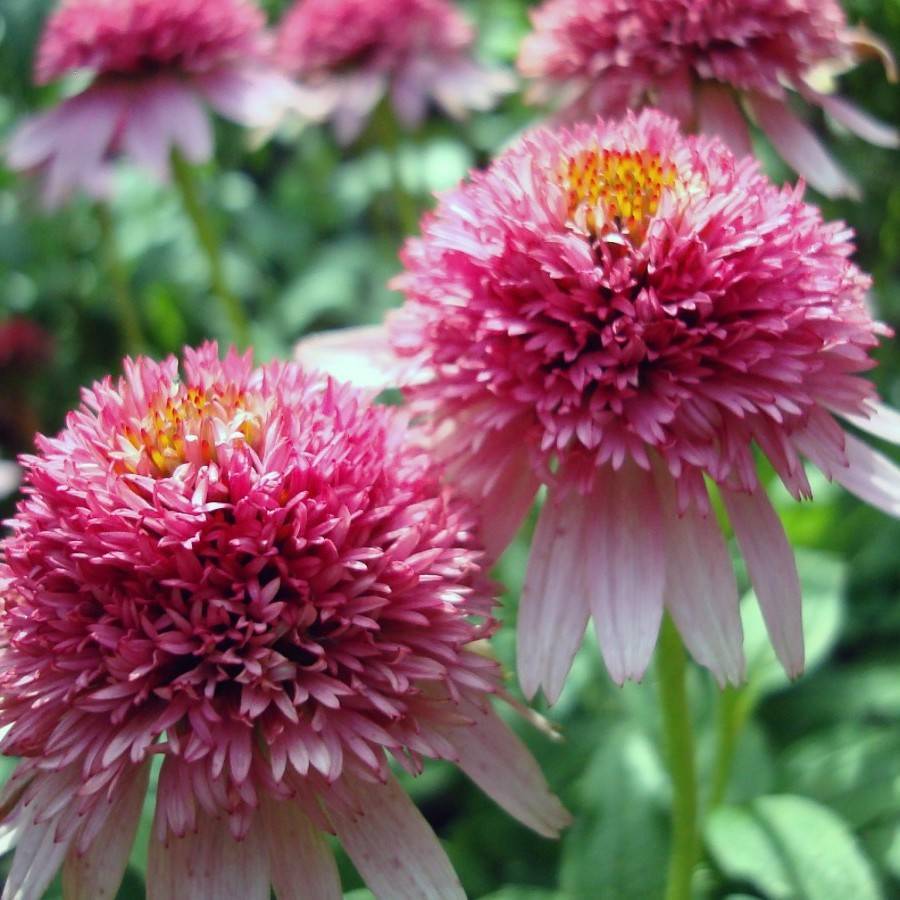
coneflower
Echinacea purpurea 'Pink Poodle'
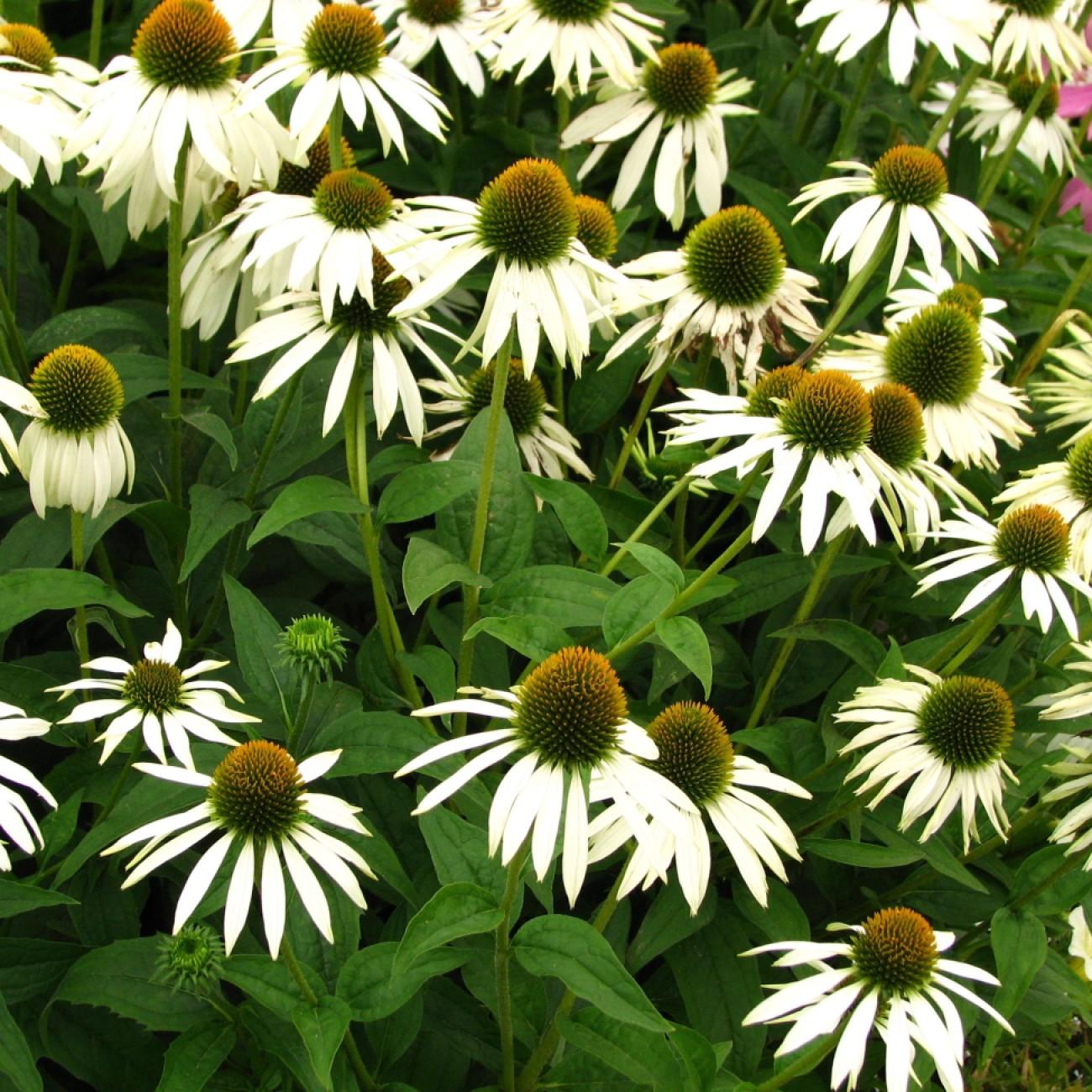
coneflower
Echinacea purpurea 'Primadonna White'
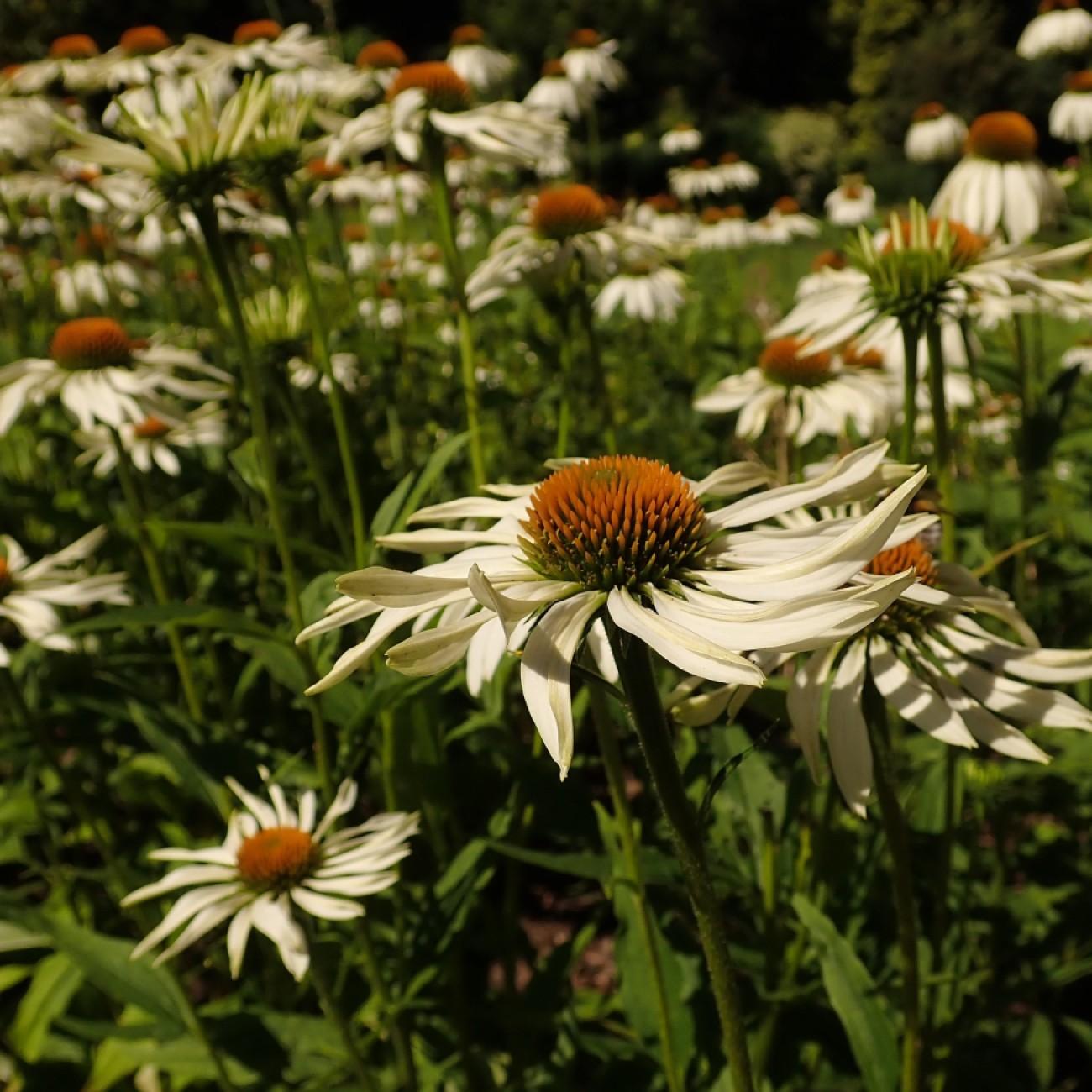
coneflower
Echinacea purpurea 'Purity'
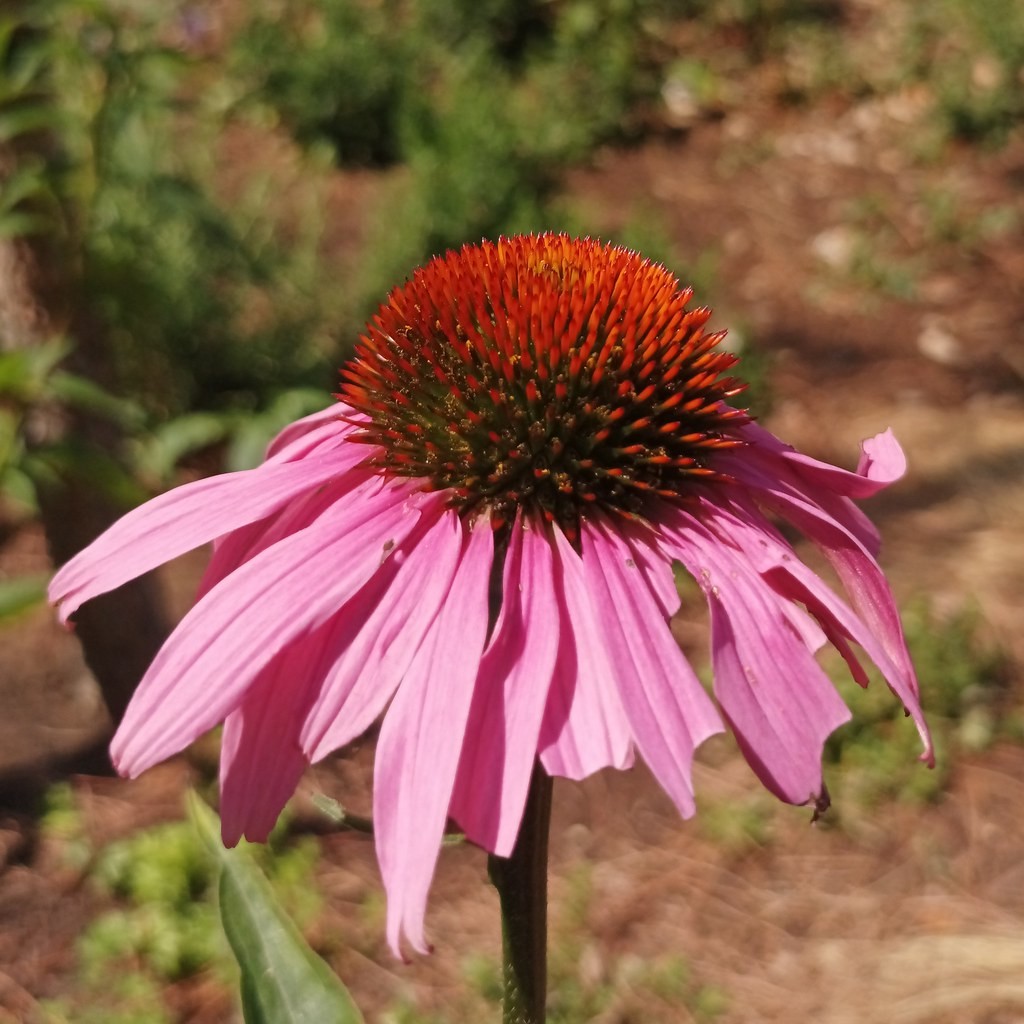
purple coneflower
Echinacea purpurea
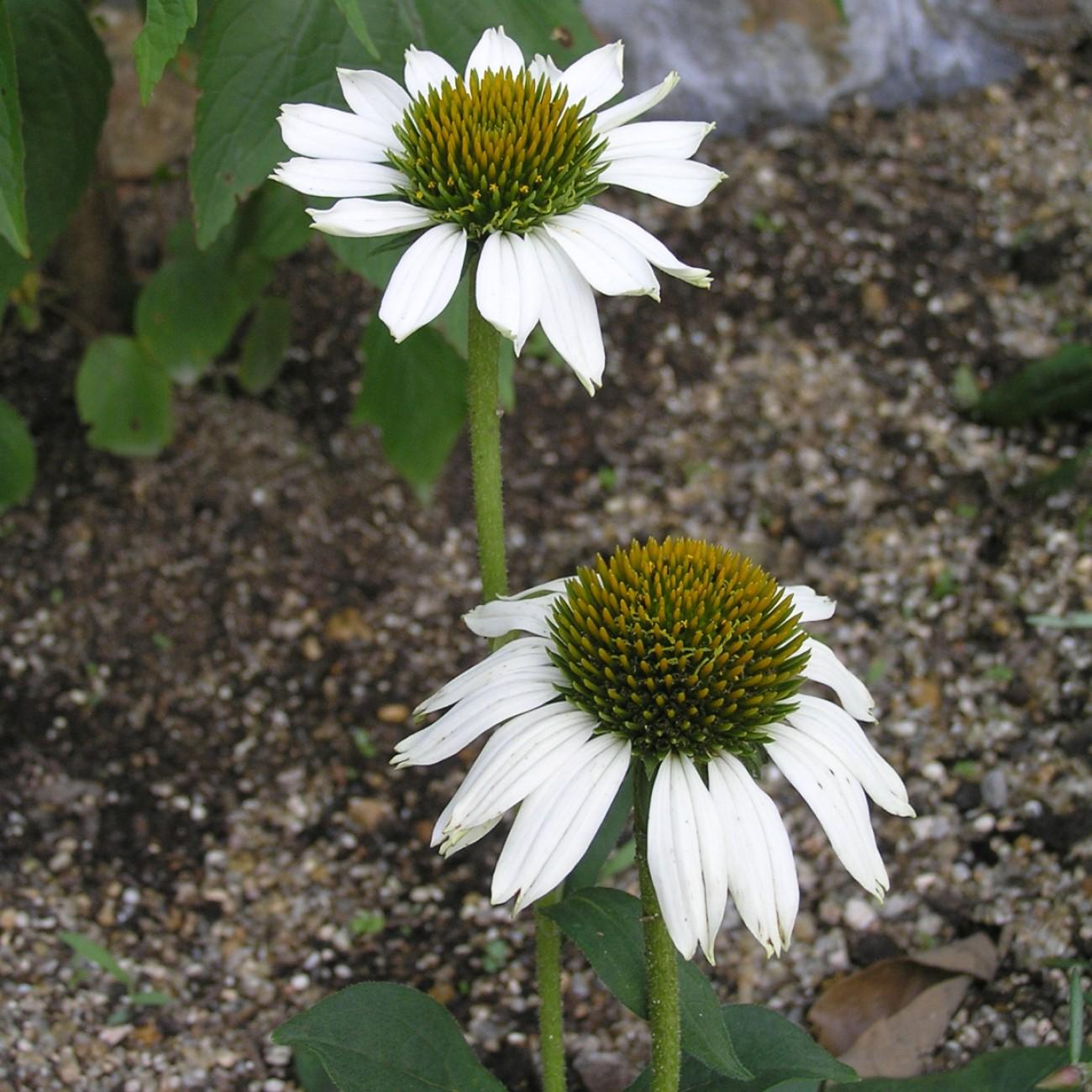
purple coneflower
Echinacea purpurea 'Amado'
purple coneflower
Echinacea purpurea 'Butterfly Kisses'