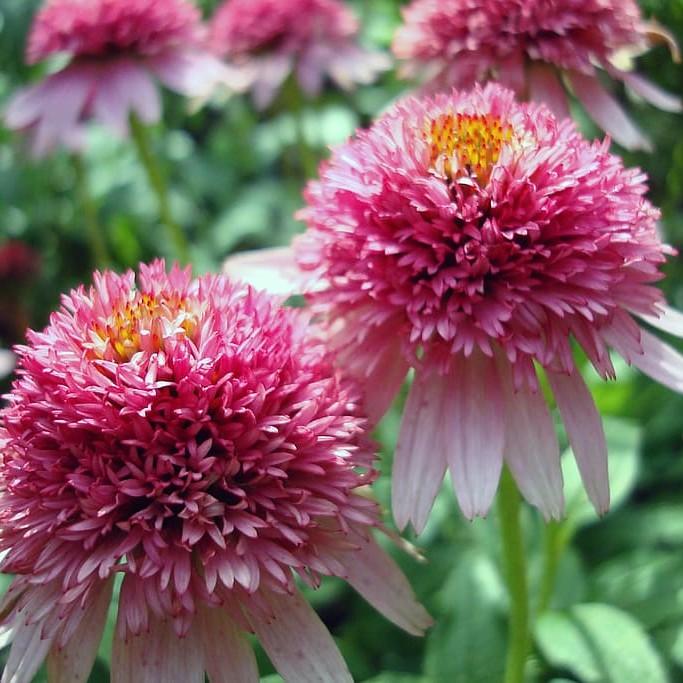
purple coneflower
Echinacea purpurea 'Raspberry Truffle'
Overview
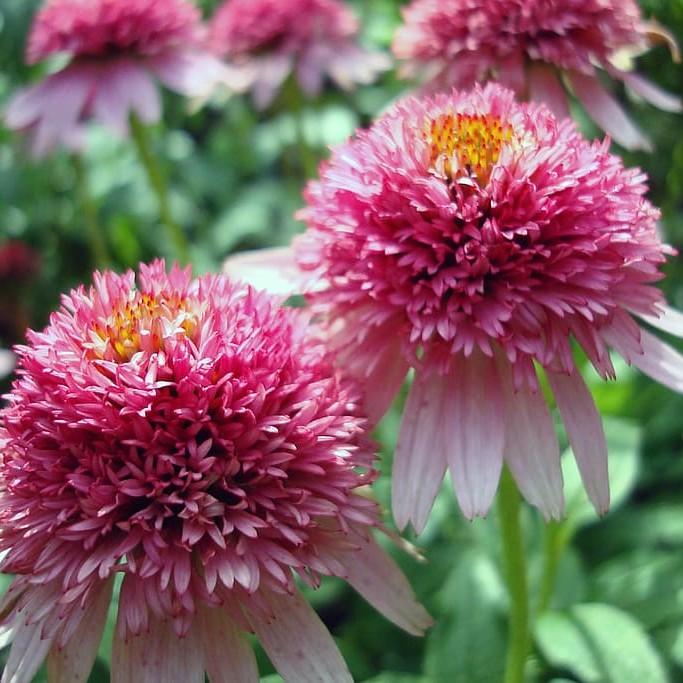
The purple coneflower (Echinacea purpurea "Raspberry Truffle") is a stunning variety of perennial wildflower that produces dense cone-shaped heads of daisy-like flowers through the summer and early autumn. Its deep raspberry-red petals and bronze, spiny center cone are highlighted by striking, silvery leaves. This stunning flower attracts a variety of pollinators, such as bees and butterflies, with its sweet-smelling nectar. This hardy plant is drought-resistant, making it an ideal choice for xeriscaping. It's easy to care for and will add a burst of color and life to any garden!
Care Guide
Watering
The purple coneflower should be watered deeply but infrequently, about once a week. Depending on the environmental conditions, you may need to give it more or less water. Aim to keep the soil moist but not water logged. Allow the top of the soil to dry out between each watering. Depending on the season, the frequency of watering may need to be adjusted.
Light
Purple coneflower needs full sun for at least 6 hours a day. To ensure the plant gets an adequate amount of light, it should be planted in a spot that faces south or east. In areas with hot summer temperatures, afternoon shade is beneficial. Purple coneflower will benefit from at least 5 to 6 hours of direct sunlight each day.
Soil
Sandy Loamy Clay Rocky
Temperature
Hardiness zone 3–8.
Pruning
Purple Coneflower (Echinacea purpurea 'Raspberry Truffle') should be pruned in late winter or early spring (just before new growth appears). Pruning should include both deadheading (removing spent flower heads) and light shaping of the plant. Deadheading should be done regularly throughout the bloom cycle to ensure that the plant continues to produce new flowers. When shaping the plant, only a few inches of the plant should be removed at a time, taking the longest stems first. This will help to maintain the plant's natural shape and size and reduce excessive pruning. It is also good to remove any weak or dead stems, to help maintain health and vigor.
Propagation
Seed Propagation
Uses & Symbolism
Attracts: Birds, Butterflies.
Diseases & Pests
Common pests: Leaf miner insect, Pest resistant, Disease resistant, Drought resistant .
Related plants
Other plants you might like if you grow purple coneflower.
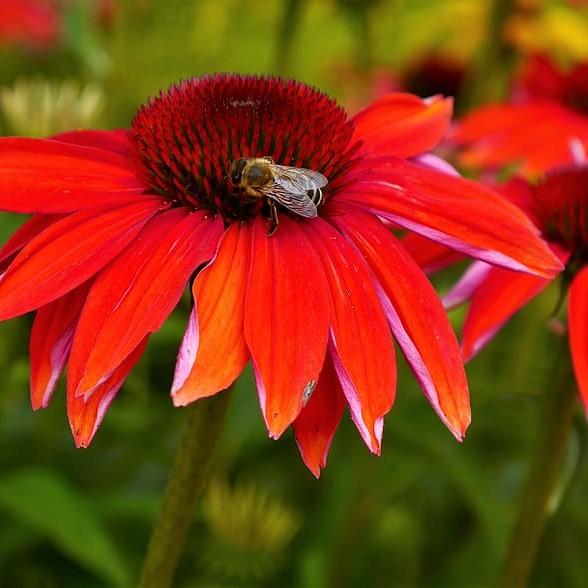
coneflower
Echinacea purpurea 'Balsomsed' SOMBRERO SALSA RED
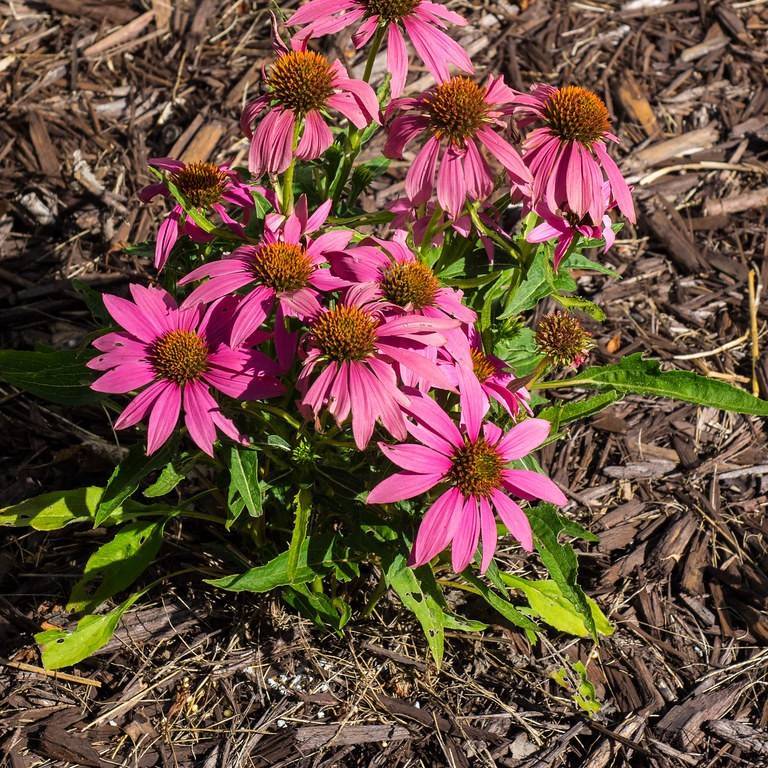
coneflower
Echinacea purpurea 'Pas702917' POWWOW WILD BERRY
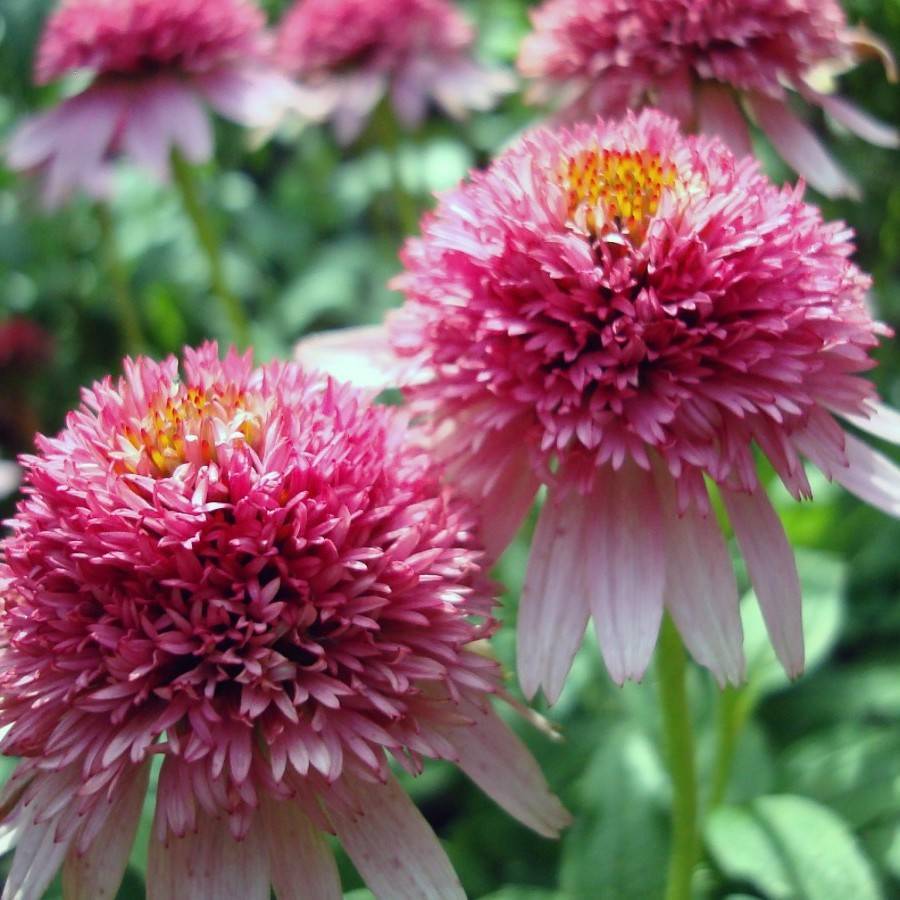
coneflower
Echinacea purpurea 'Pink Poodle'
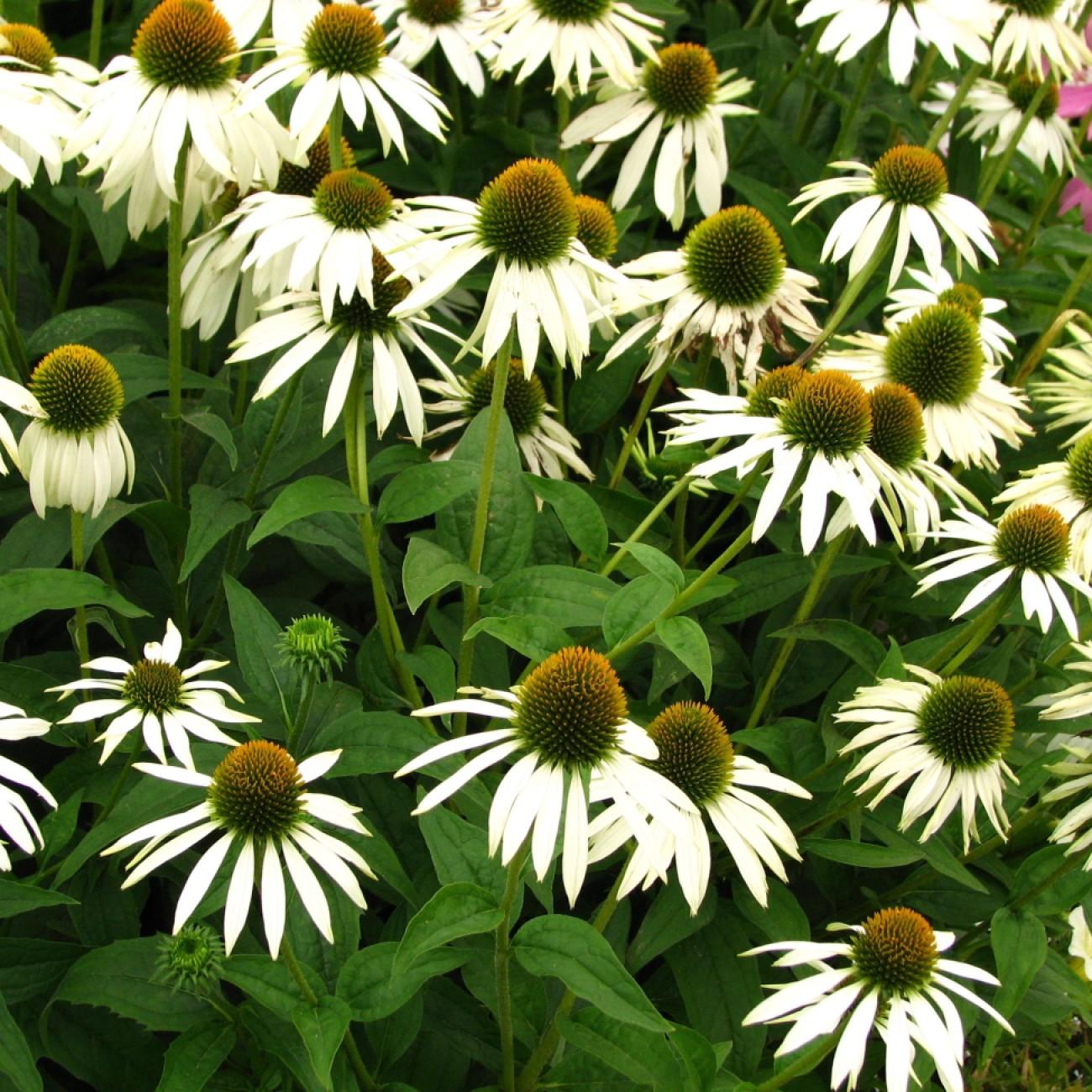
coneflower
Echinacea purpurea 'Primadonna White'
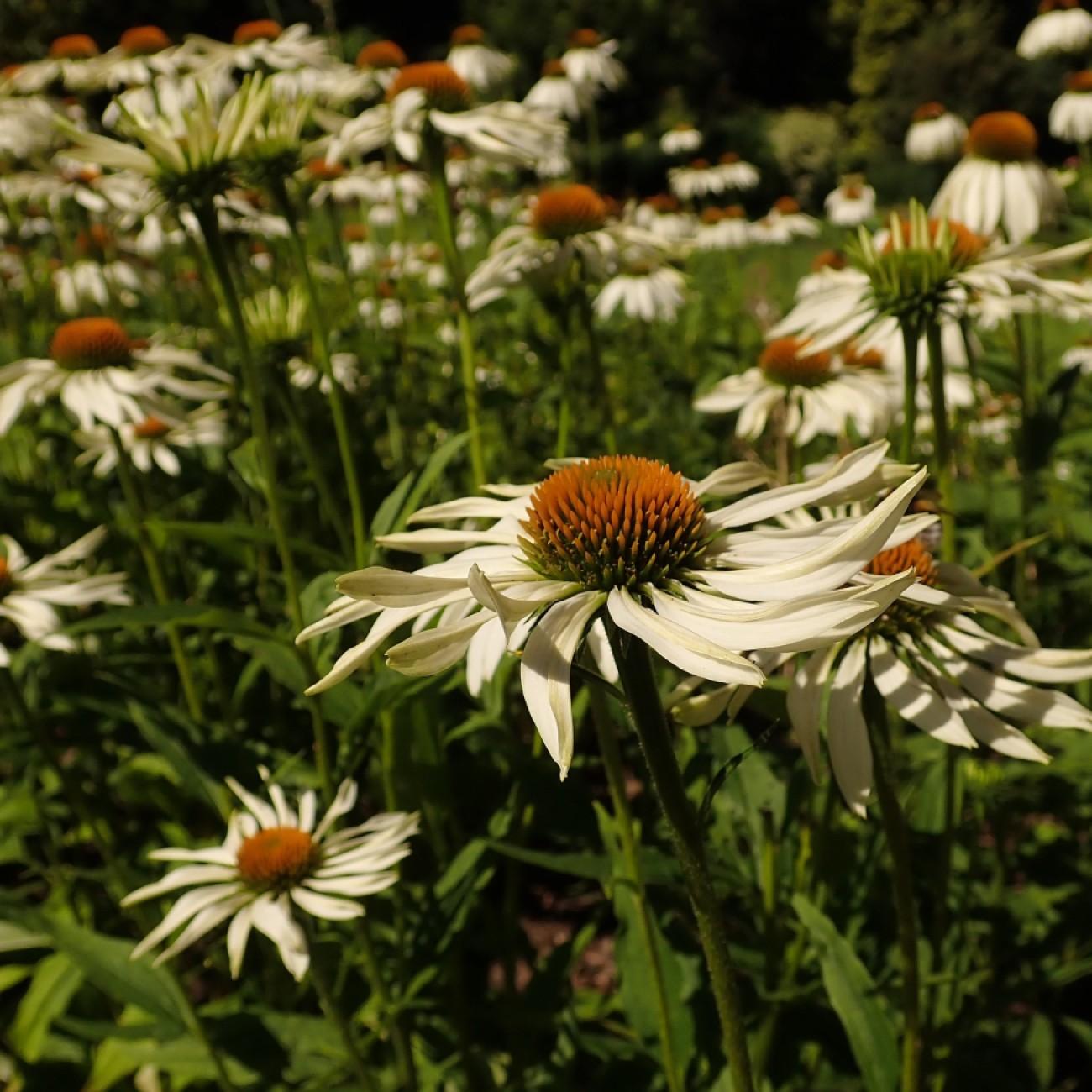
coneflower
Echinacea purpurea 'Purity'
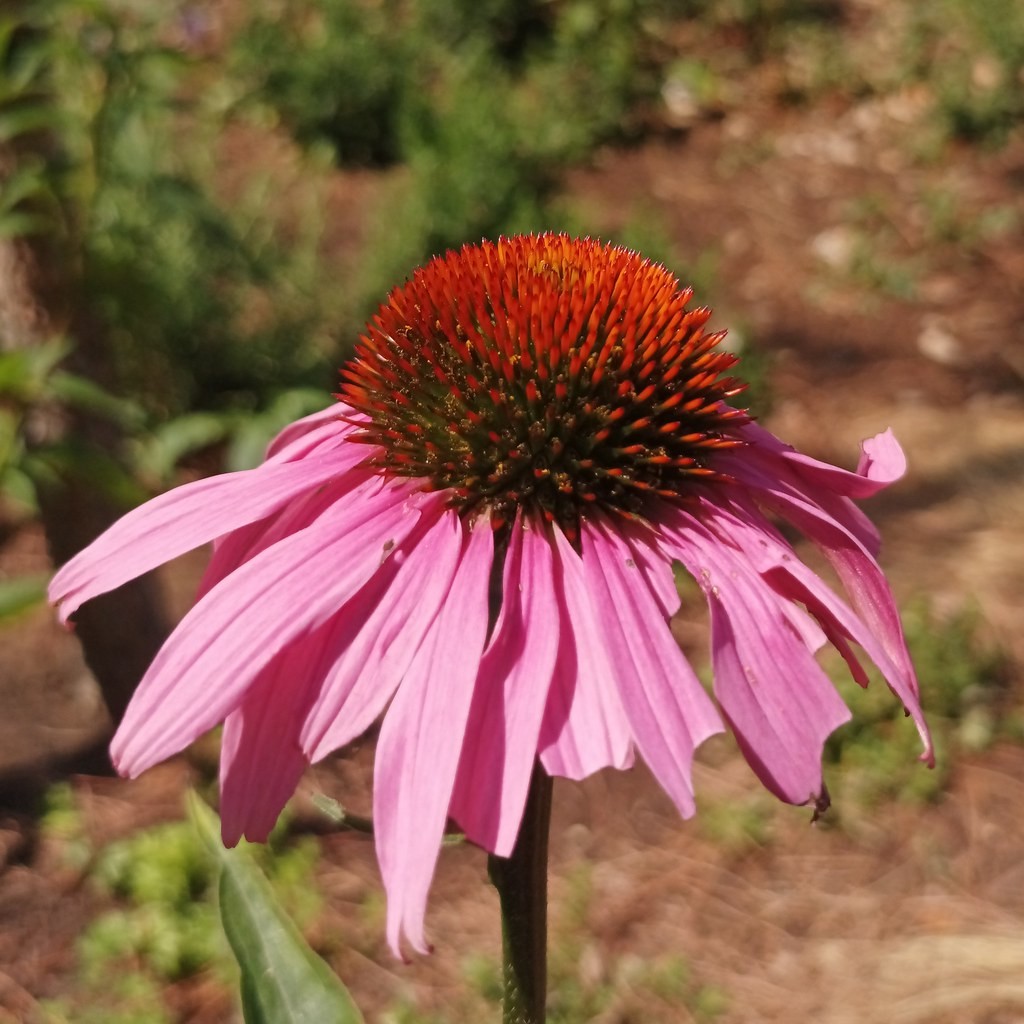
purple coneflower
Echinacea purpurea
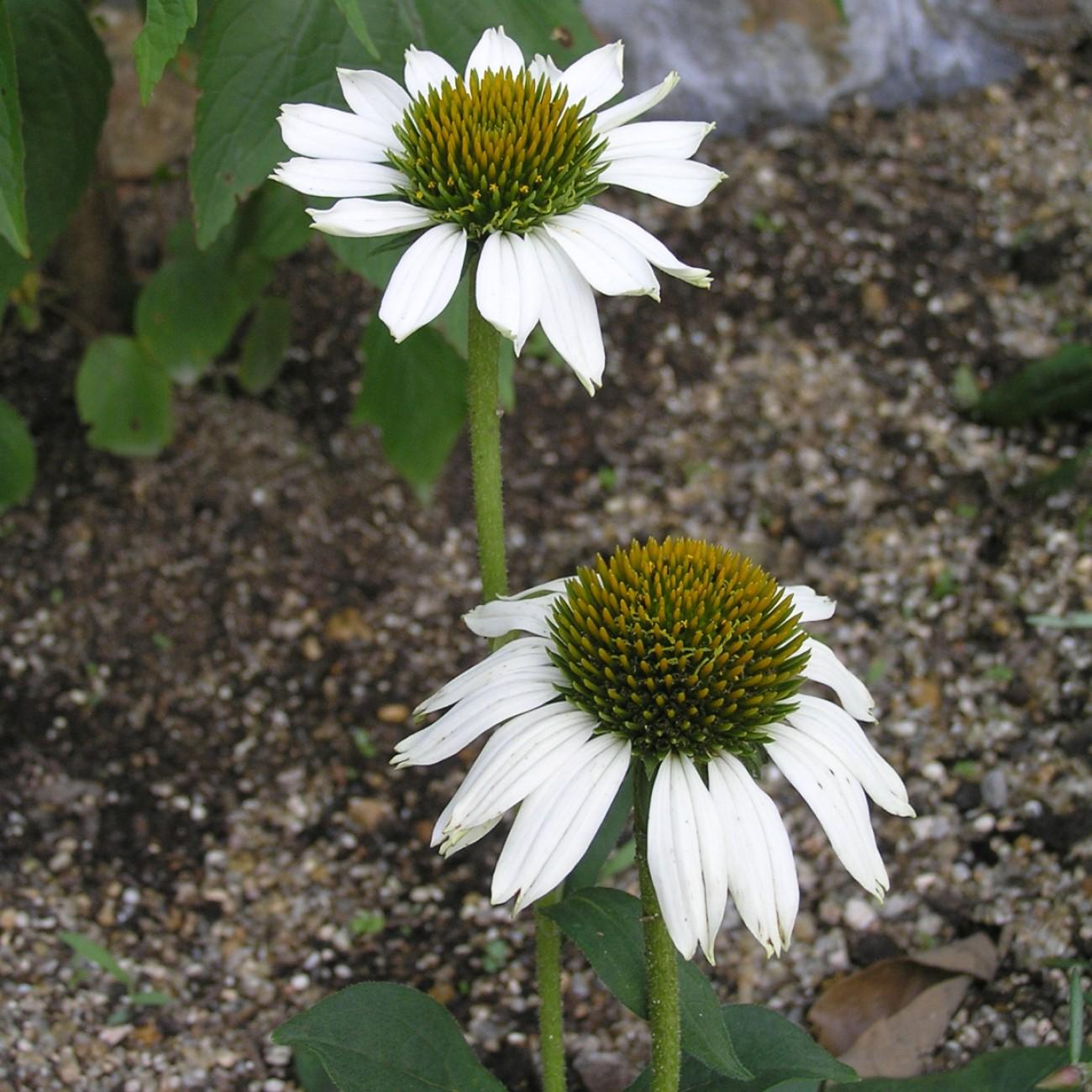
purple coneflower
Echinacea purpurea 'Amado'
purple coneflower
Echinacea purpurea 'Butterfly Kisses'