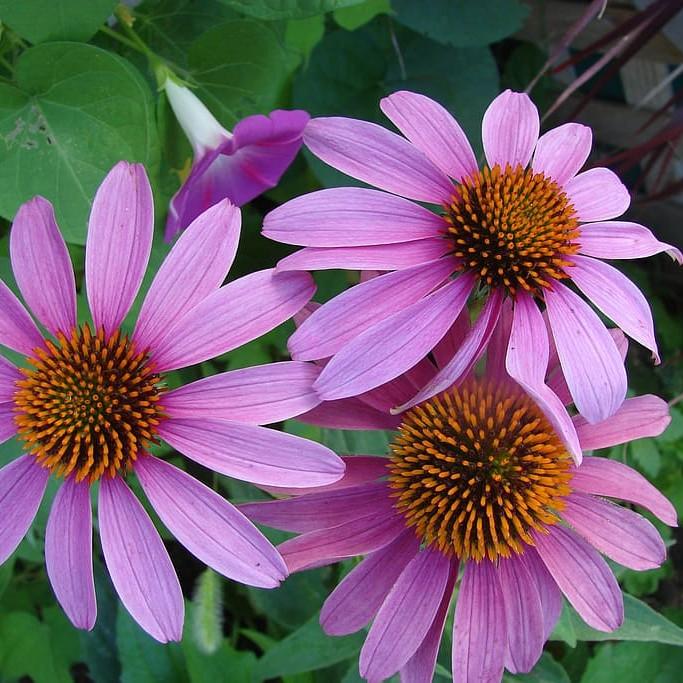
purple coneflower
Echinacea purpurea 'Ruby Giant'
Overview
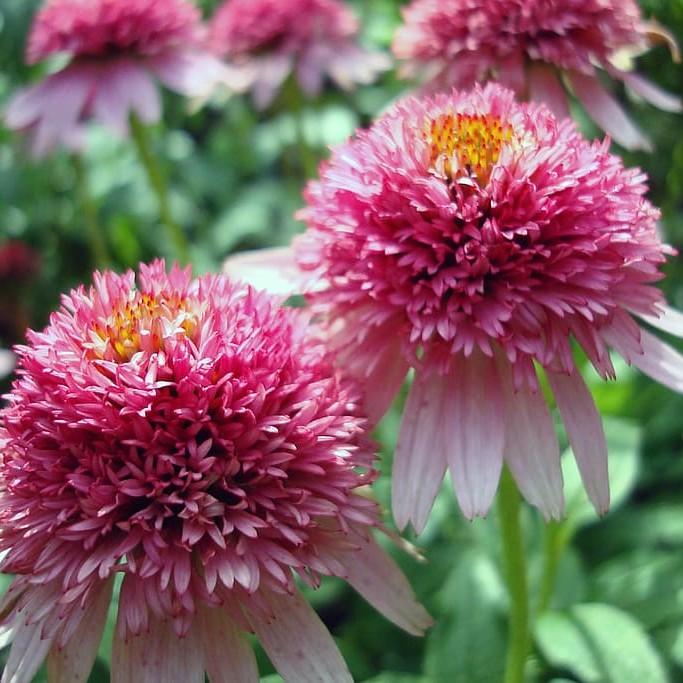
The Purple Coneflower (Echinacea purpurea 'Ruby Giant') is an amazing plant that is perfect for any garden. The plant features upright stems with vibrant purple petals surrounding a large, spiny orange cone. The large blooms attract butterflies and bees to the garden, while their colors add an interesting, vivid accent to your yard. The plant is very hardy and can tolerate drought and even deer, making it an ideal choice for difficult areas. Plus, the blossoms are great for cutting, so you can enjoy the vibrant color indoors, too.
Care Guide
Watering
Purple coneflower plants should be watered deeply twice per week when they’re young, and when temperatures are hot and dry they may need more frequent watering. When the plants are established, water if the soil feels dry for more than an inch deep. Aim to wet the soil to a depth of 6-8 inches every week. Always make sure to water at the plant’s roots, keeping the leaves dry as much as possible, as the leaves can get fungal spots from too much water. During periods of drought, supplement your normal watering and use a slow-release fertilizer to keep your plants healthy.
Light
Purple coneflower (Echinacea purpurea 'Ruby Giant') is a drought-resistant perennial flower that requires minimal maintenance. It thrives in direct sunlight, with 6 hours of direct sunlight being optimal. While it can tolerate drought-like conditions, it should receive regular waterings during drier spells to keep its roots from becoming water-stressed. The ideal situation would be for the plant to receive around 2 inches of water - whether from a gardener's hand or from Mother Nature's rain - each week. As for when the flower should be getting its sunlight, it is best to provide it with direct sunlight in the morning or in the early evening to help the soil and foliage retain moisture. Morning and afternoon sun are both acceptable options, but be sure to avoid direct sunlight in the middle of the day, which can be too harsh for the flower and may cause it to wilt or even sunburn.
Soil
Sandy Loamy Clay Rocky
Temperature
Hardiness zone 3–8.
Pruning
Purple coneflower should be pruned once a year in late winter or early spring just before new growth begins. Start by removing any dead or diseased stems to help promote healthy new growth. Then, cut back all the stems to about 6-12 inches in size. This will encourage larger blooms with more color and helps prevent the plant from becoming leggy. If the plant is becoming too large, you can also trim off some of the larger, established stems at the base, reducing the height and width of the plant.
Propagation
Seed Propagation
Uses & Symbolism
Attracts: Birds, Butterflies.
Diseases & Pests
Common pests: Leaf miner insect, Pest resistant, Disease resistant, Drought resistant .
Related plants
Other plants you might like if you grow purple coneflower.
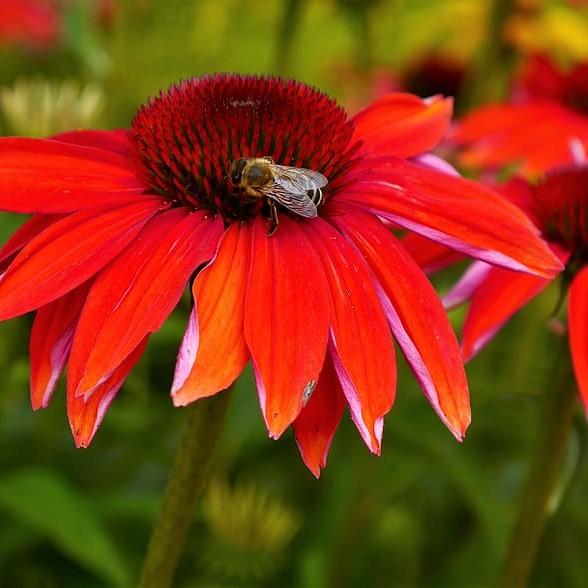
coneflower
Echinacea purpurea 'Balsomsed' SOMBRERO SALSA RED
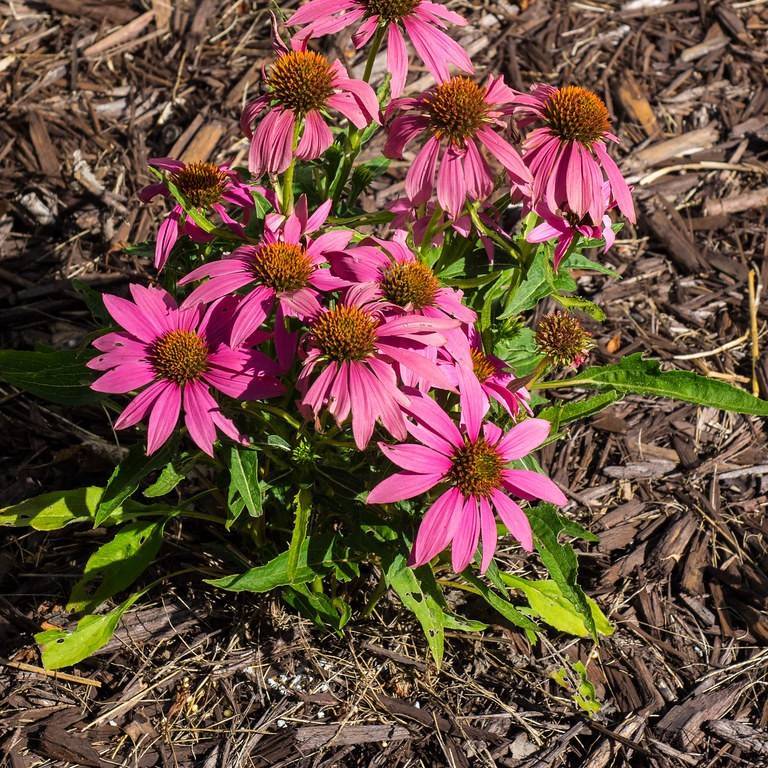
coneflower
Echinacea purpurea 'Pas702917' POWWOW WILD BERRY
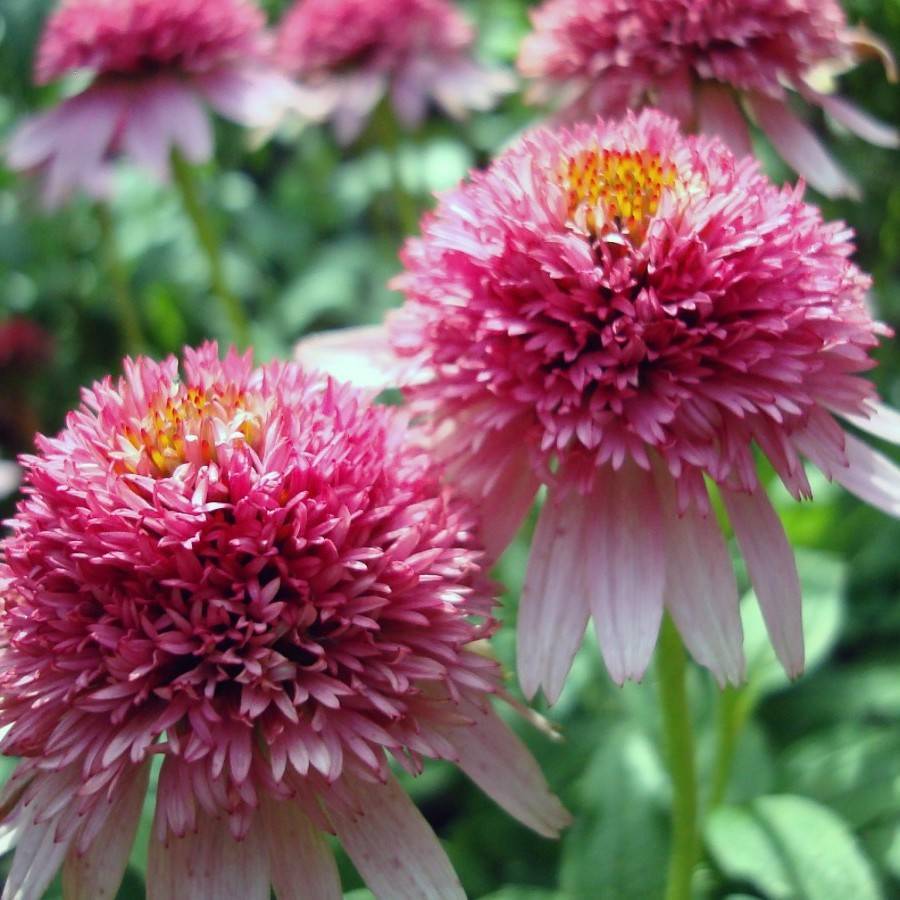
coneflower
Echinacea purpurea 'Pink Poodle'
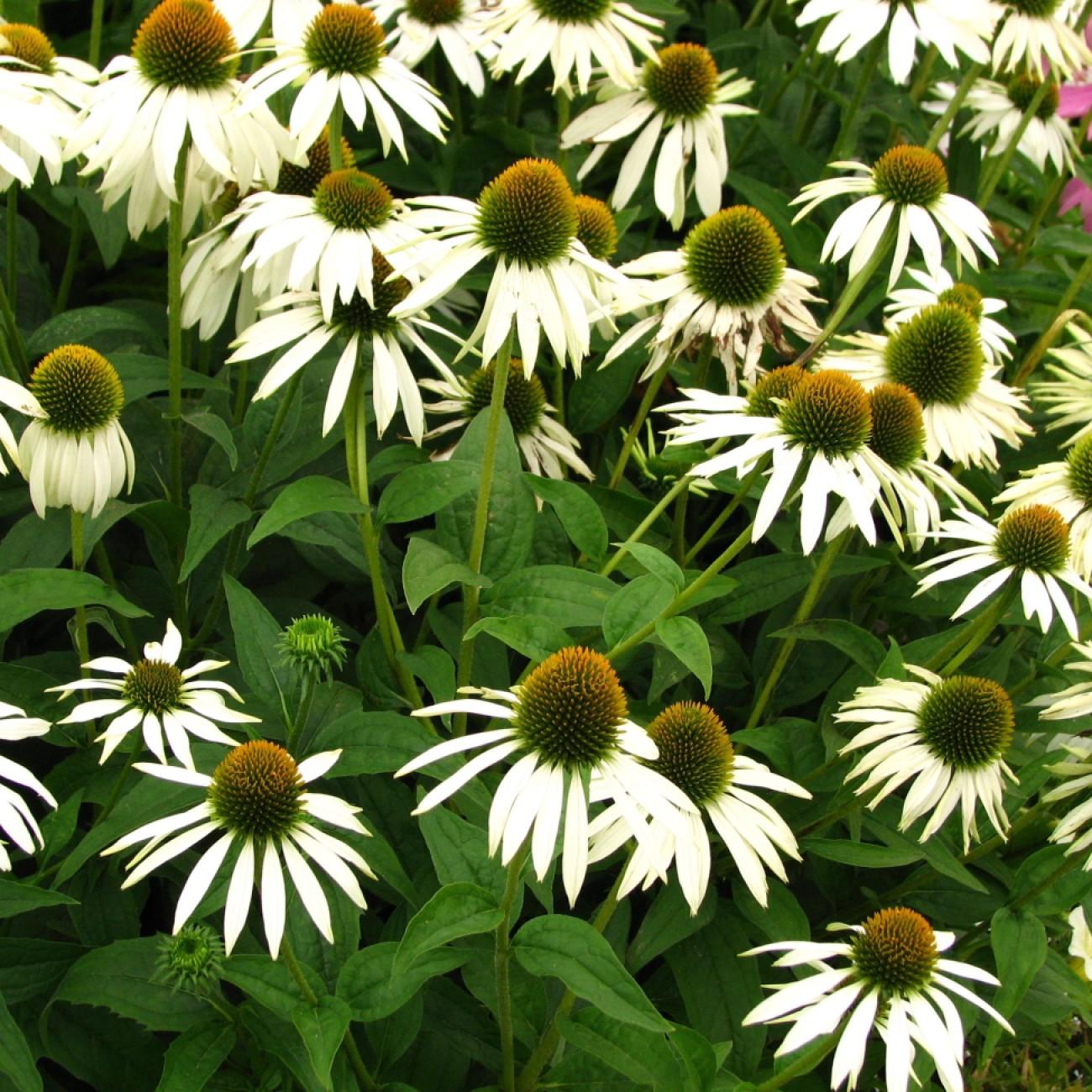
coneflower
Echinacea purpurea 'Primadonna White'
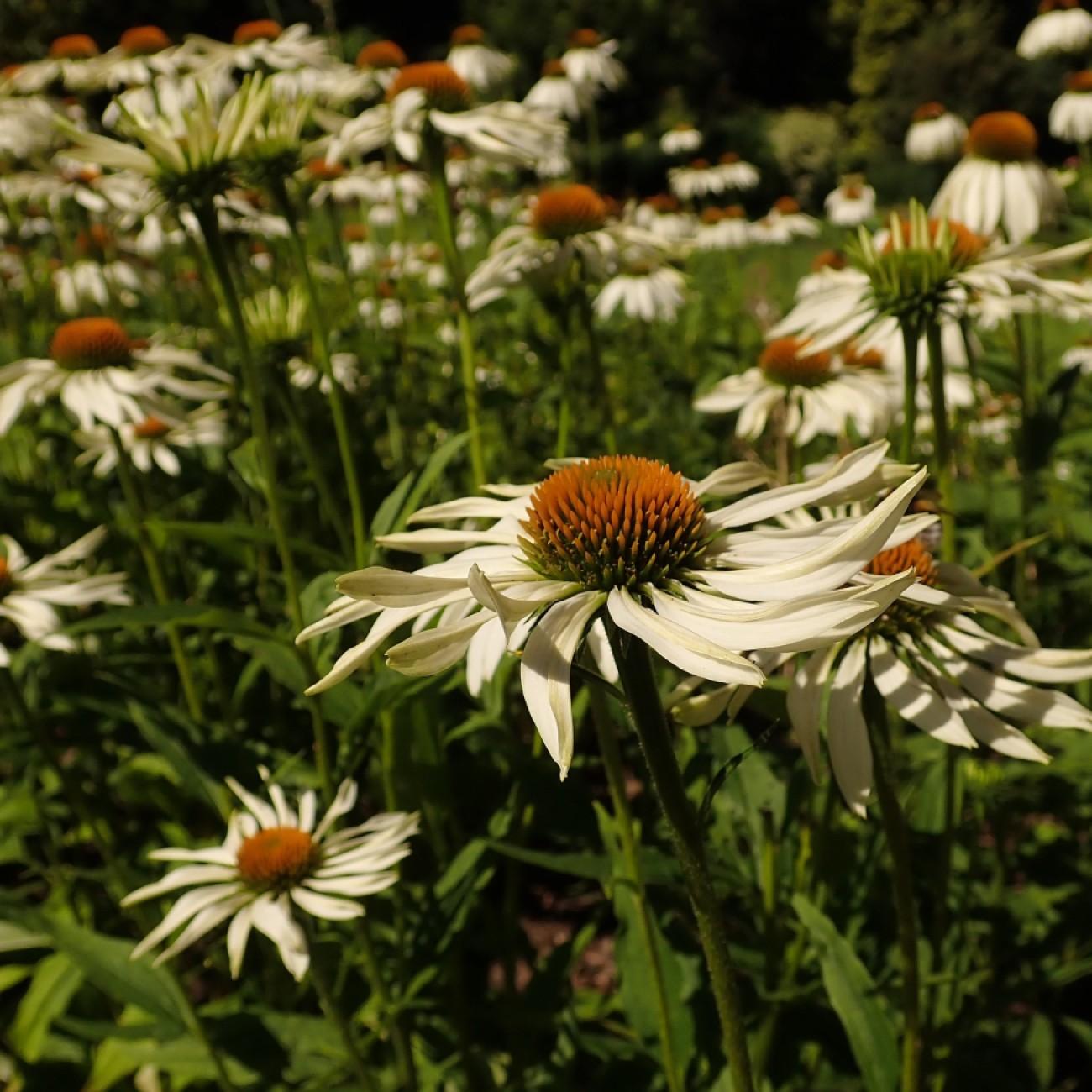
coneflower
Echinacea purpurea 'Purity'
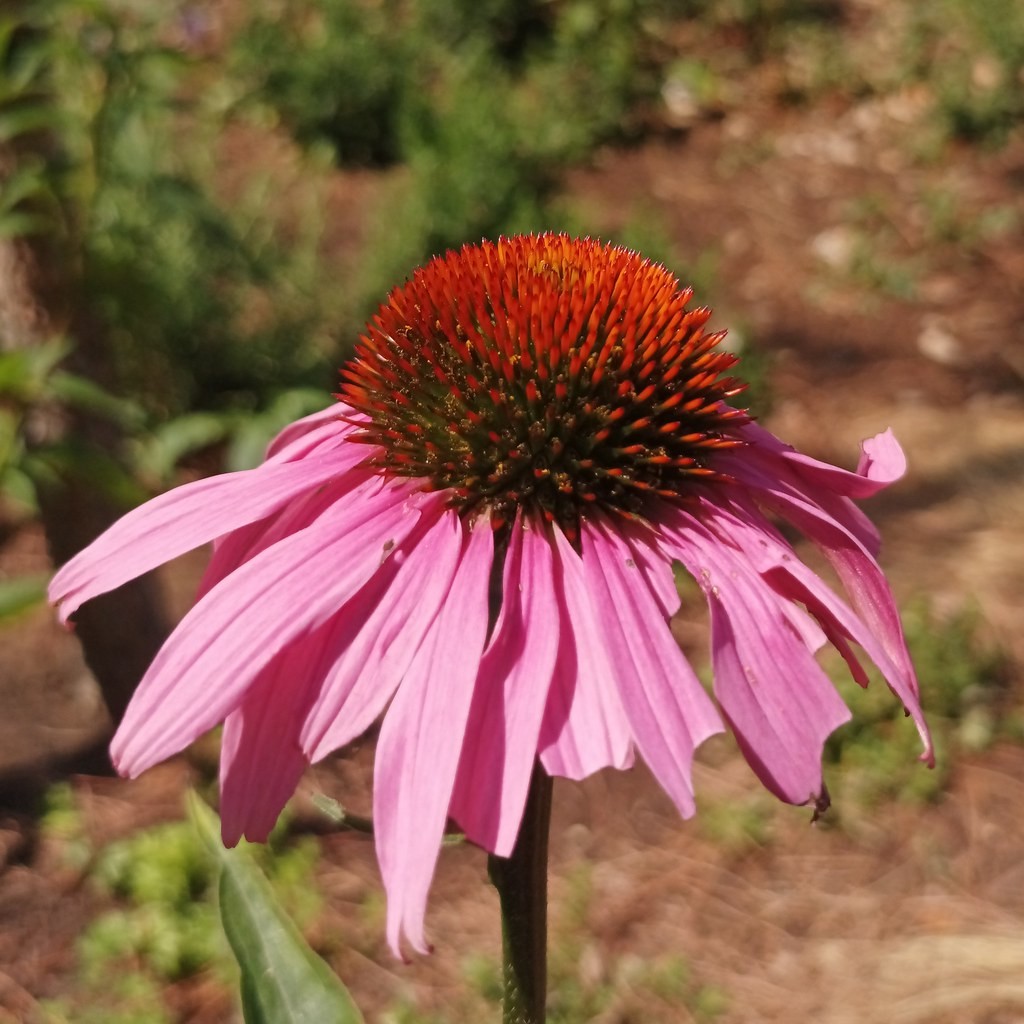
purple coneflower
Echinacea purpurea
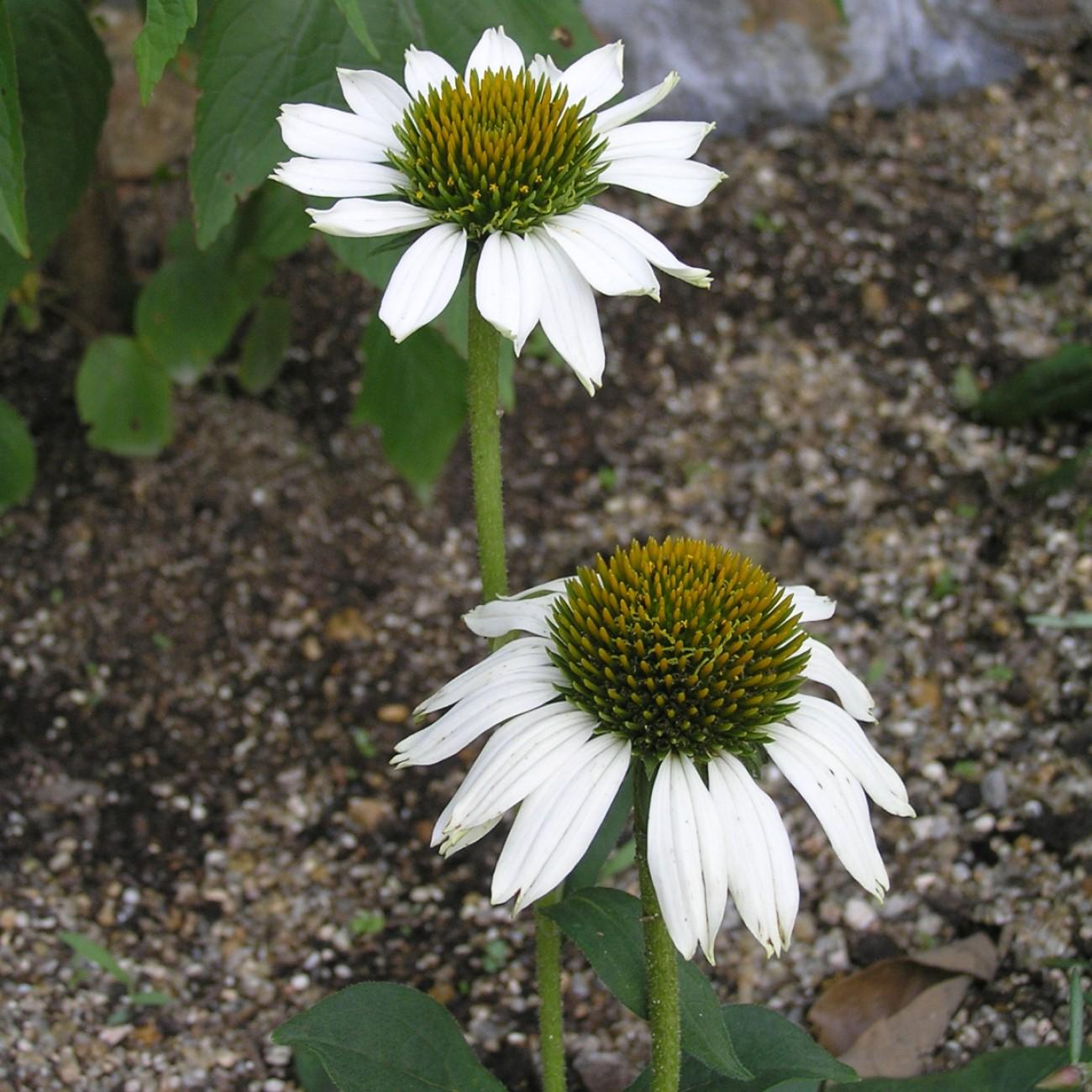
purple coneflower
Echinacea purpurea 'Amado'
purple coneflower
Echinacea purpurea 'Butterfly Kisses'