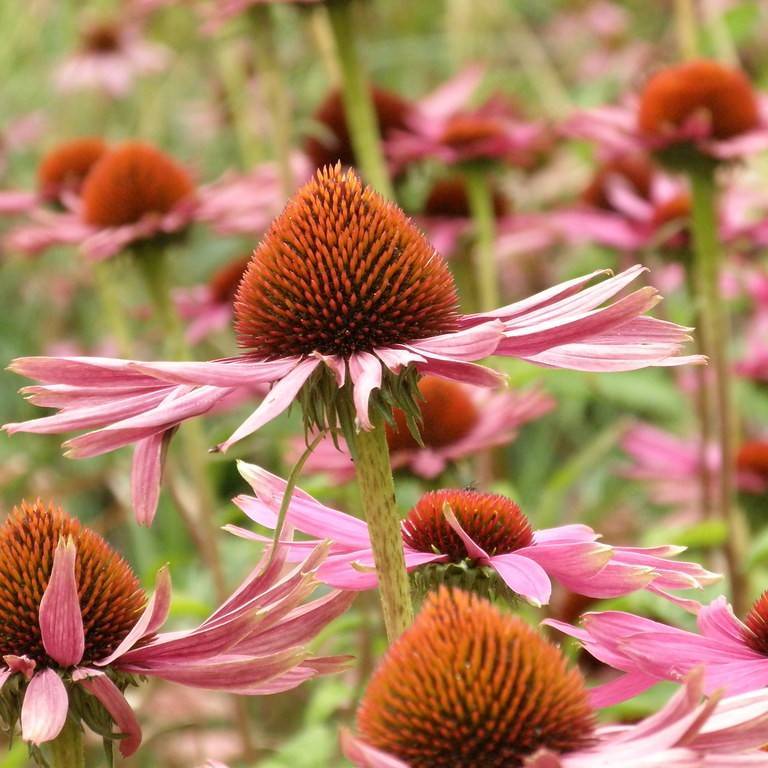
purple coneflower
Echinacea purpurea 'Sir Lancelot'
Overview
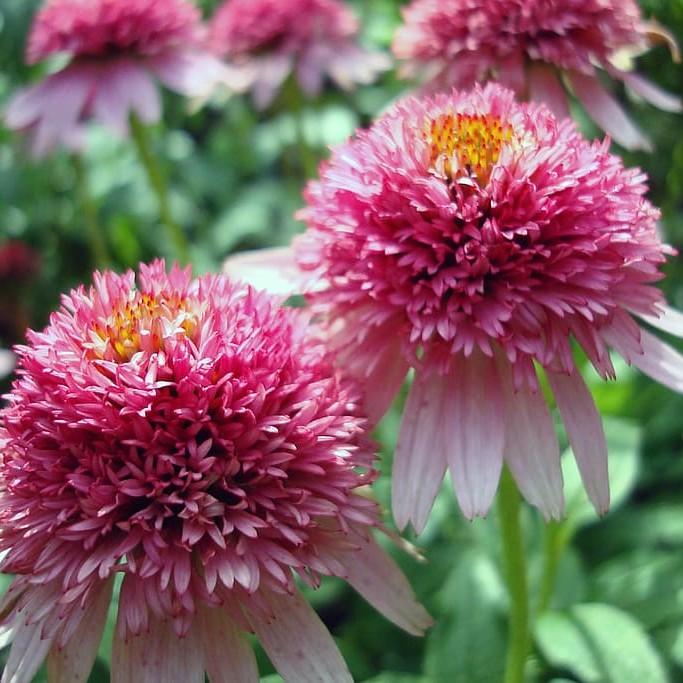
The purple coneflower (Echinacea purpurea 'Sir Lancelot') is an incredibly versatile perennial that brings amazing beauty to the garden. Its daisy-like flowers feature ragged petals of purplish-pink and clusters of cone-shaped, drooping centers, making it a great addition to any landscape. It's hardy and forgiving, thriving in a variety of soils and conditions and performing well throughout the growing season. It's also a great pollinator plant, inviting butterflies and other beneficial insects. Furthermore, it's been found to have medicinal properties and can promote long-term health benefits. A real garden powerhouse.
Care Guide
Watering
Watering the Purple Coneflower (Echinacea purpurea 'Sir Lancelot') should be done once every 7-10 days. During extremely hot weather, it may be necessary to water twice a week. The soil should be kept moist, but not soggy. When watering, give the plant an even amount of water so that it can reach the roots. Avoid over-watering, which can lead to root rot or stem and flower diseases. During the winter months, it is important to reduce the amount of water given to the plant as it won't need as much.
Light
Purple coneflowers (Echinacea purpurea 'Sir Lancelot') prefer at least 6 hours of direct sunlight per day. For best results, provide the plant with approximately 8 hours of sunlight during the peak of the summer season (from mid-May to mid-September), especially during the afternoon hours when the sun is at its brightest. In colder months, reduce the amount of sun to around 4 to 6 hours, as long as the temperatures remain warm. If temperatures drop below freezing, provide the plant with just a few hours of morning sun.
Soil
Sandy Loamy Clay Rocky
Temperature
Hardiness zone 3–8.
Pruning
Purple coneflowers should be pruned in the early spring when new growth begins. Generally, about 1-third of the previous year’s growth should be removed, meaning that the old, woody, and dead stems should be cut back to the ground. This will encourage fresh, new growth for the season. Prune lightly for a more informal look, or more heavily for a more neatly kept appearance. It is also a good idea to occasionally remove faded blossoms to encourage additional bloom and neatness.
Propagation
Seed Propagation
Uses & Symbolism
Attracts: Birds, Butterflies.
Diseases & Pests
Common pests: Leaf miner insect, Pest resistant, Disease resistant, Drought resistant .
Related plants
Other plants you might like if you grow purple coneflower.
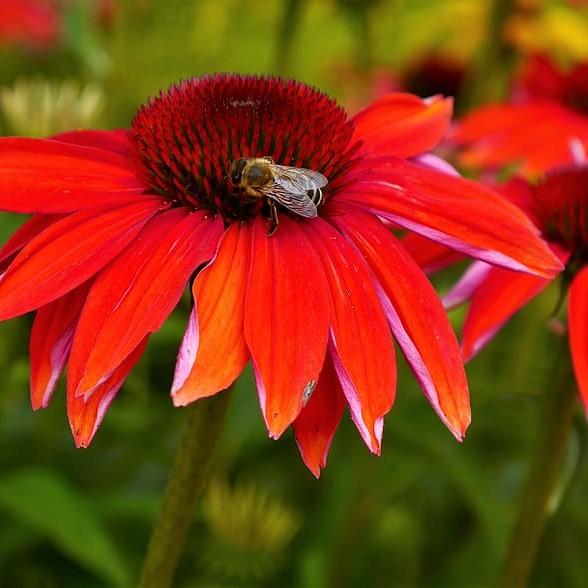
coneflower
Echinacea purpurea 'Balsomsed' SOMBRERO SALSA RED
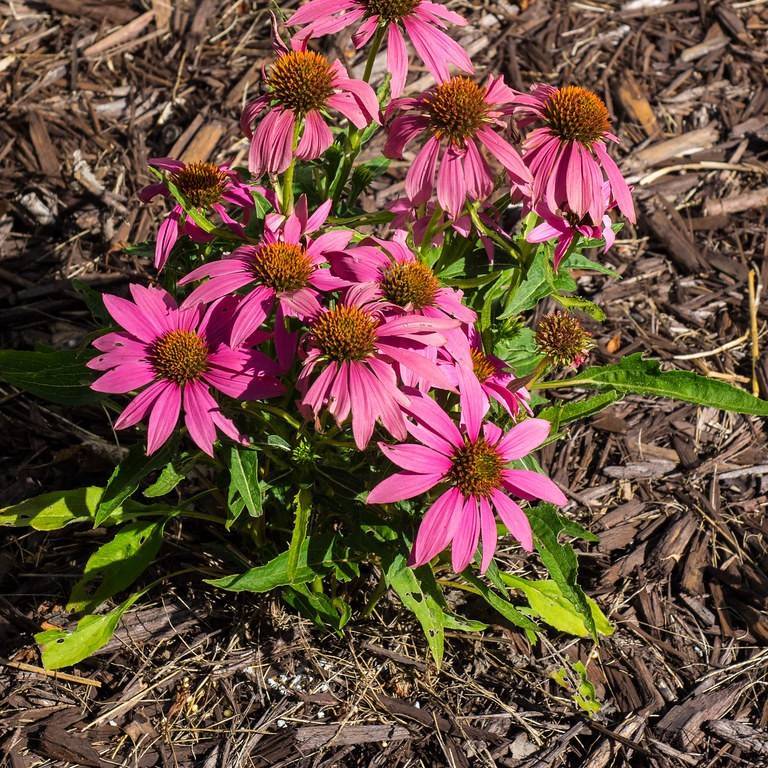
coneflower
Echinacea purpurea 'Pas702917' POWWOW WILD BERRY
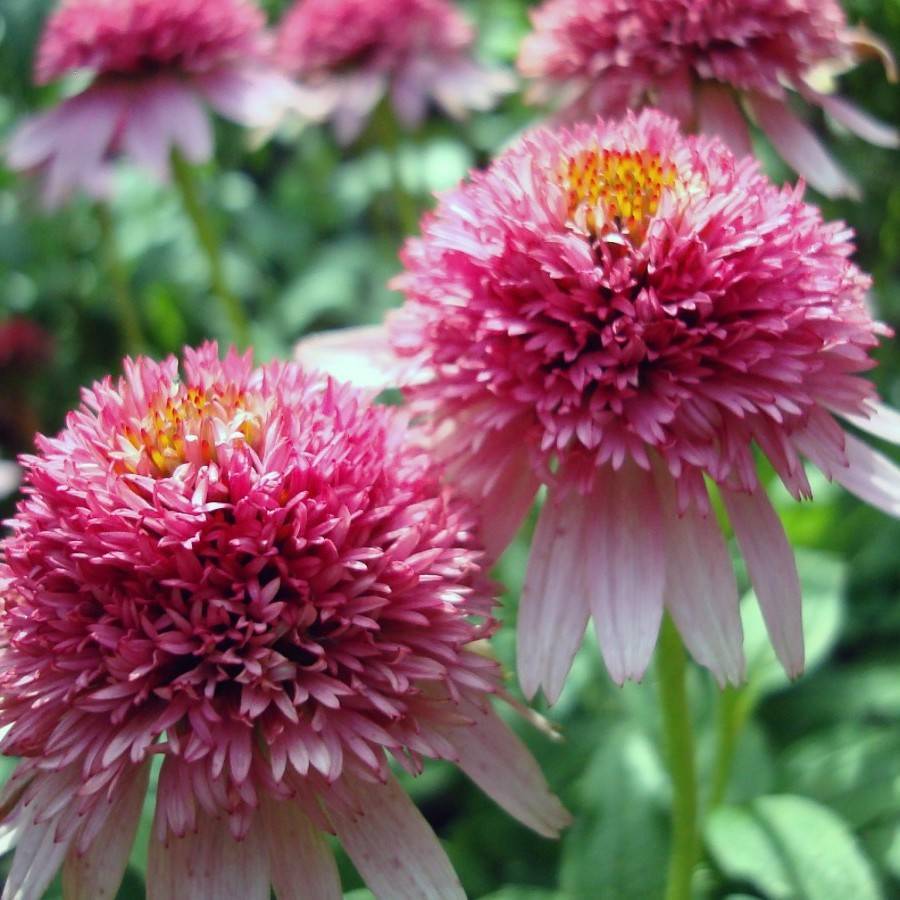
coneflower
Echinacea purpurea 'Pink Poodle'
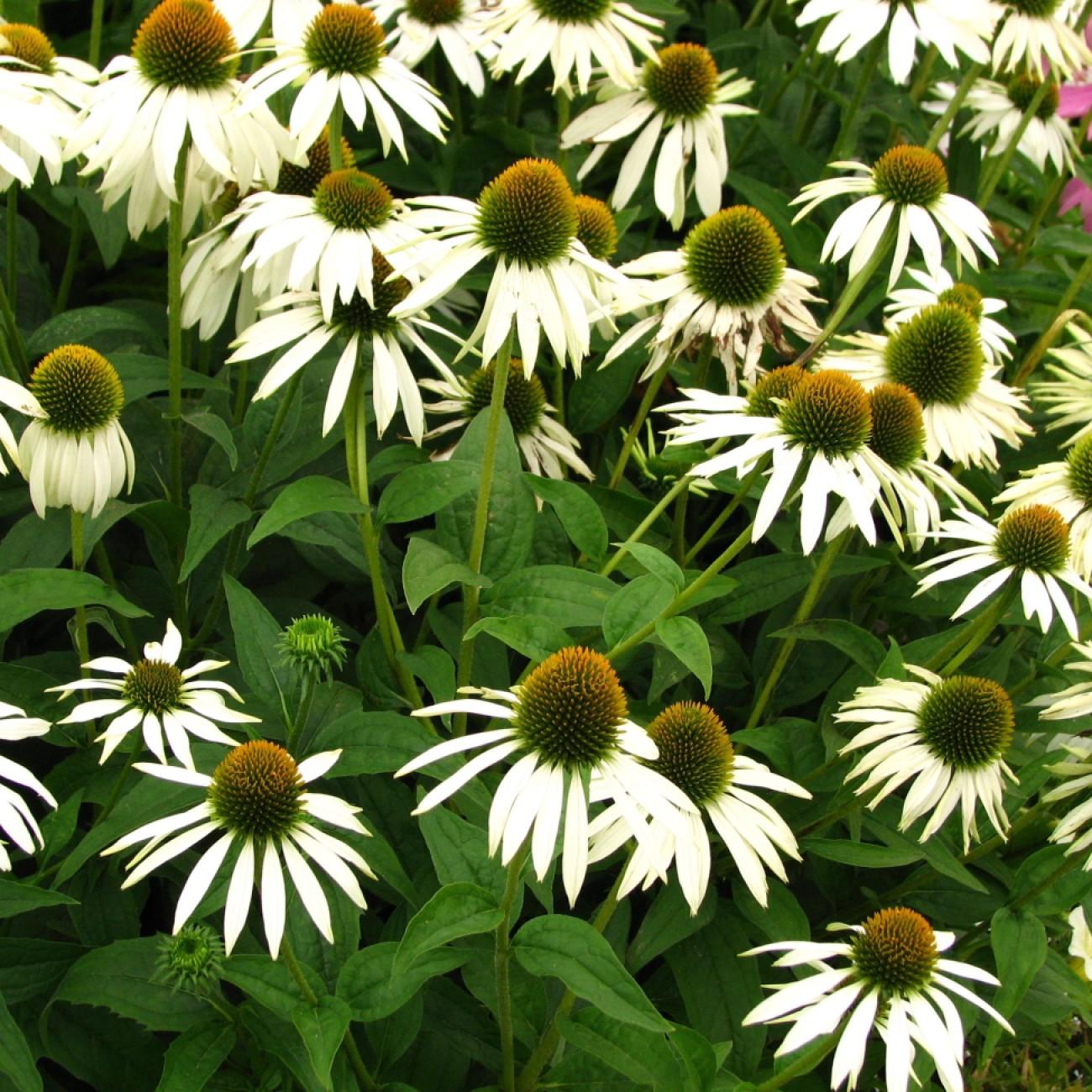
coneflower
Echinacea purpurea 'Primadonna White'
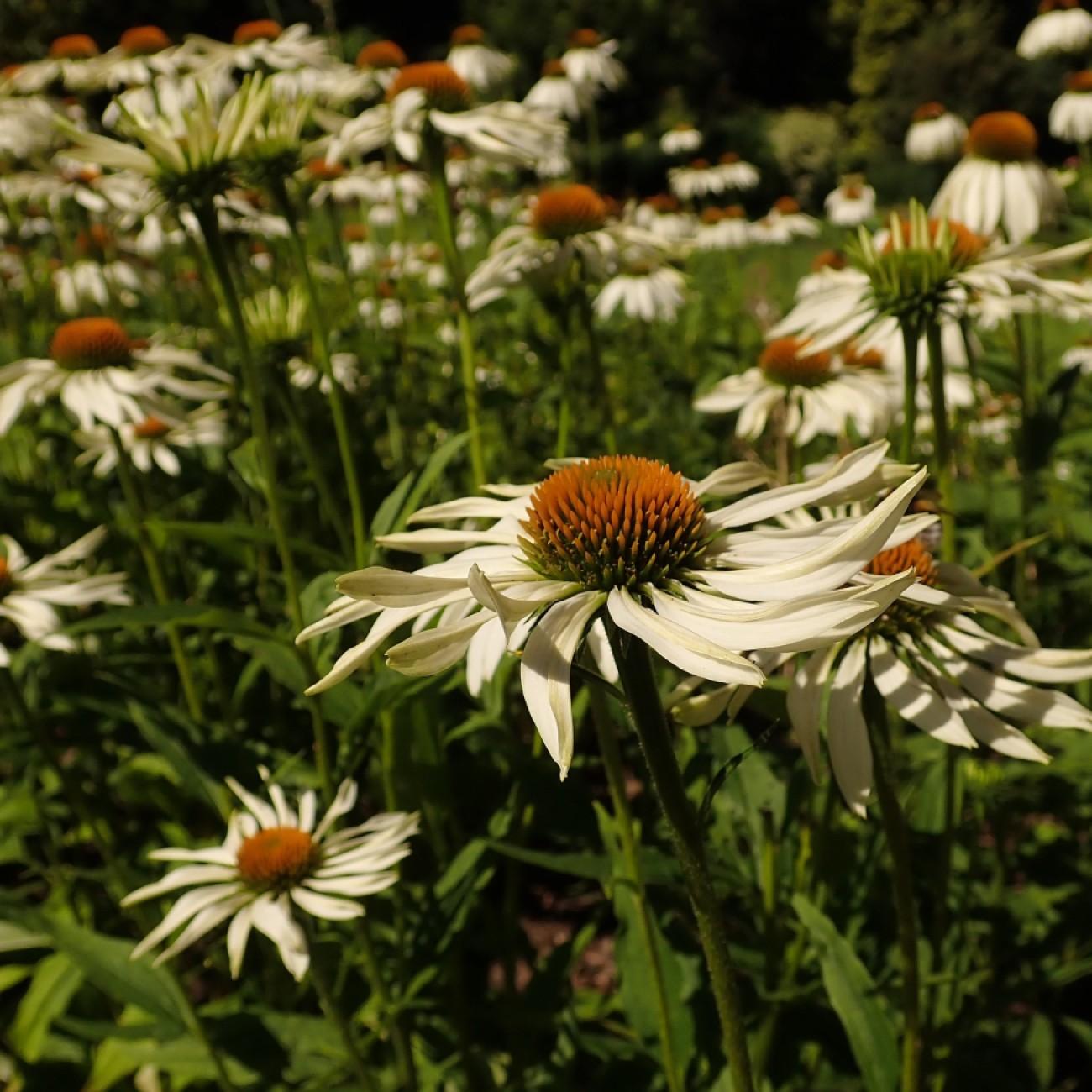
coneflower
Echinacea purpurea 'Purity'
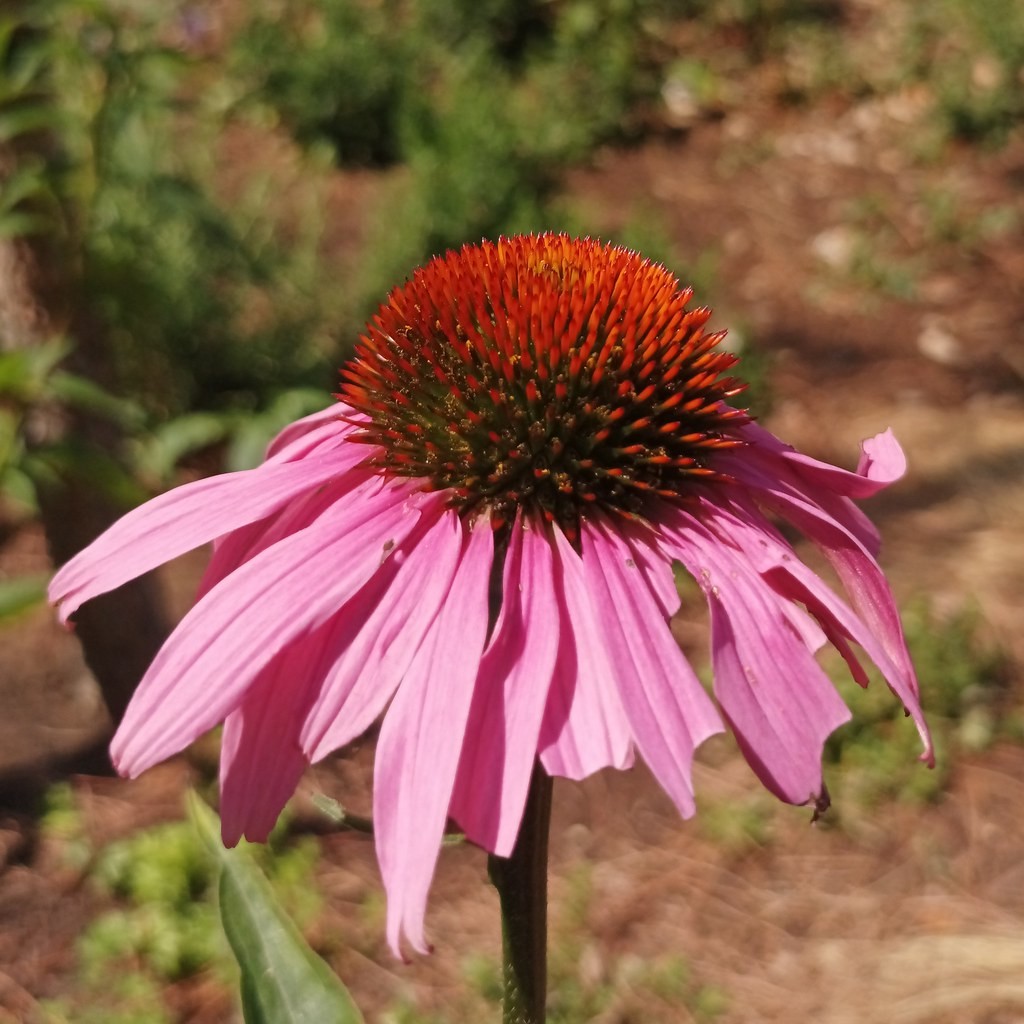
purple coneflower
Echinacea purpurea
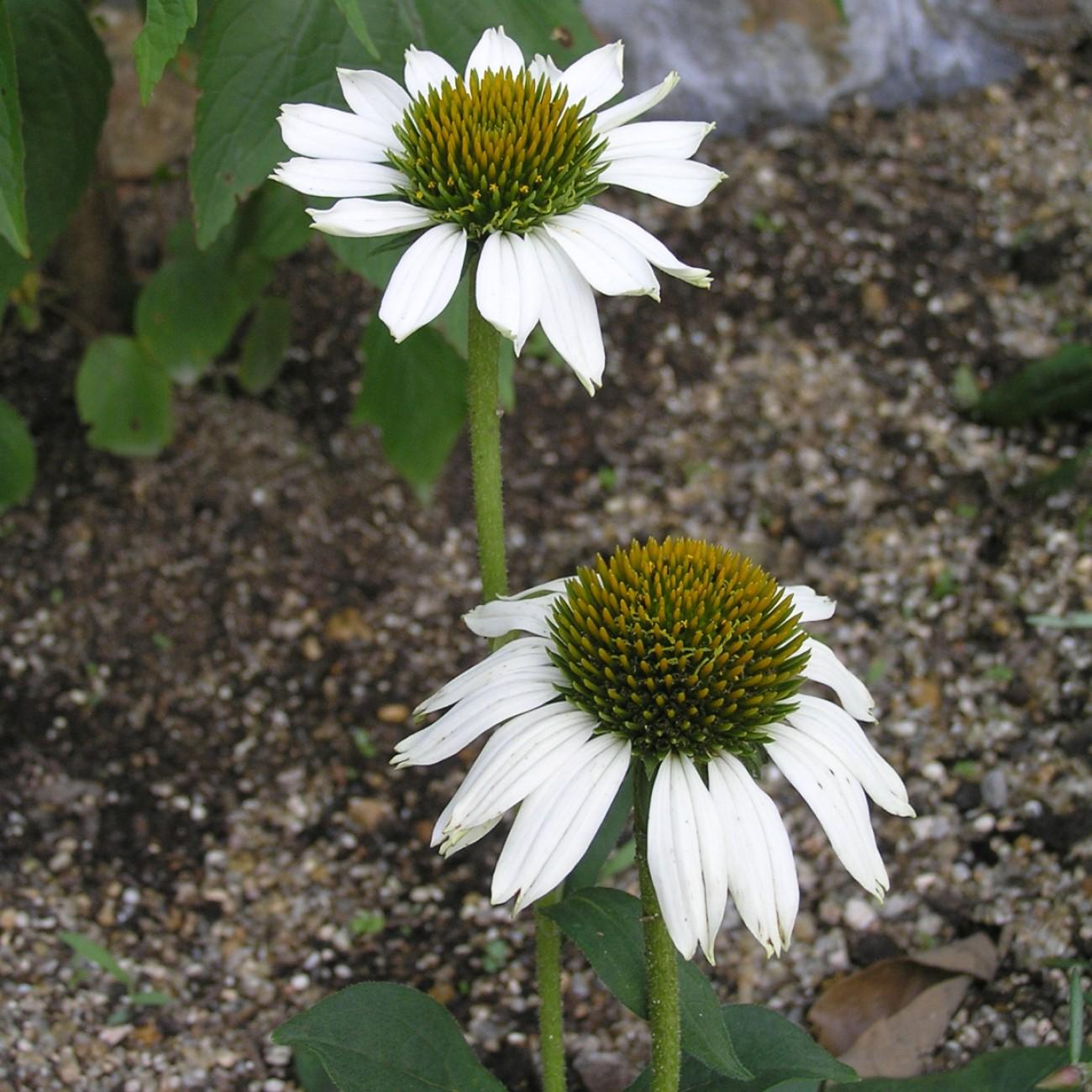
purple coneflower
Echinacea purpurea 'Amado'
purple coneflower
Echinacea purpurea 'Butterfly Kisses'