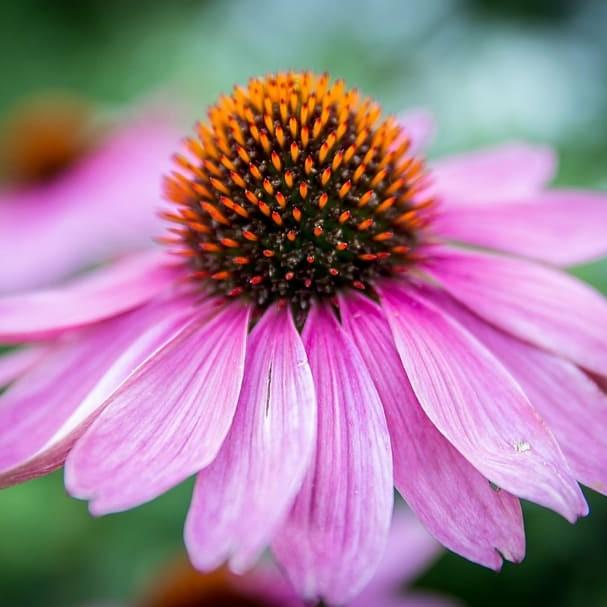
purple coneflower
Echinacea purpurea 'The King'
Overview
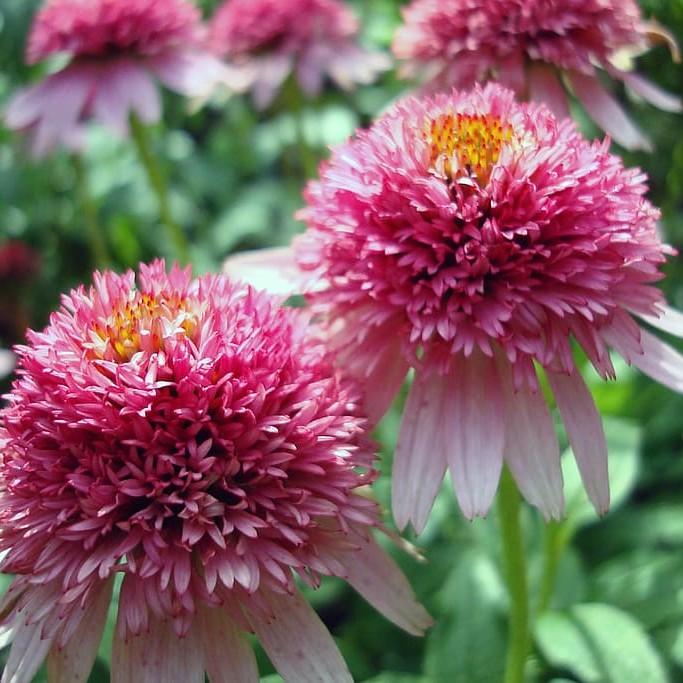
Purple coneflower (Echinacea purpurea 'The King') is an amazing perennial plant that blooms in the late summer to early fall. It features glorious purple petals surrounding a large, coppery-orange cone that's a magnet for bees and butterflies. Crystalline white anthers bring an additional touch of color. It’s green foliage is deer-resistant and has an herbal scent. Easy to grow, this plant can be grown in a variety of soils and tolerates even dry conditions. With its beautiful blossoms and easy care requirements, purple coneflower is a great plant for any garden.
Care Guide
Watering
This plant should be watered once every 1 to 2 weeks in the summer, and once every 2 to 4 weeks in the winter. The amount of water should depend on the soil; soil that is sandy should be watered deeply enough to soak the soil and reach the roots, while soil that is heavier should be watered less. Aim for roughly 1-2 inches of water each time. If the soil is completely dry but not cracked, it is safe to water.
Light
The purple coneflower (Echinacea purpurea 'The King') is a native North American species and thrives best in well-drained soils and full sun. It requires a minimum of 6 hours of direct sunlight per day, with ideal conditions providing 8 to 12 hours of direct sunlight. Planting this species in a sunny spot with good air circulation provides it with the best growing conditions, allowing the plant to reach its full potential. Additionally, during very hot periods, such as mid-day in summer, it may be beneficial to provide some shade to protect the plant from excessive heat.
Soil
Sandy Loamy Clay Rocky
Temperature
Hardiness zone 3–8.
Pruning
When to Prune: Prune purple coneflowers right after flowering has finished, typically in late summer or fall. How Much to Prune: Lightly prune foliage back to the basal foliage when flowering has finished, removing no more than 1-third of the plant’s foliage. Dead heading spent blooms can also help encourage continued flowering. Avoid heavily pruning the plant, as this can reduce flowering the following season. Avoid pruning during spring/early summer months, as this can affect flowering.
Propagation
Seed Propagation
Uses & Symbolism
Attracts: Birds, Butterflies.
Diseases & Pests
Common pests: Leaf miner insect, Pest resistant, Disease resistant, Drought resistant .
Related plants
Other plants you might like if you grow purple coneflower.
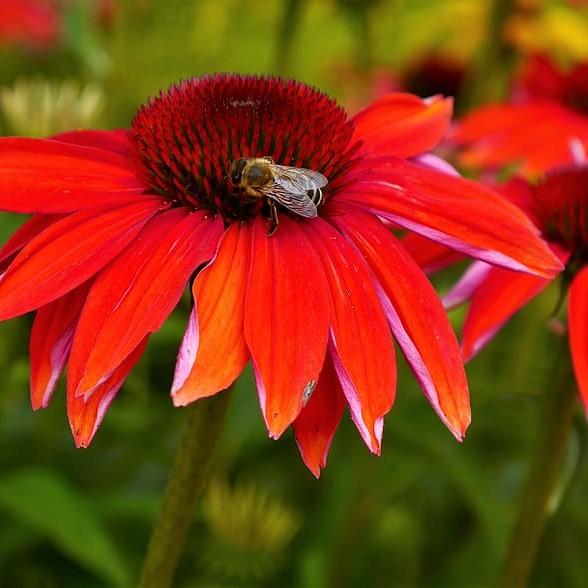
coneflower
Echinacea purpurea 'Balsomsed' SOMBRERO SALSA RED
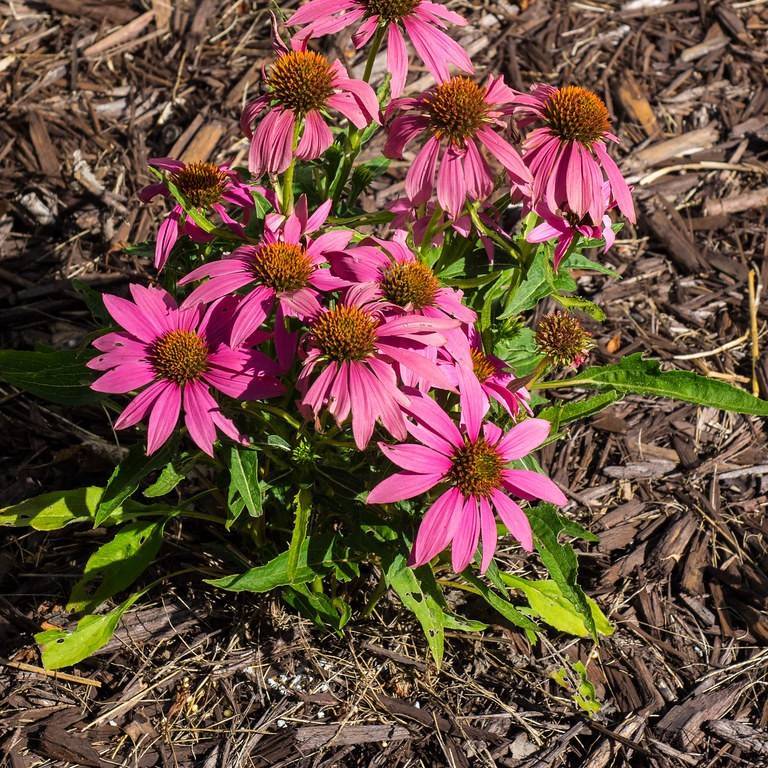
coneflower
Echinacea purpurea 'Pas702917' POWWOW WILD BERRY
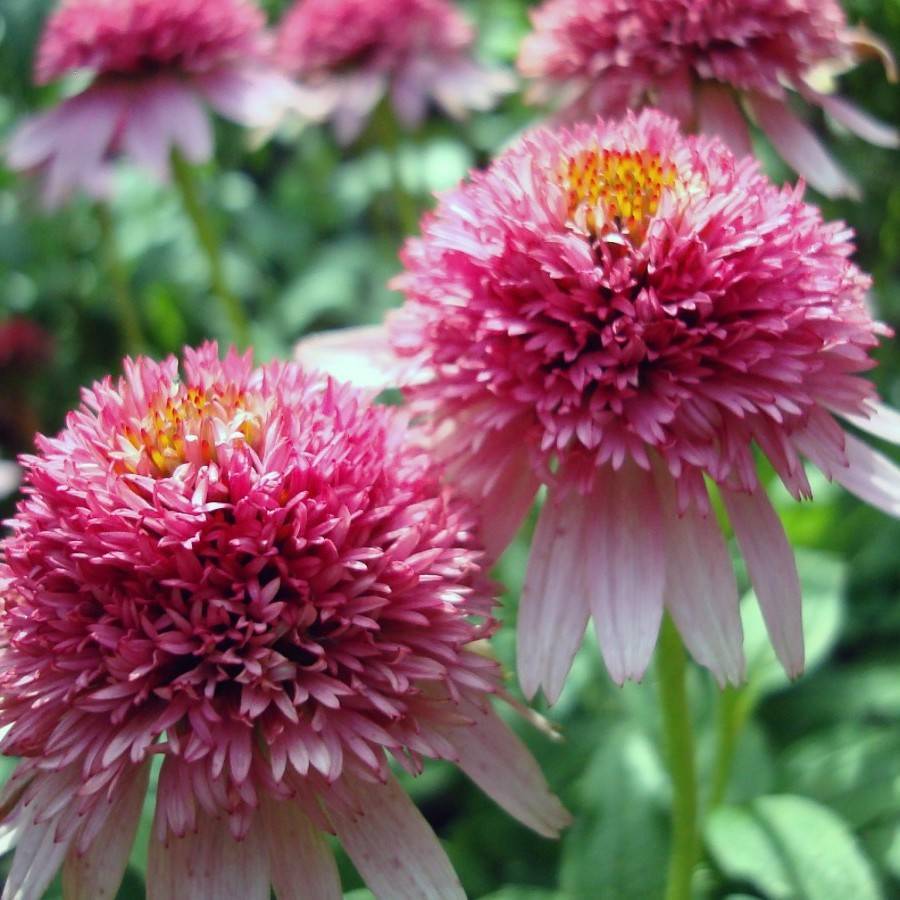
coneflower
Echinacea purpurea 'Pink Poodle'
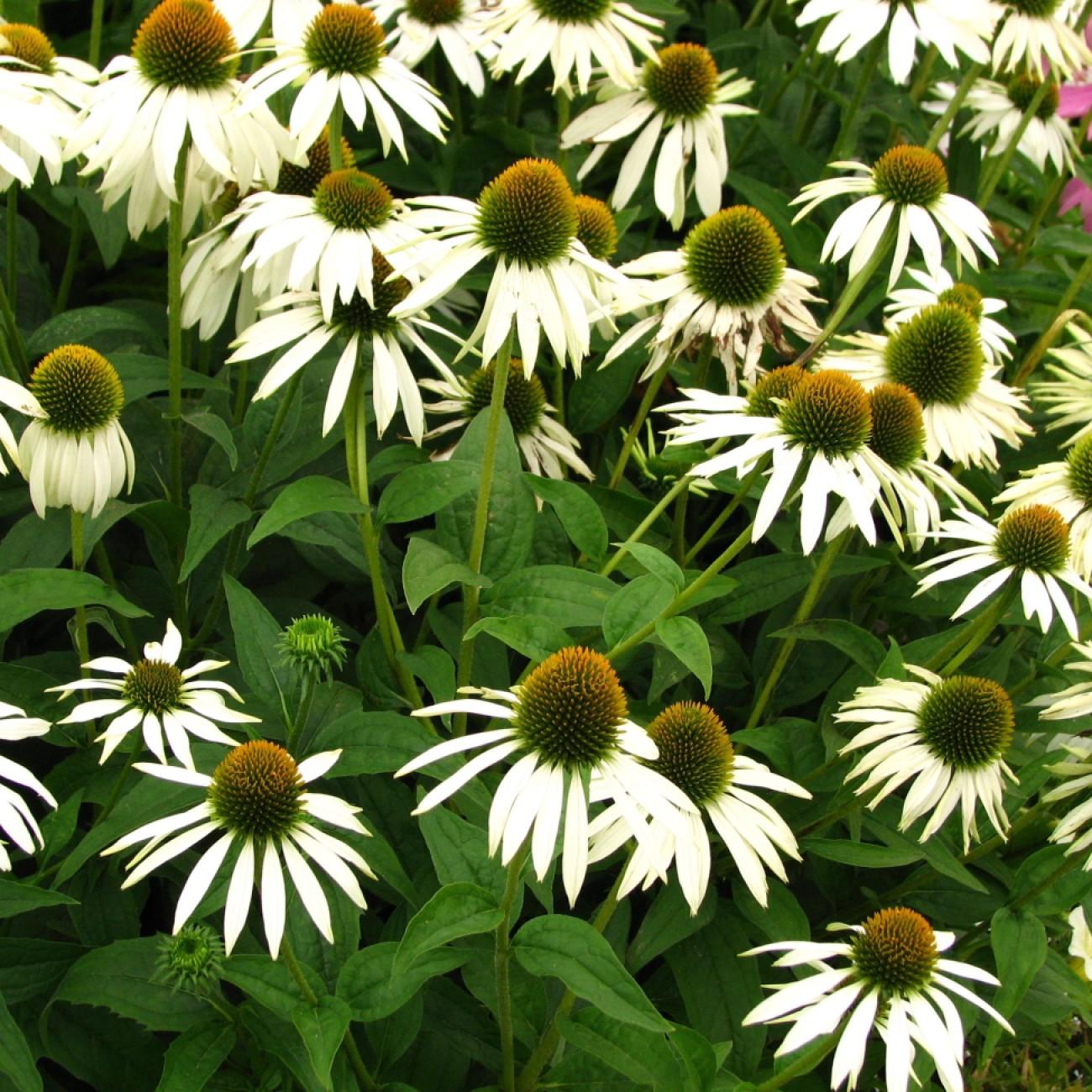
coneflower
Echinacea purpurea 'Primadonna White'
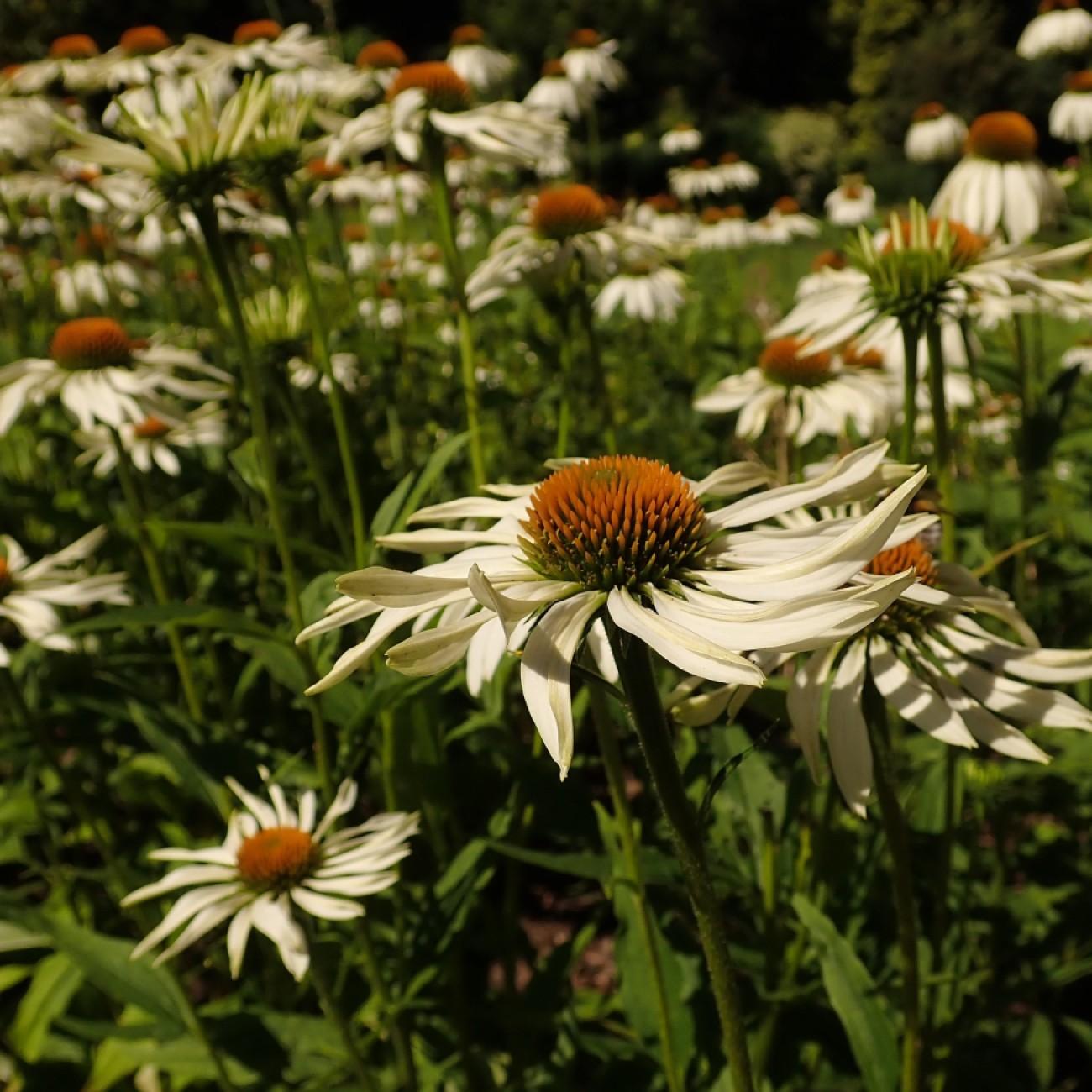
coneflower
Echinacea purpurea 'Purity'
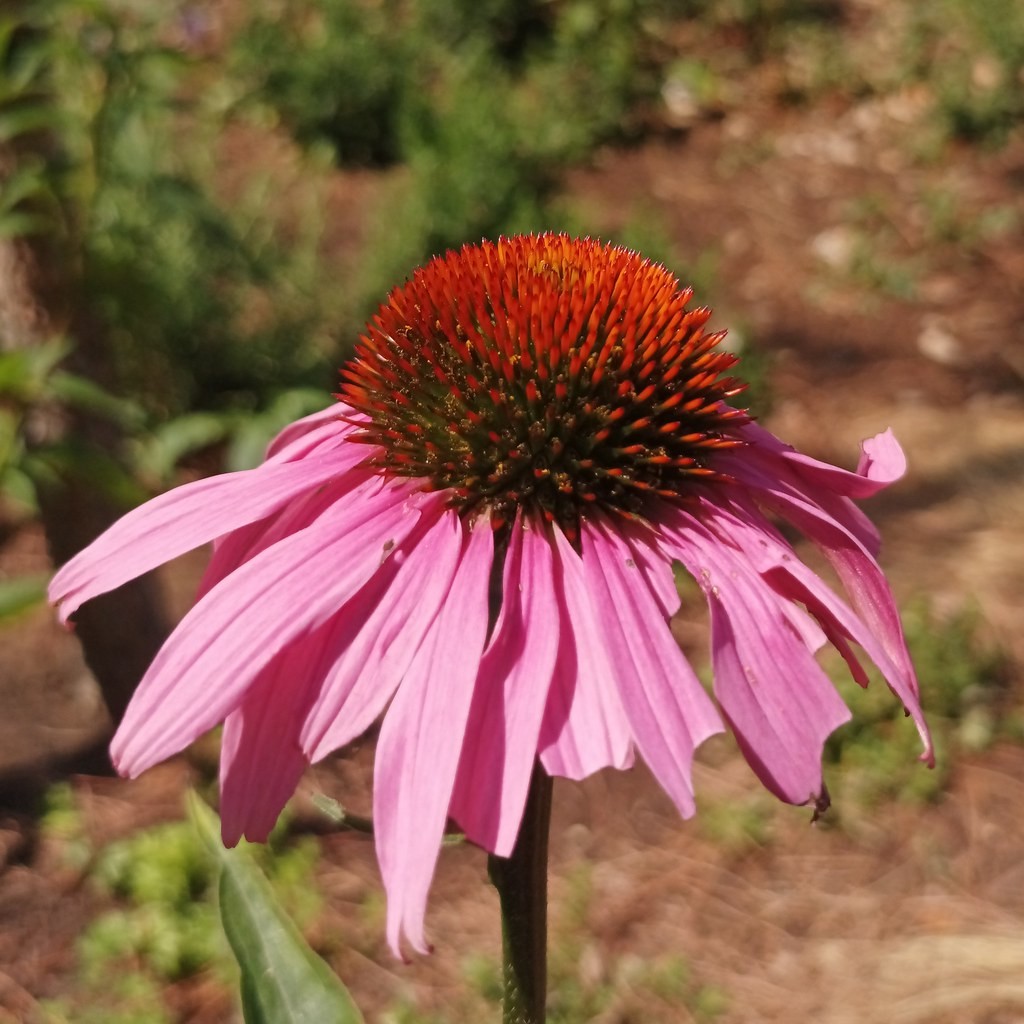
purple coneflower
Echinacea purpurea
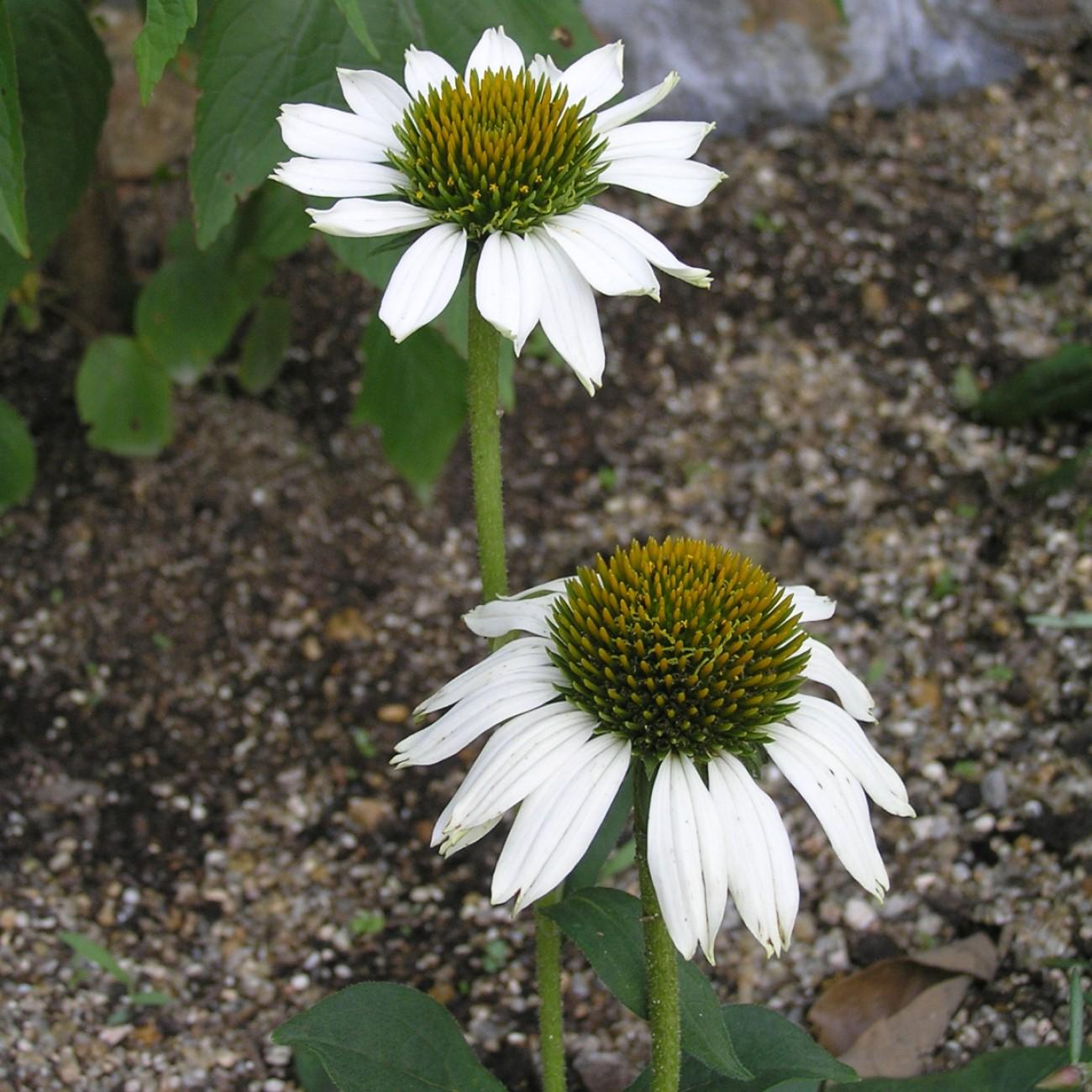
purple coneflower
Echinacea purpurea 'Amado'
purple coneflower
Echinacea purpurea 'Butterfly Kisses'