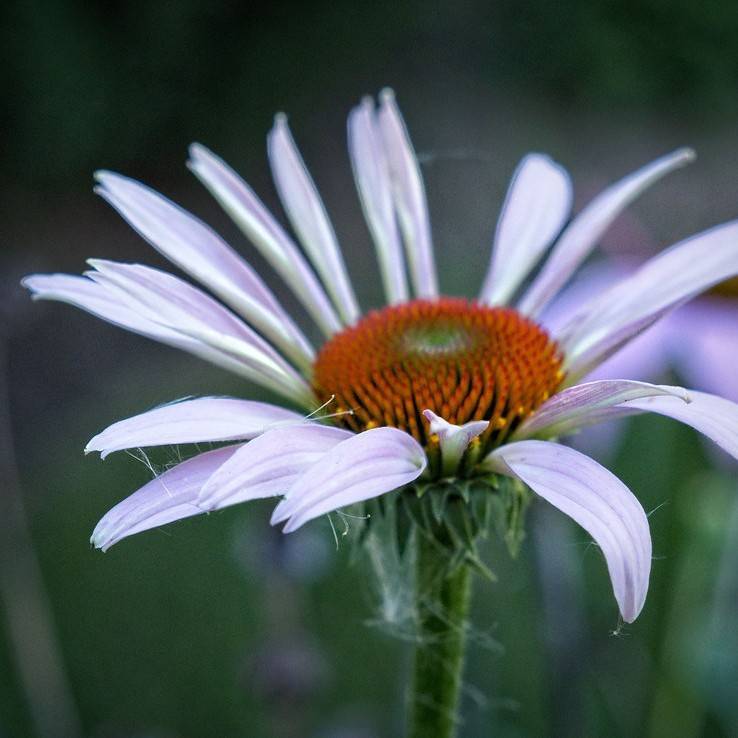
purple coneflower
Echinacea purpurea 'White Lustre'
Overview
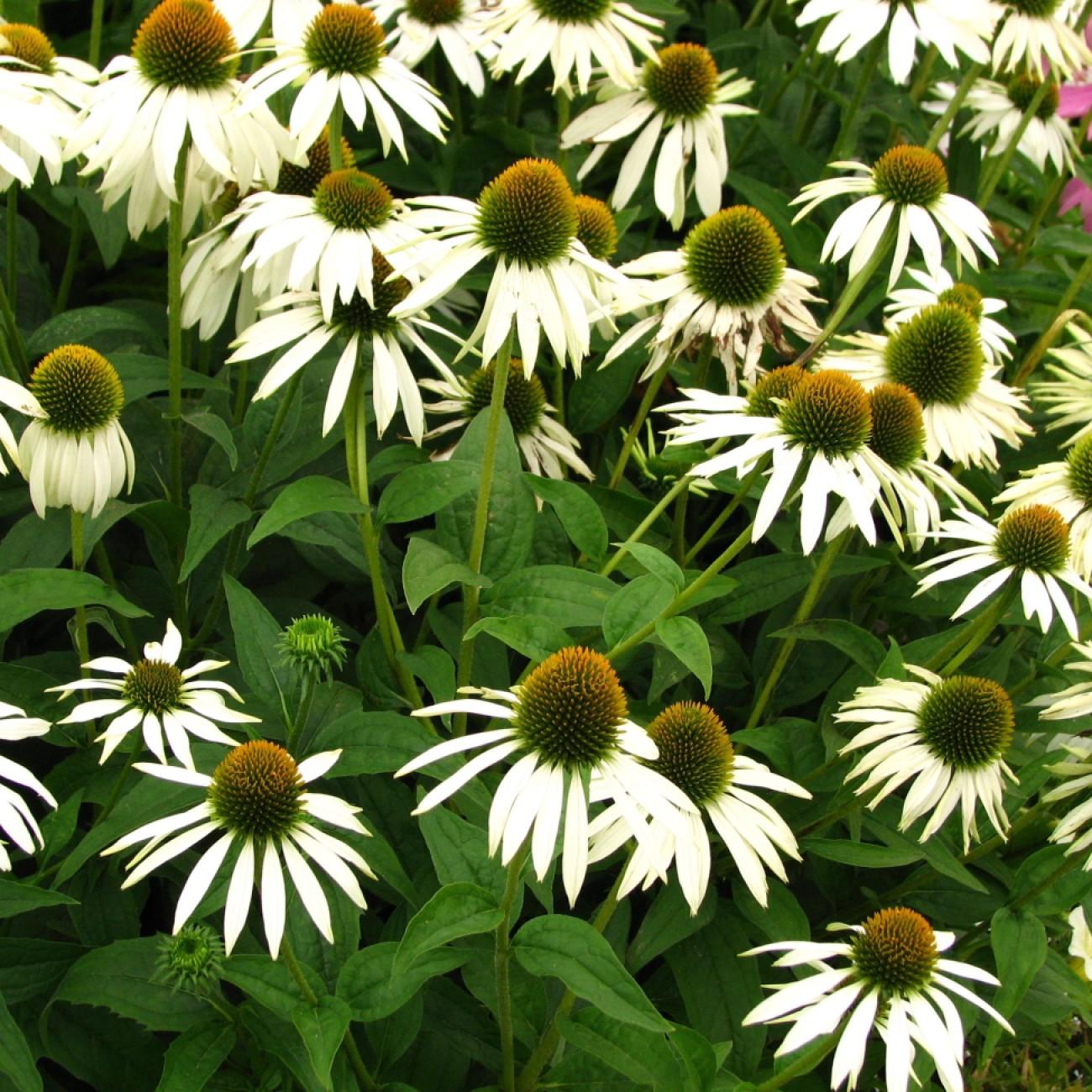
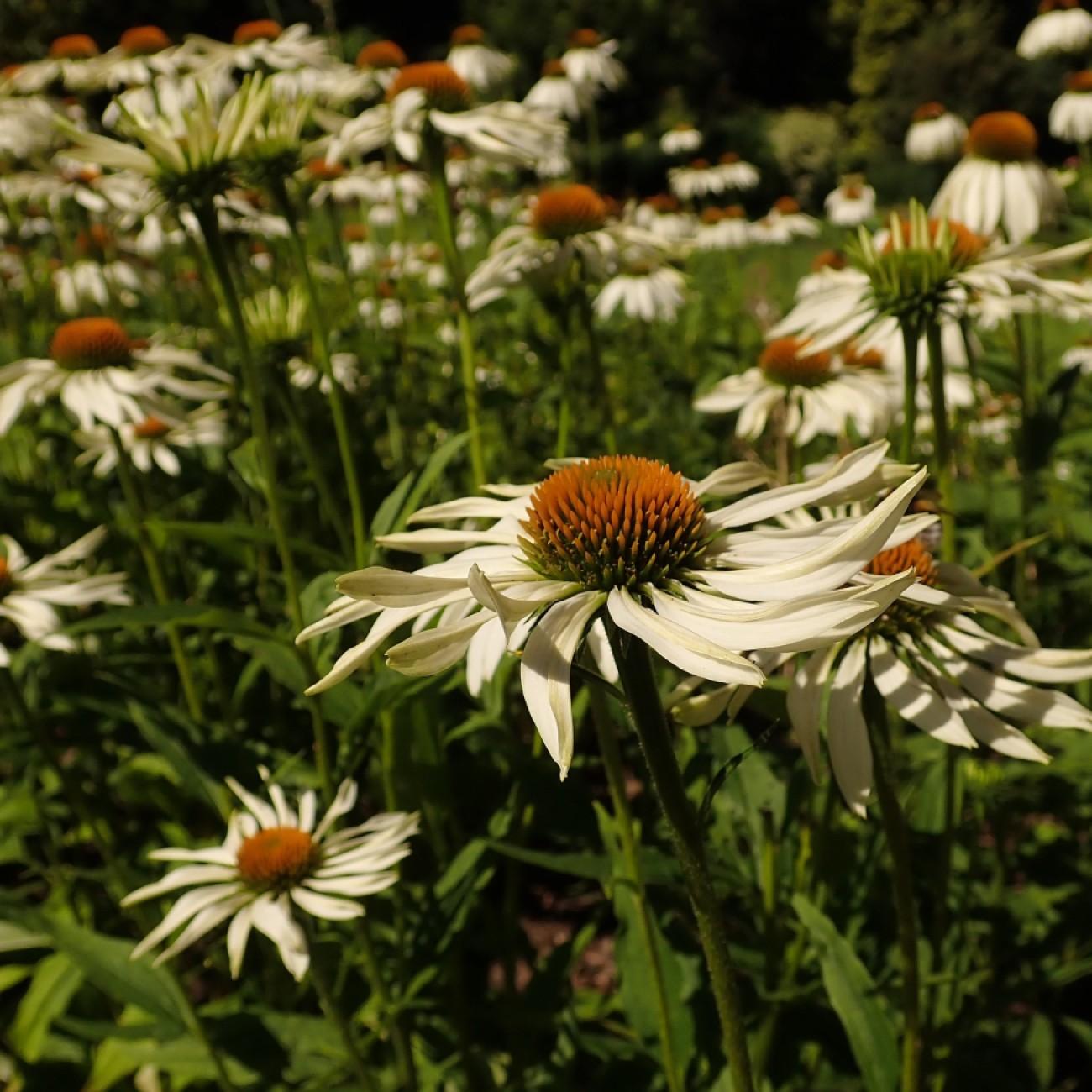
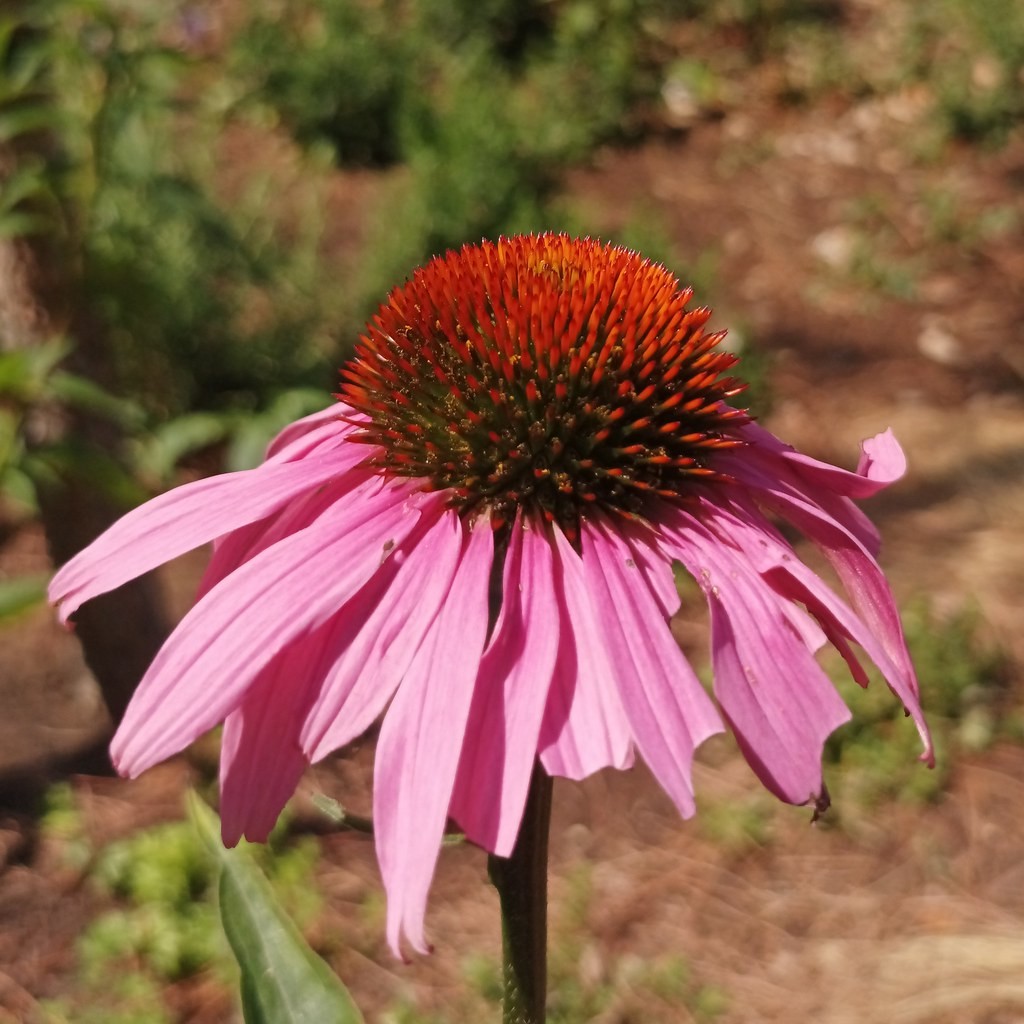
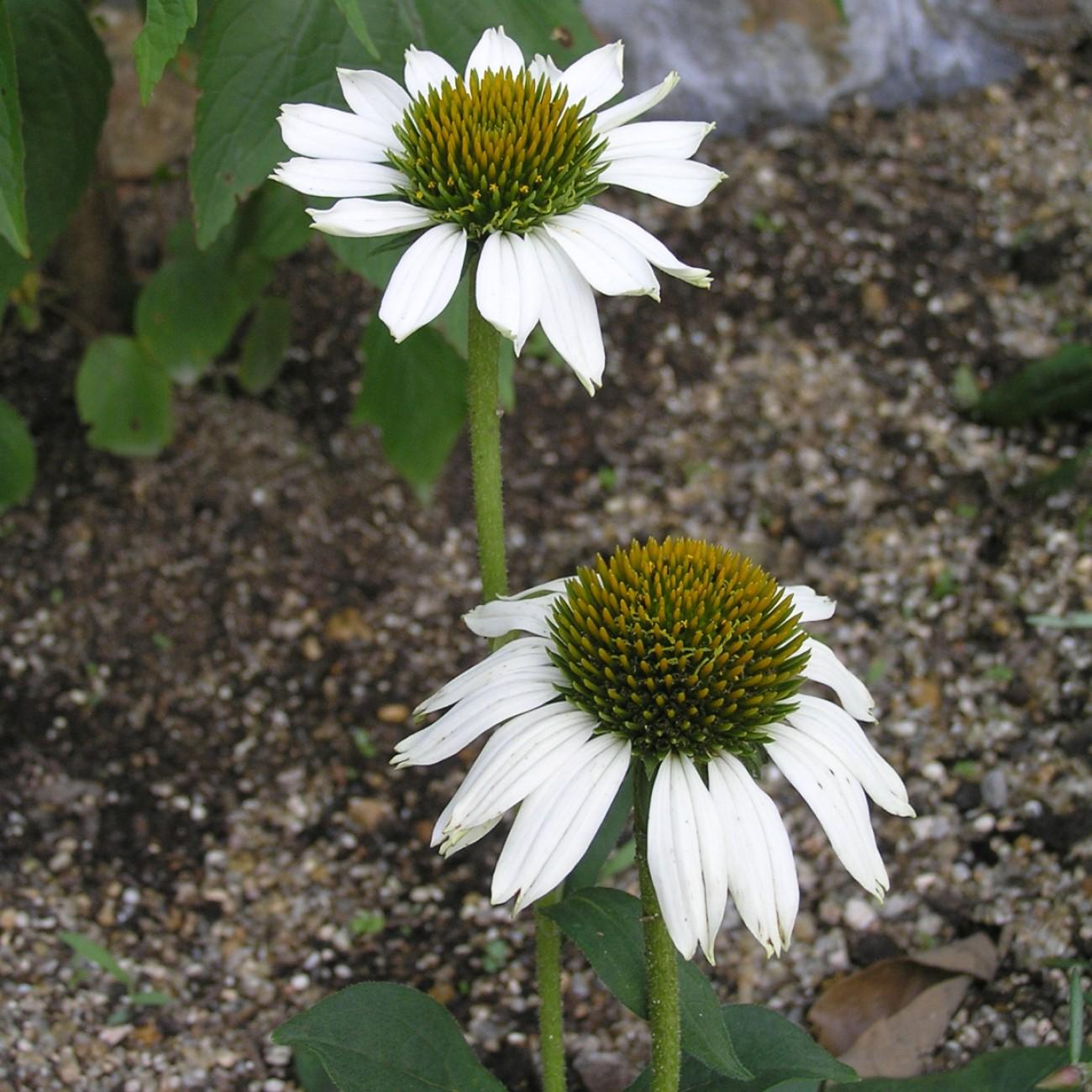
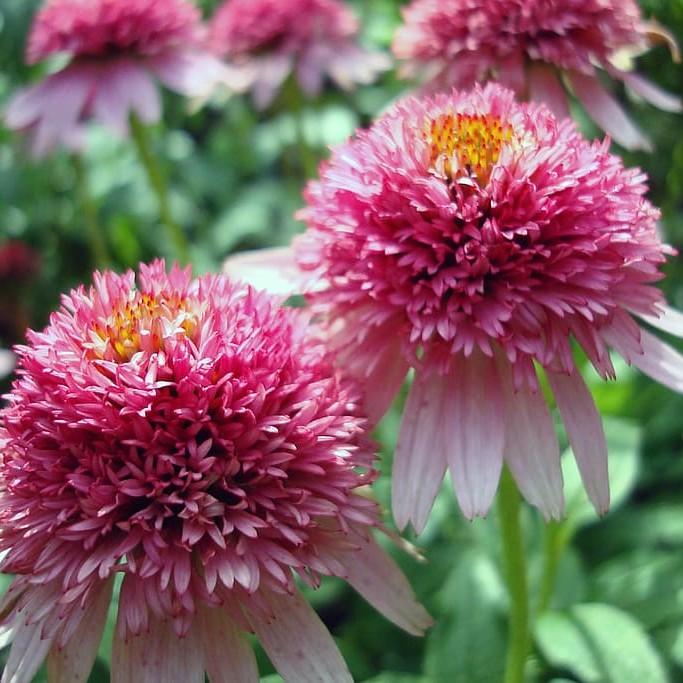
Purple coneflower (Echinacea purpurea 'White Lustre') is an amazing plant species! This variety of Echinacea has large white petals with a raised center cone that matures to purplish orange. It blooms throughout the summer and always attracts attention due to its striking colors. Its bright, sunny flowers look beautiful next to deep green foliage. Not only is it stunning, but it's easy to care for as well. It tolerates dry conditions, requires little maintenance and looks lovely in borders and cutting gardens. It's also known to attract pollinators such as hummingbirds and butterflies. With its beauty and hardiness, the Echinacea purpurea 'White Lustre' is a great choice for any garden!
Care Guide
Watering
Purple Coneflower (Echinacea purpurea 'White Lustre') does best with weekly deep watering. Water approximately until the soil is damp 6-8" down. Allow the top few inches of the soil to dry slightly between waterings, but not completely. During peak periods of growth, hot weather, and during newly planted periods, watering may need to be increased to 2 or 3 times a week. Make sure to not constantly keep the soil saturated as this can lead to root rot.
Light
Purple coneflower (Echinacea purpurea 'White Lustre') requires 4 to 6 hours of direct sunlight a day. In the northern hemisphere, it should receive its peak amount of sun in the late morning and early afternoon. As with all flower species, the amount of sunlight can vary depending on the season and the climate of the region. On very hot days, purple coneflower might need some shade during the afternoon in order to avoid wilting. During the cooler months, it may require slightly more sunlight and warmth in order to thrive.
Soil
Sandy Loamy Clay Rocky
Temperature
Hardiness zone 3–8.
Pruning
Purple coneflower (Echinacea purpurea 'White Lustre') should be pruned once established in late July or early August. This will help encourage side branching, preventing the plant from growing too tall. Pruning should consist of removing at least 1-third of the growth and taking care not to cut back into old, woody growth as this won't promote regrowth. Care should be taken not to remove too much of the flowers, as this will detract from the overall look of the plant. Deadheading can be done throughout the growing season to keep flowers blooming and the plants looking attractive.
Propagation
Seed Propagation
Uses & Symbolism
Attracts: Birds, Butterflies.
Diseases & Pests
Common pests: Leaf miner insect, Pest resistant, Disease resistant, Drought resistant .
Related plants
Other plants you might like if you grow purple coneflower.
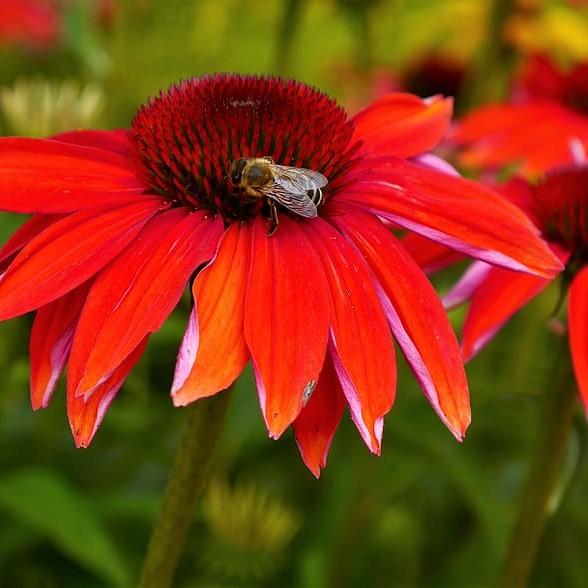
coneflower
Echinacea purpurea 'Balsomsed' SOMBRERO SALSA RED
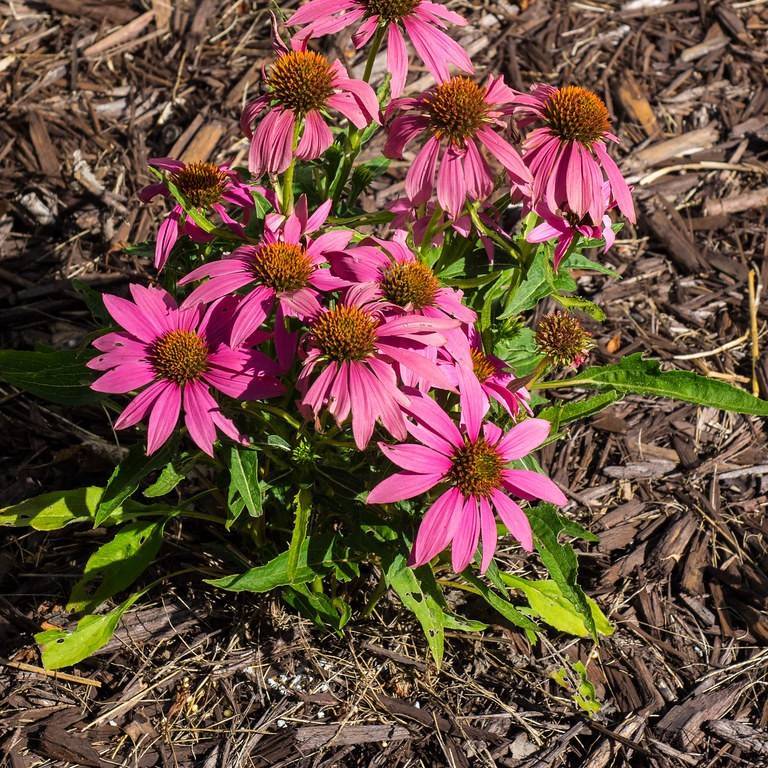
coneflower
Echinacea purpurea 'Pas702917' POWWOW WILD BERRY
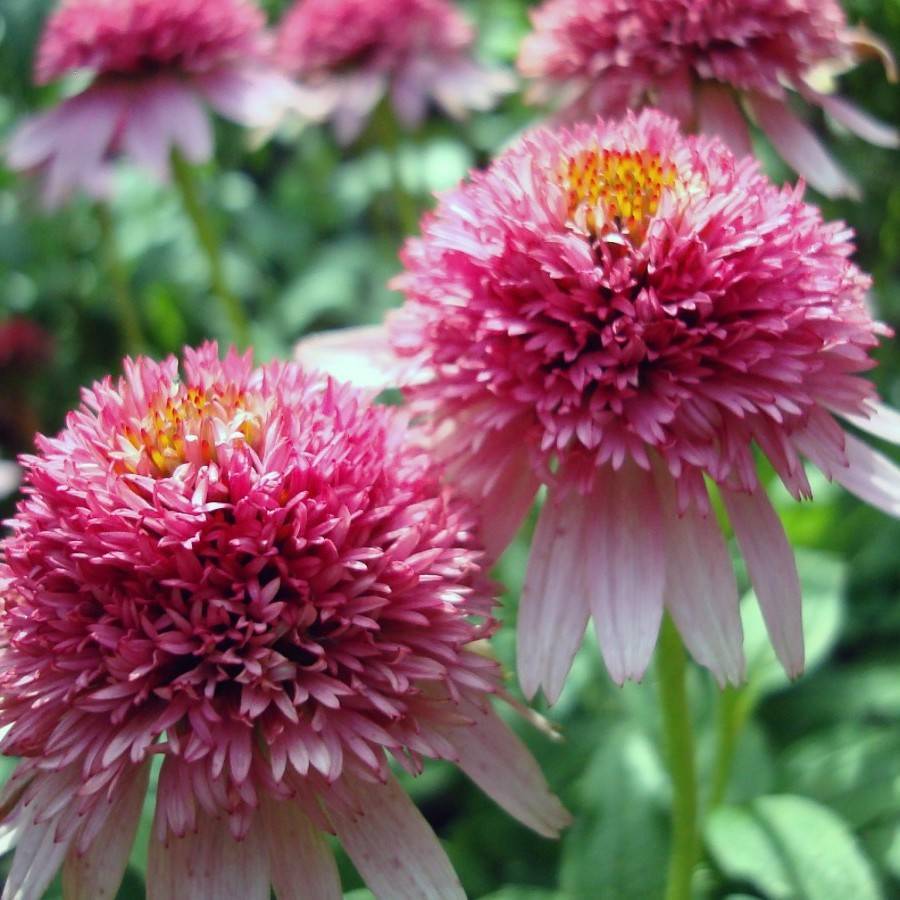
coneflower
Echinacea purpurea 'Pink Poodle'
coneflower
Echinacea purpurea 'Primadonna White'
coneflower
Echinacea purpurea 'Purity'
purple coneflower
Echinacea purpurea
purple coneflower
Echinacea purpurea 'Amado'
purple coneflower
Echinacea purpurea 'Butterfly Kisses'