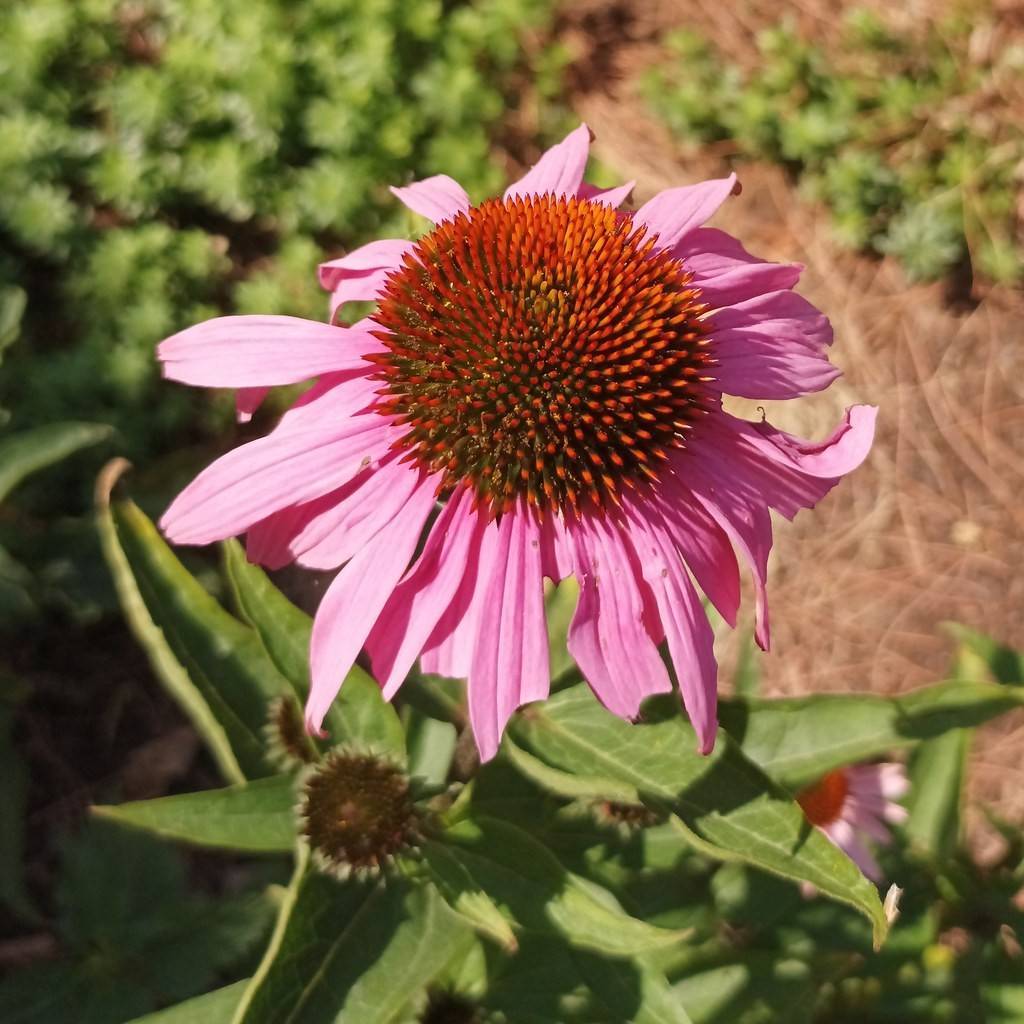
purple coneflower
Echinacea 'Raspberry Tart'
Overview
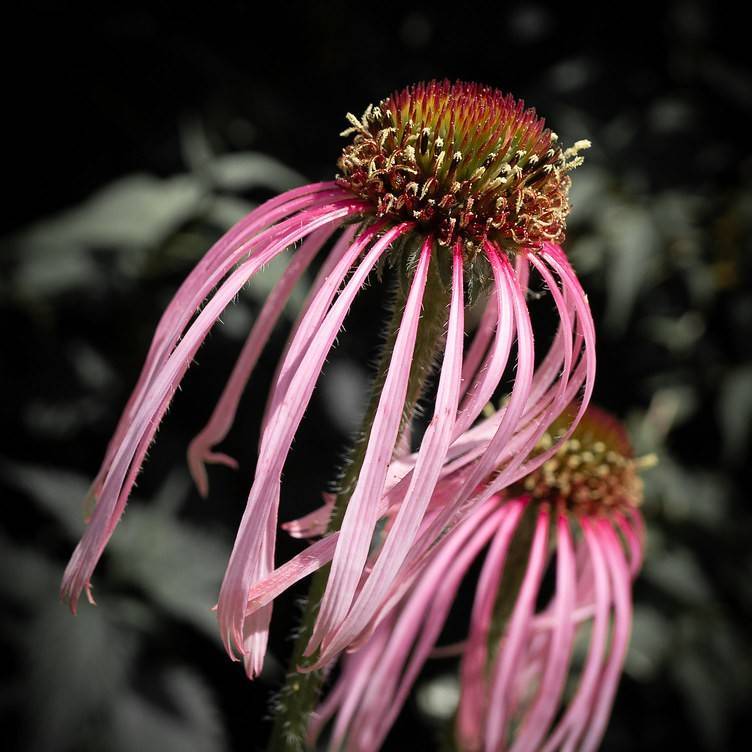
The Purple Coneflower (Echinacea 'Raspberry Tart') is a beautiful sight to behold. Its deep purple petals stretching out around a vibrant orange-ish cone create a stunning contrast that will make a colorful statement in any garden. The petals are edible and make a delicious addition to salads, and it attracts butterflies and other pollinators. It is a hardy plant that blooms from the end of summer through autumn, so it will be a colorful addition to any garden for months. Plus, the coneflower is easy to grow and doesn't need much maintenance, making it a great choice for the busy gardener.
Care Guide
Watering
Purple coneflower should be watered deeply and infrequently. During the growing season, aim to water your plant about twice a week. Water thoroughly until excess water begins to drain out of the bottom of the pot. In hotter months, you may need to water more often to keep the soil slightly moist. During colder months, when the plant is dormant, decrease your waterings to about once a week. Be sure to monitor the soil moisture and adjust your watering schedule accordingly.
Light
Purple Coneflower (Echinacea 'Raspberry Tart') does best in full sun, meaning 6 to 8 hours of direct sunlight per day. If grown in too much shade, these coneflowers will get leggy and won't flower as much. During the spring and summer months, direct sunlight should be given to the plants from the hours of 8 a.m. to 6 p.m. During the fall and winter months, when days are shorter, the plant should receive only 4 to 6 hours of direct sunlight, starting as early as 8 a.m. and ending as late as 4 p.m.
Temperature
Hardiness zone 3–8.
Pruning
Purple coneflower (Echinacea 'Raspberry Tart') should be pruned once a year, after the flowers fade, usually in late summer or fall. To keep the plant balanced and tidy, you can remove up to about 1-third of the old flowering shoots, cutting them down to the base of the plant. If the plant is getting too tall or the stems are getting too leggy, then it may help to trim back some of the extra height, or remove a few of the older stems. This should be done during active growth in the late spring or summer months.
Propagation
Seed Propagation, Division, Root Cutting, Layering Propagation
Uses & Symbolism
Attracts: Birds, Butterflies.
Related plants
Other plants you might like if you grow purple coneflower.
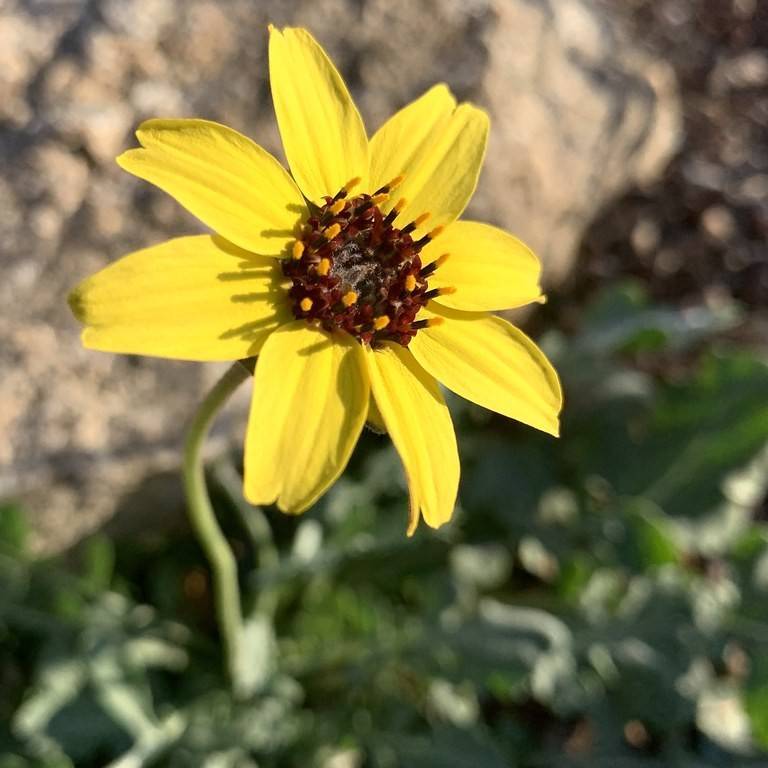
chocolate flower
Berlandiera lyrata
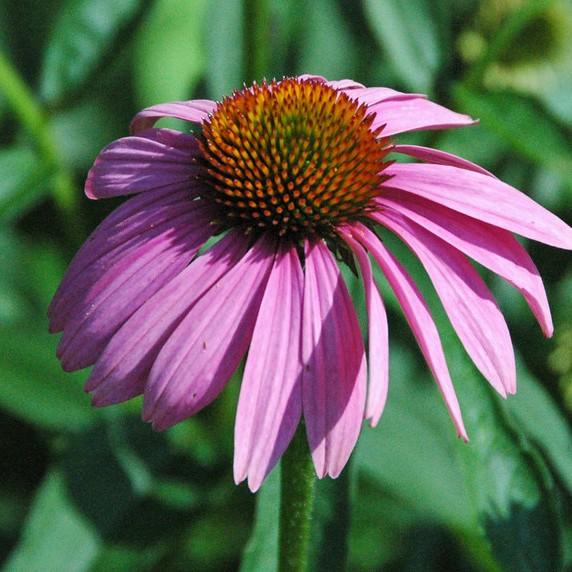
coneflower
Echinacea 'Adam Saul' CRAZY PINK
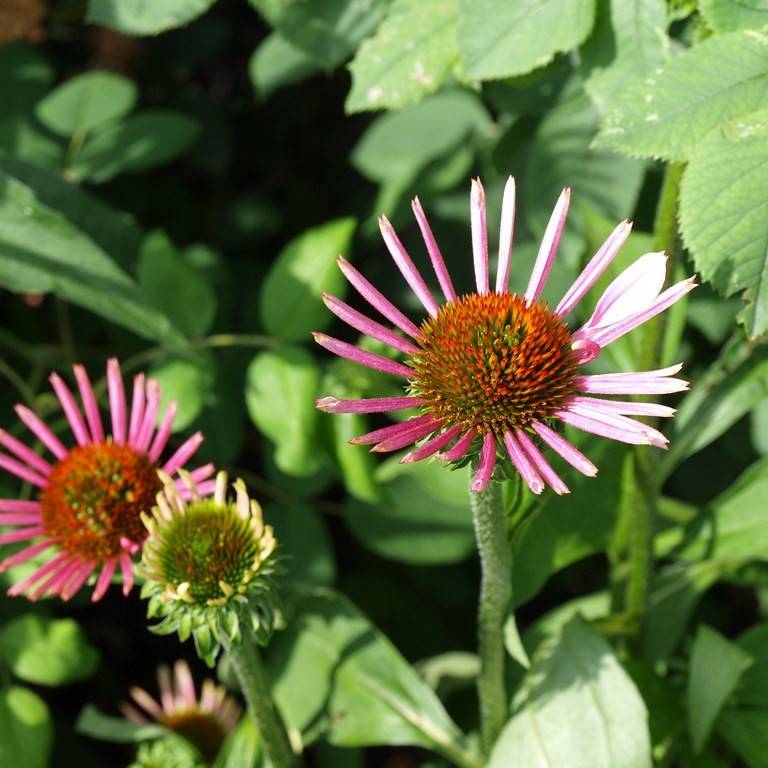
coneflower
Echinacea 'All that Jazz'
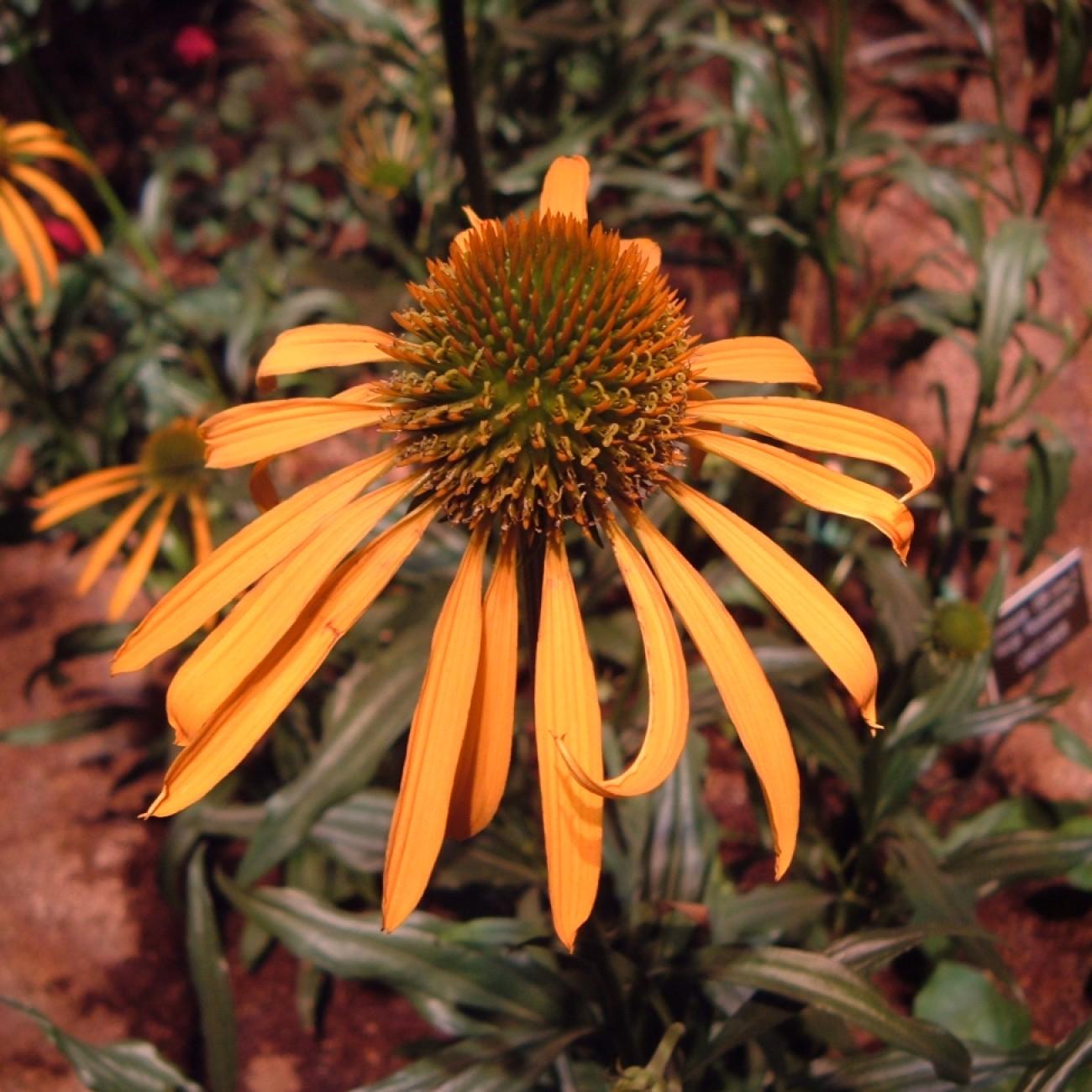
coneflower
Echinacea 'Art's Pride' ORANGE MEADOWBRITE
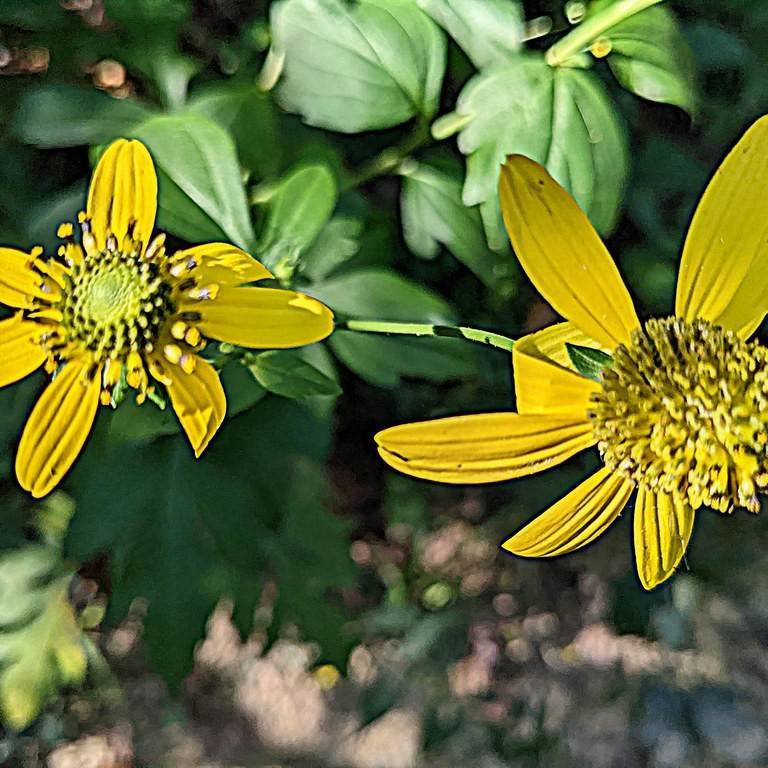
coneflower
Echinacea 'Balsomsolst' SOMBRERO SUMMER SOLSTICE
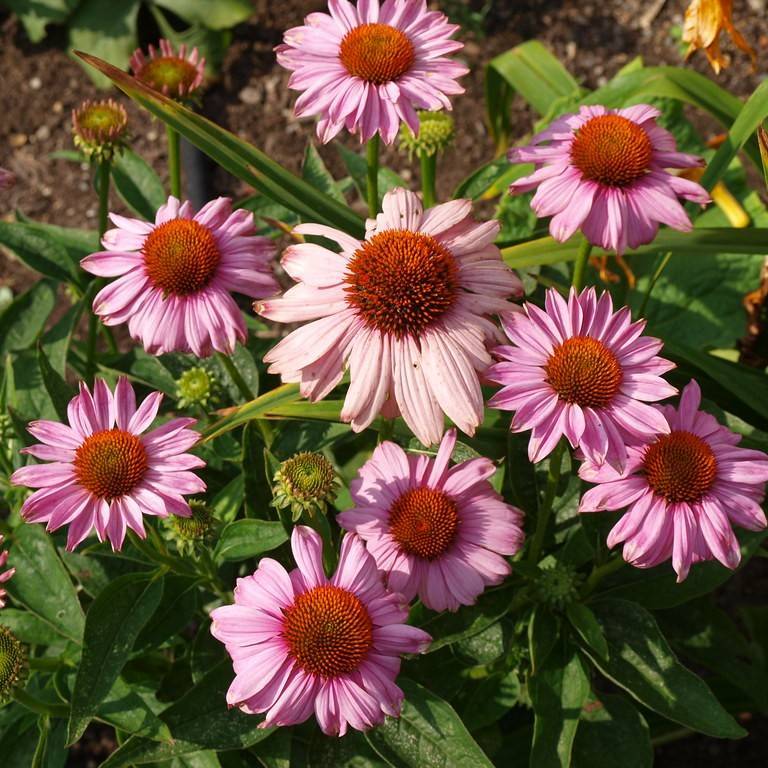
coneflower
Echinacea 'Bravado'
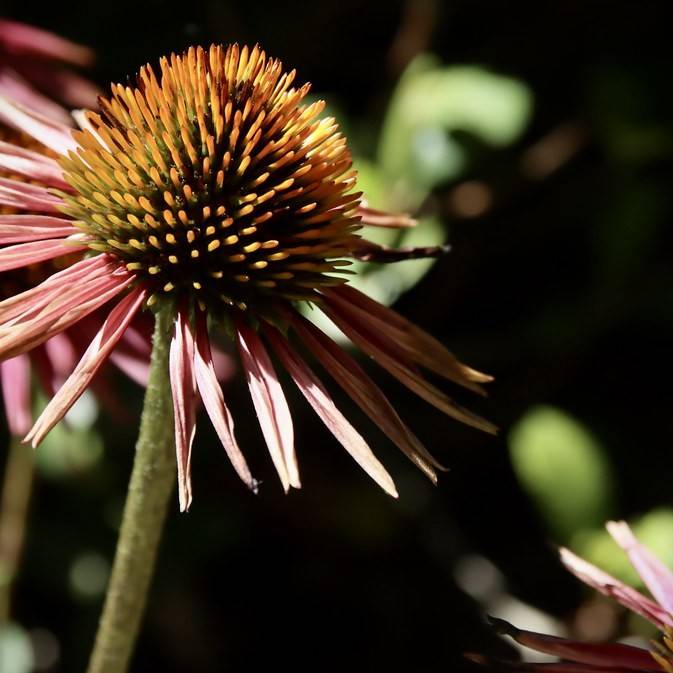
coneflower
Echinacea BURGUNDY FIREWORKS
coneflower
Echinacea 'CBG Cone 2' PIXIE MEADOWBRITE