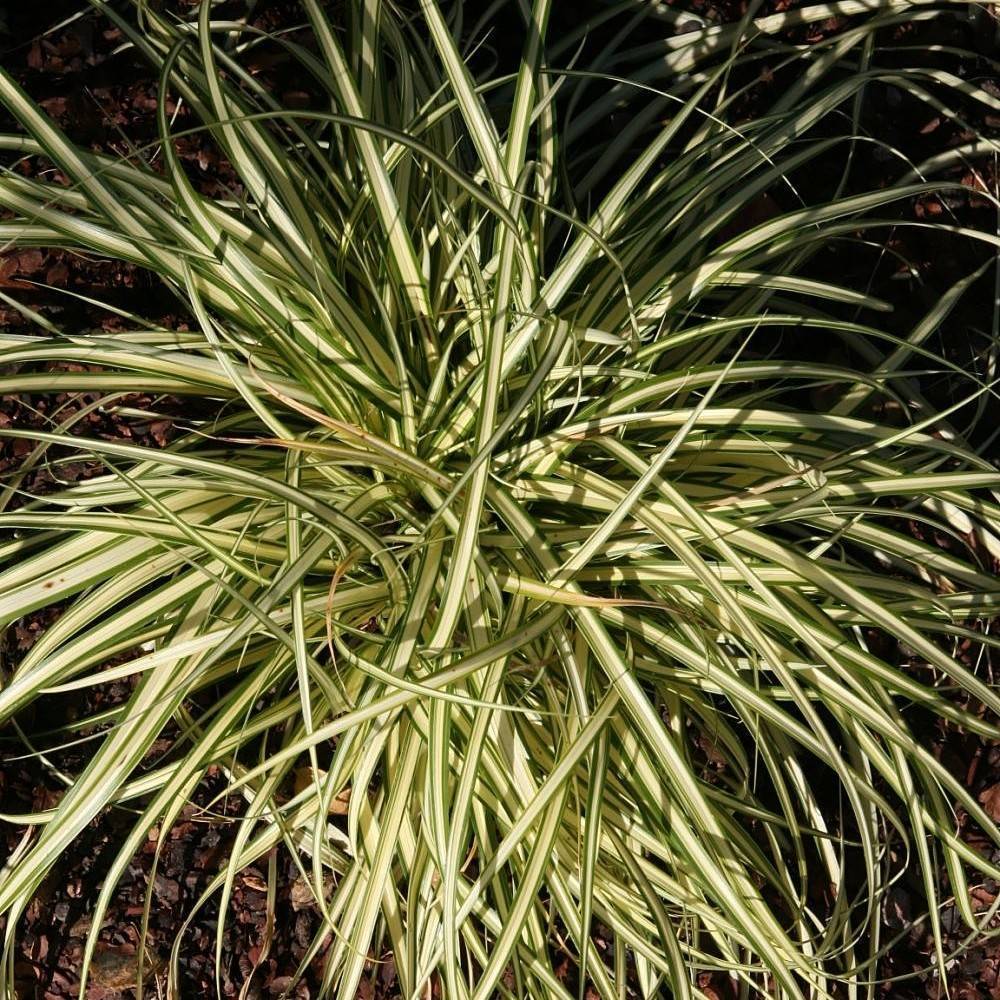
sedge
Carex oshimensis 'Gold Strike'
Overview
Carex oshimensis 'Gold Strike' is an amazing ornamental grass. With its bold variegated foliage of yellow, green and white blades, it is a striking addition to any garden. Not only is it attractive, but it is also drought tolerant and thrives in full sun and moist conditions. Its upright, clumping growth habit and bright foliage make it an ideal choice for areas where little else will grow. It’s a great choice for borders, rock gardens, containers and accents. It's also a great alternative to more invasive grasses. 'Gold Strike' sedge is an exotic and beautiful grass that will bring color to your garden and drama to your perennials.
Care Guide
Watering
Sedge (Carex oshimensis 'Gold Strike') should be watered once per week, allowing the soil to almost dry out between waterings. The amount of water given should vary depending on the temperature and light levels, with more frequent and generous waterings during hot summer days and less frequent but still regular during cooler or shady weather. Be sure not to allow the soil to become soggy, as this can lead to fungal issues.
Light
Sedge (Carex oshimensis 'Gold Strike') is a variety of ornamental grass that thrives in full sun. This plant species prefers at least 6 hours of sunlight per day and will tolerate up to 8 hours of direct sun per day. When growing in areas of mild temperatures, such as zone 6 to zone 9, full sun should be ensured as much as possible to keep the plant happy. In areas with intense or extreme summer heat, shade during the midday when sunlight is most intense should be provided. During the cooler months in the fall and winter, full sun is preferable.
Temperature
Hardiness zone 5–9.
Pruning
Sedge (Carex oshimensis 'Gold Strike') should be pruned in the late fall or early winter, when the plant is entering its dormant stage. Dead, damaged, or overly long foliage should be the first to go in order to shape the plant and remove any unsightly growth. Pinching back the tips of the stems encourages more aggressive side branching, creating a fuller, denser look. Avoid pruning back too far and cutting into the old wood, as this will reduce or stunt growth. Additionally, if the plants are growing over, shear or lightly tip prune the foliage to maintain height and shape. Pruning should be done periodically throughout the growing season as needed.
Propagation
Division, Cutting, Seed Propagation, Layering Propagation
Related plants
Other plants you might like if you grow sedge.
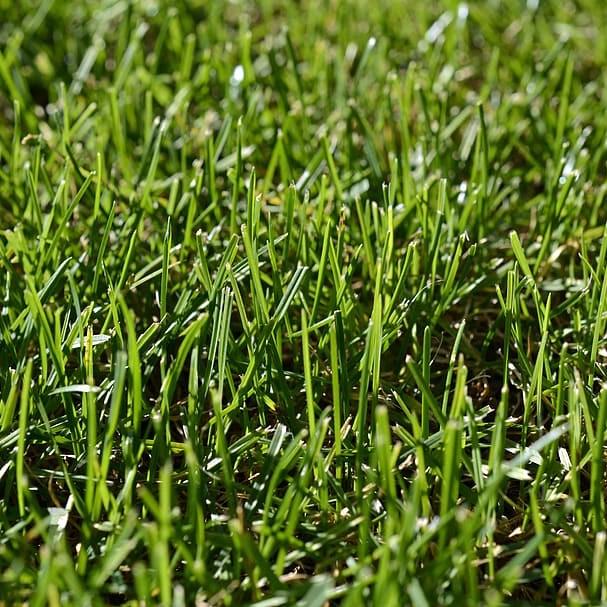
fescue
Festuca arundinacea WATER SAVER
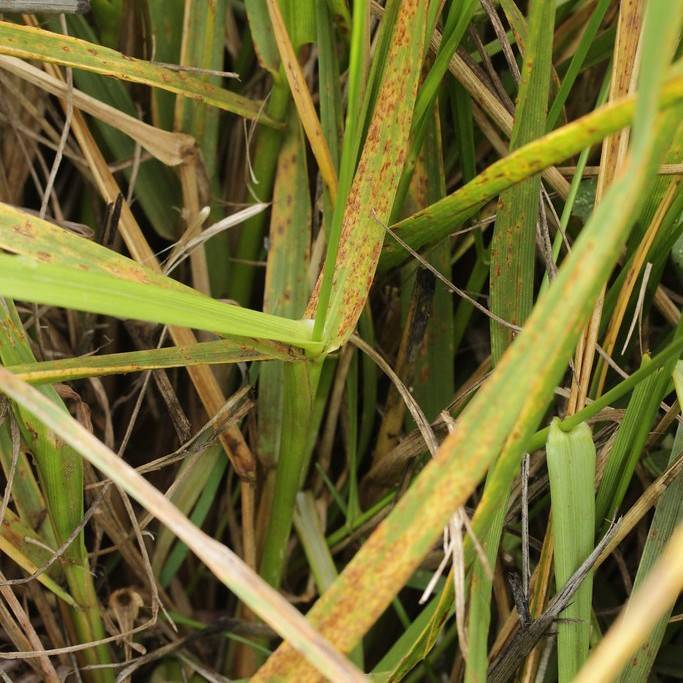
tall fescue
Festuca arundinacea 'Black Beauty'
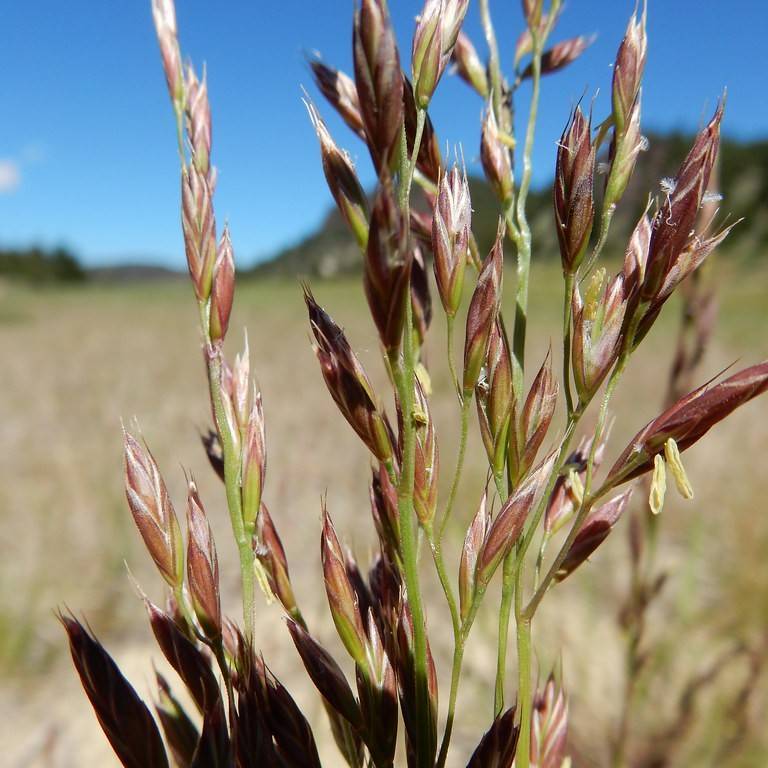
tall fescue
Festuca arundinacea 'Dense Shade Mix'
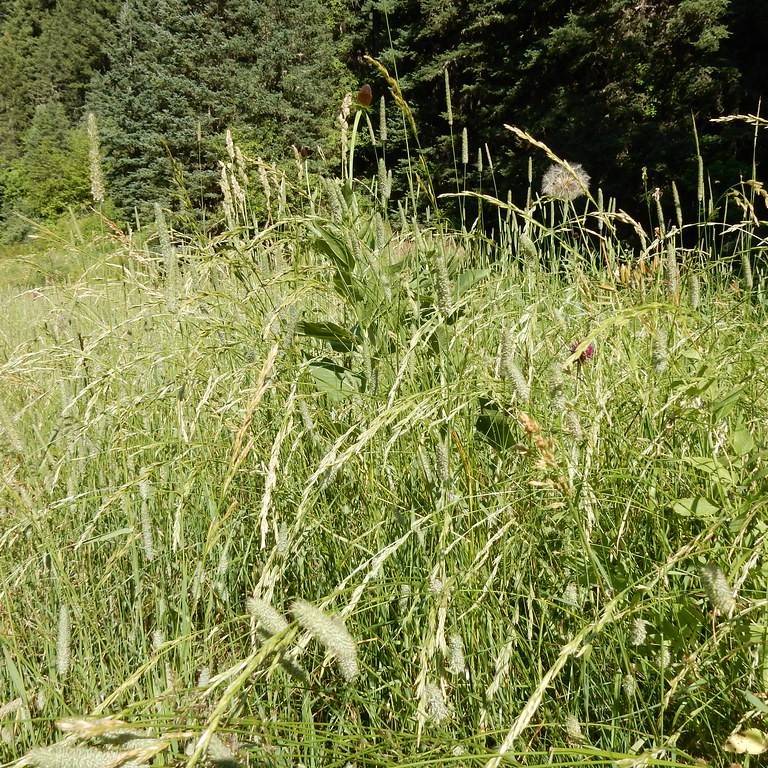
tall fescue
Festuca arundinacea 'Jaguar 3'
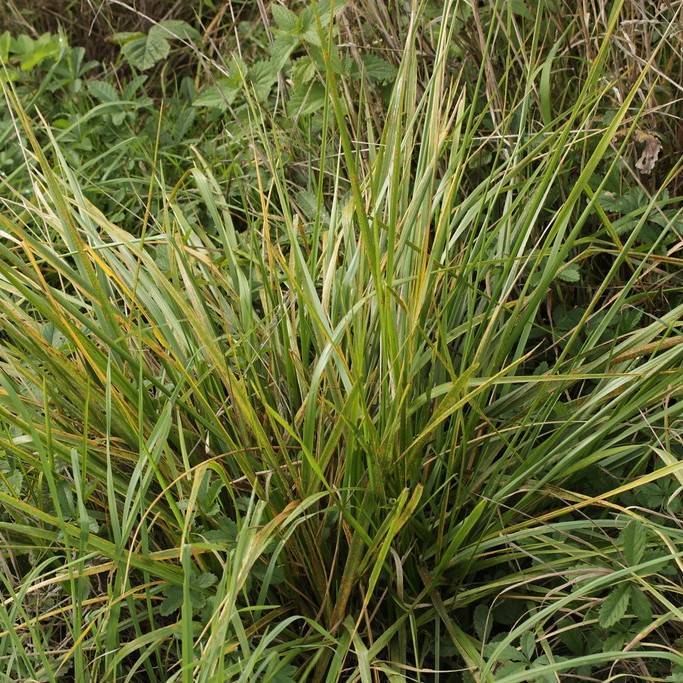
tall fescue
Festuca arundinacea 'Kentucky 31'
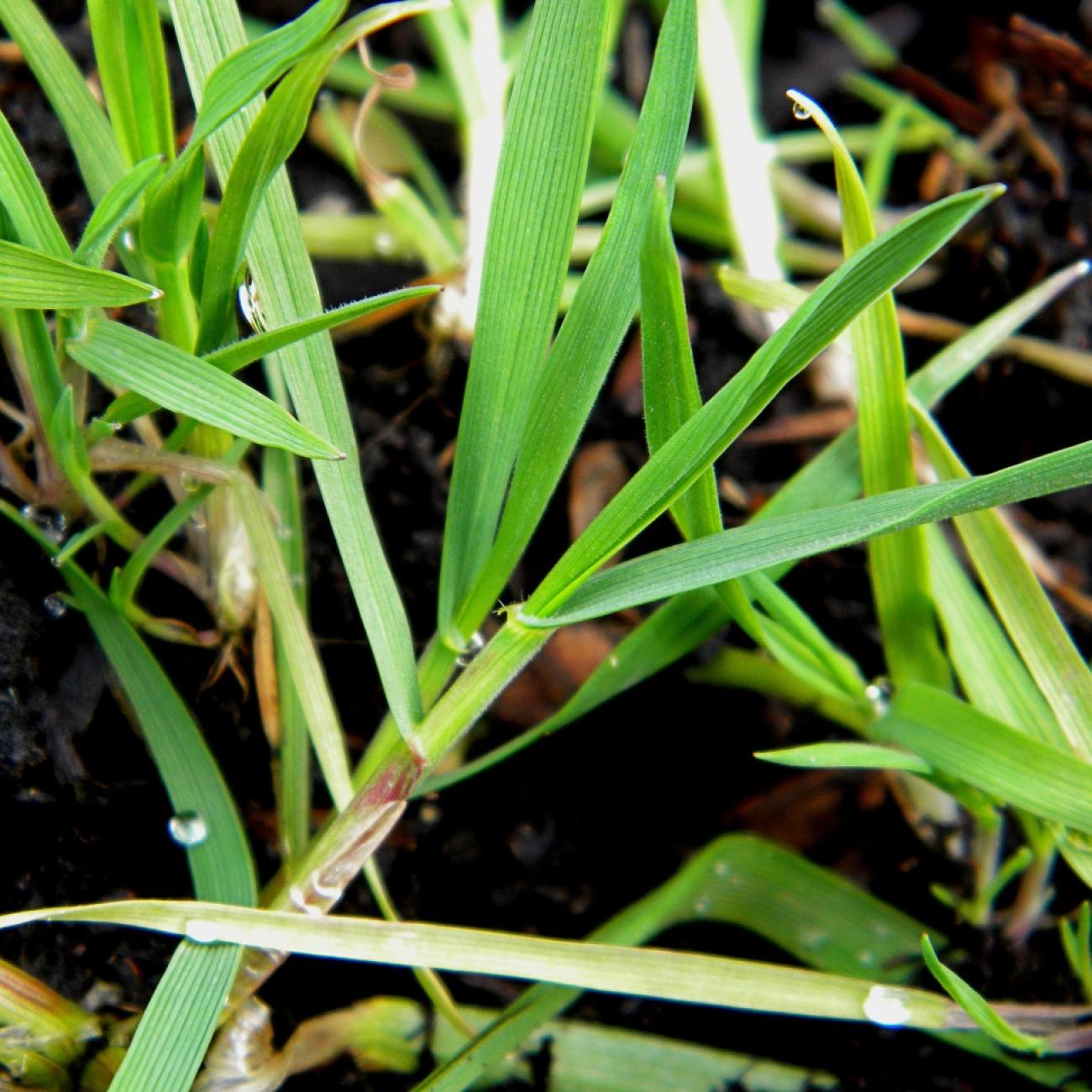
tall fescue
Festuca arundinacea (mix)
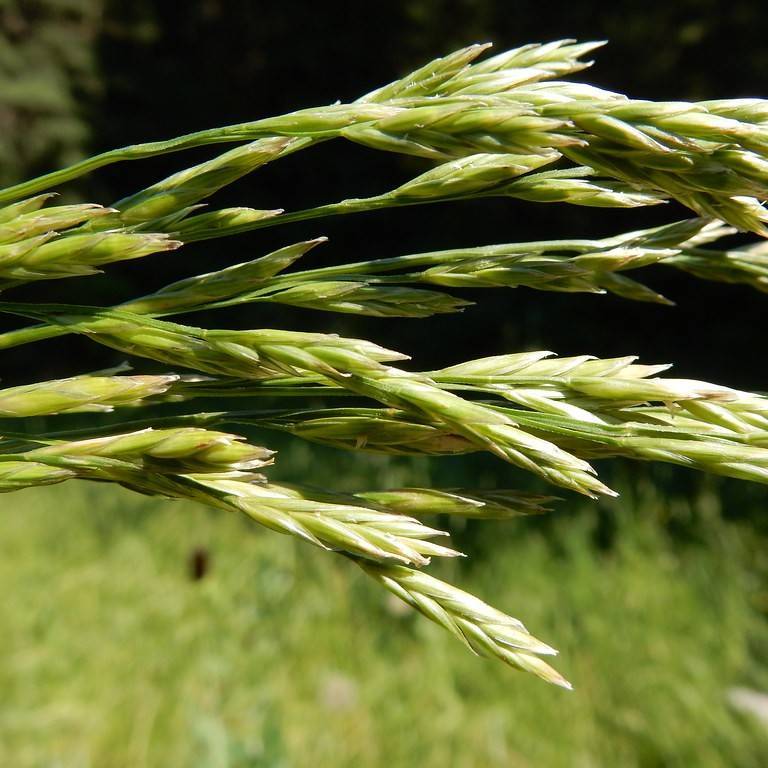
tall fescue
Festuca arundinacea PROSCAPE WINNING COLORS
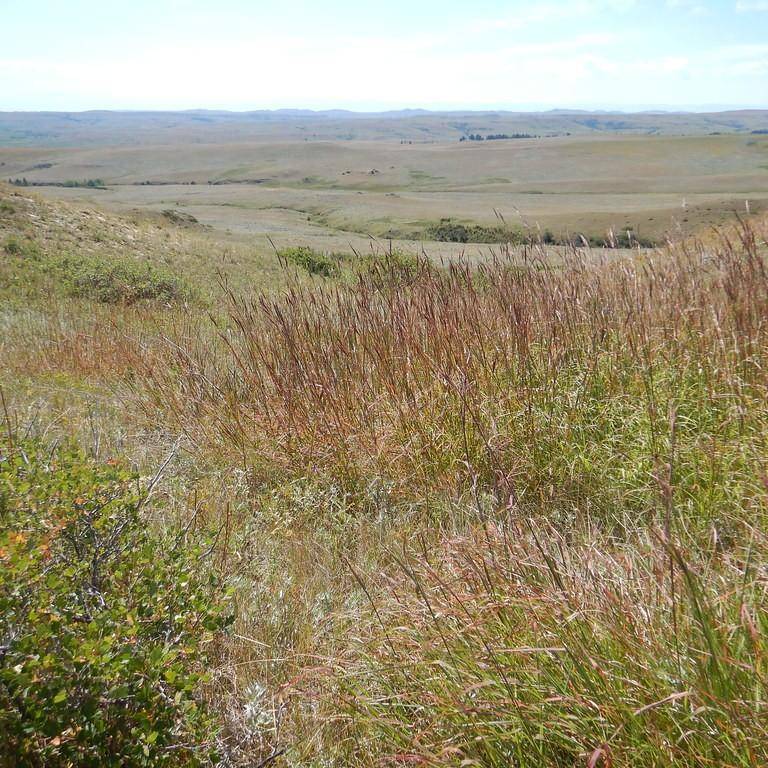
big blue stem
Andropogon gerardii