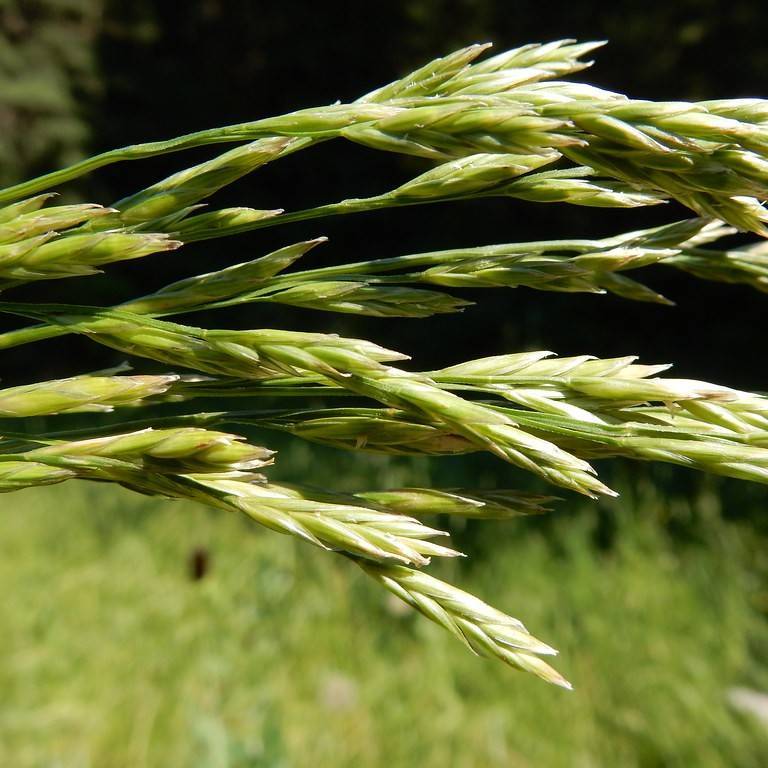
tall fescue
Festuca arundinacea PROSCAPE WINNING COLORS
Overview
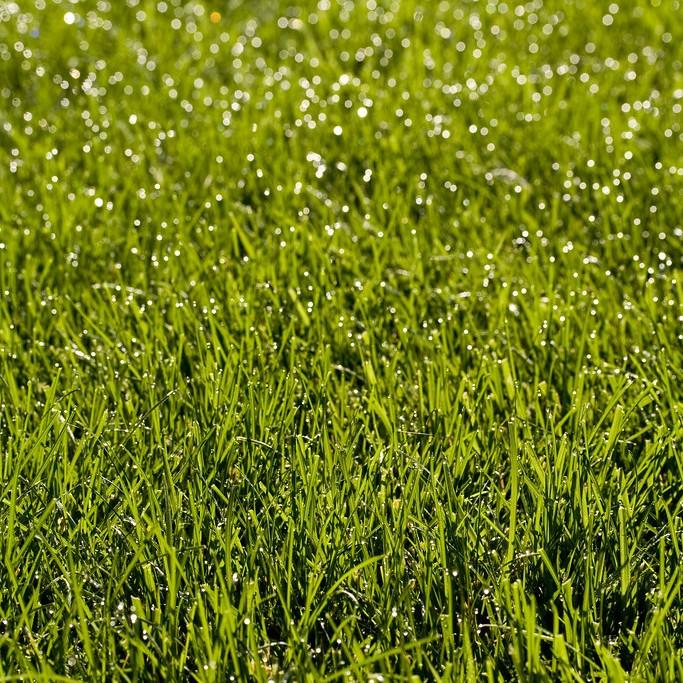
Tall fescue (Festuca arundinacea PROSCAPE WINNING COLORS) is an amazing plant species that is both attractive and hardy. It forms fine grass which produces an overall uniform look in any landscape setting. It has a dark green color which stands out against everything in the garden. Tall fescue is both drought and cold tolerant which make it a great choice for regions prone to extreme weather conditions. It is a low maintenance plant which requires minimal effort and watering while still providing a lush look. It is also resistant to disease due to its thick robust blades. It grows quickly, which reduces the amount of time spent on mowing and trimming it. Overall, tall fescue provides an attractive, lush, and long-lasting foliage for any landscape.
Care Guide
Watering
To water a tall fescue, it should be watered deeply and on a regular basis. During the summer, it needs to be watered deeply (up to 1 inch of water) once a week. Watering in the morning is best, as this will give the grass a chance to dry out before evening. For the rest of the year, water the turf on an as-needed basis; this will depend on the weather and the amount of rainfall that you receive. Avoid overwatering, as this can lead to root rot and other diseases.
Light
Tall Fescue needs full sunlight to grow and thrive, meaning that it should get direct sunlight for the majority of the day. Typically, tall fescue should receive at least 8-10 hours of sunlight each day, in order to perform its best. It should be exposed to the longest daily duration of sunlight available in its growing region. In regions with long days, tall fescue should receive at least 12 hours of daily direct sunlight during the summer. Plants exposed to less sunlight may become weakened and stressed, and require additional fertilizer and/or water to compensate for the lack of light.
Temperature
Hardiness zone 3–6.
Pruning
Tall fescue (Festuca arundinacea PROSCAPE WINNING COLORS) should be pruned twice a year. The first pruning should take place during spring, after the last frost. This should involve removing any dead or diseased foliage, as well as any stems that have outgrown the desired size. An additional pruning should occur in late summer or early fall, with the exact timing dependent on your local climate and weather patterns. This pruning should focus on shaping the plant, tidying up the foliage, removing weak or dead stems, and reducing the size of any remaining stems. Depending on the size of the plant, only a light pruning may be necessary. Pruning should be minimal as tall fescue plants are very resilient and will often recover with minimal intervention.
Propagation
Seed Propagation, Vegetative Plugging, Stolon, Sprigging
Diseases & Pests
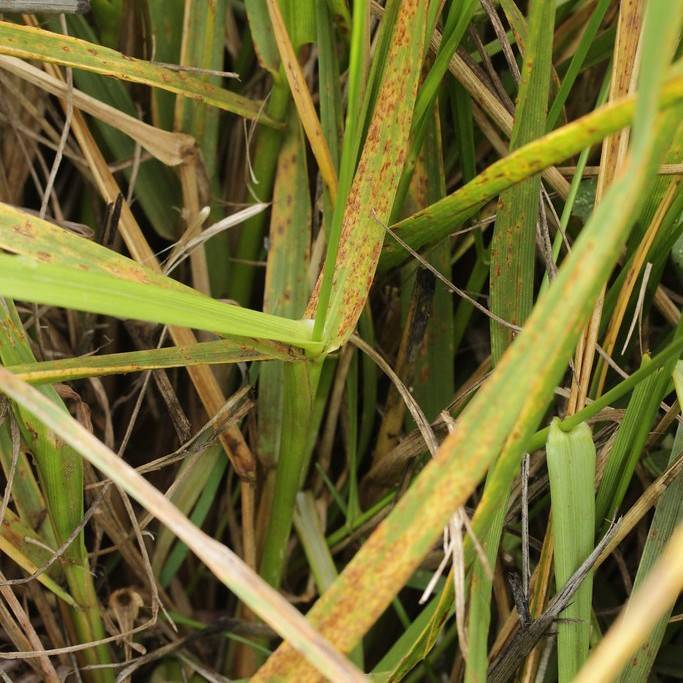
Common pests: Fungal leaf spot, Rust.
Related plants
Other plants you might like if you grow tall fescue.
tall fescue
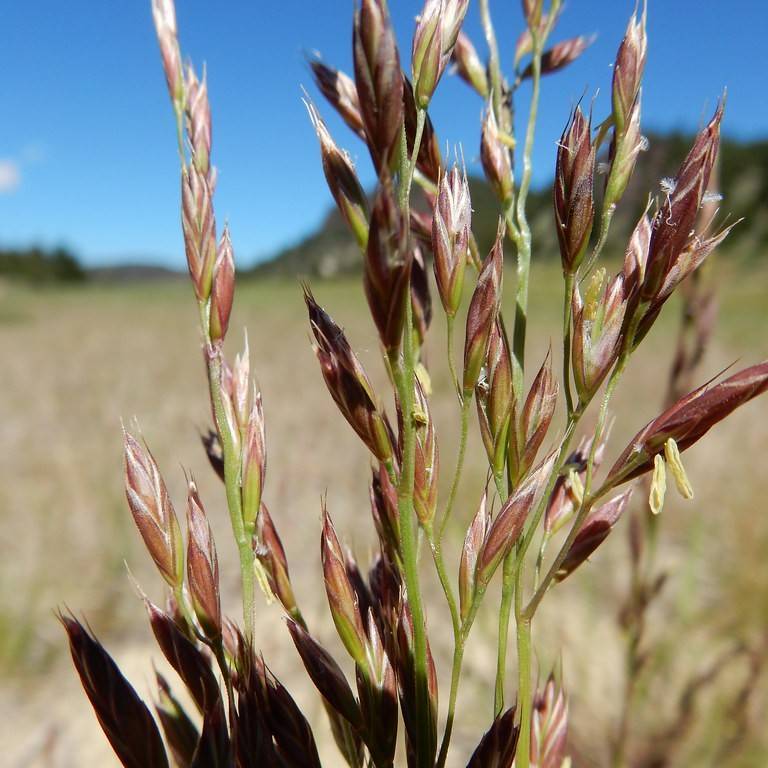
Festuca arundinacea 'Black Beauty'
tall fescue
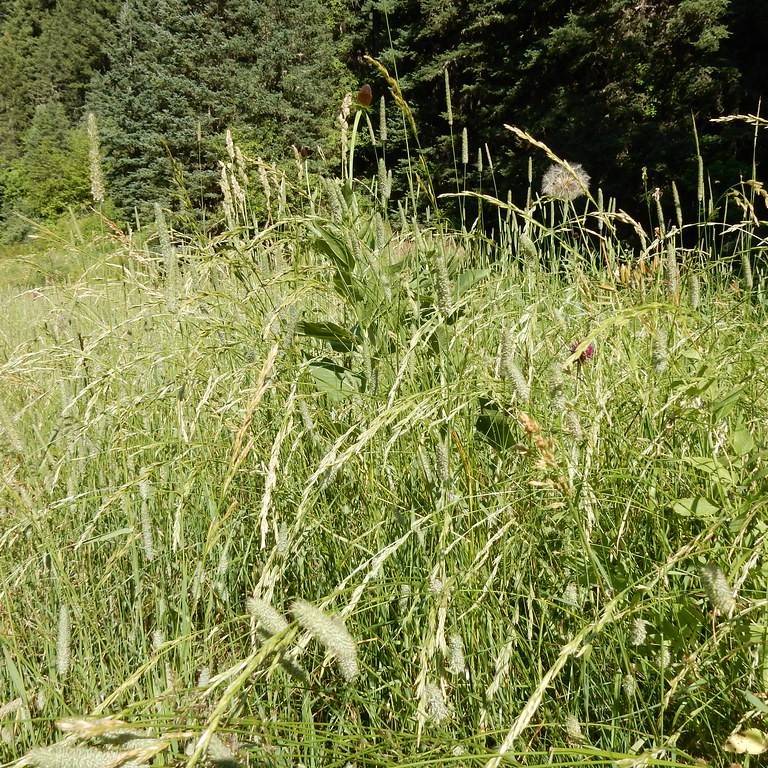
Festuca arundinacea 'Dense Shade Mix'
tall fescue
Festuca arundinacea 'Jaguar 3'
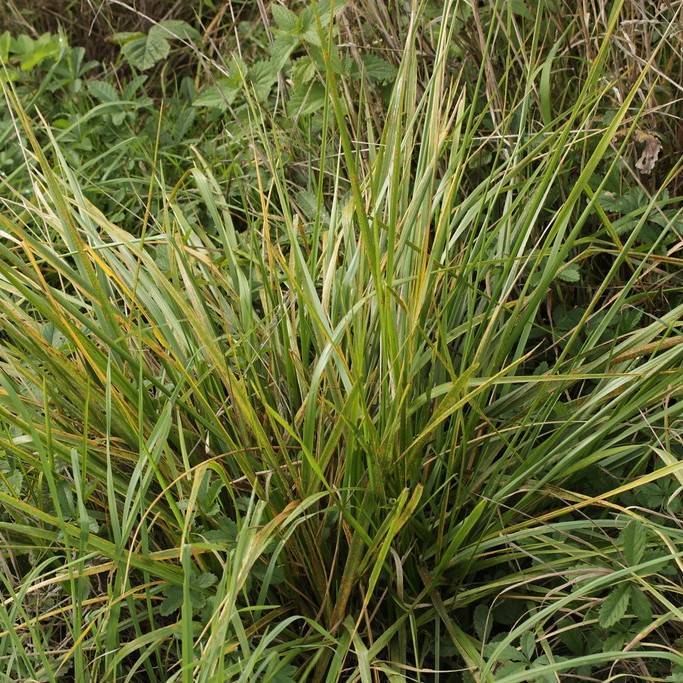
tall fescue
Festuca arundinacea 'Kentucky 31'
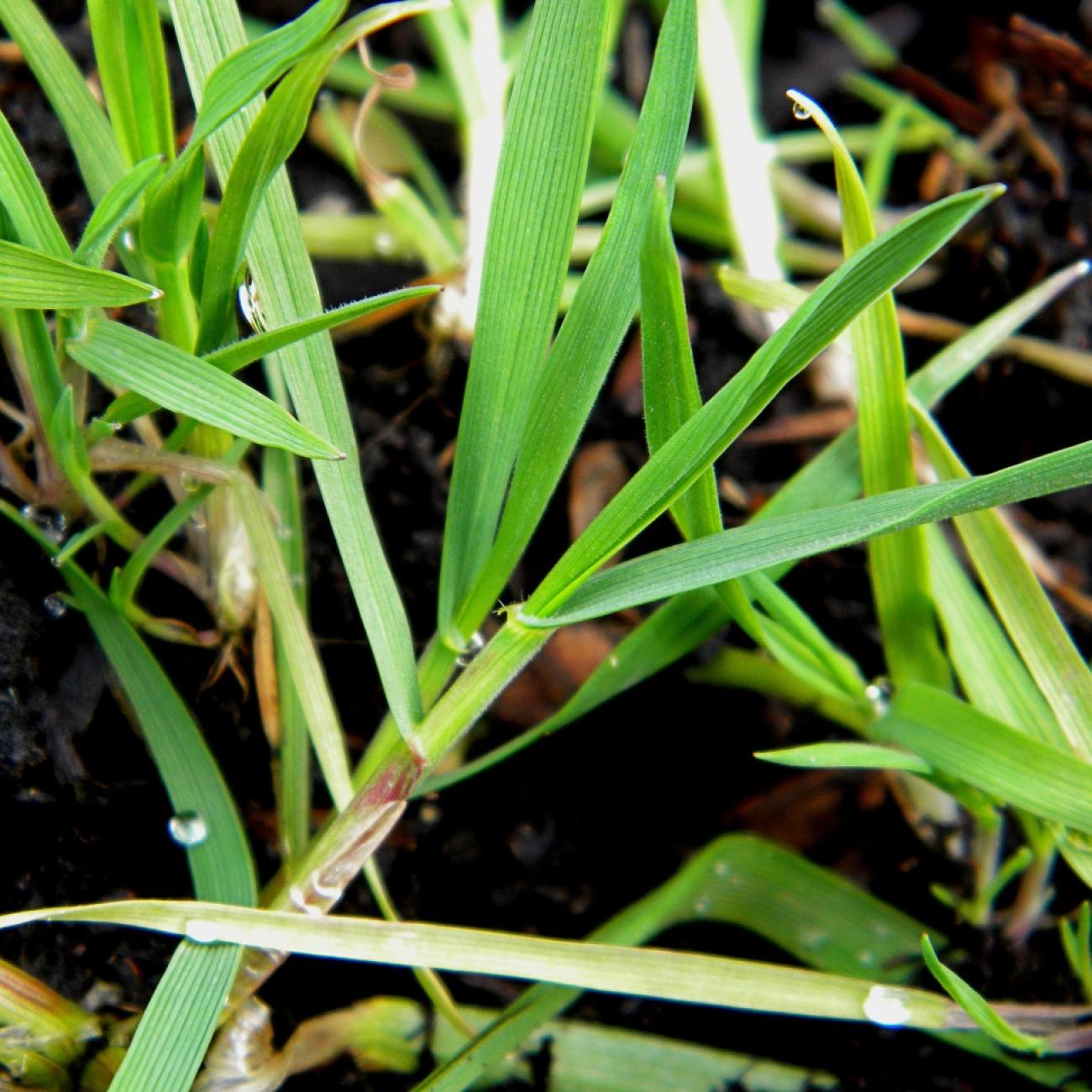
tall fescue
Festuca arundinacea (mix)
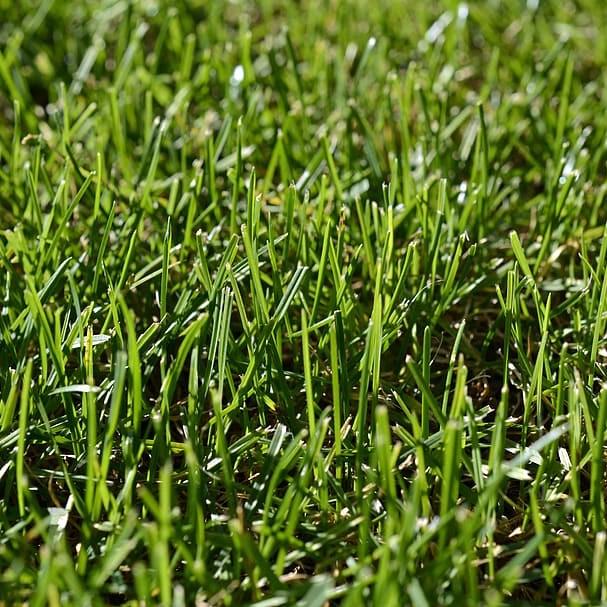
fescue
Festuca arundinacea WATER SAVER
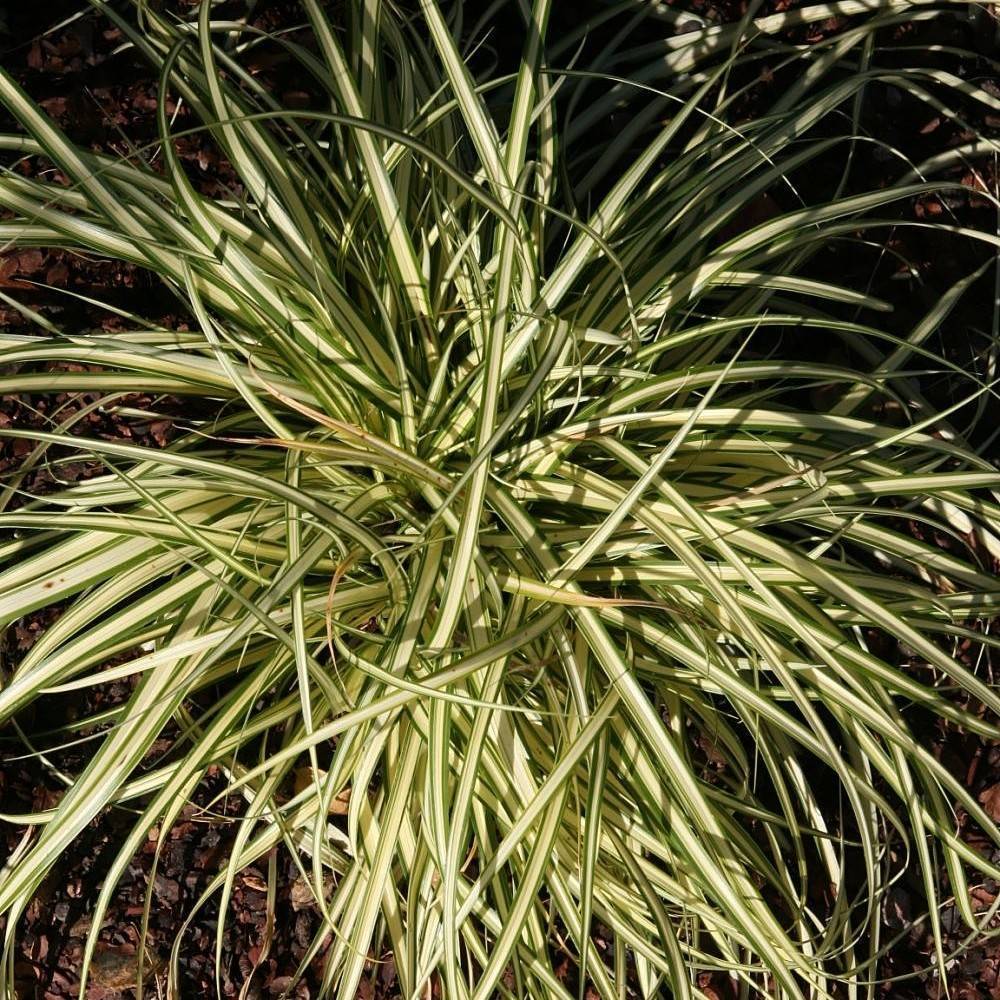
sedge
Carex oshimensis 'Gold Strike'
Bermuda grass
Cynodon dactylon 'Sundevil'