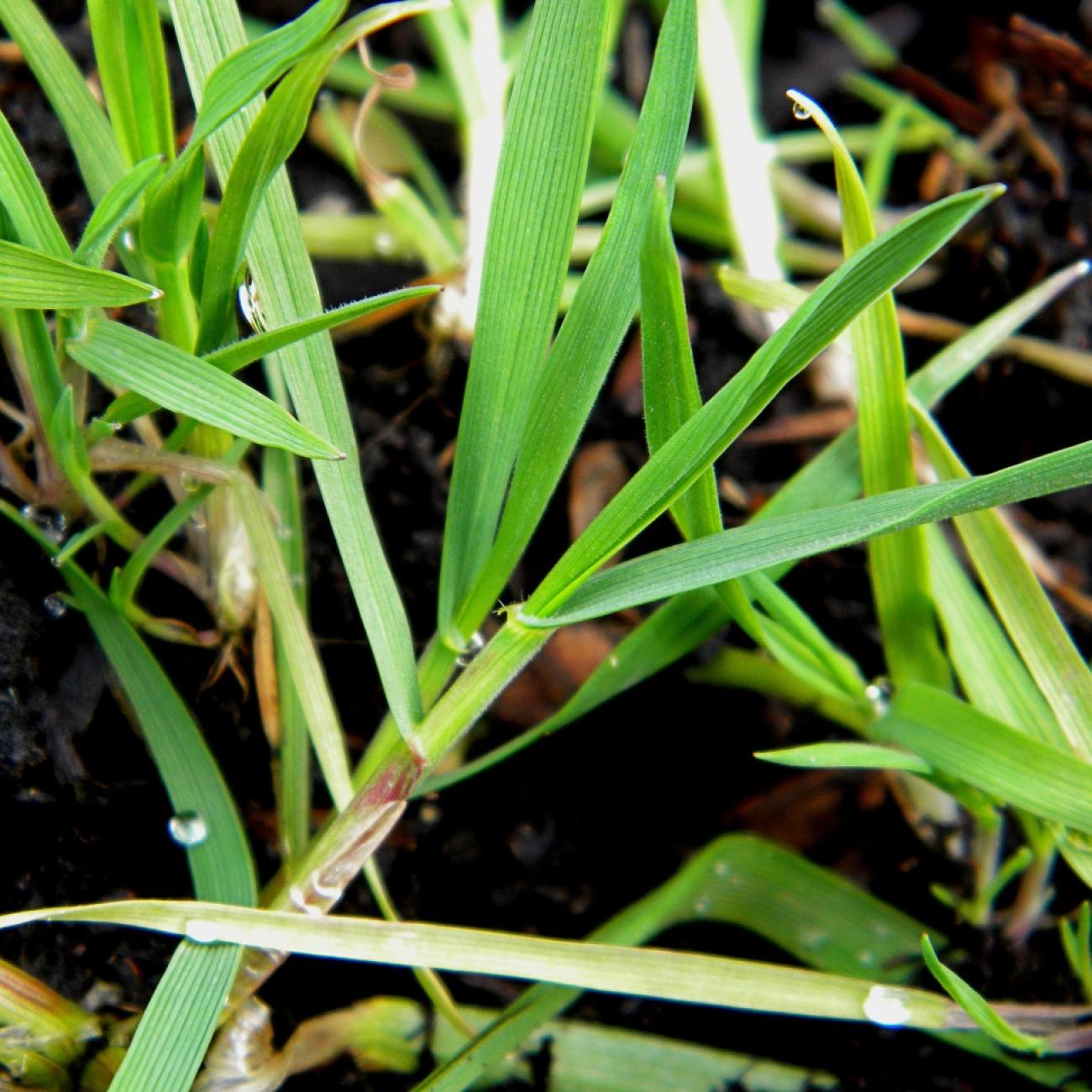
tall fescue
Festuca arundinacea (mix)
Overview
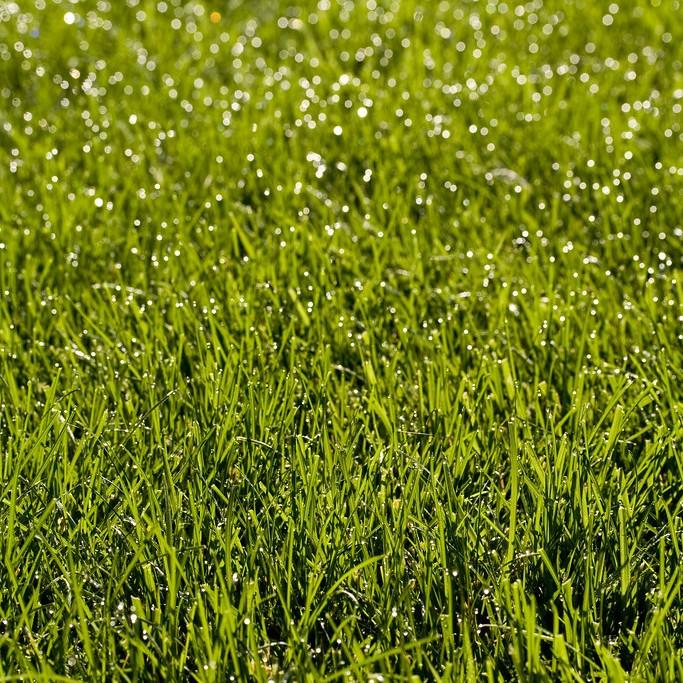
Tall Fescue (Festuca arundinacea (mix)) is amazing for its extreme durability. This hardy grass is tolerant of drought, heat, and heavy wear. It is also a fast-growing species with a wide leaf blade that gives it a lush, green look. Highly tolerant of shade, tall fescue also survives well in areas with a lot of foot traffic. Its roots are deep and strong, and it's known to help reduce soil erosion. This plant is a great choice for lawns, sports fields, or any area requiring a durable and beautiful grass. Its adaptability and hardiness make it a great choice for adding color and texture to any outdoor space.
Care Guide
Watering
Tall fescue plants need regular watering throughout the growing season. Water them deeply at least once a week if there is no rainfall. Do not allow the soil to become waterlogged. It is best to water the plants in the morning before the heat of the day, so the foliage can dry out quickly. Avoid wetting the leaves and crown of the plant, as this can lead to fungal diseases. Once established, tall fescue plants are fairly drought tolerant, but will benefit from additional water during periods of extreme summer heat or drought.
Light
Tall Fescue (Festuca arundinacea (mix)) will do best when planted in a location where it will receive full sun. This means that it should get direct sunlight for at least 8 hours a day. While it is tolerant of some shade, it will be less productive when only getting 2-4 hours of sunlight a day. In full sun, Tall Fescue should get between 10-15 hours of sunlight a day, depending on the season. During the summer months, when the sun is strongest, the full hours of sunlight may safely be decreased to 8 hours or so during the hottest part of the day.
Temperature
Hardiness zone 3–6.
Pruning
Tall Fescue (Festuca arundinacea (mix)) should be pruned in late fall or early spring, not during the summer months. Pruning should begin by cutting off dead or diseased foliage. This helps to keep the grass healthy and vibrant. After that, only minor trimming is necessary to maintain the desired size and shape of the plant. Up to a third of the foliage can be removed, but avoid removing more than that as it can damage healthy, growing shoots. Pruning should also focus on areas that will encourage dense, hardy growth rather than spindly, weak growth. With careful pruning, tall fescue can easily maintain its desired shape and size.
Propagation
Seed Propagation, Cutting, Division, Tissue Culture
Diseases & Pests
Common pests: Fungal leaf spot, Rust.
Related plants
Other plants you might like if you grow tall fescue.
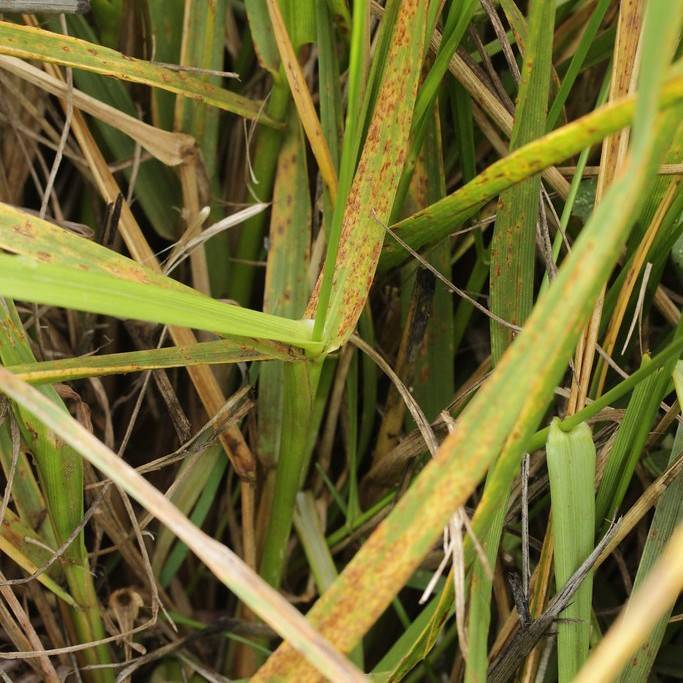
tall fescue
Festuca arundinacea 'Black Beauty'
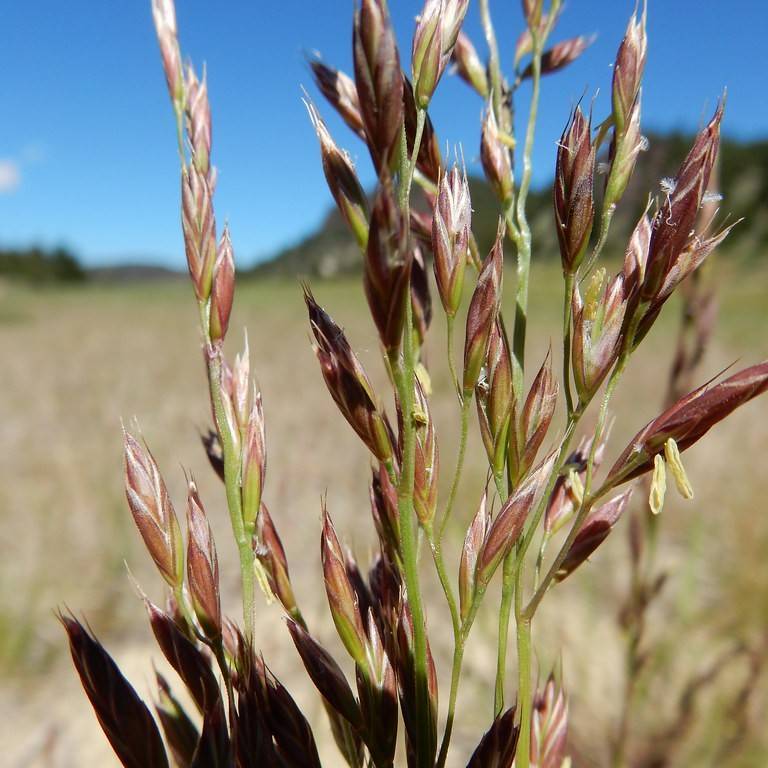
tall fescue
Festuca arundinacea 'Dense Shade Mix'
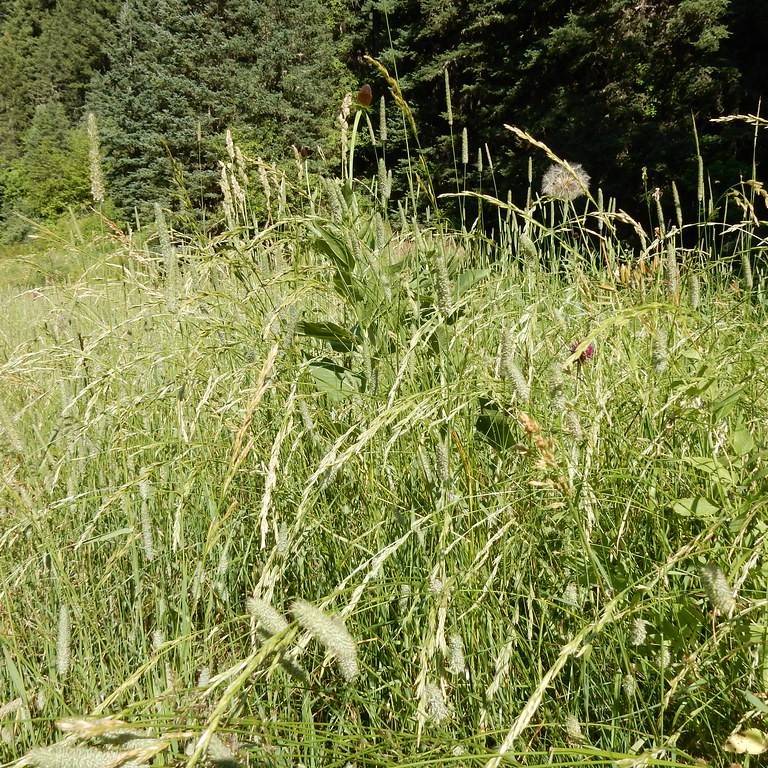
tall fescue
Festuca arundinacea 'Jaguar 3'
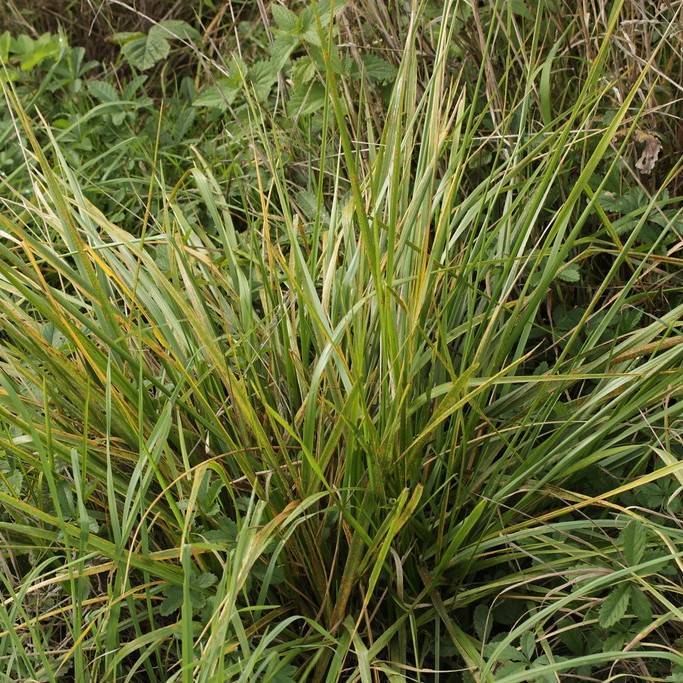
tall fescue
Festuca arundinacea 'Kentucky 31'
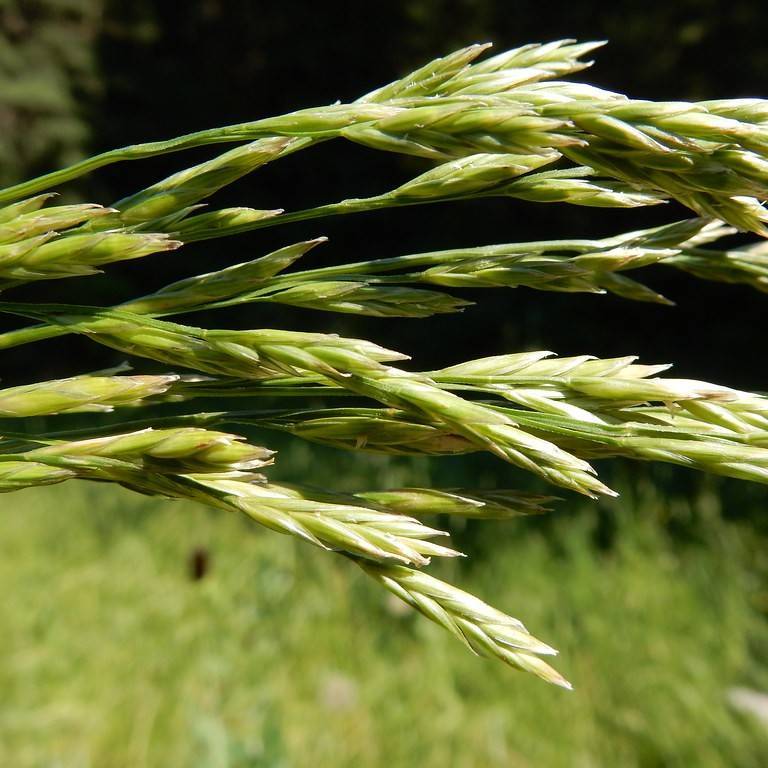
tall fescue
Festuca arundinacea PROSCAPE WINNING COLORS
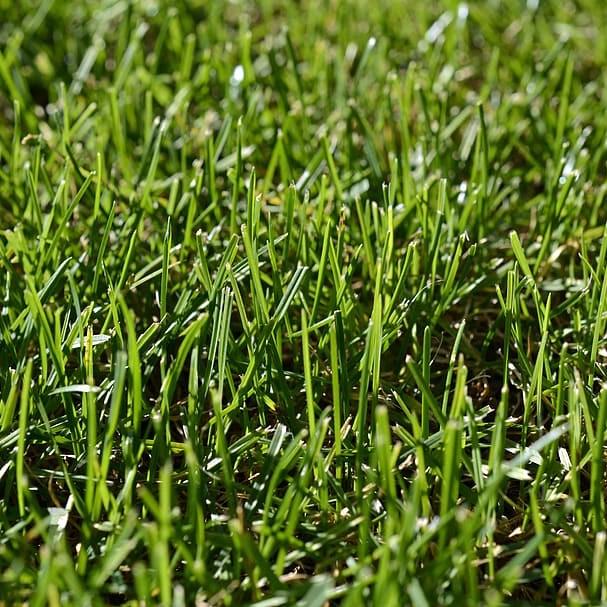
fescue
Festuca arundinacea WATER SAVER
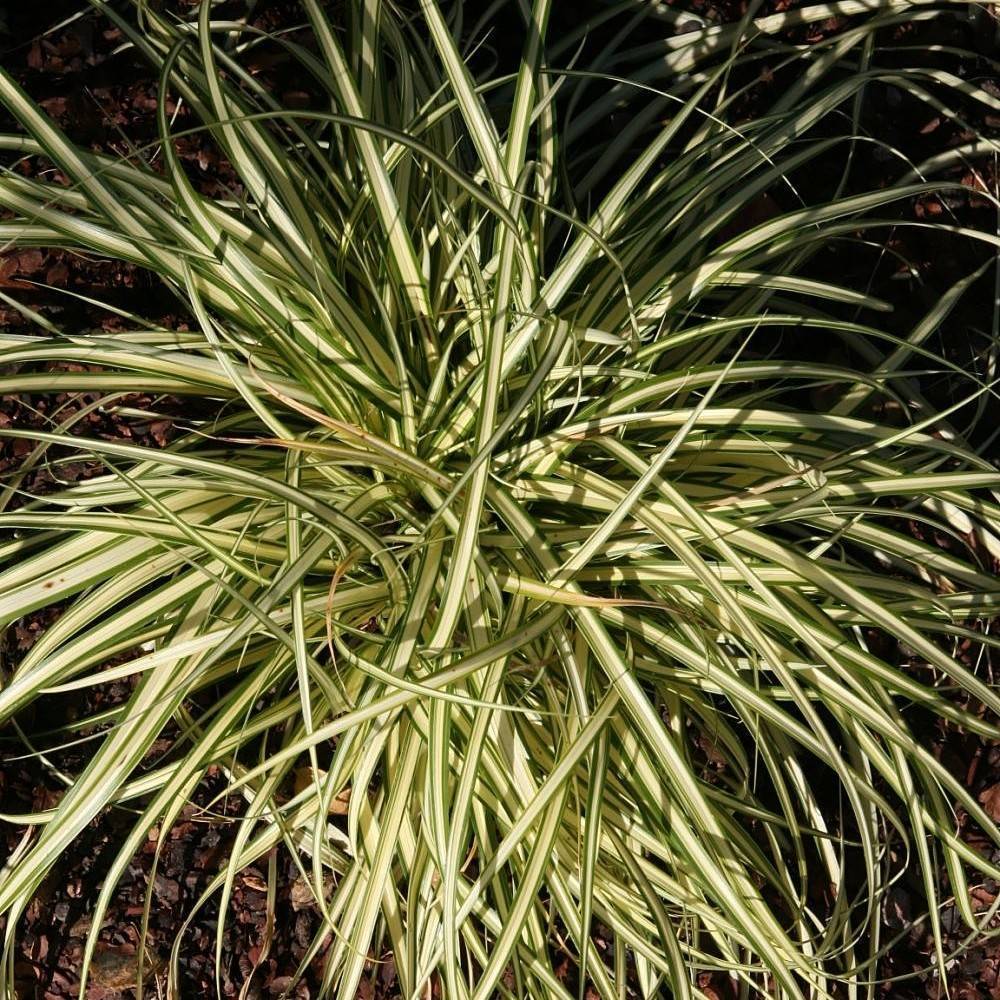
sedge
Carex oshimensis 'Gold Strike'
Bermuda grass
Cynodon dactylon 'Sundevil'