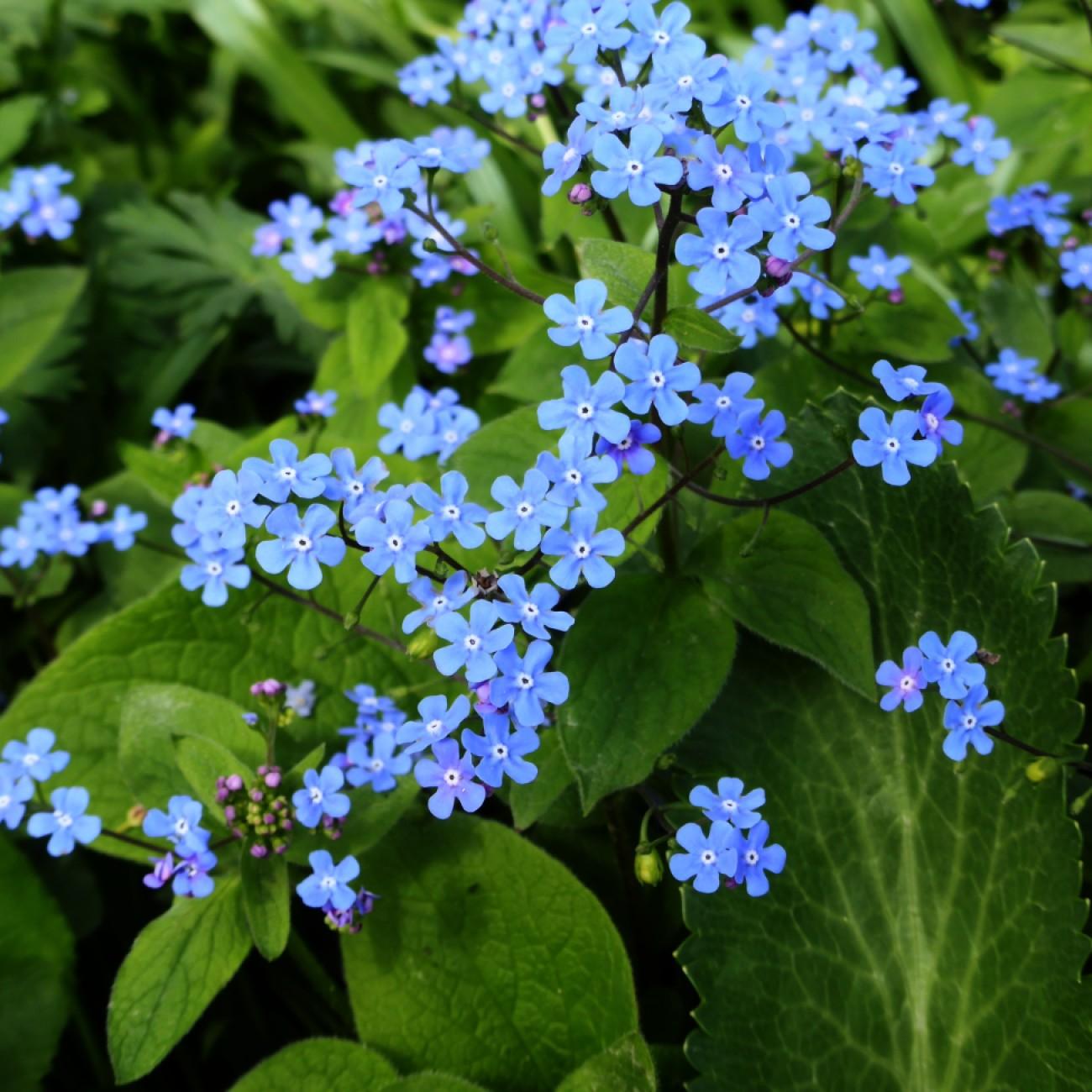
Siberian bugloss
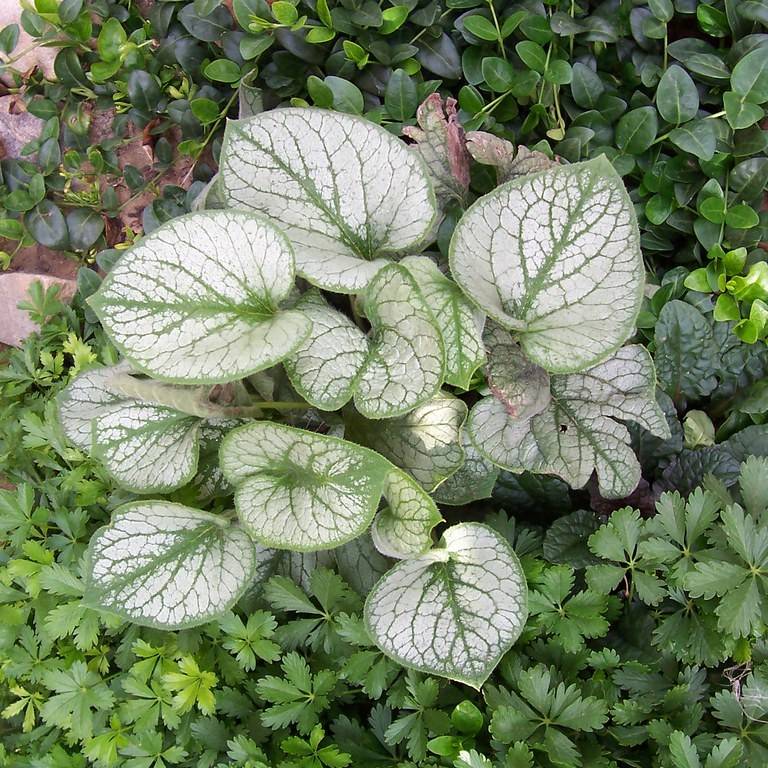
Brunnera macrophylla 'Langtrees'
Overview
Siberian bugloss (Brunnera macrophylla 'Langtrees') is an amazing low-growing perennial that is great for adding beauty and drama to any garden. Its heart-shaped green leaves are highlighted with silver markings and clusters of bright blue flowers appear in mid to late spring. The blooms are very attractive to bees and other beneficial insects. This hardy plant is named for its glossy foliage and it is very easy to maintain; drought resistant and tolerating short periods of light frost. Its mounding habit pairs nicely with taller shade perennials or it can be used in mixed containers or rock gardens. Great for any garden and perfect for any gardener, Siberian bugloss is a must-have addition!
Care Guide
Watering
Siberian bugloss should be watered thoroughly once or twice per week, depending on the size of the plant. Make sure that the soil stays moist but not soggy. When watering, use enough water that the entire root system can be saturated. Make sure that all excess water is allowed to drain away from the soil. During hot summer months, watering may need to occur more frequently. However, make sure the soil is still moist—not soggy. In winter, water the plant only enough to keep the soil from drying out.
Light
Siberian bugloss requires bright, indirect sunlight for 4-6 hours per day. This plant species prefers to be placed in a location that receives morning sunlight, before it gets too hot in the afternoon. Avoid placing it in a location that receives too much noon/midday sun, as this can be harmful to the perennial. It is best to keep the perennial in a spot where the sun is filtered and not too intensely bright.
Soil
Well-drained
Temperature
Hardiness zone 3–8.
Pruning
Siberian bugloss (Brunnera macrophylla 'Langtrees') should ideally be pruned in early spring, as soon as the last frost has left the area. Pruning should be done just once a year. During the pruning process, any dead or diseased stems should be removed. Additionally, young stems can be thinned out and the remaining stems should be cut back by 1/3 to 1/2 of the length. This will encourage the plant to develop fuller, bushier growth.
Propagation
Division
Diseases & Pests
Common pests: Slugs, snails, Pest resistant, Disease resistant, Deer resistant, Rabbit resistant .
Related plants
Other plants you might like if you grow Siberian bugloss.
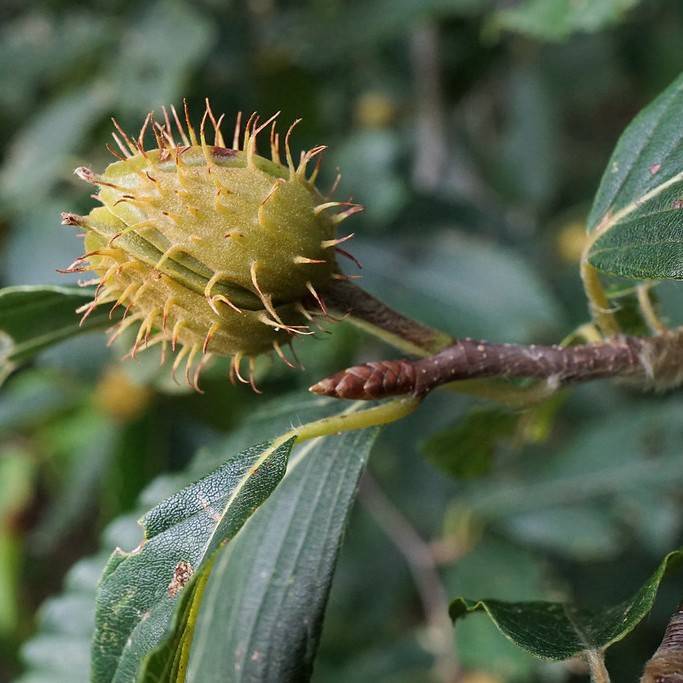
American beech
Fagus grandifolia
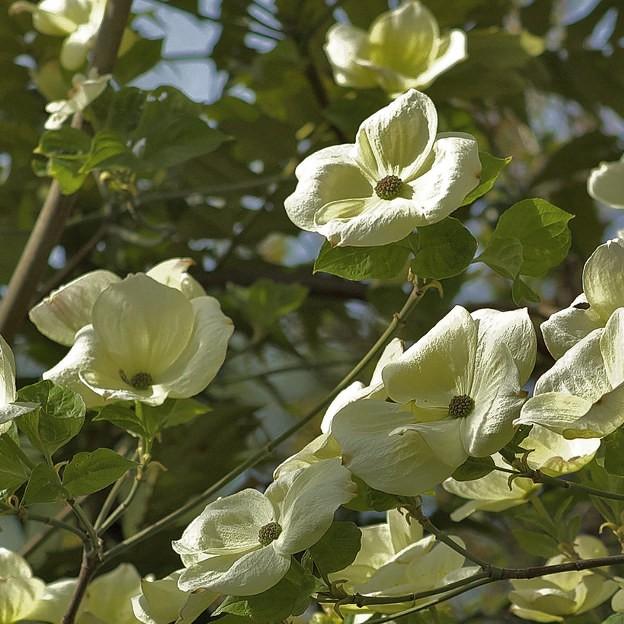
Eddie's White Wonder Flowering Dogwood
Cornus 'Eddie's White Wonder'
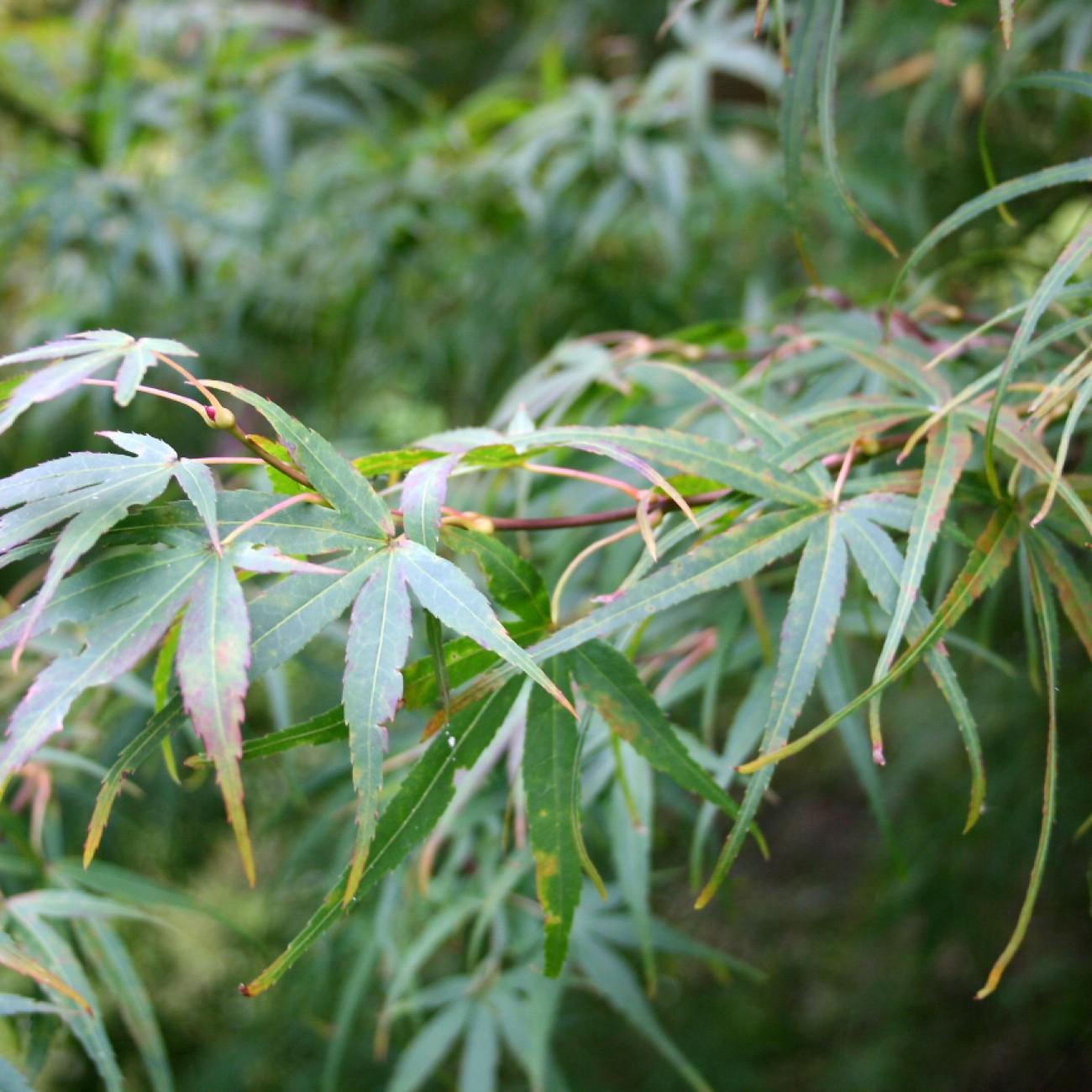
Koto No Ito Japanese Maple
Acer palmatum 'Koto No Ito'
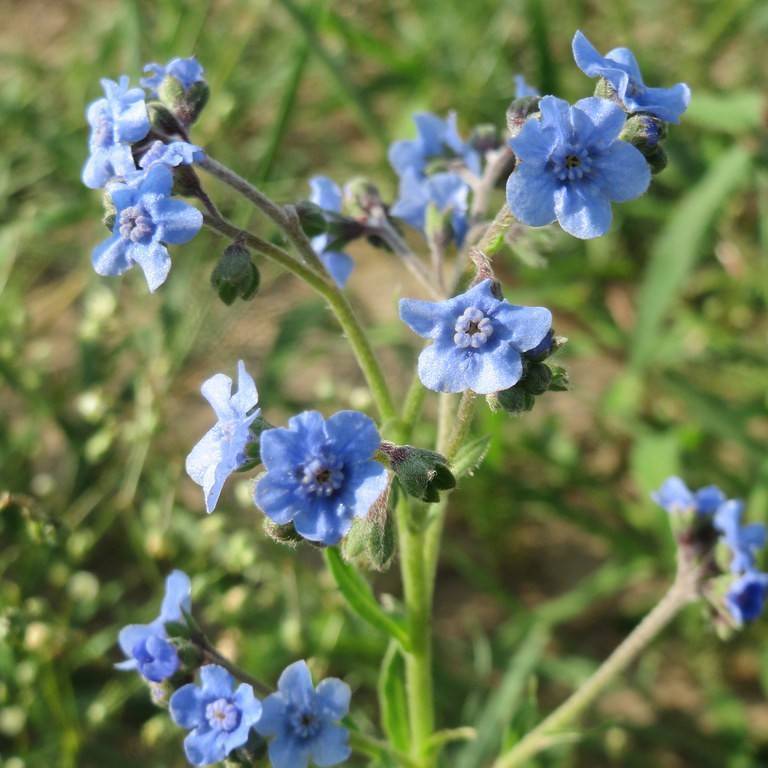
Siberian bugloss
Brunnera macrophylla
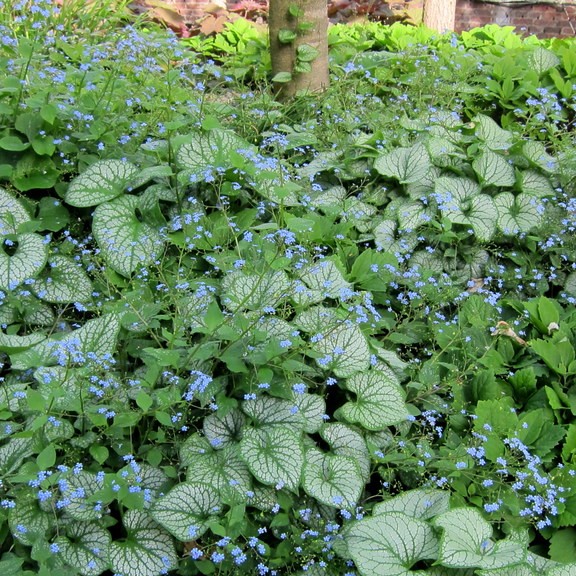
Siberian bugloss
Brunnera macrophylla 'Alexander's Great'
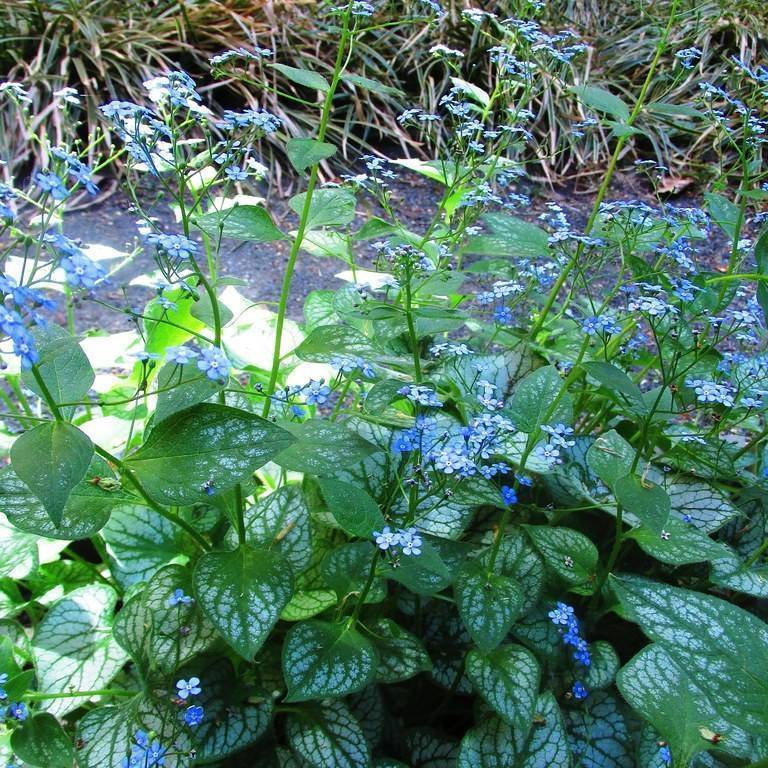
Siberian bugloss
Brunnera macrophylla 'Dawson's White'
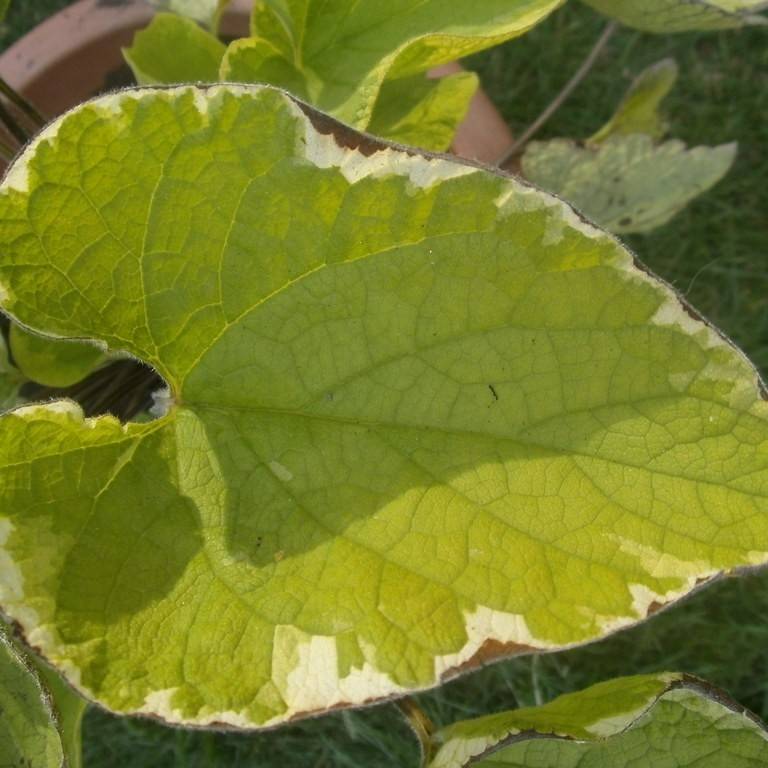
Siberian bugloss
Brunnera macrophylla 'Hadspen Cream'
Siberian bugloss
Brunnera macrophylla 'Jack Frost'