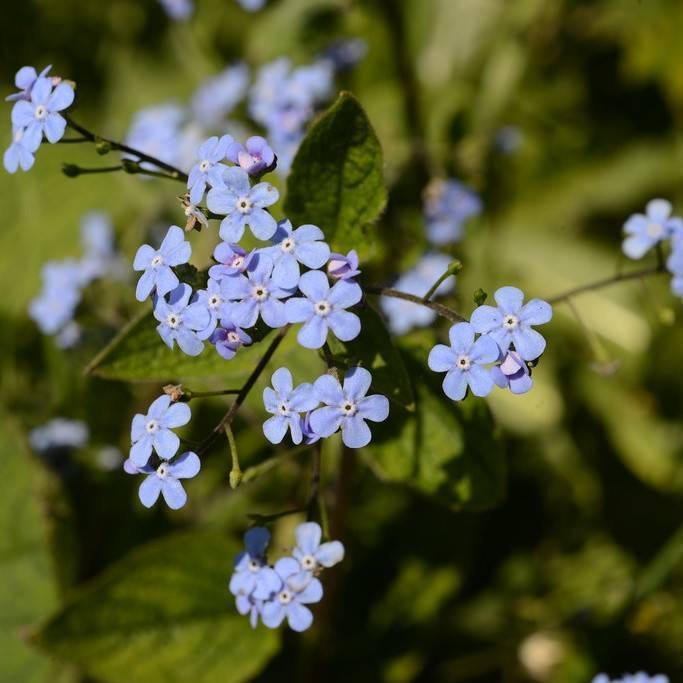
Siberian bugloss
Brunnera macrophylla 'Sea Heart'
Overview
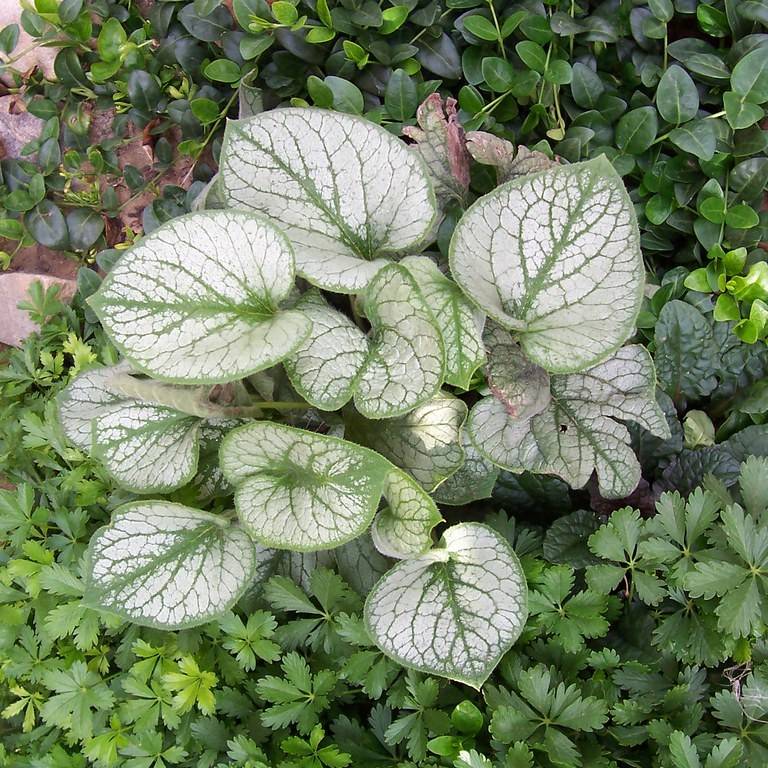
The Siberian bugloss (Brunnera macrophylla 'Sea Heart') is an amazing plant with many benefits. Its large, heart-shaped leaves help to create appealing texture in the garden. Its delicate foliage is dusted with silver, and as the plant ages, its foliage turns a stunning blue-green. It also produces lovely pale blue and yellow forget-me-not-like flowers in late spring and early summer. This plant is drought and shade tolerant, making it perfect for those hard-to-reach areas where shade and moisture are limited. And if you’re looking for low-maintenance, the Siberian bugloss does not require frequent pruning, deadheading, or fertilizer. With its elegant foliage and charming flowers, the Siberian bugloss is sure to brighten up any garden.
Care Guide
Watering
Siberian bugloss (Brunnera macrophylla 'Sea Heart') prefers moist soil and regular watering. Water it thoroughly once a week, and more often if the top 2 inches of soil is dry. Water it at the base of the plant and avoid wetting the leaves to prevent leaf diseases. Also, make sure the plant has good drainage, as it is prone to root rot in soggy soil.
Light
Siberian bugloss (Brunnera macrophylla 'Sea Heart') needs full sun or partial shade for optimal growth. In cooler climates, it can handle full sun for most of the day, while in warmer climates it is best to provide partial shade during the hottest part of the day (noon to late afternoon). If your Siberian bugloss is in a location that is too shady, you may see the plants become leggy and stems start to sprawl. It is best to place the plant in a spot that receives 4-6 hours of sun during the day.
Soil
Well-drained
Temperature
Hardiness zone 3–8.
Pruning
The best time to prune Siberian bugloss (Brunnera macrophylla 'Sea Heart'), an evergreen herbaceous perennial, is usually in early spring, shortly after new growth has emerged. It's important to avoid pruning too early in the season, as this can damage flower buds or reduce the flowering display of the plant. Prune only when the stems are soft and the new growth is just visible. Pruning should be kept to a minimum; simply removing any dead or damaged foliage and lightly trimming back spent flowers to encourage healthy re-growth. Pruning too hard or too much can harm the plant's growth and flower production, so do this only if it's absolutely necessary. For Siberian bugloss, it's usually better to simply remove dead and dying parts of the plant than to prune it down significantly.
Propagation
Division
Diseases & Pests
Common pests: Slugs, snails, Pest resistant, Disease resistant, Deer resistant, Rabbit resistant .
Related plants
Other plants you might like if you grow Siberian bugloss.
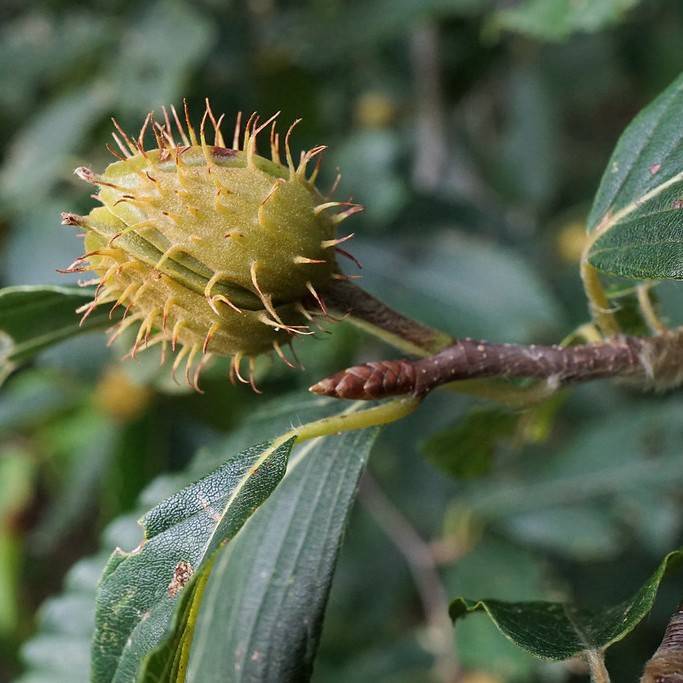
American beech
Fagus grandifolia
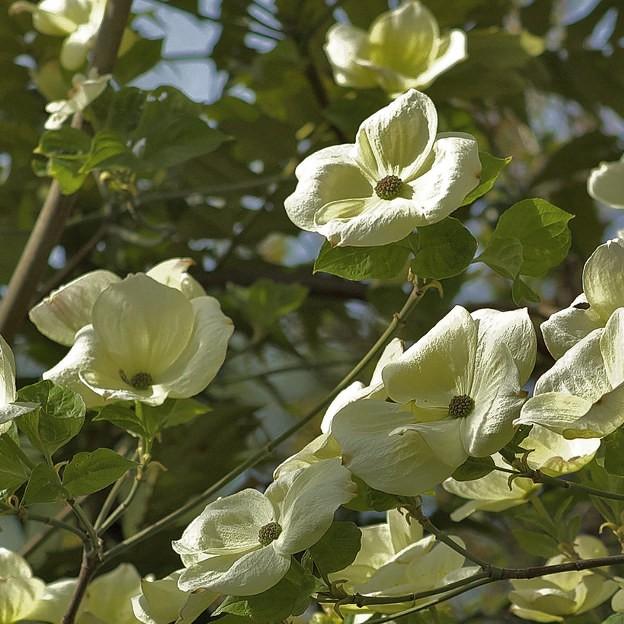
Eddie's White Wonder Flowering Dogwood
Cornus 'Eddie's White Wonder'
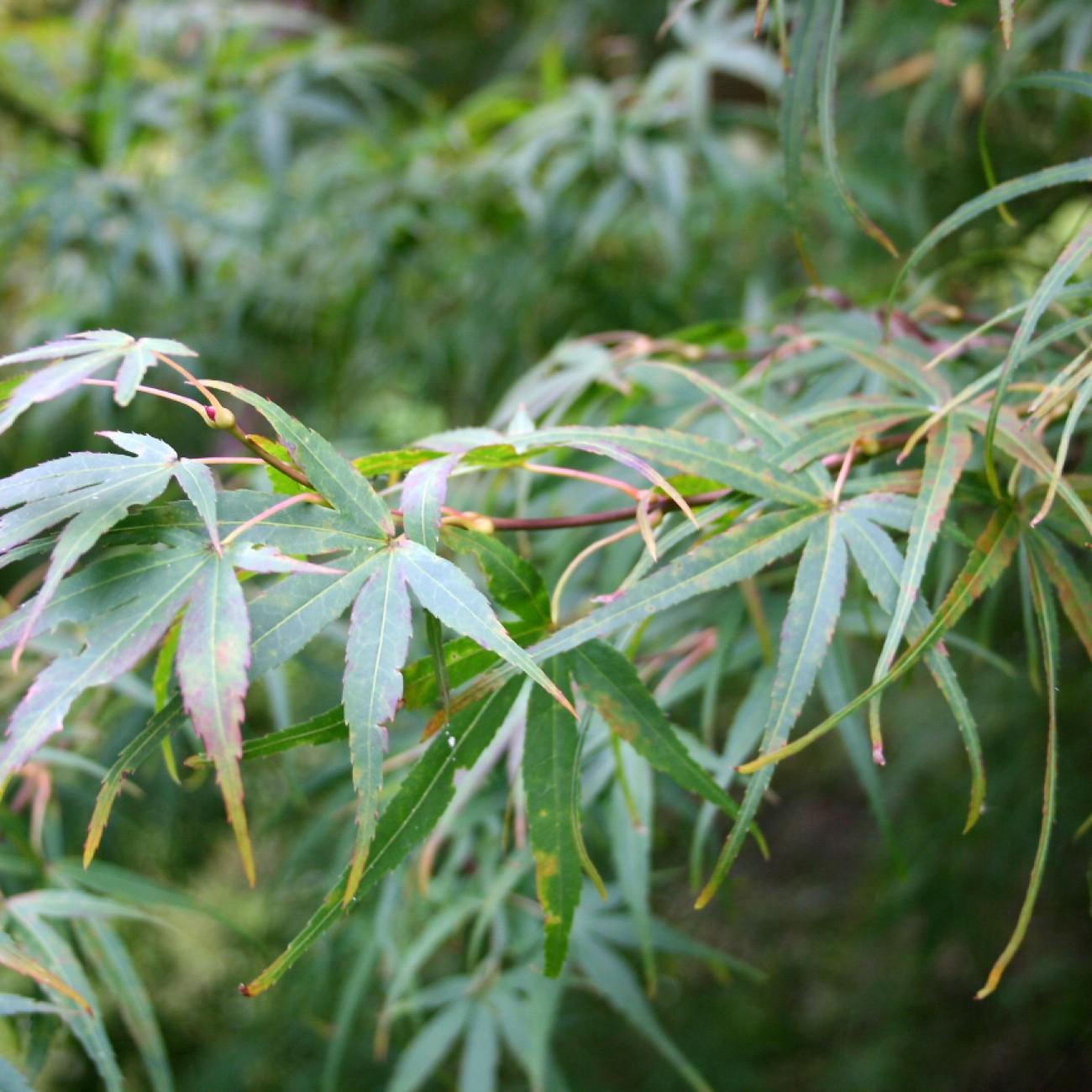
Koto No Ito Japanese Maple
Acer palmatum 'Koto No Ito'
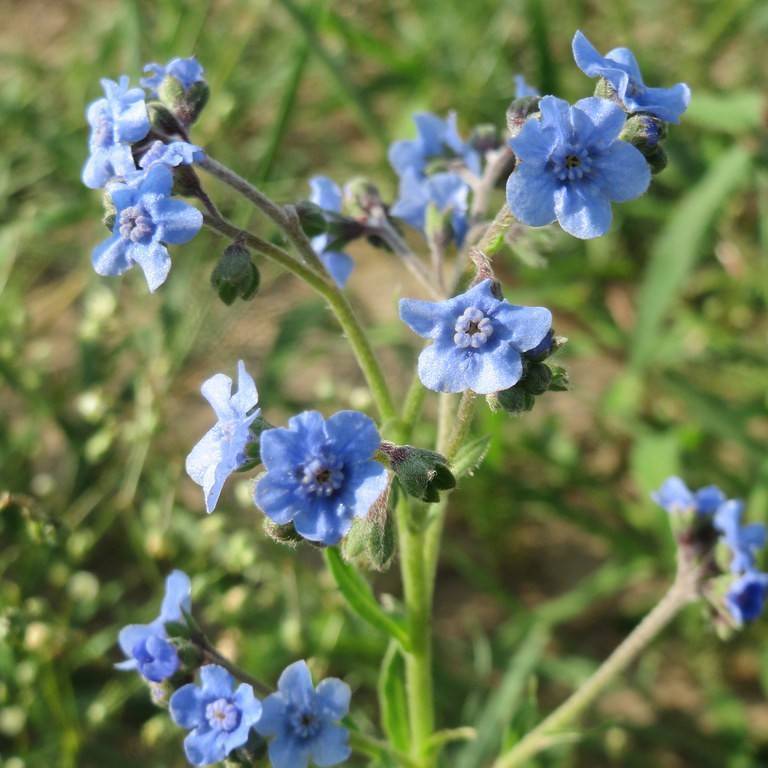
Siberian bugloss
Brunnera macrophylla
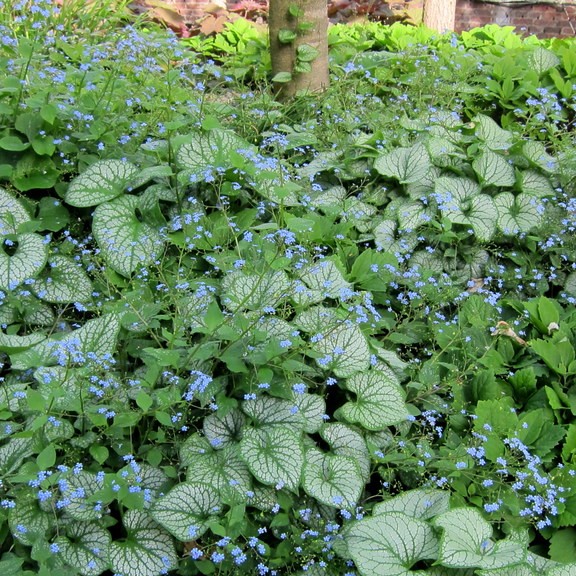
Siberian bugloss
Brunnera macrophylla 'Alexander's Great'
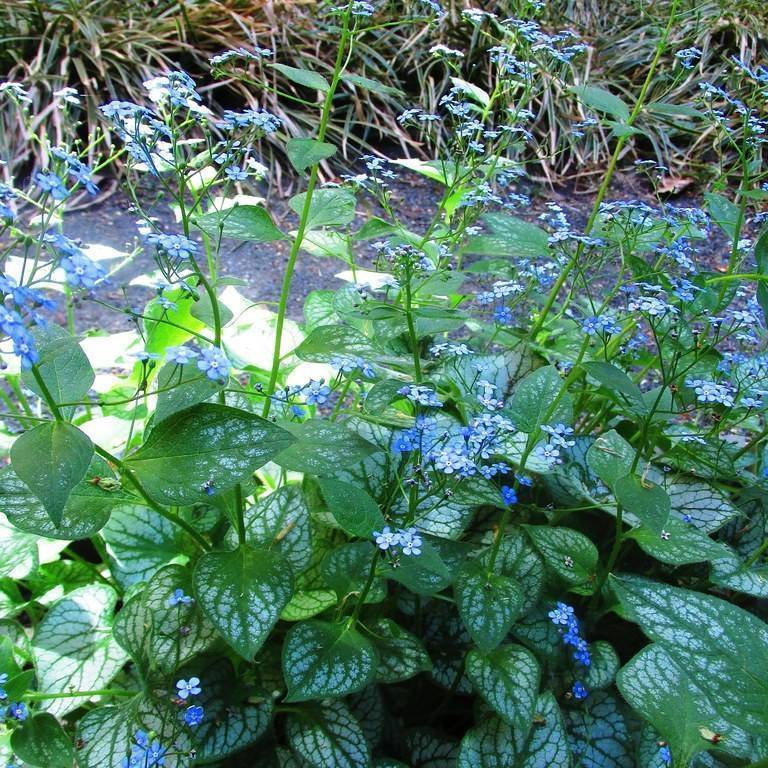
Siberian bugloss
Brunnera macrophylla 'Dawson's White'
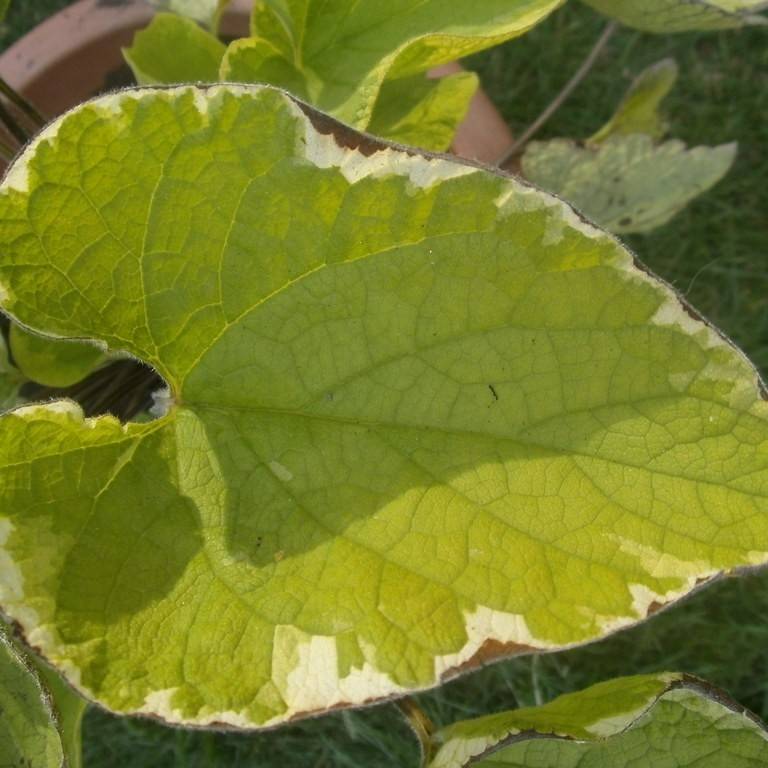
Siberian bugloss
Brunnera macrophylla 'Hadspen Cream'
Siberian bugloss
Brunnera macrophylla 'Jack Frost'