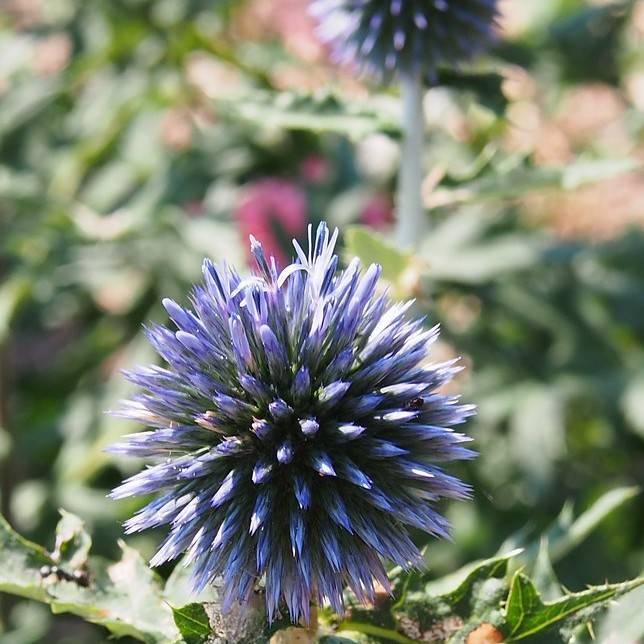
small globe thistle
Echinops ritro 'Veitch's Blue'
Overview
Small globe thistle, known scientifically as Echinops ritro 'Veitch's Blue', is an amazing plant species that will bring unique beauty and texture to any garden. The long stems are topped with spiky, silvery-blue globes of tiny flowers that provide a natural accent and draw the eye. It requires minimal maintenance and can even thrive in less-than-ideal conditions. During the summer, its bright flowers are a welcome addition to any border, and in winter its foliage and textured seed heads will add interest and contrast. All in all, small globe thistle is a must-have for any garden.
Care Guide
Watering
Small globe thistle (Echinops ritro 'Veitch's Blue') will require moderate watering with slightly less as it matures. During the spring and summer months, water your small globe thistle when the top 1-2 inches of soil become dry; during the winter season, water much less, usually only when the top 2-3 inches of soil become dry. Be sure to avoid overwatering, as this can cause the plant to become root-bound, resulting in stunted growth and yellowing foliage.
Light
Small Globe Thistle is a sun-loving perennial that can thrive in direct, full sun. It should get at least 6 to 8 hours of sunlight per day. To encourage flowering and maintain its impressive coloration, Small Globe Thistle plants need to be in a sun-drenched location. If it does not have access to direct sun, it can also tolerate part shade, but it will still benefit from some direct sun for several hours a day.
Temperature
Hardiness zone 3–8.
Pruning
Small globe thistle (Echinops ritro 'Veitch's Blue') should generally be pruned in late summer or early fall once the flower heads have died back. Depending on the desired size and shape of the plant, pruning can range from lightly deadheading the flowers and removing any dead or damaged shoots to a heavy cutback of up to 2-thirds of the stems. Keeping the overall shape of the plant in mind, begin by trimming away any growth that has flopped or is damaged, and then gradually reduce the size of the plant by working from the outside of the plant inwards, until the desired shape is achieved. If just deadheading the flowers, do not cut too deeply as this can open up the plant to disease and damage. Finally, cut away old shoots at the base to encourage new, fresh growth.
Propagation
Division, Cutting, Seed Propagation, Layering Propagation
Uses & Symbolism
Attracts: Butterflies.
Related plants
Other plants you might like if you grow small globe thistle.
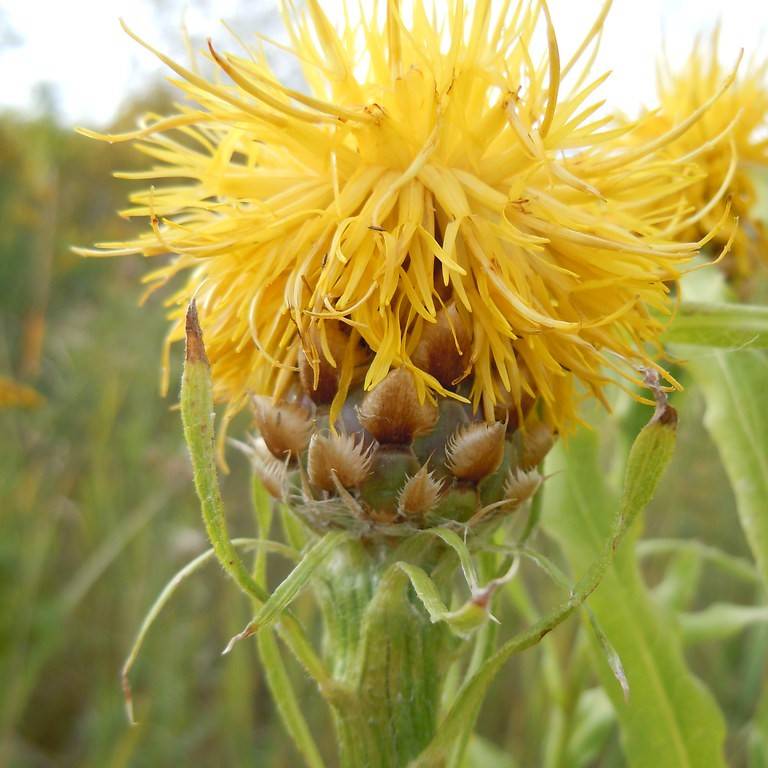
bighead knapweed
Centaurea macrocephala
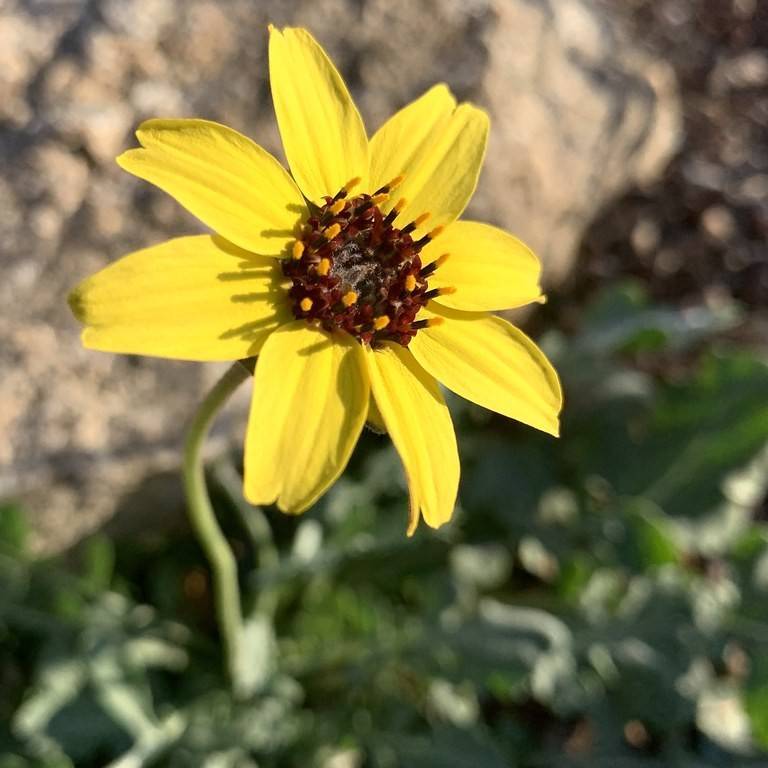
chocolate flower
Berlandiera lyrata
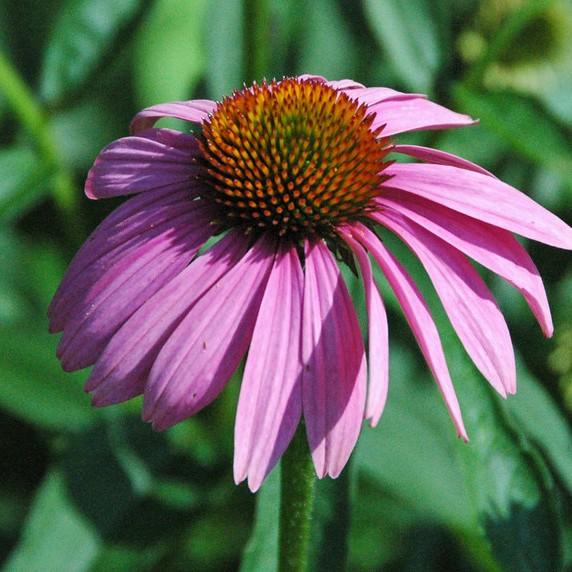
coneflower
Echinacea 'Adam Saul' CRAZY PINK
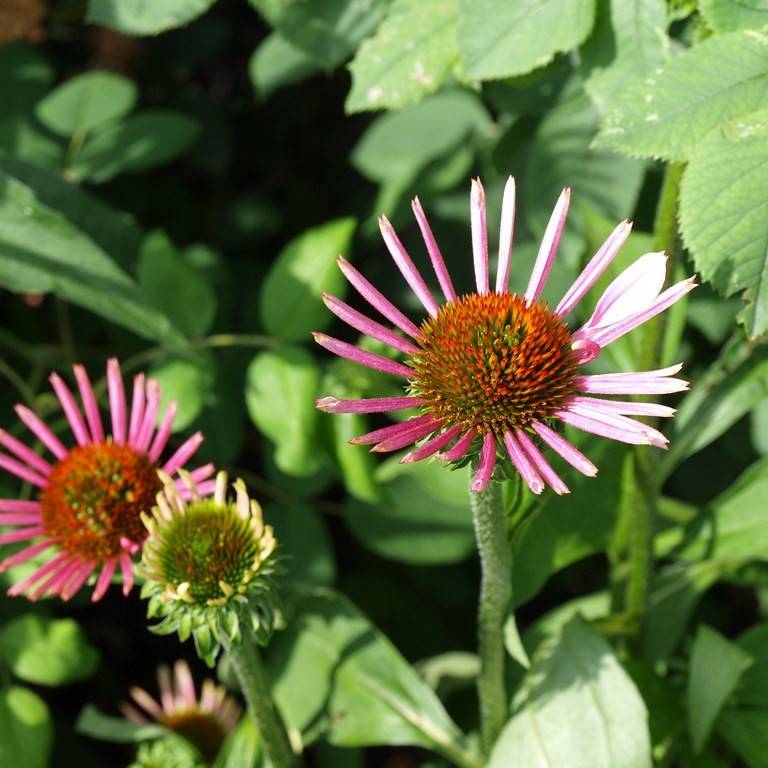
coneflower
Echinacea 'All that Jazz'
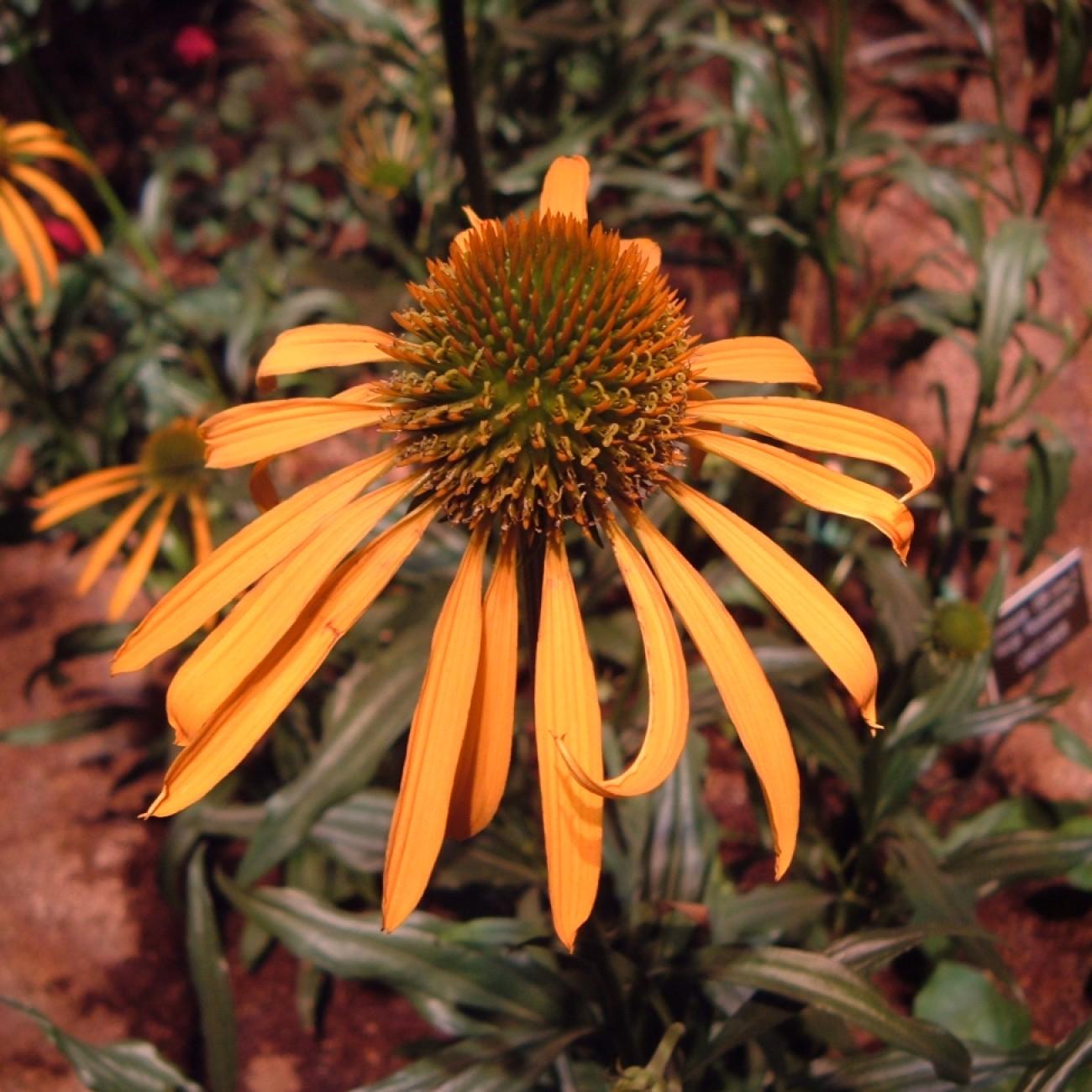
coneflower
Echinacea 'Art's Pride' ORANGE MEADOWBRITE
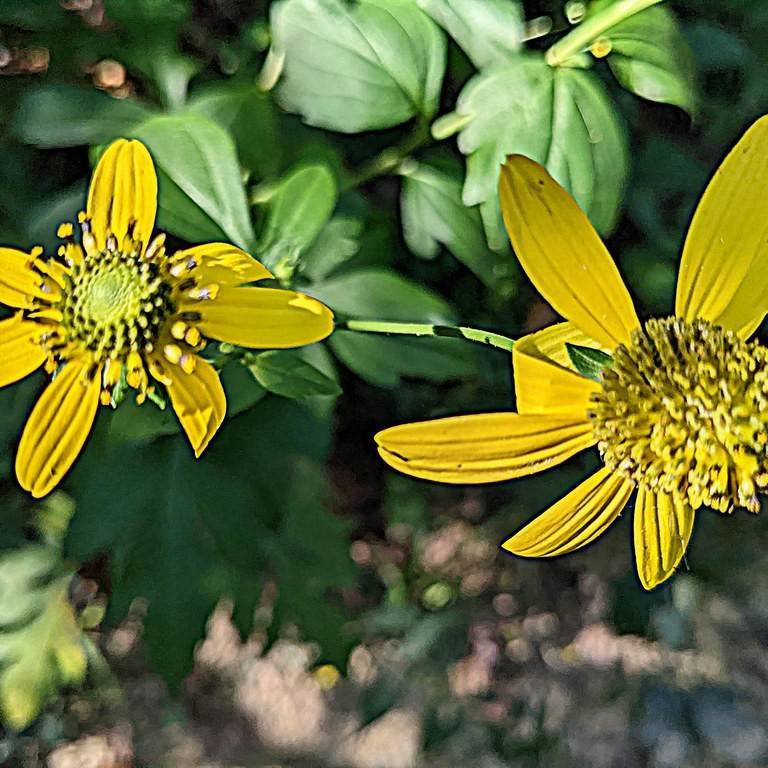
coneflower
Echinacea 'Balsomsolst' SOMBRERO SUMMER SOLSTICE
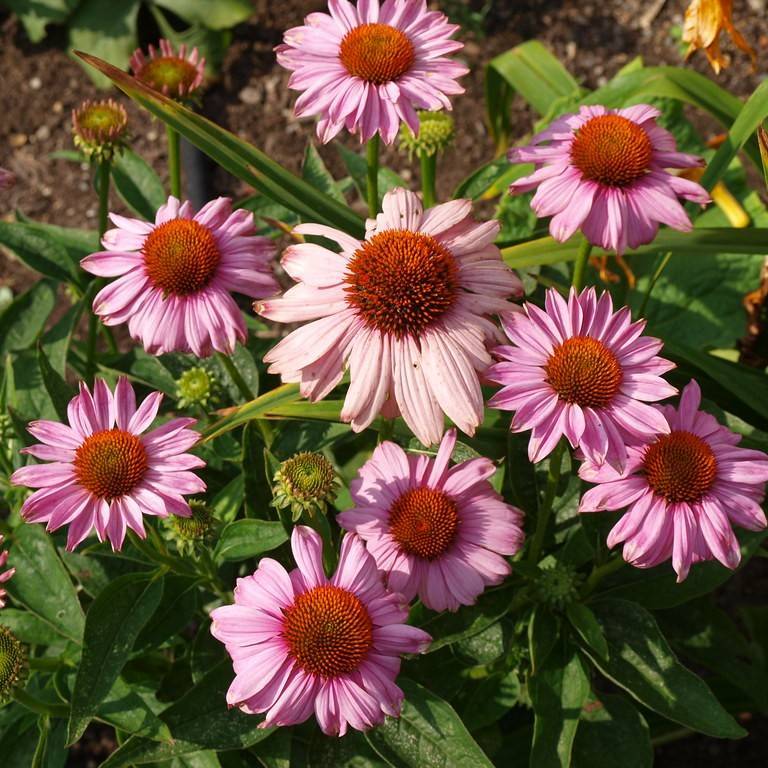
coneflower
Echinacea 'Bravado'
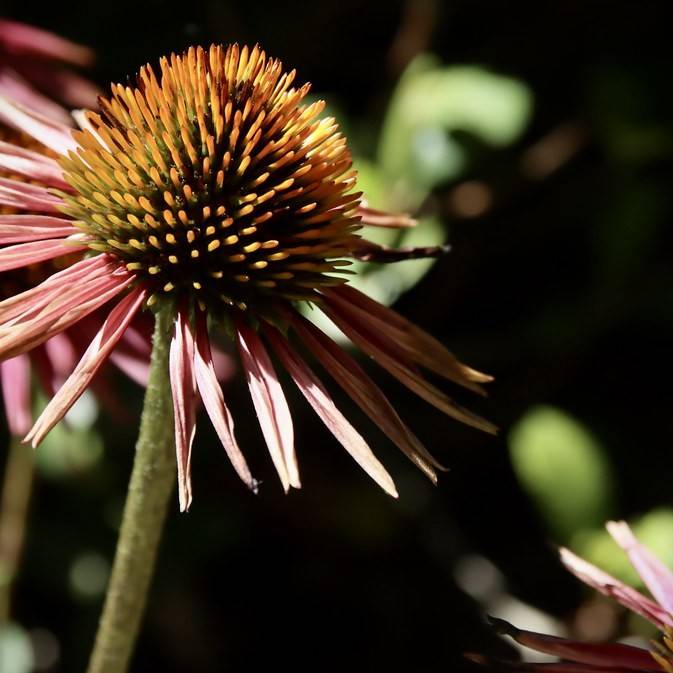
coneflower
Echinacea BURGUNDY FIREWORKS