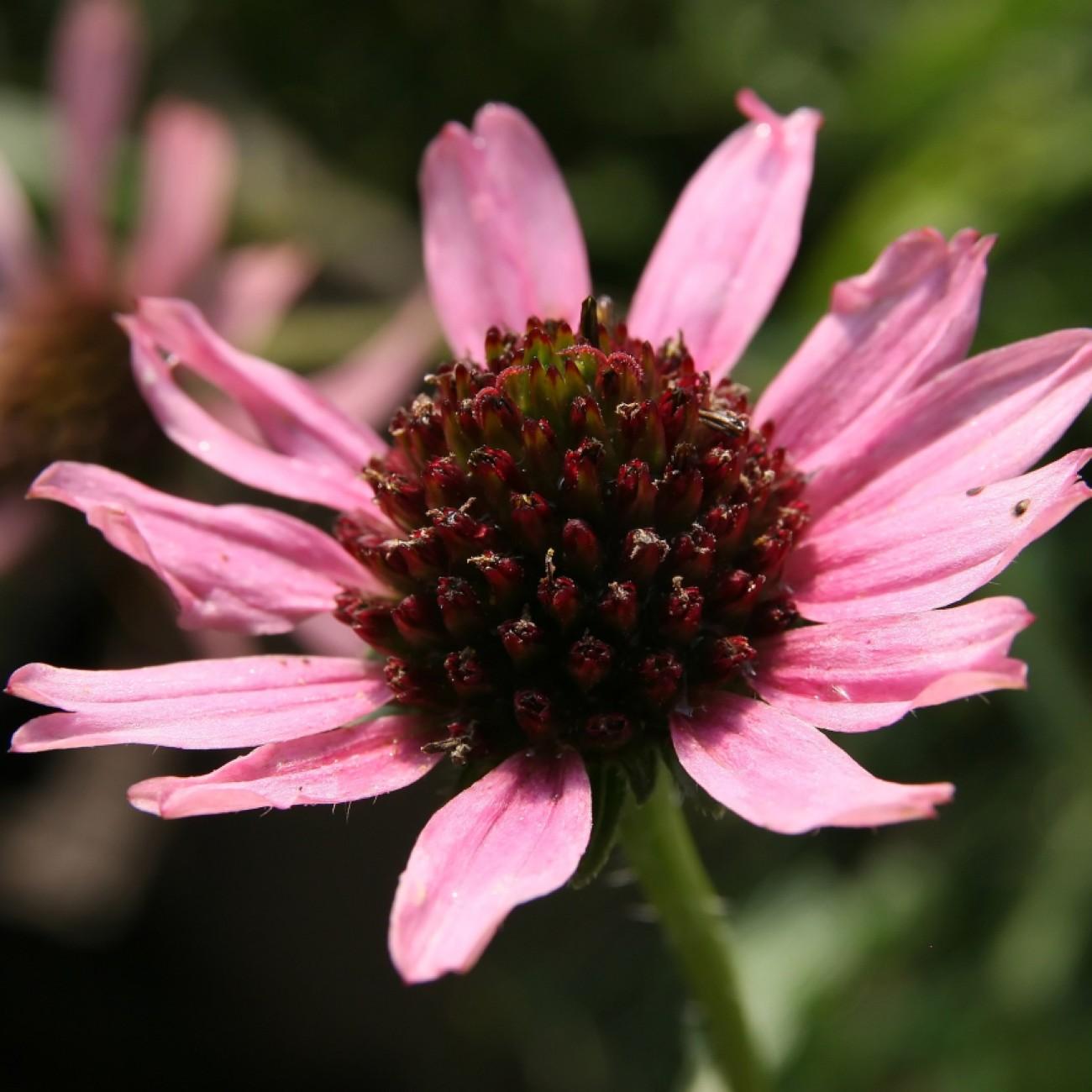
Tennessee coneflower
Echinacea tennesseensis 'Rocky Top'
Overview
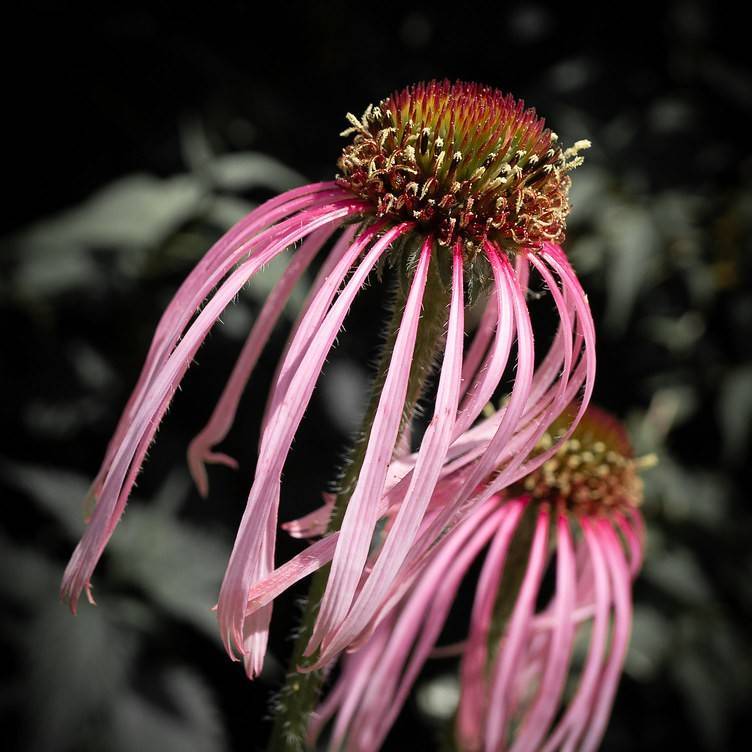
Tennessee coneflower (Echinacea tennesseensis'Rocky Top') is an absolutely amazing plant species. Not only does it boast a large, vibrant bloom of purplish-pink and orange flowers that appear in mid-summer, but it is also surprisingly hardy. It thrives in dry and poor soil, and is even drought tolerant. Additionally, it attracts hummingbirds, bees, and butterflies to the garden. Tennessee Coneflower is a long-lasting perennial, and with its bright colours and easy maintenance, it's definitely a must-have plant for adding beauty and life to the landscape.
Care Guide
Watering
Water your Tennessee coneflower (Echinacea tennesseensis 'Rocky Top') regularly and deeply. You should aim to water the soil until it’s moist but not too soggy. You can then allow the soil to dry out slightly between waterings. During the heat of the summer, your coneflower may require more frequent and deeper watering as it may get dry quicker due to higher temperatures. Tennessee coneflower should be watered at least once per week, usually at the start of the week. If temperatures are especially warm, you may need to water more often—2-3 times per week.
Light
Tennessee coneflower needs full sun or at least 6 hours of sunlight per day. While it can tolerate some shade, it will not produce as many flowers if it does not receive enough direct sunlight. During the summer months, the Tennessee coneflower should receive full sun during the peak of the day – 10am-2pm. During the spring and fall, the flower should receive full sun in the morning and afternoon for a total of at least 6 hours of direct sunlight.
Temperature
Hardiness zone 5–8.
Pruning
Tennessee coneflower should be pruned in early spring before it begins to grow new leaves. This is typically as the snow melts in late March and early April in most parts of the country. Pruning should be limited to removing any dead stems, and only the top third of the plant should be cut away. Pruning any more than that can reduce flowering and allow the plant to become overgrown and lanky. Coneflowers also benefit from light deadheading of spent blossoms. Deadheading encourages new flower growth and a fuller plant.
Propagation
Seed Propagation, Division, Root Cutting, Layering Propagation
Uses & Symbolism
Attracts: Birds, Butterflies.
Related plants
Other plants you might like if you grow Tennessee coneflower.
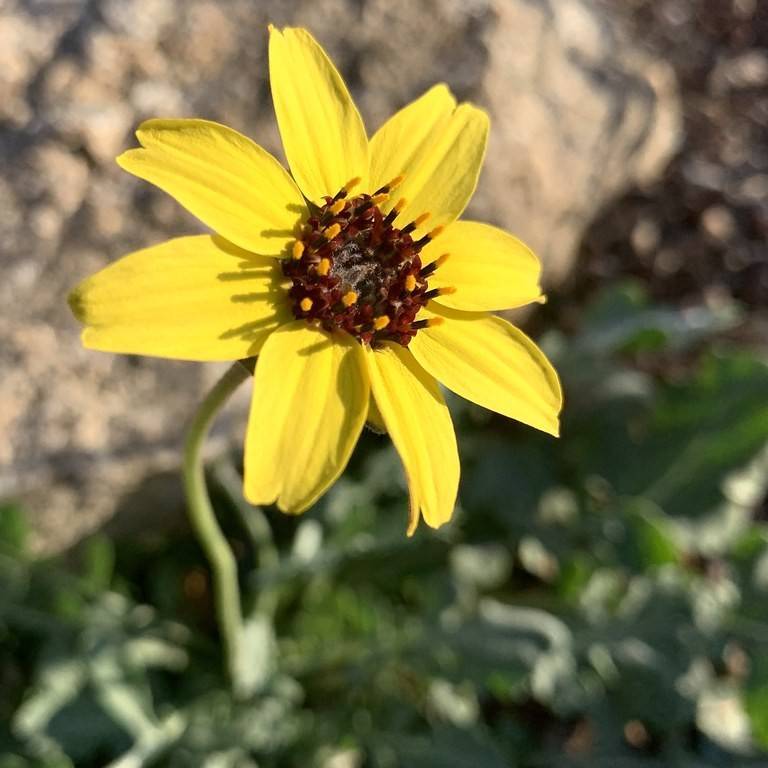
chocolate flower
Berlandiera lyrata
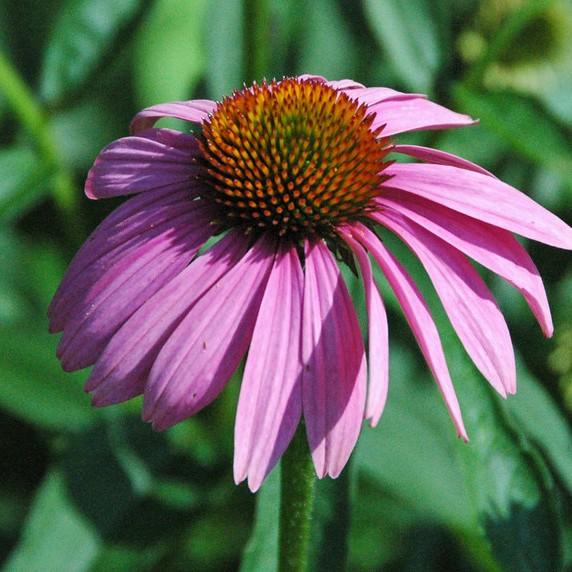
coneflower
Echinacea 'Adam Saul' CRAZY PINK
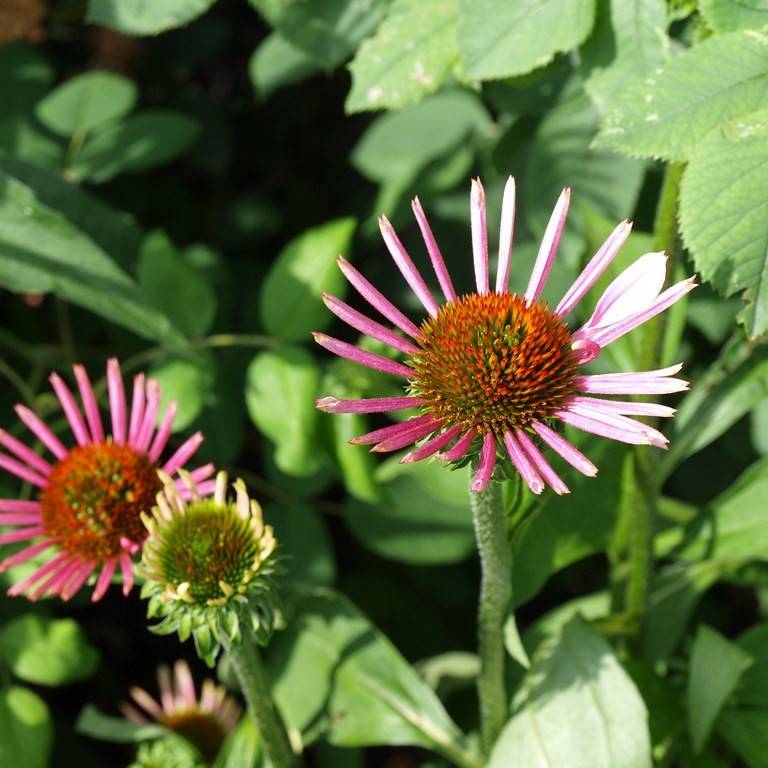
coneflower
Echinacea 'All that Jazz'
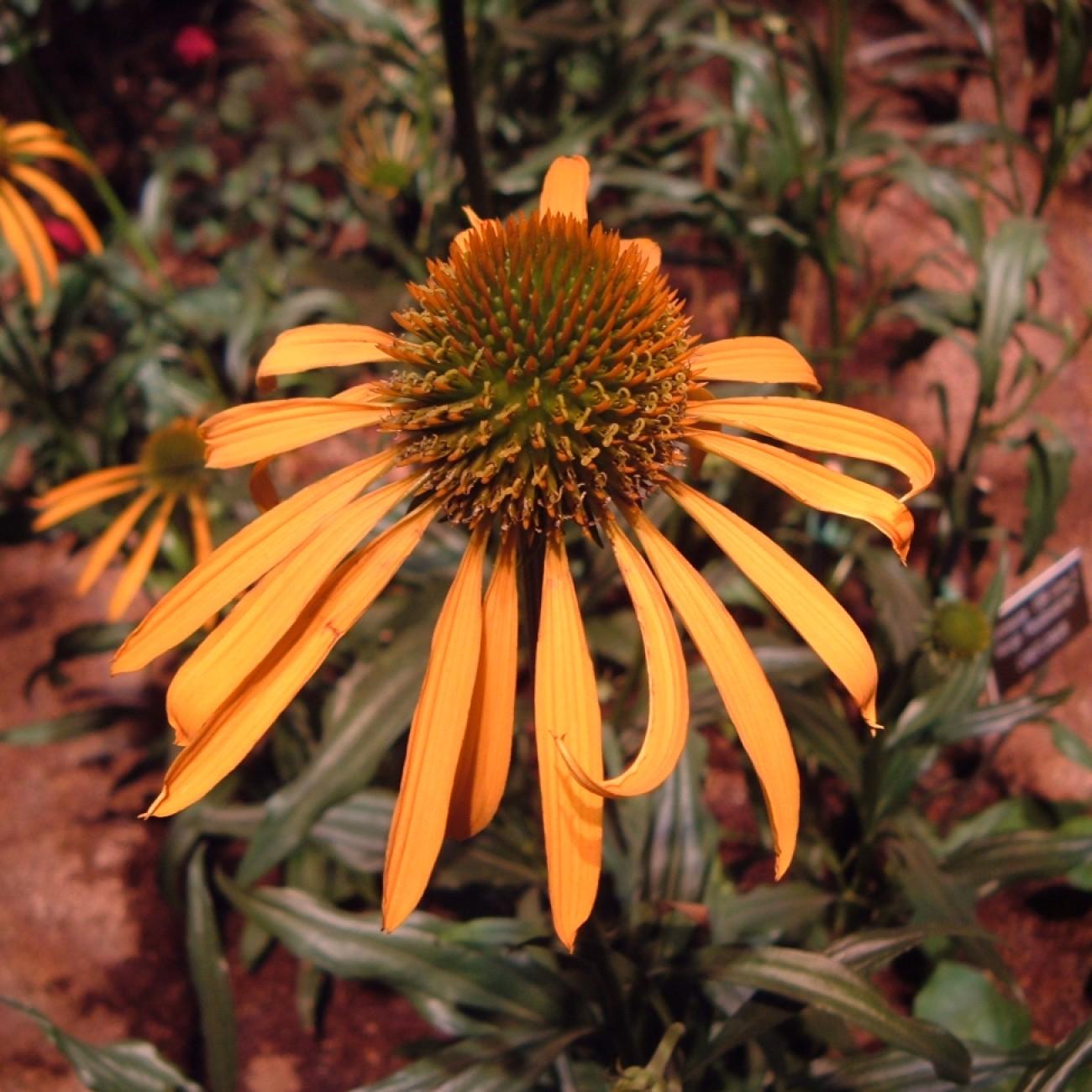
coneflower
Echinacea 'Art's Pride' ORANGE MEADOWBRITE
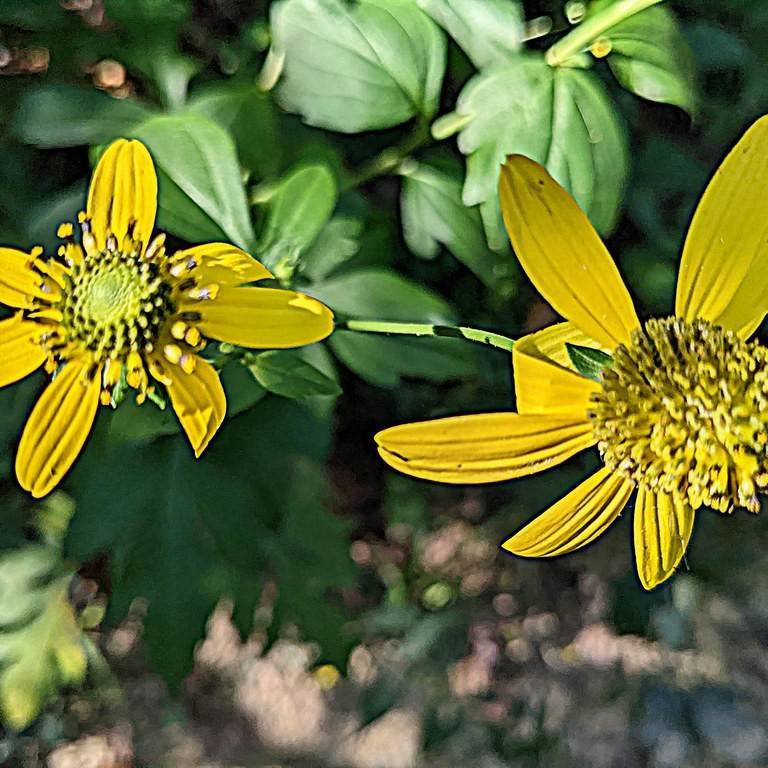
coneflower
Echinacea 'Balsomsolst' SOMBRERO SUMMER SOLSTICE
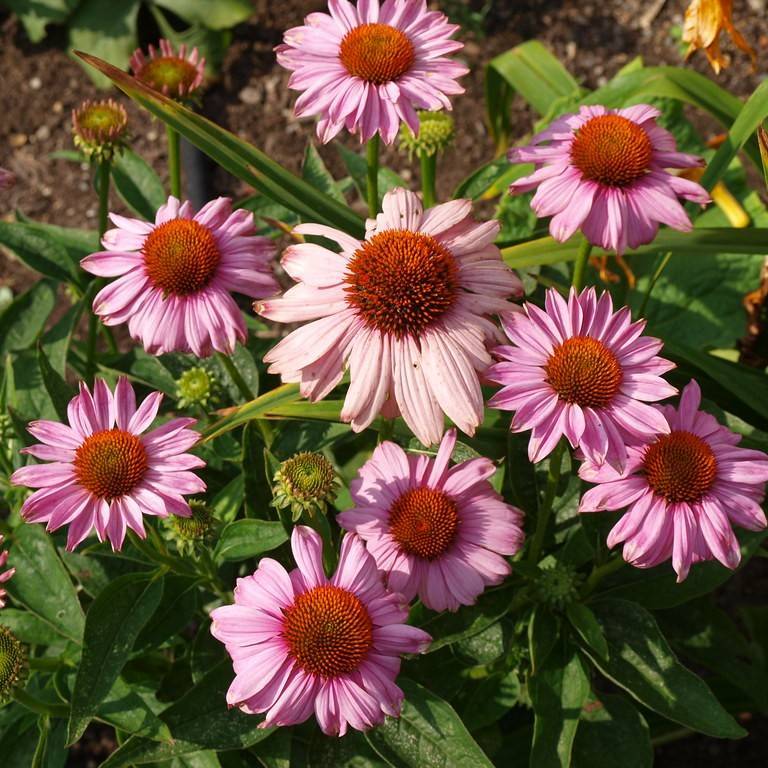
coneflower
Echinacea 'Bravado'
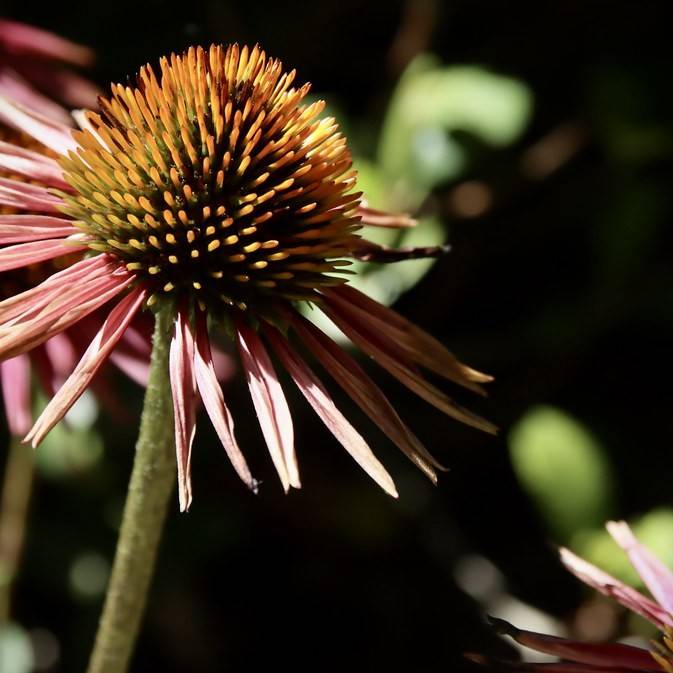
coneflower
Echinacea BURGUNDY FIREWORKS
coneflower
Echinacea 'CBG Cone 2' PIXIE MEADOWBRITE