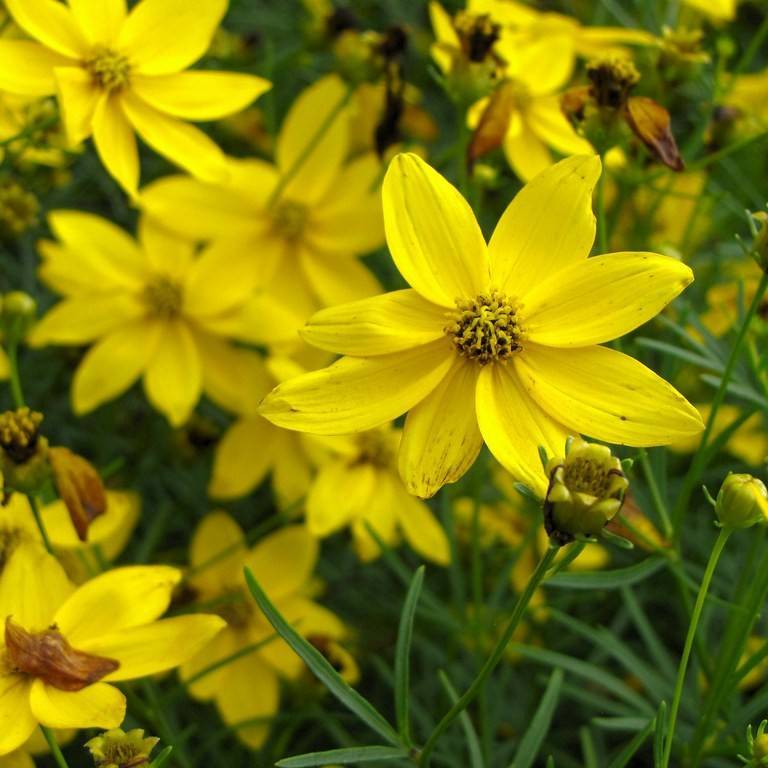
threadleaf coreopsis
Coreopsis verticillata 'Golden Gain'
Overview
Threadleaf coreopsis (Coreopsis verticillata 'Golden Gain') is an amazing plant for many reasons. Native to North America, it is widely adapted to various soil types and conditions. Its bright yellow flowers bring a cheerful energy to any garden with their showy blooms appearing from mid summer to mid fall. It has a delicate, lacy foliage and a mounding habit which makes it an excellent choice for mass plantings or as an edging or accent plant. Not only is it easy to grow, but it's also drought tolerant and generally pest and disease free. Its cheerful blooms and bright foliage will please gardeners every season.
Care Guide
Watering
Threadleaf coreopsis, also known as Golden Gain, requires regular watering for the first few months as it becomes established. For established plants, water once every 5-7 days. During times of heat and dryness, water every 3-4 days. It is best to water the plant directly and not from overhead, as this can cause fungal diseases. Be sure to water deeply - to saturate the soil around the plant's root zone - and then allow the soil to dry out before watering again. Avoid overwatering, as this could lead to root rot.
Light
Threadleaf coreopsis thrives in direct sunlight for at least 6 to 8 hours per day. This sun-loving species of plant prefers sunlight during the warmer months of the year when there is plenty for the entire day. During these times, Threadleaf Coreopsis should receive full sun – meaning, no shade from other plants or structures, like a fence or porch. In the cooler months, the plant may tolerate partial shade, although full sun is still preferred. Morning sun is recommended, as late-day sunshine can be too harsh for the plant, causing it to burn and die back.
Temperature
Hardiness zone 4–9.
Pruning
Threadleaf Coreopsis (Coreopsis verticillata 'Golden Gain') should be pruned during late winter/early spring, just before the active growth period. The pruning should be minimal, as the plant does not require shaping or heavy clean-up. The dead flowers and any stray stems can be removed to tidy up the plant, but the spent flower clusters should not be removed as they are excellent sources of food for beneficial pollinators. If there are too many stems, a third of the stems can be removed to keep the plant healthy and vigorous.
Propagation
Division, Cutting, Seed Propagation, Layering Propagation
Uses & Symbolism
Attracts: Butterflies.
Related plants
Other plants you might like if you grow threadleaf coreopsis.
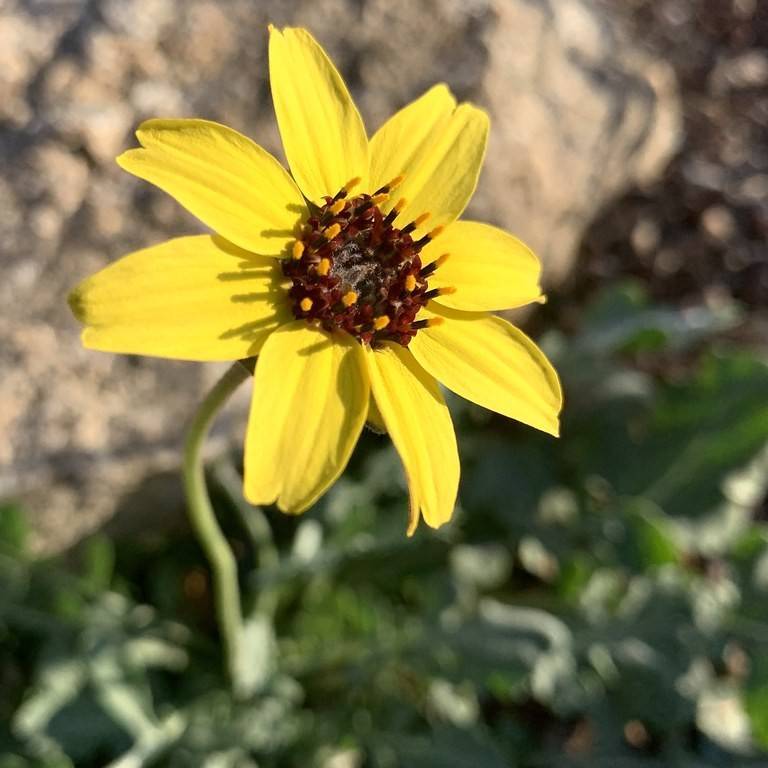
chocolate flower
Berlandiera lyrata
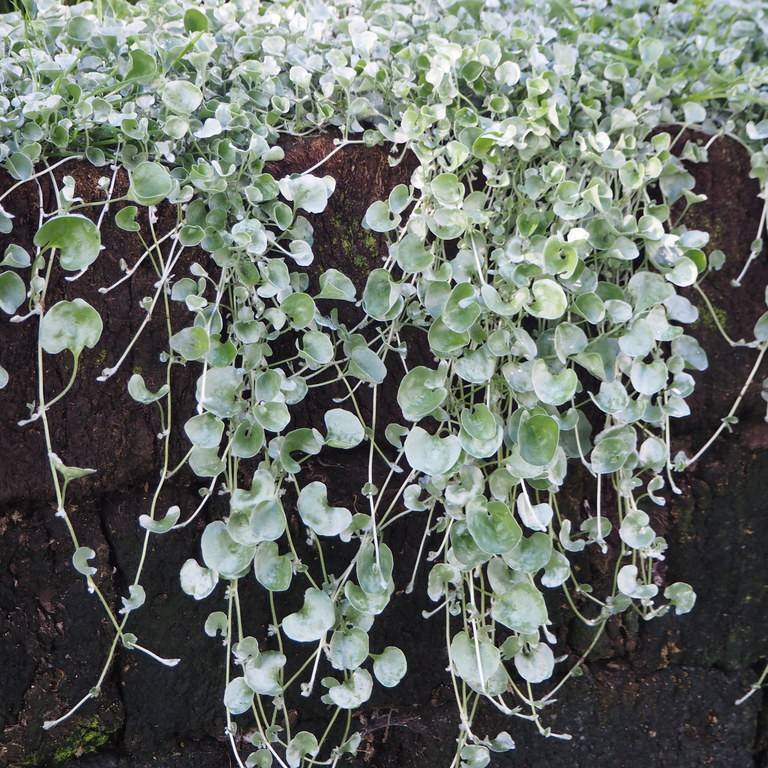
dichondra
Dichondra argentea 'Silver Falls'
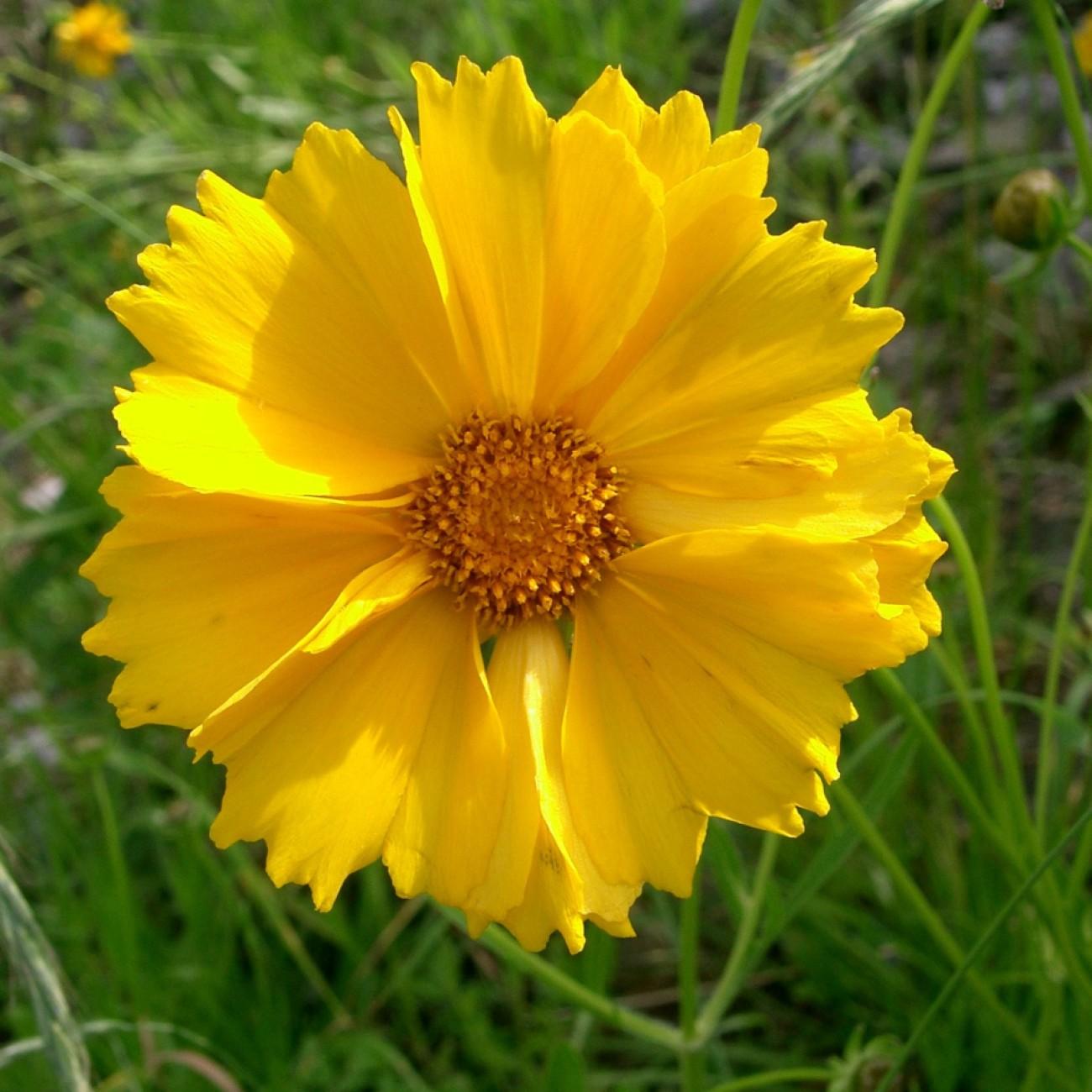
lanceleaf coreopsis
Coreopsis lanceolata
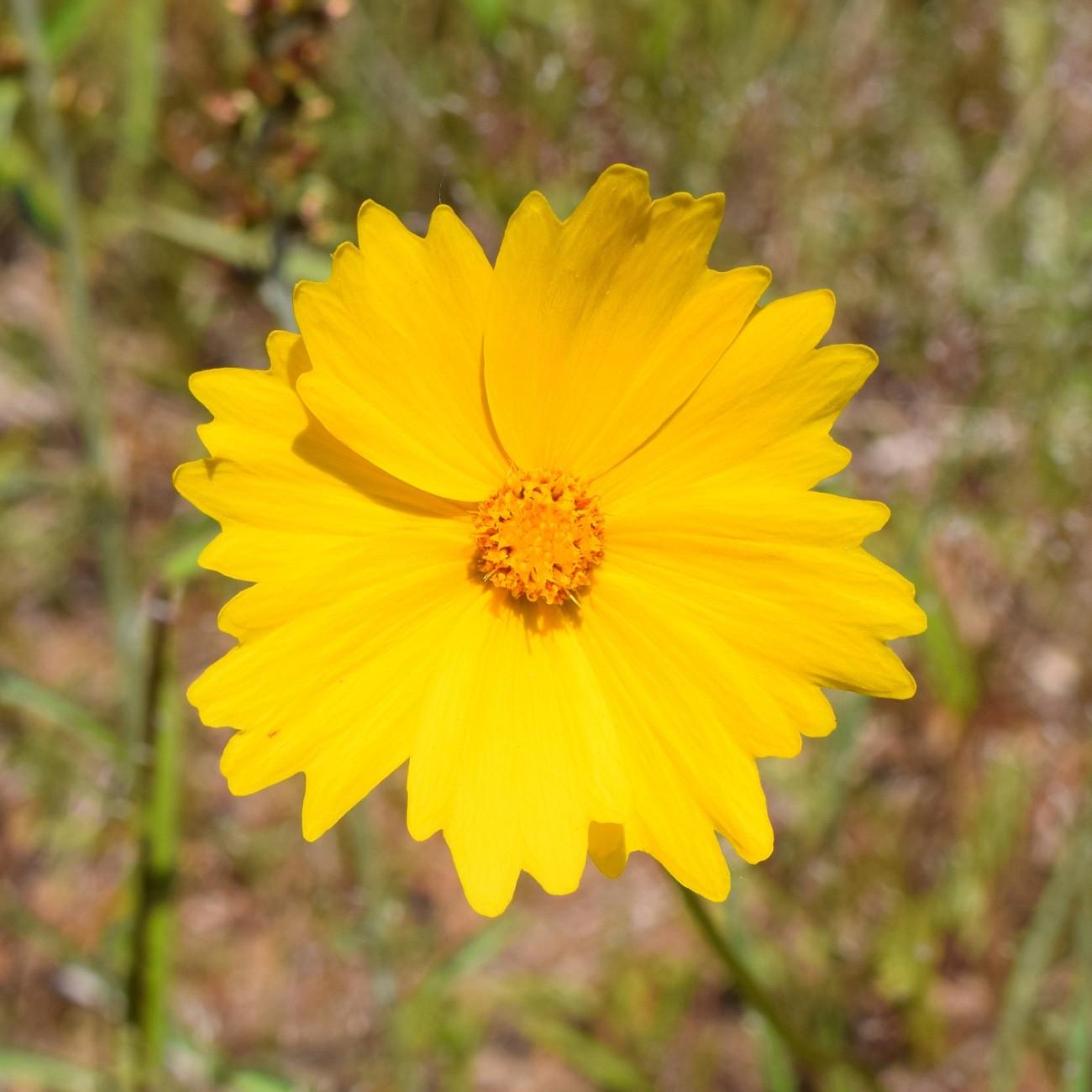
lanceleaf coreopsis
Coreopsis lanceolata 'Summer Sprite'
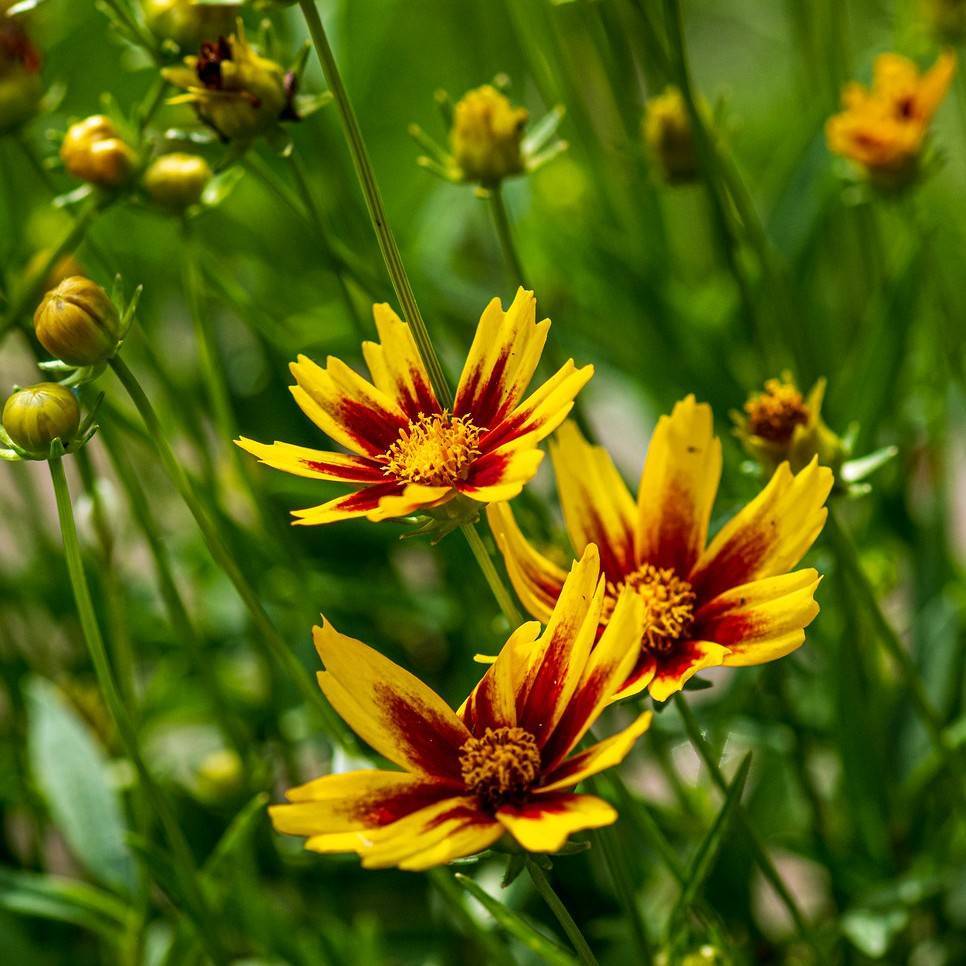
plains coreopsis
Coreopsis tinctoria
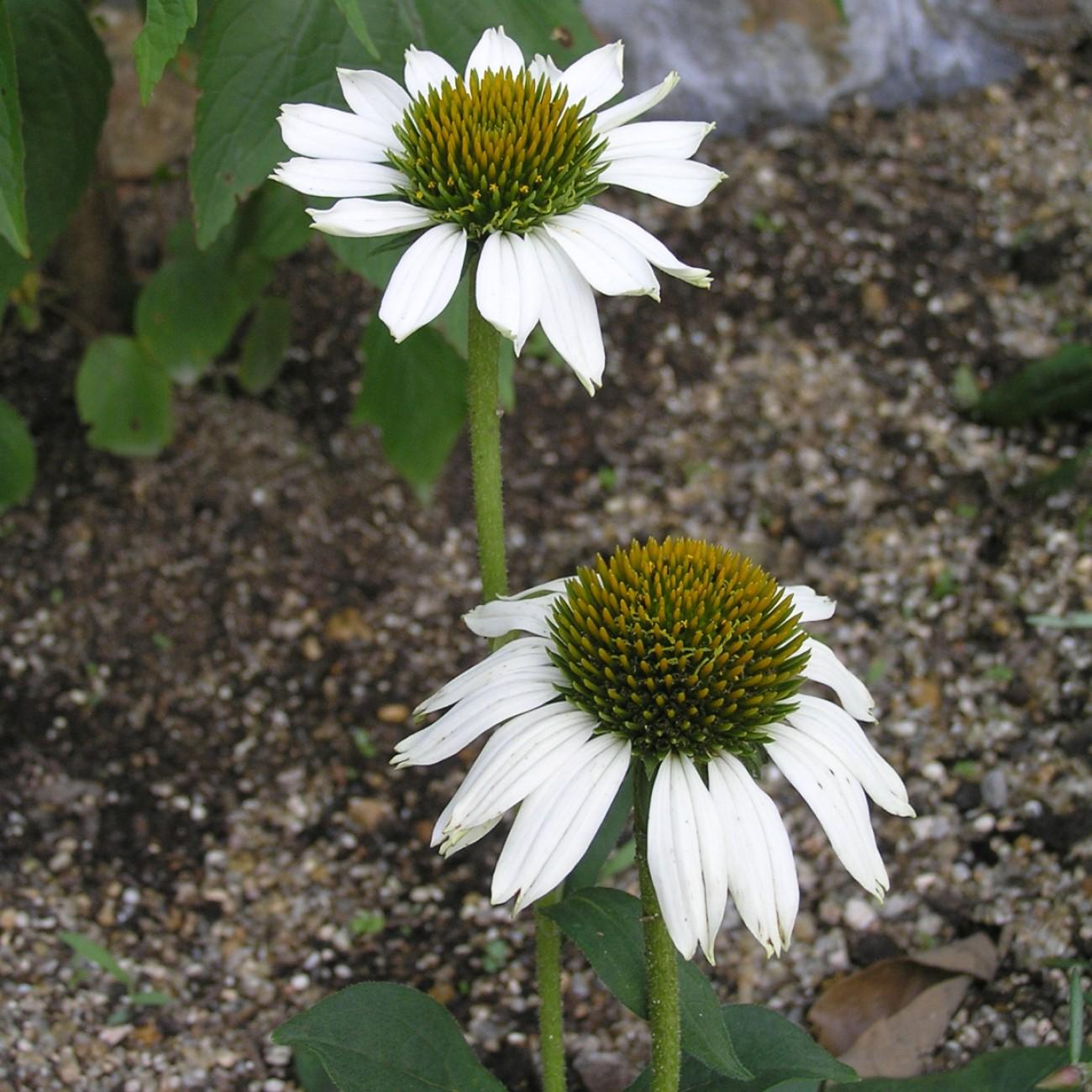
purple coneflower
Echinacea purpurea 'Amado'
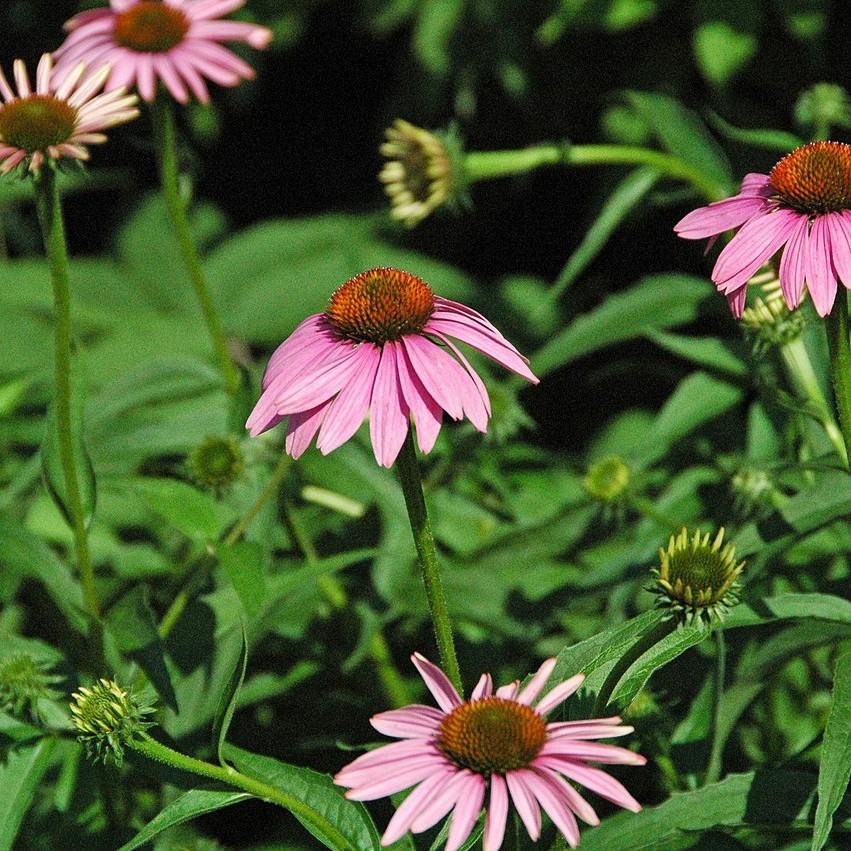
purple coneflower
Echinacea purpurea 'Lilliput'
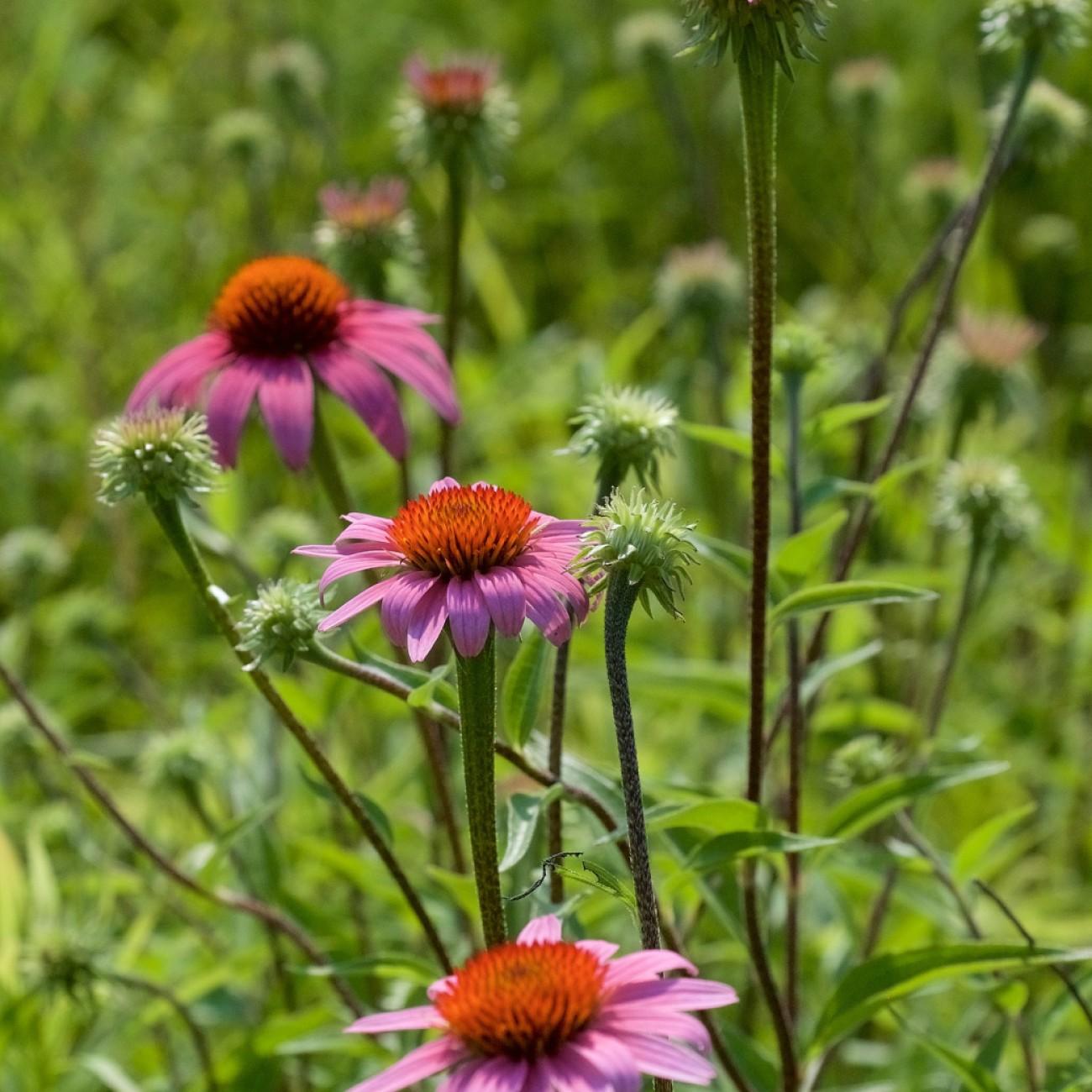
purple coneflower
Echinacea purpurea 'Little Annie'