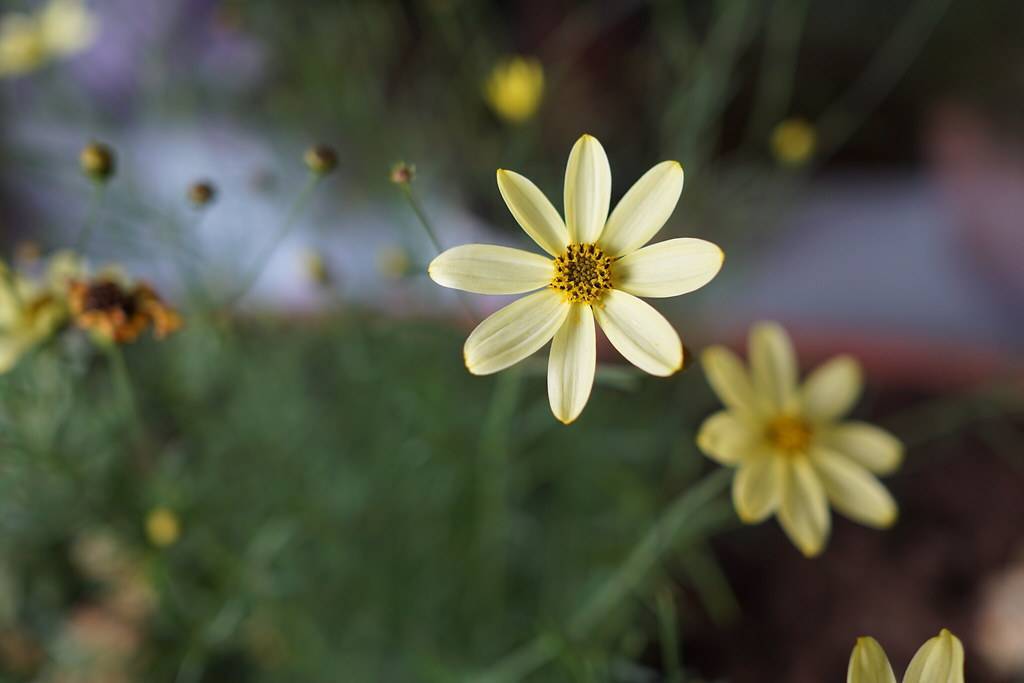
threadleaf coreopsis
Coreopsis verticillata 'Moonbeam'
Overview
Threadleaf coreopsis, or Coreopsis verticillata 'Moonbeam' is an amazing plant species with many features that will draw the eye and provide visual interest to any garden. Threadleaf coreopsis produces bright yellow daisy-like flowers with slender, thread-like leaves that create a delicate texture in the garden. The threadleaf coreopsis blooms continuously from early summer to late fall making your garden shine with blooms all season long. This drought-tolerant and easy-care plant will attract bees, butterflies, and birds. Its hardy nature and long flowering period make threadleaf coreopsis a great choice to provide color and structure in any landscape.
Care Guide
Watering
Threadleaf coreopsis (Coreopsis verticillata 'Moonbeam') should be watered deeply once every 7-10 days. The soil should be kept evenly moist but not soggy. Water at the base of the plant, avoiding wetting the foliage to prevent disease. Watering in the morning allows the plant to dry off during the day. During the hot summer months, additional water may be required. It's important to monitor the soil moisture, as too little or too much water can both cause damage to the plant.
Light
Threadleaf Coreopsis (Coreopsis verticillata 'Moonbeam') prefers full sun, which means at least 6 to 8 hours of direct sunlight per day for optimum growth and flowering. It can tolerate some shade, but will not bloom as well without the sun. If planting these flowers in a spot with dappled sunlight or deep shade, choose a different variety of Coreopsis. This plant also enjoys some afternoon shade in particularly hot, dry climates.
Temperature
Hardiness zone 3–9.
Pruning
Threadleaf coreopsis (Coreopsis verticillata 'Moonbeam') should be pruned once a year in the spring. After it has finished flowering, cut the stems down to about 6 inches high. If some stems become brown and die, they can be cut back in the summer, as well as any shoots that have sprouted in the center of the plant. To keep it from becoming straggly, prune it again in the fall, cutting down the stems to about 3 inches.
Propagation
Division, Cutting, Seed Propagation, Layering Propagation
Uses & Symbolism
Attracts: Butterflies.
Related plants
Other plants you might like if you grow threadleaf coreopsis.
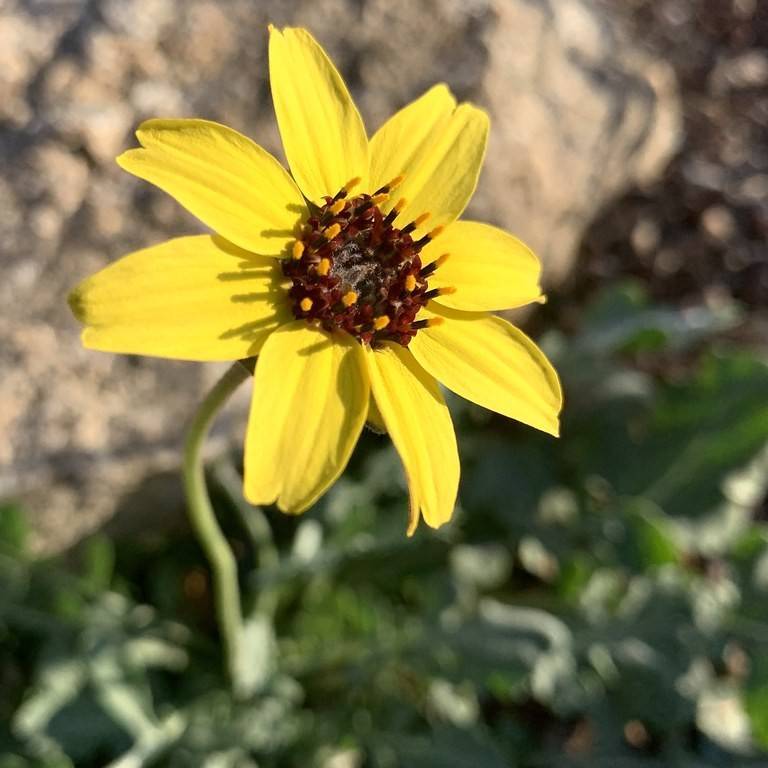
chocolate flower
Berlandiera lyrata
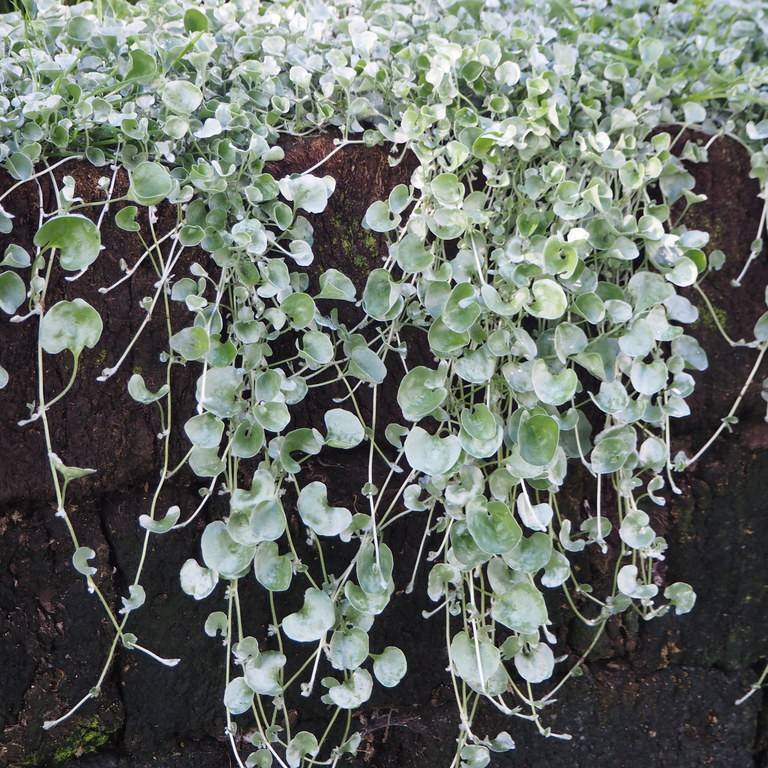
dichondra
Dichondra argentea 'Silver Falls'
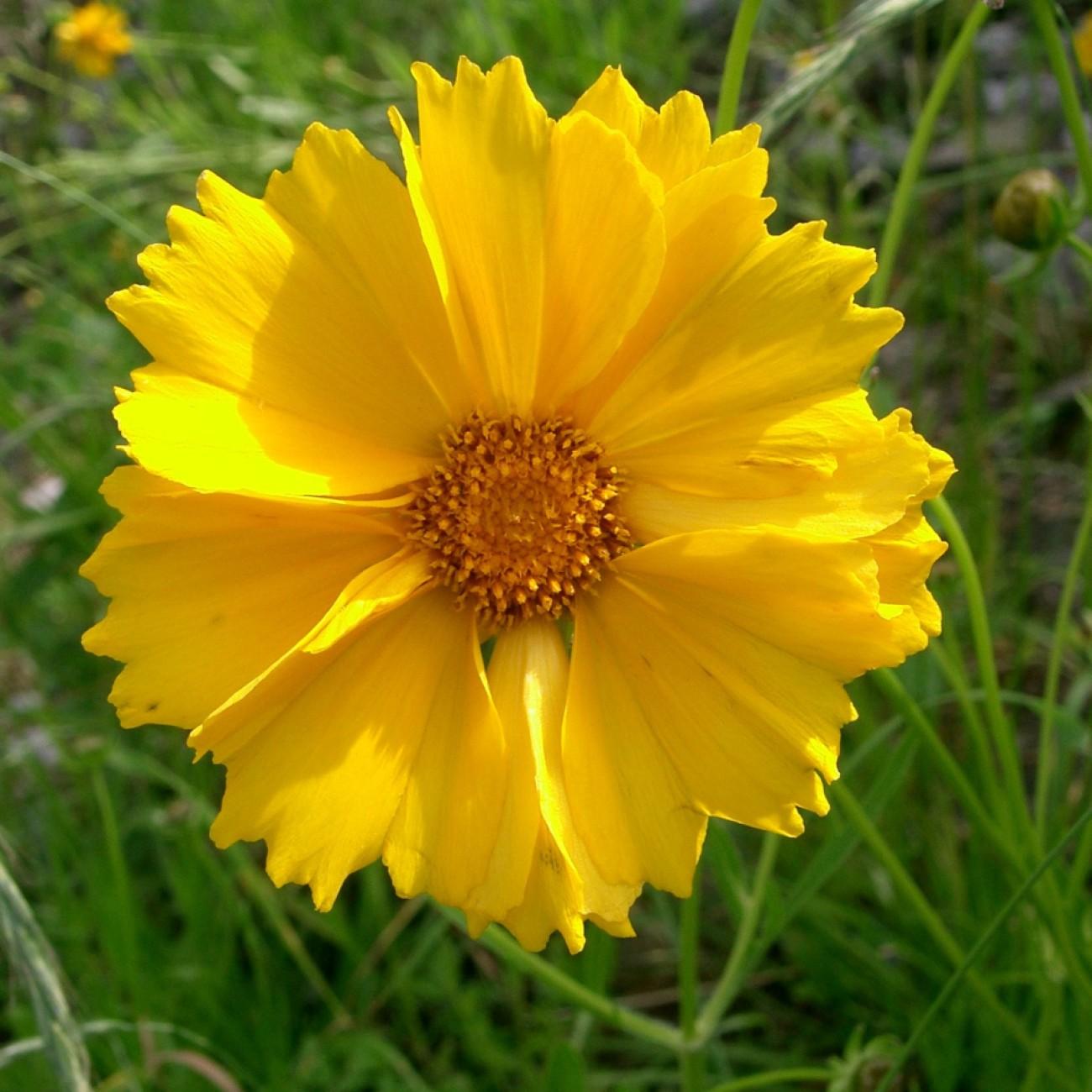
lanceleaf coreopsis
Coreopsis lanceolata
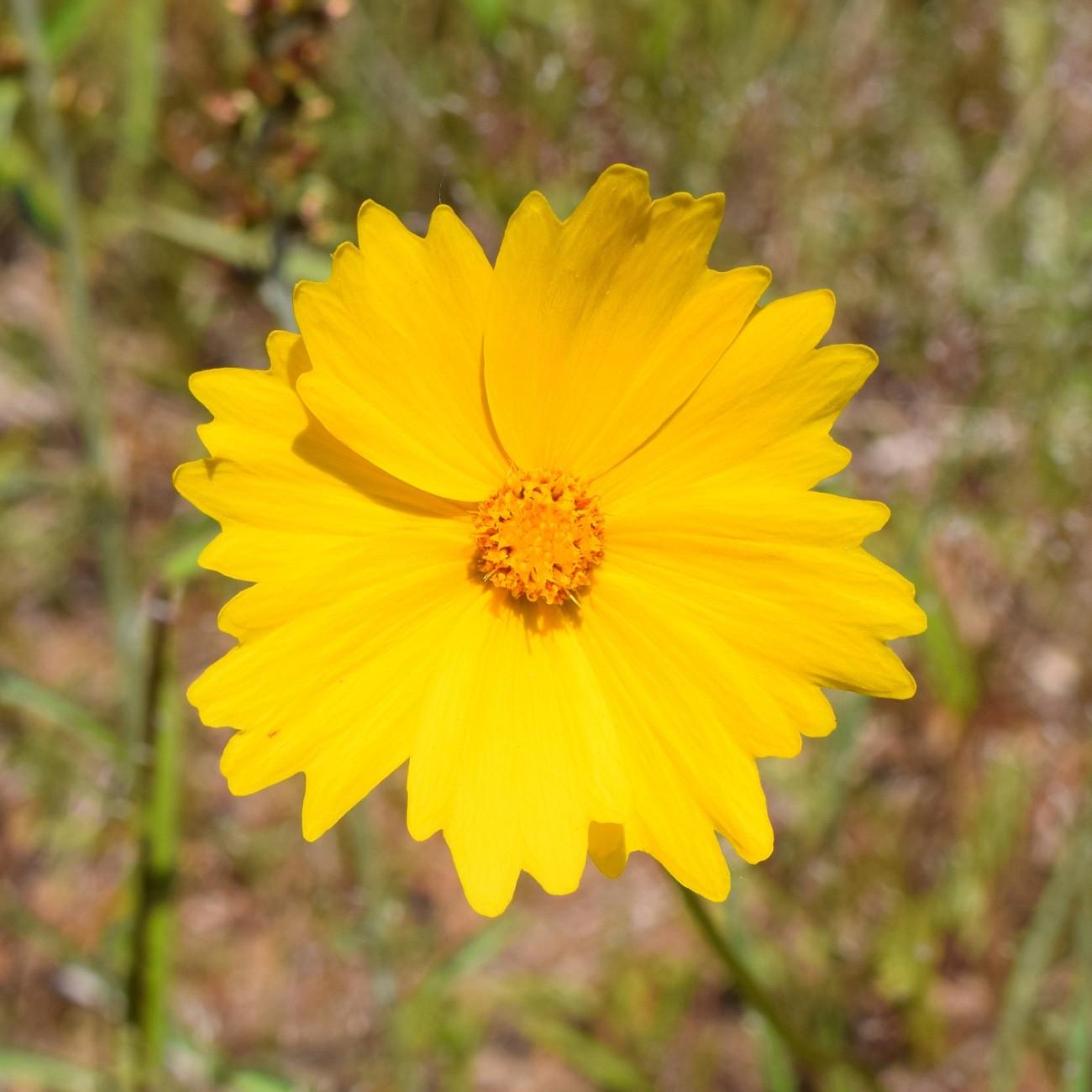
lanceleaf coreopsis
Coreopsis lanceolata 'Summer Sprite'
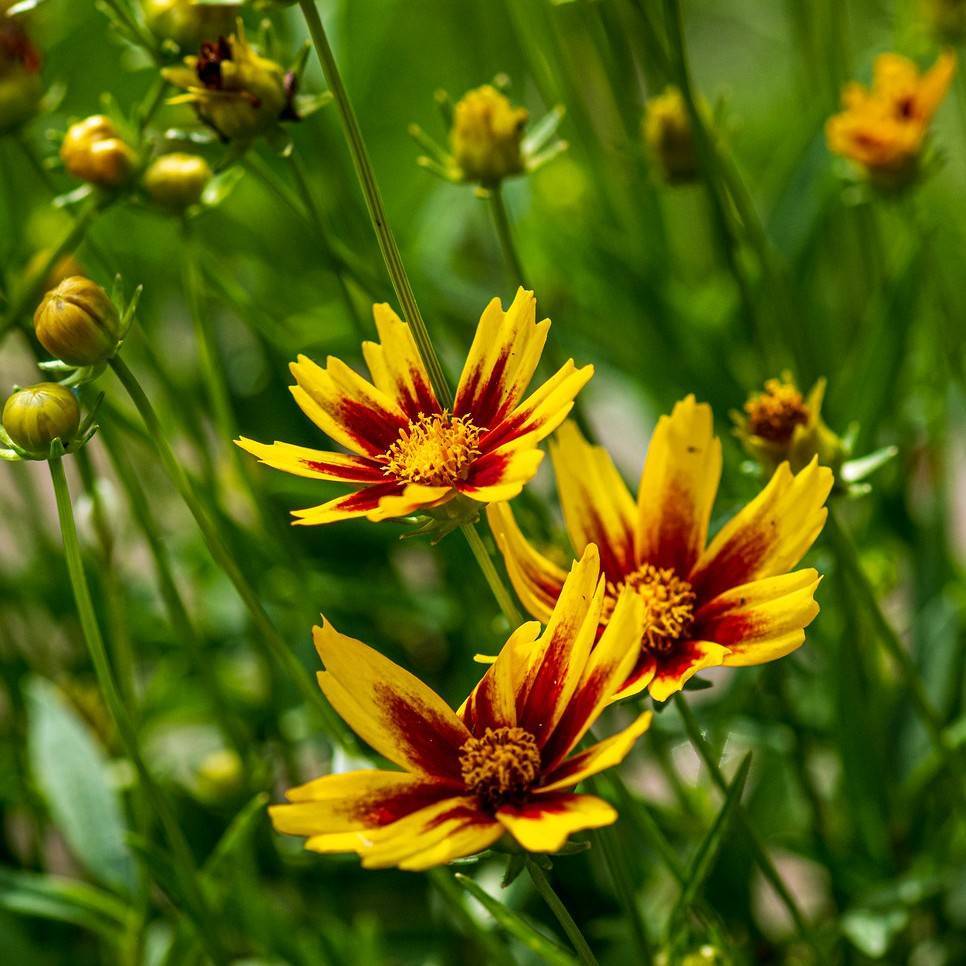
plains coreopsis
Coreopsis tinctoria
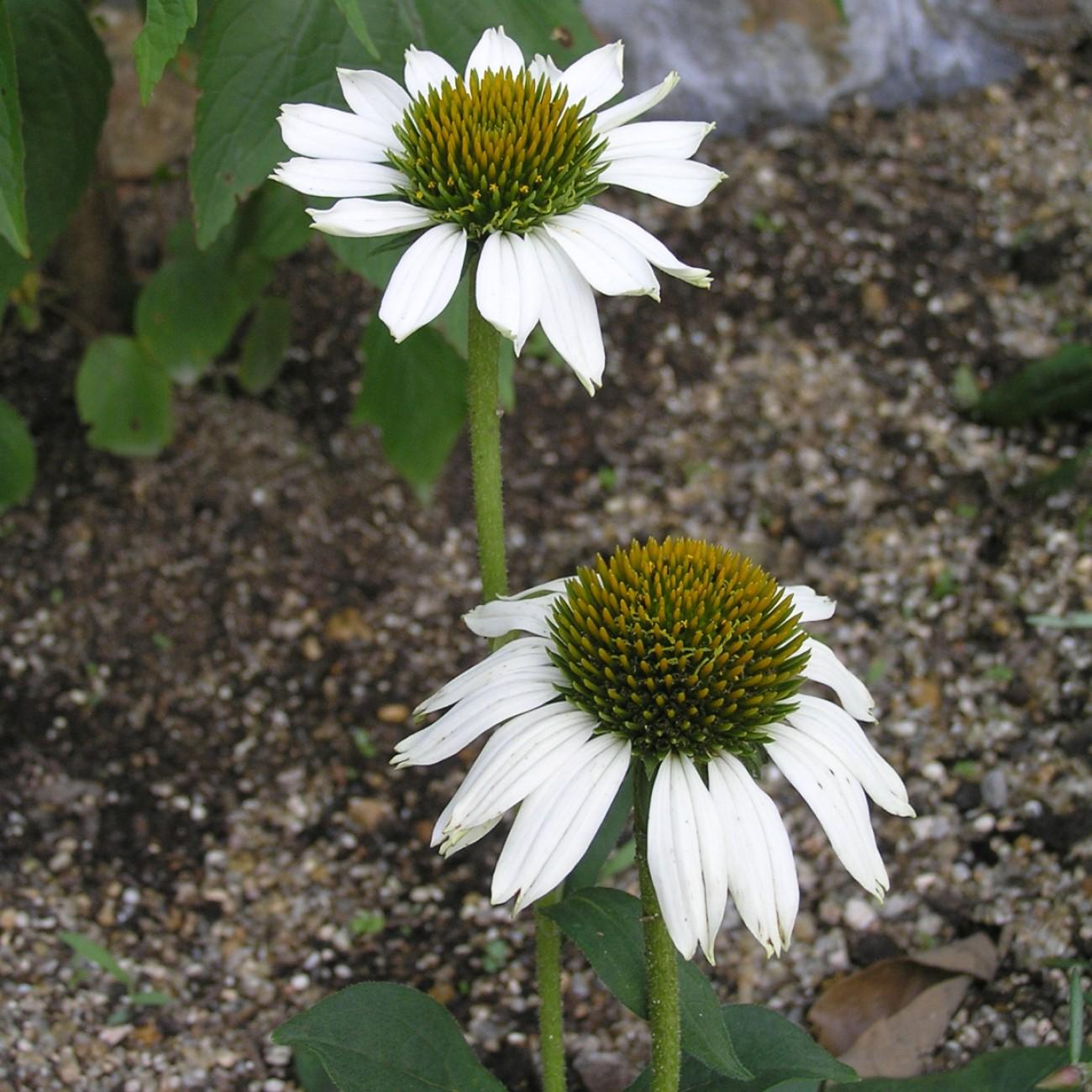
purple coneflower
Echinacea purpurea 'Amado'
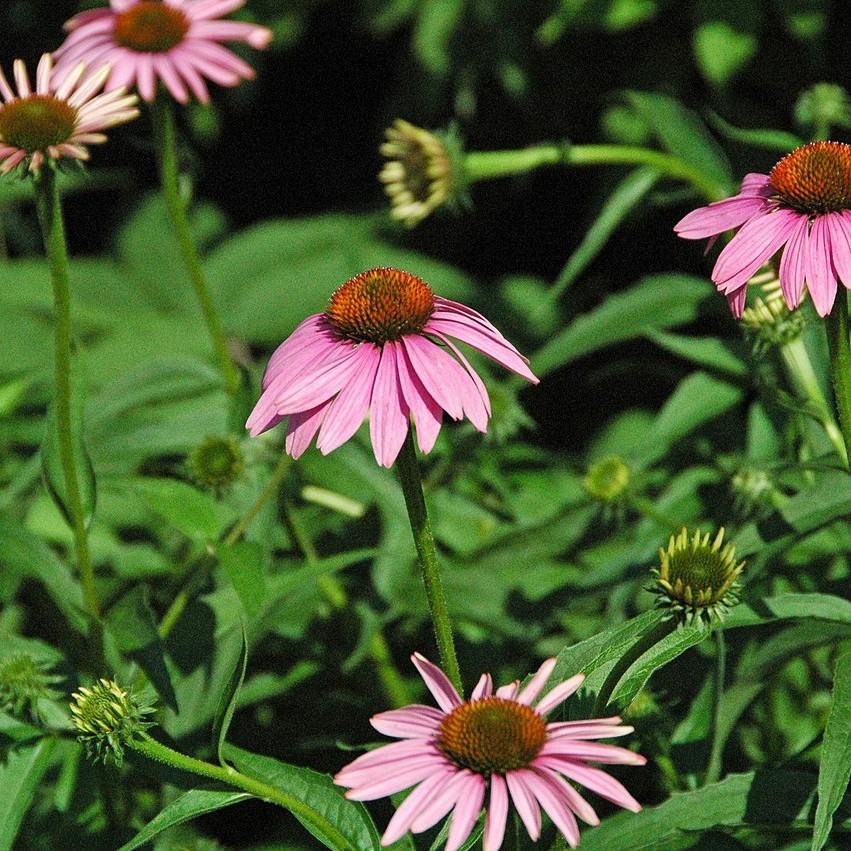
purple coneflower
Echinacea purpurea 'Lilliput'
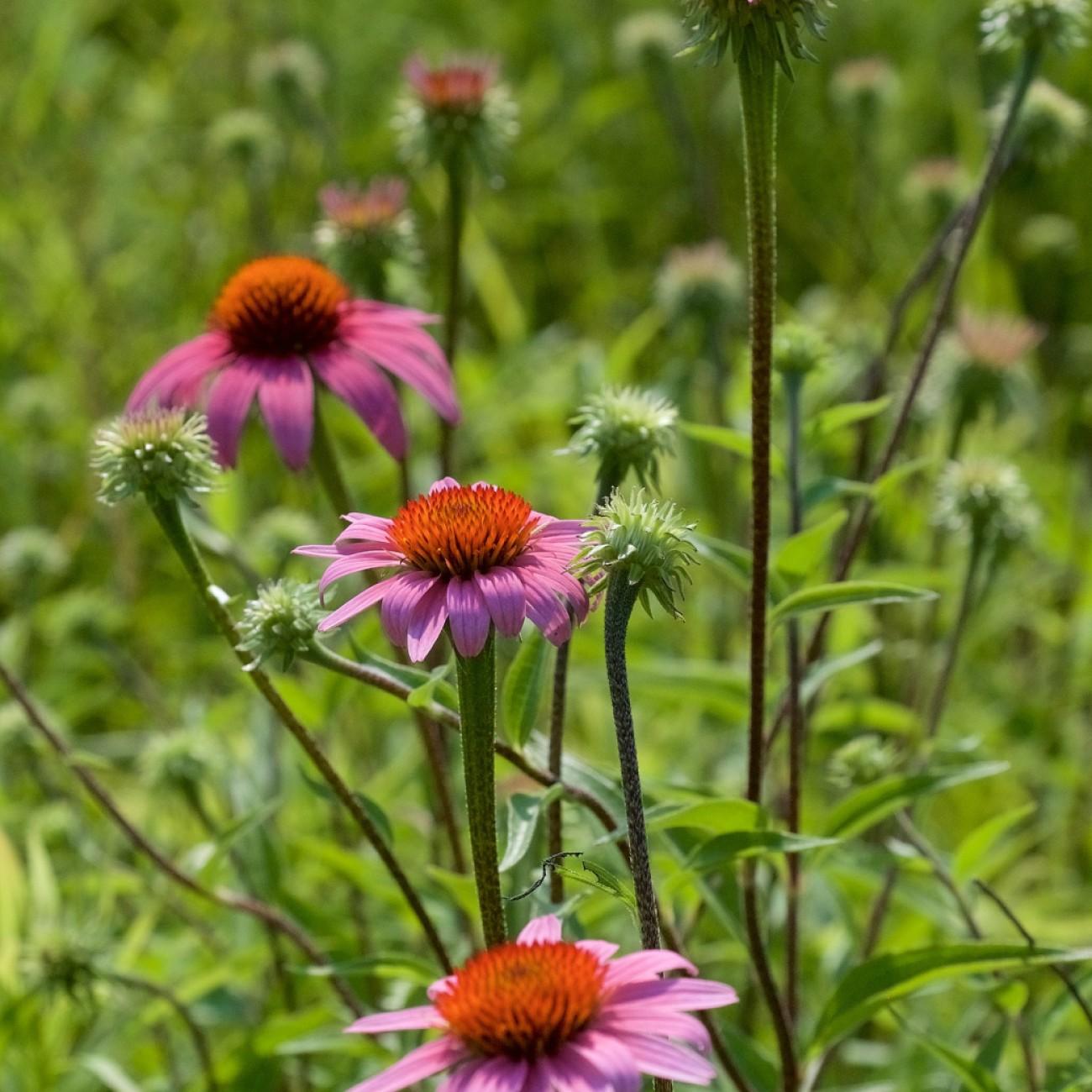
purple coneflower
Echinacea purpurea 'Little Annie'