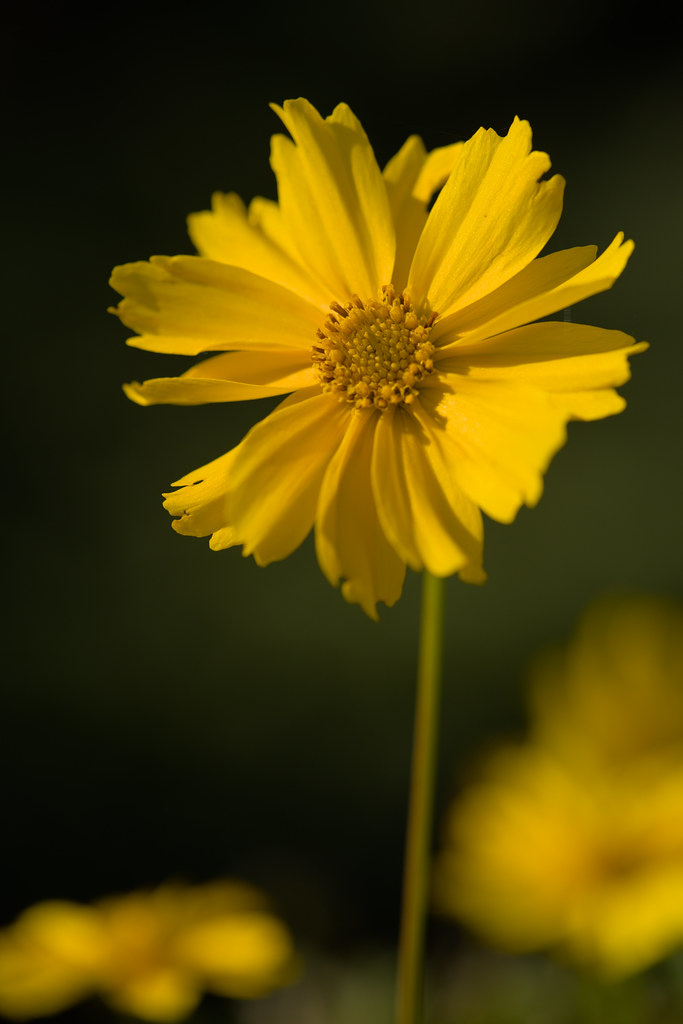
tickseed
Coreopsis 'Goldfink'
Overview
Tickseed (Coreopsis 'Goldfink') is an amazing flower for gardeners who want to enjoy a burst of colour in the landscape. It produces masses of golden-yellow flowers continually from spring until fall. This perennial herb is very easy to care for and requires minimal attention. It is both salt and drought tolerant once established, making it perfect for a variety of gardens and climates. Blooming over a long season makes it an excellent choice for cut flowers and borders, providing a long-lasting colour show in beds and large containers. Its drought and heat-tolerance makes it a great choice for xeriscape gardens. With its bright yellow flowers, you'll always be able to appreciate an amazing display of beauty in the garden.
Care Guide
Watering
Tickseed (Coreopsis 'Goldfink') should be watered when the top 1-2 inches of soil feel dry to the touch. Water generously so that the excess drains out from the bottom of the pot. In hot and dry weather, this plant should be watered deeply every 4 to 5 days; whereas during cooler weather or periods of lower sunlight intensity, watering every 7-10 days should be sufficient. If the temperature gets too cold, tickseed should be watered less frequently until the temperature warms up, as some species of tickseed become dormant in cooler climates.
Light
Tickseed Coreopsis 'Goldfink' is a low maintenance flowering perennial that requires full sun in order to bloom its brightest. In general, it should be situated in an area that receives at least 6 to 8 hours of direct sunlight each day. While it may still flower in part shade, the colour and number of blooms produced will be greatly reduced. As with most plants, providing adequate water is essential for optimum growth and flowering. During the growing season water regularly so the soil stays moist but not saturated. Drought conditions can be tolerated but may decrease the number of blossoms on the plant.
Temperature
Hardiness zone 4–9.
Pruning
Tickseed (Coreopsis 'Goldfink') should be pruned in late winter or early spring, before new growth begins. Pruning should be more severe for plants that are old and become woody, as too much older wood will prevent flowering. You can cut back the plant by up to a third, removing any dead or damaged stems. This pruning will encourage healthy new growth and an abundance of flowers for the season.
Propagation
Division, Cutting, Seed Propagation, Layering Propagation
Uses & Symbolism
Attracts: Butterflies.
Guides that mention tickseed
Related plants
Other plants you might like if you grow tickseed.
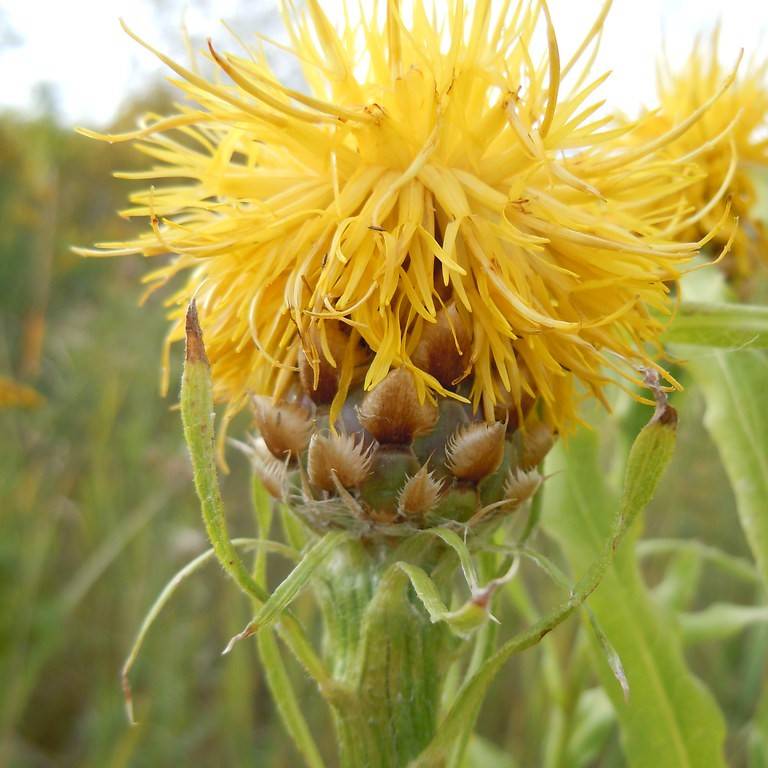
bighead knapweed
Centaurea macrocephala
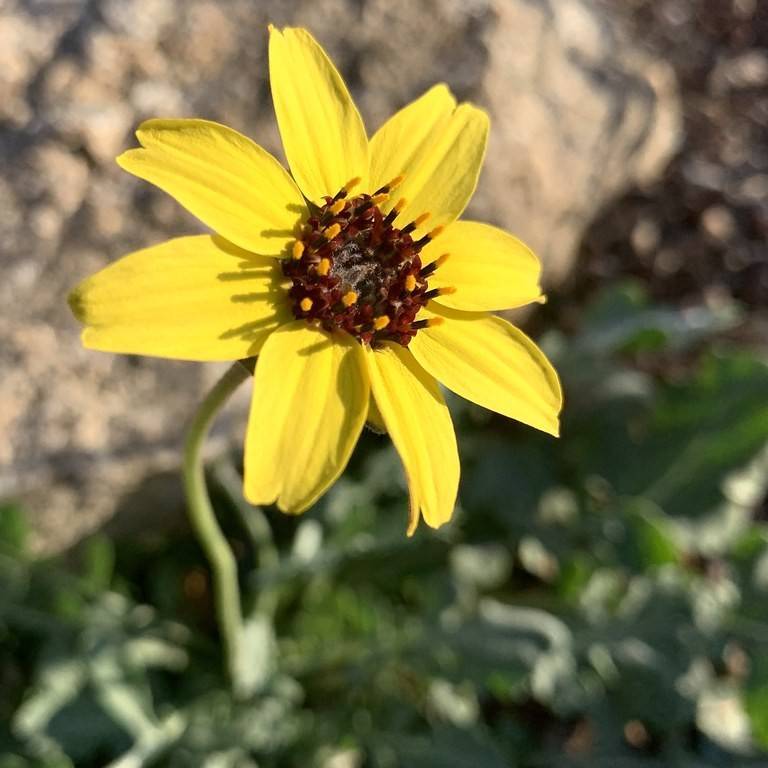
chocolate flower
Berlandiera lyrata
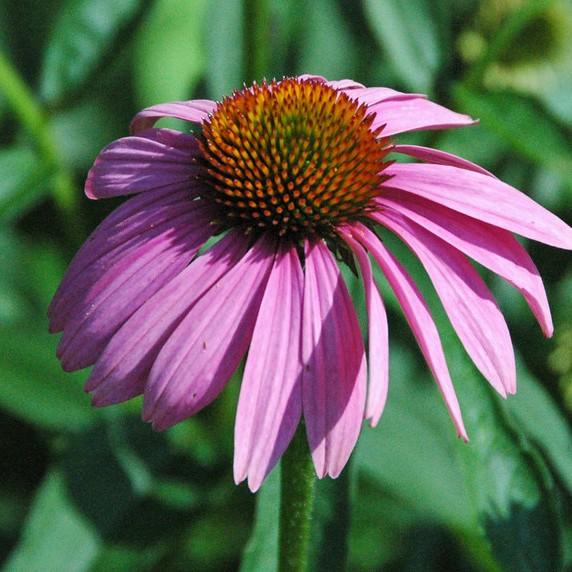
coneflower
Echinacea 'Adam Saul' CRAZY PINK
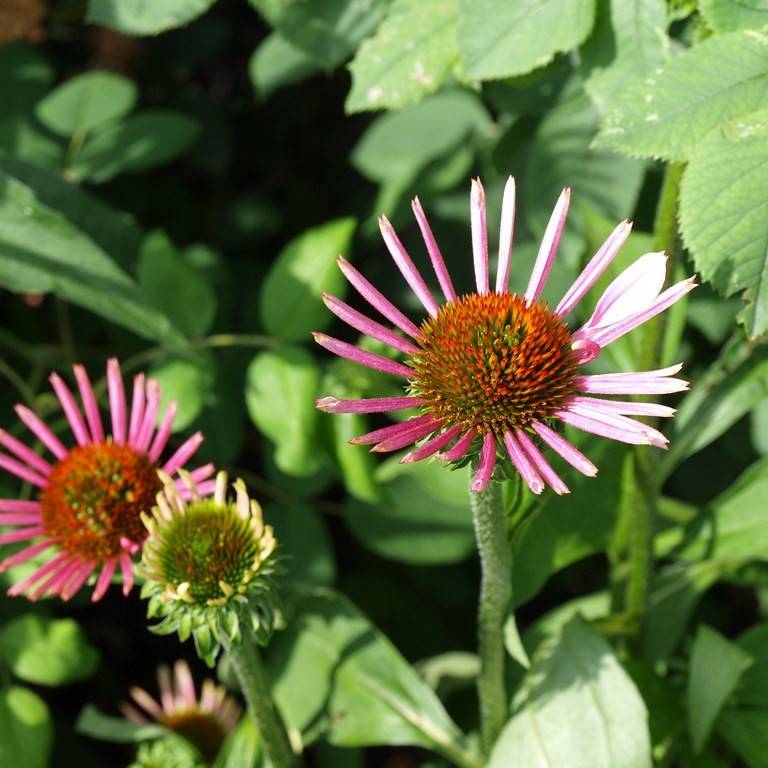
coneflower
Echinacea 'All that Jazz'
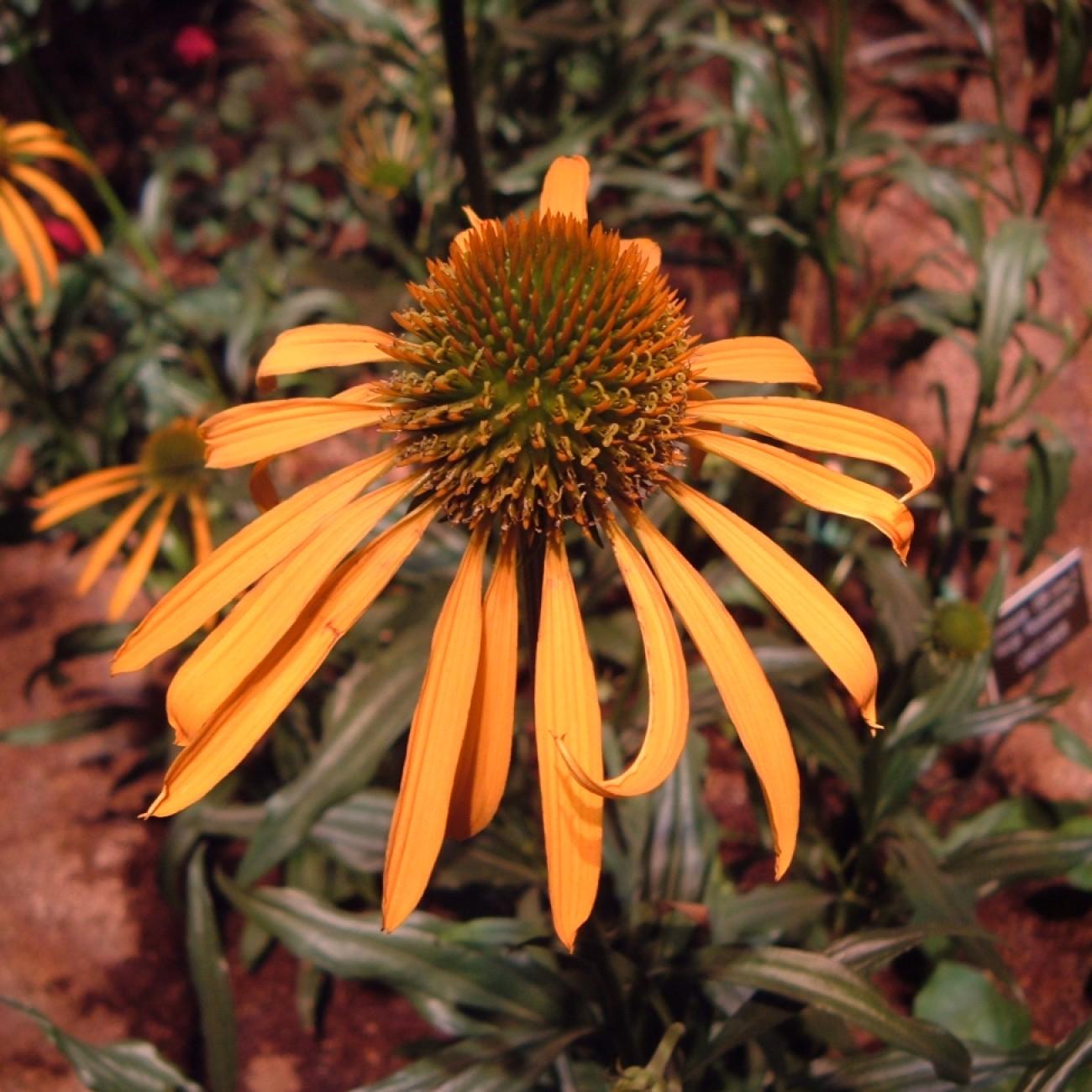
coneflower
Echinacea 'Art's Pride' ORANGE MEADOWBRITE
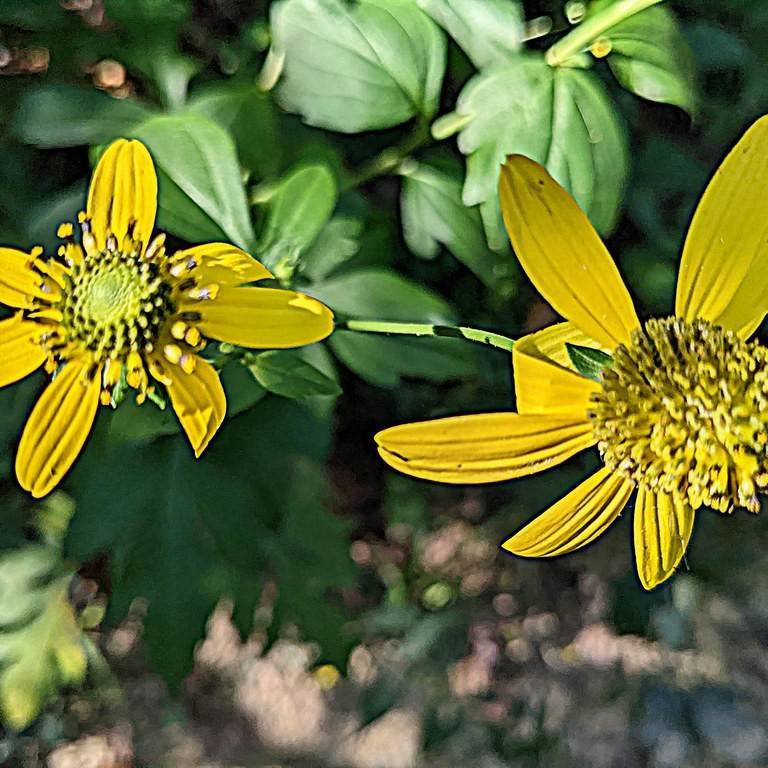
coneflower
Echinacea 'Balsomsolst' SOMBRERO SUMMER SOLSTICE
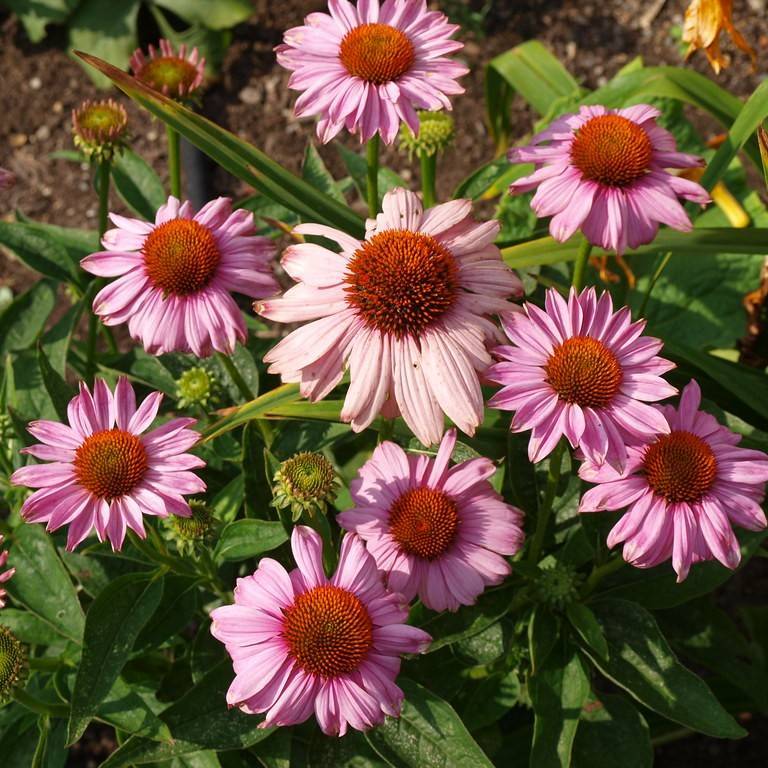
coneflower
Echinacea 'Bravado'
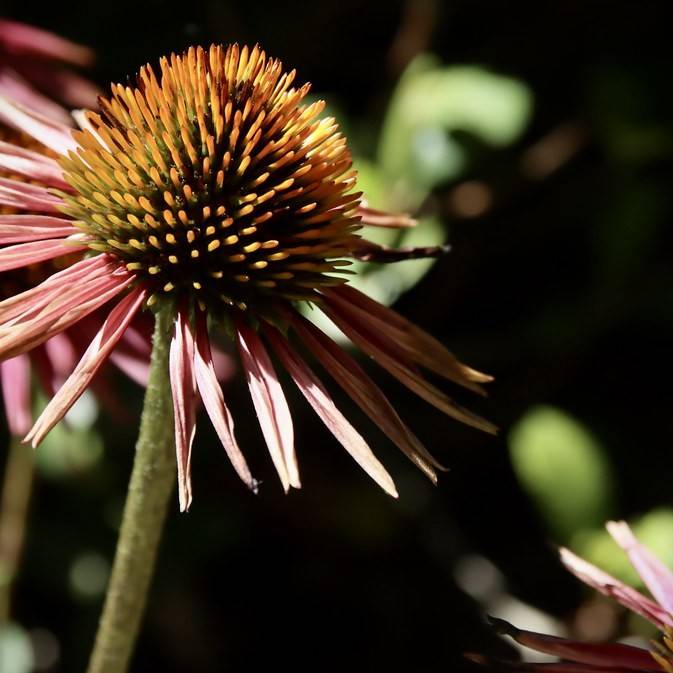
coneflower
Echinacea BURGUNDY FIREWORKS