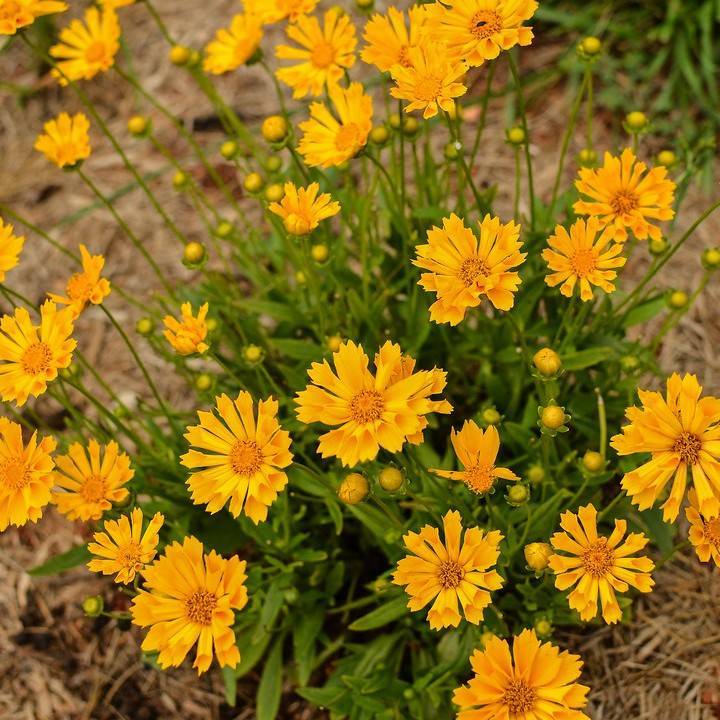
tickseed
Coreopsis 'Jethro Tull'
Overview
Tickseed (Coreopsis 'Jethro Tull') is a stunning plant that is sure to bring a spectacular show of color to any garden. Its bright yellow blooms are striking atop its delicate, lush green foliage, creating a beautiful contrast. It is fast-growing and long-blooming, with blooms that will appear from early summer through mid-autumn. The petite flower petals are the perfect backdrop for its vibrant center disks. It is a low-maintenance plant, requiring little watering and minimal upkeep. Its carefree nature and hardiness make it an ideal choice for both novice and seasoned gardeners. For the garden enthusiast, tickseed Coreopsis 'Jethro Tull' is a must-have for an amazing display of color and beauty.
Care Guide
Watering
Tickseed (Coreopsis 'Jethro Tull') plants should be watered regularly to promote healthy growth. The best practice for watering is to give the plant a deep, thorough watering, until the soil is about evenly damp throughout. Generally, this should occur once to twice a week, however, as conditions can vary dramatically, it’s important to monitor your plant to ensure the soil never gets too dry or too wet. If the soil gets too wet, you can reduce your watering schedule. It’s advisable to check the soil 1-2” down to make sure it’s still moist. If the soil looks dry below the surface, then it’s time to water. If the soil looks and feels saturated, then it’s best to skip that watering.
Light
Tickseed (Coreopsis 'Jethro Tull') is best grown in full sunlight and requires at least 6 to 8 hours of uninterrupted direct sunlight each day (morning sun is preferable) for best overall performance. In areas with high temperatures or intense sunlight, some midday or afternoon shade may be beneficial for the plant. However, in cooler climates, full sun can be tolerated. For optimal growth, the plant should be located in a spot that receives direct sun for most of the day and some shade in the mid-afternoon.
Temperature
Hardiness zone 5–9.
Pruning
Tickseed (Coreopsis 'Jethro Tull') should be pruned in late winter while the plant is dormant. Snip off any dead or damaged stems before new growth begins in spring. To keep the plant looking neat and to help encourage flowering, prune off the spent flowers after each bloom cycle. Cut the stem back to just beneath the flowerhead, or you can cut it back to a point slightly above foliage to help encourage a thicker, bushier appearance. Regular light pruning throughout the season will also keep the plant looking its best.
Propagation
Division, Cutting, Seed Propagation, Layering Propagation
Uses & Symbolism
Attracts: Butterflies.
Guides that mention tickseed
Related plants
Other plants you might like if you grow tickseed.
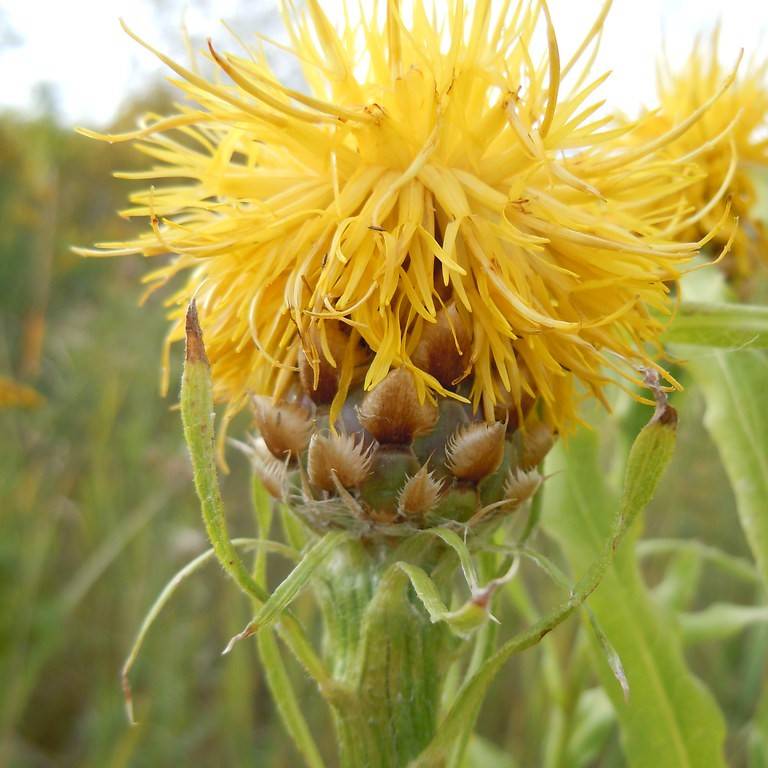
bighead knapweed
Centaurea macrocephala
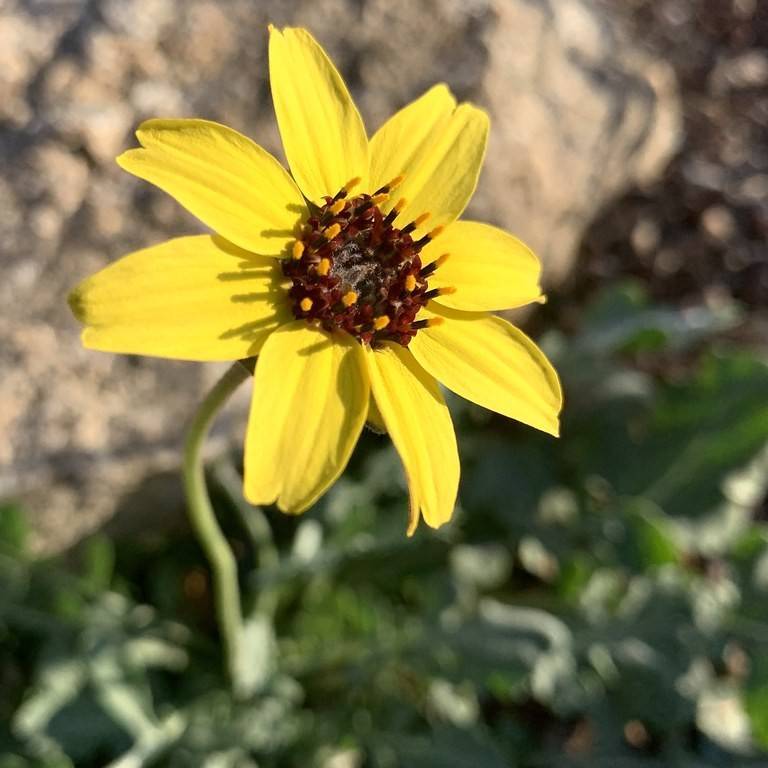
chocolate flower
Berlandiera lyrata
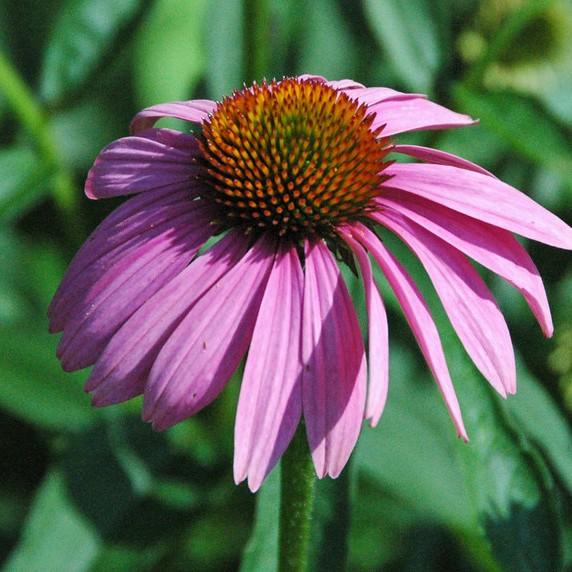
coneflower
Echinacea 'Adam Saul' CRAZY PINK
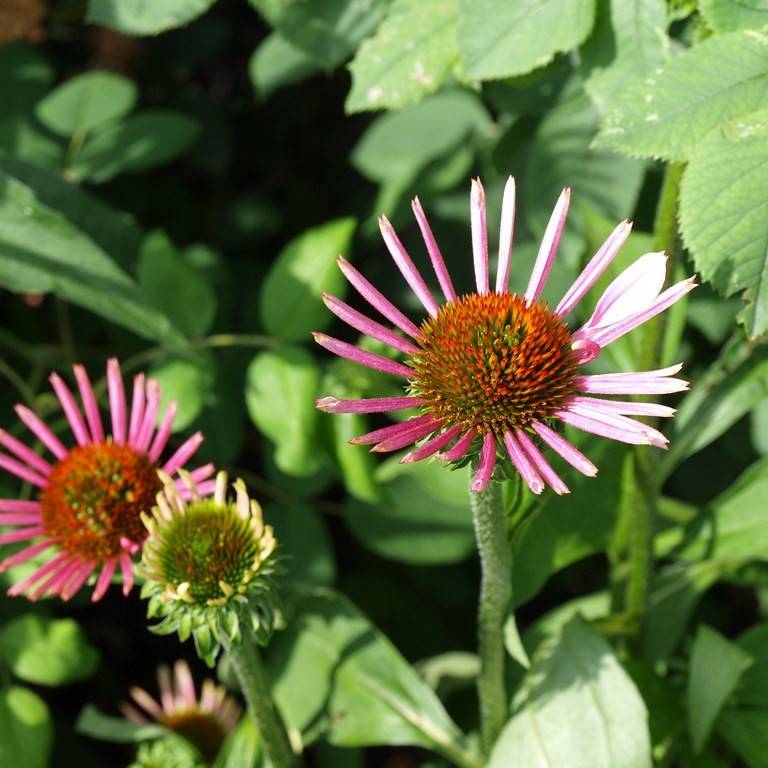
coneflower
Echinacea 'All that Jazz'
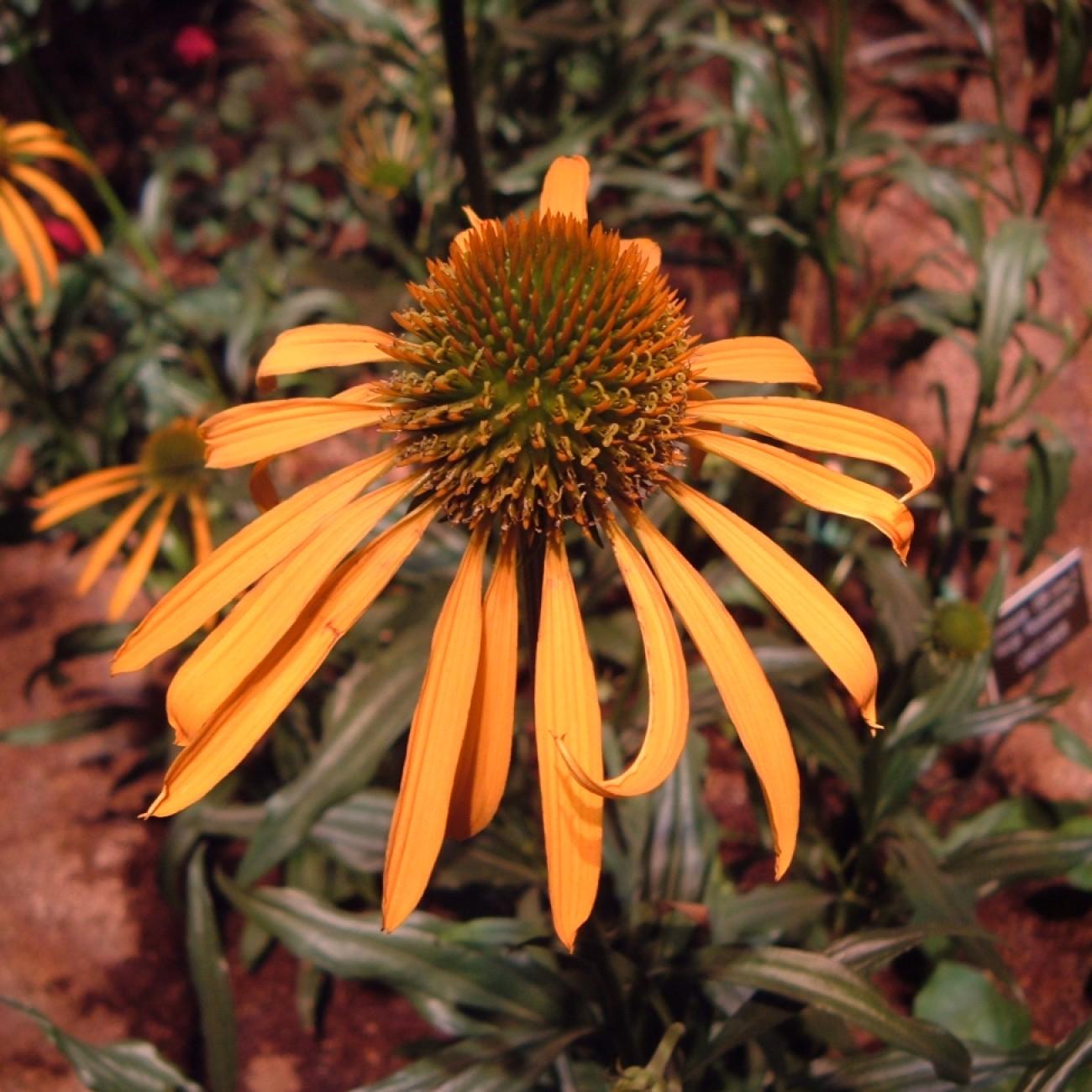
coneflower
Echinacea 'Art's Pride' ORANGE MEADOWBRITE
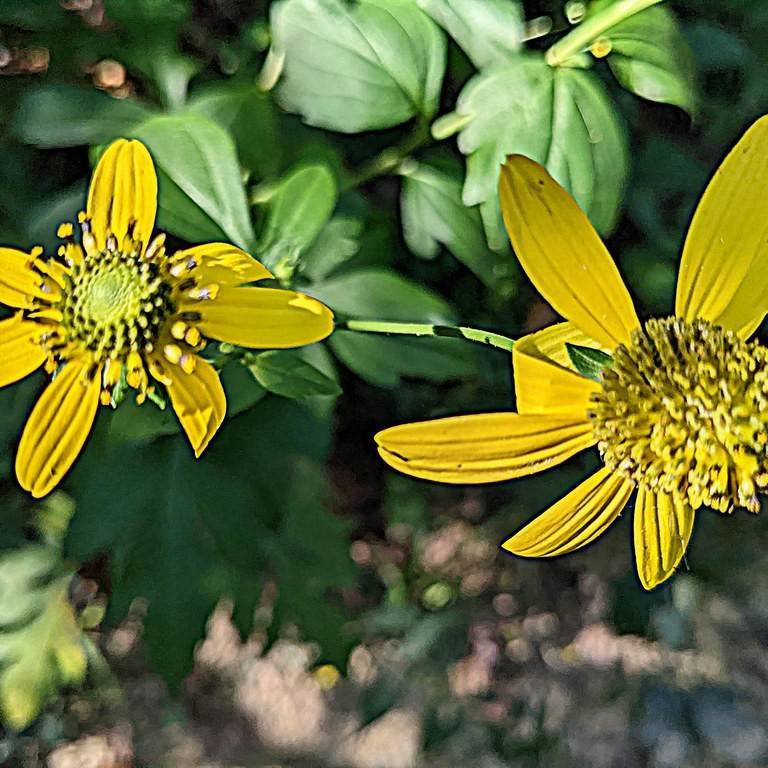
coneflower
Echinacea 'Balsomsolst' SOMBRERO SUMMER SOLSTICE
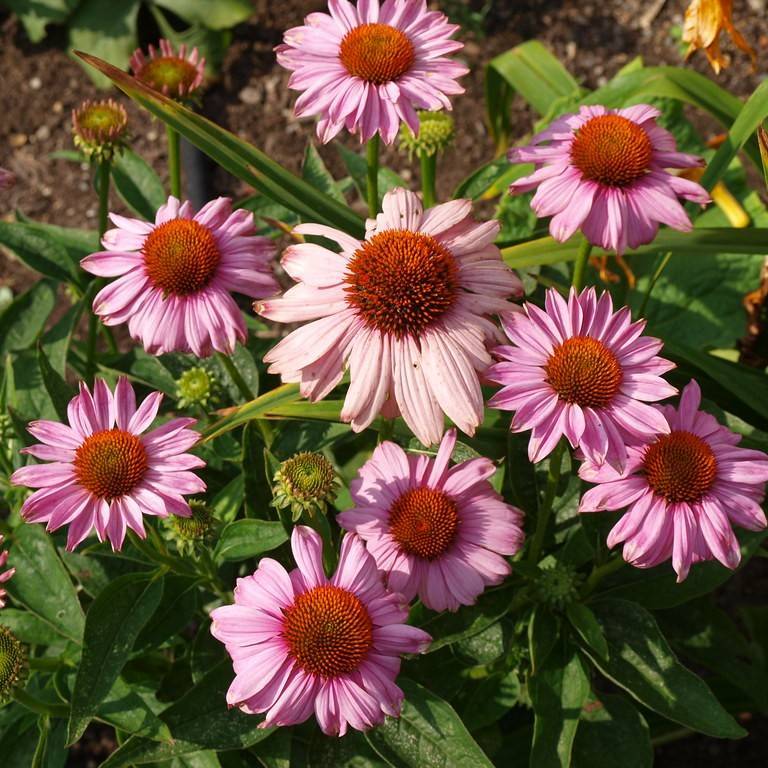
coneflower
Echinacea 'Bravado'
coneflower
Echinacea BURGUNDY FIREWORKS