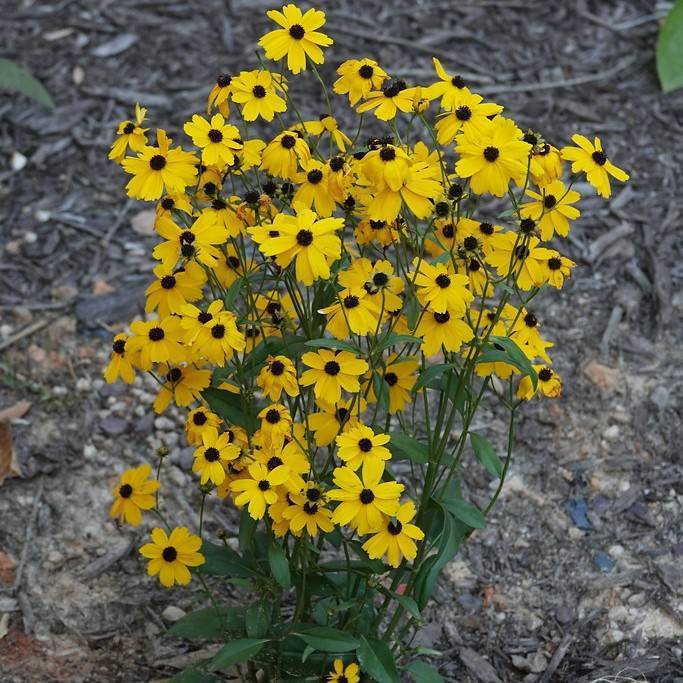
tickseed
Coreopsis 'Lightning Flash'
Overview
The tickseed, Coreopsis 'Lightning Flash', is an amazing plant species for its stunning summer bloom. This perennial has beautiful, lemon-yellow flowers that look like flashes of lightning and its foliage is a mounded mound with gray-green leaves, giving it spectacular color contrast in the garden. In addition, it tolerates both drought and humid conditions well and makes an excellent border or accent plant. Not to mention, it attracts numerous pollinators such as bees, butterflies, and hummingbirds to the garden. Its wonderfully bright display of yellow blooms make for an eye-catching spectacle, perfect for any garden.
Care Guide
Watering
Tickseed (Coreopsis 'Lightning Flash') is a sun loving, drought tolerant, and easy to grow plant. It thrives in full sun, with at least 6 hours of direct sunlight daily. When it comes to watering, this plant does not need a lot of water. Water the plant deeply about once a week, making sure to thoroughly moisten the soil. Let the soil dry out between waterings. During periods of extreme heat and dryness, it is recommended to give the plant an extra deep watering. In cooler and milder conditions, it can go a bit longer between waterings. Bottom watering may also be helpful in keeping the roots moist. When watering with a hose, make sure to use the finger test to ensure that the soil is really wet and all the way through.
Light
Tickseed (Coreopsis 'Lightning Flash') prefers full sun, which means it needs at least 6 to 8 hours of direct sunlight each day. This plant thrives in the warm summer months, especially when temperatures are in the 70s and 80s Fahrenheit. In areas with hotter summers, partial or dappled shade may help the plant to survive and continue to flower. During winter months, if temperatures drop below 50°F, it is best to provide your tickseed with some additional protection, as it may not survive prolonged exposure to the cold.
Temperature
Hardiness zone 8–9.
Pruning
Tickseed (Coreopsis ‘Lightning Flash’) should be pruned in early spring, before new growth begins. Cut the plant down to about half of its current size. This will encourage a fuller, bushier shape and also encourage more blooms. After the first flush of blooms, pruning can be done again to shape the plant and remove any dead or out of place branches. Deadheading is also recommend, as it encourages new buds and a longer flowering season. In the fall, any dead stems should be removed and the overall height of the plant should be reduced to ensure that new growth can take place in the following spring.
Propagation
Division, Cutting, Seed Propagation, Layering Propagation
Uses & Symbolism
Attracts: Butterflies.
Guides that mention tickseed
Related plants
Other plants you might like if you grow tickseed.
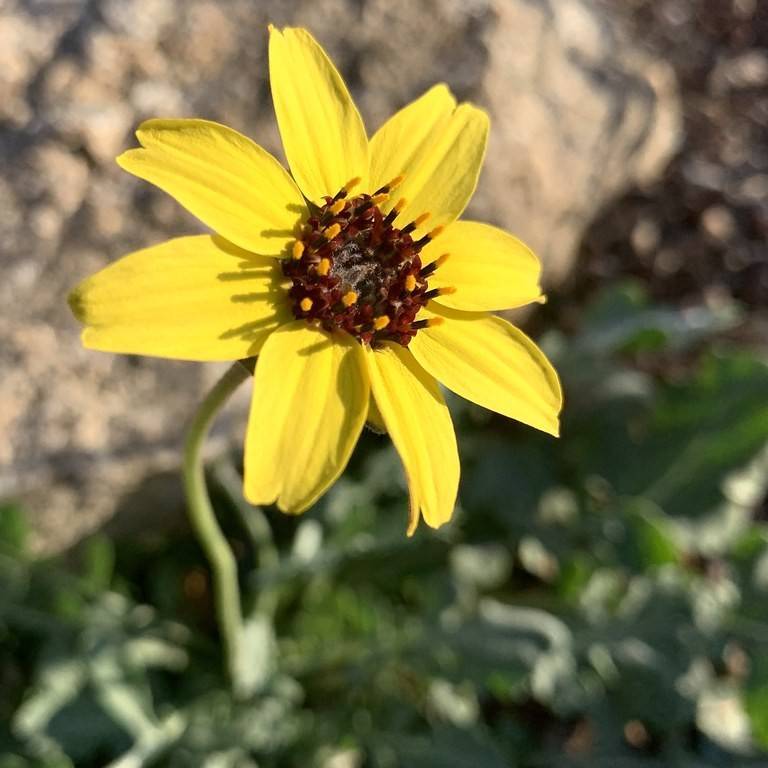
chocolate flower
Berlandiera lyrata
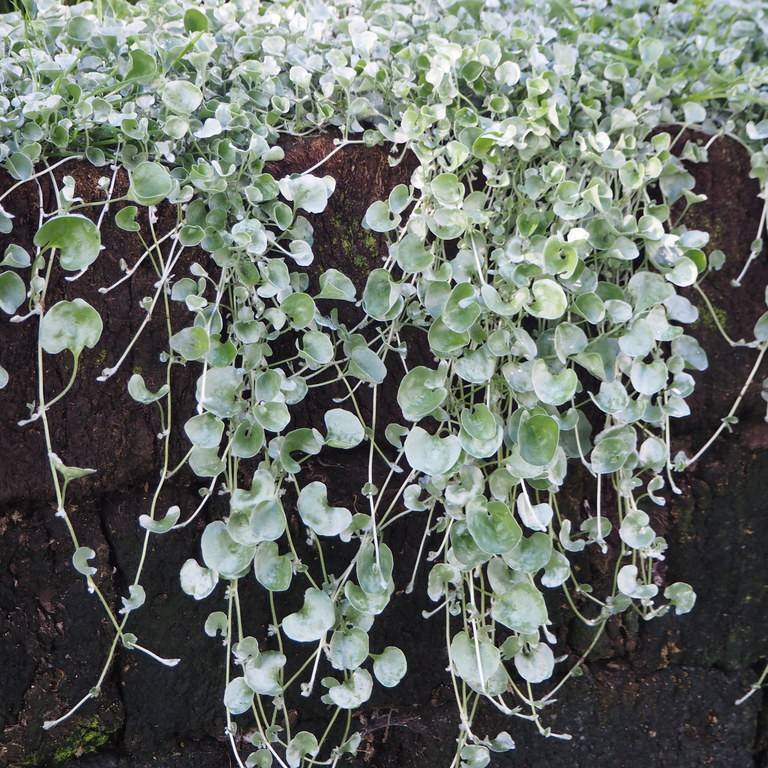
dichondra
Dichondra argentea 'Silver Falls'
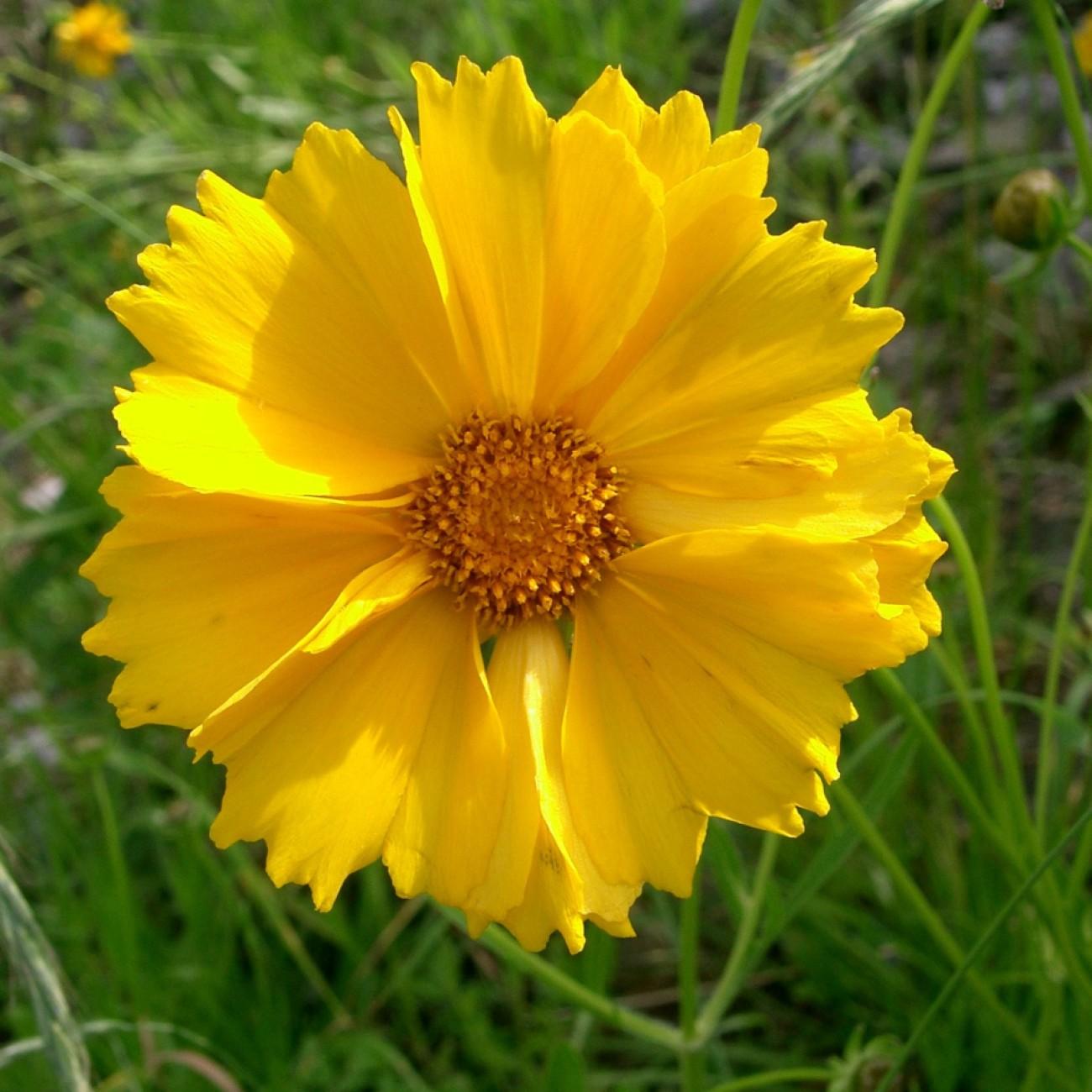
lanceleaf coreopsis
Coreopsis lanceolata
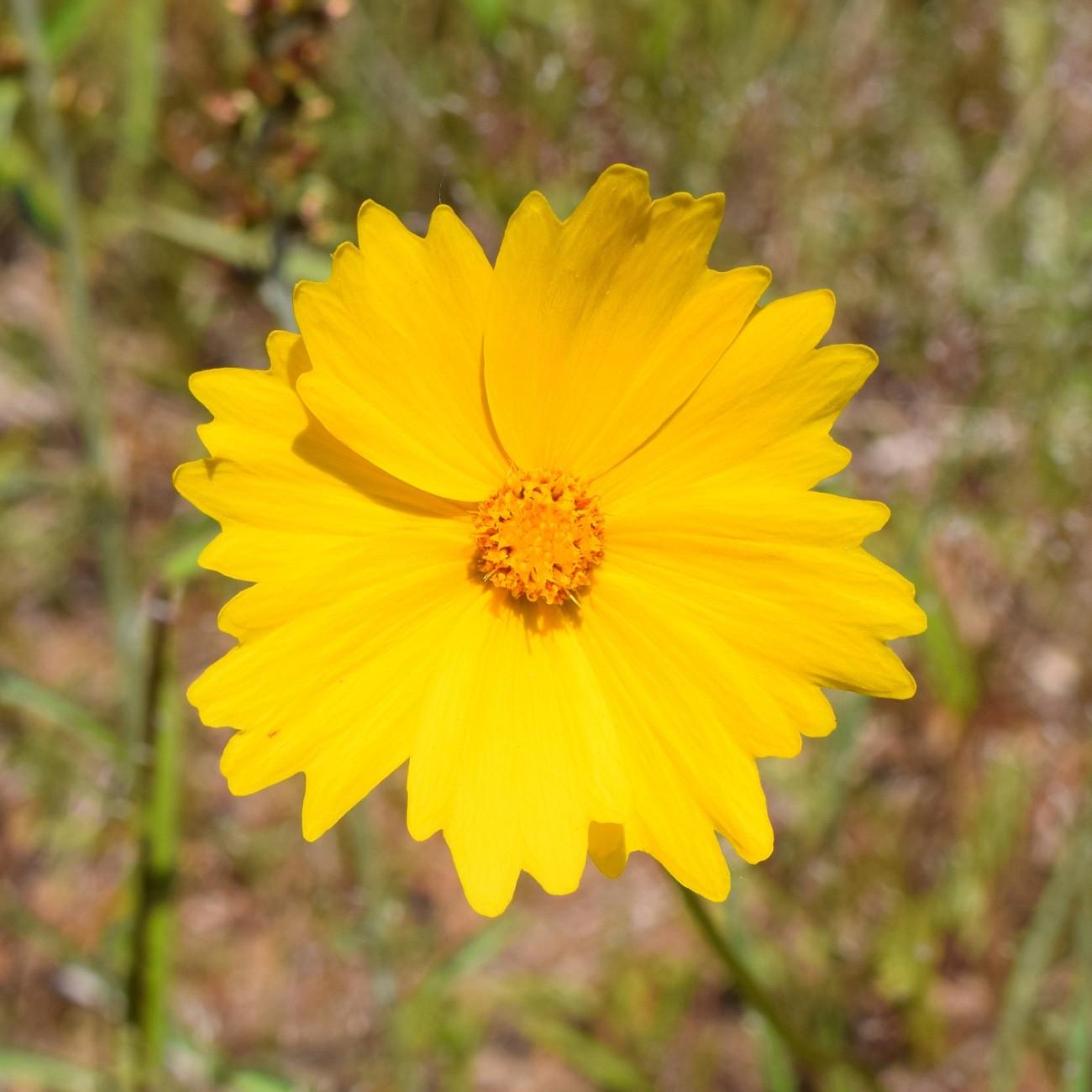
lanceleaf coreopsis
Coreopsis lanceolata 'Summer Sprite'
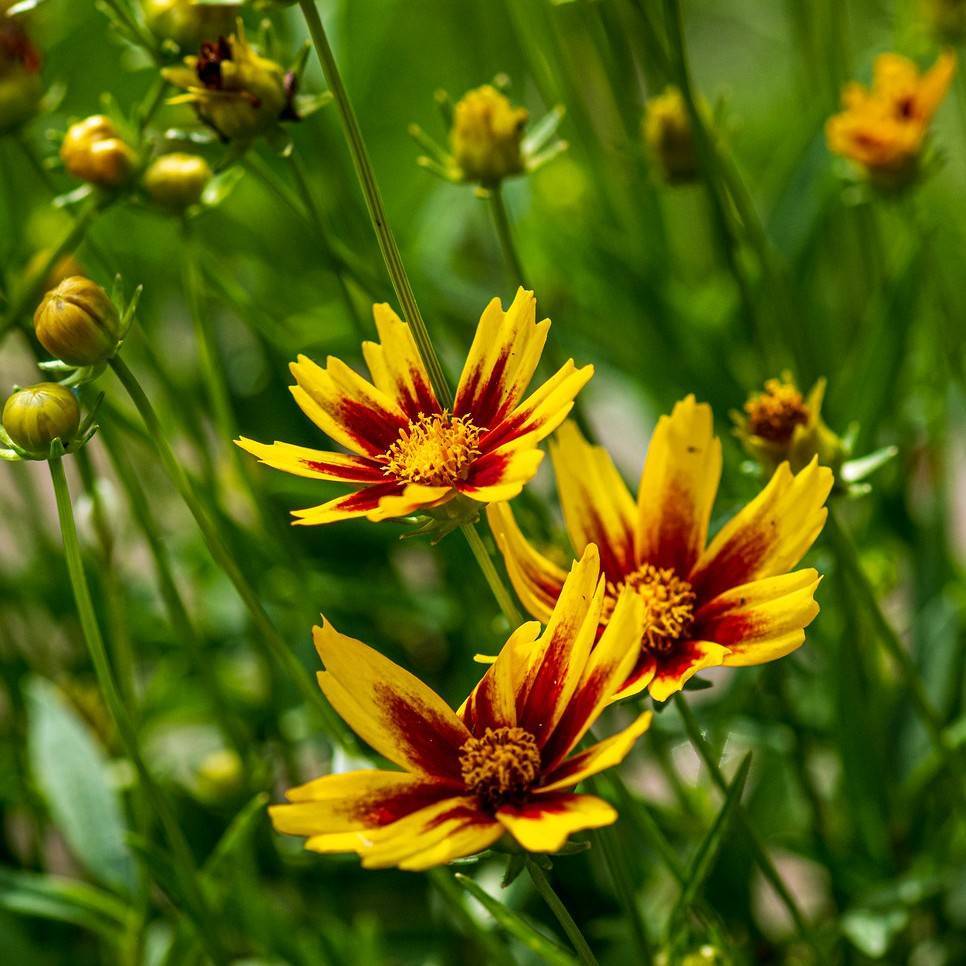
plains coreopsis
Coreopsis tinctoria
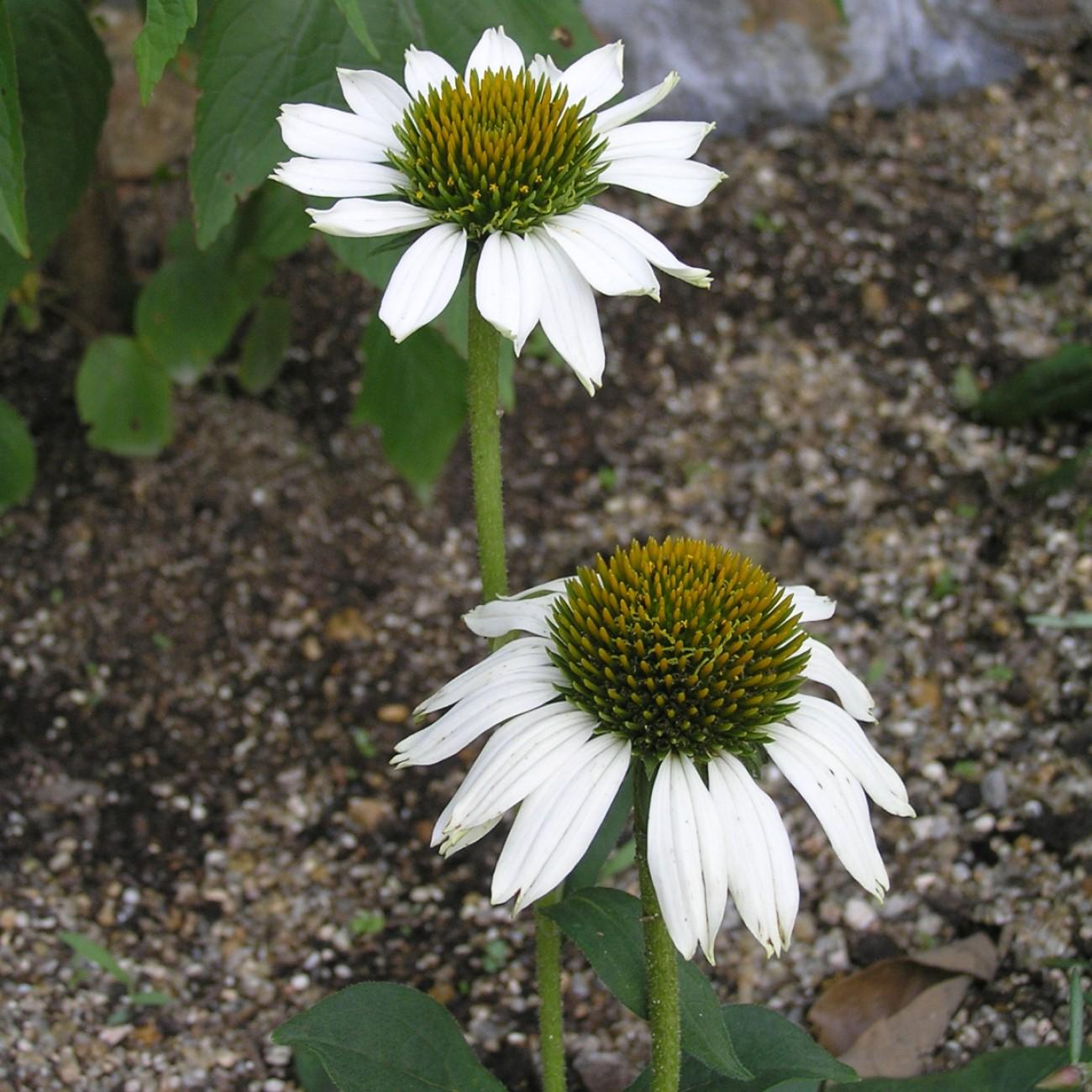
purple coneflower
Echinacea purpurea 'Amado'

purple coneflower
Echinacea purpurea 'Lilliput'
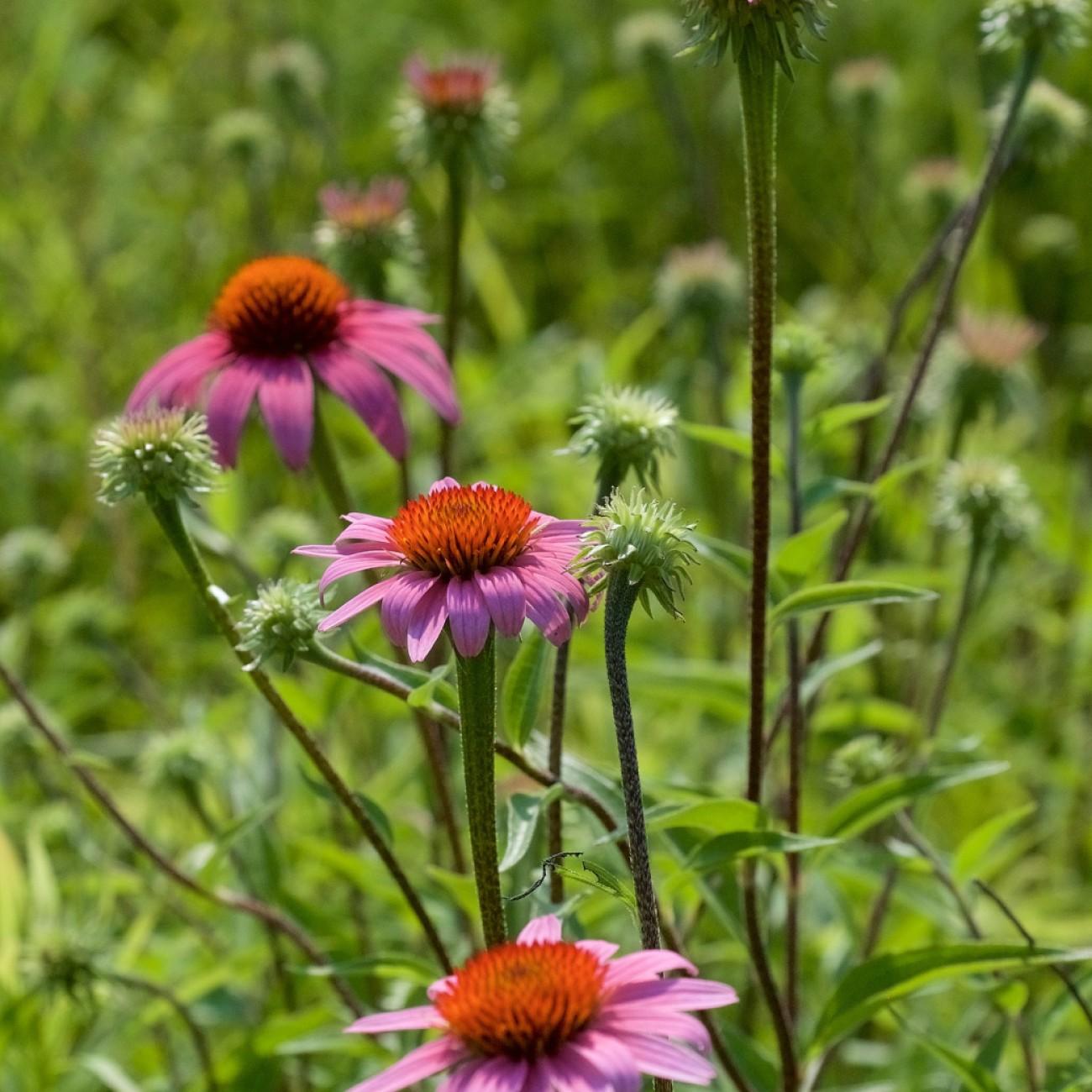
purple coneflower
Echinacea purpurea 'Little Annie'