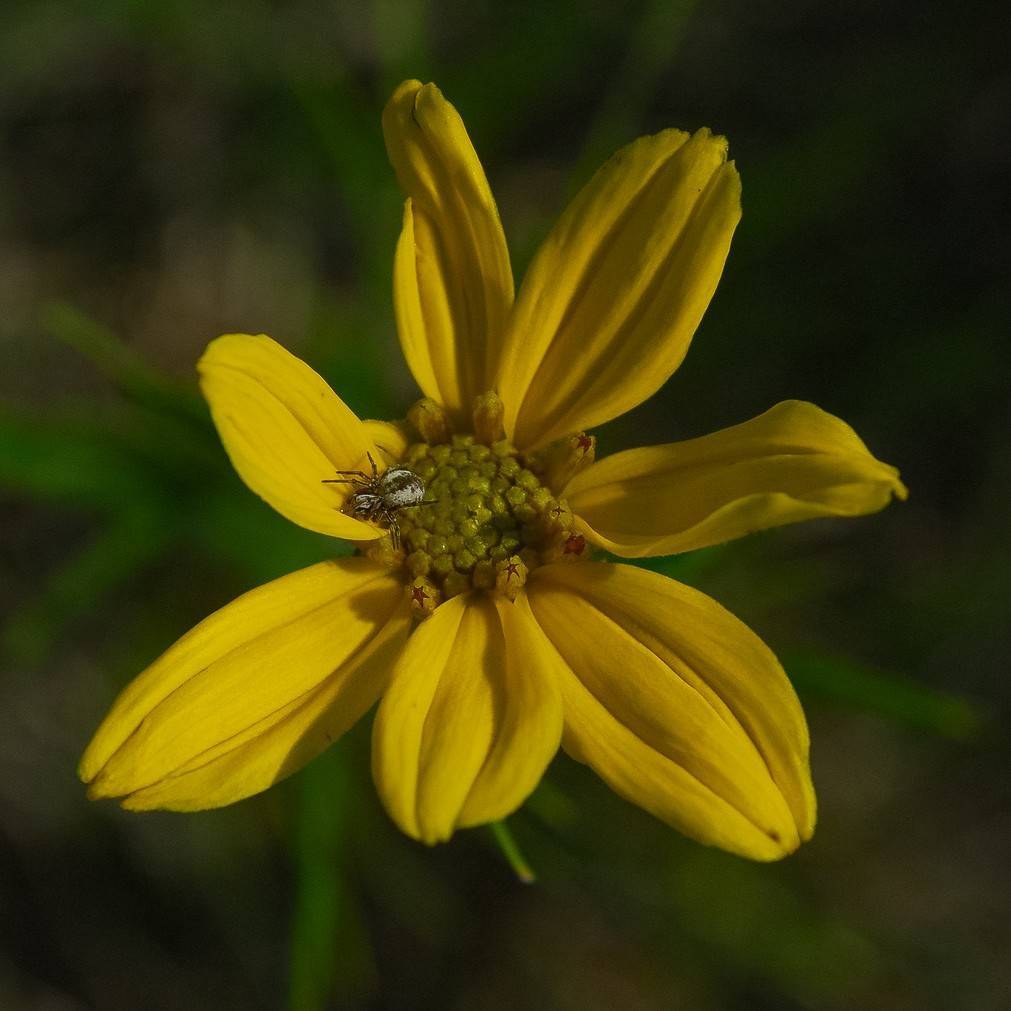
tickseed
Coreopsis palmata
Overview
Tickseed (Coreopsis palmata) is an amazing plant species due to its vibrant colors and its ability to attract pollinators such as bees and butterflies. Its sprawling form makes it look like a carpet, with its feathery, palm-shaped flowers appearing in shades of yellow, pink or white. Not only is it beautiful, but it's also very hardy and drought-tolerant – making it an excellent choice for a flower bed or meadow. Whether you want to brighten up your yard, attract beneficial insects, or just want a reliable perennial, tickseed is an excellent choice!
Care Guide
Watering
Tickseed plants should be watered well when first planted and during establishment. After that, water them lightly when the soil surface feels dry about 1-2 inches deep. This usually translates to only once every 7-10 days. During hot and dry periods, tickseed plants may need more frequent watering. Monitor soil moisture near the crown area of the plant to assess how often to water.
Light
Tickseed (Coreopsis palmata) needs 4-6 hours of full sun per day, ideally in the morning or late afternoon. When the temperatures become too hot in warmer climates, midday and mid-afternoon sunlight should be avoided. Planting in the cooler months of spring and summer is ideal because the intense midday sunlight have a chance to become more bearable by that time. In cooler climates, 6-8 hours of sun a day is ideal. Plant in an area that receives morning sun, but provide some shade in the afternoon to prevent scorching.
Temperature
Hardiness zone 3–8.
Pruning
Tickseed (Coreopsis palmata) should be pruned in late winter or early spring to reduce the size and shape the plant. Cut about a third of the tallest branches to help with airflow. This will also encourage more branching and thicker foliage. Deadheading (snipping off spent flowers) can also help promote further blooming. Be sure to use sharp pruning shears and dispose of cuttings properly. This will help to prevent infection or spread of disease.
Propagation
Division, Root Cutting, Seed Propagation, Layering Propagation
Uses & Symbolism
Attracts: Butterflies.
Guides that mention tickseed
Related plants
Other plants you might like if you grow tickseed.
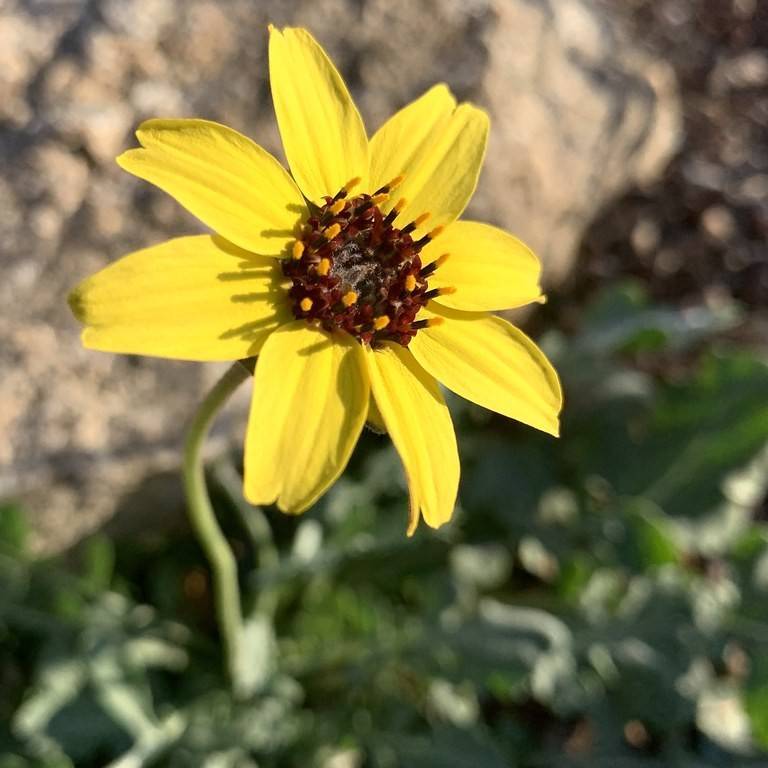
chocolate flower
Berlandiera lyrata
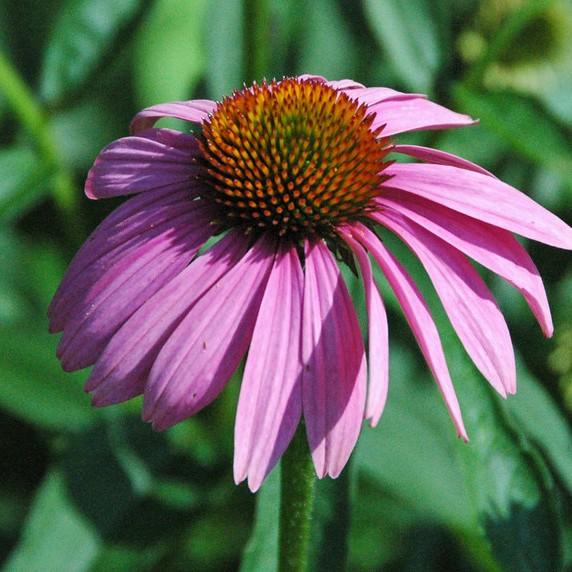
coneflower
Echinacea 'Adam Saul' CRAZY PINK
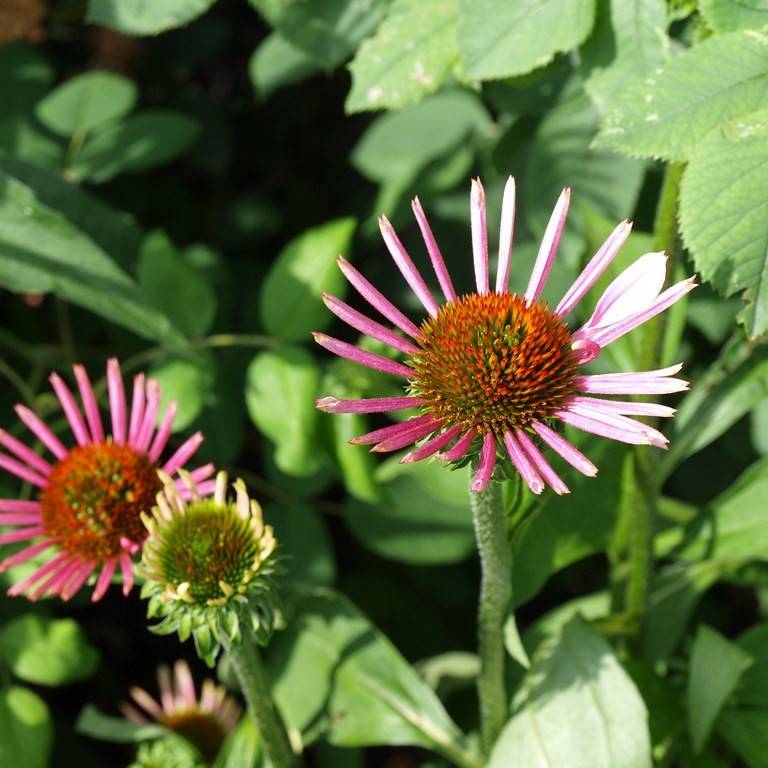
coneflower
Echinacea 'All that Jazz'
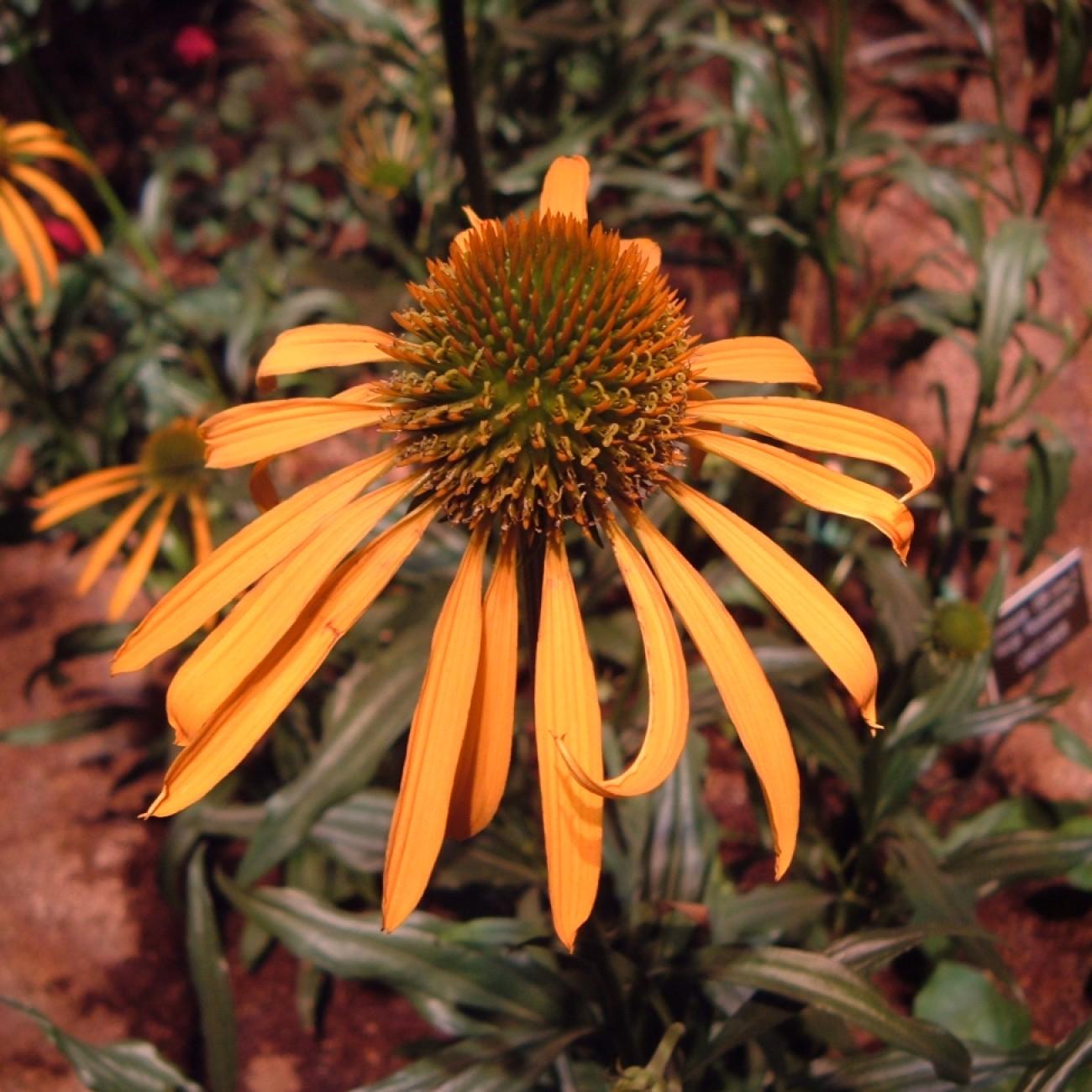
coneflower
Echinacea 'Art's Pride' ORANGE MEADOWBRITE
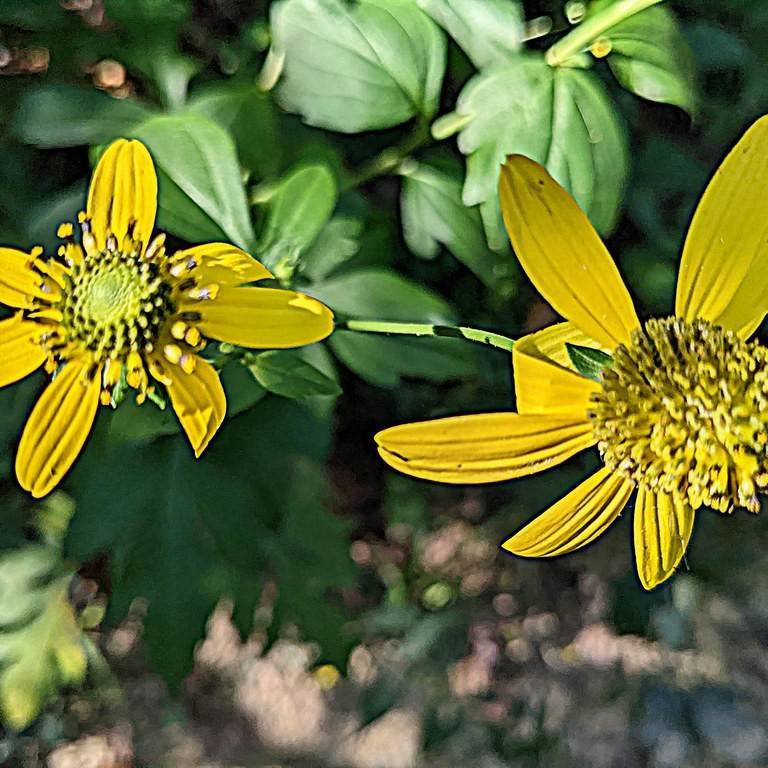
coneflower
Echinacea 'Balsomsolst' SOMBRERO SUMMER SOLSTICE
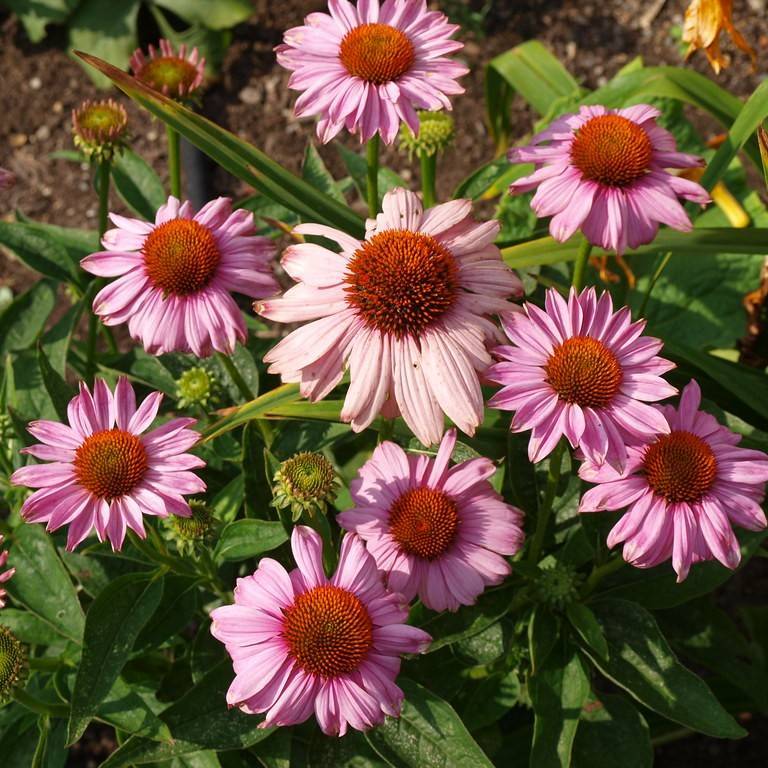
coneflower
Echinacea 'Bravado'
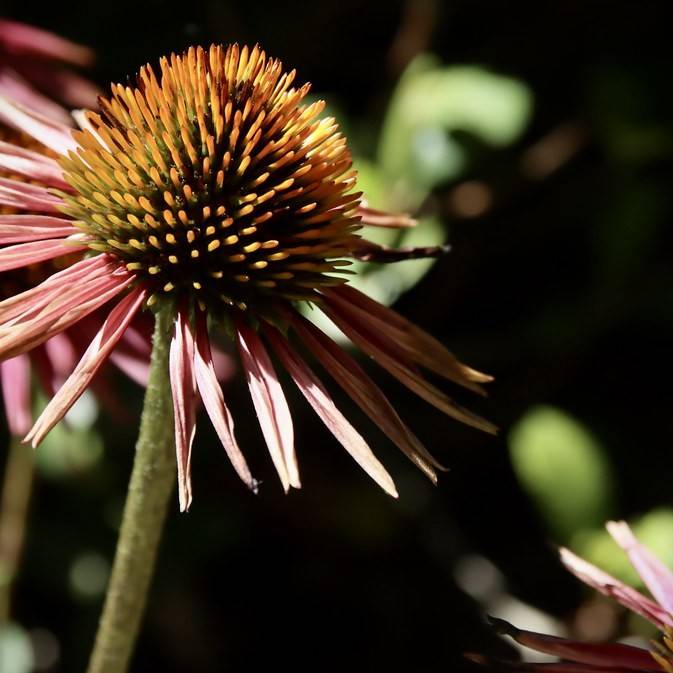
coneflower
Echinacea BURGUNDY FIREWORKS
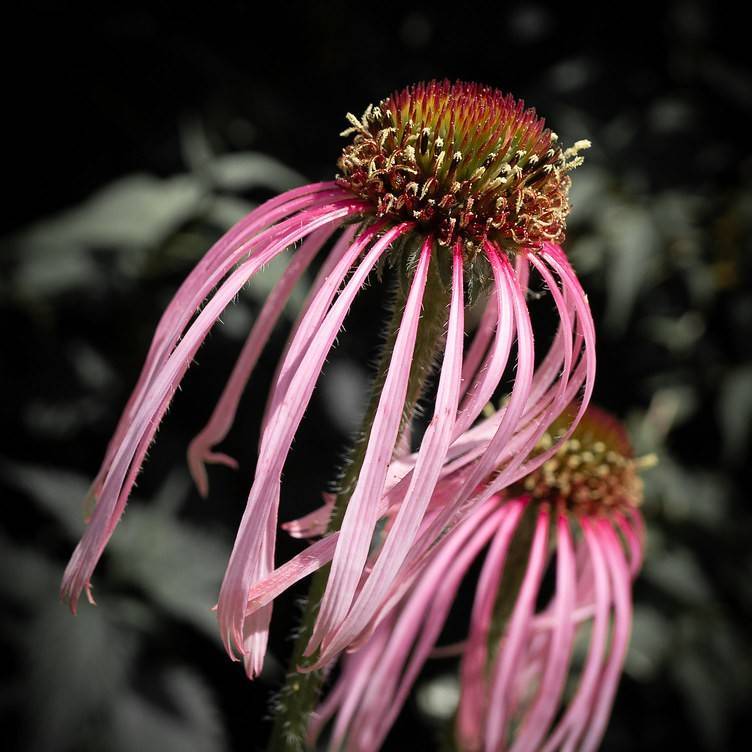
coneflower
Echinacea 'CBG Cone 2' PIXIE MEADOWBRITE