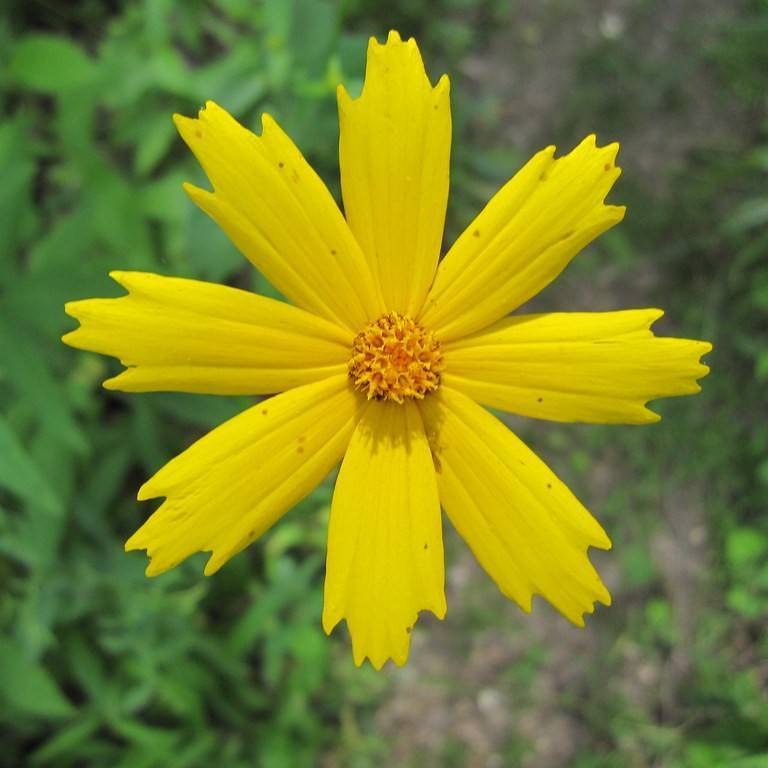
tickseed
Coreopsis pubescens
Overview
Tickseed (Coreopsis pubescens) is an amazing plant species due to its many attributes! It is native to the southeastern and south-central United States, and is easily grown in well-drained soils. It produces masses of butter-yellow flowers in the summer and stays evergreen both in its foliage and structural shape all winter. Its daisy-like petals are beloved for adding beauty and color to gardens, while its ability to attract birds, bees, and beneficial insects ensures it’s vital to the ecosystem. Plus, its stems are covered in sticky hairs making it one of the best plants to keep pests away!
Care Guide
Watering
Tickseed requires frequent watering, especially during the summer. The best practice for watering a tickseed is to keep the soil consistently moist but not saturated. It is best to water deeply once or twice a week during the growing season. Allow the top inch of the soil to dry out slightly between waterings. During periods of high heat, the frequency of watering may have to be increased. In the winter months, water your tickseed about once a month. Monitor the soil moisture when temperatures are cooler to ensure the plant is not becoming too dry.
Light
Tickseed (Coreopsis pubescens) prefers bright sunlight and grows best in full sun. It can tolerate some shade as well, but will flower best in full sun. It flowers almost continuously throughout the warmer months, especially during the hottest summer days. The plant should receive at least 4 to 8 hours of direct sunlight each day for optimal growth. If the plant starts to show signs of stress, such as yellowing of leaves, it may be lacking in sunlight and should be moved to a brighter area.
Temperature
Hardiness zone 6–9.
Pruning
Tickseed (Coreopsis pubescens) should be pruned in late winter or early spring before new growth appears. Pruning should be done moderately to create a mounded, well-rounded shape. Remove any dead or damaged branches and prune back the stems that have grown too long, making sure to leave several sets of leaves on each stem. After pruning, turn the soil and add a light application of fertilizer to promote healthy flowers in the summer.
Propagation
Division, Cutting, Seed Propagation, Layering Propagation
Uses & Symbolism
Attracts: Butterflies.
Guides that mention tickseed
Related plants
Other plants you might like if you grow tickseed.
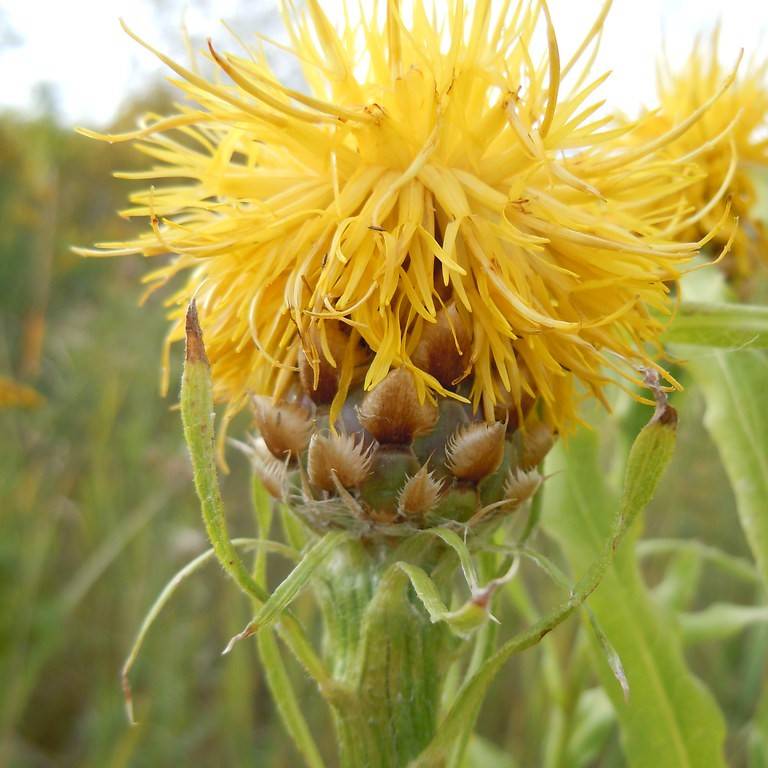
bighead knapweed
Centaurea macrocephala
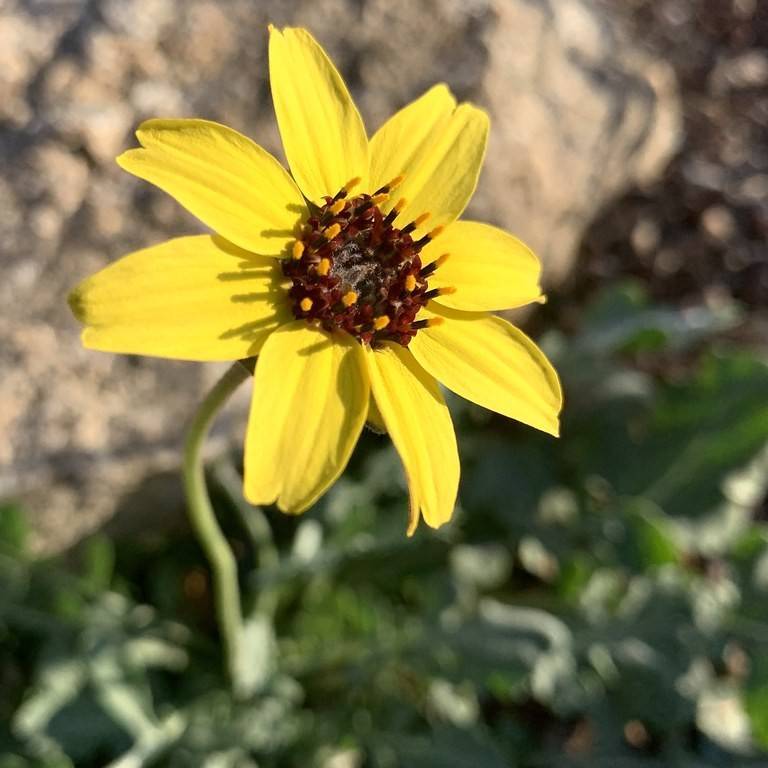
chocolate flower
Berlandiera lyrata
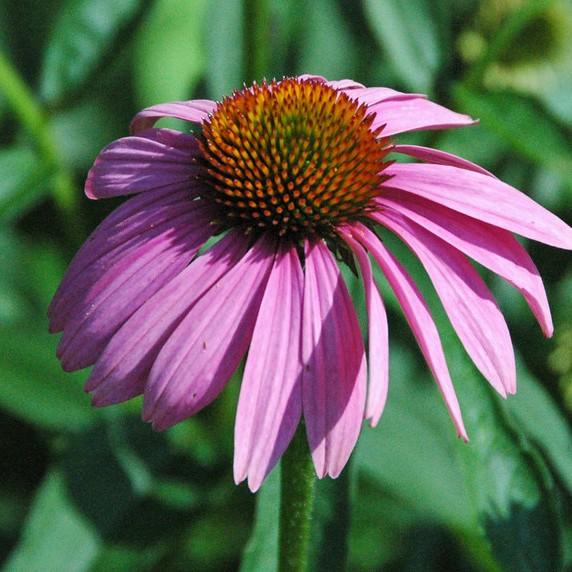
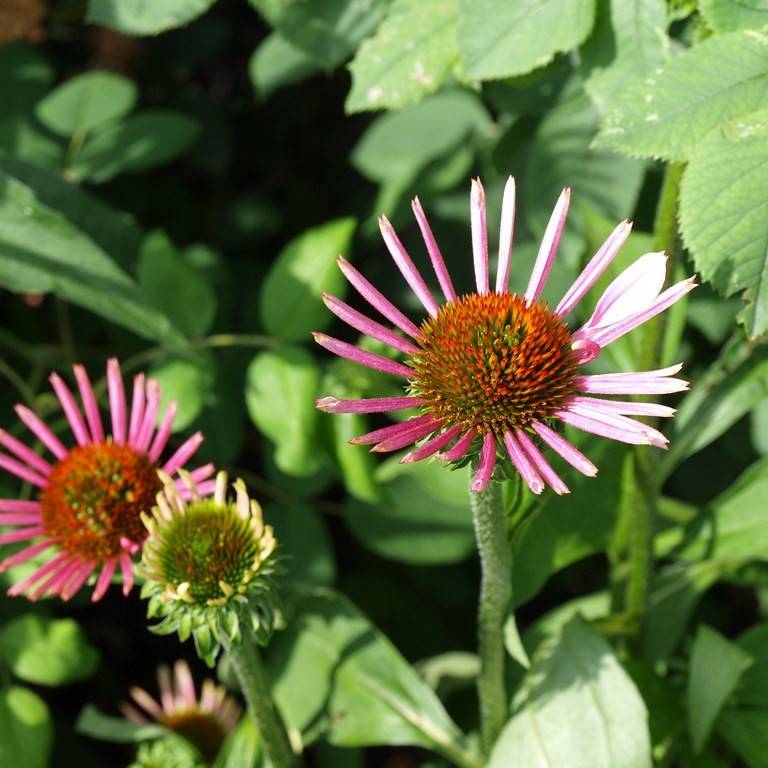
coneflower
Echinacea 'Adam Saul' CRAZY PINK
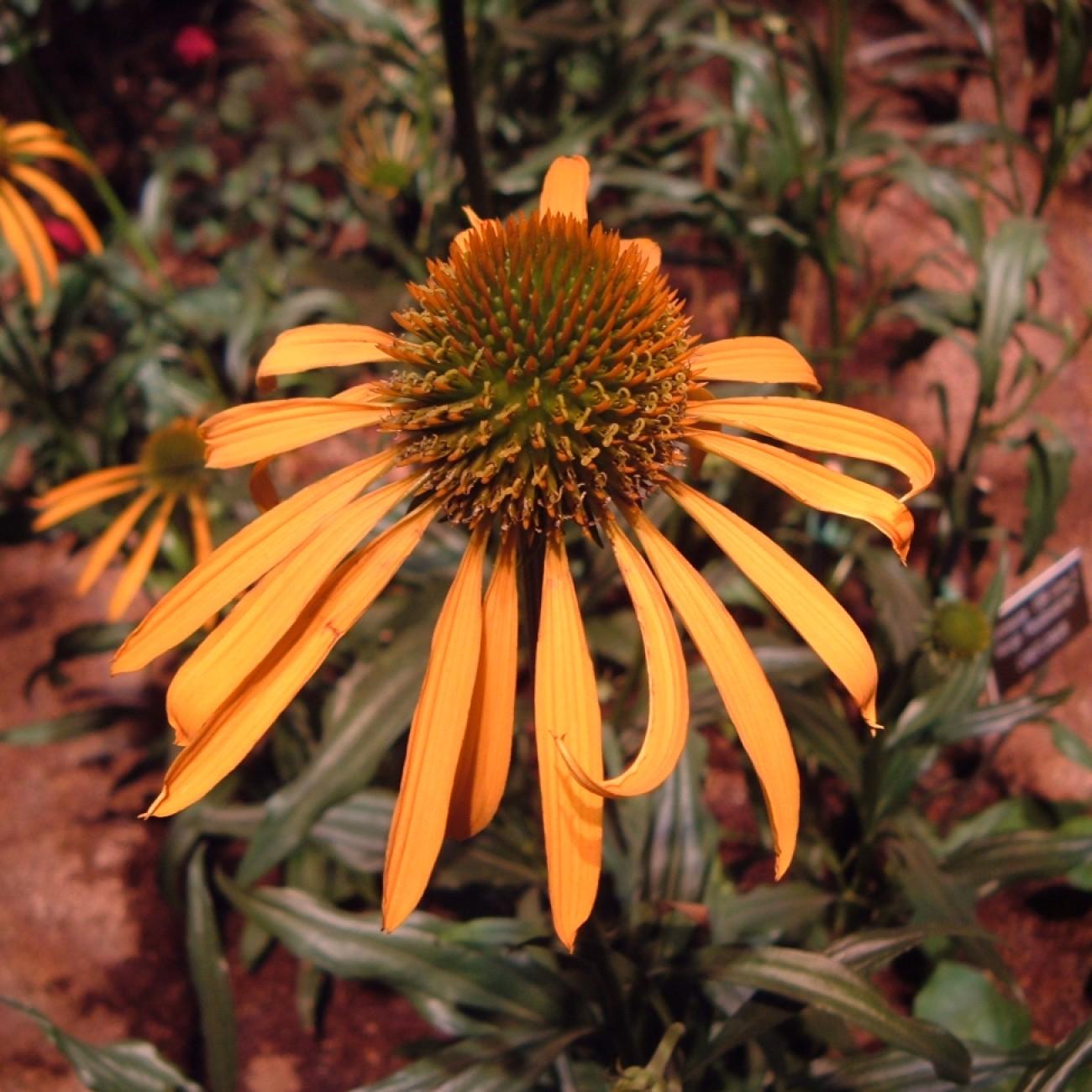
coneflower
Echinacea 'All that Jazz'
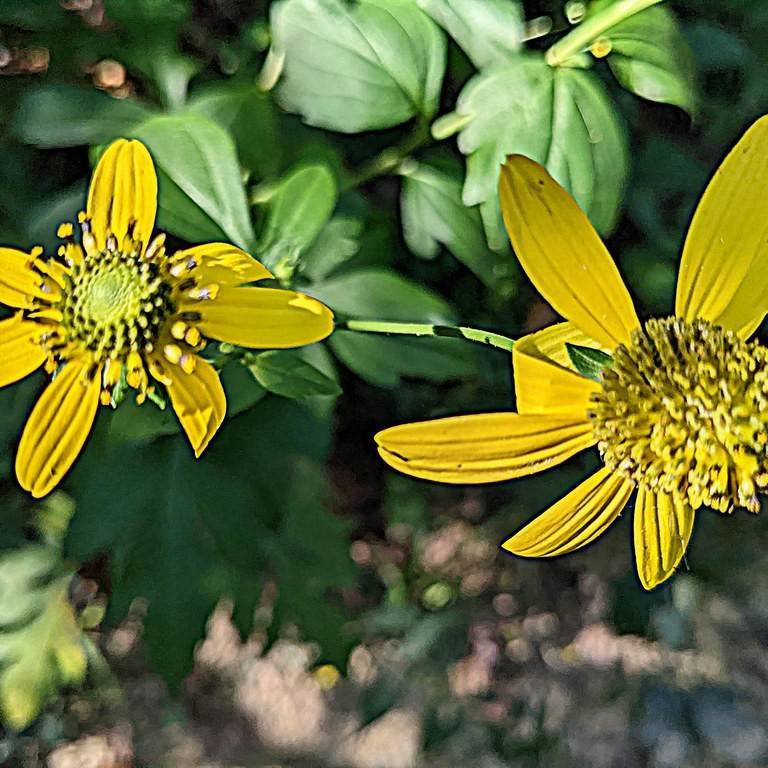
coneflower
Echinacea 'Art's Pride' ORANGE MEADOWBRITE
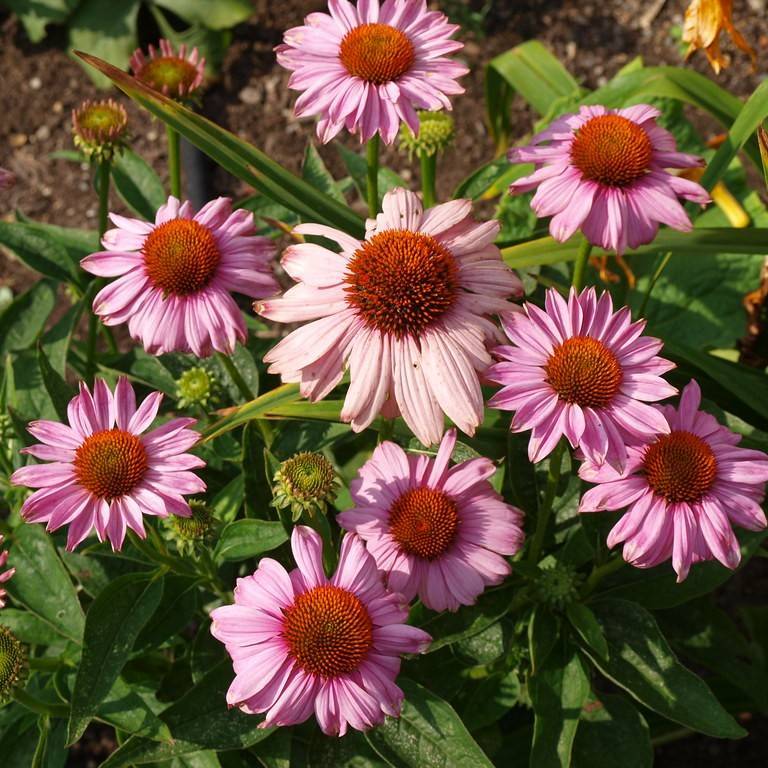
coneflower
Echinacea 'Balsomsolst' SOMBRERO SUMMER SOLSTICE
coneflower
Echinacea 'Bravado'
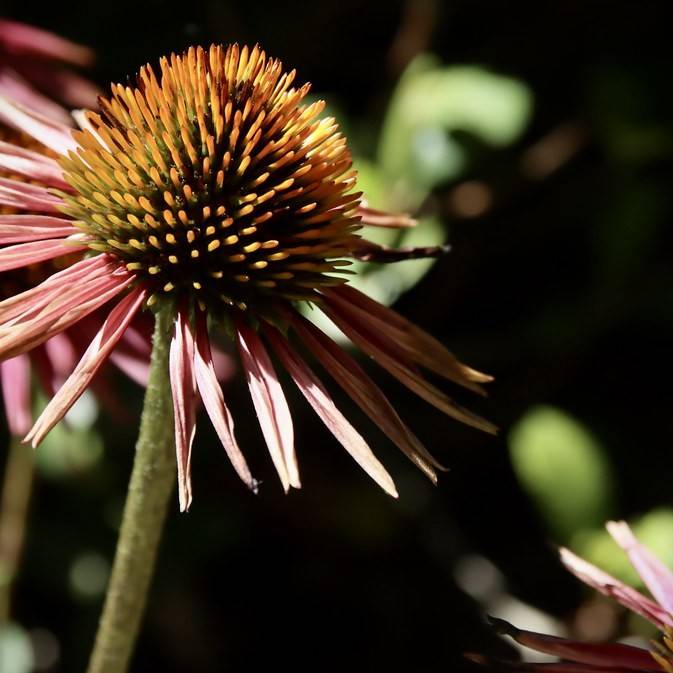
coneflower
Echinacea BURGUNDY FIREWORKS