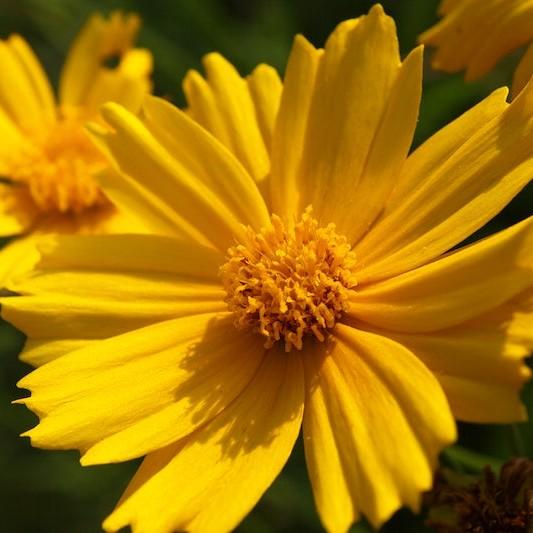
tickseed
Coreopsis 'Sunburst'
Overview
Tickseed (Coreopsis 'Sunburst') is an amazing plant choice for any garden. Its bright sunny yellow flowers with golden centres add a cheerful pop of colour all season long. A drought-tolerant native, this beauty thrives with minimal care, blooming from late spring to early fall. It is an excellent choice for groundcover, providing neat, low-maintenance foliage. It even provides nectar for pollinators in the garden. Its name comes from its seeds, which look like ticks and spread easily, promising plenty of blooms in future seasons. Tickseed is an easy, resilient, and vibrant addition to any landscape.
Care Guide
Watering
Tickseed (Coreopsis 'Sunburst') should be watered regularly, about once a week during the growing season. The ideal amount of water should be enough to make the soil moist, but not soggy. Allow the soil to dry out between watering to prevent root rot. During the summer months, it is beneficial to water the plants at the base of the plant, as opposed to watering the foliage. It is important to watch for signs of wilting if it is not receiving enough water. In the winter months, only water the plants when the soil is dry.
Light
Tickseed (Coreopsis 'Sunburst') thrives in full sun, which is defined as at least 6 hours or more of direct sunlight per day. It will tolerate some partial shade throughout the day, but it's best if it receives at least 3-4 hours of sunlight during midday. It's important to keep the tickseed in the sun from spring through fall, so as it begins to flower in the summer, it will be able to take advantage of the sun's rays.
Temperature
Hardiness zone 4–9.
Pruning
Tickseed (Coreopsis 'Sunburst') should be pruned twice a year for optimal health. Early spring is the best time to prune the plant, after the danger of frost has past, to encourage new growth. At this time, any stems that are dead, diseased, thin, or weak should be removed. This will give the plant a neat and tidy appearance and allow for increased air flow to help prevent disease. A light trim can also be done at the end of spring and into early summer in order to keep the plant contained and neat. If there is additional overgrowth, this can also be trimmed back at this time. In general, it is best to keep the center of the plant denser and to trim the outermost stems shorter than the center for an attractive shape.
Propagation
Division, Cutting, Seed Propagation, Layering Propagation
Uses & Symbolism
Attracts: Butterflies.
Guides that mention tickseed
Related plants
Other plants you might like if you grow tickseed.
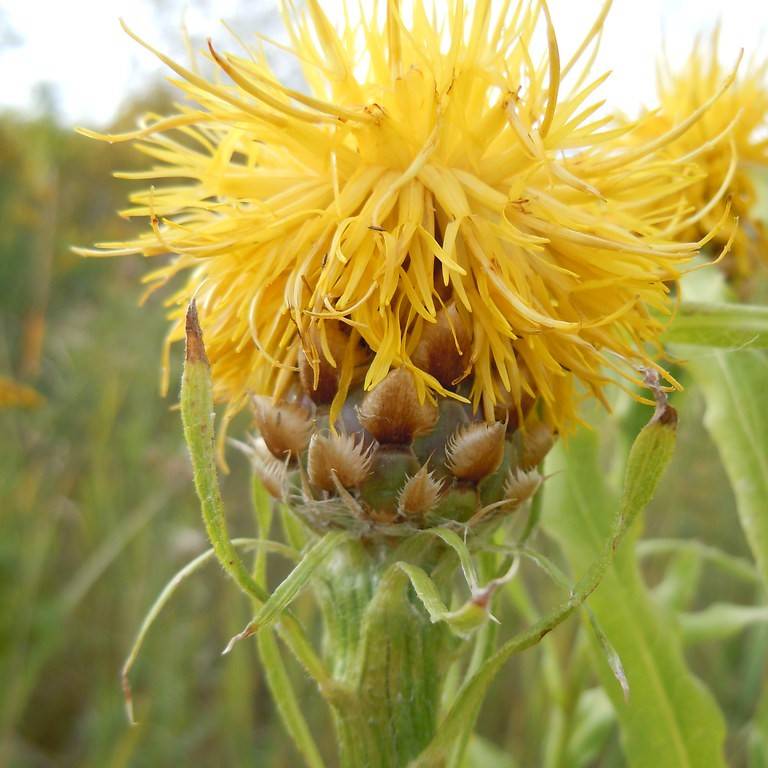
bighead knapweed
Centaurea macrocephala
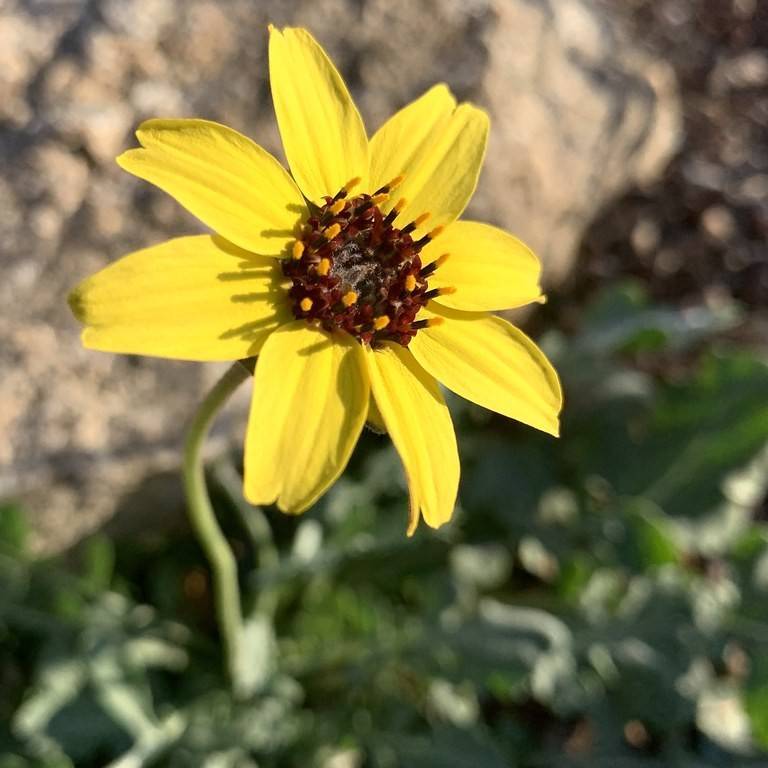
chocolate flower
Berlandiera lyrata
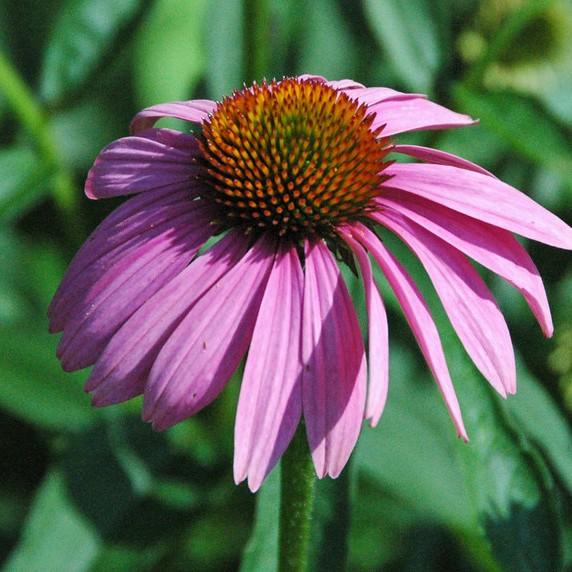
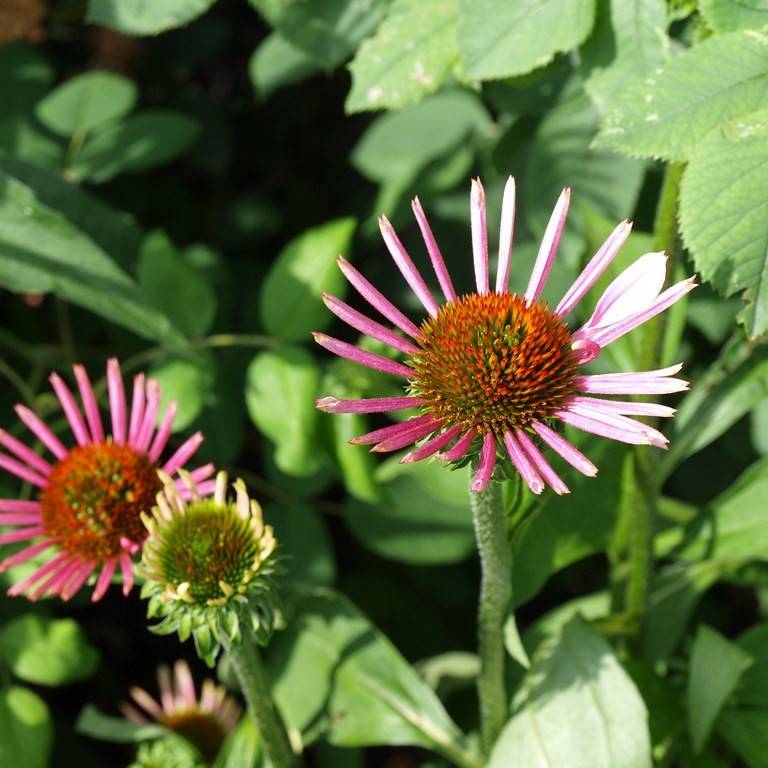
coneflower
Echinacea 'Adam Saul' CRAZY PINK
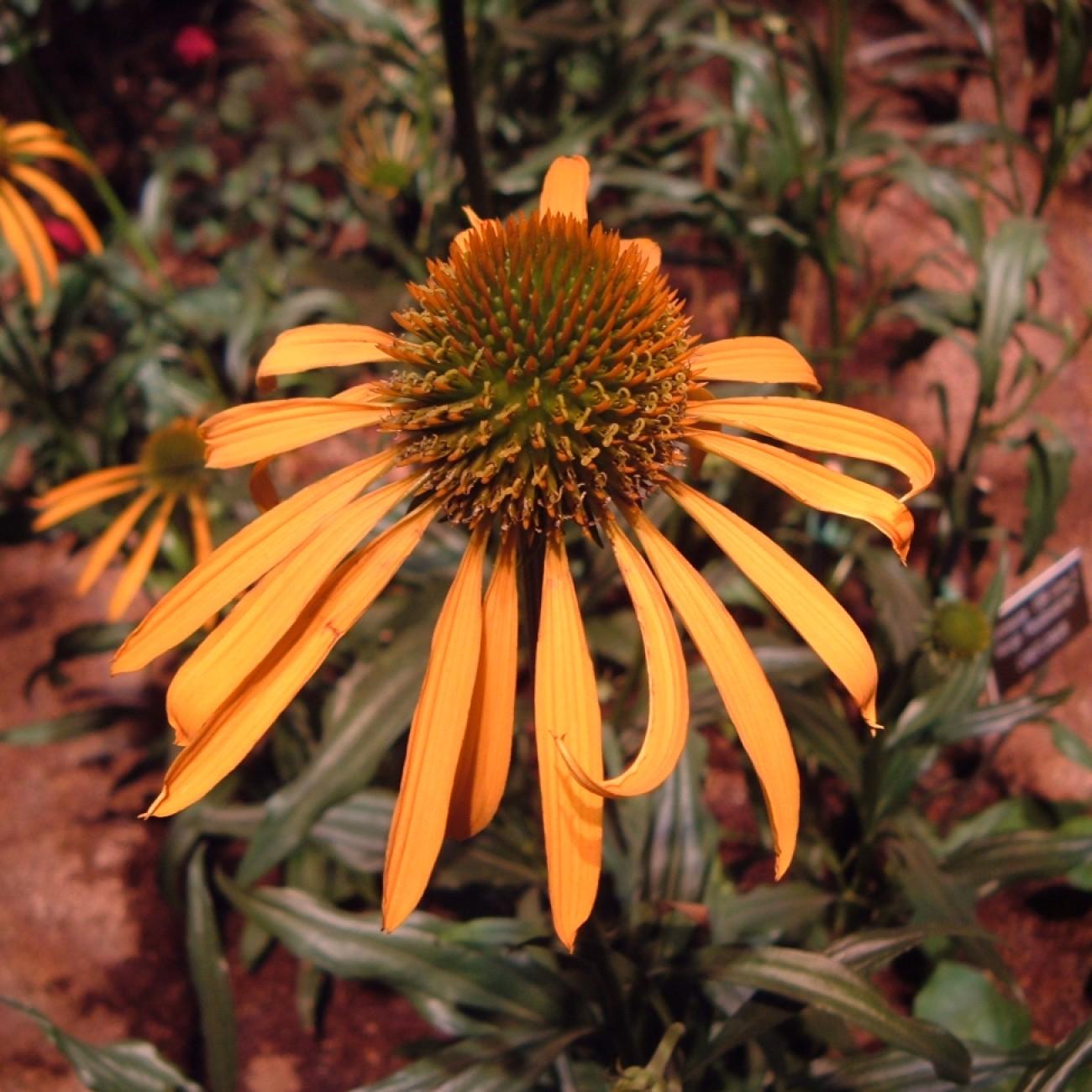
coneflower
Echinacea 'All that Jazz'
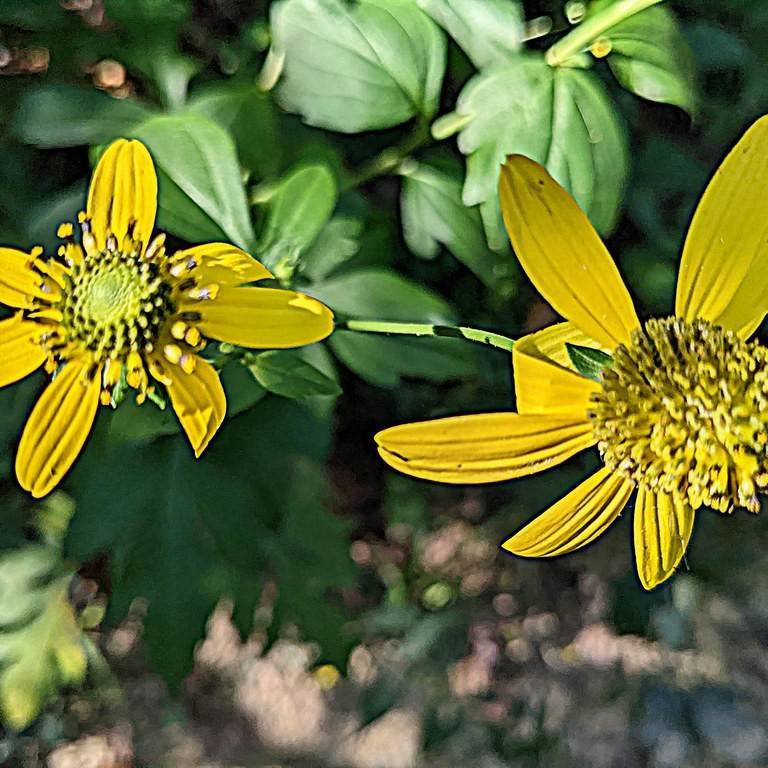
coneflower
Echinacea 'Art's Pride' ORANGE MEADOWBRITE
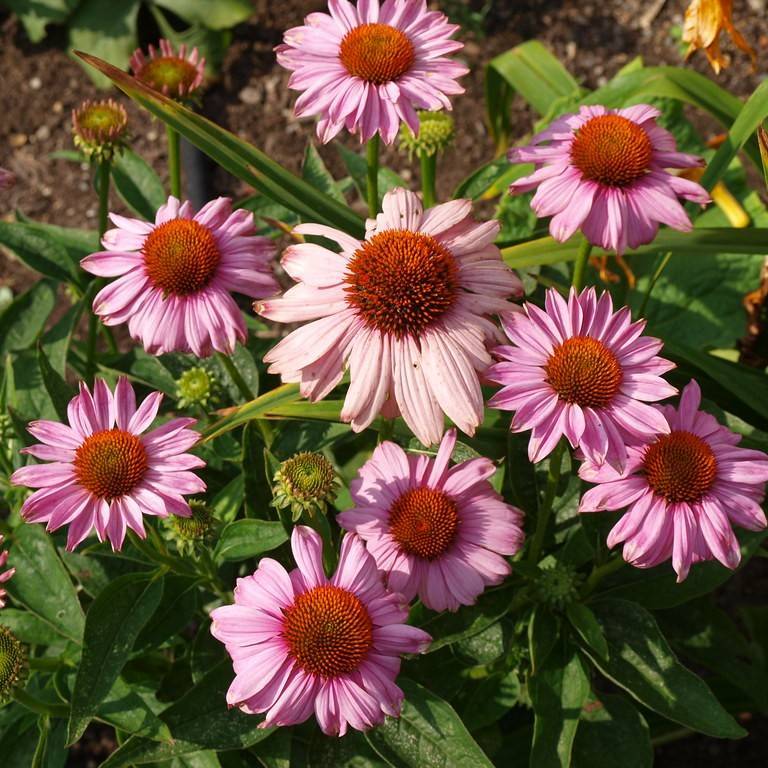
coneflower
Echinacea 'Balsomsolst' SOMBRERO SUMMER SOLSTICE
coneflower
Echinacea 'Bravado'
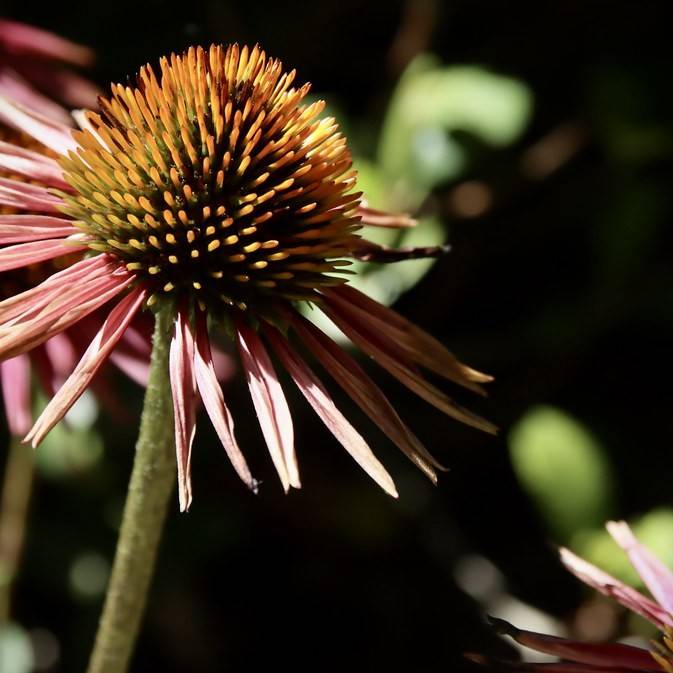
coneflower
Echinacea BURGUNDY FIREWORKS