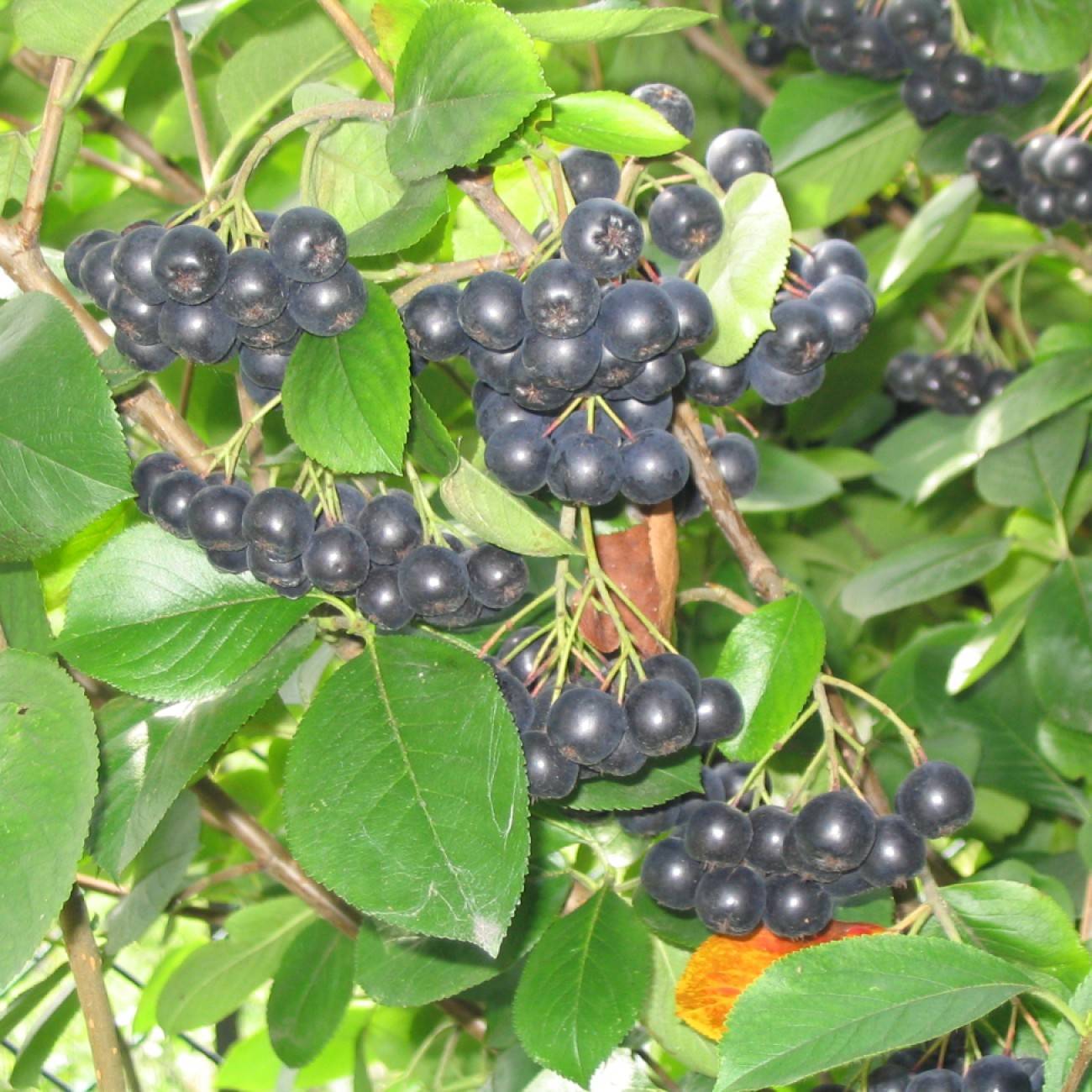
black chokeberry
Aronia melanocarpa 'Estland'
Overview
Black Chokeberry (Aronia melanocarpa 'Estland') is an amazing plant species with many attributes worth noting. Its glossy foliage and sweet-tart berries are great for cooked fruit recipes and preserves. The berries are highly nutritious and rich in vitamins and minerals such as iron, potassium, magnesium and phosphorus. This versatile shrub is highly attractive to birds and bees, and will provide endless hours of enjoyment for both. It can also be used as a screening specimen, as its pH requirements make it great for acidic soil types. When it blooms in spring, the blossoms can attract pollinators in droves, and the birds will enjoy its fruit in autumn.
Care Guide
Watering
Black chokeberry (Aronia melanocarpa 'Estland') should be watered deeply and regularly when first planted to help the roots establish themselves. After that, it is suggested to water once a week during the growing season and once every 2 weeks during the winter. After the soil has become moist, allow the top 1-2 inches of soil to dry out before watering again. If the soil drains quickly, it will need less water. Over-watering can be damaging to the plant. During prolonged periods of high temperatures, it may benefit from additional watering.
Light
Black chokeberry (Aronia melanocarpa 'Estland') requires at least 4-5 hours of full sun daily, though it prefers 6-8 hours of sun daily. Additionally, it can survive and produce fruit with partial to full shade. This species also prefers well-draining soil and should be watered regularly (at least an inch of water per week either through natural rainfall or supplemental irrigation).
Soil
Sandy Clay Rocky
Temperature
Hardiness zone 3–8.
Pruning
Black chokeberry (Aronia melanocarpa 'Estland') should be pruned in early spring before new growth begins to appear. Pruning should only be done to dead or diseased branches or canes in order to promote the health of the plant. On average, pruning should be done every 3 years, removing approximately 1-third of the oldest canes each time. After pruning, the remaining canes should be thinned to 3-5 shoots per cane.
Propagation
Seed Propagation, Greenwood Cuttings, Greenwood Cuttings
Uses & Symbolism
Attracts: Birds.
Diseases & Pests
Common pests: Fungal leaf spot, Rust.
Related plants
Other plants you might like if you grow black chokeberry.
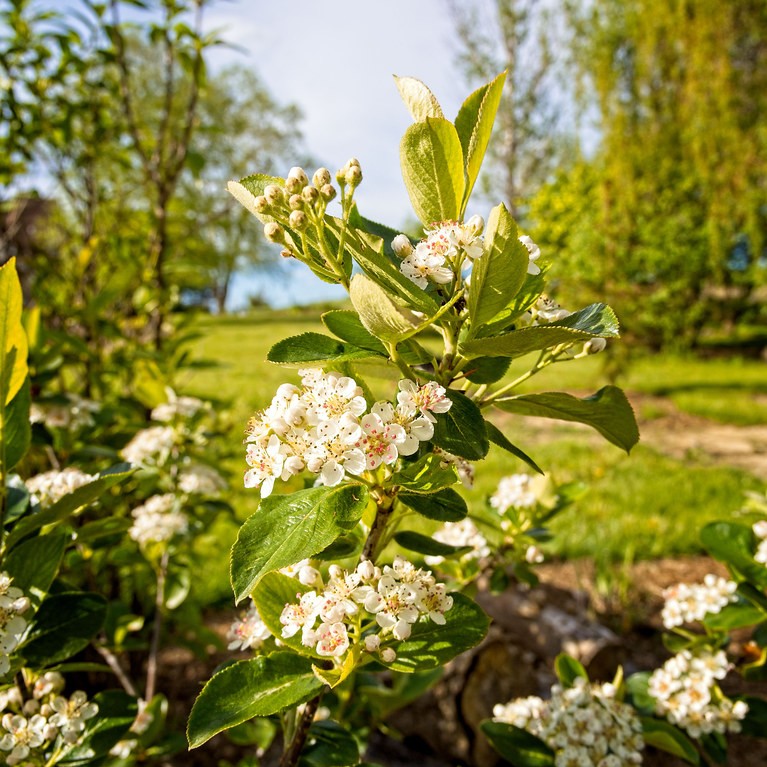
black chokeberry
Aronia melanocarpa 'Autumn Magic'
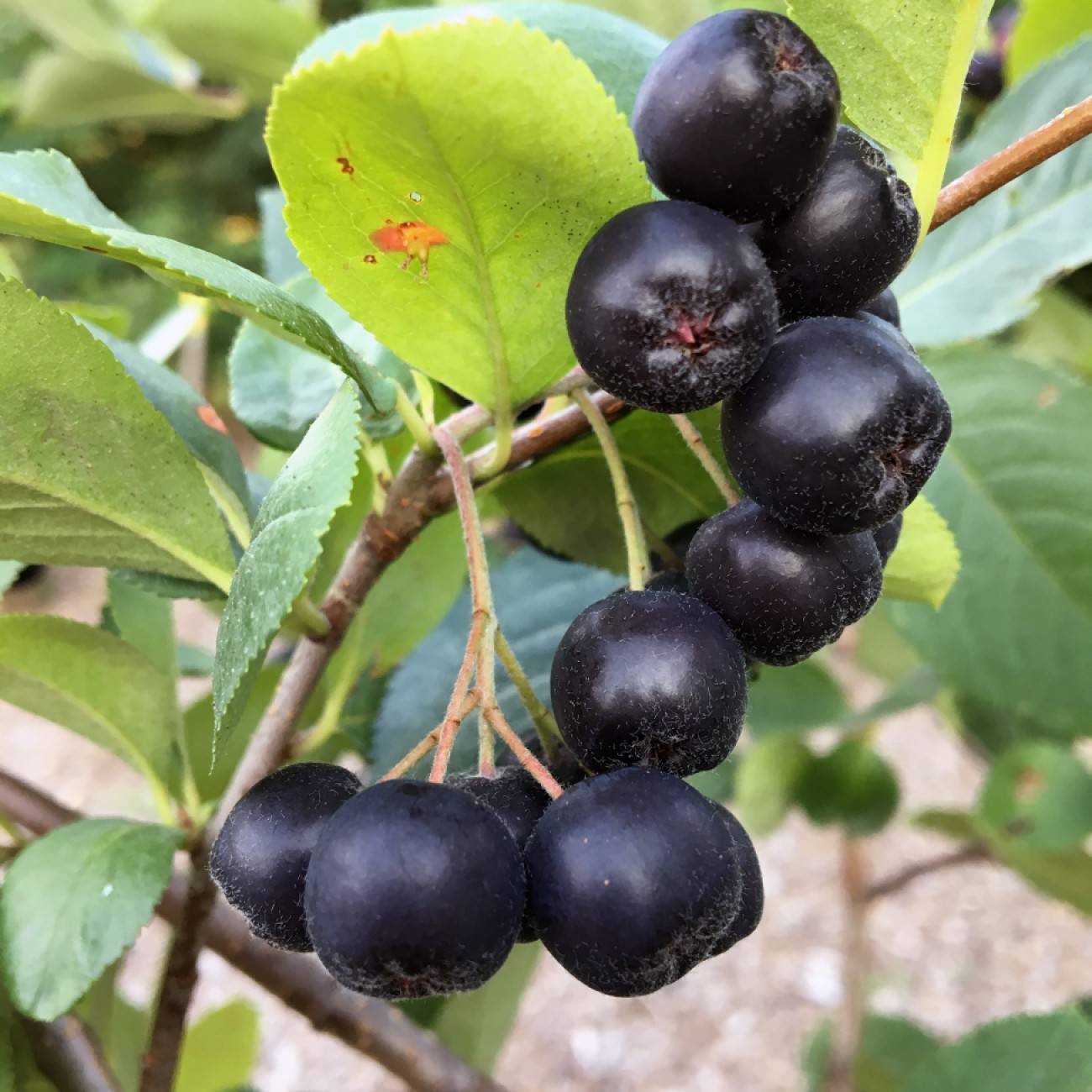
black chokeberry
Aronia melanocarpa 'Morton' IROQUOIS BEAUTY
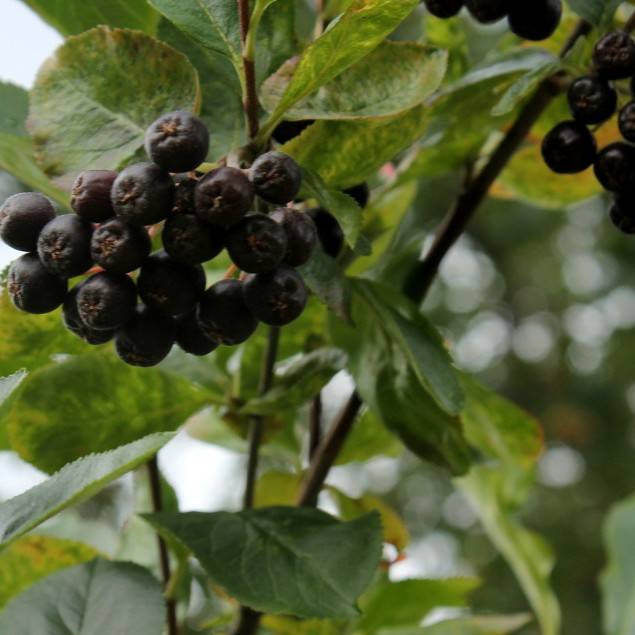
black chokeberry
Aronia melanocarpa 'Professor Ed'
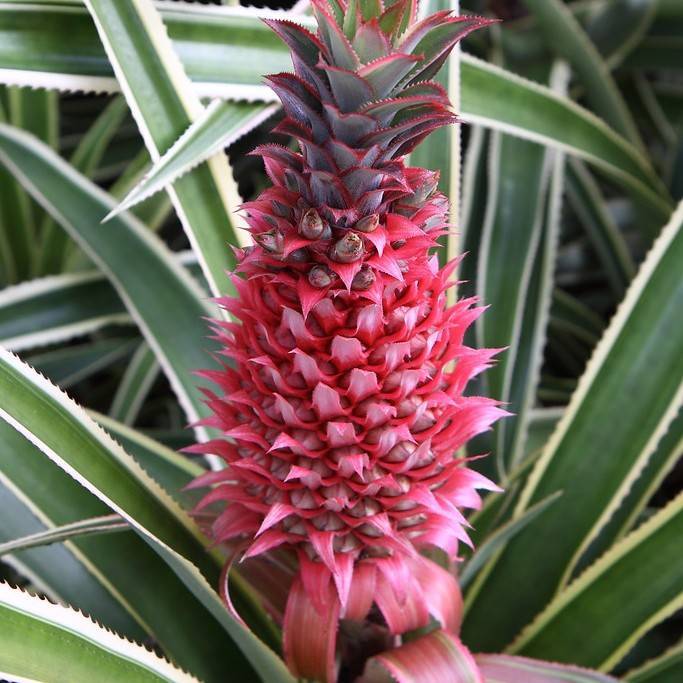
variegated pineapple
Ananas comosus var. variegatus
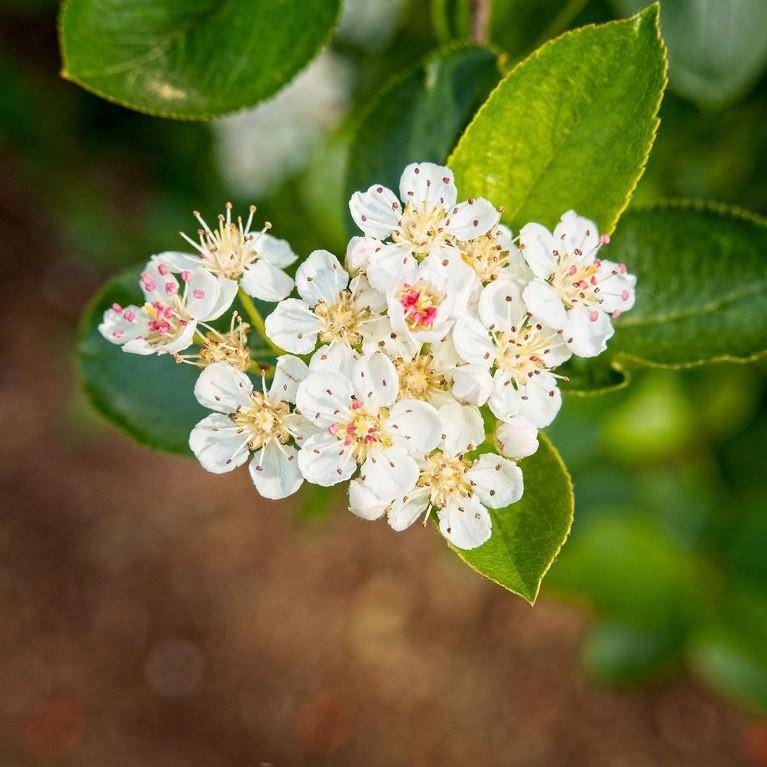
black chokeberry
Aronia melanocarpa
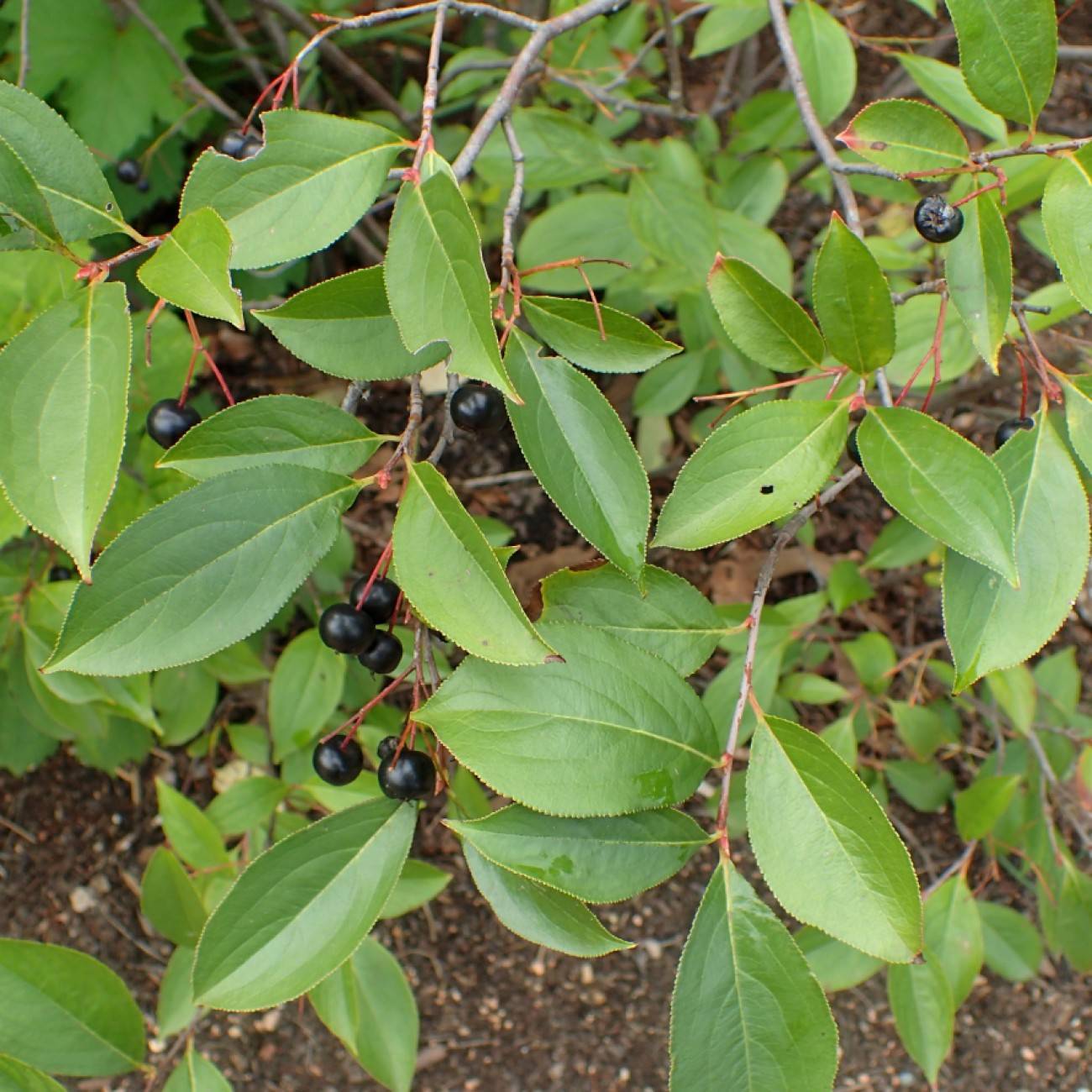
black chokeberry
Aronia melanocarpa var. elata
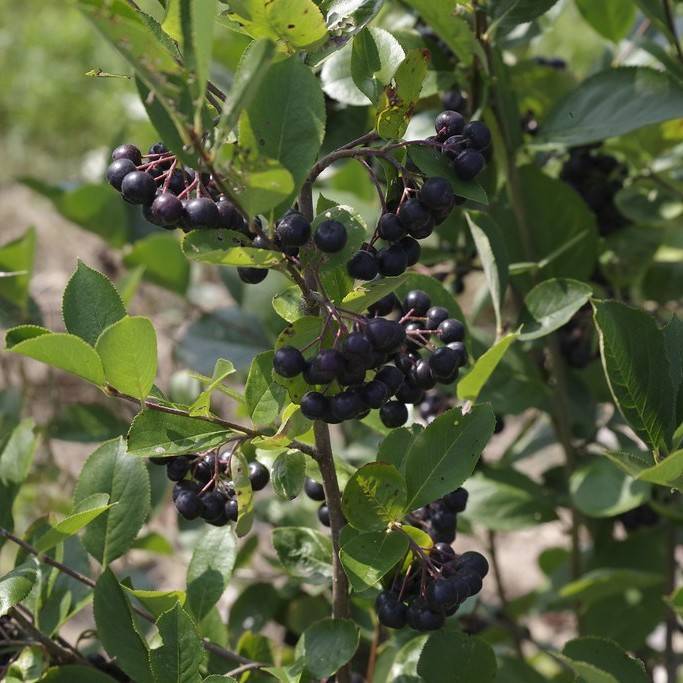
black chokeberry
Aronia melanocarpa 'Viking'
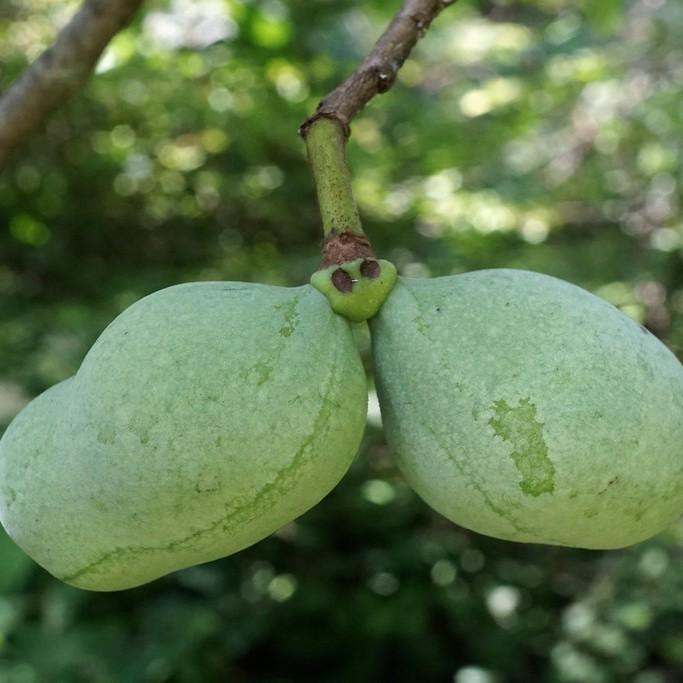
Common Paw Paw
Asimina triloba