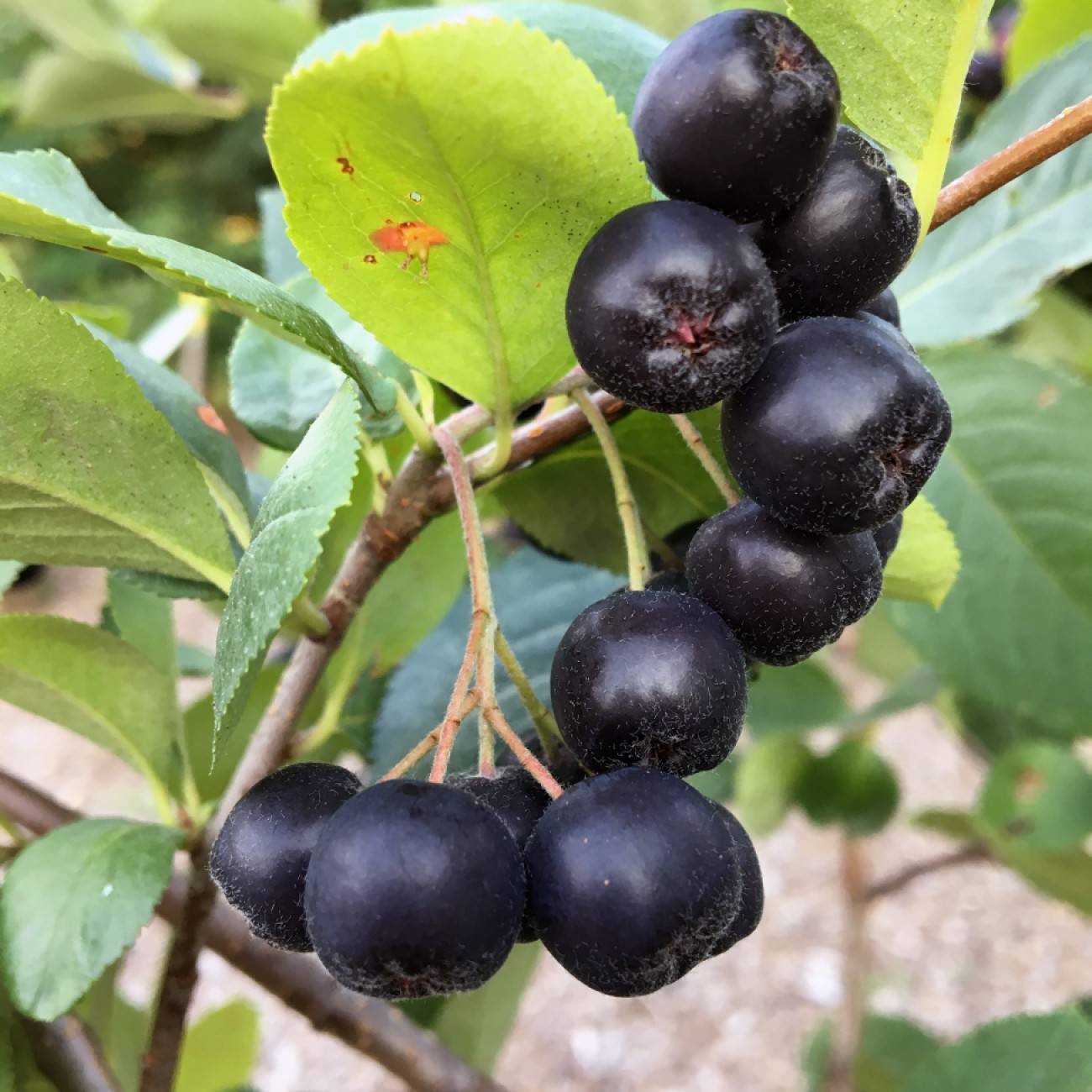
black chokeberry
Aronia melanocarpa 'Morton' IROQUOIS BEAUTY
Overview
The Black Chokeberry (Aronia melanocarpa 'Morton' IROQUOIS BEAUTY) is an amazing plant species for any garden, as it offers a multitude of benefits. Not only are its dark, glossy foliage and white blooms a beautiful addition to any yard, but the edible fruit is packed full of antioxidants and vitamins that support health. Its strong root system is also excellent for soil stabilization, making it useful for areas prone to erosion. Along with being cold-hardy and drought tolerant, this versatile shrub can be planted in sunny or shaded areas, and won’t take over your yard, as it stays relatively short. This little shrub packs a big punch of beauty and convenience.
Care Guide
Watering
Black chokeberry should be watered once or twice a week, depending on the soil temperature and moisture levels. During warmer months, water the plants more frequently, up to 3 times a week. During cooler months, reduce watering to once a week. When watering, thoroughly saturate the soil until it begins to trickle from the pot's drainage holes. Allow the top few inches of soil to dry slightly before watering it again, to prevent root rot and other moisture related problems. Do not water the plant too frequently or it may suffer from waterlogged conditions, as this plant prefers well-drained soil.
Light
The black chokeberry (Aronia melanocarpa 'Morton' IROQUOIS BEAUTY) is a deciduous shrub that prefers full sun in order to thrive and bloom to its fullest. It should be placed in an area of the garden that receives at least 6-8 hours of direct sunlight each day, preferably in the morning. Avoid areas that have a lot of shade or shade cast by nearby trees or structures, as this can reduce the number of flowers and foliage produced by the plant. It is best to site the shrub so that it will receive plenty of direct sunlight in the morning, followed by some light shade during the later parts of the day.
Soil
Sandy Clay Rocky
Temperature
Hardiness zone 3–8.
Pruning
Black chokeberry (Aronia melanocarpa 'Morton' IROQUOIS BEAUTY) should be pruned each year in late winter or early spring, usually in February or March. Pruning should be done to remove all dead or diseased branches, and thin out the canopy for better air and light penetration. This type of pruning involves cutting back stems and branches to overall shape and size of the plant. Depending on plant’s age and size, shaping it by removing 10-25% of its branches each year is recommended. Make sure to maintain the plants natural form, focusing on removing stems that are weak, overgrown, or crossing over each other. Proper pruning helps to improve the plants overall health and beauty.
Propagation
Seed Propagation, Greenwood Cuttings, Greenwood Cuttings
Uses & Symbolism
Attracts: Birds.
Diseases & Pests
Common pests: Fungal leaf spot, Rust.
Related plants
Other plants you might like if you grow black chokeberry.
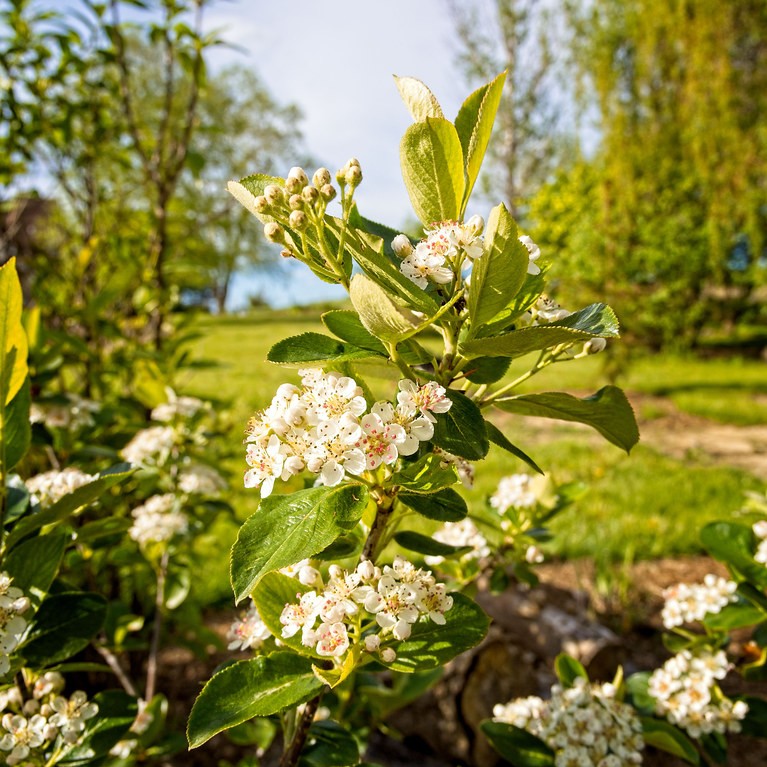
black chokeberry
Aronia melanocarpa 'Autumn Magic'
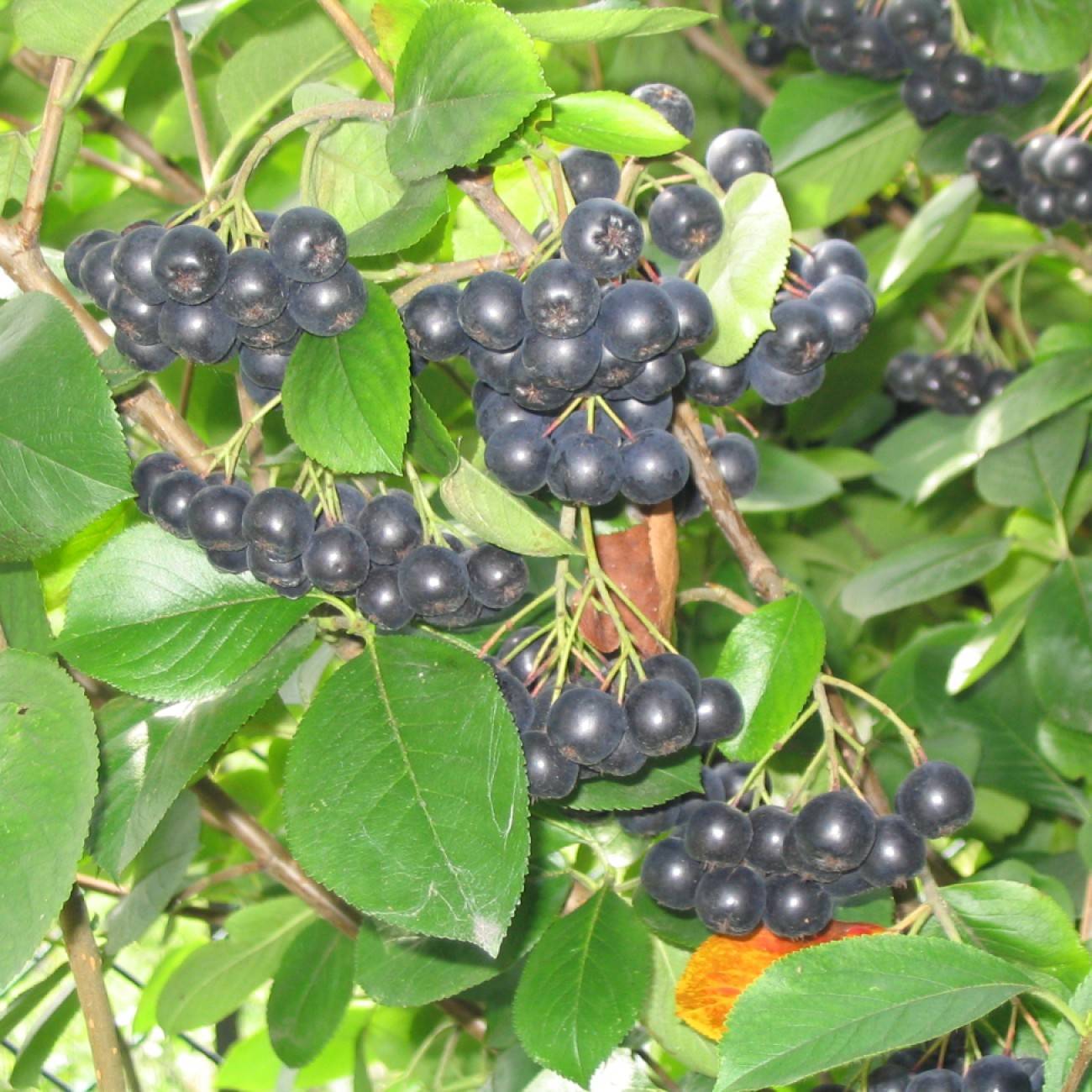
black chokeberry
Aronia melanocarpa 'Estland'
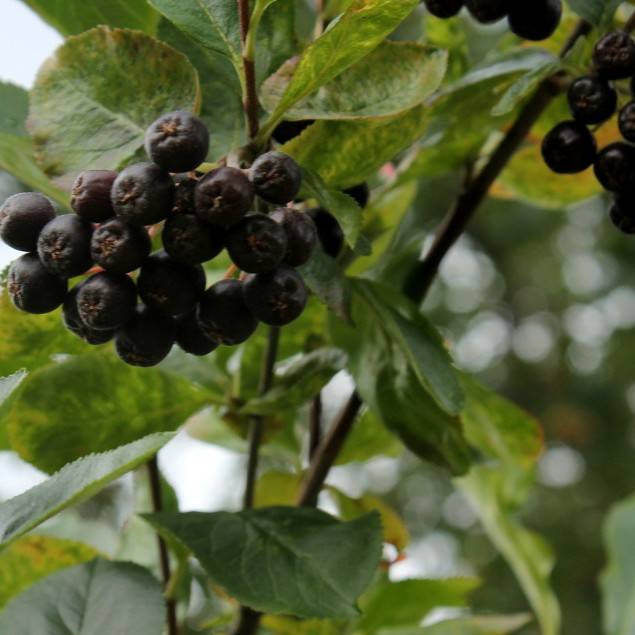
black chokeberry
Aronia melanocarpa 'Professor Ed'
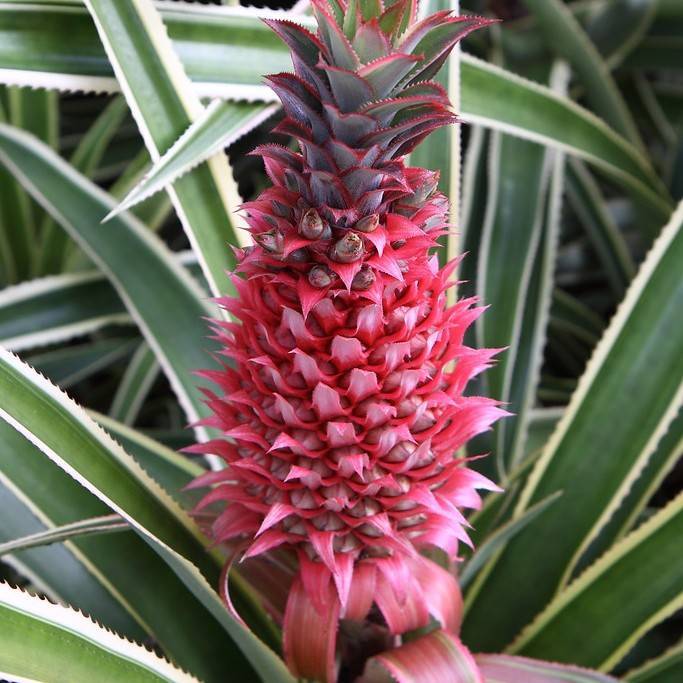
variegated pineapple
Ananas comosus var. variegatus
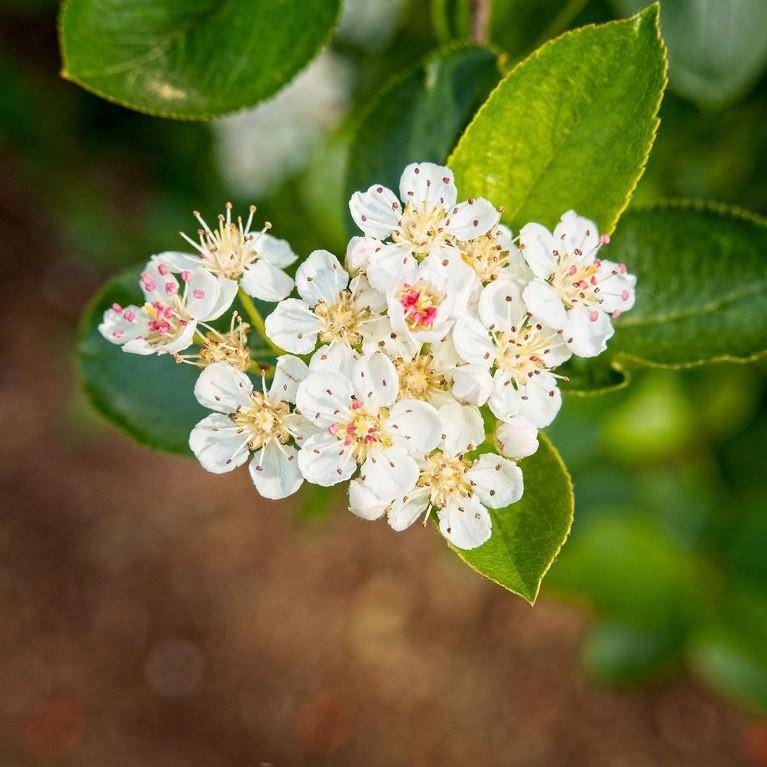
black chokeberry
Aronia melanocarpa
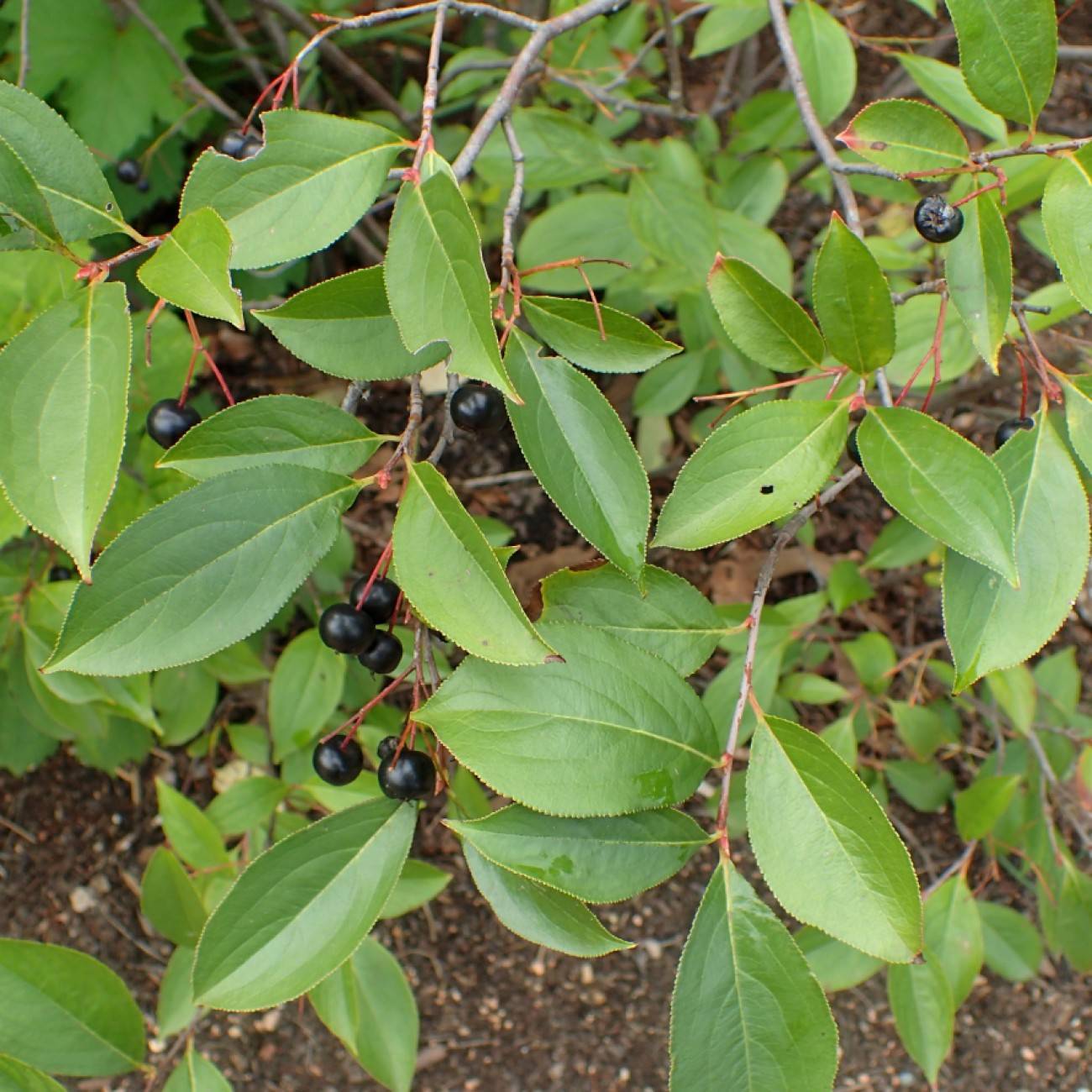
black chokeberry
Aronia melanocarpa var. elata
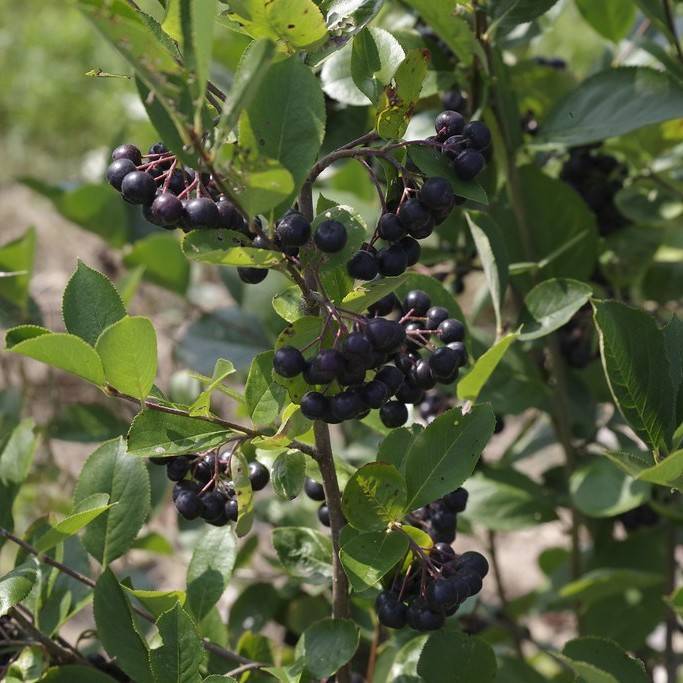
black chokeberry
Aronia melanocarpa 'Viking'
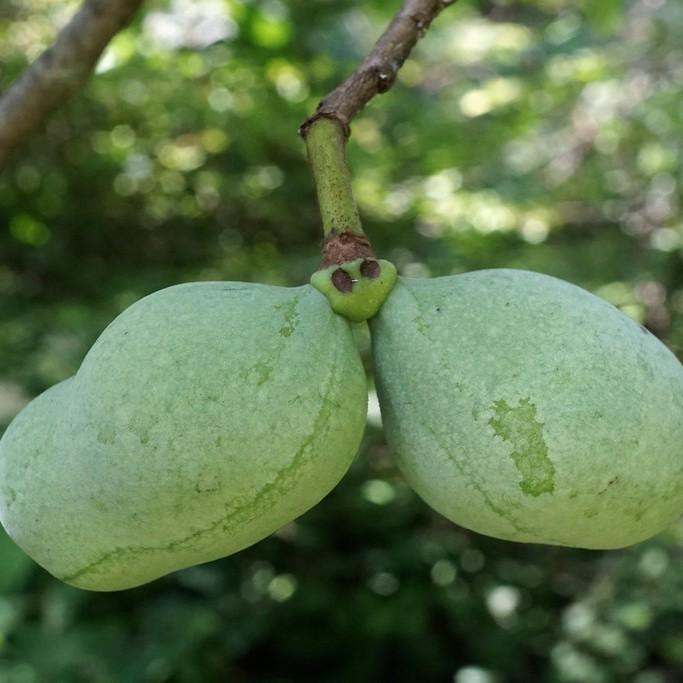
Common Paw Paw
Asimina triloba