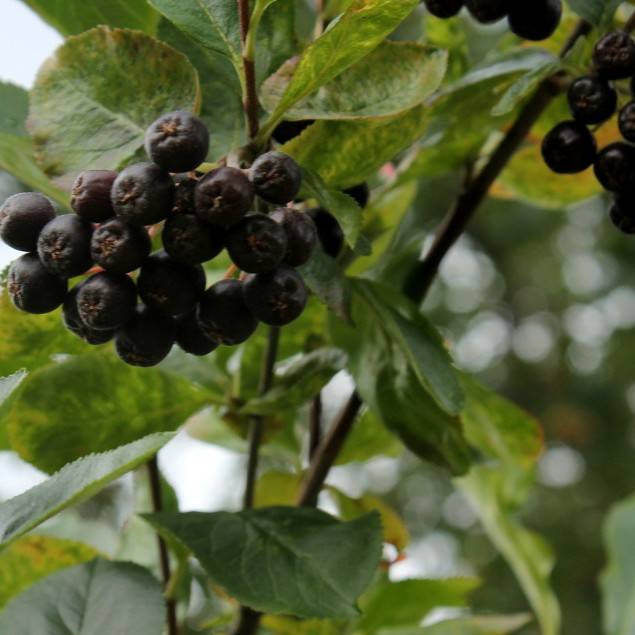
black chokeberry
Aronia melanocarpa 'Professor Ed'
Overview
Aronia melanocarpa 'Professor Ed' is an amazing plant species due to its versatility and ease of care. Its dense, upright habit makes it suitable for use as a shrub border or hedge. The deep black fruits are tart when raw, but make a delicious jelly or jam when cooked. It also features attractive, small white flowers in the spring and yellow-orange leaves in the fall. This plant does best in wet soils, but is tolerant of a range of soil conditions and can even tolerate some drought. Given its hardy nature and attractive fruits, it's no wonder why Aronia melanocarpa 'Professor Ed' is such an outstanding choice for landscaping!
Care Guide
Watering
Water your black chokeberry (Aronia melanocarpa 'Professor Ed') once a week in the summer and every 2 to 3 weeks in the winter. Water deeply, saturating the soil until water begins to come out of the bottom of the pot. Avoid overwatering by only adding water if the upper 2 inches (5 cm) of soil feels dry. During prolonged periods of extreme hot weather, water more often to ensure adequate soil moisture.
Light
Black chokeberry (Aronia melanocarpa 'Professor Ed') prefers full sun, meaning 6 to 8 hours of sunlight each day. This is the optimum amount for this plant species; any less can result in poor growth and bloom production. During the summer months, this plant prefers sustained direct sunlight, but during spring and fall it can benefit from some light protection from the harsh summer sun. For this reason, it's important to choose a planting location carefully, making sure it will receive the desired amount of sunlight.
Soil
Sandy Clay Rocky
Temperature
Hardiness zone 3–8.
Pruning
Aronia melanocarpa 'Professor Ed' should be pruned annually in early spring or late winter, before new growth appears. Focus on removing any diseased, dead, or damaged branches, as well as any crossing branches. In addition, thin out shoots (no more than 1-third of the branches) to create an open clump shape and to promote air circulation. Non-fruiting branches may be removed to encourage larger fruit size. Lastly, any suckers at the base of the plant should be removed.
Propagation
Seed Propagation, Greenwood Cuttings, Greenwood Cuttings
Uses & Symbolism
Attracts: Birds.
Diseases & Pests
Common pests: Fungal leaf spot, Rust.
Related plants
Other plants you might like if you grow black chokeberry.
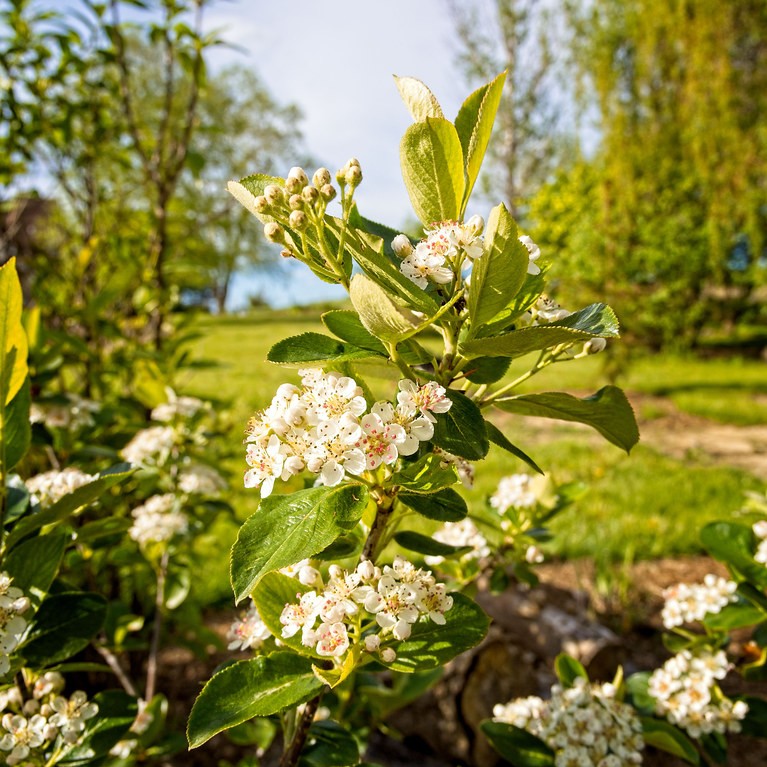
black chokeberry
Aronia melanocarpa 'Autumn Magic'
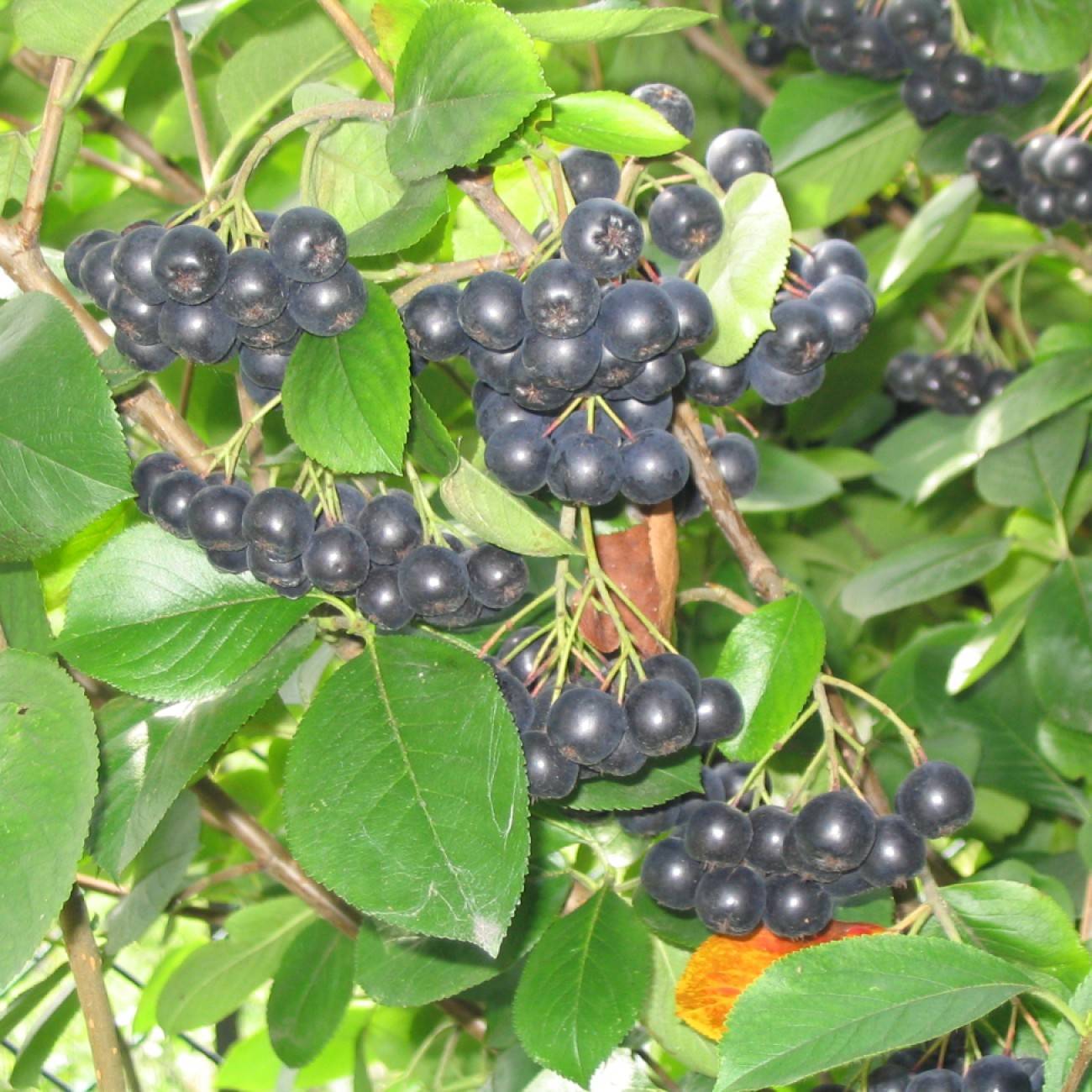
black chokeberry
Aronia melanocarpa 'Estland'
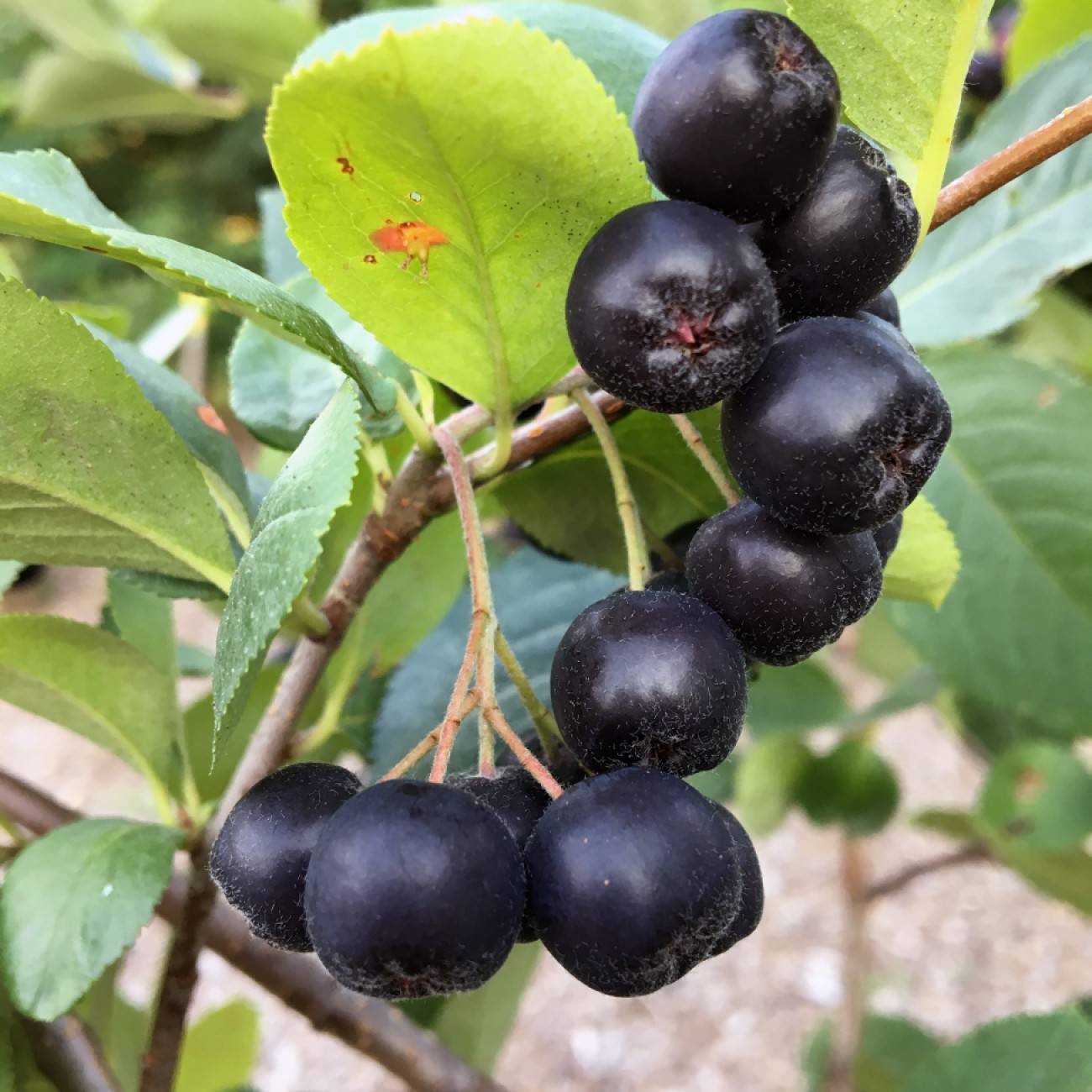
black chokeberry
Aronia melanocarpa 'Morton' IROQUOIS BEAUTY
variegated pineapple
Ananas comosus var. variegatus
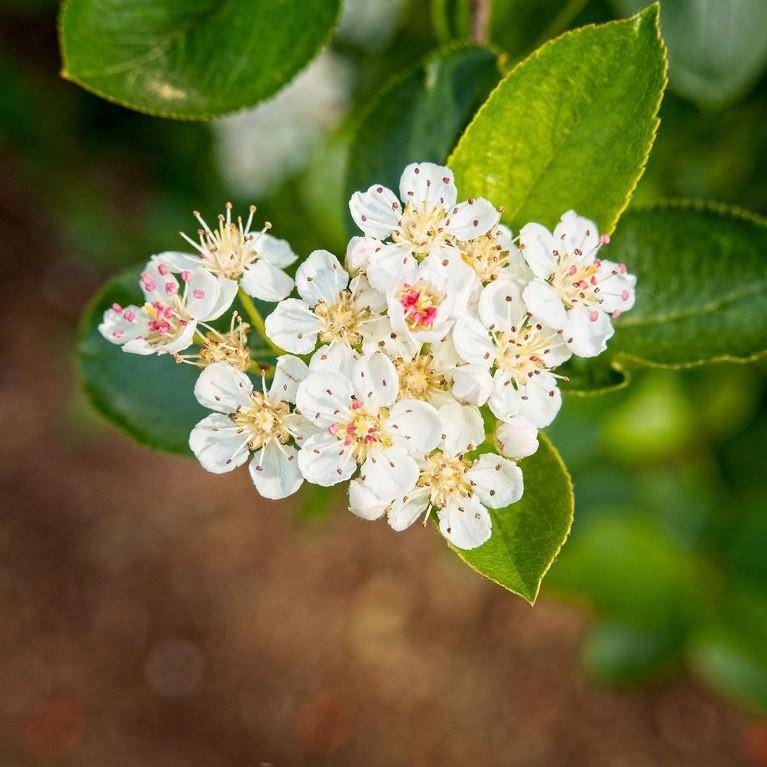
black chokeberry
Aronia melanocarpa
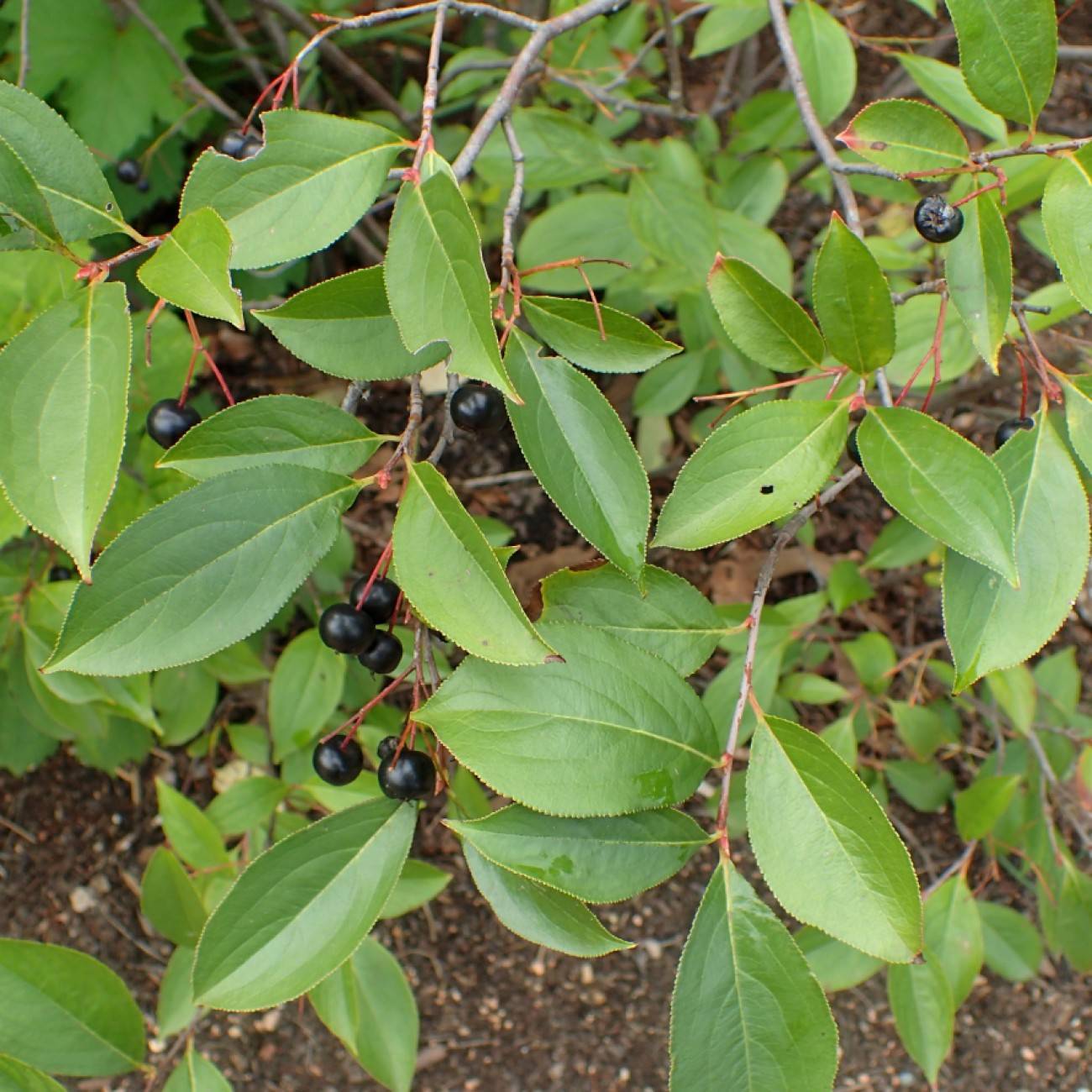
black chokeberry
Aronia melanocarpa var. elata
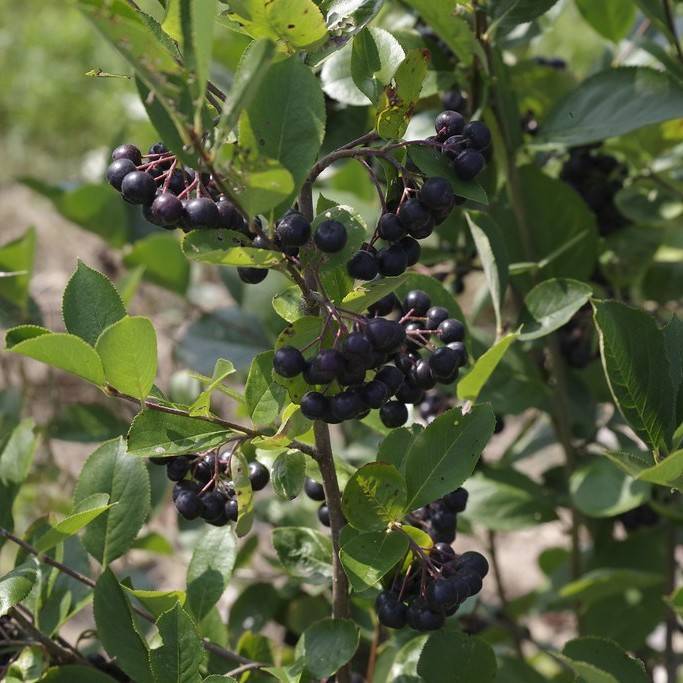
black chokeberry
Aronia melanocarpa 'Viking'
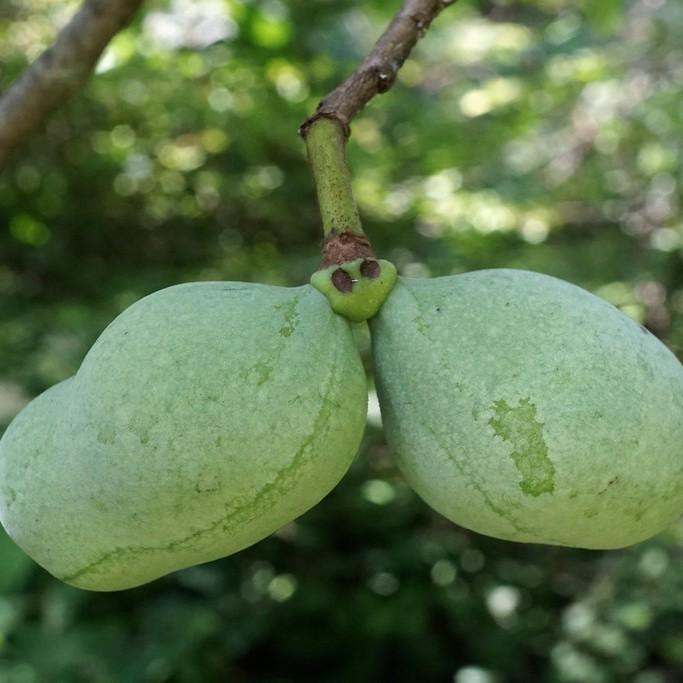
Common Paw Paw
Asimina triloba